Support

Fort McMurray

About

Fort McMurray is a dynamic community nestled within the vast boreal forest of northeastern Alberta. Often recognized globally for its pivotal role in the energy sector, this urban service area offers a fascinating blend of industrial might and breathtaking natural wilderness. It serves as a gateway to the north, attracting visitors who are keen to explore a unique side of Canada where modern development meets the rugged outdoors.

Geographically, the city is situated at the picturesque confluence of the Athabasca and Clearwater rivers. While it is known for its cold winters and warm, short summers, the distinct seasons provide a stunning backdrop for year-round activities. With a diverse population of over 71,000 residents, the community is vibrant and multicultural. The history of Fort McMurray is deeply rooted in the fur trade of the late 19th century, evolving significantly over time to become the energetic hub it is today.
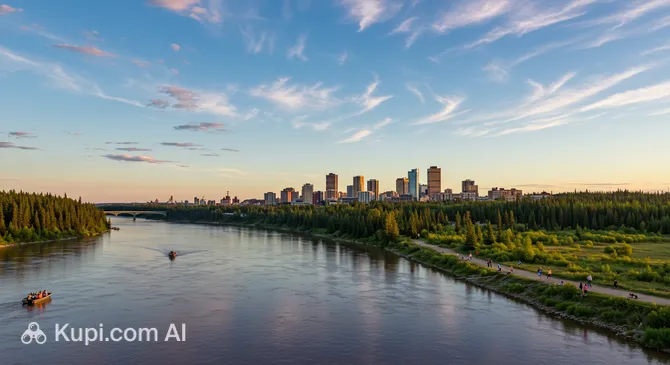
Fort McMurray. Source: Kupi.Binoculars

Travelers will find plenty of intriguing attractions to fill their itinerary. The region is a prime location for viewing the spectacular Northern Lights (Aurora Borealis), which frequently illuminate the night sky with dancing colors. For those interested in science and industry, the Oil Sands Discovery Centre offers an educational look into the history and technology of the oil sands. Additionally, MacDonald Island Park serves as a premier recreational venue, boasting extensive facilities for sports, leisure, and cultural events.

Whether you are drawn by the allure of the aurora, the curiosity of industrial tourism, or the call of the wild rivers, Fort McMurray promises a memorable visit. It is a destination that surprises many with its natural beauty and community spirit, making it well worth the journey north.
Weather Overview

Fort McMurray experiences a continental climate characterized by distinct seasons, ranging from long, cold winters to warm, pleasant summers. Travelers visiting this northern region should be prepared for significant temperature variations depending on the time of year. To help you pack and plan your activities, it is useful to check the current weather in Fort McMurray before your trip.

The winter months of January and February are typically the coldest, with average temperatures around -15°C and minimums often dropping below -20°C. In contrast, the summer season offers much milder conditions perfect for outdoor exploration. July is generally the warmest month, featuring an average temperature of 18.8°C and daily highs reaching up to 24.5°C.

Precipitation patterns also shift throughout the year. While winter remains relatively dry, the summer months tend to be wetter, with June seeing the highest frequency of rain, averaging about 13 wet days. Overall, you can expect warm summers with occasional rain and cold, dry winters.

Interesting Facts

Beyond its industrial reputation, Fort McMurray holds several fascinating secrets and unique local quirks that surprise many visitors. From aviation history to historic dining spots, there are plenty of hidden gems to discover in this northern community.
  • Due to its northern latitude, the city experiences exceptionally long summer days with nearly 19 hours of daylight in June, allowing enthusiasts to play a round of golf or hike well past 10:00 PM.

  • The city is home to one of the busiest water aerodromes in Canada, where the sight of floatplanes taking off and landing on the river is a daily spectacle during the open water season.

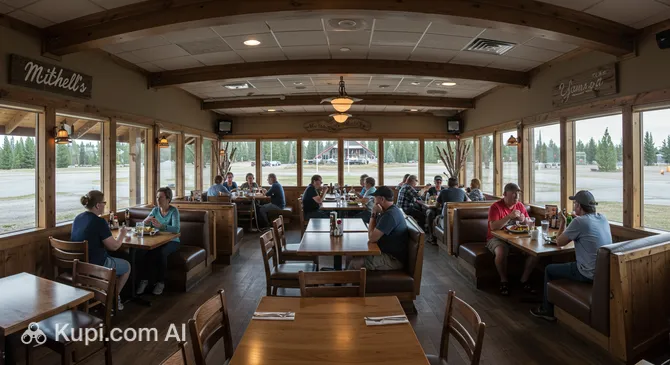
  • Local history comes alive at Mitchell's Cafe, a beloved eatery housed in a heritage building that originally served as the community's police detachment.

Mitchell's Cafe. Source: Kupi.Binoculars

How to Get There

Planning a trip to the heart of the Athabasca Oil Sands requires some preparation, as this northern community is surrounded by vast wilderness. While the location is remote, modern infrastructure ensures that visitors can arrive comfortably. For a comprehensive overview of all travel options and routes, you can read more about how to get to Fort McMurray to help organize your journey.

The most convenient and popular way to reach the city is by air. The region is served primarily by the Fort McMurray International Airport (YMM), which is located directly in Fort McMurray, just 12.6 km from the city center. This modern facility welcomes a large number of travelers annually and offers regular connections to major Canadian hubs like Edmonton and Calgary. A taxi or shuttle ride from the terminal to downtown is quite quick, typically taking approximately 15 to 20 minutes depending on traffic.

Travelers exploring regional maps might also encounter the Fort Chipewyan Airport (YPY). However, it is important to note that this airport is located in the community of Fort Chipewyan, approximately 227 km north of Fort McMurray. Fort Chipewyan is primarily a fly-in community that does not have a permanent all-weather road connecting it to the city; it relies on a seasonal winter road for ground access. Therefore, this airport serves the local northern population and is not a viable entry point for tourists intending to visit Fort McMurray.

For clarity, here is a summary of the main airports:

Airport Name City Passenger Traffic Km from City
Fort McMurray International Airport Fort McMurray Medium 12.6
Fort Chipewyan Airport Fort Chipewyan Small 227.7

Since there is no passenger rail service directly to Fort McMurray, those preferring ground transportation typically arrive by road. The city is connected to the rest of the province via Highway 63, which links south to Edmonton. The drive offers scenic views of the boreal forest, though travelers should be mindful of weather conditions, especially during the winter months.

Main Attractions

Fort McMurray offers a surprising array of attractions that go beyond its industrial reputation, ranging from world-class recreational facilities to immersive historical exhibits. Visitors can explore the region's unique heritage, enjoy outdoor adventures, and experience the warm hospitality of the local community.

The Oil Sands Discovery Centre is arguably the city's most famous landmark, providing a fascinating deep dive into the science and history of the Athabasca Oil Sands. Tourists can view massive industrial equipment up close, watch informative demonstrations about the extraction process, and learn about the geological forces that shaped the region. It is an educational experience that offers valuable context to the area's economic significance.

For those seeking recreation, MacDonald Island Park is a must-visit destination located on an island in the Athabasca River. As Canada’s largest community recreational, leisure, and social centre, it houses the Suncor Community Leisure Centre, an art gallery, and a golf course. It is a hub of activity where visitors can enjoy everything from swimming and climbing to cultural events and concerts.

A culinary and historical gem in the city is Mitchell's Cafe. Located in a registered historic site that once served as the local police detachment, this eatery is renowned for its homemade meals and welcoming atmosphere. It serves as a perfect spot for tourists to relax and soak in a bit of local history while enjoying a hearty lunch or a cup of coffee.

Nature enthusiasts should head to Vista Ridge All Seasons Park, which offers year-round excitement. In the winter, it is the premier spot for skiing, snowboarding, and tubing, while the warmer months transform it into an adventure park featuring an aerial course and a mini-golf course. It is an excellent location for families and thrill-seekers looking to embrace the outdoors.

Local Cuisine

The culinary landscape of Fort McMurray is a reflection of its diverse and hardworking community, offering a satisfying mix of hearty comfort foods and international flavors. Given its location in the heart of the province, the star of many menus is undoubtedly Alberta beef. Visitors can expect to find world-class steaks, slow-cooked briskets, and juicy burgers served in numerous local steakhouses and pubs, perfectly designed to satisfy a big appetite after a day of exploring the outdoors.

For a taste of local history alongside home-style cooking, Mitchell's Cafe is a beloved institution. Situated in a heritage building, this spot is famous among residents for its daily homemade soups, fresh sandwiches, and the "Sunburn" burger. It represents the casual, welcoming vibe that defines the city's food scene, where the focus is on quality ingredients and warm hospitality rather than formal dining.

The city also embraces a variety of cultural influences brought by residents from across Canada and the world. You will find excellent spots serving everything from East Coast-style donairs—a spicy beef pita wrap that is a late-night favorite—to authentic Asian and Middle Eastern cuisine. Food trucks and casual eateries are popular, catering to the busy lifestyle of the town.

When it comes to drinks, the Caesar is a must-try Canadian classic found in almost every bar. This savory cocktail, made with vodka, clamato juice, hot sauce, and Worcestershire sauce, is often garnished with celery or even a strip of bacon. Beer enthusiasts will also appreciate the selection of craft brews from across Alberta, which pair exceptionally well with the region's meat-centric dishes.

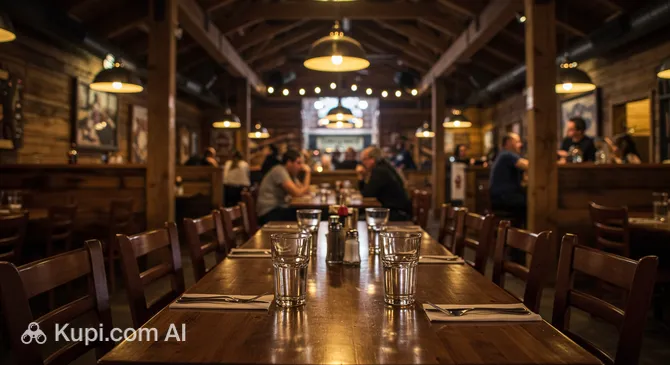
Montana's BBQ & Bar. Source: Kupi.Binoculars

For those seeking a lively atmosphere with generous portions, Montana's BBQ & Bar is a popular choice. Known for its smokehouse ribs and rustic, lodge-like decor, it captures the adventurous spirit of the north while providing a fun environment for families and groups to gather.

Travel Tips

Welcome to Fort McMurray! Visiting this unique northern community offers a chance to witness the grandeur of the boreal forest and the scale of industrial ingenuity, but it does require a bit of specific preparation. To ensure your journey to the "Gateway to the North" is as smooth and enjoyable as possible, here is a collection of practical tips to help you pack and plan.

  1. Clothing and Gear: Packing for Fort McMurray depends entirely on the season. In winter, temperatures can drop below -30°C, so a heavy parka, thermal layers, insulated boots, gloves, and a toque (beanie) are essential. Summers are warm and pleasant, but evenings can be cool, so bring a light jacket. If you plan to explore the outdoors, sturdy walking shoes are a must. Also, don't forget insect repellent in the summer, as mosquitoes can be quite active in the forest. The electrical standard is the same as the rest of Canada (Type A and B plugs), so bring an adapter if you are visiting from overseas.
  2. Transportation: While the city has a public bus system operated by Fort McMurray Transit that covers most residential and commercial areas, renting a car is highly recommended for tourists. Many of the best sights, such as the Oil Sands Discovery Centre or prime Northern Lights viewing spots, are spread out. Taxis and ride-sharing apps like Uber are available, but having your own vehicle gives you the freedom to explore the region's vast landscapes at your own pace.
  3. Finances: The local currency is the Canadian Dollar (CAD). Credit and debit cards (Visa and Mastercard) are widely accepted almost everywhere, from hotels to small cafes. However, carrying a small amount of cash is useful for small purchases. ATMs are plentiful throughout the city. Tipping is customary here; expect to leave 15% to 20% of the bill at restaurants, bars, and for taxi services.
  4. Health and Safety: Fort McMurray is generally a safe community for travelers. The main medical facility is the Northern Lights Regional Health Centre, which provides emergency care. Pharmacies are easy to find, with major chains like Shoppers Drug Mart often open late. If you are hiking or exploring nearby trails, be "bear aware" and keep a safe distance from wildlife like moose and deer. Always carry water and let someone know your plans if venturing into the wilderness.
  5. Communication: English is the primary language spoken in the city. Visitors will find that free Wi-Fi is widely available in hotels, restaurants, and public buildings like the library. If you need mobile data, prepaid SIM cards can be purchased at the Peter Pond Mall or other retail centers from major providers like Telus, Bell, or Rogers. Mobile coverage is excellent within the city but can be spotty on remote highways.
  6. Local Etiquette: The people of Fort McMurray are known for being friendly and down-to-earth. A handshake is a standard greeting. Politeness is valued; holding doors open for others and saying "sorry" or "excuse me" in crowded spaces is the norm. When driving, it is polite to wave a thank you if someone lets you merge into traffic.
  7. What to Avoid: Do not attempt to enter industrial sites or oil sands operations without an authorized tour; these are restricted areas with strict safety protocols. Additionally, avoid underestimating the winter driving conditions—black ice is common, so drive slowly and carefully if you visit during the colder months.
  8. Additional Tip: Take advantage of the daylight hours! In June, the sun doesn't set until after 11:00 PM, giving you ample time for evening golf or hiking. Conversely, if you visit in winter, download an aurora forecast app; the long nights offer some of the best opportunities in the world to see the Northern Lights right from the city outskirts.

By keeping these practicalities in mind, you will be well-equipped to navigate the local customs and climate. Whether you are here to marvel at the dancing aurora or to learn about the energy sector, a little preparation goes a long way in making your Fort McMurray adventure truly unforgettable.

Entertainment & Nightlife

Fort McMurray is known for its "work hard, play hard" attitude, resulting in a vibrant and unpretentious nightlife scene. The atmosphere is generally casual and welcoming, with a mix of locals and workers from the energy sector coming together to unwind. The primary hub for evening entertainment is Franklin Avenue in the downtown core, where you can find a concentration of pubs, bars, and restaurants within walking distance of each other. Another emerging area for dining and drinks is the Eagle Ridge district, which offers a slightly more modern vibe.

For those looking to start the evening with good food and drinks, Montana's BBQ & Bar is a popular choice. Its rustic, lodge-style setting makes it a comfortable spot to enjoy a few beers and hearty dishes before heading out to livelier venues. If you are seeking a more energetic environment, the city has several sports bars and "premium dive bars" like The Banquet, where you can combine drinking with activities like bowling and arcade games. These venues typically stay open late, especially on weekends, and are perfect for groups.

Live music and karaoke are staples of the local entertainment culture. Many pubs along the main strip host local bands or open mic nights, particularly on Fridays and Saturdays. The dress code throughout the city is very relaxed; jeans and casual wear are the norm almost everywhere, even in nightclubs. Prices for drinks and cover charges are comparable to other major Albertan cities, though some high-end spots may be slightly pricier.

Getting around safely at night is straightforward. Public transit runs in the evenings, but frequencies decrease late at night, so taxis and ride-sharing services like Uber are the most reliable options. It is highly advisable to book your ride in advance on busy weekend nights. While downtown is generally safe, it is always wise to stay in well-lit areas and travel with friends after dark. Visitors should be aware that winters can be extremely cold, so dressing warmly is essential even for short walks between venues.

Beyond the nightlife, the city offers diverse daytime entertainment options. Culture enthusiasts can catch a play or concert at the Keyano Theatre & Arts Centre, which is the heartbeat of the local performing arts scene. For a more relaxed afternoon or a delicious start to your evening, Mitchell's Cafe is a renowned local institution perfect for grabbing a coffee or a homemade meal. Additionally, outdoor lovers can explore the trails at Vista Ridge or visit the local museums to round out their trip.

Parks & Museums

While Fort McMurray is famous for its industrial prowess, the city is also deeply connected to the surrounding boreal forest and boasts a rich cultural tapestry. Visitors will find that the community places a high value on its green spaces, offering an impressive network of trails and parks, alongside museums that preserve the unique history of Northern Alberta.

Gregoire Lake Provincial Park is a favorite escape for both locals and tourists seeking a true wilderness experience just a short drive from the city. Located about 35 kilometers south of Fort McMurray, this park features a beautiful sandy beach, boat launch, and extensive camping facilities. It is an idyllic spot for swimming and picnicking in the summer, while winter transforms the lake into a hub for ice fishing and cross-country skiing.

For those who prefer to stay within the city limits, the Birchwood Trails offer an unexpected immersion into nature. This massive urban trail system spans over 130 kilometers, winding through dense forests and scenic valleys. It is a haven for joggers, cyclists, and birdwatchers, providing a quiet retreat where the hustle of the city feels miles away. In the winter, the trails are groomed for cross-country skiing, making them a year-round asset to the community.

To understand the human history of the region before the industrial boom, a visit to the Fort McMurray Heritage Village is essential. This open-air museum transports visitors back in time with its collection of preserved historic buildings, including a trapper's cabin, a one-room schoolhouse, and an old Catholic mission. It effectively showcases the area's roots in the fur trade, fishing, and early transportation industries, offering a stark and fascinating contrast to the modern city.

The Oil Sands Discovery Centre remains the definitive institution for understanding the region's economic engine. While often listed as a main attraction, it functions as a specialized science museum. Its exhibits go beyond simple displays; they include hands-on experiments that explain how oil is separated from sand and feature the "Giants of Mining"—massive decommissioned industrial equipment located in the outdoor exhibit area that truly conveys the scale of the operations.

Another significant cultural venue is the Points North Gallery, often associated with the local arts council. It highlights the work of local and regional artists, capturing the spirit of the north through various mediums. For architecture enthusiasts, the historic structures within the Heritage Village, particularly the well-preserved churches, offer a glimpse into the resilient architectural styles necessitated by the harsh northern climate.

Insider Tip: If you are exploring the Birchwood Trails, keep an eye out for the outdoor gym equipment stationed along the routes. Also, these trails are excellent spots for photography during the "Golden Hour" in autumn when the poplar and birch trees turn a brilliant yellow.

Getting Around

The public transport system in Fort McMurray is streamlined and reliable, designed primarily to serve the needs of residents and workers within the urban service area. The network is operated by Fort McMurray Transit and consists entirely of a fleet of modern buses. There are no metros, trams, or trains within the city. The bus routes effectively connect the downtown core with key residential neighborhoods, shopping centers, and major hubs like MacDonald Island Park and Keyano College.

For payment, the system is quite user-friendly and affordable. You can pay a single cash fare upon boarding the bus, but it is important to note that drivers do not carry change, so you must have the exact fare in coins. If you plan to use the bus frequently during your stay, it is more convenient to purchase a book of tickets or a monthly pass. These can be bought at various locations throughout the city, including the Timberlea Landing building, designated grocery stores, and Shoppers Drug Mart locations.

Buses typically operate from the early morning until late at night on weekdays to accommodate the shifts of local workers. However, service frequency is reduced on weekends and public holidays. Tourists are advised to check the schedules in advance using popular navigation apps like Google Maps or the official municipal website to avoid long wait times. Stops are clearly marked, but due to the cold winter climate, it is wise to minimize waiting time outside during the colder months.

While the bus system covers the main city area well, many visitors find that renting a car is the most practical option for exploring the region. The city is spread out, and having a vehicle allows you to visit attractions on the outskirts or view the Northern Lights at your own pace. Alternatively, taxis and ride-sharing services like Uber are widely available and offer a convenient way to get around, especially for late-night trips when bus services may be less frequent.

Accommodation

Finding a place to stay in Fort McMurray is generally straightforward, though the options reflect the city's industrious character. The accommodation landscape is dominated by reliable mid-range hotels, motels, and extended-stay suites designed to cater to both short-term tourists and long-term workers. While you will not find ultra-luxury resorts, the standard of comfort is high, with many properties offering modern amenities such as kitchenettes, fitness centers, and hearty breakfasts to fuel your adventures.

The most convenient area for tourists to stay is Downtown Fort McMurray, particularly along or near Franklin Avenue. Staying here places you within walking distance of local dining spots, shopping centers, and key attractions like MacDonald Island Park. For those arriving by car via Highway 63, the Gregoire neighborhood at the south end of the city offers several hotels and motels that provide easy highway access, making it a practical choice for road trippers who want to avoid city traffic.

Travelers should be aware that hotel availability and pricing in Fort McMurray can be heavily influenced by the activity levels of the energy sector. During major industrial maintenance periods, known locally as "shutdowns," or large conferences, vacancy rates can drop significantly, and prices may rise. Therefore, a key tip for visiting is to book your accommodation well in advance, especially if you plan to travel during the busy summer months or early autumn.

In terms of pricing, the city typically falls into the mid-to-high range compared to other Albertan communities, primarily due to the strong corporate demand. Budget options are available in the form of simpler motels and bed-and-breakfasts, while the higher end of the market consists of well-known international hotel chains offering full-service experiences. Booking is best done through major online travel platforms or directly with the hotels, which often offer flexible cancellation policies suited to the fluctuating nature of travel in the north.

Nearby Cities

Nearby Cities:

Fort McMurray is situated in a remote and expansive region of Northern Alberta, meaning that visiting neighboring communities often involves a scenic road trip through the boreal forest. While the city stands somewhat in isolation, it serves as the northern terminus for travelers heading south along Highway 63 toward the province's more densely populated areas.

The closest substantial communities are located in the "Lakeland" region to the southeast. Cold Lake is a popular destination known for its stunning large lake and marina, making it a favorite for water sports and fishing enthusiasts. Nearby, Bonnyville sits between two lakes and offers a mix of outdoor adventure and small-town charm. Both towns provide a refreshing change of pace and scenery for those willing to make the drive.

Heading directly south, travelers will eventually reach the outskirts of the provincial capital region. The first major stop is typically Fort Saskatchewan, a historic community located along the North Saskatchewan River. Just a bit further lies St Albert, known for its vibrant arts scene and large botanical park. Finally, the route leads to Edmonton, the capital of Alberta and a major urban hub offering extensive shopping, dining, and cultural attractions.

Here is a summary of the distances and populations for these nearby destinations:

City Distance from Fort McMurray Population
Cold Lake 263 km 14,961
Bonnyville 277 km 14,500
Fort Saskatchewan 357 km 24,149
St Albert 371 km 65,589
Edmonton 379 km 1,062,643

Travelers planning these trips should ensure their vehicles are winter-ready if traveling between October and April, as highway conditions can change rapidly in this northern climate.

Shopping & Souvenirs

Shopping in Fort McMurray is practical and convenient, designed primarily to serve the needs of a community living and working in the energetic north. While the city is not a traditional fashion capital, it offers a solid selection of retail centers, specialty stores, and local markets where visitors can find everything from high-quality winter gear to unique regional souvenirs.

The main hub for retail activity is Peter Pond Mall, located downtown on Franklin Avenue. As the largest indoor shopping center in the region, it features two levels of stores, including popular national clothing brands, electronics retailers, and sporting goods outlets. It is the most convenient stop for travelers looking to replenish supplies or purchase warm clothing suitable for the Northern Alberta climate. Just a short walk away, the River City Centre provides additional services and shops, creating a concentrated commercial district in the heart of the city.

For those seeking authentic local gifts, the options are distinct and reflective of the area's heritage. The gift shop at the Oil Sands Discovery Centre is a surprisingly good spot for souvenirs, offering items ranging from educational science kits and books to small samples of oil sand and bitumen. Visitors interested in the arts should look for goods crafted by local Indigenous artisans, which are often available at seasonal craft fairs or community events.

During the warmer months, the Fort McMurray Urban Market becomes a lively gathering place. Held seasonally, this market showcases the creativity of the community, featuring stalls selling handmade jewelry, home decor, and locally produced foods. It is an excellent opportunity to meet residents and purchase one-of-a-kind items that are not available in the larger chain stores.

Given the city's location within the boreal forest, outdoor equipment is a significant part of the retail landscape in Canada's north. Several large commercial areas outside the downtown core host big-box retailers and specialized outdoor stores. These are the best places to equip yourself with heavy-duty parkas, insulated boots, and camping gear if you plan to explore the surrounding wilderness or hunt for the Northern Lights.

Nearby cities

Reached the end of the page?

That means the route is fully explored