Support

Edmonton

About

Welcome to Edmonton, the vibrant capital of Alberta and a cultural powerhouse in the heart of the prairies. Often referred to as the "Festival City," this northern metropolis offers a unique blend of urban energy and breathtaking natural beauty. It is a place where sophisticated city life meets the rugged spirit of the outdoors, creating an atmosphere that is both dynamic and welcoming.

Located along the winding banks of the North Saskatchewan River, Edmonton is the northernmost major city in Canada. With a population exceeding 1 million residents, it serves as a crucial gateway to the north while maintaining a friendly, community-focused vibe. The city experiences a humid continental climate, characterized by long, sunny summer days that stretch late into the evening and crisp, snowy winters that transform the landscape into a wonderland.
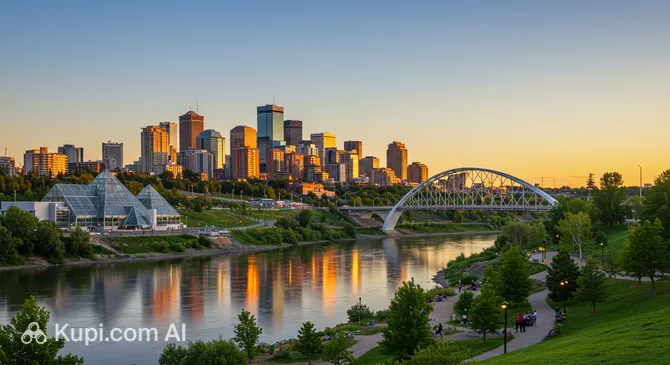
Edmonton. Source: Kupi.Binoculars

The history of Edmonton is deeply rooted in its origins as a fur trading post, evolving over time into a modern economic and cultural hub. Today, visitors can explore this rich legacy while enjoying contemporary amenities. The city's growth has been shaped by its strategic location and the resilience of its people, resulting in a destination that honors its past while looking forward to the future.

Travelers are often drawn to the massive West Edmonton Mall, which is much more than a shopping center; it features an indoor water park, a massive amusement park, and even an ice palace. For those seeking tranquility, the North Saskatchewan River Valley offers the largest stretch of urban parkland in North America, providing endless opportunities for cycling, hiking, and picnicking right in the city center.

Whether you are visiting to experience the endless daylight of summer or the cozy charm of a winter getaway, Edmonton promises an unforgettable adventure. We invite you to explore the streets, parks, and festivals of this prairie gem and discover why it captures the hearts of so many travelers.
Weather Overview

Edmonton experiences a continental climate with four distinct seasons, offering a dramatic contrast between its snowy winters and sunny summers. When planning your trip, it is helpful to check the detailed weather in Edmonton, as conditions can vary significantly throughout the year. Generally, you can expect warm summers with occasional rain and cold, dry winters.

The winter months are characteristically cold, with average temperatures in January and February hovering around -10°C to -11.5°C. Nights can be particularly chilly, with minimums often dropping below -16°C, although precipitation remains relatively low during this time. In contrast, summer brings pleasant warmth; July is typically the hottest month, featuring average highs of nearly 24°C. However, visitors should note that summer is also the wettest season, with June and July seeing between 14 and 15 wet days on average.

Interesting Facts

Beyond the main attractions, Edmonton holds many fascinating secrets and unique distinctions that often surprise visitors. This northern capital is home to historical milestones and record-breaking features that set it apart from other Canadian cities.

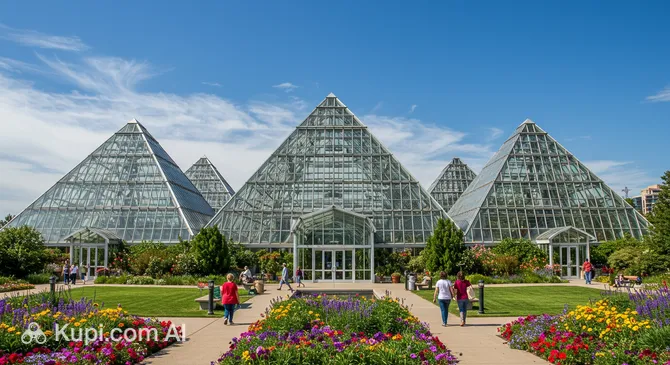
Muttart Conservatory. Source: Kupi.Binoculars
  • The city preserves a significant piece of religious history with the Al Rashid Mosque, which holds the distinction of being the first mosque ever built in Canada, having opened its doors in 1938.

  • Edmonton, like the rest of the province, is famous for being one of the few inhabited places on Earth that is effectively free of rats, a status maintained by a vigilant control program established in the 1950s.

  • While the West Edmonton Mall is known for its immense size, it also houses Galaxyland, which ranks as the world's largest indoor amusement park.

  • The city skyline is punctuated by the striking glass pyramids of the Muttart Conservatory, a premier botanical facility that allows guests to explore four distinct climate zones in the heart of the city.

How to Get There

Reaching the capital of Alberta is straightforward, with several convenient options available for travelers. Whether you prefer flying directly into the region or taking a scenic train ride, you can find all ways to reach the city and choose the one that best suits your itinerary.

The most direct way to arrive is via Edmonton International Airport (IATA: YEG). Located approximately 27 km from the city center, it is the main hub serving the region. A taxi or shuttle ride from the airport to downtown typically takes about 45 to 60 minutes, depending on traffic conditions. For those exploring the broader province, you might also consider flying into Calgary International Airport (IATA: YYC). However, please note that this airport is located in the city of Calgary, which is about 271 km away from Edmonton. The drive between the two cities takes approximately 3 hours via the Queen Elizabeth II Highway, and regular bus services connect them.

For clarity, here is a summary of the main airports:

Airport Name City Passenger Traffic Km from City
Calgary International Airport Calgary Large 271.2
Edmonton International Airport Edmonton Medium 27.2

Travelers can also arrive by rail, enjoying a comfortable journey through the Canadian landscapes. The city is served by the Edmonton Railway Station, which is conveniently located just over 4 km from the city center. This station is a stop for VIA Rail's famous "The Canadian" train, linking Toronto and Vancouver. From the station, a taxi or rideshare can get you to the heart of downtown in approximately 15 to 20 minutes.

Here is the information regarding the railway station:

Station City Passenger Traffic Km to Center
Edmonton Railway Station Edmonton 4.4

Main Attractions

Edmonton is a city that thrives on variety, offering visitors a mix of historical immersion, artistic expression, and world-class entertainment. From colossal entertainment complexes to serene walks through the past, the city's top sights cater to every type of traveler. Here are some of the most compelling places to explore during your stay.

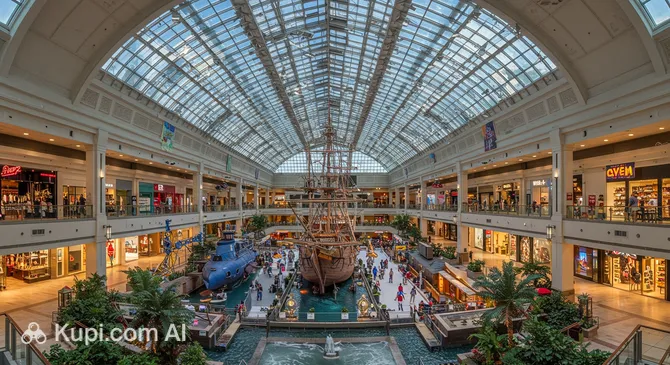
No visit to the city is complete without experiencing the sheer scale of the West Edmonton Mall. Far more than just a shopping destination, this massive complex serves as a self-contained city of entertainment. It houses over 800 stores, but the real draw for tourists is its incredible array of attractions, including an indoor amusement park, an ice rink, and a marine life cavern. It is the perfect spot for families or anyone looking to spend a day enjoying diverse activities without ever stepping outside.

West Edmonton Mall. Source: Kupi.Binoculars

For a deep dive into the region's heritage, Fort Edmonton Park offers an unparalleled living history experience. Nestled in the river valley, this expansive open-air museum takes you on a journey through time, featuring faithfully reconstructed streets from 1846, 1885, 1905, and 1920. Visitors can interact with costumed interpreters, ride a steam train, and explore historic buildings, making it a fascinating way to understand how a fur trading post evolved into a modern metropolis.

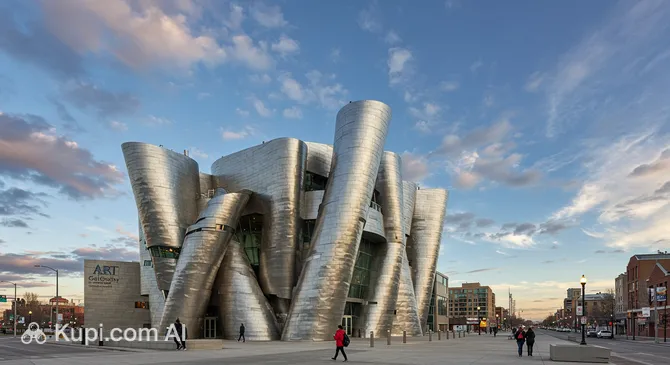
Culture enthusiasts will find the Royal Alberta Museum to be a highlight of their trip. As the largest museum in western Canada, it showcases a vast collection that spans millions of years of natural and human history. The galleries are filled with engaging exhibits ranging from dinosaur fossils and Ice Age mammals to Indigenous stories and cultural artifacts. The modern architecture of the building itself is worth admiring, located in the vibrant Arts District.

Art Gallery of Alberta. Source: Kupi.Binoculars

Just a short distance away stands the Art Gallery of Alberta, an architectural gem that immediately catches the eye with its swirling zinc and glass exterior inspired by the aurora borealis and the North Saskatchewan River. Inside, the gallery hosts a rotating selection of historical and contemporary art from Canada and around the world. It is a dynamic space that not only displays visual arts but also hosts public programs and events, making it a central pillar of Edmonton's creative community.

Finally, for a fun and educational outing, the Edmonton Valley Zoo provides an intimate look at wildlife conservation. Located on the banks of the river, this smaller, family-friendly zoo focuses on stewardship and education. It is home to over 350 animals and offers visitors a chance to learn about various species in a setting that emphasizes animal welfare and engaging habitats.

Local Cuisine

The culinary landscape of Edmonton is a delightful reflection of its prairie roots and diverse multicultural fabric. While the city was once known primarily for its "meat and potatoes" fare, it has evolved into a vibrant gastronomic destination. Visitors will find a thriving food scene that champions locally sourced ingredients, particularly the world-renowned Alberta beef. Whether enjoyed as a succulent steak in a high-end downtown grill or as a gourmet burger, the quality of the local meat is a point of pride for the region.

Perhaps the most surprising signature dish of the city is the Green Onion Cake. This savory, pan-fried flatbread originated from Northern Chinese cuisine but was popularized locally in the late 1970s. Today, it is considered Edmonton's unofficial civic dish, available everywhere from street festivals to fine dining establishments, typically served with sambal oelek or sour cream. Another staple of the local diet comes from the city's strong Ukrainian heritage; you will frequently find comforting plates of handmade perogies (dumplings) and cabbage rolls, often served with generous helpings of bacon and onions.

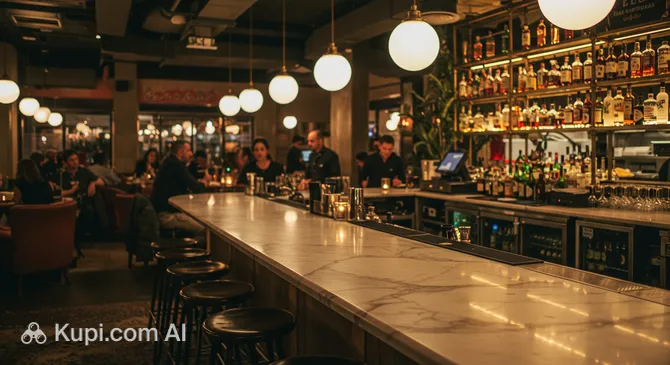
For those seeking a refined dining experience, the city center offers excellent options. You might visit Sabor Restaurant, which brings the flavors of the Iberian Peninsula to the prairies, specializing in sustainable seafood and Portuguese flair. Alternatively, the trendy ICE District and the historic Old Strathcona area are packed with eateries ranging from casual bistros to innovative kitchens.

Sabor Restaurant. Source: Kupi.Binoculars

The beverage culture in Edmonton is equally spirited, with a booming craft beer scene. The city is home to numerous independent microbreweries located in an area often dubbed "Happy Beer Street" (104th Street) and beyond. Locals take their beer seriously, experimenting with local barleys and hops. If beer isn't your preference, the Caesar—Canada's spicy answer to the Bloody Mary, made with Clamato juice—is a ubiquitous cocktail found on nearly every menu, perfect for a savory brunch accompaniment at cozy spots like Pip.

Dining out in Edmonton is generally a relaxed affair, with a focus on hospitality and comfort. During the summer, the city comes alive with outdoor patios and food festivals, such as the massive "Taste of Edmonton." Year-round, the Old Strathcona Farmers' Market is a hub for foodies looking to sample artisanal cheeses, fresh produce, and baked goods directly from local producers, offering a true taste of the region's agricultural bounty.

Travel Tips

Preparing for a trip to Edmonton requires a bit of insider knowledge, especially given its dramatic seasonal shifts and sprawling layout. These practical tips will help you navigate the "Festival City" with ease, ensuring your visit is comfortable and full of discovery.

  1. Clothing and Gear: The golden rule for Edmonton is layering. In winter (November to March), you will need a heavy insulated jacket, thermal layers, a warm hat (locally called a "toque"), gloves, and waterproof boots with good grip for icy sidewalks. Summer days are warm, but evenings can cool down quickly, so pack a light sweater. Don't forget a universal adapter for Type A or B sockets (standard North American voltage of 120V) if you are visiting from overseas.

  2. Transportation: Edmonton is a geographically large city, so while the Edmonton Transit Service (ETS) offers bus and Light Rail Transit (LRT) networks connecting key areas like Downtown, the University, and major malls, renting a car is often the most convenient way to explore freely. Ride-sharing apps like Uber and local taxis are readily available. If you use public transit, look for the reloadable Arc card for seamless fare payment.

  3. Finances: The local currency is the Canadian Dollar (CAD). Credit and debit cards (Visa and Mastercard) are universally accepted, and contactless "tap to pay" is the standard for most transactions. ATMs are easy to find at banks and convenience stores. Tipping is customary in Canada; plan to leave 15-20% of the bill at restaurants and bars, and a smaller amount for taxi drivers and hotel staff.

  4. Health and Safety: Edmonton is generally a safe city for tourists, but standard precautions apply, particularly in parts of the downtown core late at night. For minor health issues, pharmacies like Shoppers Drug Mart are ubiquitous, with some locations open late or 24 hours. In case of an emergency, dial 911. The climate is very dry, so keeping a water bottle and lip balm handy is highly recommended.

  5. Communication: English is the primary language spoken throughout the city. Free Wi-Fi is widely available in public spaces, coffee shops, the airport, and Edmonton Public Library branches. If you need constant connectivity, prepaid SIM cards can be purchased at the airport or mobile kiosks in shopping centers from major providers like Telus, Rogers, or Bell.

  6. Local Etiquette: Edmontonians are known for their friendly, prairie hospitality. It is polite to hold doors open for the person behind you and to greet service staff with a smile. On escalators, the convention is to stand on the right to let others walk past on the left. If you accidentally bump into someone, a quick and sincere "sorry" is the cultural norm.

  7. What to Avoid: Do not underestimate the winter cold. If visiting in winter, avoid leaving skin exposed for long periods during extreme cold snaps to prevent frostbite. Additionally, avoid walking in designated bike lanes, which are common in the central areas; stay on the sidewalk to ensure safety for everyone.

  8. Winter Travel Hack: If you are visiting during the colder months, make use of the famous Pedway system. This extensive network of above-ground skywalks and underground tunnels connects over 13 kilometers of downtown buildings, allowing you to shop, dine, and travel between hotels and attractions without ever stepping outside into the snow.

Armed with these tips, you are ready to embrace everything Edmonton has to offer, from its sun-soaked summer festivals to its cozy winter charm. Enjoy the friendly atmosphere and the unique experiences that await you in Alberta's capital!

Entertainment & Nightlife

Edmonton boasts a surprisingly energetic and diverse nightlife scene that defies the expectations of a northern prairie city. As the sun sets, the city transforms, offering everything from high-energy dance floors to cozy, dimly lit speakeasies. The action is primarily concentrated in two main hubs: the historic Whyte Avenue in Old Strathcona and the modern, upscale corridors of Jasper Avenue and the burgeoning downtown core.

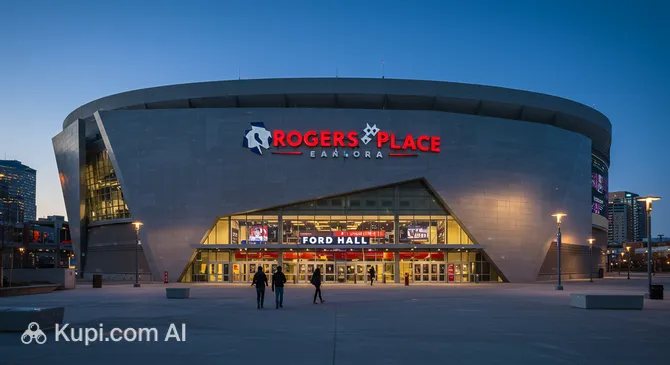
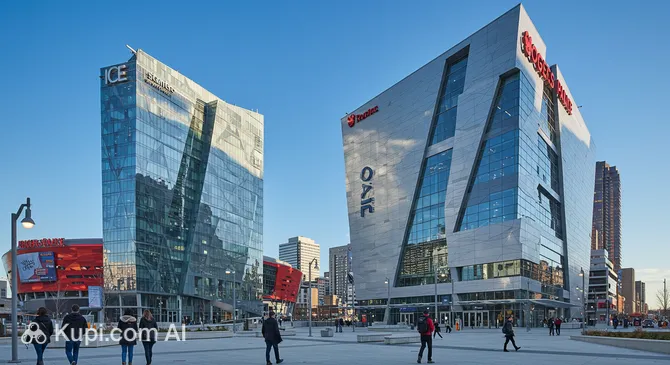
For those seeking a contemporary urban vibe, the ICE District is the place to be. This revitalized area in the heart of downtown has quickly become the epicenter of entertainment. It is anchored by the state-of-the-art Rogers Place, which hosts major concerts and sporting events. Surrounding the arena, you will find a plaza that often features live music and events, flanked by stylish bars and restaurants that stay bustling well into the night.

Rogers Place. Source: Kupi.Binoculars

If you prefer a more bohemian atmosphere, head across the river to Whyte Avenue (82 Avenue). This walkable strip is lined with historic brick buildings housing an eclectic mix of Irish pubs, rooftop patios, and live music venues. The crowd here tends to be younger and more alternative, with a relaxed dress code. Conversely, the establishments along Jasper Avenue downtown often lean towards a "smart casual" style, perfect for sipping craft cocktails or enjoying a late-night dinner.

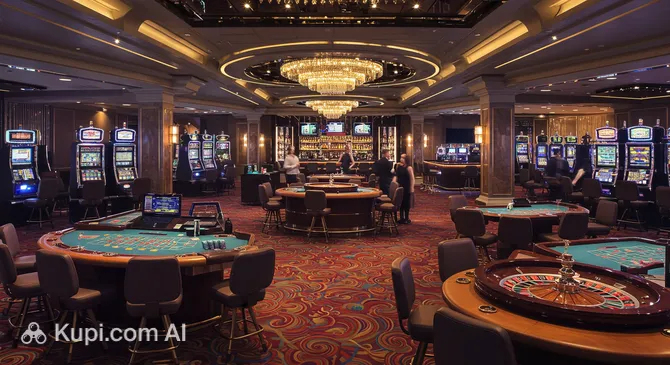
For a lively evening that combines dining with a spirited atmosphere, Añejo Restaurant is a popular choice, known for its extensive tequila selection and vibrant setting. Those looking to test their luck or enjoy entertainment around the clock can visit the Starlight Casino, located within the West Edmonton Mall complex. It offers a mix of gaming, dining, and live performances, providing a comprehensive night-out experience under one roof.

Starlight Casino. Source: Kupi.Binoculars

Practicalities are simple: the legal drinking age in Alberta is 18, and most bars and clubs stay open until 2:00 AM. While the city is generally safe, it is advisable to use ride-sharing apps or hail a taxi when moving between districts late at night, especially in the downtown core. Public transit runs late on main routes, but a car or cab is the most efficient way to get around.

Beyond the nightlife, Edmonton offers a wealth of daytime entertainment. The Arts District is home to the Citadel Theatre and the Winspear Centre, offering world-class plays and orchestral performances. Families and thrill-seekers can spend hours at the city's famous amusement parks or exploring its numerous galleries and museums, ensuring that the excitement continues long after the sun comes up.

Parks & Museums

Edmonton is a city where urban life seamlessly blends with nature, boasting an extensive network of parkland known as the "Ribbon of Green" alongside a rich tapestry of cultural institutions. Visitors can easily transition from exploring state-of-the-art museums to relaxing in serene natural hideaways without ever leaving the city limits.

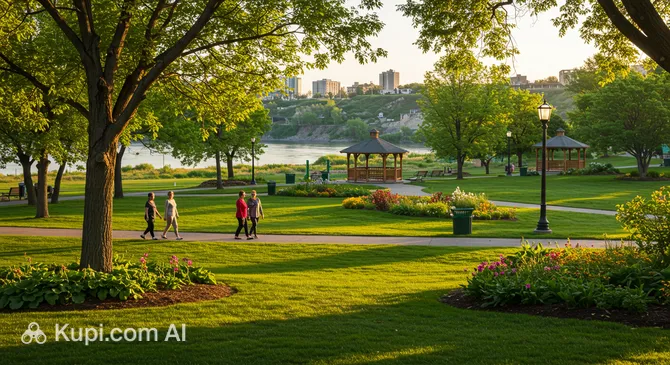
The North Saskatchewan River Valley is the heart of the city's outdoor life, and Sir Wilfrid Laurier Park is one of its most versatile gems. Located on the north bank of the river, this park is a favorite for family gatherings and picnics, offering barbecue sites, baseball diamonds, and a boat launch for those wishing to explore the water. Just a short distance away, Borden Park offers a different kind of tranquility. This historic space features formal gardens, captivating public art sculptures, and a unique natural swimming pool, making it a perfect spot for a leisurely afternoon stroll surrounded by art and nature.

Sir Wilfrid Laurier Park. Source: Kupi.Binoculars

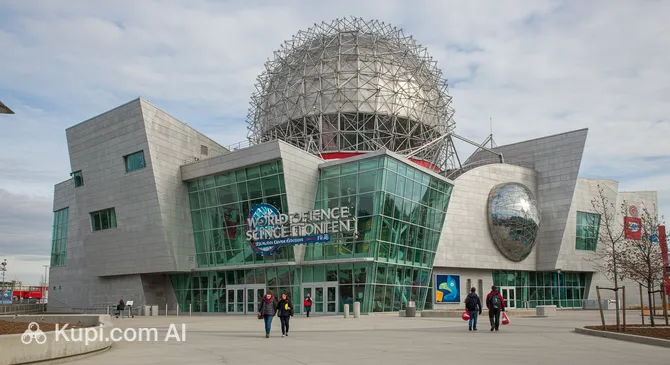
For those eager to delve into science and discovery, the World of Science Edmonton (TELUS World of Science) is an absolute must-see. This interactive science center features hands-on exhibits that cover everything from the human body to space exploration, along with an IMAX theatre and a planetarium that dazzle visitors of all ages. Aviation enthusiasts will find their haven at the Alberta Aviation Museum, located at the historic Blatchford Field. Housed in the last remaining double-long timber hangar from the World War II era, the museum displays over 30 aircraft and tells the story of how Edmonton became known as the "Gateway to the North."

World of Science Edmonton. Source: Kupi.Binoculars

History and architecture buffs should not miss Government House, a stunning example of Jacobean Revival architecture. Once the residence of Alberta's Lieutenant Governors, it now serves as a venue for state ceremonies and offers tours that reveal the province's political history. Nearby, the modern skyline is defined by the elegant curves of the Walterdale Bridge. While primarily a functional crossing, its striking arch design has become a contemporary symbol of the city and features a shared-use path that offers spectacular views of the river and downtown.

For a truly authentic and nostalgic experience, take a ride with the Edmonton Radial Railway Society. Operating historic streetcars, including a scenic route across the high-level bridge, this volunteer-run attraction offers a charming way to see the city from a unique vantage point while learning about its transportation heritage.

Getting Around

Navigating Edmonton is relatively straightforward thanks to the efficient network managed by the Edmonton Transit Service (ETS). The system is primarily composed of buses and a Light Rail Transit (LRT) network that connects the suburbs to the downtown core and major educational institutions. The LRT is the backbone of public transport here, with lines like the Capital Line and the Metro Line running frequently throughout the day. It serves as a convenient option for reaching key destinations such as the university, the government center, and major sporting venues.

Complementing the trains is an extensive bus network that covers the areas where the rails do not reach. The bus fleet includes regular routes, express services for commuters, and community buses that navigate residential neighborhoods. For visitors, the "On Demand Transit" service is a helpful feature in newer areas of the city, connecting riders to transit hubs where regular service is available. All buses are fully accessible, featuring low floors and ramps.

Paying for your ride has become much easier with the introduction of the Arc card, the region's electronic fare payment system. You can purchase and load these cards at fare vending machines located at LRT stations or at select retailers across the city. Simply tap your card on the validator when entering and exiting buses or LRT stations. If you prefer not to use a card, you can still pay with cash on buses (exact change is required) or buy disposable paper tickets from vending machines. A single fare is valid for 90 minutes, allowing you to transfer between buses and trains freely within that window.

The transit system generally operates from the early morning, around 5:00 AM, until approximately 1:30 AM, though hours can vary on weekends and holidays. A practical tip for tourists using the LRT is to hold onto your validated ticket or keep your Arc card handy, as the system operates on a "proof of payment" basis. Transit officers conduct random fare checks, and failure to produce a valid ticket can result in a fine. For late-night travel, a limited "Night Ride" bus service operates on select routes after the regular transit shuts down.

Edmonton also features some unique transit experiences that double as attractions. The 100 Street Funicular is a mechanized inclinator that connects the downtown core to the river valley trail system. It is free to use and offers beautiful views of the river, making it a favorite for both commuters and sightseers. Additionally, during the summer months, the historic High Level Bridge Streetcar offers a nostalgic ride across the river in restored carriages from the early 20th century, providing one of the most scenic perspectives of the city skyline.

For those who prefer private transport, taxis and ride-sharing apps like Uber are widely available and reliable. During the warmer months, electric scooters and e-bikes from various rental companies populate the streets, offering a fun and flexible way to explore the downtown and Old Strathcona areas. However, given the city's sprawling nature, renting a car remains a popular choice for visitors planning to venture beyond the central districts or explore the surrounding natural landscapes.

Accommodation

Finding the perfect place to stay in Edmonton is easy, thanks to a diverse range of accommodation options that cater to every budget and travel style. Whether you are looking for a luxurious suite with skyline views, a family-friendly hotel with a pool, or a cozy bed and breakfast in a historic neighborhood, the city has plenty to offer. Visitors can choose from high-end international chains, reliable mid-range lodgings, and budget-friendly hostels or motels.

For those who want to be in the center of the action, Downtown Edmonton is the most convenient choice. Staying here places you within walking distance of the Arts District, the river valley trails, and the bustling ICE District. This area is ideal for business travelers and tourists attending events at the major arenas, offering a mix of modern luxury hotels and stylish boutique accommodations.

ICE District. Source: Kupi.Binoculars

Another popular area for tourists, especially families, is the West End. This district is anchored by the massive West Edmonton Mall, making it a strategic base for those planning to spend days exploring the water park, amusement park, and shops. The hotels here often cater to larger groups and provide easy access to the main highways for day trips outside the city.

If you prefer a neighborhood with a bohemian vibe and historic charm, look for accommodation in Old Strathcona near Whyte Avenue. This area is famous for its nightlife, independent boutiques, and festivals. Staying here offers a more local experience, with options ranging from quaint inns to modern rentals, all surrounded by some of the city's best cafes and pubs.

Booking Tips: Accommodation prices in Edmonton are generally reasonable compared to other major Canadian cities. You can typically find budget options starting around $80-$100 CAD per night, while mid-range hotels usually range from $130 to $200 CAD. However, the city is known as the "Festival City" for a reason; during major summer events like the Fringe Festival or Folk Fest, rooms can fill up very quickly. It is highly recommended to book your stay several weeks in advance if you plan to visit during July or August.

Nearby Cities

For those looking to explore the surroundings, Edmonton serves as an excellent base for day trips to several interesting nearby locations.

Just a short drive northwest of the city limits lies St. Albert, affectionately known as the "Botanical Arts City." It is a favorite destination for locals and tourists alike, particularly for its renowned St. Albert Botanic Park and the massive outdoor farmers' market that takes over the downtown area every Saturday during the summer.

To the northeast, Fort Saskatchewan offers a blend of history and small-town charm. Visitors can step back in time at the Fort Heritage Precinct to learn about the North West Mounted Police or enjoy the unique spectacle of the city's sheep grazing program, where a flock of sheep maintains the parks during the warmer months.

For those willing to travel a bit further south, Red Deer acts as a central hub between Edmonton and Calgary. The city is celebrated for its extensive Waskasoo Park system, which offers miles of trails for hiking and biking, as well as cultural attractions like the Alberta Sports Hall of Fame.

City Population Distance (km)
Red Deer 100418 144
St. Albert 65589 15
Spruce Grove 34066 28
Leduc 29993 32
Fort Saskatchewan 24149 25

These nearby destinations offer a glimpse into the diverse culture and landscapes of the region.

Shopping & Souvenirs

Shopping:

Shopping in Edmonton is a highlight for many visitors, not only because of the diverse range of stores but also due to a significant financial advantage. Unlike most other provinces in Canada, Alberta does not have a provincial sales tax (PST). Shoppers only pay the 5% federal Goods and Services Tax (GST), making luxury items, clothing, and souvenirs noticeably more affordable here than in cities like Toronto or Vancouver.

For a shopping experience with local character, head to Whyte Avenue in the historic Old Strathcona district. This walkable strip is lined with heritage buildings that house independent boutiques, trendy shoe stores, and eclectic vintage shops. It is the perfect place to find unique fashion and gifts that you won't see in chain stores. Another excellent area is 124 Street, which offers a more upscale vibe with designer galleries, home decor shops, and locally owned fashion ateliers nestled among some of the city's best cafes.

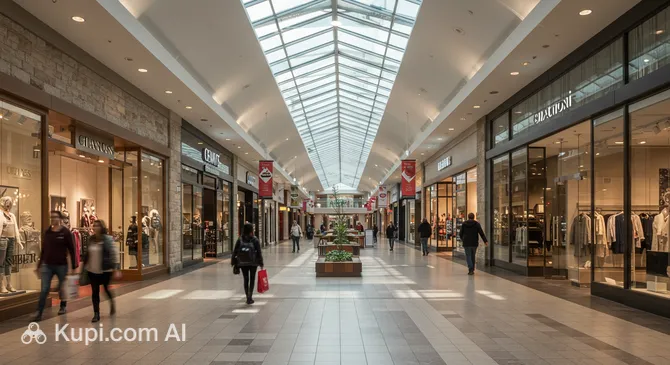
While street-side shopping is charming, the city is globally famous for its malls. The legendary West Edmonton Mall is a must-visit, offering over 800 stores that range from high-street favorites to luxury brands. However, for a more relaxed and fashion-forward experience, locals often prefer Southgate Centre. Located in the south of the city with direct LRT access, it features premier retailers and a sophisticated atmosphere. Kingsway Mall is another major destination located near downtown, providing a wide selection of popular brands and services.

Southgate Centre. Source: Kupi.Binoculars

If you are interested in local goods and artisanal products, the Old Strathcona Farmers' Market is an institution. Open every Saturday year-round, this indoor market is where you can buy everything from hand-crafted jewelry and artwork to fresh local produce and baked goods. During the summer, the outdoor 104th Street Market downtown brings a vibrant energy to the city center, with stalls selling fresh flowers, food, and handmade crafts.

When looking for souvenirs to take home, consider items that reflect the local culture. Authentic Indigenous art, such as moccasins or beadwork, makes for a meaningful gift. Sports fans often pick up a jersey or cap representing the Edmonton Oilers, the city's beloved NHL hockey team. Additionally, locally made goods like Saskatoon berry jams or craft spirits from the region's micro-distilleries are popular choices.

Most major shopping centers and street boutiques are open seven days a week. Typical operating hours are from 10:00 AM to 9:00 PM on weekdays and Saturdays, with shorter hours on Sundays (usually 11:00 AM to 5:00 PM or 6:00 PM). Credit and debit cards are widely accepted everywhere, including at market stalls, where "tap" payments are standard.

Regarding tax refunds, Canada no longer offers a GST refund program for visitors. However, the absence of a provincial sales tax in Alberta serves as an automatic saving for tourists. The price you see on the tag plus the 5% GST is the final price you pay, which is significantly lower than the 12-15% total tax added in other parts of the country.

Reached the end of the page?

That means the route is fully explored