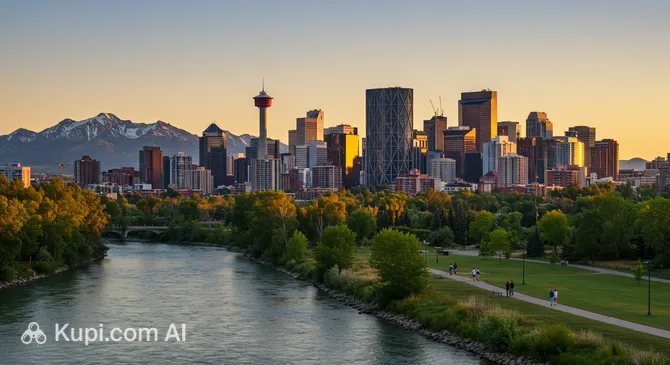
Welcome to Calgary, a vibrant metropolis that perfectly blends cosmopolitan energy with warm, western hospitality. Situated in the province of Alberta, this dynamic city is known for its stunning skyline backdropped by the majestic Rocky Mountains. As one of the largest cities in Canada, it serves as a major cultural and economic hub, attracting travelers with its clean streets, sunny climate, and proximity to some of the country's most beautiful natural landscapes.
Calgary. Illustration.
Source: Kupi.com AI
With a population of over 1.2 million, Calgary offers a bustling urban environment while maintaining a friendly, community-focused atmosphere. The history of Calgary is rich with tales of the indigenous peoples, fur traders, and the ranching culture that earned it the nickname "Cowtown." Today, this heritage is celebrated annually at the world-famous Calgary Stampede, a ten-day rodeo and festival known as "The Greatest Outdoor Show on Earth."
Beyond its western roots, the city boasts modern attractions like the iconic Calgary Tower, which offers panoramic views of the city and the distant mountains. Nature lovers will appreciate the extensive pathway system along the Bow River and the city's role as a gateway to Banff National Park. Whether you are looking for outdoor adventures, culinary delights, or urban exploration, Calgary is a destination that promises an unforgettable experience for every visitor.
Weather Overview
Calgary experiences a continental climate marked by four distinct seasons and plenty of sunshine year-round. When planning your trip, it is helpful to check the weather in Calgary, as conditions can vary. Generally, you should expect warm summers with occasional rain and cold, dry winters.
Summer offers the most comfortable conditions for exploration, particularly in July and August when average temperatures sit around 17.5°C and daily highs reach up to 24.6°C. June is typically the wettest month, bringing rain on approximately 14 days, so packing a light jacket is advisable.
In contrast, the winter months of December through February are cold, with average temperatures ranging from -6.8°C to -9.1°C. February is often the coldest month, with lows dropping to -14.7°C, though precipitation is minimal. Spring and autumn are transitional, with May warming up to an average of 10.1°C and September cooling to around 12.6°C before the freeze sets in again by November.
Average monthly temperature
Average monthly precipitation
Interesting Facts
Beyond the main attractions and the famous Stampede, Calgary holds many fascinating secrets that often surprise visitors. Dig a little deeper into the local culture and urban geography to uncover these unique features of the city.
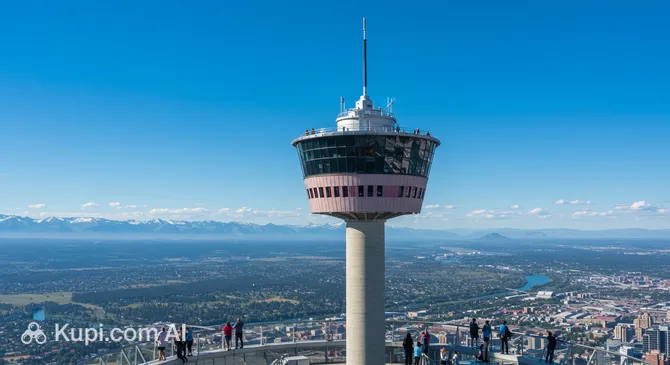
Calgary Tower. Illustration.
Source: Kupi.com AI
Traveler photos:
Calgary is home to the world's most extensive pedestrian skywalk system, known as the Plus 15. Named because the bridges are approximately 15 feet above the street, this network connects over 100 buildings downtown, allowing locals to walk for miles indoors—a brilliant adaptation for comfortable travel during the winter months.
The Calgary Tower is not just a landmark for views; it is an engineering marvel designed to withstand the region's powerful winds. The structure is flexible and can sway up to 16.5 centimeters (about 6.5 inches) and withstand gusts up to 161 kilometers per hour.
Food and drink enthusiasts might be interested to know that Canada’s signature cocktail, the Caesar, was invented here in 1969. Walter Chell created the spicy clamato-based drink to celebrate the opening of a new Italian restaurant in the city.
Despite its reputation for snowy winters, Calgary claims the title of the sunniest major city in the country. The city enjoys an average of nearly 2,400 hours of sunshine per year, making it a bright destination in any season.
The futuristic Peace Bridge spanning the Bow River is a feat of modern design. Its red helix structure eliminates the need for supporting beams or cables in the water, preserving the riverbed's natural state while providing a stunning backdrop for photographers.
How to Get There
Reaching the heart of Alberta is a straightforward experience for travelers, with air travel being the most convenient method. Whether you are arriving from within Canada or from an international destination, you can easily find suitable connections. For a detailed overview of all transportation options, you can read more about how to get to Calgary and plan your journey accordingly.
The primary gateway to the city is Calgary International Airport(YYC). As a major hub, it welcomes millions of visitors annually and is conveniently located just 10.3 km from the city center. A trip by taxi or bus from the terminal to downtown typically takes approximately 35 minutes, making it a quick commute. The airport handles a high volume of traffic, offering extensive services and connections.
Alternatively, some travelers might consider flying into Edmonton International Airport(YEG). However, it is important to note that this airport is located in the city of Edmonton, roughly 254 km away from Calgary. Reaching your final destination from there would require a significant transfer, taking about 3 to 4 hours by road depending on the mode of transport chosen.
For clarity, here is a summary of the main airports:
Regarding rail travel, the city of Calgary does not have an active intercity railway station for regular passenger services. The closest major option is the Edmonton Railway Station located in Edmonton, approximately 284 km away. Travelers arriving there would need to arrange secondary transport, such as a bus or rental car, to complete the journey to Calgary, which takes several hours by road.
Below is the information for the nearest railway station:
Calgary offers a diverse array of experiences, from immersive historical journeys to vibrant urban parks and world-class educational facilities. Whether you are a history buff, a nature enthusiast, or traveling with family, the city's top sights provide engaging opportunities to explore the local culture and landscape.
One of the most celebrated destinations is Heritage Park Historical Village. As Canada’s largest living history museum, it transports visitors back in time to experience the settlement of Western Canada. Spanning over 127 acres, the park features more than 180 historical exhibits, including an authentic steam train, antique midway rides, and preserved buildings. Costumed interpreters bring history to life, making it a fascinating educational stop for tourists of all ages.
Heritage Park Historical Village. Illustration.
Source: Kupi.com AI
Traveler photos:
For wildlife lovers, the Calgary Zoo is a must-visit attraction located just east of the downtown core on St. George's Island. It is home to nearly 1,000 animals from around the world and is renowned for its conservation research. Highlights include the Penguin Plunge, the Canadian Wilds section, and the Prehistoric Park, which features animatronic dinosaurs. It is an excellent place to spend a day learning about biodiversity and seeing majestic creatures up close.
If you are looking for a green escape within the city, Prince's Island Park offers a beautiful urban oasis on the Bow River. Connected to the mainland by three pedestrian bridges, this large park is a hub for outdoor activities, including picnicking, hiking, and cycling. It also serves as the venue for many of Calgary's major festivals and events, providing a scenic backdrop of the city skyline combined with lush nature.
Calgary Zoo. Illustration.
Source: Kupi.com AI
Traveler photos:
Those with a curious mind will enjoy a visit to the Spark Science Centre. This interactive science museum is designed to ignite a passion for science, technology, engineering, and math through hands-on exhibits. From the digital immersion gallery to the outdoor Brainasium park, it offers endless fun for children and adults alike. The centre frequently hosts traveling exhibitions and features a state-of-the-art dome theatre.
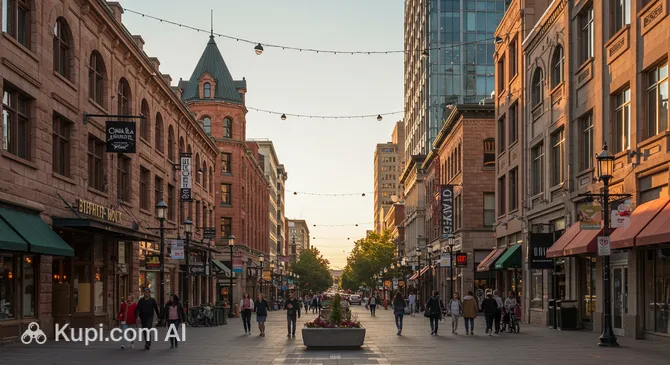
Finally, to experience the city's modern pulse amidst historic architecture, take a stroll down Stephen Avenue Walk. This major pedestrian mall in downtown Calgary is lined with sandstone buildings that have been declared a National Historic Site. By day, it is a bustling thoroughfare with high-end shopping and cafes; by night, it transforms into a lively entertainment district with some of the city's best restaurants, bars, and street performers.
Local Cuisine
Calgary's culinary scene is deeply rooted in its western heritage, earning it a stellar reputation among meat lovers worldwide. As the heart of cattle country, the city is synonymous with world-class Alberta Beef. You cannot visit without trying a perfectly grilled steak, which is the cornerstone of the local diet. For a classic experience, Caesar's Steak House & Lounge offers a traditional atmosphere where you can savor high-quality cuts prepared to perfection, embodying the rich dining history of the region.
Caesar's Steak House & Lounge. Illustration.
Source: Kupi.com AI
Traveler photos:
Beyond the famous steaks, Calgary is the birthplace of a beloved Chinese-Canadian dish known as Ginger Beef. Invented in the city in the 1970s, this dish consists of deep-fried strips of beef coated in a sweet and spicy dark sauce containing ginger, garlic, and hot peppers. It has become a staple in restaurants across the country, but trying it in the city of its origin is a special treat for foodies looking for authentic local flavors.
When it comes to drinks, the city claims one of Canada's most iconic contributions to the cocktail world: the Caesar. Invented here in 1969, this spicy savory drink is made with vodka, clamato juice, hot sauce, and Worcestershire sauce, typically served in a salt-rimmed glass with a celery stalk. It is the quintessential patio drink and can be found on nearly every menu in town. The local craft beer scene is also flourishing, with numerous breweries in the Barley Belt district offering unique seasonal ales and lagers.
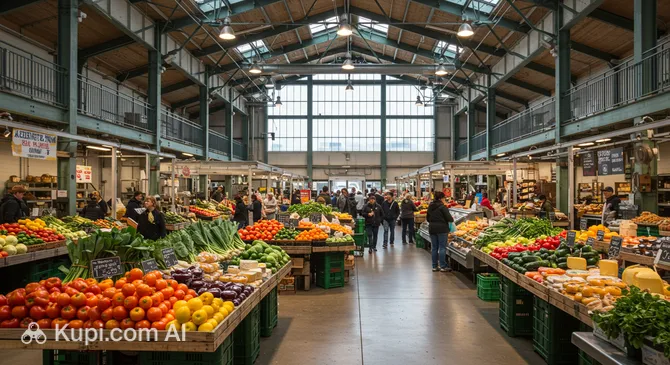
For a taste of the freshest local produce and artisanal goods, a visit to the Calgary Farmers' Market South is highly recommended. It is a vibrant gathering place where locals shop for regional meats, cheeses, and baked treats. The city's dining landscape has also evolved into a modern gastronomic hub, with restaurants like Ten Foot Henry leading the way with vegetable-forward sharing plates and a fresh, contemporary approach to family-style dining.
Calgary Farmers' Market South. Illustration.
Source: Kupi.com AI
Traveler photos:
Travel Tips
To ensure your visit to this dynamic Western metropolis is as smooth and enjoyable as possible, we have compiled a list of essential practical advice. From navigating the unique climate to understanding local customs, these tips will help you explore Calgary with the confidence of a local.
Clothing and Gear: The weather in Alberta can be unpredictable due to "Chinook" winds, which can drastically change temperatures in hours. The best strategy is to dress in layers. Even in summer, evenings can be cool, so always carry a light jacket. If visiting in winter, heavy parkas, thermal layers, and insulated boots are essential. Comfortable walking shoes are a must year-round for exploring the city's parks and downtown streets.
Transportation: The city has an efficient public transit system known as Calgary Transit, consisting of buses and the C-Train (light rail). A great perk for tourists is the Free Fare Zone on the C-Train along 7th Avenue in downtown; you can hop on and off for free within this area. For trips to the mountains or outskirts, renting a car is highly recommended. Ride-sharing apps like Uber are also widely available.
Finances: The local currency is the Canadian Dollar (CAD). Credit and debit cards are accepted almost everywhere, and contactless payment is the norm. ATMs are plentiful. Tipping is a standard part of the service culture in Canada; it is customary to leave a tip of 15% to 20% at restaurants, bars, and for taxi services.
Health and Safety: Calgary is generally a very safe city for tourists. In case of any emergency, dial 911. Pharmacies like Shoppers Drug Mart are common, with some locations open late or 24/7. While the downtown core is safe, it can be quiet at night, so stay in well-lit areas. Tap water is safe to drink and of high quality.
Communication: English is the primary language spoken throughout the city. Free Wi-Fi is available in many public spaces, coffee shops, and the airport. If you need mobile data, you can easily purchase a prepaid SIM card at the airport kiosks or local mobile shops. Useful apps to download include the Calgary Transit app for route planning.
Local Etiquette: Calgarians are known for their friendliness and western hospitality. A simple "hello" or nod is common when passing people on quiet paths. Politeness is valued, so using "please" and "thank you" goes a long way. When using escalators, remember to stand on the right and walk on the left.
What to Avoid: Do not strictly rely on the weather forecast; always be prepared for sudden changes. Also, avoid jaywalking (crossing the street illegally), as it is taken seriously here and can result in a fine. Use designated crosswalks and wait for the walk signal.
Additional Tip: If you are visiting during the colder months, make use of the Plus 15 network. This is an extensive system of indoor pedestrian skywalks connecting over 100 buildings in downtown Calgary. It allows you to walk comfortably between shops, offices, and attractions without ever stepping out into the cold.
Armed with these practical tips, you are ready to embrace everything Calgary has to offer, from its bustling urban energy to its breathtaking natural surroundings. Enjoy your adventure in the heart of the Canadian West!
Entertainment & Nightlife
Entertainment and Nightlife:
When the sun sets behind the Rockies, Calgary transforms into a vibrant playground offering everything from high-energy dance clubs to cozy speakeasies. The city's nightlife is concentrated in a few key districts, making it easy to hop between venues. Whether you are looking for live country music, sophisticated cocktails, or a late-night bite, the city's diverse entertainment scene caters to every mood.
The most famous nightlife strip is undoubtedly 17th Avenue SW, often referred to as the "Red Mile." This bustling corridor is lined with trendy bars, pubs, and restaurants that spill out onto patios during the warmer months. It attracts a mixed crowd, from young professionals to sports fans, creating an electric atmosphere. Another major hotspot is Stephen Avenue (8th Avenue SW), which offers a more upscale experience with historic sandstone buildings housing chic lounges and nightclubs.
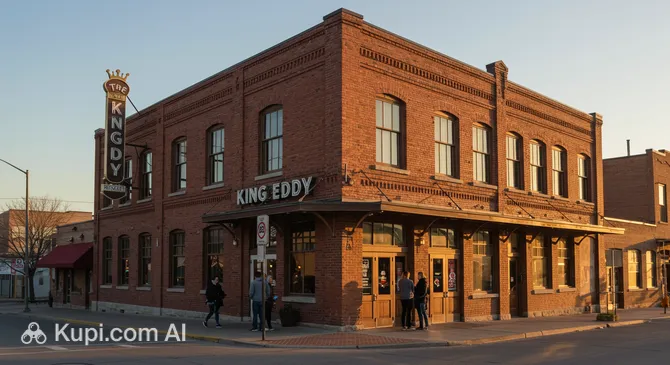
For those seeking a taste of the city's musical heritage, the legendary King Eddy is an absolute must-visit. Once known as a blues sanctuary, it has been restored as a premier live music venue that captures the soul of the city. It is a perfect spot to enjoy local talent in a setting that feels both historic and modern. The dress code here is generally casual, and the vibe is welcoming to all music lovers.
King Eddy. Illustration.
Source: Kupi.com AI
Traveler photos:
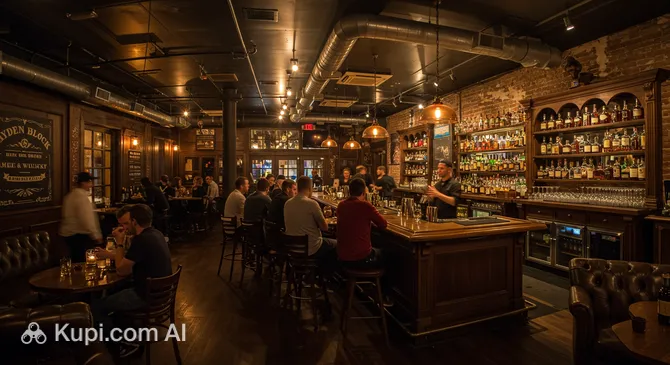
If you prefer a night of gaming and dancing, Cowboys Casino is a staple of the local party scene. Known for its high-energy dance floor and country-western flair, it is particularly popular during the Stampede but remains a lively destination year-round. For a more relaxed evening focused on quality spirits and comfort food, Hayden Block Smoke & Whiskey in the Kensington district offers an impressive selection of whiskeys and a rustic, laid-back ambiance.
Hayden Block Smoke & Whiskey. Illustration.
Source: Kupi.com AI
Traveler photos:
Practical advice for a night out includes planning your transport in advance. While the downtown core is walkable, distances can be long. Ride-sharing services like Uber and local taxis are the safest and most convenient ways to get around late at night. Most bars and clubs stop serving alcohol at 2:00 AM, and venues typically close shortly after. Prices are moderate compared to other major global cities; expect to pay around $8-$12 CAD for a cocktail and $7-$9 CAD for a pint of beer.
Calgary is generally safe at night, especially in the main entertainment districts. However, it is always wise to stay in well-lit areas and avoid walking alone through quiet parks or the river pathways after dark. The Beltline and downtown areas are well-patrolled and bustling with activity on weekends.
Beyond the nightlife, the city offers plenty of daytime entertainment. Culture enthusiasts can explore the fascinating Gasoline Alley Museum to see vintage vehicles or visit The Military Museums for a deep dive into history. For those who enjoy a mix of luxury and entertainment, the Grey Eagle Resort and Casino provides a comprehensive resort experience with concerts, gaming, and dining just outside the city center.
Parks & Museums
Calgary is a city that seamlessly integrates urban sophistication with the rugged beauty of the natural world. Beyond its skyscrapers, the city preserves vast green spaces and celebrates its heritage through a variety of specialized museums and cultural institutions. For visitors, this means easy access to tranquil nature retreats and enriching historical experiences right within the city limits.
One of the most impressive natural landmarks is Nose Hill Park, located in the northwest part of the city. As one of the largest urban parks in North America, it covers over 11 square kilometers of preserved native grassland. It is a favorite spot for hikers and photographers, offering sweeping panoramic views of the downtown skyline and the distant Rocky Mountains. The park provides a sense of solitude and a glimpse into what the landscape looked like before modern development.
Nose Hill Park. Illustration.
Source: Kupi.com AI
Traveler photos:
For a completely different park experience, especially during the colder months, the Devonian Gardens is a must-see. Located entirely indoors on the fourth floor of The CORE Shopping Centre, this botanical oasis features over one hectare of lush vegetation, koi ponds, and living walls. It is a perfect urban escape where you can enjoy tropical plants and natural light through glass skylights, regardless of the weather outside.
Another beloved recreational area is Bowness Park, situated along the Bow River. This historic park is a hub of activity year-round, featuring a shallow lagoon that is popular for paddle boating in the summer and transforms into a magical outdoor skating rink in the winter. Its picnic areas and miniature train make it an excellent destination for families seeking a classic day out in the park.
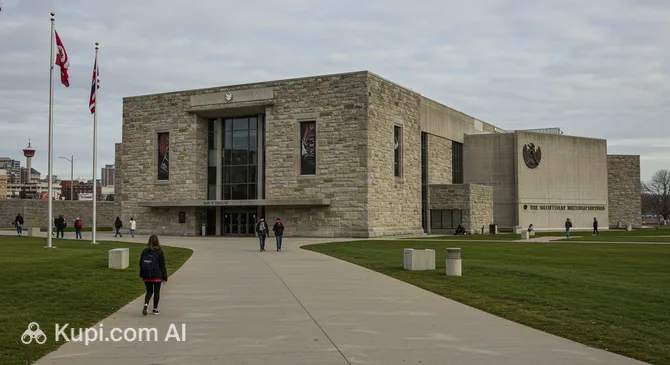
Delving into the city's cultural fabric, The Military Museums stands as a significant institution dedicated to preserving the history of the Canadian Armed Forces. This complex brings together several distinct museums and galleries, including those for the navy, army, and air force. Through immersive exhibits and personal stories, it offers a moving tribute to the sacrifices made by Canadian service members and provides deep insight into the country's military heritage.
The Military Museums. Illustration.
Source: Kupi.com AI
Traveler photos:
Nature enthusiasts interested in local ecosystems should visit the Bow Habitat Station & Sam Livingston Fish Hatchery. This unique facility focuses on Alberta's aquatic environments, featuring aquariums with native fish species and interactive displays about water conservation. Visitors can tour the fish hatchery to see how trout are raised for stocking province-wide lakes, making it both an educational and engaging stop.
In terms of architecture, the city skyline is defined by The Bow, a crescent-shaped skyscraper that is not only a corporate headquarters but also a piece of modern art. Its distinctive form faces south to maximize sunlight and reduce wind resistance. At its base sits the "Wonderland" sculpture, a giant wire-mesh head that has become an iconic spot for photos.
For an authentic insider experience, head to Weaselhead Flats Natural Environment Park. Located at the mouth of the Glenmore Reservoir, this area is less manicured than major city parks and offers excellent opportunities for birdwatching and hiking through spruce forests and wetlands. It is a quiet sanctuary where you are likely to spot wildlife such as deer and beavers, far removed from the city buzz.
Getting Around
Navigating Calgary is convenient and efficient thanks to Calgary Transit, which operates an integrated network of light rail vehicles and buses. The system is designed to connect the downtown core with suburban neighborhoods and major attractions, making it a reliable choice for visitors. The backbone of the network is the CTrain, a light rail system that runs on renewable wind energy. It consists of two main lines, the Red Line and the Blue Line, which traverse the city and converge along a shared transit corridor in the city center.
One of the most tourist-friendly features of the transport system is the Free Fare Zone along 7th Avenue in downtown. You can hop on and off the CTrain for free between City Hall Station and Downtown West/Kerby Station. This allows for easy travel between popular spots like the Calgary Tower, the convention center, and various shopping districts without needing to purchase a ticket. However, if your journey takes you beyond these specific stations, you must have valid proof of payment.
For travel outside the free zone or on buses, a variety of payment options are available. You can purchase single-ride tickets, which are valid for 90 minutes and include transfers between the bus and CTrain. For a full day of exploring, a Day Pass offers unlimited travel and is often the best value for tourists. Tickets can be bought at vending machines located at every CTrain station using cash, credit, or debit cards. On buses, you can pay with cash, but you must have exact change as drivers cannot provide it.
To make travel even easier, visitors are encouraged to download the My Fare app. This mobile ticketing solution allows you to buy passes directly on your smartphone and activate them just before you board. It eliminates the need to carry cash or find a vending machine. Remember to keep your validated ticket or active mobile pass handy, as transit peace officers conduct random fare checks, and fines for evasion can be significant.
Public transport generally operates from approximately 5:00 AM until 1:00 AM, with trains running every 5 to 10 minutes during peak times and every 15 minutes during off-peak hours. If you need to travel late at night or prefer a direct route, taxis and ride-sharing services like Uber are widely available and safe. Additionally, during the warmer months, the city sees a surge in electric scooter and bike rentals. These can be unlocked via mobile apps and are a fun, popular way to navigate the river pathways and downtown streets.
Accommodation
Finding the perfect place to stay in Calgary is easy, as the city offers a diverse range of accommodation options to suit every budget and travel style. Visitors can choose from high-end luxury hotels with skyline views, reliable mid-range chains, charming bed and breakfasts, and budget-friendly hostels. For those planning a longer stay or traveling with family, there are also numerous apartment rentals and suites available throughout the city.
The most convenient area for tourists is typically Downtown Calgary. Staying here places you within walking distance of major attractions like the Calgary Tower, the Glenbow Museum, and the C-Train free fare zone. Just south of the downtown core, the Beltline and 17th Avenue SW districts are excellent choices for travelers who want to be close to the city's best nightlife, dining, and shopping. For those with early flights or short layovers, the area surrounding the airport offers a variety of modern hotels with shuttle services.
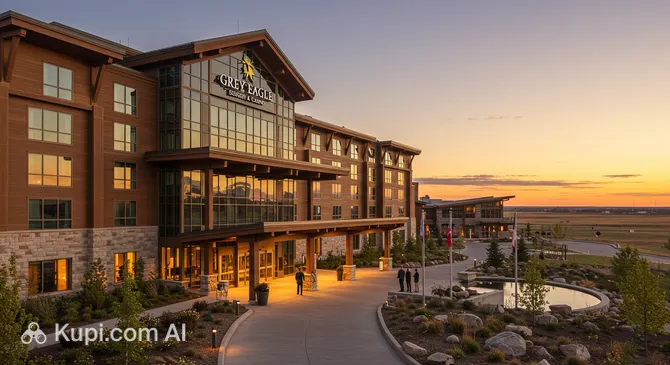
For travelers looking for a resort-style experience that combines luxury with entertainment, the Grey Eagle Resort and Casino is a standout option. Located just southwest of the city center on the Tsuut'ina Nation, this property features a modern hotel, a large casino, and a concert venue that hosts major international acts, making it a destination in itself.
Grey Eagle Resort and Casino. Illustration.
Source: Kupi.com AI
Traveler photos:
Prices for accommodation can vary significantly depending on the season. Generally, you can expect to pay anywhere from $100 CAD per night for budget options to over $300 CAD for luxury stays. Booking is typically done through major online travel platforms or directly with the hotels.
Important Booking Tip: If you plan to visit during the Calgary Stampede in July, it is critical to book your accommodation several months in advance. During this ten-day festival, the city reaches full capacity, and prices for remaining rooms can skyrocket. For visits during the rest of the year, booking a few weeks ahead is usually sufficient to secure a good rate.
Nearby Cities
For those looking to explore the surroundings, Calgary serves as an excellent base for day trips to several interesting nearby locations. Just a short drive to the west, Cochrane offers a charming taste of western heritage with its historic downtown streets, unique boutiques, and renowned local ice cream. It is a perfect stop for a relaxing afternoon with a backdrop of the rolling foothills.
To the south, travelers can visit Okotoks, a vibrant community situated along the scenic Sheep River. It is famous for the Big Rock, a massive glacial erratic that sits on the prairie landscape, and offers beautiful pathways and a thriving arts scene. For those willing to venture a bit further, Lethbridge provides a look into southern Alberta's history with its impressive High Level Bridge and stunning coulee scenery.
City
Population
Distance
Chestermere
19 887
16 km
Airdrie
61 581
28 km
Cochrane
25 853
32 km
Okotoks
28 881
36 km
Strathmore
13 756
47 km
These nearby destinations offer a glimpse into the diverse culture and landscapes of the region.
Shopping & Souvenirs
Shopping in Calgary is a delight for visitors, not only because of the diverse range of stores but also due to a significant financial advantage: Alberta is the only province in Canada with no provincial sales tax (PST). Shoppers only pay the 5% federal Goods and Services Tax (GST), making luxury items, clothing, and electronics more affordable here than in other major Canadian cities. From high-end fashion boutiques to rustic western wear, the city offers a retail experience that caters to every style and budget.
For an open-air shopping experience amidst historic architecture, Stephen Avenue Walk is the place to start. This pedestrian mall in the downtown core is lined with sandstone buildings housing unique boutiques, galleries, and major retailers. It also provides direct access to The CORE Shopping Centre, which spans several city blocks and features a massive indoor botanical garden. Another vibrant district is 17th Avenue SW, often called the "Red Mile," where you can find trendy independent shops, vintage stores, and specialty record shops interspersed with lively cafes.
Stephen Avenue Walk. Illustration.
Source: Kupi.com AI
Traveler photos:
If you prefer the convenience of large shopping complexes, the city is home to several world-class malls. The largest and most popular is Chinook Centre, located just south of downtown. It boasts over 250 stores, including major department stores like Nordstrom and Saks Fifth Avenue, as well as a movie theatre and bowling alley. For those in the northwest, Market Mall offers a family-friendly atmosphere with a wide selection of fashion brands, home goods, and a newly renovated play area for children.
Chinook Centre. Illustration.
Source: Kupi.com AI
Traveler photos:
To experience the local flavor, a visit to one of the city's markets is essential. The Calgary Farmers' Market South is a bustling hub where you can buy fresh regional produce, artisanal crafts, and unique gifts directly from the makers. It is an excellent spot to find locally made jewelry, art, and food items that you won't see in standard retail chains. The historic neighborhood of Inglewood also offers a "main street" market feel with its antique shops and design stores.
When it comes to souvenirs, Calgary is famous for its western heritage. The ultimate keepsake is a White Smithbilt Hat, the official symbol of the city's hospitality. Authentic cowboy boots, western belt buckles, and leather goods are also popular purchases. For a taste of Canada, look for maple syrup products, Saskatoon berry jams, or Indigenous art pieces from local First Nations galleries.
Most shopping centers and street boutiques operate from 10:00 AM to 9:00 PM on weekdays and Saturdays, with reduced hours on Sundays and holidays (typically 11:00 AM to 6:00 PM). Credit and debit cards are universally accepted, and contactless payment is standard. While there is no specific tax refund program for tourists in Canada, the low 5% tax rate in Alberta serves as an immediate saving compared to other provinces where sales tax can reach up to 15%.