Support

Lethbridge

About

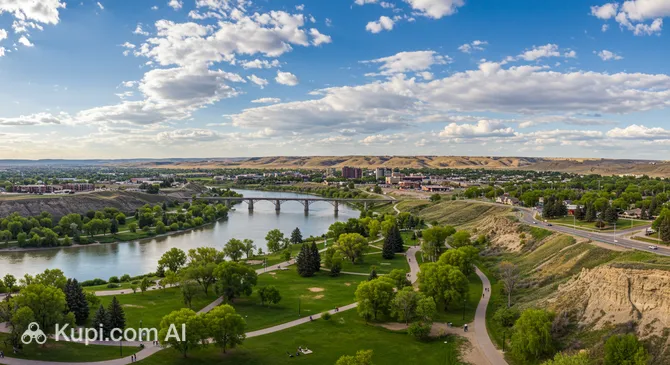
Lethbridge is a vibrant and welcoming city located in the southern part of the province of Alberta. Known for its warm chinook winds and abundant sunshine, it offers a unique blend of urban amenities and rugged natural beauty. The city is dramatically bisected by the Oldman River, creating a stunning landscape of coulees and river valleys that define its scenic character. With a population of over 92,000, it serves as a major commercial and cultural hub for the region.

One of the city's most defining features is its climate; it is frequently cited as one of the sunniest cities in Canada, making it a delightful destination for outdoor enthusiasts year-round. The mild winters, thanks to the warm westerly winds, allow visitors to enjoy the extensive trail systems and parks even during colder months. The city's atmosphere is friendly and community-focused, providing a relaxed pace for travelers looking to escape the rush of larger metropolises.

Lethbridge. Source: Kupi.Binoculars

The history of Lethbridge is deeply rooted in the coal mining era and the early frontier days, which can be explored at various local heritage sites. A striking symbol of this past is the massive High Level Bridge, the longest and highest steel trestle bridge of its kind in the world, which dominates the skyline. Another must-visit attraction is the Nikka Yuko Japanese Garden, a serene oasis that celebrates the friendship between Canada and Japan with meticulously manicured landscapes and cultural architecture.

Whether you are interested in exploring the replica trading post at Fort Whoop-Up or simply taking a scenic walk along the coulees, Lethbridge has something to offer every traveler. We invite you to discover the charm, culture, and natural splendor of this sunny Alberta gem on your next trip.

Weather Overview

Lethbridge experiences a distinct continental climate with four separate seasons, offering a variety of conditions for travelers. Summers are typically warm and inviting, with July being the hottest month, featuring average maximum temperatures of 28.4°C. Winters, while cold, are often sunny; February is usually the coldest month, with average lows dropping to -11.4°C, though the region is known for warm Chinook winds that can rapidly raise temperatures.

Precipitation is generally light throughout the year, with the frequency of rain peaking slightly in late spring and early summer. June is typically the dampest month, averaging around 10 wet days, while winter months like January see fewer days with precipitation. To pack appropriately for your trip, it is a good idea to consult the detailed guide on the weather in Lethbridge. Overall, visitors can expect warm summers with occasional rain and cold, dry winters.

Interesting Facts

Beyond the main attractions, Lethbridge holds many fascinating secrets and historical curiosities that surprise even seasoned travelers. From engineering marvels to tales of the wild frontier, the city’s past is as dramatic as its landscape.
  • The iconic High Level Bridge is not just a local landmark but a global record-holder. It stands as the longest and highest steel trestle bridge in the world, stretching 1.6 kilometers (1 mile) across the valley. Completed in 1909, this massive structure required over 12,000 tons of steel and was designed to transport coal across the steep banks of the Oldman River.

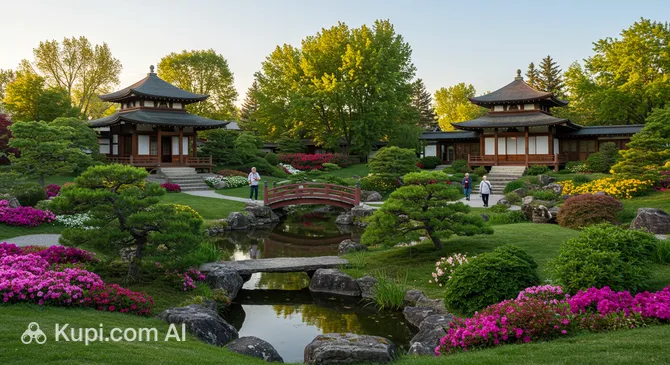
  • The serene Nikka Yuko Japanese Garden is an architectural masterpiece built using traditional methods that require no nails or screws. The structural components were hand-crafted in Kyoto, Japan, dismantled for shipping, and then meticulously reassembled in Lethbridge by Japanese artisans to ensure authenticity.

  • Before it became a peaceful city, the area was the epicenter of the notorious illegal whiskey trade in the late 19th century. The region near Indian Battle Park was home to Fort Whoop-Up, a lawless trading post that was so unruly it directly prompted the formation of the North West Mounted Police to establish order in the west.

  • The University of Lethbridge features a campus building designed by famous architect Arthur Erickson that is integrated directly into the landscape. Known as University Hall, the structure is built into the coulees and is often described as looking like a large ship sailing through the prairie waves.

Nikka Yuko Japanese Garden. Source: Kupi.Binoculars

How to Get There

Planning a trip to this part of Alberta is straightforward, with options ranging from landing directly in the city to arriving at a major international hub nearby. Visitors can find more about how to get to Lethbridge to choose the route that best fits their travel plans.

The most convenient option for direct access is Lethbridge Airport (YQL), located approximately 8 km south of the city center. While it is a regional facility with an annual passenger traffic of around 38,000, it offers the quickest arrival. A taxi or shuttle from the terminal to downtown Lethbridge typically takes about 30 minutes.

For a wider range of flight connections, travelers often choose Calgary International Airport (YYC) in the city of Calgary. As a major international hub serving nearly 19 million passengers annually, it offers extensive global links. The city of Lethbridge does not have an airport of this size, so arriving in Calgary is a popular choice. From there, the drive to Lethbridge covers about 180 km and takes approximately 2 to 2.5 hours by car or bus.

For clarity, here is a summary of the main airports:

Airport Name City Passenger Traffic Km from City
Calgary International Airport Calgary Large 179.8
Glacier Park International Airport Kalispell Medium 185.3
Canadian Rockies International Airport Cranbrook Small 212.3
Medicine Hat Regional Airport Medicine Hat Small 156.9
Lethbridge Airport Lethbridge Small 8.3

Main Attractions

Lethbridge offers a delightful mix of cultural heritage, stunning natural landscapes, and modern amenities. Visitors can explore serene gardens, rugged river valleys, and vibrant shopping districts all within a short distance of each other. Here are some of the top places to include in your itinerary.

One of the city's premier destinations is the Nikka Yuko Japanese Garden. This meticulously designed oasis is celebrated for its authentic architecture and peaceful atmosphere. It serves as a symbol of international friendship and offers a tranquil escape with its manicured landscapes, water features, and traditional structures. Tourists flock here to experience tea ceremonies, cultural festivals, and the sheer beauty of a garden where every rock and tree has been placed with purpose.

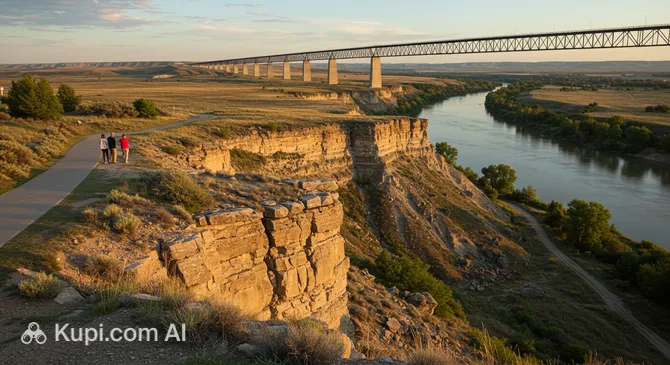
For those who love history and outdoor adventure, Indian Battle Park is a must-visit. Located in the Oldman River valley, this expansive park is rich in local lore and offers extensive hiking and walking trails. It is the site of the famous Fort Whoop-Up and provides excellent views of the High Level Bridge. The park is a favorite among visitors for its blend of natural scenery and historical significance, making it a perfect spot for picnics and exploration.

Indian Battle Park. Source: Kupi.Binoculars

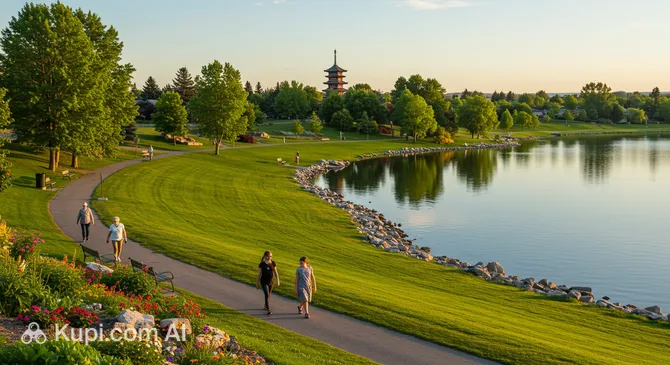
Another gem for outdoor enthusiasts is Henderson Lake Park. Centered around a large, man-made lake, this urban park is a hub of activity year-round. It features paved pathways perfect for jogging or cycling, expansive playgrounds for children, and designated picnic areas. In the summer, the lake becomes a focal point for kayaking and dragon boat festivals, drawing both locals and tourists to its shores for recreation and relaxation.

Henderson Lake Park. Source: Kupi.Binoculars

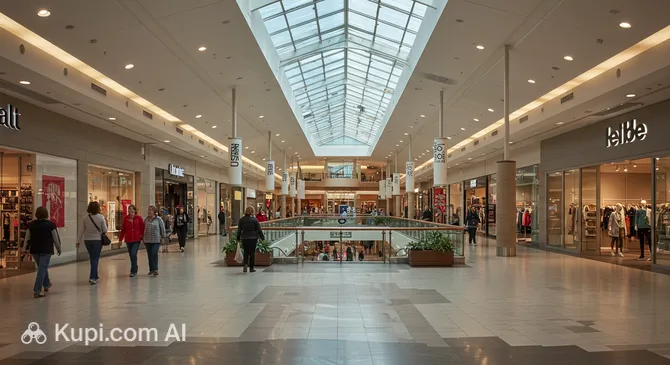
If you are looking for a premier shopping and dining experience, Park Place Mall is the largest shopping center in the region. Conveniently located in the downtown area, it houses a wide variety of fashion retailers, electronics stores, and services. It is an excellent stop for travelers needing to restock supplies, enjoy a meal at the food court, or simply browse through the latest trends in a comfortable indoor setting.

Park Place Mall. Source: Kupi.Binoculars

Local Cuisine

The culinary landscape of Lethbridge is deeply connected to the rich agricultural land that surrounds it. As part of Southern Alberta, the city is famous for its high-quality beef, and you will find that steak and gourmet burgers are staples on many menus. Visitors should definitely try an authentic Alberta steak dinner, cooked to perfection and often served with locally sourced vegetables. The "farm-to-table" philosophy is not just a trend here; it is a way of life supported by the region's productive farms and ranches.

Beyond meat dishes, the region is renowned for its produce, particularly Taber corn. Grown in the nearby town of Taber, this sweet corn is a seasonal delicacy available in late summer and is widely celebrated in local dishes. For those with a sweet tooth, keep an eye out for desserts featuring Saskatoon berries. These native berries, similar to blueberries but with a nuttier flavor, are often used in pies, tarts, and jams, offering a true taste of the Canadian prairies.

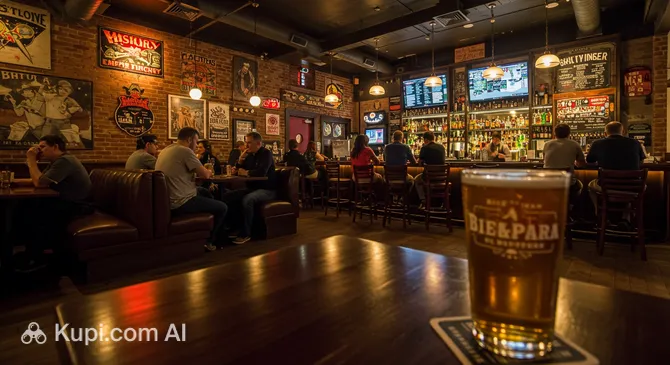
When it comes to drinks, the local craft beer scene is thriving. The city boasts several breweries that experiment with local grains to produce unique ales and lagers. A great place to experience this pub culture is the Telegraph Taphouse. Housed in a historic building that once served as a telegraph office, it offers an extensive selection of craft beers and hearty pub fare, making it a favorite gathering spot for locals and tourists alike.

Telegraph Taphouse. Source: Kupi.Binoculars

For a more eclectic atmosphere that blends food, drink, and culture, the Owl Acoustic Lounge is a standout venue. It serves as a community hub where you can enjoy coffee, cocktails, and casual eats while listening to live music or poetry. The dining culture in Lethbridge is generally relaxed and unpretentious, ranging from vibrant farmers' markets where you can grab fresh snacks to cozy diners and spirited taprooms. Don't forget to try a Caesar, Canada's signature cocktail, which is a spicy and savory favorite in this part of the country.

Travel Tips

Welcome to Lethbridge, a sunny and welcoming destination in southern Alberta where the prairies meet the dramatic coulees. To ensure your visit is smooth and enjoyable, we have compiled a list of practical advice to help you navigate the city like a local.

  1. Clothing and Gear: The most important thing to pack for Lethbridge is a wind-resistant jacket. The city is famous for its strong winds, so a good windbreaker is essential in any season. In winter, dress in layers; the unique Chinook winds can raise temperatures dramatically in a matter of hours, turning a freezing day into a mild one. Comfortable walking shoes are a must if you plan to explore the hiking trails in the river valley.
  2. Transportation: While Lethbridge Transit operates a network of buses throughout the city, the most convenient way to explore is by car. Renting a vehicle gives you the freedom to visit attractions scattered across the coulees and the outskirts. Taxis and ride-sharing apps like Uber are also readily available for shorter trips within the city limits.
  3. Finances: The local currency is the Canadian Dollar (CAD). Credit and debit cards are widely accepted almost everywhere, from hotels to small cafes. ATMs are plentiful, located in banks, grocery stores, and shopping centers. Tipping is standard practice in Canada; it is customary to leave 15-20% of the bill at restaurants and bars for good service.
  4. Health and Safety: Lethbridge is generally a very safe city for tourists. In case of any emergency, dial 911 for police, fire, or ambulance services. Pharmacies are easy to find, with major chains often located within grocery stores or as standalone shops; some locations offer extended evening hours. Stick to marked trails when hiking in the coulees to ensure your safety.
  5. Communication: English is the primary language spoken in Lethbridge. Locals are friendly and happy to help with directions. Free Wi-Fi is available in many public spaces, including the public library, malls, and most coffee shops. If you need a local SIM card, you can purchase one at the major mobile providers found in the shopping malls.
  6. Local Etiquette: Politeness is highly valued here. It is polite to greet shop staff when entering and to say "thank you" when leaving. When waiting for a bus or service, queuing in an orderly line is expected. Holding the door open for the person behind you is a common gesture of courtesy that is always appreciated.
  7. What to Avoid: Never attempt to walk across the High Level Bridge. Although it is a stunning landmark to photograph from below or from the valley rim, it is an active railway bridge with no pedestrian access, and trespassing is both illegal and extremely dangerous.
  8. Nature Awareness: If you are hiking in the coulees during the warmer months (late spring to early autumn), keep an eye out for prairie rattlesnakes. They are generally shy and will rattle to warn you, so simply stay on established paths and give them plenty of space if you encounter one.

By keeping these tips in mind, you will be well-prepared to enjoy the unique landscapes and warm hospitality that Lethbridge has to offer. Have a safe and memorable journey exploring this beautiful corner of Alberta!

Entertainment & Nightlife

While Lethbridge may not have the frantic energy of a massive metropolis, its nightlife scene is vibrant, welcoming, and surprisingly diverse, largely fueled by a youthful university population. The city offers a relaxed evening atmosphere where the focus is often on good conversation, live music, and locally crafted drinks rather than exclusive velvet ropes. The primary hub for evening entertainment is Downtown Lethbridge, particularly around 5th Street South and the surrounding avenues, where you can easily walk between various pubs, lounges, and eateries.

For those seeking a blend of culture and nightlife, the Owl Acoustic Lounge is a standout venue. It operates as a unique hybrid of a coffee house, art gallery, and nightclub, making it a favorite among the local creative community. In the evenings, it transforms into an intimate concert venue hosting everything from indie rock bands to spoken word poetry. The atmosphere is distinctively alternative and inclusive, perfect for travelers looking to mingle with locals in a casual setting.

Owl Acoustic Lounge. Source: Kupi.Binoculars

Another cornerstone of the downtown social scene is the Telegraph Taphouse. While known for its food, it truly comes alive at night as a premier destination for beer enthusiasts. Set in a historic building with a rustic, warm interior, it offers an impressive rotation of craft beers from across Alberta and beyond. It is the ideal spot to kick off a night out or wind down with friends in a spirited, pub-style environment.

The dress code in Lethbridge is generally casual and unpretentious; jeans and a nice top are suitable for almost any venue in the city. Most bars and clubs stay open until 2:00 AM on weekends. From a safety perspective, the downtown core is well-lit and generally safe for evening strolls, though it is always advisable to stay in groups late at night. For transportation, ride-sharing services and local taxi companies are readily available and are the most convenient way to return to your accommodation after a night out.

Beyond the bars, Lethbridge offers excellent daytime and early evening entertainment options. Culture lovers can visit the Southern Alberta Art Gallery or catch a live performance at the Yates Memorial Centre, which hosts theater productions and concerts. For a more relaxed afternoon, the city’s movie theaters and bowling alleys provide family-friendly fun before the sun goes down.

Parks & Museums

Lethbridge is a city that seamlessly integrates its dramatic natural landscape with a rich tapestry of cultural institutions. The city is renowned for its extensive park system, particularly the green belt that runs along the Oldman River valley, offering residents and visitors alike a chance to immerse themselves in nature without leaving the urban limits. Alongside these natural retreats, the city boasts several museums and galleries that preserve its frontier history and celebrate contemporary art.

The crown jewel of the city's green spaces is Indian Battle Park. Nestled in the river valley coulees, this park is not only a place of historical significance but also a haven for nature lovers. It is home to the Helen Schuler Nature Centre, which offers interactive exhibits about the local ecosystem and offers guided river valley walks. The park's network of trails allows hikers and runners to explore the unique semi-arid landscape while enjoying views of the impressive High Level Bridge towering above.

For a more manicured and tranquil experience, the Nikka Yuko Japanese Garden is an essential stop. This designated provincial historic resource is widely recognized as one of the most authentic Japanese gardens in North America. Unlike a typical park for sports or picnics, this is a place for contemplation, featuring perfectly pruned trees, calm water features, and a traditional tea house. It offers a distinct cultural immersion that changes with the seasons, from lush green summers to the magical Winter Light Festival.

Another favorite for recreation is Henderson Lake Park, the city's premier urban park. Spanning a vast area, it provides a habitat for various waterfowl and serves as a community gathering spot. While the lake itself is the main attraction for kayaking and paddleboarding, the surrounding parkland features rose gardens and open lawns perfect for summer festivals. It sits adjacent to the exhibition grounds, making it a central hub for outdoor entertainment in the city.

When it comes to history and culture, the Galt Museum & Archives is the most prominent institution. Perched on the edge of the coulees, the museum is housed in a historic hospital building and commands one of the best views in the city. Its exhibits cover the human history of southern Alberta, from First Nations cultures to the coal mining boom and post-war development. The museum is celebrated for its engaging storytelling and community-focused programming.

Art enthusiasts should visit the Southern Alberta Art Gallery (SAAG) located downtown. This leading contemporary art gallery fosters a vibrant arts community by showcasing works from local, national, and international artists. The gallery plays a vital role in the city's cultural life, hosting regular talks, workshops, and family programs that make art accessible to everyone.

For a dive into the region's wilder past, Fort Whoop-Up offers a fascinating glimpse into the era of the illegal whiskey trade. Located within Indian Battle Park, this interpretive center is a replica of the original trading post. Costumed interpreters and historical artifacts bring the late 19th century to life, telling the stories of the traders, the Blackfoot people, and the arrival of the Mounties.

An insider tip for a quieter nature experience is to visit the Elizabeth Hall Wetlands located on the west side of the river. This preservation area is excellent for birdwatching and offers a peaceful loop trail away from the busier main parks. It is a perfect spot to observe turtles, beavers, and a variety of bird species in their natural habitat.
Getting Around

Public transport in Lethbridge is primarily served by a bus network operated by Lethbridge Transit. As a mid-sized city, it does not have a metro, tram, or trolleybus system. The bus service is designed to connect residential neighborhoods with key hubs such as the downtown core, the University of Lethbridge, and major shopping centers. The network recently underwent a redesign known as "cityLINK" to improve frequency and reduce travel times along main corridors, making it a reliable option for getting around the main parts of the city.

For payment, the system has modernized significantly. While you can still pay with exact cash coin fare upon boarding, the most convenient method for tourists is the LT Fare system. This is available as a reloadable smart card or a mobile app. Using the app allows you to purchase rides or passes directly from your smartphone and simply scan a QR code when you board the bus. Fares are affordable, with options for single rides, day passes, and monthly access. If you choose to pay with cash, remember that drivers cannot provide change.

Buses generally operate from early morning, around 6:00 AM, until midnight on weekdays and Saturdays, with reduced service hours on Sundays and holidays. For the best experience, it is highly recommended to download the "myRide" app or use standard mapping services to track buses in real-time and plan your route, as frequency can vary depending on the line and time of day. Validation is simple: just tap your card or scan your phone at the reader located near the driver when you enter.

If you prefer more direct transportation, taxis are readily available and can be hailed by phone or found at designated stands near the city center. Ride-sharing services like Uber also operate in the city, offering a familiar and convenient alternative for travelers. These are particularly useful for reaching the airport or for late-night travel when bus services may be less frequent.

During the warmer months, typically from spring to autumn, shared electric scooters and e-bikes are a popular way to navigate short distances, especially around the downtown area and near the parks. These can be rented via specific mobile apps and are a fun way to explore the scenic pathways. However, keep in mind that the city is divided by the steep coulees of the Oldman River valley; while the extensive trail system is excellent for recreational cycling, the elevation changes can make cross-town commuting by bike a workout.

Accommodation

Finding a place to stay in Lethbridge is generally a straightforward and stress-free experience. The city offers a solid range of accommodation options that cater primarily to practical travelers and families. While you will not find ultra-luxury five-star resorts, there is an abundance of reliable mid-range chain hotels, comfortable motels, and charming bed and breakfasts. For those traveling on a tighter budget, there are also affordable inns and seasonal residence rentals available at the local educational institutions.

When choosing a location, most visitors opt for one of two main areas. The first is along Mayor Magrath Drive, the city's primary commercial corridor. Staying here is highly convenient for travelers with cars, as it provides easy access to major highways and is lined with numerous restaurants and services. This area places you just a short drive or walk from key attractions like the beautiful Nikka Yuko Japanese Garden and Henderson Lake, making it a favorite for families and leisure travelers.

The second popular area is Downtown Lethbridge. This district is perfect for those who prefer a more walkable environment with access to local culture. Hotels in the city center are often situated near historic sites and are within walking distance of the Park Place Mall for shopping needs. Staying downtown also keeps you close to the city's best independent cafes and dining spots, allowing you to soak in the local atmosphere without needing to drive for every meal.

In terms of pricing, Lethbridge is generally more affordable than larger Canadian cities like Calgary or Vancouver. The majority of accommodations fall into the budget to mid-range category, offering good value for money. Booking is typically done easily through major online platforms or directly with the hotels. However, a helpful tip for summer travelers is to book well in advance if your visit coincides with major local events such as Whoop-Up Days in August, as rooms can fill up quickly during these peak times.

Nearby Cities

For those looking to explore the surroundings, Lethbridge serves as an excellent base for day trips to several interesting nearby locations:

City Population Distance (km)
Calgary 1,239,220 174
Red Deer 100,418 294
Medicine Hat 63,260 158
Airdrie 61,581 196
Okotoks 28,881 140

Beyond the urban centers listed above, the region offers some spectacular destinations perfect for a day's adventure. One of the most popular trips is to Waterton Lakes National Park, located approximately 130 kilometers southwest of Lethbridge. This stunning park is where the prairies abruptly meet the Rocky Mountains, offering breathtaking scenery, crystal-clear lakes, and world-class hiking trails. Visitors can enjoy a boat cruise on Upper Waterton Lake or enjoy high tea at the historic Prince of Wales Hotel, which overlooks the valley.

For history enthusiasts, a visit to Head-Smashed-In Buffalo Jump is a must. Situated about a 45-minute drive west of the city, this UNESCO World Heritage Site preserves one of the oldest and best-preserved buffalo jumps in North America. The interpretive center is built into the cliffside and offers a fascinating look into the lives of the Plains People and their ancient hunting techniques.

If you prefer an urban excursion, Medicine Hat is a great option to the east. Known as "The Gas City," it sits in the South Saskatchewan River valley and is famous for its historic clay district. You can tour the Medalta Potteries to see the beehive kilns and learn about the industrial history of the area, or simply enjoy the city's extensive trail system and sunny weather.

These nearby destinations offer a glimpse into the diverse culture and landscapes of the region.

Shopping & Souvenirs

Shopping in Lethbridge offers a relaxed and diverse experience, serving as the primary commercial hub for Southern Alberta. The city provides a balanced mix of large retail chains, convenient big-box stores, and charming local businesses. Whether you are looking for the latest fashion trends, outdoor gear to explore the coulees, or unique handcrafted items, you will find plenty of options without the overwhelming crowds of larger metropolitan areas.

For a more distinctive shopping atmosphere, the historic Downtown District is the place to be. Centered around the area of 5th Street South, this walkable neighborhood is lined with independent boutiques, specialty shops, and art galleries. It is the perfect spot to hunt for vintage clothing, rare vinyl records, or home decor while enjoying the architectural character of the city's older buildings. The area also hosts various sidewalk sales and events throughout the year, adding a vibrant community feel to your retail therapy.

The city's premier destination for indoor shopping is Park Place Mall. Located conveniently near the downtown core, it stands as the largest shopping center in the region. The mall features over 100 stores and services, ranging from popular international fashion brands to electronics and beauty retailers. It serves as a one-stop destination for travelers needing to restock on essentials or simply looking to browse in a comfortable, climate-controlled environment.

If you are interested in local produce and artisanal goods, the Lethbridge Farmers' Market is a must-visit. It is one of the largest and most popular markets in Western Canada. Typically held on Saturdays at the Exhibition Park and on Wednesdays downtown during the warmer months, it showcases the region's rich agricultural heritage. Here, you can find fresh seasonal vegetables, homemade jams, baked goods, and crafts directly from local growers and makers.

When searching for the perfect souvenir, consider items that reflect the spirit of Southern Alberta. Authentic western wear, such as cowboy hats or boots, is a popular choice given the city's frontier history. Additionally, products made from local Saskatoon berries or Taber corn offer a delicious taste of the prairies to take home. Indigenous art and jewelry are also meaningful keepsakes that celebrate the cultural heritage of the Blackfoot people.

Most shops in Lethbridge operate from around 10:00 AM to 6:00 PM on weekdays and Saturdays, with many larger retailers and malls staying open later, often until 8:00 PM or 9:00 PM on Thursdays and Fridays. Sunday hours are generally shorter, typically from 11:00 AM to 5:00 PM. Credit and debit cards are universally accepted, and contactless payment is standard in almost all establishments.

One of the significant advantages of shopping in Lethbridge—and throughout the province of Alberta—is the tax benefit. Unlike many other destinations, there is no Provincial Sales Tax (PST) here. You only pay the 5% federal Goods and Services Tax (GST) on most purchases, making luxury items, clothing, and souvenirs noticeably more affordable compared to other parts of the country.

Reached the end of the page?

That means the route is fully explored