Support

Great Falls

About

Great Falls offers a compelling blend of rugged natural beauty and authentic Western culture, making it a standout destination in Montana. Known as the "Electric City" due to the numerous hydroelectric dams harnessing the power of the Missouri River, it serves as a vibrant hub for travelers seeking both outdoor adventure and cultural enrichment.

Located in the central part of the state, the city is home to approximately 62,000 residents and sits against the breathtaking backdrop of the Rocky Mountain Front. As a significant destination within the United States, Great Falls provides a unique mix of urban amenities and easy access to the wilderness. The local climate is characterized by distinct seasons, offering sunny summers perfect for hiking and crisp winters ideal for enjoying the snowy landscape.
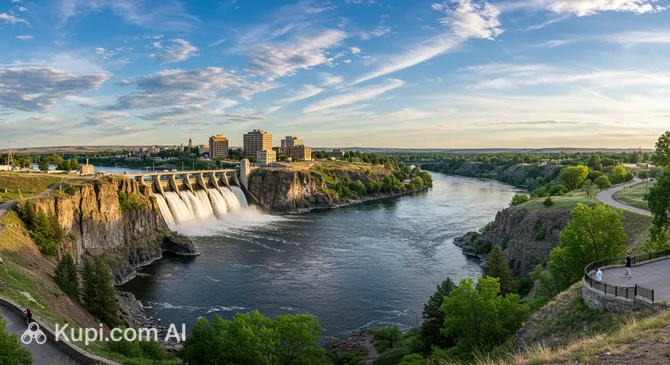
Great Falls. Source: Kupi.Binoculars

The city's name is derived from the series of five majestic waterfalls that presented a challenging portage for the Lewis and Clark Expedition in 1805. Visitors intrigued by this era can explore the history of Great Falls, which is deeply intertwined with the legacy of these famous explorers and the development of the American West.

Among the top attractions, the Lewis and Clark Interpretive Center stands out as a must-visit, offering interactive exhibits that detail the expedition's journey. Art lovers will appreciate the C.M. Russell Museum, which houses an extensive collection of works by the renowned "Cowboy Artist" Charles M. Russell. For nature enthusiasts, Giant Springs State Park features one of the largest freshwater springs in the country and is a perfect spot for a relaxing afternoon.

Whether you are looking to immerse yourself in the art of the American West or witness the power of the Missouri River firsthand, Great Falls invites you to experience its warm hospitality and stunning scenery.
Weather Overview

Great Falls experiences a semi-arid climate characterized by four distinct seasons, offering a wide variety of conditions depending on when you visit. Winters are typically cold, with February often seeing average temperatures drop to -6.2°C and lows reaching -11.0°C. Despite the freezing temperatures, winter precipitation is generally low, resulting in crisp, dry days.

Spring brings a gradual warming trend, with average temperatures rising to 12.7°C by May. However, this is also the wettest time of the year; travelers should be prepared for frequent showers, as May records approximately 12 wet days. As the season transitions, the city enters its warmest period. Summers are delightful, with July boasting average highs of 30.9°C and very little rainfall, creating perfect conditions for exploring the outdoors.

Autumn sees a return to cooler weather, starting with a pleasant average of 16.9°C in September before dropping to near freezing by November. To help plan your activities and packing list, it is helpful to review the current weather in Great Falls. Overall, you can expect warm summers with occasional rain in the spring and cold, relatively dry winters.

Interesting Facts

Beyond its famous dams and historic expedition sites, Great Falls harbors some truly unexpected treasures and local legends that offer a glimpse into its unique character.

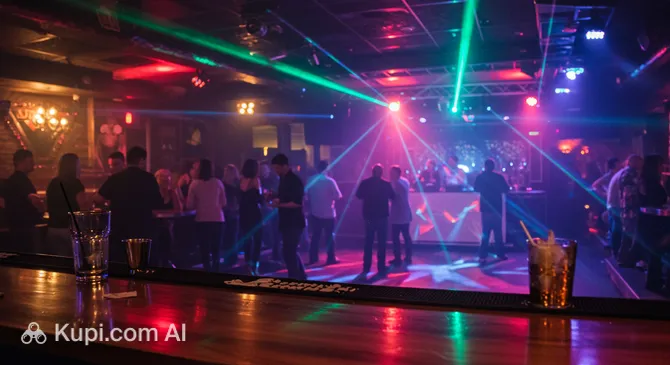
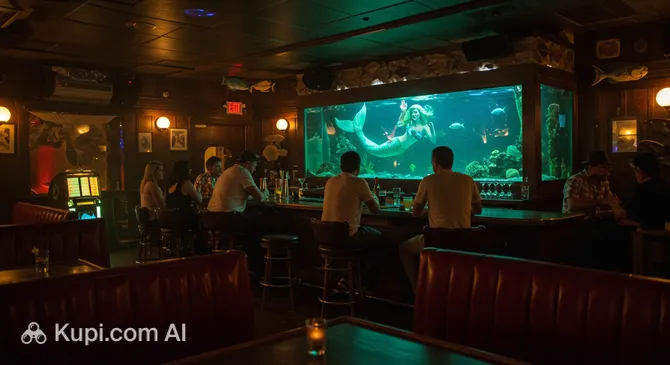
Sip 'n Dip Lounge. Source: Kupi.Binoculars
  • One of the most unusual nightlife experiences can be found at the Sip 'n Dip Lounge. This tiki-themed bar is famous for the glass wall behind its counter, where "mermaids" swim in a pool to entertain guests—a quirky feature that once helped it earn the title of the #1 bar on Earth by GQ Magazine.

  • The city claims the title for having one of the shortest rivers in the world. The Roe River flows for just 201 feet (61 meters) between Giant Springs and the Missouri River, a geographic oddity that was formally recognized by the Guinness World Records.

  • Great Falls plays a significant role in ufology history due to the 1950 "Mariana UFO Incident." The manager of a local minor league baseball team captured some of the earliest and most analyzed footage of unidentified flying objects right over the city's baseball stadium.

  • While the C. M. Russell Museum is a well-known attraction, few visitors realize that the artist's original on-site studio was constructed from red cedar telephone poles. Russell chose this unconventional material to give his workspace a rustic, authentic Western atmosphere amidst the developing city.

How to Get There

Reaching this destination in Montana is convenient, with air travel being the most common method for visitors. For a comprehensive guide on all travel options, you can read more about how to get to Great Falls. The city is served by its own aviation hub, making arrival straightforward.

The most direct route is flying into Great Falls International Airport (GTF). Conveniently located just 6 km from the city center, it allows travelers to reach their accommodation quickly. A taxi or shuttle ride typically takes approximately 10 to 15 minutes. While it handles a moderate volume of passengers compared to major hubs, it offers essential connections and a relaxed arrival experience.

Alternatively, visitors can choose to fly into Helena Regional Airport (HLN) in the city of Helena, which is about 113 km away. The journey by road from Helena takes roughly 1.5 hours depending on transport. For those seeking more flight connections, Bozeman Yellowstone International Airport (BZN) in Bozeman is another option, though it is located approximately 193 km from Great Falls. Renting a car from these airports offers a scenic drive through the Montana landscape.

For clarity, here is a summary of the main airports:

Airport Name City Passenger Traffic Km from City
Bozeman Yellowstone International AirportBozemanLarge192.5
Missoula International AirportMissoulaMedium221.3
Great Falls International AirportGreat FallsMedium5.9
Helena Regional AirportHelenaSmall112.6
Butte AirportButteSmall195.2

Regarding rail travel, Great Falls does not have a direct passenger railway station. Visitors wishing to travel by train typically take the Amtrak Empire Builder line to the nearby stations of Shelby or Havre and then complete the journey by bus or rental car. It is advisable to check current schedules and connecting transport options in advance.

Main Attractions

Great Falls boasts a diverse array of attractions that cater to history buffs, nature lovers, and food enthusiasts alike. While the city is famous for its surrounding natural wonders, its local cultural and culinary scenes offer equally memorable experiences for visitors exploring the area.

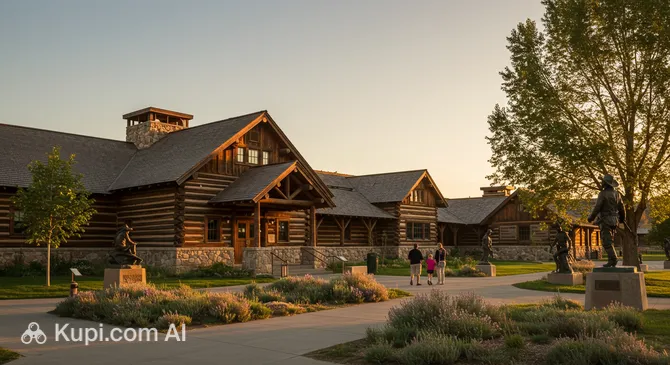
One of the premier cultural institutions is the C. M. Russell Museum. Dedicated to the legacy of Charles M. Russell, this facility creates a comprehensive narrative of the American West through art. Visitors can admire intricate paintings and sculptures that vividly capture the spirit of the frontier. The museum complex offers an immersive look into the artist's life, featuring his original log cabin studio and home, allowing guests to step back in time and see where his masterpieces were created.

C. M. Russell Museum. Source: Kupi.Binoculars

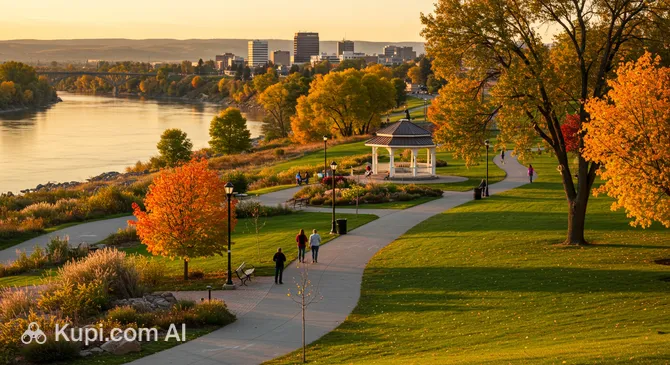
For those seeking relaxation outdoors, Gibson Park is a beloved local gem located near the downtown area. Often referred to as the city's "pride," this historic park features beautifully manicured flower gardens, walking paths, and a vibrant duck pond. It is an excellent spot for a leisurely stroll or a family picnic. During the summer, the park often comes alive with music from the historic band shell, making it a central hub for community events and a peaceful retreat for tourists.

Gibson Park. Source: Kupi.Binoculars

Food lovers exploring the city should not miss the chance to visit the Roadhouse Diner. This establishment has gained a reputation far beyond the city limits for its inventive and delicious burgers. Known for its friendly atmosphere and commitment to quality local ingredients, it offers a distinct taste of Montana hospitality. It is a perfect place to refuel after a day of sightseeing, offering a menu that challenges the appetite and delights the taste buds.

Local Cuisine

The culinary landscape of Great Falls is deeply rooted in its Western heritage, offering a hearty and unpretentious dining experience. Visitors can expect generous portions and a focus on locally sourced ingredients, particularly high-quality meats and grains produced in the surrounding Golden Triangle region. The food scene here is less about white-tablecloth fine dining and more about authentic flavors served in welcoming, casual atmospheres.

Meat lovers will find themselves at home, as Montana is renowned for its beef and bison. A classic bison burger or a perfectly grilled ribeye steak are staples on many local menus, showcasing the region's ranching legacy. For a sweet finish or a unique breakfast treat, look for anything featuring huckleberries. This wild mountain berry is a state specialty, finding its way into pies, jams, pancakes, and even ice cream, offering a tart yet sweet flavor profile that is distinct to the Northern Rockies.

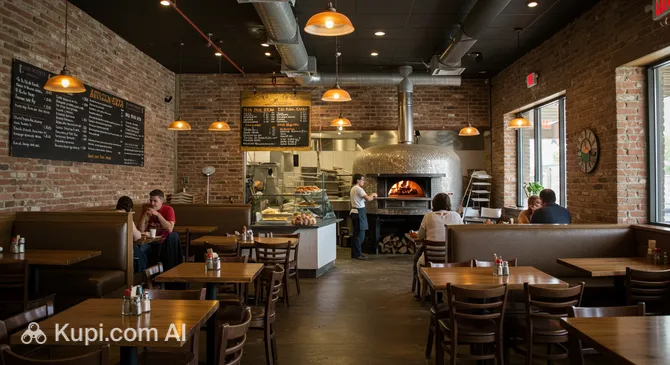
When it comes to dining out, the city offers a mix of historic establishments and modern eateries. For those craving wood-fired comfort food, Fire Artisan Pizza is a popular choice among locals. It provides a contemporary setting to enjoy gourmet pizzas and a selection of craft beers, reflecting the growing trend of artisanal food in the area.

Fire Artisan Pizza. Source: Kupi.Binoculars

The beverage culture in Great Falls is equally vibrant, with a strong emphasis on local craft brewing. The city has several breweries where visitors can sample ales and lagers made with Montana-grown barley. For a truly legendary drinking experience, the Sip 'n Dip Lounge remains a cultural icon. Famous for its tiki theme and massive cocktails like the "Fish Bowl," it offers a fun and quirky night out that contrasts with the traditional western saloon vibe found elsewhere.

Travel Tips

To help you make the most of your adventure in the heart of Montana, we have compiled some essential practical advice for visiting Great Falls. These tips will ensure your trip is smooth, safe, and filled with memorable experiences in the "Electric City."

  1. Clothing and Gear: Montana's weather can be unpredictable. In summer, bring light clothing and comfortable walking shoes for exploring the parks, but always pack a jacket for cool evenings. If visiting in winter, heavy coats, thermal layers, and waterproof boots are non-negotiable due to freezing temperatures. Don't forget sunglasses and sunscreen, as the high-altitude sun can be surprisingly strong year-round.
  2. Transportation: The most efficient way to explore the city and its surrounding natural beauty is by renting a car. While there is a local bus service (Great Falls Transit) and ride-sharing apps like Uber and Lyft are available, having your own vehicle gives you the freedom to visit remote trailheads and scenic overlooks at your own pace without relying on schedules.
  3. Finances: The local currency is the US Dollar (USD). Credit and debit cards are widely accepted at hotels, restaurants, and shops throughout the city. However, it is wise to carry some cash for smaller purchases or tips. Standard tipping etiquette applies here; aim for 15-20% of the bill at restaurants and bars.
  4. Health and Safety: Great Falls is generally a safe destination, but standard travel precautions should be taken. For medical needs, major pharmacy chains are available, though 24-hour options may be limited, so check hours in advance. If you plan to hike nearby, be "bear aware" and carry bear spray, as you are near wilderness areas. In an emergency, dial 911.
  5. Communication: English is the primary language spoken. Wi-Fi is readily available in most hotels, cafes, and public spaces. However, cell service can be spotty in canyons or remote areas just outside the city limits, so downloading offline maps is a smart move before heading out on a day trip.
  6. Local Etiquette: The local culture is defined by warm Western hospitality. It is common to greet passersby with a smile or a nod. When driving on rural backroads, a friendly wave to oncoming drivers is customary. Respect for nature is paramount; always dispose of trash properly to keep the landscape pristine.
  7. What to Avoid: Do not underestimate the wildlife. Never approach deer, wild turkeys, or other animals for a photo; maintain a safe distance at all times for your safety and theirs. Additionally, avoid trespassing on private land—fences are there for a reason, and locals take property rights seriously.
  8. Shopping Bonus: One of the best perks of visiting Montana is that there is no statewide sales tax. This makes Great Falls an excellent destination for shopping, as the price you see on the tag is exactly what you pay at the register, allowing your budget to stretch a bit further.

With these practical tips in hand, you are fully prepared to enjoy everything this unique Montana destination has to offer. Whether you are chasing waterfalls, exploring downtown history, or simply soaking in the views, a little preparation will go a long way in ensuring a fantastic journey.

Entertainment & Nightlife

Nightlife in Great Falls is characterized by a relaxed, authentic Western atmosphere rather than high-energy nightclubs or exclusive VIP lounges. The city's evening entertainment centers primarily on lively bars, local breweries, and casinos, where the vibe is friendly and welcoming. The downtown area, particularly along Central Avenue, serves as the main hub for after-dark activities, offering a walkable district filled with historic establishments and modern watering holes.

One of the most iconic spots to visit is the Sip 'n Dip Lounge. Located inside the O'Haire Motor Inn, this legendary tiki bar is a staple of the local nightlife scene. Visitors flock here not just for the tropical cocktails, but to witness the unique spectacle of "mermaids" swimming in the motel pool visible through a glass wall behind the bar. It draws a diverse crowd, from curious tourists to locals celebrating special occasions, and the dress code is entirely casual.

For those looking for active entertainment combined with evening drinks, Little's Lanes offers a classic American pastime. This bowling alley is a popular gathering place that extends beyond just the sport; it features a lounge and often hosts casual leagues, making it a great spot to mingle with residents. It captures the unpretentious spirit of the city, where fun is prioritized over formality.

Little's Lanes. Source: Kupi.Binoculars

The craft beer scene is also thriving, with several taprooms scattered around the city center offering locally brewed ales and lagers. Most venues stay open until 2:00 AM, which is the standard closing time for bars in Montana. Prices are generally very reasonable compared to larger US cities, making a night out quite affordable. The dress code everywhere is "Montana casual"—jeans, boots, and flannel shirts are the norm, even on Friday and Saturday nights.

Safety is rarely a major concern in the entertainment districts, as Great Falls is a relatively quiet community. However, as with any city, it is advisable to stay in well-lit areas along Central Avenue when walking at night. For getting back to your hotel, ride-sharing services like Uber and Lyft are available, along with local taxi companies. It is recommended to book a ride in advance if you plan to stay out until closing time, as availability can decrease late at night.

Before the sun sets, the city offers plenty of daytime entertainment options. Cultural enthusiasts can visit the Mansfield Center for the Performing Arts for concerts and theater productions. Meanwhile, the city's rich history is on display at various museums, and the extensive River's Edge Trail provides a scenic backdrop for a pre-dinner walk. Whether day or night, the entertainment here is rooted in community and simple pleasures.

Parks & Museums

Great Falls seamlessly integrates its rugged natural surroundings with a deep appreciation for heritage, offering visitors a rich selection of green spaces and cultural institutions. The city's layout encourages exploration, with parks that hug the riverbanks and museums that preserve the legacy of the American West.

For those seeking outdoor tranquility, Giant Springs State Park is a phenomenal natural wonder. While known for its massive freshwater spring, the park also hosts the Giant Springs Fish Hatchery, where visitors can feed trout and learn about local aquaculture. Adjacent to the springs, the park offers miles of trails that connect to the wider Gibson Park via the river system. Gibson Park itself is not just a garden; it is home to the historic "Vinegar Jones" cabin, one of the oldest structures in the city, providing a tangible link to the area's pioneer past amidst its vibrant flower beds and ancient cottonwood trees.

Another essential outdoor asset is the River's Edge Trail. This extensive network of paved and single-track paths stretches for nearly 60 miles, winding along the Missouri River. It connects many of the city's key sights, including hydroelectric dams and scenic overlooks, making it the perfect artery for cyclists and walkers who want to see the "Electric City" from its most scenic vantage point.

The city's cultural scene is anchored by world-class institutions. The C. M. Russell Museum remains the premier destination for Western art, but visitors should also explore the Paris Gibson Square Museum of Art. Housed in a striking Romanesque Revival building that was once a high school, "The Square" focuses on contemporary art from the Northwest and offers a quiet, contemplative atmosphere with rotating exhibitions and a sculpture garden.

History enthusiasts will find the Lewis and Clark Interpretive Center indispensable. Built into a bluff overlooking the Missouri River, the center provides a detailed account of the expedition's month-long portage around the great waterfalls. The exhibits are immersive, featuring dioramas and hands-on displays that convey the physical challenges faced by the explorers in this specific terrain.

Architecturally, the city boasts several landmarks, including the Tenth Street Bridge. This historic open-spandrel concrete arch bridge spans the Missouri River and serves as a monument to early 20th-century engineering. Preservation efforts have kept this graceful structure as a beloved icon of the city's skyline, often illuminated at night.

For a truly unique experience just outside the city limits, consider a short drive to the First Peoples Buffalo Jump State Park. This archaeological site features one of the largest bison cliff jumps in North America, offering a profound insight into the history and hunting practices of the indigenous peoples of the Northern Plains.

Getting Around

Public transport in Great Falls is relatively modest compared to larger metropolitan areas, reflecting the city's spread-out nature and car-centric culture. The primary mode of public transportation is the bus network operated by the Great Falls Transit District (GFT). There is no metro, tram, or light rail system in the city. The bus service consists of several fixed routes that radiate from the downtown area, covering key locations such as the medical district, shopping centers, and major residential neighborhoods.

For visitors planning to use the bus, the payment system is straightforward and traditional. Fares are very affordable, typically costing under $2.00 for a single ride. Payment is made upon boarding, and it is essential to have exact change in cash, as drivers cannot provide change. For those planning multiple trips, day passes and monthly passes are available. These can be purchased at the Transfer Center located downtown or at select local grocery stores. While there is no sophisticated smart card system, the simplicity of cash and paper passes makes it easy for tourists to navigate.

A crucial piece of advice for tourists is to be mindful of the operating hours. The bus service generally operates from Monday through Saturday, with reduced hours on Saturdays. Significantly, there is typically no bus service on Sundays or major holidays. Therefore, if you are visiting over a weekend, you must plan alternative transportation for Sunday. Detailed route maps and schedules can be found online or picked up at the downtown Transfer Center, which serves as the main hub for all transfers.

Given the limitations of the bus schedule, most visitors find that alternatives are often more convenient. Renting a car is the most popular choice and is highly recommended for exploring the wider region and reaching trailheads. For shorter trips within the city, ride-sharing apps like Uber and Lyft are active and reliable. Traditional taxi services are also available but usually require booking by phone in advance rather than hailing on the street.

While there is no historic metro, the city does offer a unique seasonal option for sightseeing. A rubber-tired Historic Trolley is often available for tours or special events, offering a charming way to see the sights, though it functions more as a tourist attraction than a daily commuter vehicle. Additionally, during the warmer months, the city is quite bike-friendly, especially along the extensive River's Edge Trail, making bicycle rentals a pleasant alternative for leisurely travel between parks and riverfront attractions.

Accommodation

Where to Stay:

Accommodation in Great Falls is designed to suit the practical needs of road trippers, outdoor enthusiasts, and business travelers. The city generally lacks ultra-luxury five-star resorts, focusing instead on providing comfortable, reliable, and affordable lodging. Visitors will find a solid selection of familiar mid-range chain hotels, budget-friendly motels, and a few charming bed-and-breakfasts that offer a more personal touch.

When choosing where to stay, location is a key factor. The Downtown area is a popular choice for those who want to be within walking distance of local dining, museums, and nightlife. Staying here places you close to the cultural heart of the city. Alternatively, the area surrounding the Great Falls International Airport offers several modern hotels that provide convenient access for those arriving by air or looking for quick highway access to the surrounding state parks. For a more scenic experience, look for properties located near the Missouri River, which offer easy access to the River's Edge Trail.

Pricing in Great Falls is generally reasonable compared to major tourist destinations in the United States. You can typically expect mid-range prices, with budget options readily available. Most properties offer standard amenities such as free Wi-Fi and parking, and many include complimentary breakfast, which is a staple of the local hospitality scene. Booking can be easily done through major online travel platforms or directly with the hotels.

Booking Tip: While finding a room is usually straightforward, the summer months (June through August) can see a significant spike in demand due to the influx of tourists heading to Glacier National Park and Yellowstone. During this peak season, it is highly recommended to book your accommodation well in advance to secure your preferred location and rate.

Nearby Cities

For those looking to explore the surroundings, Great Falls serves as an excellent base for day trips to several interesting nearby locations:

One of the most accessible and rewarding destinations is Helena, the state capital, located just over an hour away. Steeped in gold rush history, the city centers around Last Chance Gulch, a historic main street lined with charming shops and eateries. Visitors should not miss the stunning Cathedral of Saint Helena, which rivals European churches in its architectural beauty, or a hike up Mount Helena for panoramic views of the valley.

For a deep dive into the region's industrial heritage, Butte offers a fascinating experience about two hours south. Once known as the "Richest Hill on Earth" due to its immense copper deposits, Butte features one of the largest National Historic Landmark Districts in the country. Travelers can explore the World Museum of Mining or view the Berkeley Pit to understand the scale of the operations that shaped Montana.

Although it requires a slightly longer drive, Bozeman is a vibrant university city that serves as a cultural hub. It is home to the Museum of the Rockies, which houses one of the most extensive dinosaur fossil collections in the world. The city's energetic downtown and proximity to mountain ranges make it a popular spot for both outdoor enthusiasts and those seeking a lively urban atmosphere.

City Population Distance (km)
Billings 124973 287
Missoula 92863 216
Bozeman 51574 204
Butte 34368 192
Helena 32060 116

These nearby destinations offer a glimpse into the diverse culture and landscapes of the region.

Shopping & Souvenirs

Shopping:

Shopping in Great Falls offers a relaxed and wallet-friendly experience, characterized by a mix of modern convenience and authentic Western charm. While it may not be a sprawling fashion capital, the city serves as a regional retail hub for North Central Montana. Visitors will find everything from familiar big-box retailers to independent boutiques that showcase the local culture. A significant draw for tourists is the opportunity to shop without the added cost of sales tax, making every purchase a bit more attractive.

For a stroll through local history while you browse, head to the Downtown District, particularly along Central Avenue. This area is the heart of the city's independent shopping scene, lined with historic buildings that house specialty stores, art galleries, and clothing boutiques. It is the perfect place to find unique Western wear, home decor, and gifts that you won't see in standard chain stores. The walkable layout encourages a leisurely pace, allowing you to pop into shops and cafes as you explore.

If you prefer a comprehensive indoor shopping experience, the Holiday Village Mall is the primary destination in the city. Located conveniently on 10th Avenue South, it is the largest shopping center in the region. Here, travelers can find major national department stores, sporting goods retailers, and apparel chains. It serves as a one-stop-shop for clothing, electronics, and travel essentials, providing a comfortable climate-controlled environment regardless of the weather outside.

For a taste of local flavor, the Great Falls Farmers Market is a highlight during the warmer months. held on Saturdays at the Civic Center Park downtown, this market is a vibrant gathering place for the community. Vendors offer fresh seasonal produce, homemade baked goods, and handcrafted jewelry. It is an excellent spot to mingle with locals and pick up artisanal products that reflect the agricultural richness of the Golden Triangle region.

When it comes to souvenirs, Great Falls offers distinct items that capture the spirit of Montana. Huckleberry products—from jams and syrups to chocolates—are a classic gift choice. Western apparel, such as cowboy boots and hats, is also popular and widely available. Art lovers should visit the gift shop at the C. M. Russell Museum, which offers a curated selection of prints, books, and Western-themed keepsakes that celebrate the legacy of the famous "Cowboy Artist."

Store opening hours in Great Falls generally follow standard American schedules. Shopping malls and major retailers are typically open from 10:00 AM to 9:00 PM Monday through Saturday, with reduced hours on Sundays, often closing around 6:00 PM. Independent shops in the downtown area may have shorter operating hours, often closing by 5:30 PM or 6:00 PM, and some may be closed on Sundays. Credit and debit cards are universally accepted, though having some cash is advisable for small vendors at the Farmers Market.

One of the most appealing aspects of shopping here is the tax-free benefit. Montana is one of the few states in the U.S. with 0% sales tax. This applies to all goods, including clothing, electronics, and souvenirs. There is no need for refund forms or special procedures; the price you see on the tag is exactly what you pay at the register, offering immediate savings for international and domestic travelers alike.

Reached the end of the page?

That means the route is fully explored