Support

Missoula

About

Missoula, often affectionately known as the Garden City, is a captivating destination renowned for its stunning natural beauty and vibrant cultural scene. Nestled in the heart of the Northern Rockies of Montana, this city sits at the convergence of five mountain ranges, creating a breathtaking backdrop for any visit. It is a place where outdoor adventure meets artistic expression, making it a favorite stop for travelers exploring the region.
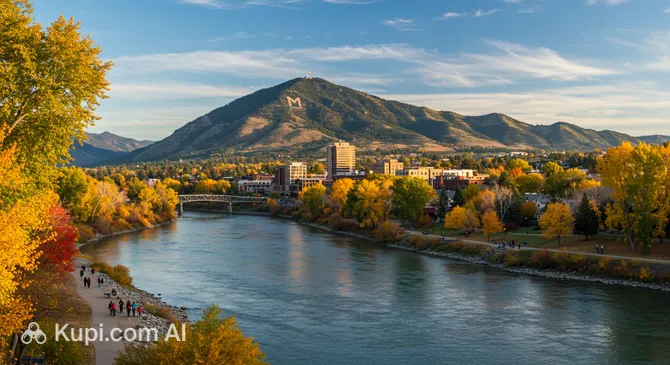
Missoula. Source: Kupi.Binoculars

Geographically, the city is situated along the Clark Fork River, providing ample opportunities for water-based recreation and scenic walks. As a prominent city in the United States, Missoula serves as a regional hub for trade and education, notably hosting the University of Montana. With a population of approximately 93,000 residents, it strikes a perfect balance between a lively urban environment and a welcoming, small-town atmosphere.

The area has deep roots that contribute to its unique character today. Visitors interested in the past can delve into the history of Missoula to learn about its origins as a trading post and its development over the centuries. This rich heritage is reflected in the city's historic downtown architecture and its enduring community spirit.

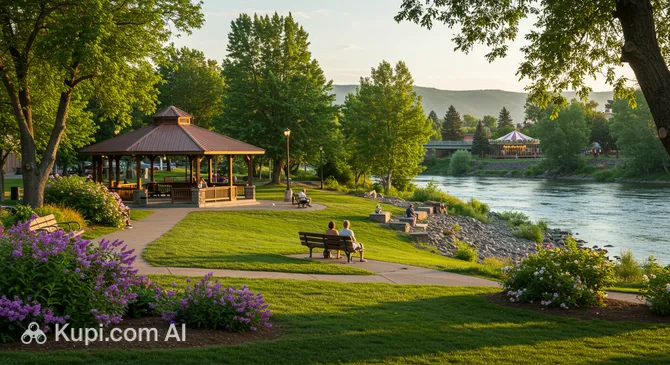
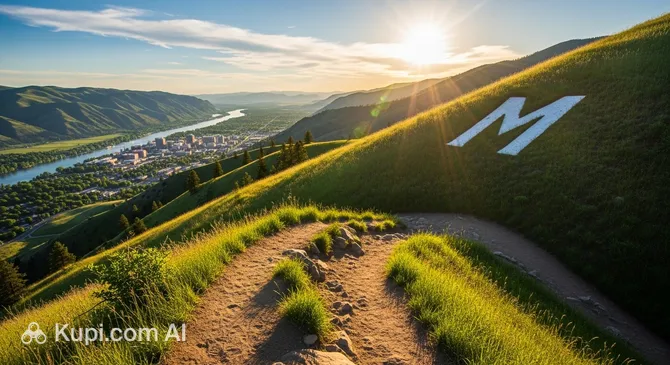
For tourists, Missoula offers several must-see attractions. Hiking the zigzag trail to the large white "M" on Mount Sentinel provides panoramic views of the valley that are truly unforgettable. In the city center, A Carousel for Missoula is a hand-carved masterpiece that delights visitors of all ages. Additionally, the riverfront parks offer a relaxing space to enjoy the fresh mountain air.

Whether you are seeking thrilling outdoor activities or a peaceful retreat surrounded by nature, Missoula invites you to experience its charm. It is a destination that promises memorable moments and a warm welcome to all who visit.
Weather Overview

Missoula experiences a distinct four-season climate, offering varied conditions that shape the local landscape throughout the year. For a more detailed breakdown of what to expect during your specific travel dates, you can consult the guide to the weather in Missoula.

The summer months of July and August are generally the warmest and driest, with average temperatures reaching around 20°C and daytime highs climbing to 28°C. These months see the least rainfall, with only about 5 to 6 wet days, creating excellent conditions for outdoor adventures. Conversely, the winter season from December to February is characterized by cold temperatures averaging between -3°C and -6°C, with frequent wet days that often bring snow to the valley.

Spring and autumn offer cooler transition periods, with May averaging around 10°C and October dropping to roughly 6°C. Overall, travelers can expect warm, dry summers ideal for exploration and cold winters with regular precipitation that transforms the city into a winter landscape.

Interesting Facts

Beyond its scenic landscapes and outdoor appeal, Missoula holds a treasure trove of fascinating details that make it unique. Here are some interesting facts to know before you visit:

  • Literary Fame: The city and its surrounding waters were immortalized in Norman Maclean's classic novella, A River Runs Through It. The story highlights the region's world-class fly-fishing culture, particularly on the nearby Blackfoot River.
  • River Surfing: Despite being landlocked in the Rockies, the city has a thriving surf scene. Brennan's Wave, a man-made feature on the Clark Fork River located right next to Caras Park, allows kayakers and surfers to ride the water in the heart of downtown.
  • Brewery Hub: Missoula ranks highly for its number of breweries per capita, making it a paradise for craft beverage lovers. You can explore local favorites like Bayern Brewing, known for its authentic Bavarian styles, or sample crisp local blends at Western Cider.
  • Smokejumping Capital: The city is home to the Aerial Fire Depot, the largest smokejumper base in the country. This site is dedicated to the elite firefighters who parachute into remote areas to combat wildfires and preserves a significant part of forestry history.
  • Cycling Central: As the headquarters of the Adventure Cycling Association, Missoula is a premier hub for cross-country cyclists. The city is celebrated for its bike-friendly culture, featuring an extensive network of lanes and trails.
Caras Park. Source: Kupi.Binoculars

How to Get There

Reaching this vibrant hub in the Northern Rockies is straightforward, with air travel being the most common method for visitors coming from afar. Whether you are flying in from a major hub or driving through the scenic landscapes of Montana, you can find all ways to reach the city and plan your journey accordingly.

The most direct way to arrive is via Missoula International Airport (MSO), conveniently located just 8.9 km from the city center. As a key regional hub, it welcomes over a million passengers annually and offers a welcoming gateway to Western Montana. Once you land, getting to downtown is quick and easy; a taxi or shuttle ride typically takes approximately 15 minutes.

For those planning a broader itinerary that includes Glacier National Park, flying into Glacier Park International Airport (FCA) in Kalispell is a viable alternative. Although it is situated about 161 km away from Missoula, it serves a similar volume of travelers and provides access to the northern part of the region. Another option is Great Falls International Airport (GTF) in Great Falls, located roughly 210 km away. Visitors arriving at these airports usually rent a car to enjoy the scenic drive to Missoula.

For clarity, here is a summary of the main airports:

Airport Name City Passenger Traffic Km from City
Missoula International Airport Missoula Medium 8.9
Glacier Park International Airport Kalispell Medium 161.2
Great Falls International Airport Great Falls Small 210.0
Helena Regional Airport Helena Small 156.5
Butte Airport Butte Small 153.7

While Missoula does not have active passenger rail service, the city is well-connected by road, sitting directly on Interstate 90. This makes it an accessible destination for those driving from neighboring states or other parts of the Pacific Northwest. Bus services also operate in the area, offering an alternative for ground transportation.

Main Attractions

Missoula is a haven for outdoor enthusiasts and culture seekers alike, offering a diverse range of activities right within the city limits. From scenic hikes to family-friendly water parks, the local attractions reflect the city's active and community-focused lifestyle. Here are some of the top places to explore during your visit.

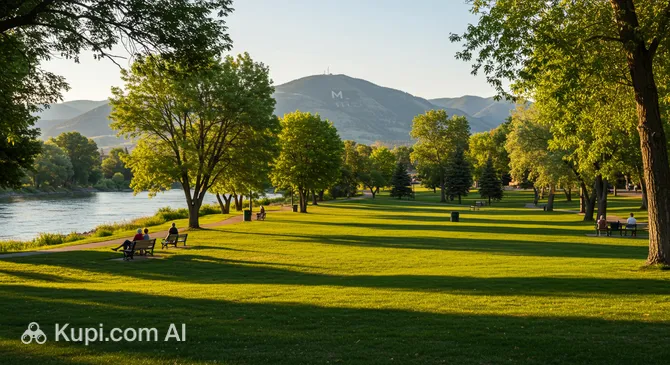
One of the most iconic experiences in the city is hiking The M Trail. Located on Mount Sentinel near the University of Montana, this zigzag path leads to a large concrete letter "M" on the hillside. It is a favorite among locals and tourists for its accessibility and the reward at the top: a sweeping panoramic view of the Missoula Valley, the Clark Fork River, and the surrounding mountains. It is the perfect spot for a sunset hike or a brisk morning workout to start your day.

The M Trail. Source: Kupi.Binoculars

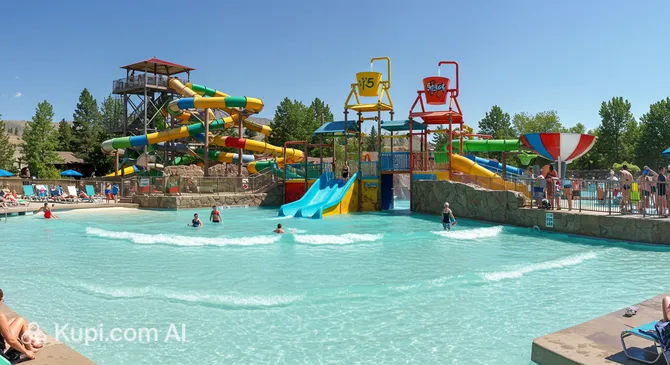
For families and water lovers, Splash Montana is a must-visit destination during the warmer months. This vibrant water park features three exciting water slides, a lazy river, and floating play structures, making it an ideal place to cool off. With lap lanes for swimmers and a zero-depth entry area for toddlers, it offers fun and relaxation for visitors of all ages in a safe, well-maintained environment.

Splash Montana. Source: Kupi.Binoculars

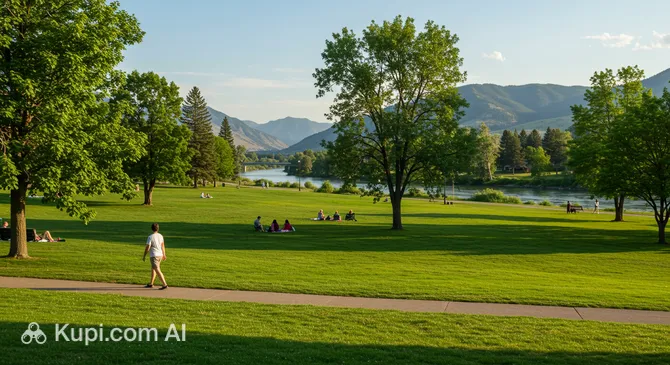
Nature enthusiasts seeking a quieter retreat will appreciate Greenough Park. Often described as a wilderness area within the city, it offers a lush, wooded escape along the banks of Rattlesnake Creek. The park is famous for its paved trails suitable for walking and cycling, as well as its excellent birdwatching opportunities. It serves as a peaceful sanctuary where you can enjoy the sights and sounds of nature without leaving town.

Greenough Park. Source: Kupi.Binoculars

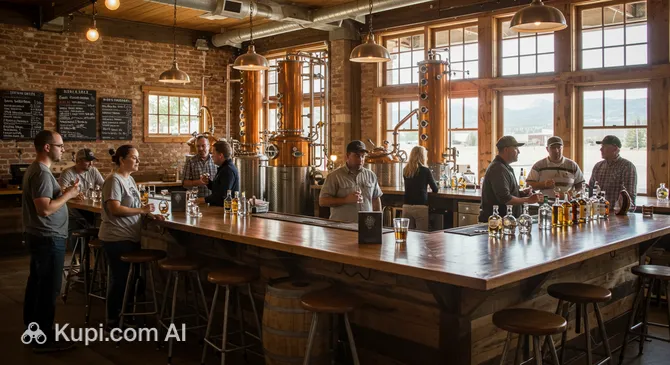
To experience the city's spirited side, a visit to Montgomery Distillery is highly recommended. Housed in a historic building, this distillery is known for crafting small-batch spirits using traditional methods and locally sourced ingredients. Tourists can enjoy a guided tour to learn about the distillation process or simply relax in the tasting room with a meticulously prepared cocktail, savoring the authentic flavors of Montana.

Montgomery Distillery. Source: Kupi.Binoculars

Local Cuisine

Missoula's culinary scene is a delightful reflection of its location, blending the rustic charm of the Northern Rockies with a sophisticated farm-to-table ethos. The city, often called the "Garden City," benefits from an abundance of fresh, locally sourced ingredients that chefs incorporate into everything from casual comfort food to fine dining. Visitors can expect a diverse array of flavors, ranging from classic Montana game meats to innovative dishes that highlight the region's seasonal produce.

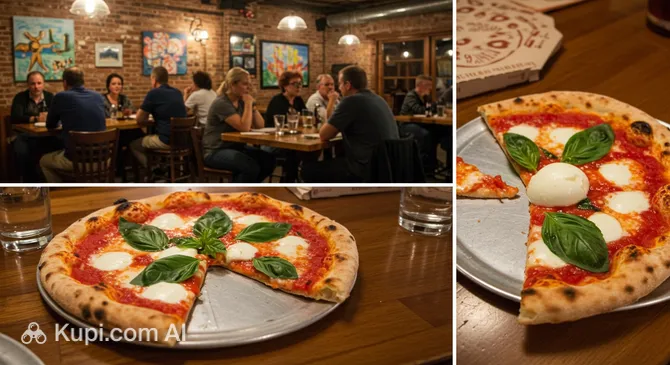
For a slice of the local flavor, Biga Pizza is a standout destination in the downtown area. Known for its wood-fired oven and handcrafted dough, this restaurant prides itself on using fresh, regional toppings. Whether you choose a traditional pie or one of their seasonal specials featuring local vegetables and cured meats, it offers a warm and inviting atmosphere perfect for a relaxed meal.

Biga Pizza. Source: Kupi.Binoculars

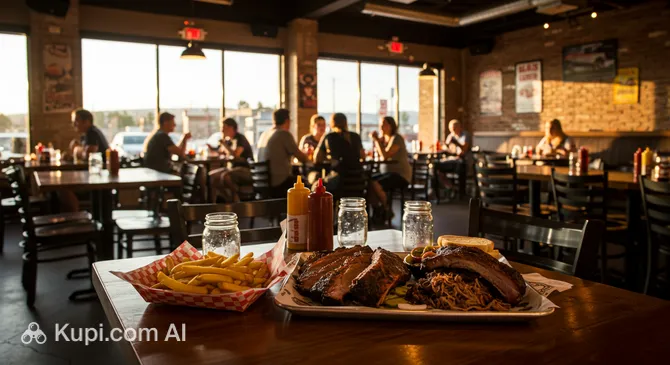
Meat lovers will find their paradise at The Notorious P.I.G. BBQ, a celebrated spot that brings world-class barbecue to the mountains. Famous for its succulent pulled pork, ribs, and brisket, this joint serves up hearty portions that are ideal for refueling after a day of hiking or exploring. The casual, friendly vibe makes it a favorite among locals and tourists alike who appreciate authentic, smoke-infused flavors.

The Notorious P.I.G. BBQ. Source: Kupi.Binoculars

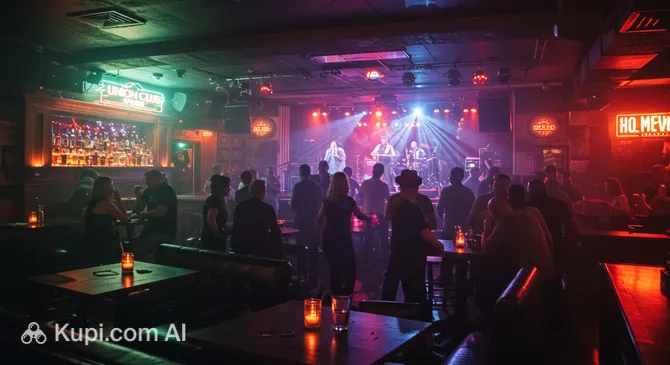
When the sun sets, the city's vibrant spirit continues in its historic bars and lounges. The Union Club Bar is a classic venue where visitors can experience the true character of Missoula, often featuring live music and a lively crowd. For those seeking a more retro ambiance, the Town & Country Lounge provides a comfortable setting to unwind with a drink and soak in the local culture.

Union Club Bar. Source: Kupi.Binoculars

Travel Tips

Welcome to Missoula, a city where urban culture seamlessly blends with the rugged outdoors of Montana. To help you make the most of your visit to this friendly mountain hub, here are some practical tips to ensure a smooth and enjoyable experience.

  1. Clothing and Gear: The weather in the Rockies can be unpredictable, so packing layers is essential regardless of the season. Summers are generally warm, requiring light clothing and sun protection, but evenings can get chilly. If you visit in winter, bring a heavy coat, waterproof boots, and thermal wear. Since Missoula is a gateway to the outdoors, comfortable walking or hiking shoes are a must for exploring trails like the famous "M" or walking along the riverfront.
  2. Transportation: Getting around the city is convenient and budget-friendly. Missoula boasts a "Zero-Fare" public bus system called the Mountain Line, which allows you to travel across town for free. The city is also incredibly bike-friendly, with extensive lanes and trails. However, if you plan to explore the surrounding mountains or visit nearby Glacier National Park, renting a car is highly recommended. Ride-sharing apps like Uber and Lyft are also readily available.
  3. Finances: The official currency is the United States Dollar (USD). Credit and debit cards are widely accepted at hotels, restaurants, and shops, though carrying some cash is useful for small purchases at local markets or food trucks. ATMs are plentiful throughout the city. Tipping is a standard practice in the United States; it is customary to leave a tip of 15-20% for service staff in restaurants, bars, and taxis.
  4. Health and Safety: Missoula is generally a safe destination for tourists. For medical needs, there are several pharmacies and urgent care centers, along with a major hospital, St. Patrick Hospital, located near downtown. A unique safety consideration here is wildlife; if you go hiking on the outskirts, be "bear aware," carry bear spray, and keep a safe distance from deer and other animals that may wander near populated areas.
  5. Communication: English is the primary language spoken. Free Wi-Fi is widely available in coffee shops, the public library, and many hotels. If you are an international visitor needing a SIM card, major carriers like Verizon, AT&T, and T-Mobile have stores in the city, and prepaid options are easy to purchase.
  6. Local Etiquette: The atmosphere is laid-back and friendly. It is common to greet strangers with a smile or a nod, especially when passing on hiking trails or walking paths. Dress codes are generally casual, even in nicer restaurants; jeans and flannel are practically a local uniform.
  7. What to Avoid: Do not trespass on private land when exploring the outdoors; always stick to marked public trails and access points. Additionally, avoid leaving food or trash unsecured outdoors, as this attracts wildlife and endangers both animals and humans.
  8. Local Insight: If you are visiting during the weekend, do not miss the Missoula Farmers Market and the People's Market on Saturday mornings. They are local institutions where you can buy fresh produce, local crafts, and coffee, offering a perfect snapshot of the community's vibrant spirit.

By keeping these practical tips in mind, you will be well-prepared to embrace the laid-back lifestyle and adventurous spirit of Missoula. Enjoy your time exploring the Garden City and everything it has to offer!

Entertainment & Nightlife

Missoula's nightlife is a vibrant reflection of its youthful spirit and cultural depth, largely driven by the university community and a local passion for the arts. As the sun sets over the Rockies, the city transitions from an outdoor playground to a lively hub of entertainment. The atmosphere is generally laid-back and welcoming, favoring live music, craft beverages, and casual gatherings over high-end exclusivity.

The heart of the action lies in Downtown Missoula, particularly along Higgins Avenue and the historic district. Here, you will find a dense concentration of bars, taprooms, and music venues within walking distance of one another. Just across the river, the area known as the "Hip Strip" offers a quirkier, more eclectic vibe with unique shops and lounges that stay open late. It is the perfect area to bar-hop or simply stroll around enjoying the energy of the crowd.

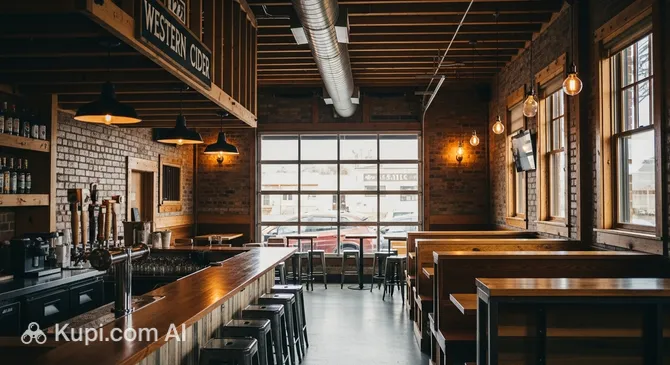
For a taste of the local craft scene in a relaxed setting, Western Cider is a fantastic place to start your evening. Located near the river, this venue celebrates the region's apple heritage with a wide variety of ciders ranging from dry to sweet. The tasting room features a warm, community-focused atmosphere with a beautiful outdoor patio that is popular during the warmer months. It is a great spot to mingle with locals before heading out for a later night.

Western Cider. Source: Kupi.Binoculars

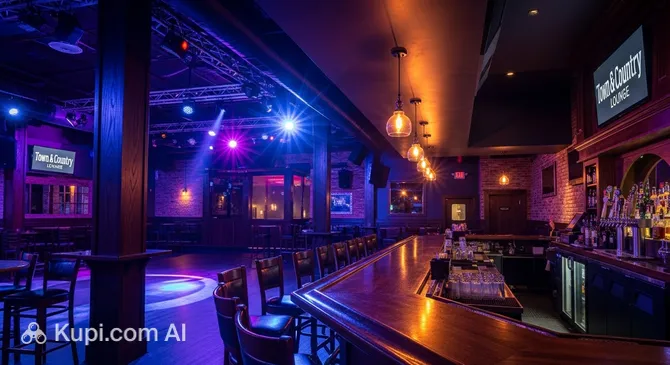
If you are looking for a more retro experience, the Town & Country Lounge offers a classic dive bar feel that has remained a staple in the community. With its vintage decor and unpretentious vibe, it is the ideal place to grab a drink, play some pool, and experience the city's nightlife without the crowds of a noisy club. The venue typically attracts a diverse mix of people, from students to long-time residents, all looking for a good time.

Town & Country Lounge. Source: Kupi.Binoculars

Another excellent option for beer enthusiasts is Bayern Brewing. While often bustling during the day, its taproom provides a cozy Bavarian-inspired environment for an evening pint. It stands out for sticking to traditional German brewing standards, offering a distinct alternative to the typical American microbrewery experience.

Practicalities in Missoula are straightforward. The dress code is almost universally casual; jeans, flannel, and comfortable shoes will fit in anywhere, even in the most popular nightspots. Most bars stay open until 2:00 AM. Prices are generally reasonable compared to larger cities, with a pint of beer or a cocktail often costing significantly less than the national average. For transportation, while the downtown area is walkable, it is best to use ride-sharing services like Uber or Lyft for getting back to your accommodation late at night, as public transit options are limited after hours. The city is safe for night walks, especially in well-lit areas like Higgins Avenue, but standard safety precautions should always apply.

During the daylight hours, the entertainment scene is equally engaging. Culture lovers can explore the Missoula Art Museum, which offers free admission and showcases contemporary art with a focus on Western artists. For theater enthusiasts, the historic Wilma and the Roxy Theater host a variety of films, concerts, and live performances throughout the year. Whether you are riding the hand-carved horses at the carousel or catching a matinee, the city offers plenty of ways to stay entertained before the nightlife begins.

Parks & Museums

Missoula seamlessly blends its rugged natural surroundings with a deep appreciation for culture and history, offering visitors a variety of green spaces and educational venues to explore. The city's commitment to preserving its heritage and environment is evident in its well-maintained parks and engaging museums.

For a relaxing afternoon in the heart of the University District, Bonner Park is a beloved local favorite. This charming community space is famous for its band shell, which hosts open-air concerts and events during the summer months. With ample shade trees, tennis courts, and playgrounds, it provides a perfect setting for a family picnic or a leisurely stroll away from the busier downtown streets.

Bonner Park. Source: Kupi.Binoculars

Those looking for more expansive natural areas should venture just minutes north of the city to the Rattlesnake National Recreation Area. This vast wilderness offers a network of trails that cater to hikers, mountain bikers, and horseback riders of all skill levels. It serves as a gateway to the pristine backcountry, allowing visitors to immerse themselves in the quiet beauty of Montana's forests and creeks without traveling far from urban amenities.

When it comes to culture, the Historical Museum at Fort Missoula stands out as a cornerstone of the region's heritage. Located on the site of a former military post established in 1877, the museum features over 20 preserved historic structures, including a lookout tower and a schoolhouse. Exhibits cover diverse topics ranging from the timber industry to the internment of Japanese Americans during World War II, providing a comprehensive look at the area's complex past.

Another significant cultural venue is the Montana Natural History Center. This facility is dedicated to educating visitors about the unique flora, fauna, and geology of Western Montana. Through interactive exhibits and educational programs, it offers a fascinating insight into the ecosystem of the Northern Rockies, making it an excellent stop for nature enthusiasts who want to understand the landscape they are exploring.

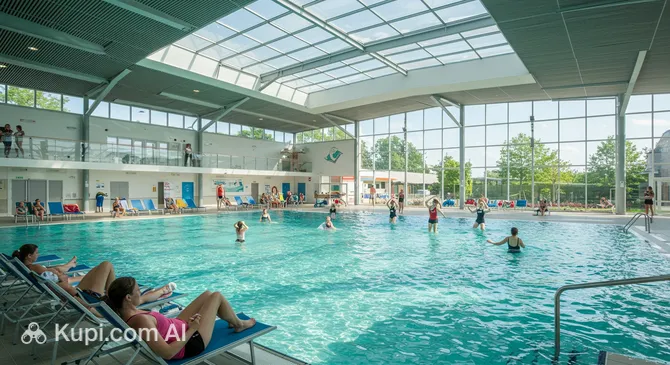
For year-round recreation, especially during the colder months, the Currents Aquatics Center located in McCormick Park is an architectural gem in its own right. As an indoor water park, it features pools and slides that provide fun for the whole family, regardless of the weather outside. Its design incorporates natural light and views of the surrounding parkland, bridging the gap between indoor comfort and outdoor beauty.

Currents Aquatics Center. Source: Kupi.Binoculars

Architecturally, the St. Francis Xavier Church is a must-see landmark downtown. Known for having one of the tallest steeples in the region, the interior boasts remarkable frescoes painted by a Jesuit brother in the early 20th century, which are said to be some of the finest examples of their kind in the country.

For a lesser-known local experience, take a walk through the Moon-Randolph Homestead. This preserved ranch offers a rare glimpse into the daily lives of early settlers and operates as a "living history" site where you can wander through old barns and orchards, often with fewer crowds than the main museums.

Getting Around

Navigating Missoula is remarkably stress-free, thanks to a public transport system that is both efficient and incredibly welcoming to visitors. The city is served primarily by the Mountain Line, a comprehensive bus network that connects the downtown area, the University of Montana, major shopping districts, and residential neighborhoods. For tourists, this is the most convenient way to explore the main attractions without the hassle of parking or navigating unfamiliar streets.

One of the most distinct and tourist-friendly features of Missoula's public transport is that it operates on a Zero-Fare model. This means that riding the bus is completely free for everyone, including visitors. You do not need to purchase tickets, carry smart cards, or fumble for exact change. You simply wait at a designated stop, board the bus, and enjoy the ride to your destination. This initiative not only makes travel budget-friendly but also encourages a greener, more community-focused way of getting around.

While no tickets are required, it is highly recommended to download the Transit app or the official Mountain Line app on your smartphone. These tools provide real-time bus tracking, route planning, and up-to-date schedules, which are particularly useful since frequency can vary depending on the time of day and the specific route. Most buses run from early morning until the evening, but service is often reduced on Saturdays and may be limited or unavailable on Sundays and major holidays, so always check the schedule in advance.

For those who prefer a more active mode of transport, Missoula is widely recognized as one of the most bicycle-friendly cities in the region. The city features an extensive network of bike lanes and dedicated trails, such as the Bitterroot Branch Trail. Visitors can easily rent bicycles from various local shops downtown. This is often the fastest and most enjoyable way to see the city during the warmer months, allowing you to cruise along the riverfront or explore the university campus at your own pace.

If you need to travel late at night when bus services have ceased, or if you plan to visit locations outside the immediate city limits, alternatives are readily available. Ride-sharing services like Uber and Lyft operate throughout the area and are generally reliable. Traditional taxis can also be called, though they are less likely to be hailed on the street. For day trips into the surrounding wilderness or nearby towns, renting a car remains the most practical option, but for exploring the city center itself, the free bus and bike options are usually sufficient.

Accommodation

Where to Stay:

Finding the perfect place to stay in Missoula is relatively easy, as the city offers a diverse range of accommodation options to suit various travel styles and budgets. Visitors can choose from charming historic hotels that reflect the city's past, reliable international hotel chains, budget-friendly motels, and an increasing number of vacation rentals and cozy bed-and-breakfasts. Whether you prefer the convenience of full-service amenities or the privacy of a rented apartment, the city caters to both solo adventurers and families alike.

For those who want to be in the center of the action, Downtown Missoula is the most popular area to stay. Booking a room here places you within walking distance of the scenic Clark Fork River, vibrant nightlife, and local dining spots. Staying downtown means you can easily enjoy a morning coffee at a local roastery or an evening stroll along the riverfront trails without needing a car. It is the ideal location for travelers who want to immerse themselves in the local culture and community spirit.

Another convenient district, particularly for travelers with vehicles or those arriving late, is the area along North Reserve Street. This commercial corridor is home to numerous modern chain hotels and motels that offer consistent quality and ample parking. It is a practical choice for shopping and stocking up on supplies, with major hubs like Northgate Plaza located nearby. This area also provides quick access to the interstate and the airport, making it a strategic base for those planning day trips to surrounding nature areas.

Travelers seeking a quieter, more residential atmosphere might prefer the University District. This leafy neighborhood features charming tree-lined streets and historic homes, some of which have been converted into bed-and-breakfasts or guest houses. It offers a peaceful retreat that is still close to the campus energy and the hiking trails of Mount Sentinel.

When planning your trip, a crucial booking tip is to reserve your accommodation well in advance, especially if you are visiting during the summer months or early autumn. Missoula is a major stopover for tourists heading to Glacier National Park, and local hotels fill up quickly. Additionally, weekends when the University of Montana football team (the Grizzlies) is playing at home can see occupancy rates soar and prices peak.

In terms of pricing, Missoula generally falls into the mid-range category. While budget options like motels and hostels are available, rates for standard hotels can rise significantly during the peak tourist season from June to August. Booking is most commonly done through major online platforms, but checking directly with smaller, independent properties can sometimes yield better rates or special offers.

Nearby Cities

For those looking to explore the surroundings, Missoula serves as an excellent base for day trips to several interesting nearby locations:

City Population Distance (km)
Coeur d'Alene 114,880 229
Great Falls 62,112 216
Post Falls 38,162 243
Butte 34,368 148
Pullman 32,968 244

Among the most compelling destinations is Butte, located just a short drive southeast. Known as the "Richest Hill on Earth," this city is steeped in mining history and features one of the largest National Historic Landmark Districts in the country. Visitors can tour the World Museum of Mining or gaze into the massive Berkeley Pit, offering a fascinating glimpse into the industrial past of the American West.

For those willing to venture a bit further west into Idaho, Coeur d'Alene is a stunning resort city that makes for a rewarding visit. Famous for the beautiful lake of the same name, it offers a vibrant downtown area, a floating boardwalk, and ample opportunities for water sports and hiking. It is a perfect spot for nature lovers seeking scenic beauty and a lively resort atmosphere.

Another notable option is Great Falls to the northeast, situated along the Missouri River. This city is a cultural hub featuring the C.M. Russell Museum, dedicated to the famous cowboy artist, and the Lewis and Clark Interpretive Center. It provides an educational and picturesque experience, highlighting the rich heritage and natural landscapes of Montana.

These nearby destinations offer a glimpse into the diverse culture and landscapes of the region.

Shopping & Souvenirs

Shopping in Missoula is a delightful experience that reflects the city's unique blend of outdoor ruggedness and artistic flair. As the retail hub of Western Montana, the city offers everything from high-end outdoor gear and eclectic boutiques to practical commercial centers. One of the most significant advantages for tourists is that Montana has no sales tax. The price you see on the tag is the price you pay, making it an excellent destination for purchasing larger items or stocking up on souvenirs without any hidden costs.

The heart of the local shopping scene is Downtown Missoula, particularly along Higgins Avenue. This walkable district is lined with independent bookstores, art galleries, and clothing boutiques that feature locally made goods. It is the perfect place to find unique items that you won't see in big-box stores. Just across the Clark Fork River, the area known as the Hip Strip (South Higgins) offers a quirkier vibe. Here, visitors can browse through vintage clothing stores, record shops, and funky gift emporiums that capture the city's alternative spirit.

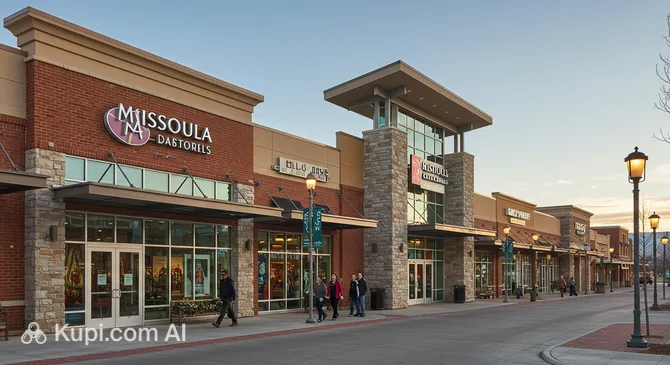
For those looking for familiar brands and convenient amenities, the city hosts several well-equipped shopping complexes. Northgate Plaza, located on the busy North Reserve Street corridor, is a key destination for travelers needing to resupply. This area hosts a variety of major retailers and is easily accessible for those passing through on the interstate. Whether you need camping supplies, electronics, or groceries, this district covers all the essentials.

Northgate Plaza. Source: Kupi.Binoculars

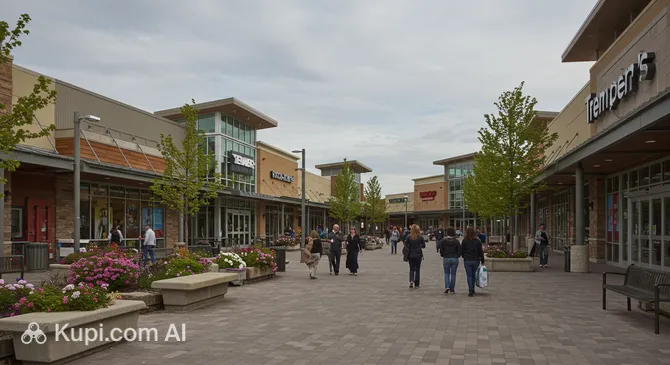
Another notable spot for daily needs is Tremper's Shopping Center. Situated in a more residential part of town, it offers a relaxed atmosphere for running errands or grabbing a quick bite. While Missoula also boasts the Southgate Mall—the largest enclosed mall in western Montana—these smaller plazas provide quick and easy access to services and shops that are vital for a comfortable stay.

Tremper's Shopping Center. Source: Kupi.Binoculars

The city's market culture is a major attraction in itself. On Saturday mornings from May to October, the downtown area transforms into a bustling hub of commerce. The Missoula Farmers Market near the historic train depot is famous for its fresh, locally grown produce and baked goods. Just down the street, the Missoula People's Market focuses specifically on handcrafted items, where you can buy pottery, jewelry, and leather goods directly from the artisans.

When searching for the perfect souvenir, look for items that embody the spirit of the Rockies. Huckleberry products—such as jams, chocolates, and syrups—are a classic Montana gift. Given the city's reputation as a world-class fishing destination, high-quality fly fishing gear is also a popular purchase. Additionally, apparel featuring the University of Montana "Grizzlies" logo is a great way to blend in with the locals and take a piece of the city's pride home with you.

Most retail stores in Missoula open around 10:00 AM and close between 6:00 PM and 9:00 PM, with reduced hours on Sundays. Major supermarkets and some pharmacies operate 24 hours or have extended schedules. Credit and debit cards are universally accepted, even at most market stalls, though carrying a small amount of cash can be helpful for smaller vendors. With the added benefit of tax-free shopping, browsing the stores here is as rewarding for your wallet as it is for your suitcase.

Reached the end of the page?

That means the route is fully explored