Support

Pullman

About

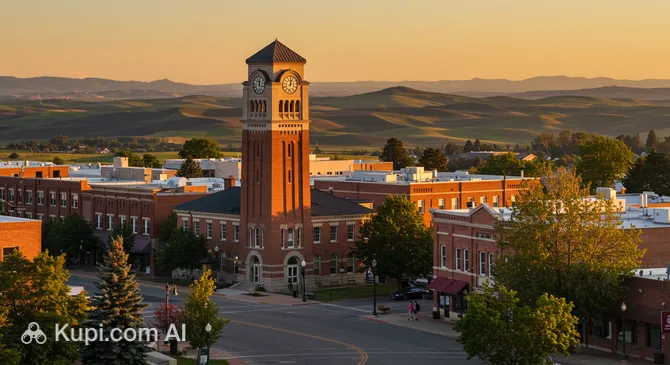
Welcome to Pullman, a dynamic city nestled in the heart of the Palouse region. Known for its distinctively rolling hills and golden wheat fields, this destination offers a unique mix of academic vibrancy and small-town charm. Located in the Pacific Northwest of the United States, Pullman serves as a cultural and economic hub for southeastern Washington.

With a population of approximately 33,000 residents, the city maintains a friendly and welcoming atmosphere while offering amenities often found in larger metropolitan areas. The landscape is defined by the fertile loess hills of the Palouse, creating a stunning backdrop that changes colors with the seasons, from lush green in the spring to golden yellow in the harvest months.

Pullman. Source: Kupi.Binoculars

The city is perhaps best known as the home of Washington State University (WSU), which infuses the town with youthful energy and "Cougar pride." Exploring the history of Pullman reveals its fascinating evolution from a quiet agricultural community to a bustling center of higher education and research. The university campus itself is a major draw, featuring museums, sporting events, and beautiful architecture.

Visitors can enjoy a variety of attractions, such as the Jordan Schnitzer Museum of Art or the scenic trails at the nearby Kamiak Butte County Park, which offers panoramic views of the region. Whether you are in town for the famous National Lentil Festival or simply to soak in the serene landscapes, Pullman invites you to experience the warm hospitality of the Evergreen State.

Weather Overview

The climate in Pullman is defined by four distinct seasons, offering a diverse atmospheric backdrop for visitors throughout the year. Generally, you can expect warm, dry summers and cold winters with frequent precipitation. The transition seasons of spring and autumn provide mild and pleasant conditions, often showcasing the region's rolling hills in vibrant colors.

Summer is the warmest time of year, particularly in July and August, when average maximum temperatures climb to around 30°C to 31°C. These months are notably dry, with data showing almost no precipitation and typically only one to three wet days per month, making it an excellent season for exploring the outdoors.

Conversely, the winter months bring cooler temperatures and greyer skies. From December to February, average temperatures hover just above freezing, with minimums dipping to around -2°C to -3°C. While the total precipitation volume might appear low, these months are characterized by frequent moisture, averaging between 15 and 16 wet days in December and January.

For those planning a visit during the shoulder seasons, May and October offer moderate temperatures ranging from roughly 5°C to 20°C. To ensure you are fully prepared for current conditions, it is best to consult the detailed guide on the weather in Pullman before packing your bags.

Interesting Facts

Beyond the university campus and the scenic rolling hills, Pullman holds several fascinating secrets and unique distinctions that define its local character. Here are a few intriguing facts that might surprise you about this city in the Palouse.

  • The Lentil Capital: Pullman is widely recognized as the "Lentil Capital," hosting the annual National Lentil Festival every summer. The fertile soil of the surrounding Palouse region allows local farmers to grow a significant portion of all lentils produced in the entire country.

  • Cheese in a Can: One of the city's most famous culinary exports is "Cougar Gold," a sharp white cheddar produced by the Washington State University Creamery. Unlike traditional gourmet cheeses, it is aged and sold in distinctive metal cans, a unique packaging method that originated in the 1940s and has since created a cult following.

  • A Name Change: The city was originally founded as "Three Forks," named for the convergence of three small streams in the area. It was later renamed to honor George Pullman, the wealthy industrialist famous for the Pullman railroad sleeping car, despite the fact that he reportedly never visited the town.

  • Unique Geology: The picturesque hills surrounding Pullman are not formed by tectonic activity but are actually giant dunes of wind-blown silt known as "loess." This unique geological formation creates slopes so steep that specialized self-leveling combine harvesters are required to farm the wheat and legume fields.

How to Get There

Reaching this scenic destination in the Palouse region is relatively straightforward, whether you prefer flying directly into the local area or driving through the rolling hills of Washington. For a comprehensive overview of all travel options, you can read more about how to get to Pullman.

The most convenient way to arrive is via the Pullman–Moscow Regional Airport (PUW), which is located just 5.7 km from the city center. This regional hub primarily handles flights connecting from Seattle, making it an easy choice for quick access. The commute from the airport to downtown is very short, taking approximately 10 to 15 minutes by taxi or shuttle. For travelers seeking a wider range of international and domestic connections, the Spokane International Airport (GEG) is the primary gateway. Situated in the city of Spokane, about 102.5 km north of Pullman, it offers significantly more flight options. The drive from Spokane to Pullman typically takes about 1.5 to 2 hours by rental car or airport shuttle. Additionally, the Lewiston-Nez Perce County Regional Airport (LWS) in Lewiston serves as a viable alternative, located approximately 41.5 km away.

For clarity, here is a summary of the main airports:

Airport Name City Passenger Traffic Km from City
Spokane International Airport Spokane Large 102.5
Missoula International Airport Missoula Medium 236.7
Tri-Cities Airport Pasco Medium 157.4
Pullman–Moscow Regional Airport Pullman Small 5.7
Lewiston-Nez Perce County Regional Airport Lewiston Small 41.5

Currently, Pullman does not have its own passenger railway station. Visitors preferring train travel often take Amtrak to the station in Spokane, which is the nearest major rail hub. From Spokane, travelers can rent a car or catch a regional bus service to complete the journey south to Pullman, enjoying the beautiful landscape along the way.

Main Attractions

While Pullman is often defined by its academic roots, the city offers a surprising array of attractions that appeal to nature lovers, sports fans, and culture enthusiasts alike. From manicured gardens to fascinating museums, the local sights provide a deeper look into the life and landscape of the Palouse.

Washington State University Campus is the heartbeat of the city and a top destination for visitors. Walking through the campus, you can admire the historic red-brick architecture and the vibrant atmosphere of student life. It is also home to Martin Stadium, where the energy of a Pac-12 football game offers an unforgettable experience for sports fans. Even on non-game days, the campus grounds are perfect for a leisurely stroll to soak in the local spirit.

For a peaceful retreat, Lawson Gardens offers a splash of color and tranquility. This beautifully landscaped park is famous for its extensive rose garden, which features hundreds of varieties that bloom spectacularly in the summer. With its seasonal annuals, reflection pool, and gazebo, it is a favorite spot for photography, picnics, and quiet contemplation away from the bustle of the town center.

Nature and science enthusiasts will find the Charles R. Conner Museum particularly interesting. Located on the university campus, this museum houses the largest public collection of vertebrate animals in the Pacific Northwest. It features hundreds of mounted birds and mammals, offering an educational look at the region's wildlife. It is an excellent stop for families and anyone curious about the natural history of Washington state.

If you are looking for outdoor recreation with a view, the Palouse Ridge Golf Club is a must-visit. Carved into the rolling hills of the Palouse, this championship 18-hole course is renowned not just for its challenging play but for its stunning panoramic vistas. Even if you aren't a golfer, the clubhouse offers a great vantage point to appreciate the unique, undulating landscape that makes this region so visually distinct.

Local Cuisine

Pullman’s culinary scene is a delightful reflection of its location in the heart of the fertile Palouse region. As a major agricultural hub, the city takes pride in locally sourced ingredients, offering a dining experience that is both rustic and innovative. The presence of Washington State University also adds a youthful energy to the food culture, resulting in a mix of classic comfort foods, farm-to-table eateries, and lively student hangouts.

One cannot discuss food in Pullman without mentioning its status as the "Lentil Capital." The surrounding fields grow a significant portion of the nation's lentils, and this humble legume finds its way into many local dishes. Visitors should look for hearty lentil chilis, soups, and even unique creations like lentil burgers, particularly if visiting during the annual National Lentil Festival. Another absolute must-try is the famous Cougar Gold cheese. Produced by the university's creamery, this sharp white cheddar is aged in distinctive tins and has won awards globally. It is best sampled alongside a scoop of fresh, rich ice cream at Ferdinand's Ice Cream Shoppe, a landmark institution on the campus.

When it comes to beverages, Pullman embraces the Pacific Northwest's deep appreciation for craft brewing. You will find local breweries serving excellent IPAs, stouts, and ales brewed right in town, often using hops grown in the nearby valleys. For wine enthusiasts, the area benefits from Washington's booming wine industry. The university's own viticulture and enology program contributes to a knowledgeable local wine culture, with tasting rooms and restaurants frequently featuring impressive regional selections.

The dining atmosphere in Pullman is predominantly casual and welcoming. While you can find upscale dining options that highlight seasonal regional produce, the heart of the city's food scene lies in its relaxed bistros, burger joints, and coffee houses. Whether you are grabbing a quick bite at a food truck near the campus or enjoying a sit-down meal in the charming downtown area, the focus is almost always on fresh, high-quality ingredients served with a side of small-town hospitality.

Travel Tips

Preparing for a trip to Pullman means getting ready for steep hills, spirited local culture, and the distinct four-season climate of the Palouse. To help you navigate this friendly college town with the ease of a local, here are some essential practical tips for your journey.

  1. Clothing and Gear: The weather here changes significantly with the seasons, so checking the forecast is essential. Winters can be snowy and cold, requiring heavy coats and waterproof boots, while summers are dry and warm. Most importantly, bring comfortable walking shoes. Pullman is built on steep hills, particularly around the university campus and downtown, so you will likely be doing plenty of climbing.
  2. Transportation: For getting around the city center and campus, Pullman Transit offers a reliable bus service that is often free for visitors and students. However, if you plan to explore the scenic Palouse scenic byways or visit neighboring Moscow, Idaho, renting a car is highly recommended. Ride-sharing apps like Uber and Lyft are available but can be scarce during late hours or major university events.
  3. Finances: The local currency is the US Dollar (USD). Credit and debit cards are widely accepted at almost all restaurants, shops, and the university creamery. It is wise to carry a small amount of cash for tips or small purchases at the seasonal farmers market. Tipping 15% to 20% is standard practice in restaurants and bars.
  4. Health and Safety: Pullman is generally a very safe community with a low crime rate. For medical needs, Pullman Regional Hospital is located on Bishop Boulevard. Pharmacies like Walgreens and those within supermarkets are easily accessible, though 24-hour options may be limited compared to big cities. Always dial 911 in an emergency.
  5. Communication: English is the primary language spoken. Free Wi-Fi is widely available on the Washington State University campus ("WSU Guest") and in most downtown coffee shops. If you need a SIM card, major US carriers like Verizon, AT&T, and T-Mobile have stores in town, though coverage can be spotty in the deep valleys outside the city limits.
  6. Local Etiquette: The town has a casual, friendly vibe heavily influenced by the university. You will frequently hear the phrase "Go Cougs!"—it serves as a greeting, a cheer, and a goodbye. Responding with a smile or a "Go Cougs" back is a great way to connect with locals. Dress is generally informal everywhere.
  7. What to Avoid: Do not walk into the wheat or lentil fields for photos. While the rolling hills are photogenic, these are active agricultural crops on private property, and trampling them damages the livelihood of local farmers. Also, unless you enjoy friendly heckling, avoid wearing purple and gold (the colors of the rival University of Washington) on game days.
  8. Timing Your Visit: Be aware of the university schedule. On home football game weekends, the town's population effectively doubles, hotels book out months in advance, and traffic increases significantly. Conversely, during winter and summer breaks, the town is incredibly quiet, and some student-focused businesses may have reduced hours.

By keeping these tips in mind, you will be well-equipped to enjoy everything from the energetic campus atmosphere to the serene beauty of the surrounding hills. Pack your walking shoes and get ready to experience the unique charm of the Palouse!

Entertainment & Nightlife

Nightlife in Pullman is defined almost entirely by its identity as a college town. With Washington State University on the doorstep, the evening energy is youthful, spirited, and undeniably loud, especially on weekends and game days. While you will not find the sprawling club districts of a major metropolis, the city offers a concentrated and vibrant scene where the "Cougar spirit" is on full display. The nightlife is generally split into two distinct areas: the student-centric College Hill and the slightly more relaxed Downtown district.

For the quintessential Pullman experience, head to College Hill, specifically the area around Colorado Street and the Adams Mall. This is the epicenter of student life, where the crowds are dense and the atmosphere is electric. Here you will find The Coug, a historic watering hole that has served generations of students. With its graffiti-covered interior and legendary status, it is a must-visit for anyone wanting to understand the local culture. Just nearby is Valhalla Bar & Grill, another staple venue known for its lively patio, wings, and busy dance floor on weekend nights.

If you prefer a setting that bridges the gap between a cocktail lounge and a nightclub, Downtown Pullman is the place to be. Etsi Bravo stands out as a premier venue in this area. In the early evening, it functions as a stylish lounge serving craft cocktails, but as the night progresses, it often transforms into a vibrant club with DJs and dancing. For a more laid-back evening, Rico's Public House offers a classic pub atmosphere with live jazz, shelves of books, and a wide selection of microbrews, appealing to a slightly more mature crowd.

The atmosphere in Pullman is overwhelmingly casual. There is rarely a strict dress code; jeans, t-shirts, and WSU gear are the standard uniform almost everywhere. The action typically starts picking up around 10:00 PM, with bars closing at 2:00 AM. Prices are generally wallet-friendly, catered to a student budget, though cover charges may apply at popular venues on peak nights (Thursdays through Saturdays). It is worth noting that during university breaks (winter and summer), the town quiets down significantly, and some venues may have reduced hours.

Safety is a strong point for Pullman nightlife. The town is walkable, and the main nightlife districts are well-lit and generally secure. However, the hills can be steep and tiring to navigate after a night out. While ride-sharing apps like Uber and Lyft are available, availability can be spotty during peak demand. Local taxi services, often referred to as "College Cabs," are a reliable alternative. Always stick to the main streets when walking home and, as in any city, it is best to stay in groups.

Beyond the bars, Pullman offers several options for daytime and early evening entertainment. Zeppoz is a popular entertainment center featuring bowling lanes, an arcade, and a card room, making it a great spot for groups. Movie lovers can catch the latest blockbusters at the Village Centre Cinemas. For those seeking a cultural fix before the sun goes down, the city's calendar is often dotted with university theater productions and concerts that welcome the general public.
Parks & Museums

Exploring Pullman reveals a delightful balance between the natural beauty of the Palouse and the intellectual richness of a university town. Beyond the rolling wheat fields, the city maintains a network of inviting green spaces and cultural institutions that offer visitors a chance to unwind and learn. Whether you are looking for a scenic jogging path or an afternoon of contemporary art, the local offerings provide a perfect complement to the region's academic energy.

Sunnyside Park stands out as a favorite gathering spot for both locals and visitors. This expansive green space features manicured lawns, two scenic ponds connected by a small waterfall, and shaded picnic areas that are perfect for a relaxing afternoon. It is also home to a popular disc golf course and serves as the venue for many community celebrations. For those seeking a more active experience, the Bill Chipman Palouse Trail is an essential stop. This paved, 11-kilometer rail-trail connects Pullman to the neighboring city of Moscow, Idaho. It winds through the iconic loess hills and follows Paradise Creek, offering cyclists and walkers uninterrupted views of the stunning agricultural landscape.

On the cultural front, the Jordan Schnitzer Museum of Art WSU is a striking architectural landmark on the university campus. Often referred to as the "Crimson Cube" due to its reflective red facade, this museum hosts a rotating selection of contemporary exhibitions. It serves as a beacon for visual arts in the region, featuring works that provoke thought and dialogue, making it a must-visit for art enthusiasts. Another unique facility is the WSU Bear Research, Education, and Conservation Center. While not a traditional museum, this research facility is the only one of its kind in the world housing a captive population of grizzly bears for study. Visitors can view the bears from the parking area or arrange for educational experiences to learn about bear behavior and conservation efforts.

History buffs should make time for the Pullman Depot Heritage Center. Housed in the beautifully restored Northern Pacific Railroad depot, this site preserves the city's rich railway legacy. The exhibits detail how the arrival of the trains transformed a small settlement into a thriving agricultural and educational hub. The red-brick architecture of the depot itself mirrors the historic charm found throughout the downtown district.

For a truly local experience, seek out the WSU Arboretum and Wildlife Conservation Center. Often overlooked by casual tourists, this area provides a quieter, more rugged nature experience compared to the city parks. It is an excellent spot for birdwatching and seeing native plants, offering a peaceful escape just minutes from the bustling campus center.

Getting Around

The public transport system in Pullman is straightforward, efficient, and primarily designed to serve the local community and the large student population of Washington State University. The city relies on a network of buses operated by Pullman Transit, which covers the main residential neighborhoods, the downtown area, and the university campus. There is no metro, tram, or trolleybus system in the city; the bus network is the sole form of mass transit.

For visitors, the fare structure is quite user-friendly. If you are traveling with children or teenagers under the age of 18, they can ride for free under the state's youth fare-free policy. For adult tourists, a small fare is required for each ride, which must be paid in exact cash upon boarding, as drivers cannot provide change. While university students and staff ride for free by showing their ID, general visitors can purchase monthly or semi-annual passes at City Hall or the WSU Visitor Center if they plan on an extended stay. Transfers between routes are typically free of charge.

To navigate the system like a local, it is highly recommended to download the official mobile app, often listed as PT Bus Beacon or simply the Pullman Transit app. This tool allows you to track buses in real-time, view arrival predictions, and locate the nearest stops. A crucial tip for tourists is to be aware of the service levels, which change based on the university calendar. During the academic year, buses run frequently on a "Community Plus" schedule, but during summer and winter breaks, the frequency drops to a reduced "Community Service" schedule. Always check the current operating hours before planning your trip, especially if you are visiting during holidays.

Beyond the bus system, Pullman offers several alternative ways to get around. Taxis are a reliable option, with local companies like College Cabs and Pullman Taxi serving the area. Rideshare services such as Uber and Lyft operate in the city, though availability can be sporadic during early mornings or late nights compared to larger metropolitan hubs. For shorter distances, particularly around the university district, you may find electric scooters and e-bikes available for rent through apps like Spin, offering a fun way to tackle the city's characteristic hills.

While there are no historic trains or cable cars within the city limits, the transport system is notable for its integration with the regional landscape. The city is very pedestrian-friendly, and for those who enjoy cycling, the Bill Chipman Palouse Trail offers a paved, non-motorized route that connects Pullman to the neighboring city of Moscow, Idaho. This path serves as both a recreational corridor and a functional commuter route for cyclists.

Accommodation

Accommodation in Pullman is primarily designed to cater to the influx of university visitors, families, and business travelers. The city does not typically offer ultra-luxury resorts; instead, the lodging landscape is defined by a solid selection of reliable mid-range chain hotels, budget-friendly motels, and comfortable inns. In recent years, the market has expanded to include modern boutique hotels and a variety of vacation rentals, providing more home-like options for longer stays.

When choosing where to stay, location is key. The most popular area for convenience is along Bishop Boulevard, a commercial strip south of the city center that hosts the highest concentration of well-known hotel brands, restaurants, and shopping centers. For visitors focused on university events, there are newer hotels located directly on the Washington State University campus, offering unparalleled access to Martin Stadium and the Coliseum. Alternatively, staying near Downtown Pullman places you within walking distance of local cafes, breweries, and the city's riverwalk system.

Booking Tip: The most important rule for securing accommodation in Pullman is to be aware of the university calendar. During major events such as home football games, graduation ceremonies, and "Mom's or Dad's Weekends," the city reaches full capacity. Rooms for these peak times often sell out months—or even a year—in advance. If your trip coincides with a big event, it is essential to book as early as possible.

In terms of pricing, Pullman is generally affordable, with most options falling into the budget to mid-range categories during standard weeks. However, visitors should expect dynamic pricing during the high-demand weekends mentioned above, where rates can increase significantly. Reservations can be easily made via major online booking platforms or directly through hotel websites, with the best deals typically available during the quieter summer and winter breaks.

Nearby Cities

For those looking to explore the surroundings, Pullman serves as an excellent base for day trips to several interesting nearby locations. Whether you are interested in urban excitement, lakeside relaxation, or wine tasting, the region offers diverse experiences just a short drive away.

Spokane is the largest city in the region and a popular destination for a full day of activity. Located just north of Pullman, it features the stunning Riverfront Park, home to the spectacular Spokane Falls and the historic 1974 World's Fair pavilion. Visitors can enjoy excellent shopping, a wide range of dining options, and a vibrant arts scene. It serves as the metropolitan hub of the Inland Northwest, offering amenities and cultural events that complement the smaller-town feel of the Palouse.

For a scenic retreat, Coeur d'Alene in neighboring Idaho is a must-visit. Famous for its pristine lake and world-class resort, this town offers a picturesque setting for outdoor enthusiasts. In the summer, you can enjoy boating, parasailing, and hiking on Tubbs Hill, while the downtown area provides charming boutiques and restaurants. It is widely regarded as one of the most beautiful spots in the Pacific Northwest and is easily accessible for a relaxing day trip.

To the west lies the Tri-Cities area (including Kennewick, Pasco, and Richland), situated at the confluence of the Yakima, Snake, and Columbia rivers. This high-desert region is renowned as the heart of Washington's wine country, boasting numerous tasting rooms and vineyards. With its sunny climate and riverside parks, it is a fantastic destination for water sports, golf, and exploring the rich agricultural heritage of the state.

City Population Distance (km)
Spokane 440,270 105
Tri-Cities 287,600 166
Kennewick 241,230 160
Enterprise 219,566 145
Coeur d'Alene 114,880 109

These nearby destinations offer a glimpse into the diverse culture and landscapes of the region, making them perfect additions to your Pullman itinerary.

Shopping & Souvenirs

Shopping in Pullman offers a relaxed and friendly experience that perfectly mirrors the city's small-town charm and collegiate spirit. While you will not find high-end luxury fashion districts or sprawling mega-complexes here, the city provides a delightful mix of independent boutiques, university bookstores, and practical retail centers. The shopping scene is heavily influenced by Washington State University, meaning you are never far from "Cougar" merchandise, but there is also a growing presence of local artisans and specialty shops that highlight the unique character of the Palouse region.

The most charming place to browse is Downtown Pullman. Centered along Main Street and Grand Avenue, this historic district features red-brick buildings housing a variety of locally owned businesses. Here, visitors can find everything from vintage clothing and home decor to florists and gift shops. It is a pedestrian-friendly area perfect for window shopping, where store owners often know their customers by name. For more commercial needs, Bishop Boulevard serves as the city's main retail corridor, hosting larger chain stores, supermarkets, and essential services.

Pullman itself does not have a large enclosed shopping mall. Instead, the Wheatland Shopping Center on Bishop Boulevard offers a collection of stores and eateries in an open-air strip mall format. For a traditional indoor mall experience, locals and visitors typically make the short 15-minute drive to the neighboring city of Moscow, Idaho, home to the Palouse Mall. This regional hub features department stores, apparel chains, and a cinema, serving as the primary shopping destination for residents of both university towns.

For a taste of local culture, the Pullman Farmers Market is a seasonal highlight that operates from mid-May through mid-October. usually held on Wednesday afternoons at the Brelsford WSU Visitor Center. It is an excellent spot to purchase fresh produce grown in the surrounding hills, handmade crafts, and artisan baked goods. The market provides a direct connection to the agricultural roots of the community and is a great place to mingle with locals.

When it comes to souvenirs, the undisputed king of Pullman gifts is Cougar Gold cheese. Produced by the Washington State University Creamery, this famous white cheddar comes in distinct metal cans and can be purchased at the creamery itself or select local stores. Another popular choice is WSU apparel; you can find jerseys, hoodies, and accessories in crimson and gray at "The Bookie" (the official student bookstore) or various shops downtown. Since Pullman is the "Lentil Capital," a bag of locally grown gourmet lentils or lentil-based novelty items also makes for a unique and authentic keepsake.

Standard shopping hours in Pullman are generally from 10:00 AM to 6:00 PM or 8:00 PM, Monday through Saturday. Many smaller boutiques in the downtown area may have reduced hours on Sundays or close earlier than the big-box stores on Bishop Boulevard. Major supermarkets and convenience stores often stay open later to accommodate the student population. Credit and debit cards are universally accepted, and contactless payment is becoming standard.

Travelers should be aware that the United States does not have a national Value Added Tax (VAT) refund system for international tourists. In Washington State, a sales tax is added to the advertised price of goods at the register. While some exemptions existed in the past for residents of specific U.S. states, the current policy generally requires all visitors to pay the applicable sales tax at the time of purchase.

Reached the end of the page?

That means the route is fully explored