Support

Yakima

About

Welcome to Yakima, a vibrant city often referred to as the "Palm Springs of Washington" due to its abundant sunshine and agricultural richness. Situated in the fertile Yakima Valley, this destination serves as the cultural, business, and medical center of the region. It is located in the Pacific Northwest of the United States, offering a scenic backdrop of rolling hills and distant mountains that captivates visitors upon arrival.

Unlike the rainy reputation of the state's western side, Yakima enjoys a semi-arid climate with four distinct seasons and approximately 300 days of sunshine each year. This favorable weather makes it a prime location for outdoor activities and farming. With a population of over 130,000 residents, the city maintains a welcoming community atmosphere while providing the amenities of a growing urban center.
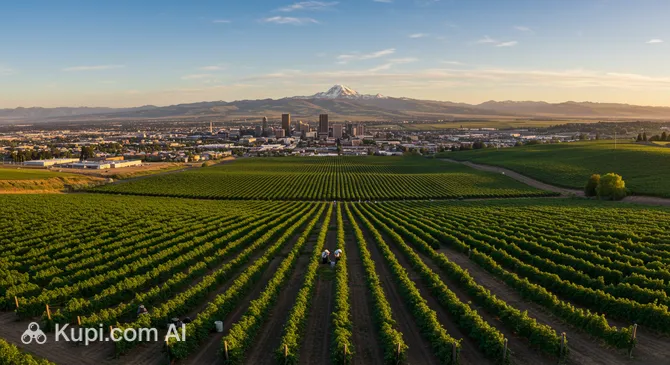
Yakima. Source: Kupi.Binoculars

The region is world-renowned for its agriculture, particularly its production of apples, cherries, and hops. In fact, the valley produces a significant portion of the world's hops, making it a pilgrimage site for craft beer enthusiasts. Wine lovers will also find plenty to explore, as the area is home to numerous vineyards and wineries. For those interested in how this agricultural powerhouse developed, exploring the history of Yakima offers fascinating insights into the city's past and its diverse cultural heritage.

Beyond its culinary delights, the city offers excellent recreational opportunities. The nearby Yakima River Canyon provides a stunning setting for fishing, rafting, and hiking. Within the city limits, the Yakima Valley Museum stands out as a key attraction, featuring extensive exhibits on regional natural history and pioneer life. Whether you are here to taste award-winning wines or to soak up the sun, Yakima invites you to experience the heart of Washington wine country.

Weather Overview

The climate in this region is characterized by four distinct seasons, offering a mix of hot, dry summers and cool winters. During the peak of summer, particularly in July and August, you can expect warm weather with average maximum temperatures reaching around 32°C. Rainfall is extremely rare during this time, creating perfect conditions for exploring the outdoors without the worry of showers.

In contrast, the winter months bring a shift in conditions. January and December are typically the coldest, with average temperatures hovering near or slightly below freezing. While the total precipitation volume remains relatively low, the frequency of wet days increases significantly during this period. For a more detailed forecast and monthly breakdown, checking the weather in Yakima will help you pack appropriately for your trip.

Interesting Facts

Beyond the main attractions, Yakima holds many fascinating secrets and historical tidbits that surprise even frequent visitors. From its geological past to its pioneering role in agriculture, the city has a rich narrative waiting to be uncovered.
State Fair Park & Yakima Valley SunDome. Source: Kupi.Binoculars
  • While the city is famous for its bright sunshine, it once experienced total darkness at noon. During the 1980 eruption of Mount St. Helens, volcanic ash blanketed the region, turning the sky pitch black in the middle of the day and leaving a lasting geological mark on the valley.

  • The region is a trailblazer in the wine world; the Yakima Valley was established as the very first American Viticultural Area (AVA) in Washington State in 1983. This designation officially recognized the area's unique climate and soil, paving the way for the Pacific Northwest's reputation as a world-class wine destination.

  • An interesting linguistic distinction exists between the city and the local indigenous people. While the city and county retain the spelling "Yakima," the confederated tribes officially changed their name to the "Yakama Nation" in the 1990s to better reflect the pronunciation in their native language.

  • The State Fair Park & Yakima Valley SunDome is an architectural marvel in the city. Its massive, self-supporting concrete roof was designed to withstand heavy loads, and the venue serves as a central hub for major events, including the historic Central Washington State Fair.

  • Nature lovers might be surprised by the diversity found at the Yakima Area Arboretum. This "living museum" takes advantage of the semi-arid climate to host over 1,000 specimens of trees and shrubs, including rare species that are difficult to grow elsewhere in the state.

How to Get There

Planning a trip to the heart of Washington Wine Country is straightforward, with several travel options available depending on your starting point. Whether you prefer flying directly into the valley or enjoying a scenic drive from a major coastal hub, you can find the best route for your needs. For a complete overview of travel options, you can read more about how to get to Yakima.

The most convenient way to arrive is by flying directly into Yakima Air Terminal (YKM), also known as McAllister Field. Located just 4.8 km from the city center, this regional airport offers quick connections to the downtown area, with a taxi or car ride taking approximately 10 to 15 minutes. For international travelers or those seeking more flight options, the Seattle-Tacoma International Airport (SEA) is the primary gateway. Situated in Seattle, roughly 166 km away, it serves as a major hub for the Pacific Northwest. The journey from Seattle to Yakima by road—whether by rental car, shuttle, or bus—typically takes about 2.5 hours, offering beautiful views as you cross the Cascade Range.

Another viable option for travelers is the Tri-Cities Airport (PSC), located in Pasco. This airport is about 113 km from Yakima and serves as a significant regional hub. The drive from Pasco takes approximately 1 hour and 15 minutes, making it a practical alternative if direct flights to Yakima are unavailable. While smaller than Seattle-Tacoma, it provides good connectivity for domestic travelers visiting the eastern side of the state.

For clarity, here is a summary of the main airports:

Airport Name City Passenger Traffic Km from City
Seattle-Tacoma International Airport Seattle Large 166.3
Portland International Airport Vancouver Large 196.8
Tri-Cities Airport Pasco Medium 113.0
Pangborn Field Wenatchee Small 91.4
Yakima Air Terminal Yakima Small 4.8

Regarding rail travel, the city of Yakima does not currently have its own passenger railway station. Visitors wishing to travel by train typically arrive at stations in nearby cities such as Pasco or Wenatchee, which are served by Amtrak routes like the Empire Builder. From these stations, you would need to arrange for a rental car or catch a connecting bus to complete the journey to the Yakima Valley. The extensive highway network, particularly Interstate 82, makes the city easily accessible by road from all directions.

Main Attractions

Yakima offers a delightful array of outdoor spaces and community hubs that showcase the region's natural beauty and sunny climate. From manicured gardens to riverside retreats, the city's attractions provide visitors with plenty of opportunities to relax and explore the unique landscape of the Yakima Valley.

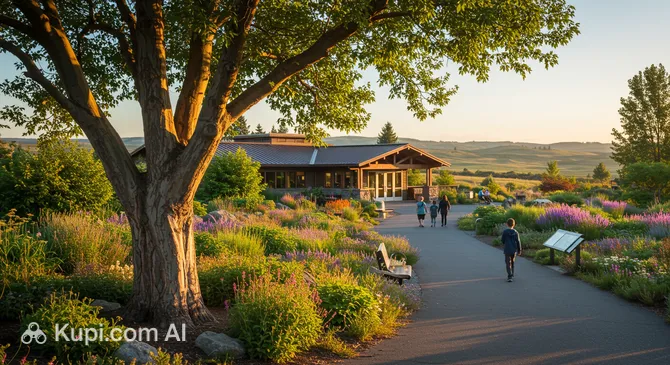
One of the city's crown jewels is the Yakima Area Arboretum. Spanning 46 acres along the river, this "living museum" showcases a vast collection of trees, shrubs, and gardens that thrive in the local climate. It is a fantastic spot for a leisurely stroll, offering visitors a peaceful escape with well-maintained trails and a Japanese garden. Tourists love it for the seasonal displays of color and the educational value regarding the region's diverse flora.

Yakima Area Arboretum. Source: Kupi.Binoculars

For those who want to immerse themselves in nature without leaving the city limits, Yakima Sportsman State Park is a perfect choice. Created by local outdoor enthusiasts, this lush park sits on the floodplain of the Yakima River, creating a green oasis amidst the arid landscape. It is particularly interesting for campers and birdwatchers, offering excellent opportunities to spot local wildlife and enjoy fishing or picnicking in a shaded, serene environment.

Another local favorite is Sarg Hubbard Park, a beautifully manicured space located along the Yakima Greenway. This park serves as a community hub, frequently hosting outdoor concerts and events on its spacious lawns. Visitors appreciate the direct access to the paved Greenway trail, making it an ideal starting point for walking, jogging, or cycling along the river while enjoying views of the surrounding hills.

Located near the city center, Franklin Park offers a classic recreational experience. This expansive park features mature shade trees, a swimming pool, and plenty of open space for relaxation. It is a great stop for families or anyone looking to unwind, providing a glimpse into the local lifestyle where residents gather for summer picnics and outdoor fun.

Local Cuisine

Yakima's culinary landscape is inextricably linked to its identity as the "Fruit Bowl of the Nation." The abundance of fresh, locally grown produce defines the city's food culture, with many restaurants embracing a farm-to-table philosophy. Visitors can expect dishes featuring crisp apples, sweet cherries, and ripe peppers, often harvested just miles from where they are served. The dining atmosphere here is generally casual and unpretentious, focusing on flavor and freshness rather than formality.

One of the most significant and beloved aspects of the local food scene is the authentic Mexican cuisine. Thanks to the region's rich agricultural heritage and diverse population, Yakima boasts some of the best tacos and tamales in the Pacific Northwest. Food lovers should look out for the numerous taco trucks scattered throughout the city and along the main thoroughfares. These mobile kitchens serve up signature dishes like street tacos filled with carne asada or al pastor, often garnished simply with onions, cilantro, and spicy salsa.

When it comes to beverages, the city is a heavyweight champion. The Yakima Valley is not only the heart of Washington's wine country but also produces approximately 75% of the nation's hops. This makes it a paradise for both oenophiles and craft beer enthusiasts. You can spend your evenings sampling robust Cabernet Sauvignons or crisp Rieslings at local tasting rooms. For beer lovers, fresh hop ales are a seasonal treat that shouldn't be missed. For a taste of local history and a relaxed drink, you might visit Bill's Place, a spot that captures the local spirit.

Bill's Place. Source: Kupi.Binoculars

Breakfast and casual dining are also big parts of the community vibe. Locals often gather at cozy diners to start their day with hearty American classics. Places like Waffles Caffe are popular for their comforting meals and friendly service, offering a perfect way to fuel up before a day of exploring. Whether you are craving fluffy pancakes or a savory omelet, the city's breakfast spots are welcoming and plentiful.

Finally, no gastronomic tour of Yakima is complete without visiting the local farm stands and markets. During the harvest season, these stalls overflow with the valley's bounty. Tourists frequently stop to buy boxes of fresh fruit, particularly the region's famous cherries and apples, to enjoy as healthy snacks during their trip. This direct connection between the land and the consumer is what makes eating in Yakima a truly unique experience.

Travel Tips

To ensure your visit to the sun-drenched Yakima Valley is as smooth and enjoyable as possible, we have compiled a list of essential travel advice. These practical tips will help you navigate the local customs, climate, and logistics, allowing you to focus on tasting great wine and exploring the outdoors.

  1. Clothing and Gear: Since the region enjoys a semi-arid climate, packing layers is key. In summer, bring lightweight, breathable clothing, sunglasses, and a wide-brimmed hat to protect against the intense sun; temperatures can soar, so sunscreen is a must. Winters are chilly, so a warm coat and sturdy boots are necessary. If you plan to hike the canyon trails, pack comfortable walking shoes. The electrical standard is 120V with Type A and B plugs, so international travelers will likely need an adapter.

  2. Transportation: While the city has a public bus system called Yakima Transit, it is primarily designed for local commuting rather than sightseeing. To truly experience the vineyards, orchards, and scenic drives of the valley, renting a car is highly recommended. Ride-sharing apps like Uber and Lyft operate in the city, but availability may be limited in more remote rural areas or late at night.

  3. Finances: The official currency is the US Dollar (USD). Credit and debit cards are widely accepted at hotels, restaurants, and wineries. However, it is wise to carry some cash, particularly small bills, if you plan to buy fresh produce from roadside fruit stands or taco trucks, which may not always take cards. ATMs are plentiful throughout the city. Tipping is standard practice in the United States; expect to leave 15-20% for restaurant service.

  4. Health and Safety: Yakima is generally a safe destination for tourists, but standard precautions apply; keep valuables out of sight in parked cars and stay in well-lit areas at night. For minor health issues, major pharmacy chains are easily accessible and typically open late. In case of any serious emergency, dial 911 for immediate police, fire, or medical assistance.

  5. Communication: English is the primary language spoken, but due to the region's strong agricultural roots and diverse population, you will frequently hear Spanish. Knowing a few basic Spanish phrases can be helpful and appreciated in local Mexican restaurants or markets. Free Wi-Fi is standard in most hotels, coffee shops, and tasting rooms, and mobile coverage is generally good within the city limits.

  6. Local Etiquette: The vibe in the city is relaxed and unpretentious. Casual dress is acceptable almost everywhere, including most wineries and nice restaurants. People are generally friendly and open to conversation. When visiting tasting rooms, it is polite to ask questions and show interest in the wine-making process; however, pace yourself and remember that spitting out wine during a tasting is perfectly acceptable behavior.

  7. What to Avoid: Never enter private orchards, hop fields, or vineyards without explicit permission. While the fruit hanging from the trees may look tempting, these are working farms and private property; picking produce without paying or asking is considered theft and is disrespectful to the growers.

  8. Seasonal Insight: If you are visiting between late spring and early autumn, take advantage of the roadside farm stands. This is where you will find the freshest cherries, peaches, peppers, and apples at unbeatable prices. Locals know that the best produce often comes from these small, family-run stalls rather than big supermarkets.

By keeping these simple guidelines in mind, you will be well-prepared to embrace the laid-back lifestyle of Central Washington. Whether you are here for the harvest or the hiking, a little preparation goes a long way in making your adventure unforgettable.

Entertainment & Nightlife

For visitors who enjoy shopping, Rainier Square offers a convenient and varied retail experience. Located centrally, this shopping center features a mix of stores and services, making it a practical stop for picking up travel essentials or browsing for gifts. It serves as a commercial hub where locals and tourists alike can spend a leisurely afternoon exploring the available shops.

Rainier Square. Source: Kupi.Binoculars

When it comes to live entertainment and major events, the State Fair Park & Yakima Valley SunDome is the city's premier venue. Throughout the year, this expansive complex hosts everything from high-energy concerts and sports competitions to trade shows. It is particularly famous for hosting the Central Washington State Fair every autumn, a week-long celebration filled with carnival rides, live music, and agricultural displays that draws crowds from all over the region.

Travelers seeking outdoor recreation within the city limits will find Kiwanis Park to be an excellent destination. This well-maintained green space is popular for its sports facilities, including softball fields and a skate park, providing a fun environment for families and active visitors. The park's open lawns and shaded areas also make it a lovely spot for a casual picnic or a game of frisbee on a sunny afternoon.

Kiwanis Park. Source: Kupi.Binoculars

Beyond specific venues, the city's evening atmosphere offers a relaxed pace for entertainment. Visitors can explore the local nightlife by visiting craft breweries or cozy lounges that showcase the region's agricultural bounty. Whether you are catching a major event at the fairgrounds or enjoying a quiet afternoon of shopping and sports, Yakima provides diverse ways to stay entertained.

Parks & Museums

While Yakima is famous for its agriculture, the city also boasts a rich tapestry of cultural institutions and breathtaking natural landscapes that go beyond the orchards. Visitors can easily spend days exploring the region's heritage through its well-curated museums or immersing themselves in the rugged beauty of the shrub-steppe terrain that defines Central Washington.

For a deep dive into the region's identity, the Yakima Valley Museum is an essential stop. Located within the leafy grounds of Franklin Park, this facility offers a comprehensive look at the area's history, from the geologic formation of the valley to the cultural heritage of the Yakama Nation and the lives of early pioneers. Highlights include a stunning collection of horse-drawn vehicles, a retrospective on the local fruit industry, and a unique exhibit of vintage neon signs that light up the past.

Franklin Park. Source: Kupi.Binoculars

Aviation enthusiasts will find plenty to admire at the McAllister Museum of Aviation. Situated at the airport, this museum is dedicated to preserving the history of flight in the Yakima Valley and the legacy of the McAllister family of pilots. The intimate space features restored vintage aircraft, memorabilia, and artifacts that tell the story of aviation's golden age, making it a fascinating visit for history buffs and families alike.

Art lovers should not miss the Larson Gallery, located on the campus of Yakima Valley College. Since 1949, this gallery has served as a primary venue for diverse artistic expressions, hosting rotating exhibitions that feature contemporary works by regional, national, and international artists. It plays a pivotal role in the local arts scene, frequently organizing lectures and workshops that engage the community.

For those seeking to reconnect with nature, the Cowiche Canyon Conservancy offers a spectacular escape just minutes from downtown. This vast network of trails winds through 5,000 acres of protected shrub-steppe habitat, featuring dramatic basalt cliffs and blooming wildflowers in the spring. It is a favorite destination for hikers, trail runners, and nature photographers looking to experience the raw, arid beauty of the landscape away from the paved city streets.

Another remarkable natural area is the Yakima River Canyon, a designated scenic byway that connects Yakima to Ellensburg. While it is a popular drive, stopping at the various recreation sites along the river reveals complex basalt geology and offers excellent wildlife viewing opportunities. Lucky visitors might spot bighorn sheep scaling the steep canyon walls or golden eagles soaring overhead, providing a true wilderness experience.

Insider Tip: For a unique look at the machinery that built the valley's economy, visit the Central Washington Agricultural Museum in nearby Union Gap. It is the largest museum of its kind in the Pacific Northwest, featuring acres of vintage tractors, farm equipment, and a log cabin that transport you back to the early days of farming.

Getting Around

Navigating Yakima is relatively straightforward, though the city is primarily designed with car travel in mind. The public transportation system, managed by Yakima Transit, provides a reliable and affordable bus service that covers the main city limits and connects to neighboring communities such as Selah, Union Gap, and Terrace Heights. While there is no metro or light rail system for daily commuting, the bus network is efficient for reaching major shopping centers, the hospital, and the downtown area.

The bus fleet is the backbone of the city's public transport. Routes generally radiate from the central Transit Center located downtown, which serves as the primary transfer hub. Buses are modern, air-conditioned, and equipped with bicycle racks, allowing passengers to combine cycling with their transit journeys. For travel further afield, there are commuter connections available that link the city to other towns in the valley, which can be useful for visitors planning day trips without a car.

Fares are very budget-friendly, making public transport an economical choice for tourists. You can pay for a single ride using cash directly on the bus, but keep in mind that drivers cannot make change, so you must have the exact amount ready. For those planning to use the bus frequently, daily and monthly passes are available. These can be purchased at the Transit Center, various local sales outlets, or conveniently through a mobile ticketing app, which allows you to purchase and validate tickets directly from your smartphone.

A unique feature of the city's transport heritage is the Yakima Valley Trolleys. While not a part of the modern daily commuter network, this historic electric railway operates vintage streetcars on the tracks of the former Yakima Valley Transportation Company. It functions primarily as a tourist attraction, offering scenic rides on weekends and holidays during the warmer months. Riding these preserved trolleys provides a nostalgic glimpse into the early 20th-century transit system that once connected the orchards to the railroad.

Regarding alternatives, renting a car remains the most popular and practical option for tourists, especially for those wishing to explore the vineyards and scenic canyon roads surrounding the city. For shorter trips within town, ride-sharing services and traditional taxis are readily available and widely used. Additionally, the city is becoming increasingly bike-friendly, particularly along the scenic Yakima Greenway, which offers a paved path for cyclists away from motorized traffic.

When using the bus system, it is important to check the schedule in advance. Most routes operate from early morning until early evening on weekdays, with reduced service on Saturdays. Be aware that bus service is often limited or unavailable on Sundays and major holidays, so it is essential to plan your travel accordingly if you are visiting over a weekend. Route maps and timetables are available online or at the downtown Transit Center.

Accommodation

Where to Stay:

Finding the perfect place to stay in Yakima is generally a stress-free experience, as the city offers a wide variety of accommodation options to suit different needs and budgets. The local lodging landscape is dominated by reliable mid-range chain hotels and affordable motels, making it an accessible destination for families and road trippers. For those seeking a more unique experience, the surrounding valley features charming bed and breakfasts and vacation rentals nestled among the vineyards, offering a peaceful retreat with scenic views of the orchards and hills.

When choosing a location, travelers often gravitate towards two main areas. Downtown Yakima is an excellent choice for those who want to be close to local dining, breweries, and the convention center. Staying here allows for easy access to the city's urban amenities and historic sites. Alternatively, the area along Interstate 82 is highly popular for its convenience; it offers numerous modern hotels with ample parking and quick access to the highway, which is ideal for visitors planning to explore the wider wine country or the nearby river canyon.

The price range for accommodation in the city is typically moderate, especially when compared to larger Pacific Northwest hubs like Seattle. You can find plenty of budget-friendly options that provide clean and comfortable basic amenities, while the mid-range hotels often feature extras like swimming pools—perfect for cooling off during the hot summer days—and complimentary breakfasts. Booking is easily done through major online travel platforms or by contacting properties directly.

Booking Tip: While availability is generally good throughout the year, it is highly recommended to book in advance if you plan to visit during the summer harvest season or in late September during the Central Washington State Fair. Major events at the SunDome can also fill up local hotels quickly, so checking the local event calendar before your trip is a wise move to secure your preferred accommodation.

Nearby Cities

For those looking to explore the surroundings, Yakima serves as an excellent base for day trips to several interesting nearby locations:

Just a short drive to the north lies Wenatchee, widely known as the "Apple Capital of the World." Situated along the banks of the Columbia River and nestled against the foothills of the Cascade Mountains, it is a paradise for outdoor enthusiasts. Visitors can enjoy the scenic Apple Capital Loop Trail, explore the Pybus Public Market, or venture into the nearby mountains for hiking and skiing.

To the southeast, you will find the dynamic metropolitan area known as the Tri-Cities, comprising Kennewick, Pasco, and Richland. Located at the confluence of the Yakima, Snake, and Columbia rivers, this region is famous for its water sports, sunshine, and scientific history. It offers unique attractions such as the Manhattan Project National Historical Park and extensive riverside parks that are perfect for a relaxing afternoon.

City Population Distance (km)
Tri-Cities 287,600 107
Kennewick 241,230 115
Pasco 76,398 116
Wenatchee 71,119 93
Richland 59,718 101

These nearby destinations offer a glimpse into the diverse culture and landscapes of the region.

Shopping & Souvenirs

Shopping in Yakima offers a relaxed and authentic experience that mirrors the city's agricultural heritage and community-focused lifestyle. While you will not find the high-end luxury avenues typical of major metropolises, the city provides a delightful mix of modern retail centers, charming downtown boutiques, and an abundance of farm-fresh outlets. The retail scene here is heavily influenced by the region's status as a fruit and wine powerhouse, meaning the best finds are often edible or locally crafted.

For a stroll through local culture, the Downtown district, particularly along Yakima Avenue, is the place to start. This revitalized area is home to a variety of independent shops, vintage stores, and antique dealers. It is an excellent spot to hunt for unique home décor, books, and one-of-a-kind gifts while admiring the historic architecture. The atmosphere is unhurried, allowing visitors to browse at their own pace and chat with friendly shop owners.

When it comes to conventional shopping centers, the city and its immediate surroundings have you covered. Rainier Square is a well-known shopping destination within the city limits, offering a convenient selection of stores and services for everyday needs. For a more extensive retail therapy session, the nearby Valley Mall in Union Gap serves as the primary regional hub, featuring major department stores, popular clothing brands, and a wide food court.

The true heart of Yakima's shopping scene, however, beats at its markets. The Yakima Farmers Market, typically held on Sundays in the downtown area from May through October, is a must-visit attraction. Here, the "Fruit Bowl of the Nation" title comes to life with stalls overflowing with seasonal produce, artisan breads, handcrafted soaps, and local art. It is not just a place to buy goods but a vibrant social event where the community gathers.

If you are looking for the perfect souvenir, look to the land. The most popular items to bring home are undoubtedly local wines and craft beers, reflecting the valley's world-class vineyards and hop fields. During harvest season, boxes of fresh cherries, apples, or peaches make for delicious gifts. Additionally, you can find beautiful Native American crafts and beadwork that honor the heritage of the Yakama Nation, often available at cultural centers or specialty gift shops.

Most shops in the city follow standard American operating hours. Major shopping centers and malls are generally open from 10:00 AM to 9:00 PM on weekdays and Saturdays, with shorter hours on Sundays. Downtown boutiques and independent stores typically close earlier, often around 5:00 PM or 6:00 PM, and some may be closed on Sundays. Credit and debit cards are universally accepted, though having some cash is advisable for small purchases at farmers markets or fruit stands.

Travelers should be aware that the United States does not typically offer a Value Added Tax (VAT) refund system for international tourists. In Washington State, sales tax is added to the labeled price of goods at the register. The combined state and local sales tax rate in Yakima is approximately 8.9%, so be prepared for the final total to be slightly higher than the price tag on the shelf.

Reached the end of the page?

That means the route is fully explored