Support

Sand Point

About

Sand Point is a captivating destination located in the state of Washington, offering a perfect blend of natural beauty and historical significance. Situated on a peninsula extending into the majestic Lake Washington, this area provides visitors with stunning waterfront views and a serene atmosphere. While it maintains the charm of a small community with a population of approximately 952, it serves as a significant recreational hub within the United States.

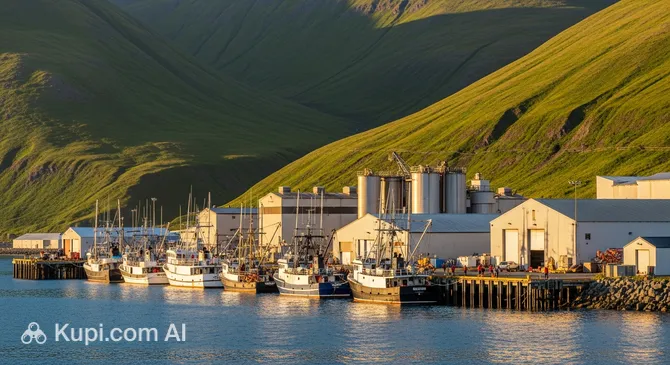
Sand Point. Source: Kupi.Binoculars

The area is renowned for its fascinating transformation from a military site to a beloved public space. Exploring the history of Sand Point reveals its past as a Naval Air Station, which has shaped much of its current landscape and preserved architecture. Today, the expansive Warren G. Magnuson Park dominates the peninsula, boasting wetlands, sports fields, and scenic walking trails that attract nature enthusiasts year-round.

Visitors should not miss the opportunity to see the famous "Sound Garden," a unique sonic sculpture located within the park that creates music when the wind blows. Whether you are looking to enjoy a picnic by the water, hike through restored habitats, or simply relax in a quiet setting, Sand Point offers a delightful escape for travelers seeking both relaxation and adventure.

Weather Overview

The climate in Sand Point is generally mild, characterized by warm, pleasant summers and cool, damp winters. Visitors planning a trip during the peak summer months of July and August can expect average temperatures around 19°C, with daytime highs reaching up to 24.1°C. This season is also the driest, typically featuring only 5 to 6 wet days per month, making it an excellent time for outdoor recreation in the park.

In contrast, the winter months bring cooler temperatures, with averages hovering between 3.8°C and 4.5°C from December through February. Travelers should be prepared for frequent precipitation during this period, as the region experiences approximately 18 to 20 wet days per month in winter. For more specific forecasts and packing advice, be sure to check the weather in Sand Point before your departure.

Interesting Facts

Beyond the scenic trails and waterfront views, Sand Point holds a collection of fascinating stories that range from aviation milestones to rock music history. This unique peninsula is more than just a recreational area; it is a place where significant cultural and historical threads intertwine.

  • Aviation History Made Here: Sand Point was the starting and ending point of the first aerial circumnavigation of the globe. In 1924, four Douglas World Cruiser aircraft took off from the naval station here to begin their historic journey, firmly establishing the site's importance in the early days of flight.

  • A Rock Band's Namesake: The legendary grunge band Soundgarden took their name from a specific sculpture located on the adjacent NOAA campus. The artwork, titled A Sound Garden, consists of steel tubes that generate eerie, musical tones when the wind blows through them, inspiring the band's identity.

  • Submarines in the Grass: Visitors can encounter a striking art installation known as "The Fin Project," which features 22 authentic dorsal fins from decommissioned US Navy nuclear submarines. Arranged in the landscape, they give the surreal appearance of a pod of mechanical whales swimming through the park's grassy fields.

How to Get There

Planning a trip to this scenic destination is straightforward, with several convenient transport options available. For a comprehensive overview of routes and travel advice, you can consult our detailed guide on how to get to Sand Point. Located within the Seattle metropolitan area, the neighborhood is easily accessible by air and ground transport.

The most direct gateway for air travelers is Seattle-Tacoma International Airport (SEA), situated approximately 26.2 km from Sand Point. As a major international hub, it offers extensive connections and services. A taxi or rideshare from the airport typically takes about 45 to 60 minutes. Another excellent option is Paine Field (PAE), located roughly 25.1 km away. This smaller airport is often less crowded and provides a similar travel time to the destination.

Below is a summary of the airports serving the wider region:

Airport Name City Passenger Traffic Km from Destination
Paine Field Seattle Medium 25.1
Seattle-Tacoma International Airport Seattle Very Large 26.2
Victoria Inner Harbour Airport Victoria Small 116.9
Bellingham International Airport Bellingham Medium 125.2
Victoria International Airport Victoria Large 138.0

For those considering rail travel, the Vancouver Railway Station (XEA) is located approximately 187.5 km away in Canada, making it a distant option for most itineraries. A more practical choice for reaching the area is Seattle's King Street Station, which serves as a central hub for Amtrak and Sounder commuter trains. From there, visitors can easily access Sand Point via local public transit or a short car ride.

Main Attractions

Warren G. Magnuson Park is undoubtedly the centerpiece of the area and a must-visit for any traveler. As Seattle's second-largest park, it encompasses over 350 acres and offers a rich variety of landscapes, from restored wetlands to grassy sports fields. Tourists are particularly drawn to the historic district within the park, which features preserved Art Deco naval buildings from the 1930s. Visitors can hike the network of trails, enjoy a swim at the dedicated beach, or climb to the top of Kite Hill for sweeping views of Lake Washington and the distant Cascade Mountains.

For those interested in unique cultural experiences, the NOAA Art Walk offers a fascinating outdoor gallery set against a backdrop of natural beauty. Located on the campus of the National Oceanic and Atmospheric Administration, adjacent to the park, this walking path features several impressive sculptures. The most famous among them is the "Sound Garden," a collection of steel towers that generate haunting musical tones when the wind blows. Access to this area is controlled, so visitors should be prepared to show photo identification at the security gate to enter.

Water enthusiasts will find Sail Sand Point to be an exhilarating destination. Situated on the shores of Lake Washington, this non-profit boating center makes the water accessible to everyone. It is a popular spot for renting kayaks, stand-up paddleboards, and sailboats, allowing tourists to explore the lake at their own pace. Whether you are an experienced sailor or a beginner looking for a lesson, this facility provides a fantastic way to experience the aquatic lifestyle that defines the region.

Art lovers should make time to visit the Magnuson Park Gallery, located within the historic Building 30. This space showcases a diverse rotation of exhibits featuring local and regional artists, often reflecting themes related to the park's history, nature, and community. The gallery serves as a cultural hub, hosting opening receptions and events that offer a deeper connection to the creative spirit of Sand Point.

Local Cuisine

The culinary scene in Sand Point reflects the broader flavors of the Pacific Northwest, with a strong emphasis on fresh, locally sourced ingredients. Given its location on the shores of Lake Washington, seafood is a staple here. Visitors should make it a priority to taste the region's famous Pacific Northwest salmon, which is often served grilled on a cedar plank or smoked to enhance its natural richness. Another must-try dish is the Dungeness crab, prized for its sweet and tender meat, frequently appearing in salads, crab cakes, or simply served fresh with melted butter.

Beverages are an integral part of the local culture, and the area is particularly known for its exceptional craft beer. The neighborhood and its surroundings host breweries that take pride in producing distinct IPAs and ales, perfect for relaxing after a day at the park. For non-alcoholic options, the coffee culture is vibrant and deeply ingrained, offering high-quality artisanal roasts. Additionally, with Washington being a major apple-producing state, fresh apple cider is a popular and refreshing drink available in many local establishments.

The food culture in Sand Point is distinctively casual and community-oriented, differing from the fast-paced dining scenes of larger city centers. Instead of crowded street food markets, you will find a relaxed atmosphere centered around brewpubs and waterfront eateries, particularly within the historic district of Warren G. Magnuson Park. Locals and tourists typically flock to these spots to enjoy a hearty meal with scenic views of the lake. It is the perfect setting for a laid-back lunch or dinner, often enjoyed after a bout of sailing or a long walk on the trails.

Travel Tips

Welcome to Sand Point! To ensure your visit to this scenic lakeside community and the historic Warren G. Magnuson Park is as seamless and enjoyable as possible, we have compiled a list of essential travel advice. These practical tips will help you navigate the local area, prepare for the elements, and make the most of your time on this beautiful peninsula.

  1. Clothing and Gear: The weather in Washington can be unpredictable, so the golden rule here is to dress in layers. Even in summer, evenings by the lake can get chilly, so bring a light sweater or fleece. A waterproof jacket is a must-have regardless of the season, as rain showers can occur unexpectedly. Since Sand Point is a hub for outdoor recreation, pack comfortable walking or hiking shoes to explore the wetlands and trails of Magnuson Park.

  2. Transportation: While having a car offers the most flexibility for exploring the wider region, it is not strictly necessary. The area is well-served by the King County Metro bus system, which connects Sand Point to downtown Seattle and the University District. Rideshare apps like Uber and Lyft are also widely available and convenient. If you do drive, parking is generally available within the park, but spots can fill up quickly on sunny weekends.

  3. Finances: The local currency is the United States Dollar (USD). Credit and debit cards are accepted almost everywhere, from park concessions to nearby cafes. It is advisable to carry a small amount of cash for small purchases or tips, though not strictly required. ATMs are available in nearby commercial areas. Tipping is customary in the US; expect to leave 18-20% in restaurants and a few dollars for taxi drivers or hotel staff.

  4. Health and Safety: Sand Point is a safe and family-friendly area. However, standard travel precautions apply. For medical emergencies, dial 911. There are no pharmacies directly inside the residential park area, but you can find well-stocked drugstores and urgent care facilities in the adjacent neighborhoods of Wedgwood or the University District, just a short bus ride or drive away.

  5. Communication: English is the primary language spoken. Most locals are friendly and helpful if you need directions. Free Wi-Fi is often available in local coffee shops and public buildings, but having a mobile data plan is recommended for maps and schedules. Major US carriers have excellent coverage here, and SIM cards can be purchased at the airport or mobile stores in the city.

  6. Local Etiquette: The vibe in Sand Point is relaxed and community-focused. When walking on the mixed-use trails in Magnuson Park, standard trail etiquette applies: stay to the right and pass on the left. A friendly nod or "hello" to fellow walkers is common. Residents value the natural environment highly, so be sure to dispose of trash in designated bins and respect wildlife.

  7. What to Avoid: Do not leave valuables visible in your car when parking at trailheads or public lots, as "smash and grab" theft can occur. Also, avoid trying to enter the NOAA (National Oceanic and Atmospheric Administration) campus without proper identification; it is a federal facility with strict security protocols, even for those just visiting the art installation.

  8. Additional Tip: If you plan to visit the famous Sound Garden sculpture located on the NOAA campus adjacent to the park, remember that access is restricted. You must present a valid photo ID (like a passport or driver's license) at the security gate to get a visitor pass. The gate is typically open only during weekdays, so plan your visit accordingly to avoid disappointment.

By keeping these tips in mind, you will be well-prepared to experience the best of Sand Point, from its aviation history to its natural splendor. We hope you have a safe journey and create wonderful memories exploring this unique corner of the Pacific Northwest!

Entertainment & Nightlife

Sand Point offers a distinctively relaxed and community-focused evening atmosphere, standing in contrast to the high-energy nightlife found in downtown Seattle. Rather than bustling clubs and neon-lit dance floors, the nightlife here revolves around laid-back gatherings, enjoying locally crafted beverages, and soaking in the serene views of Lake Washington. It is the perfect destination for travelers who prefer a quiet pint and conversation over loud music and crowds.

The primary hub for evening activity within the neighborhood is the historic district of Warren G. Magnuson Park. Here, the vibe is decidedly casual and outdoorsy. You will find locals finishing up evening sailboats or sports leagues and gathering at venues like the Magnuson Cafe & Brewery. Located right on the waterfront, this establishment is a local favorite, offering a spacious deck and a selection of house-brewed beers. The dress code is almost universally casual—jeans, flannels, and hiking gear are the norm. Most local venues close relatively early, typically around 9:00 PM or 10:00 PM, so it is best to start your evening early.

For those seeking a more vibrant nightlife scene with bars, clubs, and late-night eats, the best advice is to head to the nearby University District. Located just a short bus ride or drive away, specifically along University Way NE (locally known as "The Ave"), this area caters to a younger crowd and stays awake much longer. Here, you can find dive bars, live music venues, and eclectic night markets that offer a stark contrast to the quietude of Sand Point.

When planning your night out, consider these practical tips:

  • Best Time to Go: For Sand Point venues, arrive around 6:00 PM to catch the sunset over the lake before the kitchen closes. For the University District, the scene picks up after 9:00 PM.
  • Prices: Sand Point is moderately priced, with craft beers and pub meals averaging between $15 and $25.
  • Getting Around: Public transport (King County Metro) runs frequently, but for late-night returns, especially after midnight, using a rideshare service like Uber or Lyft is the most convenient and safe option.

Safety in Sand Point is generally very good, making it a comfortable place for evening strolls. However, the park itself is vast and can be quite dark after sunset due to limited lighting on the trails. It is advisable to stick to the main paved paths near the parking lots and buildings rather than wandering into the wetland areas at night. If you need a taxi, it is best to book one via an app, as hailing one on the street in this residential area is virtually impossible.

While the nights are quiet, daytime entertainment in Sand Point offers its own charm. Cultural enthusiasts can visit the Magnuson Park Gallery to see local art exhibitions or attend events at the Mountaineers Seattle Program Center, which often hosts talks and film screenings related to outdoor adventure. Though the area lacks amusement parks, the sheer scale of the park provides ample recreational "entertainment" through sailing, swimming, and sports.

Parks & Museums

Sand Point is a neighborhood defined by its seamless integration of expansive green spaces and cultural heritage. While it may not host the sprawling museum complexes found in downtown Seattle, it offers a unique "open-air museum" experience where art, history, and nature converge. The area’s parks are not just places for recreation but are living landscapes that tell the story of the land's ecological recovery and its naval past.

Warren G. Magnuson Park serves as the green heart of the community, offering much more than standard park amenities. Nature lovers are particularly drawn to the Magnuson Wetlands, a remarkable 74-acre restoration project that includes marsh ponds, walking paths, and diverse wildlife habitats. It is a prime spot for birdwatching, where visitors can observe herons, eagles, and waterfowl in a revitalized urban ecosystem. Within the park boundaries, you will also find one of the city's largest P-Patch community gardens, a vibrant tapestry of flowers and organic vegetables cultivated by local residents, offering a peaceful setting for a leisurely stroll.

Just to the north of Sand Point lies Matthews Beach Park, a favorite local getaway that complements the offerings of the peninsula. As Seattle’s largest freshwater bathing beach, it provides a sandy shoreline perfect for swimming in Lake Washington during the summer months. The park is also a key stop along the famous Burke-Gilman Trail, making it easily accessible for cyclists and joggers. Its lush, grassy slopes are ideal for picnicking, while the panoramic views of the lake and the Cascade Mountains provide a stunning natural backdrop.

For those seeking cultural enrichment, the Magnuson Park Gallery offers an intimate look at the region's artistic pulse. Housed in the historic Building 30, a renovated naval officers' building, this venue features rotating exhibitions that highlight the work of local artists and community groups. The gallery often explores themes relevant to the area, such as environmental conservation and local history, making it a meaningful stop for visitors who want to connect with the community's creative spirit.

Although not a traditional indoor museum, the NOAA Art Walk functions as a spectacular outdoor gallery that blends sculpture with the natural landscape. Located on the campus of the National Oceanic and Atmospheric Administration, this path features large-scale artworks designed to interact with the environment. The most iconic piece, A Sound Garden, uses the wind to create ethereal music, providing a sensory experience that is rare to find elsewhere. It is a place where the boundaries between art, science, and nature dissolve.

For a truly authentic experience, head to Kite Hill within Magnuson Park. This man-made hill, constructed from recycled concrete from the old airfield, offers one of the best vantage points in the area. It is a popular gathering spot for kite flyers due to the unobstructed winds, but even without a kite, the 360-degree views of Mount Rainier and the glistening lake make the short climb well worth the effort.

Getting Around

Navigating Sand Point is straightforward and relies heavily on the regional public transportation network, as the area functions as a residential and recreational community rather than a bustling metropolis with its own independent transit infrastructure. The primary mode of public transport here is the bus system operated by King County Metro. These buses provide essential connections between the neighborhood, the expansive Warren G. Magnuson Park, and major hubs like the University District and downtown Seattle. While there is no metro or light rail station directly within Sand Point, frequent bus routes link travelers to the nearby Link Light Rail stations, offering seamless access to the wider region and the airport.

For payment, the system is designed to be cashless and convenient for visitors. The most widely used method is the ORCA card, a smart card that can be loaded with value and tapped on readers when boarding buses or entering train stations. These cards can be purchased at vending machines located at transit centers and light rail stations. Alternatively, tourists can download the Transit GO Ticket mobile app, which allows you to buy tickets directly on your smartphone and activate them just before you ride. If you prefer to pay with cash on the bus, be aware that drivers cannot give change, so you must have the exact fare ready.

A single ride typically costs a flat rate, allowing you to transfer between buses and trains within a two-hour window if you use an ORCA card or the mobile app. Paper transfers are generally not issued for cash fares on buses, so using a card or app is highly recommended for anyone planning to make connections. Buses serving Sand Point generally operate from early morning until late at night, though the frequency decreases significantly in the late evenings and on weekends. It is advisable to use a real-time transit app like OneBusAway or Google Maps to check live arrival times, as schedules can vary.

Cycling is an exceptionally popular alternative to motorized transport in this area, largely due to the proximity of the Burke-Gilman Trail. This famous multi-use path runs along the western edge of Sand Point, offering a scenic and car-free route for cyclists to reach the University of Washington or head north towards Kenmore. Visitors can easily find dockless electric bikes and scooters scattered throughout the neighborhood and park areas, which can be rented via smartphone apps for short, convenient trips.

For those who prefer direct transport, ride-sharing services like Uber and Lyft are widely available and very efficient in Sand Point. Since the area is residential and spread out, hailing a traditional taxi on the street is not practical; booking via an app is the standard method. This option is particularly useful if you are carrying picnic gear to the park or returning late at night when bus services are less frequent. Whether by bus, bike, or car, getting around this scenic lakeside community is accessible and user-friendly for any traveler.

Accommodation

Finding accommodation directly within Sand Point can be a unique experience, as the area is primarily a quiet residential neighborhood and a large recreational park rather than a commercial tourist hub. Consequently, the selection of lodging right on the peninsula is somewhat limited. Visitors will not find high-rise resorts or large hotel chains within the immediate boundaries of the community. Instead, the local market is dominated by vacation rentals, private guest houses, and apartment stays. These options are perfect for travelers seeking a peaceful, "home-away-from-home" atmosphere, often with easy access to the trails of Warren G. Magnuson Park and the shores of Lake Washington.

For those who prefer the amenities and services of traditional hotels, the most convenient strategy is to look at the adjacent neighborhoods. The University District, located just a short drive or bus ride to the west, is the most popular base for visitors to this area. It offers a robust mix of accommodation, ranging from budget-friendly motels to stylish, modern mid-range hotels. Staying in the University District provides the dual benefit of being close to the serene nature of Sand Point while enjoying the vibrant dining and transit connections of a bustling urban center.

Another practical area to consider is Northgate, situated to the northwest. This district has seen significant development and offers several reliable hotel options that are well-connected to Sand Point by road. Travelers with a car will find this location particularly convenient, as it often provides easier parking options compared to the denser parts of the city. Both neighborhoods allow you to enjoy the tranquility of the lake during the day while having comfortable, standard lodging to return to at night.

When planning your stay, it is important to consider the seasonality of the region. Sand Point is a hub for summer activities, including sports tournaments, outdoor weddings, and park events. As a result, lodging in the nearby areas can experience high demand during the peak season from June to August. A helpful booking tip is to secure your reservation at least two to three months in advance if you are traveling during the summer, as prices tend to rise and availability shrinks closer to the date.

Regarding costs, the price range for accommodation near Sand Point generally aligns with the broader Seattle market, which is typically mid-range to expensive. Budget options are scarcer and tend to be found further out, while properties closer to the water or the university command higher rates. Booking is most effectively done through major online travel platforms, which allow you to compare the limited local rentals with the broader inventory of hotels in the surrounding districts.

Nearby Cities

Nearby Cities:

Sand Point serves as an excellent starting point for exploring the wider Washington region, with several vibrant communities located just a short distance away. The closest neighbor is Kirkland, situated approximately 4 km from the area, which is celebrated for its charming waterfront parks and walkable downtown. A quick journey across the water or around the lake brings visitors to Bellevue, a dynamic city known for its upscale shopping and modern skyline.

For those seeking the bustle of a major metropolis, Seattle is located just 10 km away, offering world-class cultural attractions and entertainment. Travelers interested in the region's thriving technology sector often visit Redmond, while Shoreline offers a quieter, suburban atmosphere perfect for a relaxing afternoon. These destinations are all easily accessible, making them perfect for day trips.

The following table provides details on the nearest cities:

City Population Distance (km)
Kirkland 91,656 4
Bellevue 151,854 9
Seattle 3,438,221 10
Shoreline 58,213 10
Redmond 72,166 11

Shopping & Souvenirs

Shopping in Sand Point is reflective of the neighborhood's overall character: relaxed, residential, and community-focused. Unlike the bustling retail corridors of downtown Seattle, this area does not feature large department stores or high-density shopping districts. Instead, visitors will find a selection of convenient local businesses and specialty shops scattered along the main thoroughfares, catering primarily to the daily needs of residents and park-goers. For serious retail therapy, the best strategy is to explore the immediate surroundings where premier shopping destinations are just a short drive or bus ride away.

The primary commercial artery is Sand Point Way NE, which runs along the western edge of the neighborhood. Here, you can find essential services, grocery stores, and small independent boutiques. While it is not a "shopping street" in the traditional tourist sense, it offers convenient stops for picking up picnic supplies before heading to Warren G. Magnuson Park. For a more comprehensive shopping experience, visitors typically head south to the upscale University Village. Although technically located in the adjacent University District/Ravenna area, it serves as the main retail hub for Sand Point residents. This open-air lifestyle center features a beautiful garden setting with a mix of high-end fashion brands, home goods stores, and local boutiques.

While Sand Point itself lacks enclosed shopping malls, University Village functions as a sophisticated outdoor equivalent. It is widely considered one of the best shopping destinations in the region, offering a pleasant pedestrian environment. Here, you can browse through popular national retailers, visit an Apple Store, or explore locally owned shops selling unique jewelry and gifts. The layout includes covered walkways and heated outdoor seating, making it a comfortable place to shop regardless of the weather.

One of the most unique aspects of the local shopping scene is the vibrant market culture hosted within Warren G. Magnuson Park. The historic Hangar 30 frequently serves as a venue for large-scale community events, including seasonal night markets, antique shows, and the renowned Renegade Craft Fair. These events are a treasure trove for visitors looking for something special, featuring dozens of stalls where local artisans sell handmade crafts, vintage clothing, and artisanal foods. It is advisable to check the park's event calendar during your stay to see if a market coincides with your visit.

When looking for souvenirs, the best items to bring back from Sand Point are those that reflect the Pacific Northwest's artistic and culinary heritage. If you catch a market in Hangar 30, look for handmade ceramics, local prints, or jewelry crafted by Seattle artists. Alternatively, regionally produced goods such as locally roasted coffee beans, smoked salmon, or artisan chocolates make for excellent gifts. These can often be found in the gourmet grocery stores along Sand Point Way or at the nearby University Village.

Store opening hours in the area generally follow standard United States practices. Most shops open around 10:00 AM and close between 7:00 PM and 9:00 PM, with slightly shorter hours on Sundays. Supermarkets and pharmacies often stay open later. Payment is almost exclusively digital; credit and debit cards (Visa, Mastercard, American Express) are accepted everywhere, from large retailers to small market stalls. Mobile payment options like Apple Pay and Google Pay are also widely used.

Tourists should be aware that the United States does not have a Value Added Tax (VAT) refund system for general visitors like many European countries do. In Washington specifically, a sales tax is added at the register to the advertised price of goods. This tax is non-refundable for international tourists, so the price you see on the tag will be lower than the final amount you pay at the counter.
Reached the end of the page?

That means the route is fully explored