Support

Port Williams

About

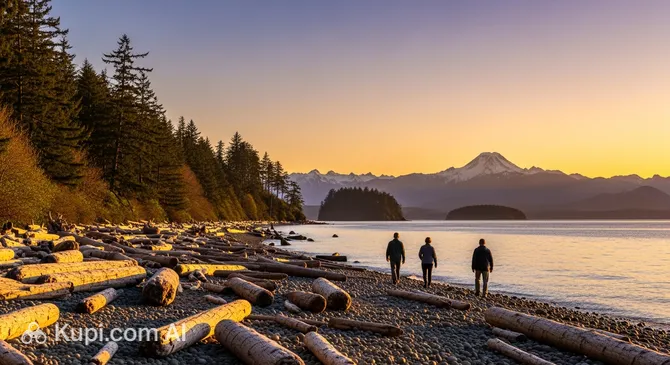
Port Williams. Source: Kupi.Binoculars

Port Williams is a serene and picturesque community located in Clallam County, Washington. Situated in the Pacific Northwest region of the United States, this coastal gem offers a quiet retreat for travelers seeking natural beauty and relaxation. Nestled along the shores of the Strait of Juan de Fuca, it is known for its sweeping water views and proximity to the majestic Olympic Mountains.

The area enjoys a unique microclimate often associated with the nearby city of Sequim, lying within the "rain shadow" of the Olympic range, which results in significantly less rainfall than other parts of western Washington. While it is a small, unincorporated community with a modest population, its charm lies in its tranquility and accessibility to the outdoors. Those interested in the local heritage can delve deeper into the history of Port Williams, which dates back to early settlement efforts and ambitious transportation projects on the peninsula.

Travelers visiting Port Williams often flock to the Marlyn Nelson County Park. This scenic spot provides excellent public beach access, making it a favorite destination for beachcombing, kayaking, and picnicking while watching ships navigate the strait. The park also offers spectacular views of Mount Baker on clear days. Whether you are passing through on a tour of the Olympic Peninsula or looking for a peaceful afternoon by the water, Port Williams welcomes you with its refreshing sea breeze and laid-back atmosphere.

Weather Overview

Planning a trip requires knowing what to expect from the elements, and the weather in Port Williams is generally defined by its temperate marine influence. The climate here is moderate, avoiding the extreme highs and lows found further inland, though the proximity to the water keeps the air cool and refreshing throughout the year.

The summer months of July and August are the warmest and driest, with average temperatures peaking around 16.8°C and daily highs reaching nearly 20°C. This is the best time for outdoor exploration, as these months typically see only about 8 wet days. Conversely, winters are cool and damp, with January and February averaging around 3°C. While the total rainfall volume is often low, precipitation is frequent, occurring on up to 21 days in December. Expect mild, comfortable summers with occasional cloud cover and cool, gray winters with frequent light rain.

Interesting Facts

Beyond its reputation as a scenic boat launch, Port Williams holds the echoes of a once-thriving settlement and unique meteorological phenomena. This quiet stretch of coastline was not always so serene; it was once the bustling heartbeat of the Dungeness Valley's commerce and transportation.

  • The Vanished Port City: In the late 19th century, Port Williams was a lively town and the primary gateway to the nearby city of Sequim. Before the railroad arrived in 1914, it served as a critical stop for the "Mosquito Fleet"—small steamers that ferried passengers and freight from Seattle. The area once boasted a hotel, a general store, and a post office, but after the train made sea travel less essential, the town faded away, leaving behind the peaceful park seen today.

  • A Hero's Namesake: The local recreation area is officially named Marlyn Nelson County Park, a title that has historically caused some confusion among visitors who assumed it was named after a local woman. In reality, the park honors Marlyn Wayne Nelson, a young sailor from Sequim who gave his life aboard the USS California during the attack on Pearl Harbor, making the site a poignant memorial to local sacrifice.

  • The Rain Shadow's "Bullseye": Meteorologists and locals often identify Port Williams as sitting in the absolute driest pocket of the famous Olympic Rain Shadow. Located just northeast of Sequim, this specific point on the coast frequently records less rainfall and more sunshine than areas only a few miles away, creating a distinct microclimate that often surprises first-time visitors.

  • Industrial Ambitions: During its boom years in the 1890s, the beach was briefly home to a brickyard operated by John Wilder. Builders utilized the local clay to manufacture bricks for the growing region, a stark contrast to the area's current use as a spot for beachcombing and nature observation.

How to Get There

Reaching this scenic community on the Olympic Peninsula requires a bit of planning, as there are no direct flights or trains into the town itself. Visitors typically arrive via major hubs in the surrounding region and complete the journey by car or shuttle. For a detailed breakdown of routes and transportation options, you can read more about how to get to Port Williams to help plan your trip.

The city of Port Williams does not have its own airport, but several regional options facilitate arrival. Paine Field (IATA: PAE) in Seattle is a relatively close option, located approximately 60.8 km away. For more extensive international connections, the Seattle-Tacoma International Airport (IATA: SEA) is the primary hub for the area, situated roughly 90.7 km from Port Williams. Travelers should be aware that the journey from these airports often involves a scenic ferry ride or a drive around the Puget Sound. Additionally, Victoria International Airport (IATA: YYJ) in Canada is about 67.4 km away, though utilizing this route requires a ferry crossing and border transit.

For clarity, here is a summary of the main airports in the vicinity:

Airport Name City Passenger Traffic Km from City
Seattle-Tacoma International AirportSeattleLarge90.7
Victoria International AirportVictoriaMedium67.4
Bellingham International AirportBellinghamMedium86.0
Paine FieldSeattleMedium60.8
Victoria Inner Harbour AirportVictoriaSmall43.7

For those preferring rail travel, please note that the city of Port Williams does not have a railway station. The rail options in the immediate vicinity are limited, and most visitors arriving by train disembark at major regional hubs before renting a car or taking a bus. The Vancouver Railway Station (IATA: XEA) is located approximately 130.9 km away in Canada, which serves as one of the nearest reference points for rail access in the broader region.

Below is the information for the nearest railway station listed:

Station City Passenger Traffic Km to Center
Vancouver Railway StationVancouverSmall130.9

Main Attractions

While Port Williams itself is a quiet residential community, it serves as a gateway to some of the Olympic Peninsula's most beloved natural features and family-friendly destinations. The area is defined by its stunning coastal geography and proximity to the agricultural richness of the Sequim-Dungeness Valley. Visitors here can enjoy a blend of serene beach days, wildlife encounters, and scenic hikes without venturing far from the water's edge.

The heart of the local experience is Marlyn Nelson County Park, often simply referred to as Port Williams Beach. This compact but scenic park offers direct access to the Strait of Juan de Fuca and is a prime location for beachcombing, where lucky visitors might find agates hidden among the stones. It features a saltwater boat launch popular with kayakers and fishermen, and the picnic areas provide a front-row seat to watch large ships passing through the channel. On clear days, the views of Mount Baker rising in the distance are truly spectacular, making it a perfect spot for photography and relaxation.

Just a short drive from the beach is the famous Olympic Game Farm, one of the region's most iconic attractions. Originally a holding facility for animal actors in Disney films, it has evolved into a drive-through wildlife park where visitors can see bison, elk, zebras, and the renowned "waving bears" from the comfort of their vehicles. It is an unforgettable experience for families, offering a rare chance to get up close to animals that are typically seen only from a distance. The farm also includes a walking tour area with a petting zoo and aquarium.

A few miles to the west lies the Dungeness National Wildlife Refuge, home to one of the world's longest natural sand spits. This slender strip of land curls roughly 5 miles out into the ocean, protecting a calm bay that is a haven for migratory birds and marine life. Hikers can trek along the sandy shoreline all the way to the historic New Dungeness Lighthouse, which has guided mariners since 1857. The refuge is a paradise for birdwatchers and nature lovers seeking solitude and the raw beauty of the Pacific Northwest coast.

The surrounding area is also known as the "Lavender Capital of North America," and a visit would not be complete without stopping at one of the many local lavender farms. during the summer bloom, the fields turn a vibrant purple and fill the air with a soothing fragrance. Farms such as Purple Haze or Jardine’s offer visitors the chance to walk through the rows of flowers, pick their own bouquets, and sample unique lavender-infused products like ice cream and essential oils, celebrating the region's unique agricultural heritage.

Local Cuisine

The culinary experience in Port Williams is deeply rooted in the natural bounty of the Olympic Peninsula and the fertile Dungeness Valley. While the community itself is a quiet residential area without a bustling restaurant district, it sits in the heart of a region famous for its fresh seafood and agricultural richness. Visitors here can expect a farm-to-table ethos where ingredients are often sourced just miles from the plate, offering a genuine taste of the Pacific Northwest.

Unsurprisingly, the star of the local menu is the world-renowned Dungeness crab. Named after the nearby town and sand spit, this sweet and tender crustacean is a must-try delicacy for any seafood lover visiting the coast. Whether served whole, in a rich crab bisque, or as a fresh crab cake, it represents the quintessential flavor of the region. Beyond crab, the local waters provide an abundance of Pacific oysters, clams, and wild-caught salmon, often prepared simply to highlight their natural freshness.

Because Port Williams is located within the "rain shadow" of the Olympic Mountains, the surrounding valley enjoys a unique climate perfect for growing berries and herbs. This area is celebrated as the "Lavender Capital of North America," and this floral influence extends into the local cuisine. It is common to find lavender-infused treats such as shortbread cookies, ice cream, and lemonade at local markets and farm stands. During the summer harvest, fresh strawberries, raspberries, and blueberries are also staples, often appearing in homemade pies and jams.

The food culture here is relaxed and informal, reflecting the laid-back coastal lifestyle. Since Port Williams is primarily a scenic destination, many visitors opt for an al fresco dining experience. A popular local tradition involves picking up fresh seafood or picnic supplies from a nearby market and enjoying a meal at Marlyn Nelson County Park, overlooking the Strait of Juan de Fuca. For a sit-down meal, locals typically head to the neighboring establishments in the valley that specialize in hearty American comfort food and fresh catches.

To accompany these meals, the beverage scene offers distinct local flavors. The Pacific Northwest is famous for its coffee culture, and you will find excellent roasted blends throughout the area. For something stronger, the region is home to several cideries and wineries that take advantage of the local apple orchards and fruit harvests. A glass of crisp, locally produced hard cider or a lavender-infused cocktail provides the perfect way to unwind after a day of beachcombing along the shore.

Travel Tips

Welcome to Port Williams! While this charming coastal community offers a peaceful escape from the hustle and bustle, a little preparation goes a long way in ensuring your visit is as relaxing as the scenery. To help you navigate the local nuances of this unique spot on the Olympic Peninsula, here are some essential practical tips for your journey.

  1. Dress for the Microclimate: Although Port Williams sits in the "rain shadow" and is drier than Seattle, the weather can still be unpredictable. The breeze off the Strait of Juan de Fuca is often cool, even in summer. Bring layers—a fleece jacket and a windbreaker are essential. Sturdy, closed-toe shoes are highly recommended for navigating the rocky, driftwood-scattered beaches.
  2. Transportation is Key: Public transportation does not service the residential areas or Marlyn Nelson County Park directly. To fully explore Port Williams and the surrounding Dungeness Valley, renting a car is virtually mandatory. While ride-hailing apps might operate in nearby Sequim, availability can be spotty for pick-ups in this quieter outlying area.
  3. Managing Your Finances: The currency is the US Dollar (USD). While credit and debit cards are widely accepted in the shops and restaurants of neighboring Sequim, it is wise to carry some cash. You may encounter local farm stands or small vendors in the countryside that prefer cash or operate on an honor system.
  4. Health and Safety: For medical needs, the nearest pharmacies and urgent care facilities are located in Sequim, just a short drive away. In an emergency, dial 911. When exploring the beach, always keep an eye on the water; the currents in the Strait can be strong, and the water is extremely cold year-round.
  5. Communication and Connectivity: The primary language is English. Mobile phone reception is generally reliable in the residential areas but can become patchy near the bluffs or down on the beach. It is a good idea to download offline maps if you plan on exploring the backroads of Clallam County.
  6. Local Etiquette: Port Williams is a tight-knit residential community as well as a visitor destination. Please respect private property; driveways and fences mark private land, and locals appreciate visitors who keep noise levels down. When on the beach, practice "Leave No Trace" principles to protect the pristine coastal environment.
  7. What to Avoid: Be mindful of tideland ownership. In Washington State, some tidelands are privately owned. Avoid walking onto clearly marked private beaches or climbing on bluffs, which can be unstable and are often private property. Also, avoid disturbing resting seals or birds on the shore; keep a respectful distance.
  8. Tide Table Awareness: Before heading down to the beach for a long walk, always check the local tide charts. At high tide, the walkable beach area at Marlyn Nelson County Park can shrink significantly, potentially trapping unwary hikers against the bluffs or driftwood logs.

By keeping these simple tips in mind, you are all set to enjoy the tranquility and natural splendor of Port Williams. Whether you are hunting for agates, watching the ships go by, or simply soaking in the fresh sea air, a well-planned trip will allow you to focus entirely on making great memories.

Entertainment & Nightlife

Travelers hoping to find a bustling district of neon lights and dance clubs directly within Port Williams will find the evenings here surprisingly, and perhaps delightfully, different. As a small, unincorporated residential community, Port Williams itself does not have a nightlife scene; when the sun sets, the area becomes quiet and dark, dedicated to the sounds of the waves and the wind. However, this does not mean visitors are left without options. For evening entertainment, locals and tourists alike make the short drive to the neighboring city of Sequim or the nearby tribal center in Blyn, where a variety of venues offer everything from live music to gaming.

The primary hub for late-night excitement in the immediate vicinity is the 7 Cedars Casino, located just a short drive east in Blyn. This is the closest thing to a comprehensive nightlife district for the area. Inside, visitors can find Club Seven, a venue known for hosting live bands, comedy shows, and DJ nights, providing a lively contrast to the sleepy coast. The atmosphere here is energetic but casual, attracting a mix of locals, tourists, and outdoor enthusiasts winding down after a day of hiking. It is one of the few places in the region that stays open late, offering a full bar and a vibrant social scene.

For a more relaxed evening, downtown Sequim offers several spots perfect for a glass of wine or a craft beer. Wind Rose Cellars is a local favorite, functioning as a wine bar and bistro that frequently hosts live music in an intimate setting. It is an ideal spot for couples or small groups looking for conversation and locally produced wines rather than a loud party. Similarly, the Peninsula Taproom provides a laid-back environment to sample regional ciders and ales. The dress code throughout the area is distinctly Pacific Northwest casual—jeans, flannel, and fleece are standard attire even for a night out.

When planning a night out from Port Williams, transportation is a critical consideration. There are no sidewalks or streetlights connecting the beach community to the commercial areas, and walking is not a safe or feasible option. Ride-sharing services can be scarce late at night, so having a designated driver or arranging a local taxi in advance is highly recommended. The roads are dark and unlit, and drivers should be vigilant for deer and elk, which are frequently active near the roadways after dusk.

While the nights are generally quiet, the region offers engaging cultural experiences during the day and early evening. The Olympic Theatre Arts Center in Sequim is a cornerstone of the local arts scene, staging high-quality plays and performances throughout the year. For those interested in history and local culture, the Sequim Museum & Arts provides a fascinating look into the heritage of the Dungeness Valley, making for a pleasant afternoon visit before heading out for dinner.

Parks & Museums

While Port Williams is a quiet, unincorporated community primarily defined by its residential nature and scenic coastline, it serves as a serene base for exploring the rich natural and cultural landscape of the Dungeness Valley. The area is celebrated for its accessible green spaces that showcase the beauty of the Olympic Peninsula, while the local history is preserved in institutions located just a few miles away in the neighboring city of Sequim.

Marlyn Nelson County Park is the definitive green space for Port Williams, acting as the community's front porch to the Strait of Juan de Fuca. Unlike manicured urban gardens, this park offers a rugged, authentic coastal experience. It features a saltwater boat launch that is heavily used by local fishermen and kayakers, along with picnic tables positioned to maximize views of the shipping lanes and the distant Mount Baker. It is an ideal spot for visitors who prefer the sound of waves over playground noise, offering a peaceful environment for beachcombing and storm watching.

Just a short drive inland, Railroad Bridge Park offers a different kind of natural immersion. Centered around a historic railroad trestle that spans the Dungeness River, this park is a favorite for walkers and cyclists utilizing the Olympic Discovery Trail. The bridge itself is an architectural highlight, providing a unique vantage point to view spawning salmon in the river below. The surrounding parkland includes well-maintained trails through riparian forests, making it a refreshing contrast to the open beaches of the coast.

For those interested in the region's heritage, the Sequim Museum & Arts is the primary cultural repository for the area. Located in nearby Sequim, this facility houses a diverse collection that ranges from the history of the local S'Klallam tribes to the early pioneer days of the Dungeness Valley. A standout exhibit features the "Manis Mastodon," highlighting an archaeological discovery that significantly altered the understanding of early human settlement in North America. It is a small but engaging stop that provides context to the landscape you see around Port Williams.

Adjacent to the trestle at Railroad Bridge Park lies the Dungeness River Nature Center. This facility functions as both a museum and an educational hub, focusing on the natural history and ecology of the Dungeness River watershed. Through interactive exhibits and taxidermy displays, visitors can learn about the local wildlife, including the birds, mammals, and fish that inhabit the river and the nearby strait. It is particularly interesting for families and nature enthusiasts wanting to understand the delicate ecosystems of the Olympic Peninsula.

A significant historical landmark in the vicinity is the New Dungeness Lighthouse. Located at the tip of the Dungeness Spit, it is one of the oldest lighthouses in the Northwest, having guided mariners since 1857. While reaching it requires a long hike along the sand, the structure itself is a testament to the maritime history that shaped settlements like Port Williams. The lighthouse is unique in that it is maintained by volunteer keepers who stay on-site, keeping the tradition of the light alive.

For a truly local experience, look for the smaller, seasonal lavender gardens that dot the roads leading into Port Williams. While not public parks in the traditional sense, many of these family-owned farms open their gates to visitors, allowing them to stroll through rows of blooming purple flowers with the Olympic Mountains as a backdrop. These gardens reflect the area's agricultural heritage and offer a sensory experience that is distinct to this "rain shadow" microclimate.

Getting Around

Public transport in Port Williams is quite limited due to its status as a small, unincorporated community on the coast. There is no metro, tram, or complex urban rail network here. Instead, the area relies entirely on the Clallam Transit System (CTS), which provides bus service throughout the wider county. Visitors should be aware that direct fixed-route service does not typically extend into the quiet residential streets or down to the beach park of Port Williams itself; the nearest bus stops are generally located in the neighboring city of Sequim or along the main highway corridors.

The backbone of the regional transport is the bus network that connects communities such as Sequim, Port Angeles, and Forks. While you will not find trolleybuses or subways, the Strait Shot (Route 123) is a vital regional bus service that connects the area to the Bainbridge Island Ferry terminal, providing a direct link for those arriving from across the sound. For local travel within the immediate vicinity of the Dungeness Valley, the bus service is reliable but operates with less frequency than in major metropolitan areas.

Regarding payment, the system is modernized and tourist-friendly. Clallam Transit has implemented fare structures that are highly affordable, and at times, local fixed-route services have been offered fare-free under special initiatives. It is recommended to check the current policy upon arrival. For regional routes like the Strait Shot which do require a fare, you can pay with exact cash on the bus. However, the most convenient option is to use the Token Transit mobile app, which allows you to purchase digital tickets and passes instantly on your smartphone, eliminating the need to carry coins.

For tourists planning to use public transit, practical planning is essential. Buses do not run 24 hours a day, and service is often reduced on weekends and holidays. Since Port Williams is located a few miles away from the primary bus routes, you should not rely solely on the bus for door-to-door transport. Always check the latest schedules online or via transit apps before heading out, and be mindful that missing the last connection of the day can be problematic in this semi-rural setting.

Given the dispersed nature of the attractions, alternatives to public transport are often the preferred choice for visitors. Renting a car is by far the most efficient way to explore the local beaches, lavender farms, and parks at your own pace without being tethered to a bus schedule. Taxis and ride-sharing apps are available but can have longer wait times and limited availability compared to big cities. Additionally, the area is renowned for cycling, with the Olympic Discovery Trail offering a scenic, car-free route for those who prefer to travel on two wheels, though this is generally more for recreation than practical commuting.

Accommodation

Finding a place to stay in Port Williams is less about choosing between major hotel chains and more about selecting the perfect vacation home or cozy retreat. As a small, unincorporated community, the area does not feature large resorts or high-rise hotels directly within its boundaries. Instead, the accommodation landscape is dominated by vacation rentals, private cottages, and bed-and-breakfast style lodgings that capitalize on the stunning views of the Strait of Juan de Fuca.

For those seeking traditional hotel amenities, the most convenient strategy is to look just a few miles inland toward the city of Sequim. Here, travelers can find a wider variety of options ranging from budget-friendly motels to mid-range hotels that offer swimming pools and complimentary breakfasts. Staying in Sequim provides easy access to local shops and restaurants while keeping Port Williams and its beach just a short drive away, offering the best of both worlds.

If you prefer to stay directly in Port Williams, look for properties situated along the waterfront or on the bluffs overlooking the water. These rentals often offer direct beach access and panoramic views of the shipping lanes, making them highly desirable for those looking for solitude and nature. Prices for these waterfront homes typically fall into the mid-to-high range, reflecting their premium location and privacy, while more affordable options can often be found slightly further inland.

Booking Tip: Because the inventory of rentals in the immediate Port Williams area is limited, it is highly recommended to book well in advance. This is especially important if you plan to visit during the peak summer season, particularly around the famous Sequim Lavender Weekend in July, when accommodations across the entire Dungeness Valley fill up quickly. Most stays here are secured through major online booking platforms, which offer the easiest way to compare amenities and check availability.

Nearby Cities

For those looking to explore the surroundings, Port Williams serves as an excellent base for day trips to several interesting nearby locations. The region offers a diverse array of experiences, from quiet island life to bustling urban centers.

Whidbey Island is a standout destination located just across the water. Accessible via a scenic ferry ride or a drive through Deception Pass, this long, winding island offers a perfect mix of history and nature. Visitors can explore the historic waterfront of Coupeville, hike along the rugged bluffs of Ebey’s Landing, or simply enjoy the artistic community and local shops in Langley. It provides a peaceful, rural contrast to the mainland.

For a taste of charming seaside life, Edmonds is a delightful choice. Known for its walkable downtown and stunning views of the Olympic Mountains across the Puget Sound, this town features a vibrant arts scene and a popular marina. It is an excellent spot to enjoy a waterfront lunch, browse through unique boutiques, or relax at the beach parks before heading back to the quiet of Port Williams.

Everett offers a more urban experience with a focus on industrial history and waterfront recreation. Aviation enthusiasts will appreciate the proximity to the Boeing Future of Flight, while the city's revitalized marina area provides ample opportunities for dining and strolling. It serves as a dynamic hub connecting the coast to the urban corridor of the region.

City Population Distance (km)
Whidbey Island 78532 47
Edmonds 42622 59
Lynnwood 38812 63
Everett 110438 64

These nearby destinations offer a glimpse into the diverse culture and landscapes of the region, making them well worth the short journey.

Shopping & Souvenirs

As a small, unincorporated residential community, Port Williams is not a destination for high-end retail therapy or sprawling shopping complexes. The charm of shopping here lies in its rural authenticity rather than commercial abundance. Visitors will not find department stores or fashion boutiques within the immediate vicinity of the beach. Instead, the local shopping experience is defined by seasonal roadside stands, family-run farms, and the unique agricultural offerings of the Dungeness Valley. For a more traditional retail experience, travelers typically make the short drive to the neighboring city of Sequim.

The primary commercial hub for the area is Downtown Sequim, specifically along Washington Street. Located just a few miles from Port Williams, this walkable district offers a pleasant mix of independent shops that cater to both locals and tourists. Here, you can browse through charming bookstores, antique shops, and outdoor outfitters stocking gear for Olympic Peninsula adventures. The area has a friendly, small-town vibe where shop owners often chat with customers, making it a stark contrast to impersonal big-city shopping districts.

There are no shopping malls within Port Williams itself. The closest large-scale retail centers are located in Sequim, but even these are strip malls rather than enclosed shopping centers. The Sequim Village Shopping Center and similar developments along the highway provide access to major grocery chains, pharmacies, and big-box retailers for essential supplies. For a full-fledged mall experience with national fashion brands, visitors would need to travel significantly further to Silverdale or cross the water to the Seattle area.

The highlight of the local shopping scene is undoubtedly the Sequim Farmers & Artisans Market. Held on Saturdays from May through October in downtown Sequim, this market is a vibrant showcase of the region's bounty. It is an excellent place to find fresh, locally grown produce, handcrafted jewelry, and artisan woodwork. Given the area's agricultural heritage, this market serves as a community gathering spot where you can buy directly from the growers and makers who call the Dungeness Valley home.

When it comes to souvenirs, the region's identity as the "Lavender Capital of North America" offers the most iconic options. Lavender products are the quintessential keepsake from a trip to Port Williams and its surroundings. Visitors can purchase essential oils, dried bundles, culinary lavender, and even lavender-infused bath products from the many farms that dot the landscape. Other popular items include locally produced wine, Native American art reflecting the heritage of the Jamestown S'Klallam Tribe, and smoked salmon, which captures the flavor of the Pacific Northwest.

Store opening hours in the nearby commercial areas generally follow standard American schedules. Most independent shops in downtown Sequim open around 10:00 AM and close by 5:00 PM or 6:00 PM. Large supermarkets and chain stores often stay open later, sometimes until 10:00 PM. Credit and debit cards are widely accepted almost everywhere, including most stalls at the farmers market. However, if you plan to stop at small, unattended roadside farm stands for fresh eggs or flowers, it is wise to carry small bills, as some still operate on a cash-only "honor system."

Travelers should be aware that the United States does not have a Value Added Tax (VAT) refund system for international tourists like those found in many European countries. In Washington State, a sales tax is added to the advertised price of most goods at the register. There is no mechanism to claim this tax back at the airport upon departure, so the price you pay at the counter is final.
Reached the end of the page?

That means the route is fully explored