Support

Campbell River

About

Nestled on the east coast of Vancouver Island, Campbell River is a vibrant destination often celebrated as the "Salmon Capital of the World." This charming city offers a perfect blend of rugged wilderness and modern amenities, making it a top choice for nature lovers and adventure seekers alike. With a population of approximately 36,000, it maintains a friendly, small-town atmosphere while serving as a major hub for the northern part of the island.

Geographically, the city is situated along the Discovery Passage, offering stunning waterfront views and easy access to the surrounding islands. Visitors traveling to Canada will find the region's mild coastal climate ideal for year-round exploration, whether it is summer hiking or winter storm watching.

Campbell River. Source: Kupi.Binoculars

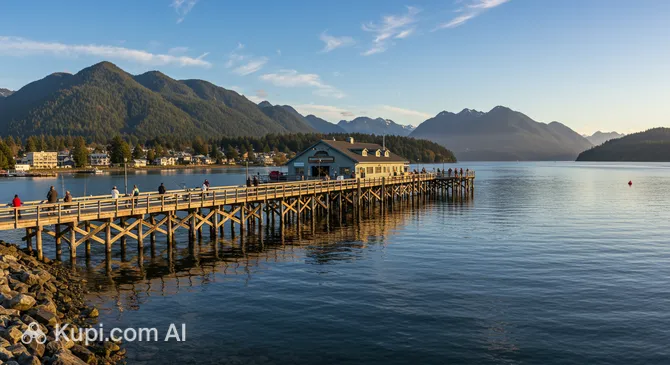
The history of Campbell River is deeply rooted in the forestry and fishing industries, which have shaped its cultural identity over the decades. Today, the city has evolved into a premier ecotourism hotspot. One of the most iconic attractions is the Elk Falls Suspension Bridge, where visitors can marvel at thundering waterfalls and old-growth forests from a breathtaking height. The Discovery Fishing Pier is another local favorite, perfect for a leisurely stroll, grabbing an ice cream, or casting a line into the rich waters.

Whether you are looking to spot majestic whales, hike through lush trails, or simply relax by the ocean, Campbell River promises an unforgettable experience. It is an inviting gateway to the wild beauty of British Columbia that should not be missed.

Weather Overview

The climate in this region is generally mild and temperate, influenced significantly by its coastal location. For travelers planning outdoor adventures, understanding the weather in Campbell River is key to a comfortable trip. The area experiences distinct seasonal changes, though extreme temperatures are rare compared to the interior of the country.

Summers are widely considered the best time to visit, particularly July and August. During these months, average temperatures hover around 18.5°C to 18.9°C, with daytime highs often reaching a pleasant 24.2°C. This is also the driest period of the year, although you can still expect about 9 to 10 wet days per month, so packing a light layer is always a good idea.

In contrast, the winter months bring cooler temperatures and frequent precipitation. January is typically the dampest time with approximately 23 wet days, while average temperatures stay around 2.4°C, rarely dropping significantly below freezing. Expect warm, enjoyable summers ideal for exploring nature, and cool, damp winters that call for waterproof gear.

Interesting Facts

Beyond the main attractions, Campbell River holds many fascinating secrets that reveal its adventurous spirit and rich heritage. From record-breaking engineering feats to unique local traditions, here are some intriguing details about the city.
  • In 1958, the waters near the city witnessed a historic event known as the Ripple Rock explosion. To clear a treacherous underwater hazard in the Seymour Narrows that had sunk over 100 ships, engineers orchestrated the largest non-nuclear man-made explosion in history at the time, obliterating the rock with 1,270 metric tons of explosives.

  • The city is home to the legendary Tyee Club, which has maintained strict fishing traditions since 1924. To become a member, an angler must catch a "Tyee" salmon—a Chinook weighing 30 pounds or more—while rowing a boat and using light tackle, strictly prohibiting the use of motors.

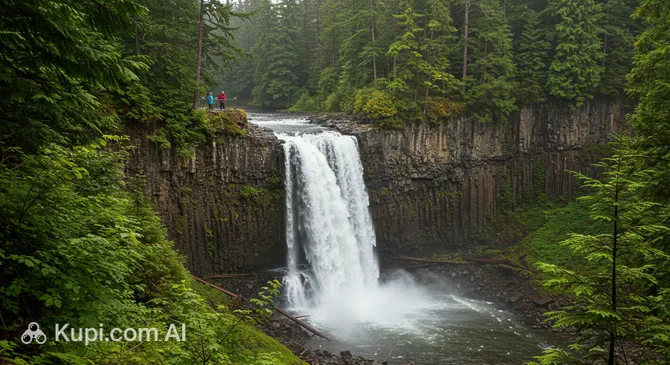
  • Nature enthusiasts can explore Elk Falls Provincial Park, which features a stunning 25-meter waterfall. The park also boasts a suspension bridge that hangs 60 meters above the canyon, providing a thrilling vantage point of the falls and the surrounding old-growth Douglas fir forest.

  • Campbell River was the chosen home of Sybil Andrews, an internationally acclaimed artist known for her linocuts. Her historic oceanfront cottage has been preserved as a heritage site, allowing visitors to see where she lived and worked for many years.

Elk Falls Provincial Park. Source: Kupi.Binoculars

How to Get There

Reaching this scenic destination on Vancouver Island is part of the adventure, with several convenient options available for travelers. Whether you prefer flying directly into the region or taking a scenic drive from a major hub, you can find more about how to get to Campbell River and plan your perfect route.

The most direct way to arrive is via the Campbell River Airport (IATA: YBL), which is located within the city limits, just 9.2 km from the center. This small regional hub welcomes visitors year-round, and the short drive to downtown typically takes about 15 minutes. For a wider range of flight schedules, many tourists opt for Comox Airport (IATA: YQQ) in the nearby city of Comox. Situated about 45.4 km away, it serves as a significant gateway to the area, with a travel time of approximately 45 minutes to Campbell River by car. Additionally, Nanaimo Airport (IATA: YCD) in Nanaimo offers another alternative, located 149 km south, which translates to a scenic drive of roughly 1.5 to 2 hours.

For clarity, here is a summary of the main airports:

Airport Name City Passenger Traffic Km from City
Comox AirportComoxMedium45.4
Nanaimo AirportNanaimoMedium149.0
Campbell River AirportCampbell RiverSmall9.2
Port Hardy AirportPort HardySmall165.5
Nanaimo HarbourNanaimoSmall136.3

Rail travel is not a direct option for reaching this specific destination. The city of Campbell River does not have a railway station, but you can arrive at the Vancouver Railway Station (IATA: XEA) in the city of Vancouver, which is about 178.3 km away. From there, the journey requires a combination of ground transport and a ferry crossing to Vancouver Island, taking nearly 5 hours in total.

Below is the information regarding the nearest railway station:

Station City Passenger Traffic Km to Center
Vancouver Railway StationVancouverMedium178.3

Main Attractions

Campbell River offers a delightful mix of breathtaking natural wonders and welcoming local establishments where visitors can unwind. From cascading waterfalls to cozy waterfront dining, the city provides a well-rounded experience for travelers exploring Vancouver Island.

One of the absolute must-visit locations is Elk Falls Provincial Park. Just a short drive from the city center, this park is renowned for its spectacular 25-meter waterfall and the extensive network of trails that wind through towering old-growth forests. A highlight for many is the suspension bridge, which offers a thrilling perspective of the falls and the canyon below, making it a perfect spot for photography and immersing oneself in nature.

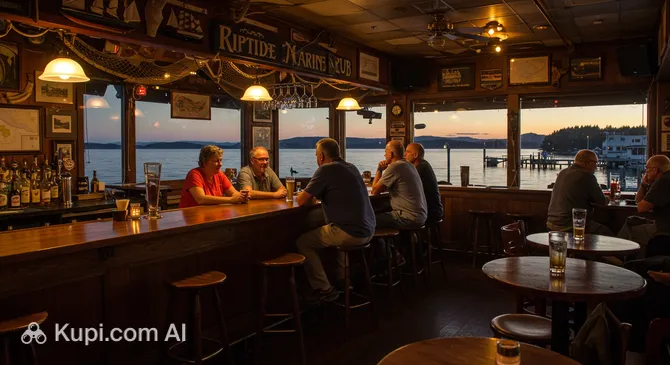
Riptide Marine Pub. Source: Kupi.Binoculars

After a day of hiking and exploration, visitors often head to the Riptide Marine Pub to relax. Situated by the water, this establishment is popular for its seafood dishes and pub-style favorites. It offers a laid-back atmosphere where guests can enjoy a meal while taking in views of the marina and the Discovery Passage, often spotting marine life or passing boats from the comfort of their table.

For those looking for a hearty meal to start the day or refuel in the afternoon, All Day Grill Campbell River is another notable stop. Known for its diverse menu and friendly service, this spot caters to a variety of tastes, offering everything from classic breakfasts to savory dinner options. It serves as a convenient and comfortable dining choice for families and solo travelers alike during their stay in the city.

Local Cuisine

As the "Salmon Capital of the World," the culinary identity of Campbell River is deeply connected to the ocean. The local food culture is unpretentious and authentic, prioritizing freshness over formality. Visitors will find that dining here is often a relaxed affair, where the stunning views of the Discovery Passage are as much a part of the meal as the food itself. From casual dockside shacks to comfortable family restaurants, the city offers a welcoming atmosphere where seafood is the undisputed star.

The signature dish of the region is, without a doubt, Pacific salmon. It is prepared in countless ways, including cedar-plank grilled, hot-smoked, or cured into sweet and savory "candied" salmon strips, which make for a perfect hiking snack. Beyond salmon, the cold coastal waters provide a bounty of shellfish. Travelers should not miss the chance to try fresh spot prawns, Dungeness crab, or oysters, often harvested from nearby waters. For a quintessential British Columbian experience, a basket of golden, crispy fish and chips enjoyed by the waterfront is a must.

All Day Grill Campbell River. Source: Kupi.Binoculars

For those with a sweet tooth, the legendary Nanaimo Bar is a regional staple found in many local cafes and bakeries. Originating from the nearby city of Nanaimo, this no-bake dessert features three delicious layers: a nutty wafer crumb base, a custard-flavored butter icing middle, and a rich chocolate ganache top. It is the perfect treat to pair with a locally roasted coffee, as the coffee culture on Vancouver Island is thriving and serves as a warm comfort on misty coastal mornings.

When it comes to drinks, the local craft beer scene is vibrant and growing. Microbreweries in the area often create ales and lagers inspired by the rugged wilderness, making them a popular choice for unwinding after a day of fishing or hiking. For a reliable meal in a friendly setting, visitors can stop by the All Day Grill Campbell River. Establishments like this reflect the city's hospitality, offering a diverse menu that caters to hearty appetites and provides a comfortable space to refuel during your travels.

Travel Tips

Welcome to the adventure hub of Vancouver Island! To ensure your journey through Campbell River is as smooth as it is scenic, here are some practical travel tips to keep in mind.

  1. Clothing and Gear: The coastal climate can be unpredictable, so the "layering system" is your best friend. Even in summer, evenings by the water can be cool, so bring a warm sweater. A high-quality waterproof jacket and sturdy, comfortable hiking boots are essential year-round, as the region's lush rainforests are best explored on foot, regardless of a little drizzle.
  2. Transportation: While there is a local bus system, it is designed more for daily commuting than sightseeing. To truly experience the surrounding wilderness, waterfalls, and provincial parks, renting a car is highly recommended. Taxis are available, but ride-hailing services may be less frequent here than in major metropolitan areas.
  3. Finances: The local currency is the Canadian Dollar (CAD). Credit and debit cards are widely accepted at hotels, restaurants, and most shops. However, it is wise to carry some cash for smaller purchases at farmers' markets or for tipping, which is customarily 15-20% for good service in restaurants and taxis.
  4. Health and Safety: Campbell River is a safe community, but remember you are on the edge of the wilderness. Pharmacies are readily available in the city center for minor health needs. The most important safety rule involves wildlife: be "bear aware," keep a safe distance from all animals, and never feed them.
  5. Communication: English is the primary language spoken. Major mobile networks provide good coverage within the city and along the main highways, but expect signals to drop if you venture deep into the backcountry or along remote logging roads. It is a good idea to download offline maps before heading out on long excursions.
  6. Local Etiquette: The atmosphere here is laid-back and friendly. It is common to exchange a smile or a "hello" with passersby on hiking trails. Respect for nature is paramount; locals take pride in their environment, so always follow "Leave No Trace" principles by packing out whatever you pack in.
  7. What to Avoid: Do not underestimate the tides if you are exploring beaches or fishing. The currents in the Discovery Passage are powerful and fast-changing. Additionally, avoid leaving any food or scented items visible in your car, especially overnight, as this can attract bears.
  8. Local Insight: If you plan to fish, ensure you have the correct tidal or freshwater fishing license, as regulations are strictly enforced to protect the salmon stocks. Also, be aware that many local shops may close earlier than in big cities, often around 5:00 PM or 6:00 PM.

With these tips in hand, you are all set to embrace the rugged beauty and warm hospitality of this coastal gem. Enjoy your stay in the spectacular surroundings of Campbell River!

Entertainment & Nightlife

Nightlife in Campbell River is less about thumping bass and neon lights and more about cozy, convivial gatherings that celebrate the day's adventures. The city’s evening entertainment scene reflects its laid-back, outdoorsy character. Visitors will find a selection of welcoming pubs, waterfront lounges, and casual eateries where the atmosphere is warm and the dress code is decidedly relaxed. The primary hub for evening activity is concentrated along the South Island Highway and the downtown waterfront area, where you can enjoy a drink with a view of the Discovery Passage.

For those looking to unwind with a pint and some local flavor, the Riptide Marine Pub is a standout choice. Located right by the marina, it offers a classic West Coast pub experience. It is the perfect spot to mingle with locals and fellow travelers, swapping stories of the "big catch" while enjoying the maritime scenery. The vibe here is unpretentious and friendly, making it an ideal destination for a low-key night out rather than a high-energy party.

Another reliable option for evening relaxation is the All Day Grill Campbell River. While it serves as a dining spot throughout the day, in the evening, it provides a comfortable setting for a late meal or a casual drink. The venue is known for its accommodating service and diverse menu, catering to those who want a quiet place to chat and recharge without the noise of a crowded club.

Practicalities are important when planning a night out here. Most bars and pubs tend to wind down earlier than in larger cities, with many closing around 11:00 PM or midnight, though some may stay open a bit later on weekends. Prices are generally moderate and accessible. In terms of safety, the downtown area is generally safe for walking in the early evening, but as the streets can get quite quiet and dark later at night, booking a local taxi is the recommended way to get back to your accommodation safely.

Before the sun sets, the city offers plenty of daytime entertainment to fill your schedule. Culture enthusiasts can visit the Museum at Campbell River to learn about the region's rich history and First Nations culture. Meanwhile, nature lovers should not miss Elk Falls Provincial Park. This spectacular natural attraction features thundering waterfalls and suspension bridges, providing a thrilling contrast to the calm, relaxing evenings you will spend in town.

Parks & Museums

Campbell River is a destination where the boundaries between civilization and the wilderness blur beautifully. The city offers an impressive array of green spaces that showcase the raw power of nature, complemented by cultural institutions that preserve the rich stories of the people who have called this coast home for millennia.

For nature enthusiasts, Elk Falls Provincial Park is the crown jewel of the region's outdoor offerings. Located just a short drive from the city center, this park is famous for its thundering waterfall and the suspension bridge that offers a dizzying view into the canyon. Beyond the main attraction, the park features kilometers of trails winding through a magnificent old-growth forest of Douglas firs, providing a serene escape for hikers of all skill levels.

Another beloved outdoor space is Rotary Beach Park, which serves as a central gathering point for locals and visitors. It is famous for the "Seawalk," a paved waterfront path that stretches for kilometers along the shoreline. This park is perfect for a relaxing afternoon picnic, beachcombing, or simply watching the cruise ships and fishing boats navigate the Discovery Passage. In the summer, the sandy beach is a popular spot for families to cool off.

To understand the cultural fabric of the region, a visit to the Museum at Campbell River is essential. This highly rated facility offers immersive exhibits that cover the history of the Kwakwaka'wakw people, the early days of logging and fishing, and the devastating Ripple Rock explosion. The museum is renowned for its storytelling approach, allowing visitors to step into the past through interactive displays and film footage.

Art lovers should head to the Campbell River Art Gallery, located in the heart of downtown. As the sole public art gallery in the North Island region, it focuses on contemporary art with a special emphasis on professional exhibitions that challenge and inspire. The gallery frequently features works by local and national artists, offering a modern contrast to the historical focus of other local institutions.

A significant historical landmark in the city is the Maritime Heritage Centre. This facility is the resting place of the BCP45, a historic seine fishing boat that was famously depicted on the Canadian five-dollar bill for many years. The center celebrates the maritime history of the West Coast and serves as a tribute to the fishing industry that built the community.

For a unique cultural touch, look for the Torii Gate in Sequoia Park. This beautiful structure was a gift from Campbell River's sister city, Ishikari, Japan, and stands as a symbol of friendship and international connection. It offers a tranquil spot for reflection with a commanding view of the ocean.

An insider tip for those seeking a quieter nature experience is to explore the Beaver Lodge Forest Lands. This extensive network of trails was gifted to the province for experimental forestry and recreational use. It is a favorite among local runners, cyclists, and dog walkers, offering a lush, green labyrinth that feels miles away from the city, despite being right on its doorstep.

Getting Around

The public transport system in Campbell River is primarily composed of a bus network operated by BC Transit. As a smaller city, it does not have a metro, tram, or trolleybus system. Instead, the bus service is designed to connect the downtown core with key neighborhoods such as Willow Point, Campbellton, and the Oyster River area. The buses are clean, reliable, and offer a convenient way to travel between major shopping centers, recreational facilities, and the ferry terminal.

Paying for your ride is straightforward and affordable. You can pay with exact cash coin fare upon boarding, as drivers do not carry change. For added convenience, the system has adopted modern payment methods, including the Umo mobility app and reloadable cards, which allow for contactless payment. If you plan to travel frequently, purchasing a DayPASS or a sheet of ten tickets from local vendors—such as grocery stores, pharmacies, or the Community Centre—can offer significant savings compared to paying for single rides.

For tourists relying on the bus, planning ahead is essential. Service frequency is highest on weekdays during business hours but becomes more limited on weekends and holidays. Most routes stop running in the early evening, so it is important to check the latest schedules via the official website or a navigation app to avoid getting stuck. When boarding, simply tap your card or phone, or drop your coins into the fare box to validate your ride.

While the bus system covers the main urban areas, alternatives are often necessary for exploring the surrounding wilderness or traveling late at night. Taxis are a reliable option and can be easily booked by phone, serving as the primary mode of transport after bus hours. Renting a car remains the most popular choice for visitors who wish to visit distant hiking trails or waterfalls at their own pace. Additionally, cycling is a favorite local activity; the flat, paved Rotary Seawalk offers a scenic and practical route for bikers along the waterfront.

A unique feature of the local transport landscape is the ferry service connecting the city to the nearby islands. The terminal serves as a gateway to Quadra Island, with ferries departing regularly throughout the day. This short, 10-minute crossing is not only a vital commuter link but also a scenic experience in itself, offering passengers stunning views of the Discovery Passage and the chance to spot marine wildlife during the transit.

Accommodation

Finding the perfect place to stay in Campbell River is straightforward, as the city offers a diverse range of accommodation options to suit various travel styles and budgets. Visitors can choose from familiar chain hotels, charming bed and breakfasts, and classic roadside motels. Given the city's reputation as a world-class fishing destination, there is also a strong presence of specialized fishing lodges and upscale waterfront resorts that cater to anglers and those seeking a more luxurious retreat.

When selecting a location, the downtown area is a convenient choice for those who want to be within walking distance of shops, restaurants, and the ferry terminal to Quadra Island. Staying here places you right in the heart of the community. Alternatively, the South Island Highway, which runs along the coast south of the city center, is lined with numerous hotels and motels. This area is particularly popular for its stunning, unobstructed views of the Discovery Passage, allowing guests to watch cruise ships and marine wildlife right from their balconies.

Prices in Campbell River can vary significantly depending on the season and the type of experience you are looking for. Budget-conscious travelers will find affordable motels and campgrounds, while mid-range hotels offer standard comfort at reasonable rates. On the higher end, exclusive fishing lodges providing all-inclusive packages command premium prices. Regardless of your choice, it is highly recommended to book well in advance, especially if you plan to visit during the peak summer months of July and August, when the salmon fishing season attracts visitors from around the globe.

Nearby Cities

For those looking to explore the surroundings, Campbell River serves as an excellent base for day trips to several interesting nearby locations.

Just a short drive south lies Courtenay, the urban center of the Comox Valley. It is a fantastic destination for culture and history enthusiasts, boasting a vibrant downtown filled with boutique shops and the renowned Courtenay and District Museum, which features fascinating fossil exhibits. Further south, Port Alberni offers a glimpse into the island's industrial heritage and serves as a gateway to the rugged west coast. Known for its rich fishing history and proximity to the majestic old-growth forests of Cathedral Grove, it is a haven for outdoor lovers. For a more bustling atmosphere, Nanaimo, the "Harbour City," provides a mix of historic sites like the Bastion, a lively waterfront, and the chance to taste the authentic, world-famous Nanaimo Bar dessert right where it originated.

City Population Distance (km)
Nanaimo90504136
West Vancouver42473171
Courtenay2559944
Squamish19512157
Port Alberni1767895

These nearby destinations offer a glimpse into the diverse culture and landscapes of the region, providing travelers with ample opportunities to extend their adventure beyond the city limits.

Shopping & Souvenirs

Campbell River offers a relaxed and authentic shopping experience that mirrors its laid-back coastal lifestyle. While you will not find sprawling luxury avenues or massive mega-malls, the city provides a delightful mix of essential services, big-box retailers, and charming locally-owned boutiques. The shopping scene is particularly strong in outdoor gear, reflecting the region's focus on adventure, as well as in galleries showcasing exquisite regional art.

The heart of the city's retail activity is found in the Downtown core, particularly along Shoppers Row and the surrounding streets. This walkable district is lined with an array of specialty shops, independent bookstores, and cozy cafes, making it a pleasant place to stroll and browse. Further south along the coast, the Willow Point neighborhood offers a distinct "village by the sea" atmosphere. Here, visitors can explore unique fashion boutiques, gift shops, and home decor stores while enjoying views of the ocean just steps away.

For a more concentrated shopping experience, Discovery Harbour Shopping Centre is the primary destination. Located conveniently near the waterfront and the marina, this open-air complex features a blend of major national retailers, grocery stores, and smaller service shops. It is the go-to spot for travelers needing to restock on supplies, purchase camping equipment, or find everyday essentials before heading out on an excursion.

During the warmer months, the Pier Street Farmers Market is a beloved Sunday tradition that draws both locals and tourists. Held near the waterfront from May to September, this lively market features dozens of vendors selling fresh local produce, home-baked goods, and handcrafted items. It is an excellent place to connect with the community, listen to live music, and find unique, artisan-made treasures that you won't see in regular stores.

When looking for the perfect memento, the city's reputation as the "Salmon Capital of the World" makes smoked salmon or candied salmon an iconic gift to bring home. The region is also rich in Indigenous culture, so look for authentic First Nations art, including hand-carved masks, prints, and silver jewelry, often found in local galleries and gift shops. Additionally, locally made pottery and apparel branded with Vancouver Island motifs make for memorable keepsakes.

Most shops in Campbell River operate from approximately 9:30 AM or 10:00 AM to 5:30 PM on weekdays and Saturdays. On Sundays, many smaller boutiques in the downtown area and Willow Point may close or operate with reduced hours, typically from 11:00 AM to 4:00 PM. However, major supermarkets and chain stores in the shopping centers usually stay open later, often until 9:00 PM. Credit and debit cards are universally accepted, though carrying a small amount of cash is recommended for the farmers market.

Visitors should be aware that Canada does not currently offer a general Goods and Services Tax (GST) refund program for international tourists on the purchase of goods. In British Columbia, a combination of the 5% GST and 7% Provincial Sales Tax (PST) is added to most transactions at the register. Travelers should budget accordingly, as the displayed price on the shelf rarely includes these taxes.
Reached the end of the page?

That means the route is fully explored