Support

Tofino

About

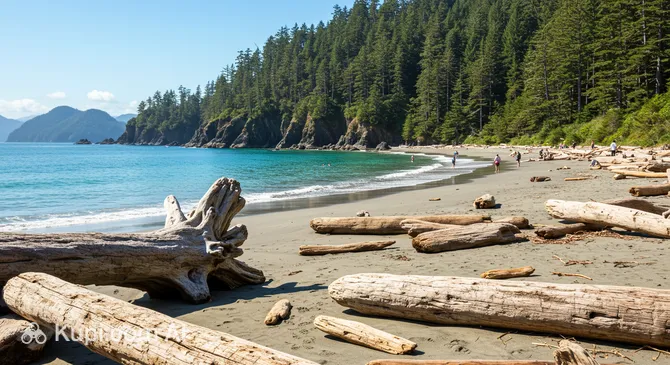
Tofino is a mesmerizing destination located on the rugged west coast of Vancouver Island in Canada. Known for its wild natural beauty, this small district sits on the edge of the Clayoquot Sound, offering breathtaking views of the Pacific Ocean and a serene atmosphere that captivates visitors from around the globe.

Tofino. Source: Kupi.Binoculars

Despite its modest population of approximately 2,040 residents, the town buzzes with energy, attracting nature lovers and adventure seekers year-round. The area has deep roots, and visitors can delve into the history of Tofino to understand its transformation from a remote fishing village and its significance to the Tla-o-qui-aht First Nation into a world-renowned eco-tourism hub.

The town is widely celebrated as the surf capital of the country, boasting miles of sandy beaches like Long Beach within the Pacific Rim National Park Reserve. Beyond the waves, travelers can explore ancient temperate rainforests, go storm watching during the winter months, or embark on whale-watching tours to see the majestic marine life that inhabits these waters.

Whether you are looking to catch a wave, hike through lush trails, or simply relax by the ocean, Tofino provides an unforgettable escape into the wild. It is a perfect spot to disconnect from the hustle of daily life and immerse yourself in the serenity of nature.

Weather Overview

The weather in Tofino is defined by its temperate coastal climate, which ensures mild temperatures year-round without extreme heat or cold. Due to its location on the Pacific coast, the area experiences a distinct rhythm of seasons that influences the local lifestyle and tourism activities.

Summer is the most popular time to visit, particularly from July to August, when the days are warmest and driest. During this period, average temperatures hover around 15°C to 16°C, with daily highs reaching up to 18.7°C. Rainfall is minimal, with only about 6 wet days per month, making it perfect for surfing and hiking.

In contrast, the winter months bring the famous storms that captivate many visitors. From November to January, the region sees significant precipitation, with January experiencing approximately 23 wet days. Temperatures remain cool but rarely freezing, averaging between 4°C and 5°C.

Spring and autumn offer a mix of conditions, with gradually shifting temperatures and moderate rainfall. Overall, expect mild, relatively dry summers ideal for outdoor adventures and cool, wet winters that create a dramatic atmosphere along the coast.

Interesting Facts

Beyond its reputation as a surfing paradise, Tofino holds many fascinating secrets and unique cultural quirks that surprise visitors. This small district is not just a gateway to nature but a place with a distinct personality, defined by its history, community values, and even its role in Hollywood.
  • A Name from Afar: Despite its location in the Canadian wilderness, the town bears a Spanish name. It was christened in 1792 by explorers Galiano and Valdés to honor Rear Admiral Vicente Tofiño de San Miguel. Interestingly, the admiral was a cartography teacher who never actually set foot in the Americas, let alone the town that bears his name.

  • Franchise-Free Zone: You will not find the famous "Golden Arches" or other major fast-food giants here. The community is fiercely independent and has effectively banned big franchises to preserve its local character. Instead of standard drive-thrus, visitors enjoy fresh, locally sourced meals at unique independent spots like Bravocados.

  • Vampire Territory: The moody, mist-covered coastline served as a dramatic backdrop for The Twilight Saga: New Moon. Fans of the franchise can visit Incinerator Rock and South Beach, where pivotal scenes featuring Jacob and Bella were filmed, capturing the wild essence of the Pacific Northwest.

  • The End of the Road: Tofino marks the literal end of the paved road on the west coast of Vancouver Island. A sign near the First Street Dock commemorates the "Pacific Terminus" of the Trans-Canada Highway, offering a symbolic finish line for travelers who have crossed the continent.

  • Hidden Sands: While Long Beach attracts the crowds, the town hides secluded gems like Tonquin Beach. Accessible via a short trail through the rainforest from the town center, this sheltered cove is a favorite among locals for watching sunsets away from the wind.

Tonquin Beach. Source: Kupi.Binoculars

How to Get There

Reaching this remote coastal gem is an adventure in itself, often involving a scenic drive across Vancouver Island. For a comprehensive overview of travel options, you can read more about how to get to Tofino on our detailed page. While the town is secluded, several regional and international transport hubs serve as gateways to the area.

The city of Tofino does not have its own major international airport, but you can fly into Comox Airport (YQQ) in the city of Comox, which is about 96.6 km from Tofino. This regional hub is one of the most convenient entry points; the journey by taxi or shuttle bus typically takes around 3 hours depending on road conditions. Alternatively, many visitors choose Victoria International Airport (YYJ) in Victoria, located approximately 190.3 km away. As a larger facility, it offers more connections, though the ground transfer takes significantly longer. You can also arrive via Nanaimo Airport (YCD) in Nanaimo, which is roughly 149.1 km from the destination and requires a scenic drive across the island.

For clarity, here is a summary of the main airports:

Airport Name City Passenger Traffic Km from City
Victoria International AirportVictoriaLarge190.3
Comox AirportComoxMedium96.6
Nanaimo AirportNanaimoMedium149.1
Campbell River AirportCampbell RiverSmall100.0
Nanaimo HarbourNanaimoSmall143.8

The city of Tofino does not have a railway station, and rail options in the immediate region are nonexistent due to the rugged island terrain. However, you can arrive at the Vancouver Railway Station (XEA) in the city of Vancouver, which is about 205.1 km away. Since Tofino is on Vancouver Island, traveling from this station involves a ferry crossing from the mainland followed by a drive.

Below is the information regarding the nearest railway station:

Station City Passenger Traffic Km to Center
Vancouver Railway StationVancouverMedium205.1

Main Attractions

Tofino is a treasure trove of natural wonders and unique local experiences. While the crashing waves of the Pacific are the main draw, the town offers a variety of specific sites and activities that allow visitors to fully immerse themselves in the coastal environment. From guided wildlife encounters to iconic architectural landmarks, there is much to explore.

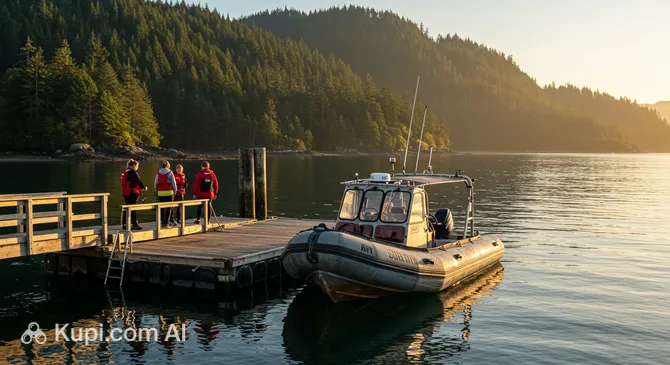
For those eager to witness the rich marine life of Clayoquot Sound, West Coast Aquatic Safaris is a top choice. This operator offers accessible and comfortable boat tours that take you deep into the pristine waters to spot gray whales, humpbacks, and even orcas. Beyond the whales, these excursions often provide opportunities to see black bears foraging along the shoreline and sea otters resting in the kelp beds, making it a comprehensive wildlife experience.

West Coast Aquatic Safaris. Source: Kupi.Binoculars

A short walk from the town center leads you to Tonquin Beach, a stunning spot that feels worlds away from civilization. Unlike the vast expanse of Long Beach, this sheltered cove is framed by rock formations and dense rainforest. A scenic boardwalk trail winds through the trees before descending to the sand, where visitors can enjoy calm waters and spectacular views of the offshore islands, especially during sunset.

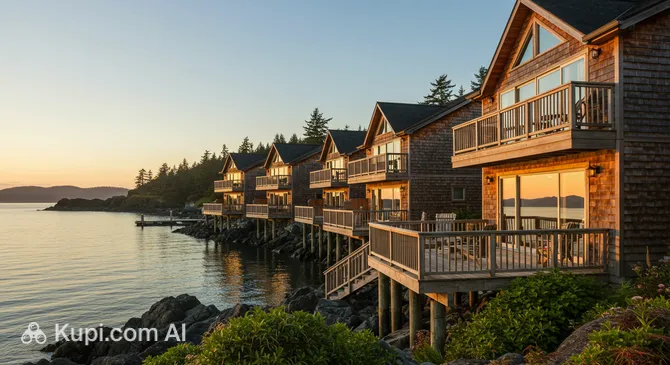
Accommodation in Tofino often doubles as a sightseeing highlight, and the Ocean Village Resort is a perfect example. Located on Mackenzie Beach, this property is famous for its distinctive "beehive" cabins. These cedar-shingled structures have become an iconic symbol of the area's rustic charm. Even if you are not staying here, a stroll along Mackenzie Beach offers a glimpse of these unique cabins against the backdrop of the ocean, capturing the quintessential spirit of the West Coast.

Ocean Village Resort. Source: Kupi.Binoculars

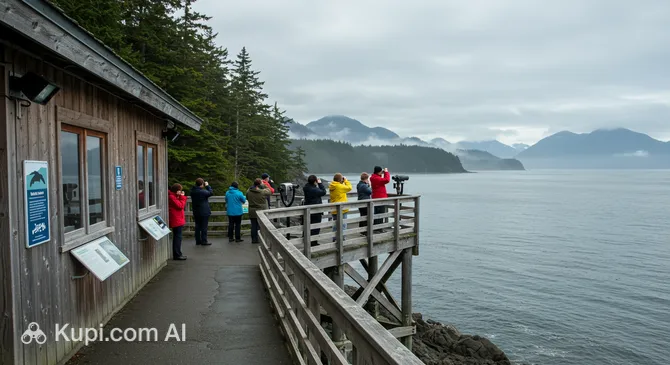
Another hub for adventure is the Whale Watching Station, which serves as a gateway to the open ocean. Tofino’s location along the migration route of thousands of whales makes it one of the best places in the world for observation. Facilities like this provide essential information and access to tours that educate visitors about the delicate ecosystem while offering the thrill of seeing these majestic giants in their natural habitat.

Whale Watching Station. Source: Kupi.Binoculars

Local Cuisine

Local Cuisine:

The culinary landscape of Tofino is as wild and spectacular as its scenery, heavily influenced by the bounty of the Pacific Ocean and the surrounding rainforest. Despite its small size, the town has earned a reputation as a foodie destination where "boat-to-table" is not just a slogan but a way of life. The dining scene here is unpretentious yet sophisticated, focusing on hyper-local ingredients, foraging, and sustainability.

Without a doubt, the signature dish of the region is the fish taco. Born from the surf culture, this West Coast staple typically features crispy battered cod or halibut, fresh salsa, and crunchy cabbage wrapped in a soft tortilla. Another must-try is the local seafood, particularly Dungeness crab and Spot prawns, which are often served simply with garlic butter to highlight their natural sweetness. On misty days, a bowl of rich, creamy seafood chowder provides the perfect comfort food.

For those looking to sample the local drinking culture, the town offers unique beverages that reflect its coastal environment. Craft beer enthusiasts should look for brews infused with local ingredients, such as the famous Kelp Stout, brewed with seaweed harvested from the local waters. Coffee culture is also strong here, with local roasters providing high-quality blends to warm up surfers and hikers after a day in the elements.

The food culture in Tofino is characterized by a relaxed, casual vibe where hiking boots and wetsuits are often welcome. One of the most defining features of the town is its vibrant food truck scene. Stationary food trucks and converted airstreams serve gourmet meals ranging from smoked BBQ to fusion cuisine, allowing visitors to enjoy high-quality food in an open-air setting.

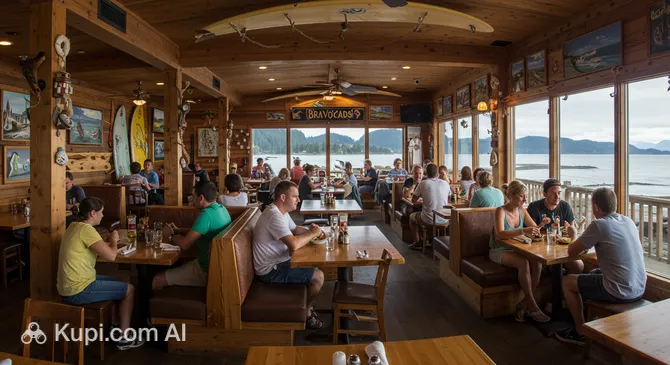
For a sit-down experience that captures the town's eclectic and inclusive spirit, Bravocados is a popular choice among locals and visitors alike. This dining spot is known for its creative menu that caters to a variety of dietary preferences, offering hearty, flavor-packed meals that perfectly complement a day of West Coast adventure.

Bravocados. Source: Kupi.Binoculars

Travel Tips

Welcome to the rugged edge of the world! Visiting Tofino is an unforgettable experience where nature dictates the pace, so arriving prepared will ensure you can fully embrace the wild beauty of the Pacific Northwest without any hiccups.

  1. Clothing and Gear: The weather here is famously unpredictable, so the key to comfort is layering. Even in summer, evenings can be cool, so pack a warm fleece and a high-quality waterproof jacket—often affectionately called the "Tofino Tuxedo" when paired with rubber boots. Comfortable, water-resistant footwear is essential for hiking rainforest trails. If you plan to surf, wetsuits are necessary year-round due to the cold ocean temperatures, but these can easily be rented locally.
  2. Transportation: While the town center is walkable, having a car is the most practical way to explore the scattered beaches and trails of the Pacific Rim National Park Reserve. Public transport is limited, though a seasonal free shuttle bus operates during the summer months, connecting the town to major beaches and campsites. Taxis are available but can be scarce during peak times, and ride-hailing apps are not widely established here.
  3. Finances: The local currency is the Canadian Dollar (CAD). Credit and debit cards (Visa and Mastercard) are widely accepted at hotels, restaurants, and shops. ATMs are available in the town center, but it is wise to carry some cash for smaller vendors or artisan markets. Tipping is standard practice in Canada; expect to leave 15-20% at restaurants and bars for good service.
  4. Health and Safety: Tofino is generally very safe, but the wilderness poses real risks. Always maintain a safe distance from wildlife, including bears and wolves, and never leave food unattended. For medical needs, the Tofino General Hospital provides urgent care, though pharmacies are not open 24/7, so bring essential prescriptions with you. Be "CoastSmart" near the ocean: unpredictable waves and rip currents are common, so always watch the water and adhere to warning signs.
  5. Communication: English is the primary language spoken. Cell phone reception is generally good in town and near major beaches but can be spotty or non-existent on the highway leading into town and in remote hiking areas. Wi-Fi is standard in most accommodations and cafes. If you need a SIM card, purchase one in a larger city like Nanaimo or Victoria before driving across the island, as options in Tofino are limited.
  6. Local Etiquette: The vibe here is incredibly laid-back and friendly. It is customary to greet passersby on hiking trails with a simple "hello" or nod. Respect for the environment and the local First Nations territories is paramount; stay on marked trails to protect delicate ecosystems. Life moves at a slower pace here, often referred to as "Tofino time," so patience and a relaxed attitude go a long way.
  7. What to Avoid: Do not under any circumstances feed the wildlife. This is dangerous for both you and the animals and is strictly illegal. Additionally, avoid building beach fires outside of designated fire rings, as this can pose a significant wildfire risk to the surrounding rainforest.
  8. Additional Tip: If you are driving from the mainland, booking your ferry reservation well in advance is crucial, especially during summer and holiday weekends. Ferries to Vancouver Island sell out quickly, and without a booking, you could be stuck waiting at the terminal for several sailings.

By keeping these practical tips in mind, you will be ready to trade the stress of daily life for the rhythm of the tides. Tofino is a magical place that rewards those who respect its power and beauty, promising an adventure you will cherish forever.

Entertainment & Nightlife

Entertainment in Tofino reflects the town's laid-back, nature-focused lifestyle. You will not find sprawling nightclubs or 24-hour party districts here. Instead, the nightlife scene is defined by cozy pubs, intimate restaurants, and the warmth of a beach bonfire. The action is primarily concentrated in the downtown area along Campbell Street and First Street, where locals and travelers gather to recount the day's adventures over craft beer and West Coast cuisine.

The atmosphere after dark is incredibly casual and welcoming. There is no strict dress code; high heels are replaced by waterproof boots, and blazers are swapped for fleece jackets or flannel shirts. Most venues operate with a relaxed vibe, offering a chance to mingle with a friendly crowd of surfers, artists, and nature enthusiasts. Keep in mind that Tofino is an early-to-bed town, with many kitchens closing by 9:00 PM and bars often calling last call around 11:00 PM or midnight.

For a memorable evening, Bravocados is a standout venue. This restaurant offers a lively yet comfortable setting where you can enjoy hearty, plant-forward meals and seafood dishes alongside a selection of drinks. It is a perfect example of the town's unpretentious hospitality, making it a great spot to unwind after a long day on the water.

A significant part of the "nightlife" in this region involves embracing the outdoors even after sunset. Since the area has minimal light pollution, it is a prime spot for stargazing. Visitors staying at places like Crystal Cove Beach Resort often skip the bars entirely in favor of a quiet evening by a fire pit. Watching the moon reflect off the ocean while listening to the crashing waves provides a nocturnal experience that is hard to beat.

Crystal Cove Beach Resort. Source: Kupi.Binoculars

When planning a night out, be aware that transportation options are limited. Tofino is very safe for walking, but the streets can be quite dark, so carrying a flashlight is recommended. If your accommodation is outside the main town center, such as near the beaches, you will likely need a vehicle. Taxis are available but can be scarce late at night, so it is wise to arrange your ride home in advance or have a designated driver.

During the day, entertainment shifts towards cultural and artistic pursuits. While you won't find large amusement parks or multiplex cinemas, the town boasts several exceptional art galleries showcasing the work of local and First Nations artists. Small museums and heritage displays offer a glimpse into the region's rich history, providing a perfect rainy-day alternative to outdoor exploration.

Parks & Museums

Tofino is a destination where the line between the wild outdoors and cultural heritage blurs beautifully. The town’s green spaces are not manicured city parks but rather raw, expansive landscapes of ancient rainforests and rugged coastlines, while its museums and galleries offer a deep dive into the rich artistic traditions and history of the West Coast.

The crown jewel of the region’s natural areas is undoubtedly the Pacific Rim National Park Reserve. Spanning kilometers of coastline, this protected area invites visitors to explore lush temperate rainforests and endless sandy shores. It is home to the famous Long Beach, where the power of the Pacific Ocean is on full display. Hikers can traverse the boggy landscapes of the Shorepine Bog Trail, admiring the twisted trees and unique ecosystem that thrives in this wet environment.

For a more curated but equally wild experience, the Tofino Botanical Gardens is a must-visit. These 12 acres of gardens, forest, and shoreline are designed to display the diverse flora of the coastal temperate rainforest. Unlike traditional formal gardens, this space feels organic and whimsical, featuring art installations hidden among the trees and educational displays about the local ecology. It serves as an outdoor classroom where nature and culture intersect.

Another significant natural site is Tonquin Beach, located within a short walk of the town center. This park is a sanctuary of calm compared to the wilder surf beaches further south. Accessible via a scenic trail that winds through the forest, the beach is sheltered by unique rock formations, making it an excellent spot for a quiet picnic or watching the sunset reflect off the calm waters of the cove.

On the cultural front, the Roy Henry Vickers Gallery stands as an architectural and artistic landmark. Housed in a stunning traditional Northwest Coast longhouse with a hand-adored cedar facade, the gallery showcases the work of celebrated Canadian artist Roy Henry Vickers. Inside, visitors can admire his vibrant prints, carvings, and paintings that tell the stories of the First Nations people and the breathtaking landscapes of British Columbia. The building itself is a work of art and a tribute to Indigenous heritage.

To understand the local history, travelers should visit the Tofino Clayoquot Heritage Museum. This small but engaging institution preserves the stories of the region, from the traditions of the Nuu-chah-nulth First Nations to the arrival of European settlers and the development of the fishing and forestry industries. The exhibits feature historical photographs, artifacts, and interactive displays that provide context to the town's evolution from a remote outpost to a global tourism destination.

For a mix of history and panoramic views, a trip to Radar Hill is highly recommended. Historically significant as a radar station during the Cold War and World War II, this site now offers one of the best vantage points in the area. A short uphill walk rewards visitors with 360-degree views of the Clayoquot Sound and the surrounding mountains.

Insider Tip: If you visit the Tofino Botanical Gardens, take the time to walk down to the mudflats at low tide. It is a fantastic, quiet spot for birdwatching, where you can often see herons and eagles hunting without the crowds found at the main beaches.

Getting Around

Navigating Tofino is relatively straightforward, but it is important to understand that this small coastal district does not possess the extensive public transport infrastructure found in large metropolitan areas. There are no subways, trams, or city-wide train systems here. Instead, getting around relies heavily on seasonal services, private vehicles, cycling, and walking, reflecting the town's laid-back and outdoor-oriented lifestyle.

The primary form of public transportation is the Tofino Free Shuttle, which typically operates during the peak summer season from July to September. This service is designed to reduce traffic congestion and carbon emissions, connecting the village center with major resorts, campgrounds, and popular beaches within the Pacific Rim National Park Reserve. Since the shuttle is free of charge, passengers do not need to worry about purchasing tickets, travel cards, or validating passes. You simply hop on at one of the designated stops.

Because the free shuttle is seasonal, visitors traveling outside the summer months must rely on other means of transport. Bicycling is an incredibly popular and practical alternative, thanks to the Multi-Use Path (MUP). This paved, scenic trail runs parallel to the Pacific Rim Highway, extending approximately 8.8 kilometers from the town center to the beaches. Several local shops offer bike rentals, including electric bikes, which make traversing the hilly terrain much easier. It is an eco-friendly way to explore the area while soaking in the rainforest views.

For those who prefer not to drive or cycle, taxi services are available, though the fleet is small. A local ride-hailing app called Whistle! operates in the area, functioning similarly to major international ride-sharing platforms. It allows you to book rides conveniently through your smartphone, which is particularly useful for evening dinners or getting to trailheads that are further afield. Traditional taxi companies also serve the area, but it is advisable to book in advance during busy periods.

If you plan to explore the wider region or visit during the off-season, renting a car is often the most convenient option. However, be aware that parking in the town center and at popular beaches can be very limited during the summer rush. Most of the downtown core is easily walkable, allowing you to visit shops, galleries, and restaurants on foot without the hassle of finding a parking spot.

Accommodation

Finding the perfect place to stay in Tofino is an essential part of the experience, as accommodation here often reflects the town's connection to nature. The options range from budget-friendly hostels and rustic campgrounds to mid-range hotels and luxurious beachfront resorts. For those seeking more privacy, vacation rentals and self-catering cabins are widely available, offering a "home away from home" amidst the rainforest.

When choosing a location, consider how you plan to spend your time. Staying in the village center is incredibly convenient if you want easy access to restaurants, shops, and tour operators without needing a car. However, many visitors prefer the areas along the major beaches, such as Mackenzie Beach, Chesterman Beach, and Cox Bay. These locations offer direct access to the ocean and stunning sunset views, though they are a few kilometers from downtown and are best accessed by car or the seasonal shuttle.

For a quintessential West Coast experience, the Ocean Village Resort is a favorite among travelers. Located on the gentle shores of Mackenzie Beach, it is famous for its unique cedar-shingled cabins that blend seamlessly into the shoreline. Another highly rated option is the Crystal Cove Beach Resort, which offers a mix of charming log cabins and RV sites, making it an excellent choice for families and those looking for a cozy, upscale camping atmosphere.

Booking Tip: Tofino is a highly sought-after destination, and accommodation can fill up months in advance, particularly for the summer season (July and August) and holiday weekends. It is strongly recommended to book your stay as early as possible to secure your preferred dates and rates.

Regarding costs, prices in Tofino tend to be higher than the national average due to the remote location and high demand. While "budget" options exist, they are limited. Mid-range and luxury properties command premium prices, especially those with ocean views. Booking can be done through major online platforms, but many local resorts and vacation rentals offer the best rates and availability when booked directly through their websites.

Nearby Cities

For those looking to explore the surroundings, Tofino serves as an excellent base for day trips to several interesting nearby locations:

Travelers willing to venture further afield can visit Courtenay, a vibrant community situated in the Comox Valley. It is known for its rich cultural scene, including the Courtenay and District Museum which houses 80-million-year-old marine reptile fossils. The city also acts as a gateway to alpine activities at Mount Washington and offers a variety of boutique shops and local dining options.

Another compelling destination is Campbell River, widely recognized as the "Salmon Capital of the World." This coastal city is a paradise for anglers and nature enthusiasts, offering exceptional fishing charters and opportunities to explore the nearby Discovery Islands. Visitors can enjoy the scenic Rotary Sea Walk or immerse themselves in the region's history at the Museum at Campbell River.

For those interested in urban amenities mixed with history, Nanaimo serves as a major hub on Vancouver Island. Known as the "Harbour City," it features a beautiful waterfront walkway, the historic Bastion, and a lively downtown arts district. It is also the birthplace of the famous Nanaimo Bar, a no-bake dessert that is a must-try for any visitor with a sweet tooth.

City Population Distance (km)
Nanaimo90504143
Duncan44451166
Campbell River36000108
North Cowichan29676163
Courtenay2559989

These nearby destinations offer a glimpse into the diverse culture and landscapes of the region.

Shopping & Souvenirs

Shopping in Tofino is a delightful reflection of its laid-back, coastal culture. You will not find sprawling shopping malls, big-box retailers, or international chain stores here. Instead, the town is dotted with independent boutiques, surf shops, and galleries that offer everything from practical outdoor gear to unique handcrafted souvenirs, all within a walkable distance in the village center.

Given the town's reputation as the surf capital of Canada, it is no surprise that surf shops are the heartbeat of the local retail scene. These establishments are institutions in themselves, stocking top-tier wetsuits and boards for the waves. Even if you are not a surfer, these spots are the best places to pick up high-quality hoodies, flannel shirts, and tuques (beanies) that serve as the unofficial uniform of the West Coast. The "Tofino" branded apparel found here is a popular keepsake for visitors.

Art lovers will find plenty to admire and purchase, as the area is rich in creative talent. Several galleries and artisan studios showcase the work of local residents and First Nations artists. Visitors can find intricate wood carvings, silver jewelry, hand-thrown pottery, and vibrant prints that capture the spirit of the rainforest and ocean. Purchasing art here is a wonderful way to support the local community and take home a meaningful piece of the Pacific Northwest.

For a truly authentic experience, the Tofino Market is a highlight for anyone visiting on a Saturday between May and October. Held on the Village Green, this bustling open-air market features vendors selling fresh local produce, home-baked goods, and an array of artisan crafts, from natural soaps to handmade clothing. It is a lively community hub where you can chat directly with the makers and enjoy the friendly atmosphere.

If you are camping or staying in a vacation rental, stocking up on supplies is easy at the local Co-op Food Store. As the main grocery hub in town, it offers a surprisingly wide selection of organic foods, locally sourced meats, and essential camping gear. Additionally, several smaller specialty delis and pantries around town provide gourmet treats, perfect for packing a picnic to enjoy on the beach.

Reached the end of the page?

That means the route is fully explored