Support

Port Hardy

About

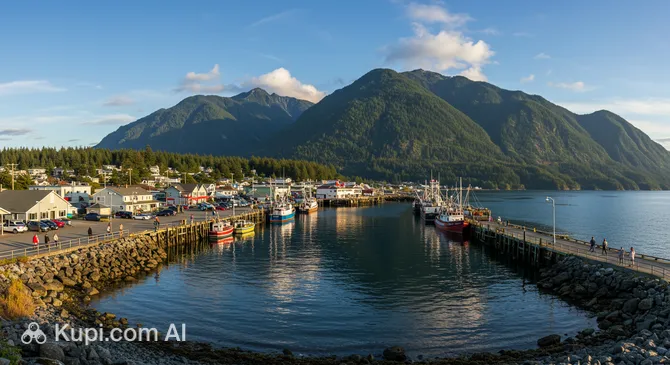
Welcome to Port Hardy, a captivating destination where the paved road ends and the true wilderness begins. Located at the northernmost tip of Vancouver Island in British Columbia, this town serves as a vital gateway for travelers exploring the rugged coast of Canada. With a population of approximately 4,000 residents, it offers a friendly, small-town atmosphere surrounded by breathtaking natural beauty and vast landscapes.

Port Hardy. Source: Kupi.Binoculars

The region is steeped in cultural significance, originally inhabited by the Kwakwaka'wakw First Nations for thousands of years. Visitors interested in the local heritage can delve into the history of Port Hardy to learn about its deep indigenous roots and its later development as a logging, mining, and fishing hub. Today, the town is perhaps best known as the southern terminal for BC Ferries' famous route through the Inside Passage to Prince Rupert, offering one of the most scenic marine journeys in the world.

Nature enthusiasts flock here for unparalleled access to the outdoors. It is a prime location for wildlife viewing, where you might spot orcas, humpback whales, and bald eagles, or embark on a tour to see grizzly bears in the nearby Great Bear Rainforest. Just a short drive away, the rugged trails of Cape Scott Provincial Park challenge hikers with their windswept beaches and dense forests. Whether you are catching a ferry or seeking a deep connection with nature, Port Hardy is an unforgettable stop on your journey.

Weather Overview

Port Hardy experiences a temperate coastal climate, characterized by moderate temperatures and distinct seasonal changes in precipitation. Because the weather on the northern tip of Vancouver Island can be changeable, it is always a good idea to check the current weather in Port Hardy when planning your outdoor activities.

The summer months generally offer the most comfortable conditions for travelers. August is typically the warmest month, with average temperatures around 15.6°C and daily highs reaching up to 19.2°C. This period is also the driest part of the year; for instance, July and August see precipitation levels drop to approximately 2mm, though visitors should still be prepared for about 10 to 12 wet days per month.

In contrast, the winter season brings cooler air and frequent rainfall. January is often the dampest month, featuring roughly 23 wet days and average temperatures hovering around 4.6°C. Expect mild, comfortable summers and cool, wet winters, making waterproof clothing an essential item for your packing list regardless of the season.

Interesting Facts

Beyond the main attractions and scenic vistas, Port Hardy holds many fascinating secrets and local legends that surprise even the most seasoned travelers. From quirky political protests to Hollywood connections, this northern outpost has a character all its own.

Kwa'lilas Hotel. Source: Kupi.Binoculars
  • The Carrot Campaign: One of the town's most unique claims to fame involves a giant wooden carrot. in the 1970s, frustrated locals hung the oversized vegetable on a sign where the pavement ended to mock the government's slow progress in extending the highway to the north. The "dangled carrot" became a symbol of the campaign, and after the road was finally paved in 1979, a commemorative carrot sculpture was erected in a local park, where it remains a quirky landmark today.

  • A Survivalist's Backdrop: The dense, predator-rich rainforests and rugged coastlines surrounding the town provided the grueling setting for several seasons of the hit survival TV series "Alone." The area's isolation and challenging terrain made it the perfect location to test the limits of human endurance.

  • Undersea Technicolor: While many associate colorful reefs with the tropics, the waters near Port Hardy—specifically Browning Pass—are consistently ranked among the best cold-water diving spots on the planet. The nutrient-rich currents create a vibrant ecosystem teeming with wolf eels, giant Pacific octopuses, and walls of brightly colored soft corals and anemones.

  • Cultural Rebirth: The Kwa'lilas Hotel stands as a testament to the resilience of the Gwa'sala-'Nakwaxda'xw Nations. The name translates to "a place to sleep," but the building is much more than accommodation; it was transformed by the local nations to showcase authentic Indigenous art and history, serving as a cultural beacon in the center of town.

How to Get There

Reaching the northern reaches of Vancouver Island is part of the adventure, offering scenic journeys whether you arrive by air or road. For a comprehensive overview of travel options, routes, and tips, you can read more about how to get to Port Hardy before you pack your bags.

The most direct way to arrive is by flying into Port Hardy Airport (YZT), which is conveniently located just 10.2 km from the town center. It is a small regional hub, primarily serving flights from Vancouver. Once you land, the travel time to downtown is approximately 10 to 15 minutes by taxi or shuttle. While the airport is small, handling around 17,000 passengers annually, it provides a vital and quick link to the rest of British Columbia.

Alternatively, travelers often choose to fly into larger hubs further south and drive up the island to enjoy the coastal views. Comox Airport (YQQ) in the city of Comox is a significant option, located about 217.5 km from Port Hardy. It handles a much larger volume of traffic and offers more flight connections. Another possibility is Campbell River Airport (YBL) in Campbell River, situated roughly 180.1 km away. The drive from these airports takes several hours but takes you through some of the island's most beautiful landscapes.

For clarity, here is a summary of the main airports:

Airport Name City Passenger Traffic Km from City
Comox Airport Comox Large 217.5
Campbell River Airport Campbell River Medium 180.1
Port Hardy Airport Port Hardy Small 10.2
Bella Coola Airport Bella Coola Small 195.7

Port Hardy does not have a railway station, as the passenger rail network on Vancouver Island does not extend to the northern tip. The historic E&N Rail line formerly operated further south but is no longer in regular passenger service for this route. Most visitors arriving by land travel via Highway 19, also known as the North Island Highway, either by personal vehicle or by using the island's bus services.

Main Attractions

Port Hardy offers a delightful mix of cultural heritage, wildlife education, and stunning natural landscapes. While it is often seen as a transit point, the town itself holds several treasures that encourage visitors to linger and explore. From interactive exhibits to serene sandy shores, the local attractions provide a deep dive into the region's unique identity.

One of the top places to visit is the Quatse Salmon Stewardship Centre. This educational facility is a hit with families and nature lovers, offering a fascinating look into the lifecycle of Pacific salmon. Visitors can tour the hatchery to see salmon enhancement in action, explore interactive displays, and learn about the vital role these fish play in the coastal ecosystem. It is an inspiring stop that highlights the community's dedication to conservation.

For those interested in local history, the Port Hardy Museum & Archives is a must-see. Located in the heart of town, this small but comprehensive museum showcases artifacts ranging from First Nations history and early European exploration to the logging and fishing industries that built the community. The exhibits provide context to the rugged surroundings, featuring fossils, tools, and photographs that tell the story of life on the northern tip of Vancouver Island.

Nature enthusiasts should not miss Storey’s Beach, widely considered one of the most beautiful public beaches in the area. A short drive from the town center, this long stretch of sand is perfect for beachcombing, picnicking, and watching the tide roll in. It is also a popular spot for kayaking and watching eagles soar overhead, offering a peaceful retreat from the more rugged, rocky coastlines typical of the region.

To experience the rich indigenous culture of the area, a visit to the Kwa'lilas Hotel is highly recommended. While it serves as a premier accommodation, its public spaces function as a gallery of sorts, adorned with authentic local art and designs that honor the Gwa'sala-'Nakwaxda'xw traditions. It is also a culinary destination where visitors can sample west coast cuisine infused with indigenous influences, making it a cultural hub within the town.

Local Cuisine

The culinary scene in Port Hardy is defined by its proximity to the rich waters of the Queen Charlotte Strait, making it a paradise for seafood lovers. The local food culture is unpretentious and hearty, focusing on fresh ingredients sourced directly from the ocean and the surrounding wilderness. Visitors can expect a dining experience that highlights the bounty of the West Coast, often served in a relaxed, friendly atmosphere that matches the town's rugged charm.

Pacific salmon and halibut are the undisputed stars of the menu here. You will find them prepared in numerous ways, from grilled fillets and smoked appetizers to the region's famous candied salmon, a sweet and savory treat that is perfect for snacking. Another "must-try" classic is halibut and chips; the fish is typically battered and fried to golden perfection, served alongside thick-cut fries. For a taste of comfort on a misty day, a bowl of creamy seafood chowder, often packed with clams, shrimp, and fish, is an excellent choice.

For a unique gastronomic experience that honors the region's heritage, you can visit the dining establishments within the Kwa'lilas Hotel. Here, the menus are inspired by traditional First Nations cuisine, offering dishes that might feature ingredients like wild game, bannock, and locally foraging berries. It is a fantastic opportunity to taste the intersection of modern West Coast cooking and Indigenous culinary traditions.

When it comes to beverages, the town embraces the vibrant craft beer culture of Vancouver Island. While Port Hardy is small, local pubs and restaurants proudly serve a selection of craft beers and ales produced by breweries across the island. Non-alcoholic options are equally important, with a strong coffee culture providing warmth and energy for outdoor adventures. Whether you are enjoying a pint after a fishing trip or sipping a hot latte while watching the boats in the harbor, the local drink scene is designed to keep you cozy.

Travel Tips

Planning a trip to Port Hardy requires a bit of preparation to fully enjoy its rugged wilderness and coastal charm without any hiccups. To help you make the most of your adventure at the northern tip of Vancouver Island, here are some essential practical tips to keep in mind.

  1. Clothing and Gear: The weather here is famously unpredictable and often wet, regardless of the season. Your most important item will be a high-quality waterproof jacket and rain pants. Dress in layers; a moisture-wicking base layer and a warm fleece or wool sweater are ideal for the cool coastal breeze. If you plan to explore the trails, bring sturdy, broken-in hiking boots that can handle mud. Don't forget a waterproof cover for your backpack and a travel adapter for Type A/B outlets if you are visiting from outside North America.

  2. Transportation: While the downtown area is compact and walkable, renting a car is highly recommended if you want to explore the surrounding nature, such as Storey's Beach or the trailheads for Cape Scott. Public transport is available via the Mount Waddington Transit System, but service is limited and may not reach remote tourist spots. Ride-hailing apps like Uber are generally not available here, so rely on local taxi companies or your own vehicle.

  3. Finances: The local currency is the Canadian Dollar (CAD). Credit and debit cards are widely accepted at hotels, restaurants, and supermarkets. However, it is wise to carry some cash for smaller purchases at local markets or for tipping. ATMs are available in the town center. Tipping is standard practice in Canada; expect to leave 15-20% at restaurants and a small amount for taxi drivers and hotel staff.

  4. Health and Safety: Port Hardy is a safe community, but the real "danger" lies in the wilderness. You are in bear and cougar country, so always carry bear spray when hiking and know how to use it. For medical needs, the Port Hardy Hospital provides emergency services, and there are pharmacies in town for basic medications. Always let someone know your itinerary before venturing into areas with no cell service.

  5. Communication: English is the primary language spoken by everyone. Mobile coverage is reliable within the town boundaries but can disappear quickly once you drive onto logging roads or hike into the forest. It is crucial to download offline maps or carry a physical GPS device for outdoor excursions. Wi-Fi is standard in most accommodations and local cafes.

  6. Local Etiquette: The town has a relaxed, friendly vibe. It is customary to greet people with a smile or a nod, even strangers on the street. Port Hardy is located on the traditional territory of the Kwakiutl First Nations; showing respect for local Indigenous culture and heritage sites is paramount. If you visit cultural centers, ask permission before taking photos of specific artifacts or people.

  7. What to Avoid: Do not treat logging roads like regular highways. These gravel roads are active industrial routes; logging trucks always have the right of way and often cannot stop quickly. Pull over completely if you see a truck approaching. Also, never leave food or trash unattended outdoors, as this attracts wildlife and endangers both you and the animals.

  8. Additional Tip: If you are planning to take the BC Ferries "Inside Passage" route to Prince Rupert, book well in advance. This is a world-famous scenic journey, and spots for vehicles can sell out months ahead of time, especially during the summer tourist season. Do not rely on showing up at the terminal on the day of travel without a reservation.

By packing the right gear and respecting the local environment, you will be perfectly equipped to experience the raw beauty of the North Island. Embrace the mist, enjoy the quiet, and have a safe journey exploring this unique corner of the world.

Entertainment & Nightlife

Nightlife in Port Hardy is defined by its warm, small-town hospitality rather than bustling nightclubs or neon-lit districts. The evening entertainment scene here is centered around cozy pubs, hotel lounges, and community gathering spots where locals and travelers mingle over craft beers and hearty food. The atmosphere is distinctly "West Coast casual," meaning you can leave your formal wear at home; jeans, flannel, and fleece are the standard dress code for a night out in this rugged coastal town.

The town's center of activity runs primarily along Market Street, which serves as the main commercial thoroughfare. Unlike larger cities, the downtown area is compact and easy to navigate, with most shops and cafes situated near the waterfront. While the streets are generally quiet after dark, a few key establishments offer a lively respite. One of the most popular local hangouts is the Sporty Bar & Grill. Located on Byng Road, this venue is often referred to simply as "The Sporty" and serves as a social hub featuring billiards, sports broadcasts, and a spirited atmosphere that stays active later than most other places.

For a more relaxed and culturally rich evening, visit the Kwa'lilas Hotel, which houses the nax’id’ Pub. This venue is unique for its Indigenous-inspired decor and menu, offering a sophisticated yet comfortable space to unwind. It is an excellent place to sample local Vancouver Island microbrews or enjoy a cocktail by the fireplace. Another notable spot is the pub at the Glen Lyon Inn, located on Hardy Bay Road. It is a favorite for its waterfront views and is one of the few places where you can order a full meal late into the evening, often serving food until midnight.

Practical advice for a night out in Port Hardy revolves around safety and timing. Most venues close by 1:00 AM or earlier, so it is best to start your evening around 7:00 PM or 8:00 PM. Prices are generally moderate and affordable compared to larger cities. While the central area is safe, the town is surrounded by wilderness. If you are staying on the outskirts or walking back late, be "bear aware" and stick to well-lit routes. Local taxi services are available and are the recommended way to get home safely if you have ventured far from your accommodation.

During the day, entertainment shifts towards cultural and outdoor pursuits. Before the sun goes down, visitors can explore the Port Hardy Museum on Market Street to learn about the region's history or check the schedule at the Gate House Theatre, a community venue that occasionally hosts live performances and movie screenings. However, the true "daytime theater" of Port Hardy is its nature—spending the day on a wildlife tour or fishing charter is the perfect precursor to a relaxing evening at the pub.

Parks & Museums

Port Hardy’s landscape is a seamless blend of manicured green spaces and untamed coastal wilderness, complemented by institutions that preserve the region's deep Indigenous roots and pioneer history. For visitors, this means the opportunity to transition from a relaxing stroll along the waterfront to an immersive cultural experience within minutes.

Rotary Park is a central gathering spot that offers some of the best views of Hardy Bay. Located right along the water, it features a scenic seawall promenade that is perfect for a leisurely afternoon walk. Families often visit for the playground and open grassy areas, while photographers flock here to capture the fishing boats returning to the harbour against a backdrop of distant mountains. It serves as a peaceful community hub where the ocean breeze is always present.

For those seeking a deeper immersion in nature without leaving the town's vicinity, the Quatse River Nature Loop is an excellent choice. This network of trails winds through a lush coastal rainforest, following the meandering path of the Quatse River. The area is a haven for birdwatchers and offers a quiet respite under the canopy of towering cedar and sitka spruce trees. Unlike the open beaches, this park provides a sheltered, verdant environment that highlights the terrestrial ecosystem of Northern Vancouver Island.

The cultural heartbeat of the town is preserved at the Port Hardy Museum & Archives. While small, this facility creates a comprehensive narrative of the area's past, ranging from 8,000-year-old First Nations artifacts to relics from the early European settlers and the industrial boom. Visitors can explore exhibits detailing the unique geology of the region, including fossils, as well as displays dedicated to the domestic lives of the early pioneers. It is an essential stop for understanding the layers of history that built the community.

Just a short drive from the town center lies the historic community of Fort Rupert (Tsaxis), which functions as a living museum of Kwakiutl culture. Although not a traditional indoor museum, this site is historically monumental as an ancient village and the location of a former Hudson’s Bay Company fort. Visitors can view impressive totem poles, the majestic Big House (from the outside), and hunt for ancient petroglyphs carved into the sandstone rocks on the beach, offering a tangible connection to the First Nations' enduring presence.

Among the historical landmarks, the Carrot Campaign Monument in Carrot Park stands out for its quirky backstory. This large wooden sculpture commemorates the successful 1970s protest to pave the Island Highway, serving as a symbol of local tenacity and humor. Another significant site is the remnants of the Hudson’s Bay Company fort in Fort Rupert, where visitors can still see the massive stone chimney and the old graveyard, marking the early era of colonial trade and contact.

For an authentic local experience, take a walk along the Hardy Bay Seawall at low tide. Not only does this route connect several key waterfront parks, but it also reveals a diverse intertidal zone teeming with starfish, crabs, and sea anemones right at your feet, offering a miniature "aquarium" experience without the admission fee.

Getting Around

Navigating Port Hardy is relatively straightforward, though the public transport options are designed to serve a small community rather than a bustling metropolis. The city does not have a metro, tram, or trolleybus system. Instead, the primary mode of public transportation is the bus service provided by the Mount Waddington Transit System. This network connects the downtown area with nearby neighborhoods, the ferry terminal, and even adjacent communities like Port McNeill and Fort Rupert.

For most tourists, the bus is a cost-effective way to get around, but it requires some planning due to limited frequency. The local routes typically operate on a scheduled loop, meaning buses may only pass by a specific stop a few times a day. Service is generally reduced on weekends and public holidays, so it is essential to check the latest schedule online or at a local information center before relying on it for time-sensitive connections, such as catching a flight or a ferry.

The payment system is traditional and simple. Fares are inexpensive, and you can pay with cash directly on the bus. However, drivers do not carry change, so you must have the exact fare ready in coins. If you plan to use the bus frequently, you can purchase sheets of tickets or monthly passes at local vendors, such as supermarkets, pharmacies, or the municipal hall. Currently, advanced smart card systems or contactless bank card payments directly on the bus are not standard, so keeping some loose change in your pocket is the best strategy.

Given the limited bus schedule, taxis are a popular and often necessary alternative for visitors. Local taxi companies provide reliable service to the airport, ferry terminal, and trailheads that are off the main bus routes. It is advisable to book a taxi in advance, especially if you need a ride early in the morning or late at night, as there is no flagging system like in big cities. Ride-sharing apps are generally not available in this region, so saving the phone number of a local dispatch service is highly recommended.

For those who prefer more independence, renting a car is widely considered the best option for exploring the area. Many of the region's scenic spots and parks are located outside the town center and are not accessible by bus. While the downtown core is small enough to be explored comfortably on foot, having a vehicle allows you to reach remote beaches and hiking trails at your own pace. Bike rentals may be available seasonally, offering a pleasant way to see the waterfront, though the wet weather can sometimes make this less appealing.

Accommodation

Accommodation in Port Hardy is designed to be practical, comfortable, and close to nature, reflecting the town’s role as a hub for outdoor adventure and a transit point for the Inside Passage. The options generally range from budget-friendly motels and cozy bed and breakfasts to mid-range inns. You will not find high-rise luxury chains here; instead, the hospitality scene is dominated by independently owned establishments that offer a warm, personal touch and easy access to the waterfront.

The most convenient area to stay is within the town center, particularly along Hardy Bay Road and Market Street. Choosing a hotel in this vicinity places you within walking distance of local restaurants, the seawall, and shops, making it easy to stock up on supplies before a hike or a boat trip. For those seeking a quieter experience, there are several lodges and RV parks located on the outskirts of town near the Quatse River, offering a more secluded setting surrounded by the rainforest.

Booking Tip: Because Port Hardy is the southern terminal for the popular BC Ferries route to Prince Rupert, accommodations can fill up very quickly during the summer season (June to September). It is strongly advised to book your room well in advance, ideally as soon as you have confirmed your ferry reservation, to avoid being left without a place to stay before an early morning departure.

In terms of cost, prices are generally reasonable and fall into the mid-range category. Rates can spike during the peak summer months due to high demand from tourists and fishing charters. Most properties are listed on major online booking platforms, but calling the hotels directly can sometimes secure a better rate or a specific room view. Whether you need a simple room for a quick stopover or a comfortable base for a week of fishing, the town offers reliable options to rest your head.

Nearby Cities

For those looking to explore the surroundings, Port Hardy serves as an excellent base for day trips to several interesting nearby locations. The most accessible major hub from the town is Campbell River, located to the south along the scenic Highway 19. Known as the "Salmon Capital of the World," it is a paradise for anglers and outdoor enthusiasts. Beyond fishing, visitors can explore the stunning Elk Falls Provincial Park, where a suspension bridge offers breathtaking views of cascading waterfalls and old-growth forest. It serves as a perfect midway point for those wanting to experience a slightly more bustling coastal atmosphere while remaining close to nature.

Further down the coast lies the Comox Valley, home to the twin communities of Courtenay and Comox. These towns offer a delightful mix of urban amenities and agricultural charm. Courtenay is vibrant with boutique shopping, art galleries, and a strong local food scene, while Comox is famous for its air force history and scenic marina. Together, they provide a cultural contrast to the rugged wilderness of the North Island and are gateways to alpine activities at Mount Washington.

City Population Distance (km)
Nanaimo 90,504 308
Campbell River 36,000 176
Courtenay 25,599 213
Port Alberni 17,678 254
Comox 14,828 217

These nearby destinations offer a glimpse into the diverse culture and landscapes of the region, making them well worth the drive for travelers eager to see more of Vancouver Island.

Shopping & Souvenirs

Shopping:

Shopping in Port Hardy is primarily functional and geared towards the needs of outdoor adventurers and the local community, rather than being a high-fashion retail destination. Visitors will find that the town offers excellent resources for stocking up on supplies before heading into the wilderness, including groceries, fishing gear, and camping equipment. However, for those looking to take a piece of the North Island home, there are several hidden gems specializing in authentic local artistry and regional delicacies.

The main commercial activity is concentrated along Market Street in the downtown area. This walkable strip features a variety of small, independently owned businesses ranging from bookstores and pharmacies to gift shops. It is a relaxed environment where you can browse without crowds, often chatting with shop owners who are happy to share stories about the area. This is the best place to find unique postcards, books on local history, and casual clothing suitable for the coastal climate.

For more comprehensive shopping needs, Thunderbird Mall is the town's primary shopping center. Located just off the Granville Street highway entrance, this indoor mall serves as the community's retail hub. It houses a large supermarket, a liquor store, a pharmacy, and several service-oriented businesses. If you need to purchase food for a multi-day hiking trip or forgotten toiletries, this is the most convenient one-stop location.

During the warmer months, the Port Hardy Farmers Market adds a vibrant touch to the local shopping scene. Typically held on Saturdays, this seasonal market allows artisans and farmers to showcase their goods. It is an excellent spot to find fresh local produce, homemade jams, baked goods, and handcrafted items like soaps or knitwear. The atmosphere is lively and provides a great opportunity to mingle with locals.

When it comes to souvenirs, the most prized items are those that reflect the region's rich cultural heritage and natural bounty. Indigenous art is a highlight here, with the Kwakiutl people producing world-renowned carvings, jewelry, and prints. You can find exquisite pieces at the gift shop within the Kwa'lilas Hotel, which curates a selection of authentic First Nations artwork. Another "must-buy" is candied smoked salmon or salmon jerky, a local specialty that travels well. The gift shop at the Port Hardy Museum is also a fantastic resource for high-quality gifts and educational books.

Most shops in Port Hardy operate on standard business hours, typically opening from 9:00 AM to 5:00 PM or 6:00 PM on weekdays and Saturdays. Many smaller boutiques may close on Sundays, although the larger supermarket in the mall remains open later and throughout the weekend. Credit and debit cards are widely accepted everywhere, including at most market stalls, though carrying a small amount of cash is always a good idea for smaller purchases.

Travelers should be aware that goods and services in British Columbia are subject to a combined sales tax of 12% (5% GST and 7% PST). While Canada previously offered a tax refund program for visitors on goods exported from the country, this program was discontinued for general tourists several years ago. Therefore, the price you pay at the register, including tax, is final.

Reached the end of the page?

That means the route is fully explored