Support

Bella Bella

About

Bella Bella, also known by its traditional name Waglisla, is a vibrant community situated on the east coast of Campbell Island. As the home of the Heiltsuk Nation, this settlement is not just a geographical location but a cultural stronghold on the Central Coast of Canada. It offers visitors a unique opportunity to experience the profound connection between the land, the sea, and the indigenous people who have stewarded this territory for millennia.

Geographically, the town is nestled within the heart of the Great Bear Rainforest, one of the world's largest remaining temperate rainforests. The climate here is typical of the coastal region, characterized by lush greenery and frequent rainfall that feeds the thriving ecosystem. With a population of approximately 1,100 residents, Bella Bella maintains a close-knit, welcoming atmosphere where the pace of life is dictated by the tides and the seasons rather than the clock.

The deep and enduring history of Bella Bella is woven into every aspect of the community. From ancient oral traditions to the stunning artistry visible throughout the town, the heritage of the Heiltsuk people is a living presence. A focal point for this cultural expression is the magnificent Gukv'las, or Big House, which serves as a center for community gatherings, potlatches, and ceremonies, symbolizing the resilience and strength of local traditions.
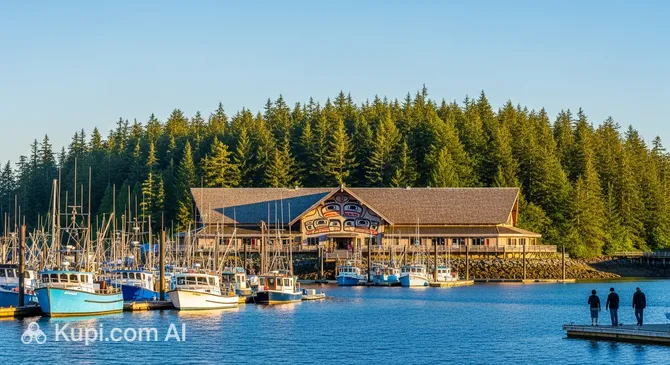
Bella Bella. Source: Kupi.Binoculars

For nature enthusiasts, the town serves as a premier gateway to outdoor adventure. The surrounding waters and forests are teeming with wildlife; visitors often embark on tours to spot spirit bears, grizzlies, eagles, and humpback whales in their natural habitats. Kayaking through the intricate network of fjords and channels offers a serene way to explore the breathtaking coastline, while local charters provide excellent opportunities for fishing in some of the richest waters on the coast.

We invite you to visit Bella Bella to immerse yourself in its wild beauty and warm hospitality. Whether you are seeking a quiet retreat into nature or a chance to learn about the rich indigenous culture of the Pacific Northwest, this remarkable community promises an unforgettable journey.

Weather Overview

The weather in Bella Bella is typical of the Pacific coastal region, characterized by mild temperatures and regular moisture throughout the year. Because of its location in a temperate rainforest, the climate remains relatively moderate, avoiding the extreme cold found in other parts of the country while maintaining lush, green surroundings.

Summer is the most popular time to visit, particularly from June to August, when the days are warmest. August sees average temperatures of 15.6°C, with highs reaching up to 18.7°C. Although this is the driest period, visitors should still anticipate some precipitation, as July and August typically experience around 12 to 13 wet days each.

Winters are cool and significantly damper, with January and November seeing rain on approximately 23 days of the month. During this season, average temperatures hover around 2°C to 3°C, and nightly lows rarely drop significantly below freezing. Overall, visitors can expect mild, comfortable summers and cool, rainy winters, so packing waterproof layers is recommended regardless of when you plan to travel.

Interesting Facts

Beyond the main attractions, Bella Bella holds many fascinating secrets that reveal the depth of its history and unique geography. While visitors often come for the wildlife, the community itself possesses a rich tapestry of stories and features that are less commonly known but equally captivating.

  • Ancient Ice Age Survival: Archaeological evidence found on nearby Triquet Island supports Heiltsuk oral histories stating their ancestors have inhabited this region for millennia. Excavations unearthed a settlement dating back approximately 14,000 years—making it older than the Egyptian pyramids and suggesting the area was a refuge during the last Ice Age when much of North America was covered in ice.

  • A Tale of Two Towns: The community known today is actually the "new" settlement. The original site, known as Old Bella Bella or Q'umk'uts, is located on a nearby island. The population gradually relocated to the current site, traditionally called Waglisla, around the turn of the 20th century, leaving the old village as a significant historical and archaeological site.

  • No Roads to the Outside World: Despite being a bustling hub for the Central Coast, the town is completely inaccessible by road from the mainland of Canada. It relies entirely on air and marine transport, making the arrival experience a true adventure via ferry or plane, and preserving a quiet atmosphere free from highway traffic.

  • A Medical Hub in the Wilderness: Despite its small population, the town is home to the R.W. Large Memorial Hospital, a facility established in the early 1900s. It serves as the primary medical centre for the entire Central Coast region, providing crucial care to isolated communities and mariners in a vast area that lacks other major infrastructure.

How to Get There

Reaching this remote community on the Central Coast of British Columbia is part of the adventure, offering stunning views of the rugged coastline along the way. Since the area is isolated, planning your journey requires some attention to logistics. You can read more about how to get to Bella Bella and the specific travel options available for your trip.

The community does not have a major regional hub directly on site, and since Bella Bella is an island community without road access to the mainland, travelers must arrange connecting flights or marine transport to reach it. One common transit point is Bella Coola Airport (QBC) in Bella Coola, located approximately 108.6 km away. From there, you will need to coordinate a boat or floatplane transfer. Another option is Port Hardy Airport (YZT) in Port Hardy, roughly 173.6 km away on Vancouver Island, which also serves as a jumping-off point for ferries or flights to the region. For those seeking a larger regional hub, Northwest Regional Airport (YXT) in Terrace is situated approximately 258.2 km away, though it requires significant onward travel arrangements.

For clarity, here is a summary of the main airports in the wider region:

Airport Name City Passenger Traffic Km from City
Northwest Regional AirportTerraceMedium258.2
Digby Island AirportPrince RupertSmall281.8
Sandspit AirportSandspitSmall276.1
Port Hardy AirportPort HardySmall173.6
Bella Coola AirportBella CoolaSmall108.6

Bella Bella does not have a railway station. The nearest rail connection is the Prince Rupert Railway Station in Prince Rupert, located about 279.3 km away. Because there are no roads linking Prince Rupert to Bella Bella, travelers arriving by train must switch to a ferry or aircraft to cover the remaining distance across the water to Campbell Island.

Here is the information regarding the nearest railway station:

Station City Passenger Traffic Km to Center
Prince Rupert Railway StationPrince RupertSmall279.3

Main Attractions

As the gateway to the Great Bear Rainforest and the heart of the Heiltsuk Nation, Bella Bella offers a mix of profound cultural experiences and untouched wilderness. While the community is small and remote, it serves as the perfect jumping-off point for exploring one of the most biologically diverse regions on the planet. Here are the main attractions and activities that draw visitors to this unique part of the Central Coast.

Gukv'las (Heiltsuk Big House)
Standing proudly in the centre of the community, the Gukv'las is the cultural heartbeat of the Heiltsuk people. Opened in 2019, this magnificent cedar structure is a testament to the resilience and artistry of the local nation. It serves as a gathering place for potlatches, governance, and ceremonies. For tourists, it offers a rare glimpse into living indigenous traditions. During the summer months, guided tours are often available, allowing visitors to admire the massive totem poles and learn about the history and laws that have guided the Heiltsuk for thousands of years.

Great Bear Rainforest Wildlife Viewing
Bella Bella is world-renowned as a prime base for wildlife expeditions into the Great Bear Rainforest. The surrounding waters and islands are home to an incredible array of animals, including humpback whales, orcas, sea otters, and coastal wolves. Most famously, this region is the only place in the world where you can find the Spirit Bear (Kermode bear), a rare white-coated black bear. Local charter operators run boat tours that take you deep into the fjords and estuaries to safely observe these majestic creatures in their natural habitat.

Shearwater and Denny Island
Just a short water taxi ride across the channel lies Denny Island, home to the historic Shearwater Resort and Marina. Originally a World War II reconnaissance base, it has transformed into a hub for boaters and anglers. Visitors often head here to enjoy the amenities, walk along the docks, or explore the remnants of the area's military past. It provides a rustic yet comfortable contrast to the wilder surroundings and is a popular spot for fishing charters targeting world-class salmon and halibut.

Old Bella Bella (McLoughlin Bay)
For history enthusiasts, a visit to the site of "Old Bella Bella" at McLoughlin Bay offers a connection to the colonial and trading past of the region. This was the location of the Hudson's Bay Company's Fort McLoughlin, established in the 1830s, and the previous site of the Heiltsuk village before the community moved to its current location. While much of the physical structure is gone, the site remains significant for its archaeological value and its role in the story of contact and trade on the coast.

Local Cuisine

The culinary landscape of Bella Bella is defined almost entirely by the bounty of the Pacific Ocean. For the Heiltsuk people, the sea has served as a garden for thousands of years, and this deep connection to marine resources continues to shape the local diet. Visitors should not expect a wide array of fine dining restaurants; instead, the gastronomic highlight here is the incredible freshness of the ingredients, particularly seafood that is often caught just hours before hitting the plate.

Wild Pacific Salmon is the cornerstone of the local cuisine. Whether it is Sockeye, Coho, or Spring salmon, it is prepared in numerous ways throughout the community. One must-try delicacy is traditional smoked salmon or "Indian candy," which is cured and hot-smoked to create a sweet, savory, and chewy treat perfect for hiking or boat trips. Freshly grilled salmon and halibut steaks are also staples, often seasoned simply to let the natural flavors shine.

For the adventurous eater, traditional indigenous foods offer a unique taste of the region's culture. Herring roe on kelp, often referred to locally as k'aaw, is a prized seasonal delicacy harvested in the spring. It has a distinctive crunch and a fresh, salty taste reminiscent of the ocean. Another cultural staple is oolichan grease, a rendered oil from the candlefish that is used as a condiment and preservative, though it is more commonly found in local homes than on restaurant menus.

Dining out in Bella Bella requires a bit of planning, as the town is primarily a residential community with very limited commercial eateries. Locals and visitors looking for a quick bite often rely on small deli counters or the local grocery store for supplies. Because of this, many tourists embrace the self-catering lifestyle, buying fresh ingredients to cook at their lodges or, better yet, preparing their own daily catch of fish and crab.

For a full sit-down restaurant experience, most travelers take a short water taxi ride across the channel to Shearwater on Denny Island. The resort there features a pub and grill that serves as the social hub for the area. Here, you can enjoy hearty pub fare, fish and chips, and cold beverages in a relaxed atmosphere. It is the most popular spot for visitors to unwind with a beer or a glass of wine after a long day of wildlife viewing or fishing.

Travel Tips

Visiting Bella Bella offers a rare chance to experience the solitude of the Great Bear Rainforest and the rich culture of the Heiltsuk Nation, but traveling to such a remote community requires careful preparation. To help you make the most of your journey and ensure a respectful and smooth visit, here are some essential practical tips.

  1. Clothing and Gear: In the coastal rainforest, keeping dry is your top priority. Regardless of the season, bring high-quality waterproof rain gear (jacket and pants) and sturdy, water-resistant hiking boots or rubber "gumboots." Even in summer, evenings can be cool, so pack warm layers like fleece or wool. If you plan to visit cultural sites or attend community events, dress modestly and casually; formal wear is generally not required.

  2. Transportation: Bella Bella is a small, compact community that is best explored on foot. There are no car rental agencies in town, and since the community is not connected to the mainland road network, vehicles are not necessary for tourists. For travel between Bella Bella (Campbell Island) and the nearby Shearwater Resort on Denny Island, reliable water taxis are the primary mode of transport. Arranging boat charters is necessary for exploring the wider region.

  3. Finances: The local currency is the Canadian Dollar (CAD). While the local grocery store and the resort at Shearwater accept credit and debit cards, it is highly recommended to carry some cash. Cash is often the only payment method accepted by local artisans selling carvings or jewelry and for small convenience purchases. There is a bank branch with an ATM in the town center, but it is wise to arrive with some currency in hand in case of service disruptions.

  4. Health and Safety: The community is home to the R.W. Large Memorial Hospital, which provides emergency services and general medical care for the region. However, pharmacies are not open 24/7, so bring an adequate supply of any prescription medications you need. Regarding safety, you are in bear country; always practice "bear aware" behaviors, such as keeping a safe distance from wildlife and never leaving food unattended.

  5. Communication: English is the primary language spoken throughout the community. You may also hear the Heiltsuk language used in cultural contexts or ceremonies. Mobile phone coverage is available but can be spotty depending on your carrier; major national networks usually work best near the town center. Wi-Fi is generally available at the library, the hospital, and guest accommodations, but speeds may be slower than in urban centers.

  6. Local Etiquette: You are a guest in the traditional territory of the Heiltsuk Nation. It is customary to be respectful of local elders and traditions. If you are fortunate enough to witness a cultural event or see the Big House (Gukv'las), observe quietly. Always ask for permission before photographing local residents, totem poles, or ceremonial activities, as some aspects of the culture are private.

  7. What to Avoid: Avoid treating the community merely as a photo opportunity. Do not wander onto private residential property or touch cultural artifacts without an invitation. Additionally, never attempt to feed or approach wildlife, such as the town's famous "town deer" or eagles, as this disrupts the natural ecosystem and can be dangerous.

  8. Supply Availability: Shopping options are limited to a general store that stocks groceries and basic supplies. Prices can be higher than on the mainland due to shipping costs. If you have specific dietary requirements or need specialized toiletries, it is best to buy them in a larger city like Vancouver or Port Hardy before you fly or ferry into Bella Bella.

By packing the right gear and approaching the community with an open heart and respect for its traditions, you are sure to have a memorable stay. The people of Bella Bella are known for their warmth, and a little preparation goes a long way in fostering meaningful connections during your visit.

Entertainment & Nightlife

Travelers arriving in Bella Bella expecting a bustling cityscape with neon lights and thumping bass will quickly adjust their expectations to the rhythm of the Central Coast. Entertainment and nightlife here are defined not by clubs or discos, but by the serenity of the wilderness and the warmth of community connection. The evenings are quiet, dark, and incredibly peaceful, offering a rare chance to disconnect from urban noise and reconnect with nature or fellow travelers over a shared meal.

There is no dedicated "nightlife district" within the village of Bella Bella itself, which is primarily a residential indigenous community. For those seeking a social atmosphere, a cold beverage, or a sit-down dinner in the evening, the activity centers almost exclusively around Denny Island, located just across the water. The short water taxi ride across Lama Passage is the local equivalent of a night out, transporting visitors from the quiet village to the historic Shearwater Resort and Marina.

Fisherman's Bar & Grill at Shearwater is the undisputed social hub of the area. It offers a classic, rustic West Coast pub atmosphere where high-vis workwear and fleece jackets are the standard dress code. The crowd is a diverse mix of local residents, transient sailors, sport fishermen, and eco-tourists, all swapping stories of the day's catch or wildlife sightings. The vibe is incredibly casual and welcoming, with hours typically extending until late evening during the busy summer season. It is the best place to enjoy a pint, play a game of pool, and soak in the local maritime culture.

For a slightly more subdued evening experience, the Shearwater Restaurant provides a relaxed dining setting adjacent to the pub. While not a "nightclub," it serves as a key evening venue where visitors can linger over seafood dinners and watch the sunset over the marina. On occasion, the Waglisla Community Hall in Bella Bella hosts community events, such as bingo nights or cultural celebrations. While these are not tourist attractions in the traditional sense, respectful visitors are often welcomed, offering a wholesome and authentic glimpse into local life.

Practical advice for a night out here revolves around logistics. Since the main venue is on a separate island, you must coordinate your transport. Water taxis run between Bella Bella and Shearwater, but it is crucial to check their schedule or pre-arrange a return trip, as they do not operate 24 hours a day. Prices for food and drink are comparable to remote resort standards—slightly higher than on the mainland due to shipping costs. Cash is king for small transactions, though the resort accepts cards.

Safety in Bella Bella at night is less about crime and more about the environment. The community is generally very safe for walking, but street lighting can be sparse on the outskirts. Always carry a flashlight and be "bear aware," even within town limits, as wildlife frequently moves through the area after dark. If you are crossing the water at night, ensure you are dressed warmly, as temperatures drop significantly once the sun goes down.

During the daylight hours, entertainment shifts towards cultural and outdoor exploration. Visitors can admire the stunning totem poles at the Big House, visit the local artisan shops for indigenous jewelry, or embark on guided boat tours to see the region's famous wildlife. The transition from active days on the water to quiet, social evenings at the marina is the hallmark of the Bella Bella experience.

Parks & Museums

In Bella Bella, the concept of "parks and museums" is redefined by the landscape and the living culture of the Heiltsuk Nation. Instead of manicured city gardens and glass-walled galleries, visitors will find vast tracts of temperate rainforest, ancient archaeological sites, and cultural centres that breathe life into millennia-old traditions. The entire region serves as an open-air sanctuary where history is etched into the cedar trees and the coastline itself.

McLoughlin Bay stands out as one of the most significant natural and historical areas accessible from the community. A short distance from the modern townsite, this area offers a pebble beach and walking trails that wind through dense forests of cedar and spruce. It is a place of quiet reflection where visitors can enjoy the serenity of the coast while standing on ground that holds deep historical importance as the site of the former Hudson's Bay Company fort and the previous Heiltsuk village.

For those looking to experience the local freshwater landscape, Martins Lake is a cherished spot for recreation. Located just a short hike or drive from the town centre, this lake serves as the community's swimming hole and a peaceful retreat for picnics. Surrounded by the towering trees of the Great Bear Rainforest, it provides a safe and tranquil environment for families and nature lovers to connect with the lush interior of Campbell Island, away from the tidal waters.

While Bella Bella does not have a conventional museum, the Gukv'las (Heiltsuk Big House) acts as the monumental centre of cultural preservation and education. This awe-inspiring timber structure is much more than a building; it is a living classroom and a ceremonial space adorned with massive house posts and carvings that tell the stories of the Heiltsuk clans. While entry may be restricted during private ceremonies, the exterior architecture and the totem poles standing guard outside offer a profound visual introduction to the artistry and engineering skills of the Northwest Coast peoples.

To delve deeper into the region's heritage, the Heiltsuk Cultural Education Centre serves as the guardian of the nation's history, language, and archives. Although primarily a resource for the community and researchers, it plays a vital role in revitalizing the Heiltsuk language and preserving oral histories. Visitors interested in the academic and archival side of the culture may find resources here or learn about the repatriation of artifacts that are slowly returning to the community from museums around the world.

The entire town of Bella Bella can be viewed as an architectural gallery, particularly due to the presence of magnificent Totem Poles and house front paintings visible in public spaces. These monumental carvings are not mere decorations but legal documents and family crests displaying lineage and history. A walk through the community reveals these masterpieces, often carved by world-renowned local artists, standing against the backdrop of the misty fjords.

For a truly authentic experience, keep an eye out for local carvers and weavers working in open studios or sheds near their homes. Unlike formal galleries, the art scene here is personal and direct. You might stumble upon an artist shaping a canoe or weaving cedar bark, and engaging respectfully with them offers a deeper understanding of the culture than any museum plaque could provide.

Getting Around

Unlike bustling urban centers, Bella Bella does not have a complex network of subways, trams, or public buses. The community is small, compact, and best navigated on foot, allowing visitors to easily walk between the main lodge, the grocery store, and the hospital. However, because the area is spread across islands, the local equivalent of public transit is the water taxi system. These boats are the lifeline of the community, connecting the main village on Campbell Island with the resort and facilities on nearby Denny Island.

The primary scheduled service is the Shearwater Seabus, a water taxi that shuttles passengers across the Lama Passage. This service operates daily with frequent crossings from early morning until late evening, typically running every hour or hour-and-a-half. It is an essential service for both locals and tourists, acting as a bridge between the residential community of Bella Bella and the amenities at Shearwater, including the pub, restaurant, and marina.

regarding payment, the system is straightforward but old-fashioned. For the Seabus, you generally purchase tickets in advance at the Shearwater administrative office or the local grocery store. The cost is approximately $10 CAD per trip for visitors, while local residents often have a discounted rate. It is highly recommended to carry cash, specifically in smaller denominations, as credit card machines may not always be available on the boats or in taxis.

For travel on land, particularly to and from the airport or the ferry terminal, local taxi services are available. These are standard vehicles rather than hailed cabs; you will typically need to call the dispatcher to arrange a pickup. Since there is often only one or two taxis operating at a time, it is crucial to book your ride in advance, especially if you have a tight connection with a flight or a BC Ferries sailing. The drivers are local experts and can often provide helpful tips about the area during your short drive.

Tourists should keep in mind that "rush hour" here is dictated by the ferry schedule and the tides rather than traffic lights. If you plan to travel late at night, be aware that water taxi services usually stop running around 9:00 PM or 10:00 PM, with slightly extended hours on weekends. Always check the current schedule posted at the docks or the resort to avoid being stranded on the wrong island for the night.

Beyond the water taxi and local cabs, there are no car-sharing apps, bike rental stations, or ride-hailing services like Uber. Walking remains the most popular and reliable way to explore the village itself. For those wishing to explore the surrounding waters further than the water taxi route, private boat charters can be hired, but these are considered private tours rather than public transport.

Accommodation

Accommodation options in Bella Bella are somewhat unique compared to typical tourist destinations. As the community is primarily a residential hub for the Heiltsuk Nation, there are very few traditional hotels or commercial lodgings located directly within the townsite itself. Instead, the vast majority of visitors base themselves on the adjacent Denny Island, which serves as the main tourism and service centre for the area and is connected to Bella Bella by a frequent water taxi service.

The most convenient and popular area to stay is the historic community of Shearwater on Denny Island. This location is effectively the "hotel district" for travelers visiting Bella Bella, offering a range of facilities that cater to tourists, anglers, and boaters. Staying here provides easy access to the marina, pub, and restaurant, while still being just a short 10-minute boat ride across the Lama Passage from the cultural attractions in Bella Bella.

The primary accommodation provider in the region is the well-known Shearwater Resort and Marina. This facility is the central hub for visitors, offering a variety of lodging styles ranging from standard hotel-style rooms in the lodge to larger family suites and rustic cabins. It is particularly famous among fishing enthusiasts and eco-tourists for its comprehensive amenities, including fish processing services and adventure charters. For those seeking a quieter experience, there are also a few smaller, privately run bed and breakfasts and cabin rentals scattered along the coastlines of Denny Island, such as Drifter's Cove, which offer a more secluded wilderness retreat.

When planning your trip, it is crucial to book your accommodation well in advance. The summer season, particularly from June to August, sees a high influx of sport fishermen and adventure travelers, and the limited number of rooms can sell out quickly. Prices generally fall into the mid-range to premium category, especially for all-inclusive fishing packages, though room-only rates are comparable to standard regional hotels. Most bookings are made directly through the resort or lodge websites, as major online travel agencies may not list all the smaller local properties.

Nearby Cities

Given Bella Bella's isolated location on the remote Central Coast, the closest urban centers are actually key regional hubs located hundreds of kilometers away. These cities act as vital transportation gateways and service centers for the wider Pacific Northwest region, offering distinct coastal experiences and urban amenities for travelers navigating this vast and rugged territory.

Situated to the north, Prince Rupert is a major port city and a cultural focal point on the North Coast. It is celebrated for its deep indigenous heritage, showcased at the Museum of Northern BC, and the charming Cow Bay district, where historic waterfront buildings house unique shops and seafood restaurants.

To the south on Vancouver Island lies Campbell River, widely renowned as the "Salmon Capital of the World." This community is a primary jump-off point for outdoor enthusiasts, offering exceptional sport fishing, marine wildlife tours in the Discovery Passage, and hiking adventures near the thundering Elk Falls.

Located inland along the majestic Skeena River, Terrace serves as the commercial and service hub for the northwest mainland. Surrounded by dramatic mountain scenery, it attracts nature lovers interested in world-class freshwater fishing, extensive hiking trails, and the rare opportunity to spot the elusive white Kermode bear in the surrounding wilderness.

City Population Distance (km)
Campbell River 36000 311
Courtenay 25599 354
Terrace 15723 264
Prince Rupert 12220 280
Smithers 5500 299

These destinations provide essential connections and a broader perspective on the diverse landscapes of British Columbia's coast and interior.

Shopping & Souvenirs

Shopping in Bella Bella is a unique experience defined by necessity and cultural authenticity rather than commercial variety. As a remote community, the town does not feature high streets lined with fashion boutiques or sprawling retail complexes. Instead, the retail landscape focuses on providing essential goods for residents and visitors, alongside a hidden treasure trove of indigenous artistry. For tourists, the true value of shopping here lies in the opportunity to purchase authentic Heiltsuk crafts directly from the source, supporting local artisans in the process.

The main commercial activity in the village is concentrated around the central area near the harbour and the hospital. Here, you will find the Bella Bella Band Store, which serves as the community's primary grocery and general goods supplier. It stocks everything from fresh produce and pantry staples to hardware and basic outdoor gear. Across the water on Denny Island, the Shearwater Marine Hardware and Gift Shop offers a slightly different selection, catering to boaters and tourists with marine supplies, clothing, and a curated collection of local gifts and souvenirs.

Travelers should be aware that there are no shopping malls or department stores in Bella Bella or the surrounding area. The retail environment is small-scale and functional. Those accustomed to browsing large shopping centres will find a stark contrast here, where the focus is on community sustenance and utility. If you require specialized equipment, electronics, or specific luxury items, it is highly advisable to purchase them in a larger city before arriving on the Central Coast.

While there are no permanent daily markets, the spirit of a marketplace exists in the way local art is traded. There is no designated "souvenir market," but community events and gatherings often feature tables where local creators display their work. In many cases, the "market" is the artist's home or studio. Visitors interested in purchasing art are often encouraged to ask around respectfully; locals can frequently point you toward carvers or weavers who may have items for sale. This informal system allows for a personal connection between the buyer and the artist.

The most prized souvenirs from Bella Bella are undoubtedly authentic Heiltsuk art pieces. The region is home to master carvers and jewelers known for their exquisite work with cedar, silver, and gold. Look for hand-carved masks, plaques, and totem miniatures, as well as engraved jewelry featuring traditional crests like the eagle, raven, or killer whale. Another popular item to bring home is smoked salmon, often prepared locally using traditional methods, offering a delicious taste of the Pacific Northwest to share with friends and family.

Business hours in the community are generally standard, with the main store and Shearwater facilities open daily, typically from morning until early evening. However, smaller independent businesses or home-based artists may operate on more flexible schedules. regarding payment, the main stores accept major credit and debit cards. However, if you plan to purchase art directly from a local carver or buy goods at a small pop-up stand, cash is essential. There is an ATM in town, but carrying sufficient cash is recommended to ensure you don't miss out on a unique purchase.

Visitors to Canada should note that a Goods and Services Tax (GST) of 5% and a Provincial Sales Tax (PST) of 7% apply to most purchases in British Columbia. Unlike some international destinations, there is currently no tax refund system available for tourists at the point of sale or upon departure for general consumer goods. Therefore, the price you see on the shelf, plus the applicable tax, is the final price you will pay.

Reached the end of the page?

That means the route is fully explored