Support

Prince Rupert

About

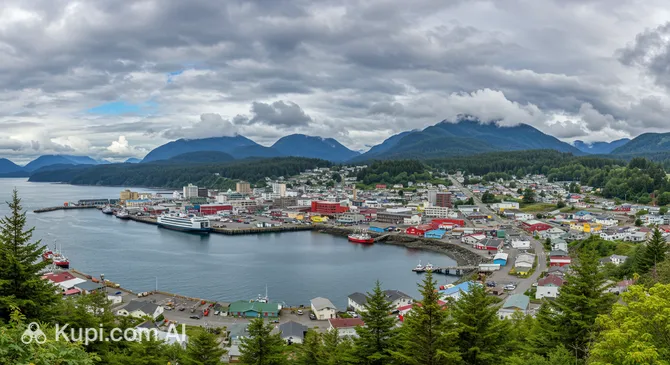
Nestled on Kaien Island along the rugged Northwest Coast, Prince Rupert is a vibrant port city that serves as a gateway to some of the most spectacular wilderness in British Columbia. Often referred to as the "City of Rainbows," it offers a unique blend of urban amenities and untamed nature, making it a fascinating destination for travelers seeking adventure and cultural depth.

Located within the traditional territory of the Tsimshian First Nations, this coastal community is surrounded by the lush Great Bear Rainforest and the Pacific Ocean. As you explore this gem in Canada, you will likely encounter its famous misty climate, which contributes to the breathtaking greenery of the region. With a population of approximately 12,000 residents, Prince Rupert maintains a friendly, small-town atmosphere while acting as a vital transportation hub connecting the mainland to Haida Gwaii and Alaska.

Prince Rupert. Source: Kupi.Binoculars

The history of Prince Rupert is deeply intertwined with the fishing industry and indigenous heritage, visible in the stunning totem poles and architecture throughout the city. Visitors should not miss the Museum of Northern British Columbia, renowned for its magnificent longhouse design and extensive collection of First Nations artifacts. Another highlight is the historic Cow Bay district, a colorful waterfront area filled with quaint shops, cafes, and restaurants built on pilings over the water.

For nature lovers, the city is a premier launching point for wildlife viewing excursions, offering chances to spot grizzly bears, whales, and eagles in their natural habitats. Whether you are strolling along the Rotary Waterfront Park or embarking on a fishing charter, Prince Rupert invites you to experience the raw beauty and warm hospitality of the true North Coast.

Weather Overview

The climate in this coastal city is defined by its location within a temperate rainforest, resulting in mild temperatures and consistent moisture year-round. Visitors will rarely experience extreme heat or bitter cold, as the Pacific Ocean moderates the temperature. To pack appropriately for your visit, it is helpful to review the detailed forecast and typical weather in Prince Rupert before you travel.

Summers are pleasant but cool, with August being the warmest month, featuring average highs of 17.2°C. In contrast, winters are generally mild compared to the rest of the country, with February lows dipping to around -2.3°C. Rainfall is a constant companion here; even in the drier summer months, you can expect around 17 wet days, while winter months like January can see precipitation on up to 23 days.

Interesting Facts

Beyond the misty landscapes and busy port life, Prince Rupert holds many fascinating secrets and historical twists that often surprise visitors.

  • The city's destiny was dramatically altered by the sinking of the RMS Titanic. Prince Rupert's founder, railway tycoon Charles Hays, perished on the ship in 1912; he had a grand vision to build a metropolis here that would rival Vancouver, but his tragic death caused those ambitious plans to fade.

  • Prince Rupert boasts the deepest ice-free natural harbor in North America and the third deepest in the world. This remarkable geographic feature allows the largest cargo ships to dock easily, making it a critical gateway for trade between Asia and North America.

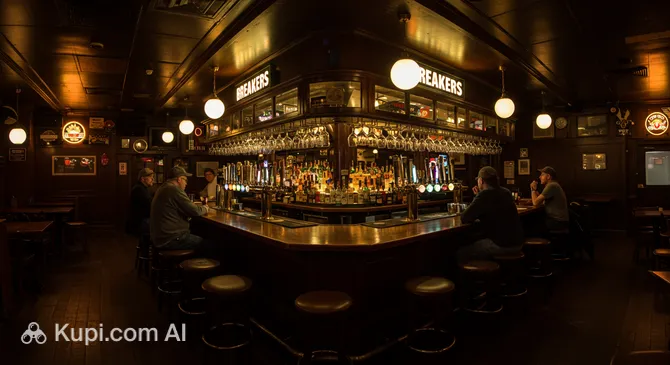
  • The historic Cow Bay district is famous for its architecture, as the buildings are constructed on pilings directly over the water. Establishments like Breakers Pub allow you to dine and relax while sitting right above the changing tides.

  • During World War II, this remote location transformed into a major military stronghold known as "Fortress Rupert." The population skyrocketed as thousands of American and Canadian troops were stationed here to protect the coast, leaving a lasting impact on the local infrastructure.

Breakers Pub. Source: Kupi.Binoculars

How to Get There

Reaching this coastal gem is an adventure in itself, whether you arrive by air, land, or sea. As a major transportation hub on the North Coast of British Columbia, the city is well-connected despite its remote location. For a comprehensive guide on all travel options, you can read more about how to get to Prince Rupert to plan your journey effectively.

The most direct way to arrive by air is via Digby Island Airport (YPR), which serves the city directly. Located approximately 8.7 km from the city center, this airport is unique because it sits on an island across the harbor. Travelers should note that the connection between the airport and downtown involves a synchronized bus and ferry service, which typically takes about 45 minutes in total. Although it is a smaller regional hub with annual traffic of around 60,000 passengers, it offers essential daily connections to Vancouver.

Alternatively, travelers often choose to fly into Northwest Regional Airport (YXT) in the neighboring city of Terrace. This airport is busier, handling over 260,000 passengers annually, and serves as a significant regional hub. It is located about 114.6 km from Prince Rupert. The drive from Terrace to the coast along Highway 16 is scenic and takes approximately 1.5 to 2 hours by rental car or shuttle bus.

For clarity, here is a summary of the main airports in the region:

Airport Name City Passenger Traffic Km from City
Ketchikan International Airport Ketchikan Medium 146.4
Northwest Regional Airport Terrace Medium 114.6
Smithers Airport Smithers Small 210.7
Digby Island Airport Prince Rupert Small 8.7
Sandspit Airport Sandspit Small 153.7

For those who prefer a scenic rail journey, the city is the western terminus of the famous VIA Rail "Skeena" train line. You will arrive at the Prince Rupert Railway Station (IATA: XDW), which is conveniently located just 3.1 km from the heart of the city. This station welcomes around 12,000 passengers a year and offers a relaxing way to view the stunning landscapes of the Skeena River valley before arriving at the coast. A short taxi ride or a brisk walk will get you to most downtown accommodations from the station.

Below is the information regarding the local railway station:

Station City Passenger Traffic Km to Center
Prince Rupert Railway Station Prince Rupert Small 3.1

Main Attractions

Prince Rupert offers a captivating mix of cultural heritage and natural wonders, making it a rewarding destination for explorers. The city's deep connection to the ocean and Indigenous history is evident in its most celebrated sites, ranging from world-class museums to historic industrial landmarks.

The Museum of Northern British Columbia is widely regarded as one of the finest museums in the province. Housed in a stunning structure built in the style of a traditional Northwest Coast First Nations longhouse, the museum overlooks the harbour and serves as a cultural treasure trove. Visitors can explore the Great Hall, which features massive cedar totem poles and intricate carvings, offering a profound insight into the history and artistry of the Tsimshian people who have inhabited this land for millennia.

A short distance from the city, the North Pacific Cannery National Historic Site stands as the oldest remaining intact salmon cannery on the West Coast. This open-air museum transports guests back to the bustling days of the fishing industry. Walking along the wooden boardwalks and exploring the preserved bunkhouses and canning lines provides a glimpse into the lives of the diverse workforce that powered the region's economy for decades.

Nature enthusiasts should not miss Butze Rapids Park, located just outside the city limits. A scenic 5-kilometer loop trail winds through a lush rainforest of old-growth cedar and hemlock, leading to viewing platforms that overlook a unique natural phenomenon. Here, the powerful tides force water through a narrow channel, creating reversing rapids that churn with whirlpools and waves, particularly impressive during large tidal exchanges.

For a taste of local life in the heart of the historic Cow Bay district, Breakers Pub is a must-visit destination. Situated directly on the waterfront, this establishment offers a warm and inviting atmosphere where visitors can enjoy hearty meals and observe the harbour's activity. It is an excellent spot to relax after a day of sightseeing, surrounded by the district's colorful buildings and maritime charm.

Local Cuisine

The culinary scene in Prince Rupert is unapologetically centered around the ocean. As a major port city on the North Coast, the "table" is often set with the freshest catch brought in by local fishermen just hours before serving. Visitors can expect a dining experience that champions high-quality seafood, prepared simply to highlight its natural flavors, rather than overly complex haute cuisine.

Undoubtedly, the star of the local menu is Pacific halibut. While fish and chips is a staple across many regions, Prince Rupert elevates this classic by using fresh, thick cuts of flaky halibut encased in a light batter, often cited by travelers as some of the best in the world. Besides halibut, wild salmon—including Sockeye and Chinook—is ubiquitous, served grilled, baked, or hot-smoked. For a true taste of the West Coast, look for "candied salmon," a sweet and savory cured treat that makes for a perfect snack while exploring.

Given the city's often misty and cool weather, the local drinking culture leans towards warming and social beverages. The craft beer scene has firmly taken root here, with local breweries creating ales, stouts, and lagers inspired by the rugged coast and maritime history. For non-alcoholic options, coffee culture is thriving; cozy cafes offer robust, locally roasted coffee to help combat the damp chill of the rainforest, making them popular gathering spots for the community.

When looking for a place to eat, the historic Cow Bay district is the culinary heart of the city. Here, restaurants and cafes are built on pilings over the water, offering views of fishing boats and passing wildlife. A prime example of this atmosphere is Breakers Pub, a favorite establishment that embodies the local spirit. Whether you are grabbing a quick bite at a waterfront kiosk or settling in for a hearty meal at a pub, the vibe in Prince Rupert is consistently casual, friendly, and deeply connected to the sea.

Travel Tips

Visiting Prince Rupert offers a unique glimpse into life on Canada's rugged North Coast, but the distinct climate and geography require some specific preparation. To ensure your adventure in this misty, magical port city is as smooth and enjoyable as possible, here are some practical tips to keep in mind.

  1. Clothing and Gear: The most critical item to pack is high-quality rain gear. Prince Rupert is located in a temperate rainforest, so a waterproof jacket with a hood and water-resistant footwear (like gumboots or hiking boots) are essential year-round. Dress in layers, as the weather can shift quickly from cool mist to breaks of sunshine. If you plan to visit religious sites or upscale dining venues, casual but neat attire is generally acceptable; practical comfort is the priority here.
  2. Transportation: The downtown area, particularly the Cow Bay district, is very compact and easily explored on foot. For longer distances, local buses and taxi services are available. If you are arriving by plane, be aware that the airport is on a separate island; you must take a dedicated shuttle bus and ferry connection to reach the city center, so allow extra time for travel. Renting a car is recommended if you plan to explore the surrounding wilderness or drive to the North Pacific Cannery.
  3. Finances: The local currency is the Canadian Dollar (CAD). Credit and debit cards are widely accepted at hotels, restaurants, and supermarkets. However, it is wise to carry some cash for smaller artisan shops, local markets, or tipping. ATMs are readily available throughout the city. Tipping culture is standard for Canada, with 15-20% being the norm for good service in restaurants and taxis.
  4. Health and Safety: Prince Rupert is generally a very safe city for tourists. The main safety consideration involves wildlife; the city is surrounded by wilderness, so be "bear aware" if you are hiking on local trails like Butze Rapids. Keep a safe distance from all wildlife. For medical needs, there are several pharmacies in the city center, and the Prince Rupert Regional Hospital provides emergency care.
  5. Communication: English is the primary language spoken throughout the city. Mobile coverage is good within the city limits and main highways but can be spotty or non-existent once you venture into the remote wilderness or out on the water. Free Wi-Fi is commonly available in cafes, hotels, and the public library.
  6. Local Etiquette: The vibe in Prince Rupert is laid-back and friendly. It is common to greet passersby with a smile or a nod. The city resides on traditional Tsimshian territory, and showing respect for local Indigenous culture is important; treat totem poles and cultural artifacts with care and reverence. When taking photos of locals or their property, it is polite to ask for permission first.
  7. What to Avoid: Do not leave food or trash unattended outdoors, even for a short moment. This attracts wildlife, including wolves and bears, into urban areas, which is dangerous for both you and the animals. Additionally, avoid complaining excessively about the rain to locals; they take pride in their "City of Rainbows," and the rain is simply a fact of life here.
  8. Additional Tip: If you are planning to take the BC Ferries service to Haida Gwaii or Port Hardy, book your reservations months in advance. These routes are incredibly popular, especially in the summer, and spots for vehicles fill up very quickly.

By packing the right gear and embracing the slower, nature-focused pace of the North Coast, you are sure to have an unforgettable experience. Prince Rupert’s charm lies in its wild beauty and warm community, ready to welcome anyone prepared for a little adventure.

Entertainment & Nightlife

To enjoy the nightlife in Prince Rupert is to embrace the local spirit of camaraderie and relaxation. Unlike large metropolises with thumping nightclubs and neon-lit strips, the evening entertainment here is defined by cozy pubs, waterfront lounges, and a vibrant craft beer scene. The atmosphere is undeniably casual and welcoming, reflecting the city's identity as a working port and a close-knit community.

The heart of the evening action is undoubtedly the Cow Bay district. This historic waterfront area, with its distinct heritage buildings, transforms into a social hub as the day winds down. It is the perfect place to mingle with locals, fishermen, and fellow travelers while watching the lights dance on the harbour water. Another area to explore is the downtown core along 2nd and 3rd Avenue, where you can find additional dining and drinking establishments.

For a quintessential Prince Rupert experience, head to Breakers Pub. Located right on the water in Cow Bay, this venue is a staple of local nightlife, offering a lively atmosphere where you can enjoy a pint while listening to the sounds of the ocean beneath the floorboards. It is a fantastic spot to unwind, share stories, and enjoy hearty pub fare late into the evening.

Beyond the pubs, the city has a burgeoning appreciation for craft beverages. The Wheelhouse Brewing Company is a must-visit for beer enthusiasts. Tucked away in a historic location, it serves as a community gathering space where you can sample locally brewed ales inspired by the rugged North Coast. If you prefer a more polished setting, the lounge at the Crest Hotel offers sophisticated cocktails and panoramic views of the harbour, making it an ideal spot for a quiet nightcap.

Practical Tips for a Night Out:

  • Opening Hours: Most pubs and bars operate until around midnight or 1:00 AM on weekends, while weeknights may see earlier closures. It is wise to head out for dinner and drinks by 8:00 PM to make the most of the evening.
  • Dress Code: The style here is distinctly "West Coast casual." You will fit in perfectly wearing jeans, a flannel shirt, and waterproof footwear. There is no need for formal attire; comfort and practicality are the norms.
  • Safety and Transport: Prince Rupert is generally safe for night walks, especially in the Cow Bay and downtown areas. However, as with any port city, it is advisable to stay in well-lit areas. For getting back to your accommodation, Skeena Taxi is a reliable local service. Ride-sharing apps are not typically available, so keeping a taxi number handy is recommended.

While the nights are laid-back, the city offers diverse entertainment during the day and early evening as well. Cultural enthusiasts should check the schedule at the Lester Centre of the Arts, a premier venue that hosts concerts, theatrical performances, and community events. For a more educational afternoon, the Museum of Northern British Columbia provides a fascinating look into the region's history before you head out for your evening adventures.

Parks & Museums

Prince Rupert is a destination where the boundaries between urban life, Indigenous heritage, and the wild coastal rainforest blur beautifully. The city offers a rich array of green spaces and cultural institutions that allow visitors to explore its deep roots in the Tsimshian territory and its history as a transportation hub.

Key Parks and Green Spaces

One of the most unique green spaces in the city is the Sunken Gardens. Tucked away behind the provincial court building, this park is a hidden gem that locals cherish. Originally the site of an ammunition bunker during World War II, it was transformed into a vibrant botanical garden by a visionary sergeant. Today, visitors can wander through tunnels of flowers and manicured lawns, making it a perfect spot for a quiet picnic or photography away from the harbor winds.

For those who prefer ocean views, Rotary Waterfront Park offers a scenic promenade connecting the downtown area with the Kwinitsa Railway Station. It is an excellent location for a leisurely stroll, offering uninterrupted views of the harbor, passing trains, and eagles soaring overhead. The park is also a popular gathering spot for community events and provides easy access to the water's edge, where you can watch the fishing fleet come and go.

Pacific Mariners Memorial Park is another significant area, located near the Museum of Northern British Columbia. It features a poignant statue and memorial wall dedicated to those who have lost their lives at sea. The park not only offers a space for reflection but also commands a stunning view of the harbor entrance, allowing visitors to appreciate the powerful relationship between the city and the ocean.

Museums and Galleries

The cultural crown jewel of the city is undoubtedly the Museum of Northern British Columbia. Housed in a magnificent cedar building designed to resemble a traditional Northwest Coast longhouse, the museum dominates the waterfront skyline. Inside, the galleries are filled with intricate Tsimshian treasures, including ceremonial masks, button blankets, and ancient tools. It provides a comprehensive narrative of the region's history, from thousands of years of Indigenous habitation to the fur trade and modern industrial era.

A short walk along the waterfront leads to the Kwinitsa Railway Station Museum. This charming historic building was one of the original Grand Trunk Pacific Railway stations, relocated to the waterfront to serve as a museum. It offers a fascinating glimpse into the life of early station agents and the massive engineering feat required to bring the railway through the Skeena River valley to the coast. The exhibits include period artifacts, maps, and photographs that railway enthusiasts will adore.

Historical and Architectural Sites

Prince Rupert is dotted with impressive Totem Poles that stand as silent storytellers of the land's heritage. Unlike in museums, many of these poles are located outdoors in public spaces, such as Service Park and outside City Hall. Carved by master artists, these poles depict clan crests and legends, serving as a constant reminder of the enduring Tsimshian culture that defines the region.

Authentic Experiences

For a lesser-known cultural experience, seek out the Ice House Gallery. Often showcasing works by local artists, this volunteer-run gallery is located in a historic building and offers a chance to purchase unique, locally made art ranging from paintings to pottery. It is a wonderful way to support the local creative community and find a souvenir that carries the true spirit of the North Coast.
Getting Around

Public transport in Prince Rupert is relatively small-scale, reflecting the city's compact size and population of around 12,000 residents. The system is straightforward and primarily relies on a bus network operated by BC Transit. There are no metros, trams, or trolleybuses here. For most tourists staying in the downtown area or the Cow Bay district, the city is quite walkable, but the bus service provides an essential link to residential neighborhoods, shopping centers, and the ferry terminal.

The local bus system consists of several routes that cover the main arteries of the city. Service frequencies vary, with buses typically running more often during peak weekday hours and less frequently on weekends and holidays. While the network is reliable, it is not designed for late-night travel, as most routes cease operations in the early evening. Visitors planning to travel outside the city center or to specific attractions like the North Pacific Cannery should check the schedules in advance, as some routes may have limited runs.

Payment and Fares are very affordable. A single cash fare is generally low, typically around $2.00 CAD, and you must have exact change in coins when boarding, as drivers cannot provide change. For those planning to use the bus frequently, a DayPASS or a sheet of ten tickets can be purchased at a discounted rate. These tickets and passes are sold at various vendors throughout the city, including City Hall, the recreation complex, and major drugstores like Shoppers Drug Mart. Recently, BC Transit has been modernizing its systems, but carrying cash remains the most foolproof method for visitors.

Given the city's unique geography, one special transport feature stands out: the connection to Digby Island Airport (YPR). Since the airport is located on an island across the harbor, it is not accessible by a standard taxi or city bus alone. Instead, a dedicated shuttle bus service collects passengers from the downtown Highliner Hotel, transporting them to the ferry dock for a synchronized crossing to the airport. This service is specifically timed with flight schedules, and travelers are advised to book or arrive well in advance of their departure.

Alternatives to the bus are popular and often necessary for flexibility. Taxis are a primary mode of transport for tourists, especially for dining out in the evening or carrying luggage. Local companies like Skeena Taxi provide reliable service, though it is recommended to call ahead rather than hoping to hail one on the street. Car rentals are also highly recommended if you wish to explore the surrounding wilderness or drive along Highway 16, as they offer the freedom to travel on your own schedule.

For practical advice, always check the current "Rider’s Guide" available on the BC Transit website or at local information centers for the most up-to-date route maps and times. If you are exploring the downtown core, walking is often the most pleasant option, allowing you to take in the fresh ocean air and harbor views between stops. However, be prepared for the weather; having a rain jacket handy is essential even for short walks to the bus stop.

Accommodation

Finding a place to stay in Prince Rupert is generally a straightforward affair, though the options are more reflective of a working port city than a sprawling resort destination. The accommodation landscape primarily consists of reliable mid-range hotels, comfortable motels, and a selection of charming bed and breakfasts. While you will not find ultra-luxury international hotel chains here, the local hospitality is warm, and many properties offer clean, modern amenities suited for travelers exploring the North Coast.

The most popular area for tourists to stay is the downtown core, particularly near the waterfront. staying here places you within easy walking distance of the Museum of Northern British Columbia, the bustling Cow Bay district, and various dining options. For those arriving by train or ferry, choosing a hotel in the city center ensures you are centrally located near transport links, including the shuttle service to the airport. Some of the premier properties in this area sit on the bluffs overlooking the harbour, offering guests spectacular views of the ocean and passing ships right from their rooms.

For budget-conscious travelers or those seeking a more home-like atmosphere, there are several guest houses and B&Bs tucked away in the quieter residential streets just a few blocks from the center. These options often provide a more personal touch and a hearty breakfast to start your day of adventure. Conversely, if you are looking for standard conveniences, several well-established hotels offer full-service restaurants, fitness centers, and business facilities.

Booking Tips and Prices:

Prince Rupert is a seasonal hub, with activity peaking during the summer months (June to August) when the weather is best and the cruise ships and ferries are running frequently. Consequently, accommodation prices tend to be in the mid-range to slightly higher bracket during this period. It is highly recommended to book your room well in advance, as the city has a limited inventory of rooms which can fill up quickly with ferry passengers and tour groups. Reservations can easily be made through major online booking platforms or by contacting hotels directly.

Nearby Cities

For those looking to explore the surroundings, Prince Rupert serves as an excellent base for day trips to several interesting nearby locations:

Terrace is the closest major neighbor and a fantastic destination for nature enthusiasts. Located about a two-hour drive east along the scenic Skeena River, this city is often called the home of the Kermode (Spirit) Bear. It offers incredible opportunities for fishing, hiking, and exploring the rich volcanic landscapes of the Nass Valley nearby. Its warmer summer climate makes it a pleasant change of pace from the coast.

Further inland lies Smithers, a charming town with a distinct alpine theme situated at the foot of Hudson Bay Mountain. Known as "Little Switzerland," it is a hub for outdoor recreation, offering excellent skiing in winter and hiking in summer. The drive itself is spectacular, winding through the rugged Coast Mountains, making it a rewarding journey for those willing to venture a bit further for a short visit.

City Population Distance (km)
Prince George 74003 497
Terrace 15723 114
Quesnel 9879 538
Smithers 5500 211
Port Hardy 4000 443

These nearby destinations offer a glimpse into the diverse culture and landscapes of the region, ranging from lush river valleys to dramatic mountain peaks.

Shopping & Souvenirs

Shopping in Prince Rupert is a relaxed and pleasant experience that reflects the city's maritime heritage and deep cultural roots. While you will not find sprawling luxury outlets or high-end fashion districts here, the city offers a delightful selection of independent boutiques, art galleries, and practical stores. The retail scene is characterized by friendly service and a focus on locally made goods, making it easy to find unique treasures that tell the story of the North Coast.

The most picturesque shopping destination is undoubtedly the Cow Bay district. This historic waterfront area, with its colorful buildings raised on pilings, is home to a variety of charming gift shops and galleries. Visitors can browse for nautical-themed decor, handmade jewelry, and local crafts while enjoying the fresh ocean breeze. Just a short walk away, the downtown core, particularly along 3rd Avenue and 2nd Avenue, serves as the main commercial artery where you can find clothing stores, pharmacies, outdoor gear suppliers, and bookstores catering to both locals and tourists.

For a more concentrated retail experience, the Rupert Square Shopping Centre is the city's primary indoor mall. Located in the heart of downtown, it houses two levels of shops, including a major grocery store, fashion retailers, and service providers. It is a convenient stop for travelers needing to restock on essentials, purchase electronics, or find comfortable apparel suitable for the rainy coastal weather.

Local markets and specialty food shops are an integral part of the shopping landscape. While large open-air markets are seasonal, several local vendors offer fresh seafood directly to the public. Visitors often seek out shops selling locally processed fish to take a taste of the Pacific home with them. The Prince Rupert Farmers Market, typically held on weekends, is a great place to meet local artisans, buy fresh produce, and find homemade baked goods.

When it comes to souvenirs, Prince Rupert offers items of genuine quality and cultural significance. The most sought-after goods are Indigenous art pieces, including carvings, prints, and jewelry created by Tsimshian artists. The gift shop at the Museum of Northern British Columbia is an excellent place to purchase authentic works. Additionally, smoked salmon and candied salmon are classic edible souvenirs that are easy to pack. Other popular items include jade jewelry and books on local history or nature.

Most shops in Prince Rupert operate from approximately 9:00 AM or 10:00 AM to 5:30 PM or 6:00 PM, Monday through Saturday. Sunday hours are often reduced, and some smaller boutiques in Cow Bay may close earlier or have seasonal operating times. Credit and debit cards (Visa and Mastercard) are widely accepted throughout the city, even for small purchases. However, carrying a small amount of cash is advisable for market stalls or smaller independent vendors.

Travelers should be aware that goods in British Columbia are subject to a combined sales tax of 12% (5% GST and 7% PST). Unlike some international destinations, Canada does not generally offer a VAT or sales tax refund program for tourists on standard consumer goods purchased during their stay.

Reached the end of the page?

That means the route is fully explored