Support

Klawock

About

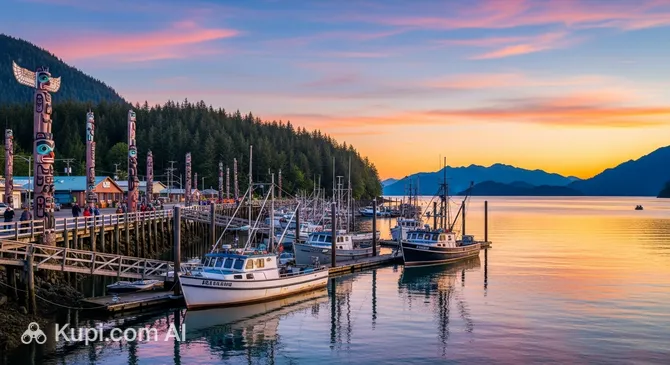
Nestled on the west coast of Prince of Wales Island, Klawock is a vibrant community that serves as a gateway to the authentic wilderness of Southeast Alaska. This scenic town offers a unique blend of indigenous heritage and modern Alaskan life, set against a backdrop of lush forests and pristine waters. As a destination within the United States, it provides travelers with an intimate look at life in the Last Frontier, far removed from the bustle of major cities.

Klawock. Source: Kupi.Binoculars

With a population of approximately 760 residents, the town maintains a close-knit and welcoming atmosphere. The history of Klawock is deeply intertwined with the Tlingit people, who have inhabited this land for thousands of years. It holds the distinction of being the site of Alaska's first salmon cannery built in 1878, which played a pivotal role in shaping the region's economy and development.

Visitors are most often drawn to the remarkable Klawock Totem Park. This site features one of the largest collections of standing totem poles in Alaska, consisting of both original and replica poles that showcase the intricate artistry and storytelling traditions of the Tlingit culture. Additionally, the town is a premier destination for sport fishing, with its rivers and ocean waters teeming with salmon and halibut, attracting anglers from around the world.

Whether you are eager to explore rich cultural traditions, witness master carvers at work, or simply enjoy world-class fishing, Klawock invites you to experience the quiet beauty and enduring spirit of Prince of Wales Island.

Weather Overview

Klawock experiences a maritime climate characterized by mild temperatures and frequent precipitation throughout the year. Winters are cool but generally avoid extreme freezing conditions, with average temperatures in January and February hovering around 1.3°C to 1.7°C. The coldest nights typically only drop slightly below zero, making the season manageable with the right clothing.

Summers offer the most comfortable conditions for exploring, with July and August seeing average highs reaching approximately 16°C. While this season is warmer, it remains relatively damp. Travelers should be prepared for consistent moisture, as the region records between 17 and 23 wet days per month year-round. For more detailed forecasts and seasonal trends, you can consult the guide to the weather in Klawock to help plan your packing list.

Precipitation is a defining feature of the local environment, sustaining the lush surroundings. November and January are among the wettest months in terms of frequency, often seeing precipitation on more than 20 days each month. Even in the relatively drier months of May and June, rain is common, so carrying waterproof gear is highly recommended regardless of when you visit.

Interesting Facts

Beyond its scenic beauty and reputation as a fishing paradise, Klawock holds several fascinating details that highlight its unique importance on Prince of Wales Island.
  • A Cultural Ark from Tuxekan: The famous totem poles in Klawock are not just local decorations; many were originally salvaged in the 1930s from the abandoned winter village of Tuxekan. These efforts were part of a massive restoration project to preserve the heritage of the Heinyaa Kwaan people, ensuring their stories survived for future generations.

  • The Island's Gateway: Unlike many isolated communities in Southeast Alaska that rely solely on seaplanes, Klawock is home to the only paved airport on Prince of Wales Island capable of handling jet traffic. This makes the town the critical transportation hub connecting the entire island's road system to the outside world.

  • Fueling the Fishing Legend: The abundance of fish in local waters isn't entirely accidental; the Klawock River Hatchery plays a massive role in the ecosystem. It is responsible for releasing millions of coho and sockeye salmon annually, directly sustaining the region's status as a world-class sport fishing destination.

How to Get There

Reaching this island community requires a bit of planning, as it is located off the mainland road system. Most travelers combine air travel with a scenic drive or ferry ride. You can find detailed information on routes and logistics in our guide on how to get to Klawock.

The city of Klawock does not have its own major international hub, so most visitors first fly into Ketchikan International Airport (KTN) in the city of Ketchikan. Located approximately 89 km from Klawock, this is the primary gateway to the region. From Ketchikan, travelers typically take a connecting commuter flight directly to Klawock’s airstrip or catch a ferry to Hollis and drive the remaining distance. The total transit time from this hub is estimated at around 155 minutes, depending on your connection choice. This airport handles a significant volume of passengers annually, serving as a vital link for Southeast Alaska.

Another option is Sitka Airport (SIT), situated in Sitka, about 218 km away. While further afield, it serves as an alternate entry point into the archipelago. The travel time from Sitka would be considerably longer, estimated at roughly 350 minutes involving transfers. Additionally, for regional connectivity, the Kake Seaplane Base (KAE) in Kake offers access for smaller aircraft, located about 167 km from Klawock.

For clarity, here is a summary of the main airports:

Airport Name City Passenger Traffic Km from City
Ketchikan International Airport Ketchikan Medium 89.3
Sitka Airport Sitka Medium 218.2
Digby Island Airport Prince Rupert Small 220.1
Sandspit Airport Sandspit Small 268.7
Kake Seaplane Base Kake Small 167.0

The city of Klawock does not have a railway station, and rail travel is not a common method for reaching Prince of Wales Island directly. However, adventurous travelers might arrive via the Prince Rupert Railway Station (XDW) in the city of Prince Rupert, Canada. This station is located about 224 km from Klawock. From there, you would typically need to take a ferry to Ketchikan and then proceed to the island, a journey that takes significantly longer than the estimated 356 minutes of direct travel time.

Here is the nearest railway station for reference:

Station City Passenger Traffic Km to Center
Prince Rupert Railway Station Prince Rupert Small 224.1

Main Attractions

For travelers venturing to this part of Prince of Wales Island, the attractions of Klawock offer a compelling mix of indigenous heritage and raw natural beauty. The town is small but rich in history, providing visitors with an authentic glimpse into the traditions of the Tlingit people and the ecosystems that sustain the region. From world-class fishing to immersive cultural sites, the local highlights are deeply connected to the land and sea.

The most famous landmark in the city is undoubtedly the Klawock Totem Park. Situated on a hill overlooking the harbor, this impressive site contains one of the largest collections of totem poles in Alaska. The park features 21 masterfully carved poles, which are replicas of originals that stood in the ancient winter village of Tuxekan. Walking among these towering figures offers a profound connection to the stories, lineage, and artistry of the local Tlingit clans, making it an essential stop for anyone interested in Native Alaskan culture.

Another significant facility is the Klawock River Hatchery, which plays a vital role in the region's ecology and economy. As one of the oldest hatcheries in the state, it is responsible for sustaining the massive salmon runs that the island is famous for. Visitors can often tour the grounds to learn about the fascinating lifecycle of coho and sockeye salmon. During the spawning season, the area around the hatchery becomes a prime spot for wildlife viewing, as black bears and bald eagles frequently gather to feed on the returning fish.

For those seeking outdoor adventure, Klawock Lake serves as a serene escape just minutes from the town center. This expansive freshwater lake is surrounded by dense Tongass rainforest and offers excellent opportunities for kayaking and canoeing in a peaceful setting. The lake is also a habitat for diverse bird species and Sitka black-tailed deer. Anglers will find the lake and the connecting Klawock River to be world-class destinations for sport fishing, particularly for those chasing steelhead and trout in a spectacular wilderness environment.

Local Cuisine

The culinary experience in Klawock is defined almost entirely by its proximity to the ocean and the rich subsistence traditions of the Tlingit people. Unlike major culinary destinations filled with high-end restaurants, the food culture here focuses on freshness and local sourcing. The star of the table is undoubtedly Pacific salmon. Whether it is Sockeye, Coho, or King salmon, it is often served fresh during the summer runs or traditionally smoked to preserve it for the winter. Visitors will find that smoked salmon in this region has a distinct, rich flavor, honed by centuries of indigenous preservation methods.

Beyond salmon, the pristine waters around Prince of Wales Island yield an abundance of other seafood delicacies. Halibut is a local staple, frequently served battered and fried as fish and chips or grilled as a hearty steak. Dungeness crab and spot prawns are also prized catches that occasionally appear on local menus or at community gatherings. On land, the wilderness provides organic ingredients that locals incorporate into their diet; dishes featuring Sitka black-tailed deer (venison) and wild berries—such as huckleberries, blueberries, and salmonberries—offer a true taste of the Alaskan rainforest.

When it comes to beverages, Klawock shares the broader Alaskan love affair with coffee. In the cool, often damp maritime climate, a hot cup of locally roasted coffee is the standard way to start the day or warm up after a fishing trip. For something stronger, you will likely find a selection of Alaskan craft beers available in town. While Klawock does not have its own brewery, beers brewed in nearby Juneau or elsewhere in the state are popular staples, featuring flavors inspired by spruce tips and glacial water.

The dining scene in Klawock is casual and unpretentious, reflecting the town's small-knit community vibe. You will not find fine dining establishments here; instead, the area offers a few cozy diners and bakeries where locals gather for hearty American breakfasts, burgers, and pizza. For many tourists, especially those staying in lodges or vacation rentals, the ultimate culinary experience involves cooking their own catch of the day or attending a community event where traditional foods like fry bread and herring eggs might be shared. The atmosphere is always welcoming, with a focus on comfort food that fuels outdoor adventures.

Travel Tips

Welcome to Klawock! Visiting this authentic community on Prince of Wales Island is a true adventure into the Alaskan wilderness, but the remote location and maritime environment require some specific preparation. To ensure your trip is smooth and enjoyable, here are some practical tips designed to help you navigate the local lifestyle and conditions like a pro.

  1. Clothing and Gear: The most important rule for Southeast Alaska is to dress in layers and prepare for rain. The climate here is wet, so high-quality waterproof rain gear (jacket and pants) is non-negotiable, regardless of the season. Locals often wear rubber boots (affectionately known as "Southeast Sneakers") which are perfect for the muddy terrain. You will not need formal wear here; the dress code is strictly casual and functional. If you plan to hike, bring wool or synthetic layers that keep you warm even when damp, and avoid cotton.
  2. Transportation: Public transportation options like metros or city buses do not exist in Klawock. To explore the town and the rest of Prince of Wales Island, renting a car is essential. While the island has a road system, distances between communities and fishing spots can be significant. It is highly advisable to book your vehicle well in advance, as the fleet size on the island is limited. Taxis are scarce, and ride-sharing apps like Uber or Lyft are generally not available.
  3. Finances: The official currency is the US Dollar ($). Credit and debit cards are widely accepted at the main grocery stores, gas stations, and lodges. However, it is smart to carry some cash for smaller purchases, tipping fishing guides, or buying from local artisans. ATMs are available in town, typically at the grocery store or bank, but they can occasionally be out of service. Be prepared for higher prices than on the mainland, as most goods have to be shipped in by barge.
  4. Health and Safety: Klawock has a local clinic, the Alicia Roberts Medical Center, which handles routine care and minor emergencies. For serious medical situations, patients are often medevaced to Ketchikan or Sitka, so travel insurance that covers medical evacuation is recommended. In terms of safety, the biggest concern is wildlife. You are in bear country; always keep a clean camp, dispose of fish waste properly, and carry bear spray if you are hiking or fishing in remote areas.
  5. Communication: English is the primary language spoken by everyone. Cell phone coverage can be spotty; AT&T tends to have the best reception in town and along the main roads, while other carriers may have no signal at all. Once you leave the immediate town area, expect to lose service. It is a great idea to download offline maps and essential information before you arrive. Wi-Fi is available at most lodges and the public library, though speeds may be slower than what you are used to.
  6. Local Etiquette: The community is small and friendly; it is common practice to wave at passing drivers on the island's roads. Klawock is a stronghold of Tlingit culture, so it is important to show respect for cultural sites. When visiting the Totem Park, feel free to take photos, but do not touch the totem poles or disturb the site. If you are fishing, strictly adhere to local regulations and etiquette—give other anglers space and do not crowd a fishing hole.
  7. What to Avoid: Do not trespass on private land. Much of the land on Prince of Wales Island belongs to Native corporations or is private property. Always look for signage or ask locally before hiking or hunting on unmarked land. Additionally, avoid leaving trash or food unsecured outdoors, even for a short time, as this attracts bears and creates dangerous situations for both you and the wildlife.
  8. Island Logistics: Keep in mind that "island time" is a real thing. Schedules can be dictated by the weather, especially regarding flights and ferries. Stores may close earlier than in big cities, often around 6:00 PM or 7:00 PM, and may have limited hours on Sundays. If you need supplies for an early morning fishing trip, buy them the day before.

By packing the right gear and embracing the slower, nature-focused pace of life, you will be well-equipped to enjoy everything Klawock has to offer. Respect the land and the locals, and you are sure to have an unforgettable experience in this beautiful corner of Alaska.

Entertainment & Nightlife

Entertainment and nightlife in Klawock reflect the town's character: quiet, authentic, and deeply connected to the outdoors. You will not find neon-lit nightclubs, thumping dance floors, or bustling entertainment districts here. Instead, the evening scene is defined by relaxed gatherings, hearty meals after a long day of fishing, and the chance to swap stories with locals in a warm, rustic setting. The pace is slow, and the "nightlife" usually wraps up early, allowing visitors to rest up for the next day's adventures.

For a pleasant evening out within Klawock itself, the options focus more on dining and socializing than partying. Fireweed Lodge is a cornerstone of the local hospitality scene. While primarily a fishing lodge, its dining area offers a welcoming atmosphere where you can enjoy a meal and a drink while overlooking the Klawock Estuary. It is the perfect spot for a lower-key night, watching eagles soar at twilight. For a more casual vibe, Papa's Pizza serves as a local hub where families and friends gather for comfort food and conversation. The dress code everywhere is strictly Alaskan casual—jeans, flannel, and rubber boots are the standard uniform.

Travelers seeking a more traditional bar scene or a livelier crowd typically make the short, 15-minute drive to the neighboring town of Craig. This area serves as the de facto entertainment district for residents of Klawock. In Craig, you can find spots like the Hill Bar, a well-known local watering hole that offers a classic dive bar experience with pool tables and a friendly, unpretentious crowd of fishermen and locals. It is the best place to go if you want to enjoy a cold beer and hear authentic tales of life on Prince of Wales Island.

When planning a night out, transportation is a critical consideration. There are no ride-sharing services like Uber or Lyft, and taxi availability is extremely limited, especially late at night. If you plan to visit Craig for drinks, you must have a designated driver, as the road between the towns is unlit and winding. Safety on the road is less about crime and more about wildlife; Sitka black-tailed deer are very active at dusk and dawn, frequently darting onto the highway. Always drive with caution.

While the nights are quiet, the daytime entertainment in Klawock is rich with cultural and natural history. Visitors should not miss the Klawock Totem Park, which hosts a world-class collection of Tlingit totem poles. For those who prefer active entertainment, the local rivers and trails offer endless opportunities for hiking and wildlife viewing, keeping you busy until the sun goes down.

Parks & Museums

Klawock offers a distinct blend of natural splendor and cultural depth, where the line between the wilderness and the town’s heritage is beautifully blurred. While the community is small and does not feature sprawling botanical gardens or large indoor museum complexes, its green spaces and cultural sites are profound, serving as living testaments to the Tlingit way of life and the island’s rugged geography.

Klawock Totem Park is the undisputed centerpiece of the town’s green spaces and serves as its primary open-air museum. Located on a rise overlooking the harbor, this park is not just a place for a leisurely stroll but a journey through history. It houses one of the most significant collections of totem poles in Alaska, with 21 impressive figures standing against a backdrop of spruce and hemlock. Tourists will find this park fascinating for its dual role: it provides a peaceful, grassy setting for picnics and contemplation while offering an immersive education in the crests, legends, and artistic styles of the local clans.

For those seeking immersion in the raw nature of Prince of Wales Island, Klawock Lake offers a pristine natural playground just a short distance from the town center. This vast body of freshwater is fringed by the dense Tongass National Forest, providing a habitat for Sitka black-tailed deer and bears. It is an excellent spot for visitors who enjoy kayaking or canoeing in solitude. The area around the lake and its outlet river is less of a manicured park and more of a gateway to the wild, perfect for anglers and nature photographers looking to capture the misty, serene atmosphere of Southeast Alaska.

In terms of museums and galleries, Klawock’s culture is best experienced as a living art form rather than behind glass cases. The Carving Shed, often situated near the school or the totem park, is a vital cultural venue. Here, master carvers and apprentices work on new poles or restore older ones. It acts as an informal gallery where visitors can often smell the fresh cedar, watch the intricate adzing process, and speak directly with artists. This direct connection to the creative process makes it a unique stop for those interested in the continuity of Tlingit art.

While not a traditional museum, the Klawock River Hatchery functions as an educational center for the region's ecology. Visitors are welcome to walk the grounds and observe the fish ladders and rearing ponds. It offers a fascinating look at the lifecycle of the salmon that sustain the local economy and culture. The site is particularly interesting in late summer and early fall when the salmon return to spawn, drawing eagles and bears, effectively turning the facility into a live natural history exhibit.

Among the historical and architectural landmarks, St. John’s by the Sea Catholic Church stands out. This modest but charming structure reflects the religious history of the area and the community's resilience. Additionally, history buffs may appreciate the site of the First Salmon Cannery in Alaska, established in 1878 near the Klawock River. While little of the original industrial infrastructure remains intact, the location is historically significant as the birthplace of the industry that shaped modern Alaska.

For an authentic insider experience, head to the bridge over the Klawock River during the salmon run. It is a favorite local spot not just for fishing, but for watching black bears feed along the riverbanks below. Unlike organized tours, this offers a raw and unscripted view of the food chain in action, often right from the safety of the roadside.

Getting Around

Travelers planning a visit to Klawock must be aware that the city and the surrounding Prince of Wales Island do not have a public transport system. There are no public buses, metros, or scheduled shuttles operating within the town or connecting it to other communities. The infrastructure here is distinctly rural, and the lack of mass transit options means that getting around requires independent planning.

Given the absence of public transportation, the only practical way to explore the area is by renting a car. A personal vehicle is essential for reaching local lodges, trailheads, and fishing spots, as well as for traveling between Klawock and the ferry terminal in Hollis. Visitors are strongly advised to book their rental vehicles well in advance. The local fleet is small, and cars often sell out completely during the busy summer season. Arriving without a reservation can result in being unable to travel beyond the immediate vicinity of your accommodation.

Alternative transport options are extremely limited. While there are a few local taxi services, they do not operate like city cabs; you cannot hail them on the street. Rides must be arranged by phone, and wait times can be significant. Additionally, travelers should not rely on app-based services, as Uber and Lyft do not operate in this region. To ensure a smooth trip, securing a rental car remains the most reliable choice for mobility.

Accommodation

Accommodation in Klawock is defined by the town's reputation as a world-class fishing destination and its remote, small-town character. Travelers should not expect international hotel chains, high-rise resorts, or standard roadside motels. Instead, the lodging landscape is dominated by full-service fishing lodges, family-run bed and breakfasts, and private vacation rentals. The options here are designed to offer comfort and functionality, often with a rustic Alaskan charm that complements the surrounding wilderness.

The most prominent category of accommodation is the sport fishing lodge. These establishments are typically geared towards anglers and offer all-inclusive packages that combine lodging with guided fishing charters, meals, and fish processing. A well-known example in the area is the Fireweed Lodge, which sits directly on the water and provides a resort-style experience focused on luxury and outdoor adventure. Staying at a lodge is often the most convenient way to visit, as it handles the logistics of dining and activities in a town with limited amenities.

For independent travelers who prefer not to book a full package, vacation rentals and cabins are the primary alternative. Scattered throughout the community, these self-catering options range from simple guest rooms to fully equipped houses. They are ideal for visitors who have rented a car and plan to explore Prince of Wales Island at their own pace. Many of these rentals are located near the Klawock River or overlooking the harbor, offering easy access to the water and stunning views of the wildlife.

Booking Tips and Prices:

Because Klawock is a seasonal destination, availability is tightly linked to the salmon runs. The peak season runs from May through September, and during these months, accommodation is in extremely high demand. It is highly recommended to book your stay 6 to 12 months in advance, especially if you are targeting specific fishing dates. In terms of pricing, full-service lodges are in the higher price range due to the inclusive nature of their packages, while independent cabin rentals generally fall into the mid-range category. Most bookings are made directly through the property's website or by phone.

Nearby Cities

For those looking to explore the surroundings, Klawock serves as an excellent base for day trips to several interesting nearby locations:

City Population Distance (km)
Juneau 32240 317
Ketchikan 13948 94
Craig 9026 9
Sitka 8518 218
Haines 2500 434

Among the most accessible destinations is Craig, located just a short drive of approximately 9 kilometers from Klawock. As the largest city on Prince of Wales Island, it acts as a commercial hub and offers a wider variety of dining and shopping options. Visitors often head here to stroll along the busy harbor, enjoy fresh seafood at local restaurants, or explore the coastline. Its proximity makes it the perfect spot for a quick afternoon outing or a dinner trip without the need for extensive travel planning.

For a more extended excursion, Ketchikan is the primary gateway to the region and a fascinating destination in its own right. Known as the "Salmon Capital of the World," it is famous for the historic Creek Street, a boardwalk built over the water, and its rich collection of totem poles that complements what you see in Klawock. Although it requires a ferry ride or a short flight to reach, the vibrant arts scene and bustling waterfront make it well worth the journey for travelers interested in the deeper history of Southeast Alaska.

These nearby destinations offer a glimpse into the diverse culture and landscapes of the region.

Shopping & Souvenirs

Shopping in Klawock is a practical and authentic experience rather than a commercial one. As a small island community with a population of under 1,000, the town does not offer sprawling retail districts or luxury boutiques. Instead, the local shopping scene focuses on essential supplies for outdoor adventures, groceries, and a select number of unique outlets where visitors can purchase locally made goods. For tourists, the appeal lies in finding genuine Alaskan items, particularly those connected to the region’s indigenous heritage and fishing culture.

The primary commercial hub is located along the main road, the Prince of Wales Highway. This area hosts the town’s main grocery and supply center, which serves as a gathering point for residents and visitors alike. Here, you can find everything from food and camping gear to basic clothing and hardware. For a wider selection of shops, many travelers make the short 15-minute drive to the neighboring city of Craig, which offers additional pharmacies, bookstores, and gift shops that complement Klawock's offerings.

There are no traditional shopping malls in Klawock. The closest equivalent is the Black Bear Store complex. This facility is more of a general mercantile than a mall, but it is the heartbeat of the town's retail sector. It functions as a one-stop-shop where you can fuel up your rental car, stock up on provisions for a fishing trip, and browse a selection of general merchandise. It is functional, convenient, and essential for anyone staying in a self-catering cabin.

While Klawock lacks formal flea markets, the town is renowned for its cultural artistry. The best "market" for souvenirs is often found directly at the source. Visitors should look for opportunities to buy directly from local artisans. The Carving Shed, located near the totem park, is not a store in the traditional sense, but it is often possible to meet master carvers there. Many local artists sell intricate wooden carvings, hand-painted paddles, and silver jewelry featuring traditional Tlingit designs directly to visitors or through small displays in local businesses.

When it comes to souvenirs, the items worth bringing home are deeply connected to the land and culture. Tlingit art is the premier keepsake; look for small totem replicas, cedar bark weavings, or formline prints. Another must-buy is smoked salmon. Given Klawock's status as a fishing paradise, you can find high-quality, locally smoked fish that is vacuum-packed and ready for travel. Additionally, branded apparel from local lodges or the hatchery makes for a practical memento of your trip to Prince of Wales Island.

Store opening hours in Klawock are generally consistent, with the main grocery and supply stores open daily, often from around 7:00 AM to 8:00 PM or later during the summer season to accommodate the long daylight hours. Smaller specialty shops or artist workshops may have more irregular hours or may be closed on Sundays. Credit and debit cards are widely accepted at the main commercial establishments. However, if you plan to purchase art directly from a local carver or buy produce from a roadside stand, carrying cash is highly recommended.

One of the financial benefits of shopping in United States' Alaska is the absence of a state sales tax. However, tourists should be aware that local municipalities, including Klawock, often levy their own local sales tax on goods and services. While you won't be burdened by a state-wide tax, you should expect a small percentage added to your bill at the register to support local infrastructure.
Reached the end of the page?

That means the route is fully explored