Support

Masset

About

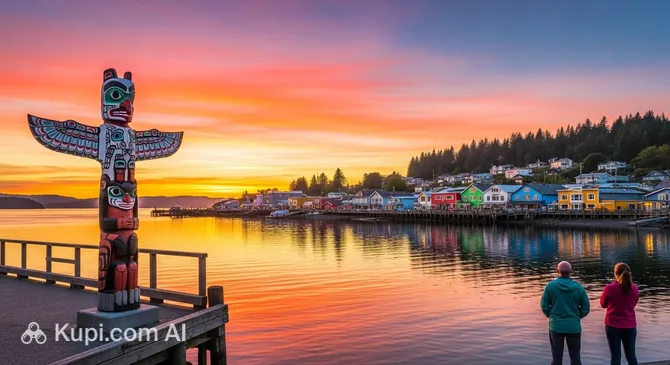
Masset is a picturesque coastal village located on the northern tip of Graham Island, the largest island in the Haida Gwaii archipelago. Known for its breathtaking natural beauty and deep cultural roots, this community serves as a gateway to some of the most pristine wilderness in Canada. Its remote location in British Columbia allows visitors to experience a tranquil atmosphere, far removed from the hustle and bustle of major cities.

With a population of approximately 1,000 residents, Masset retains a close-knit, small-town charm while offering essential amenities for travelers. The area is renowned for its connection to the Haida people, whose traditions and artistry are visible throughout the region. Exploring the history of Masset offers a fascinating glimpse into the rich indigenous heritage and the maritime past that have shaped this unique settlement.

Masset. Source: Kupi.Binoculars

Travelers are often drawn to Masset for its world-class outdoor opportunities. It is the northern entry point to Naikoon Provincial Park, a stunning area featuring vast sandy stretches like Agate Beach and lush rainforest trails leading to Tow Hill. Additionally, the waters surrounding the village are famous for exceptional sport fishing, attracting anglers from around the globe in search of salmon and halibut.

Whether you are interested in admiring majestic totem poles, hiking through moss-covered forests, or simply watching the waves crash against the shore, Masset offers an unforgettable escape. It is an ideal destination for those seeking to immerse themselves in the wild and rugged beauty of the Pacific Northwest.

Weather Overview

Masset experiences a temperate oceanic climate, defined by mild temperatures and consistent moisture throughout the year. The influence of the Pacific Ocean keeps the weather relatively stable, preventing the harsh temperature extremes often seen on the mainland. Travelers planning their visit should consult the current weather in Masset to ensure they are prepared for the local conditions.

During the summer months, the weather is pleasant but cool, with August reaching average highs of 16.5°C. Winters remain mild, with January temperatures averaging around 4.7°C and rarely dropping below freezing. Visitors should be prepared for frequent precipitation regardless of the season; expect about 14 wet days per month in summer, increasing to 22 wet days during the winter months like January and November.

Interesting Facts

Beyond the main attractions, Masset holds many fascinating secrets that add depth to any visit. From its strategic military past to its exclusive artistic traditions, this remote community offers more than meets the eye.
  • A Cold War Legacy: For decades, the village was home to CFS Masset, a key military radio monitoring station. The distinct, suburban-style housing layout seen in parts of the town was originally constructed to accommodate military personnel and their families, a surprising urban-like feature for such a remote coastal settlement.

  • Sanctuary in the Village: The Delkatla Wildlife Sanctuary is a rare ecological wonder located almost entirely within the village boundaries. This protected tidal wetland serves as a critical refueling stop for thousands of migratory birds on the Pacific Flyway, allowing visitors to observe diverse species just steps from the town center.

  • Exclusive Geological Art: The area is the global hub for argillite carving, a celebrated Haida art form. This rare black slate is found only in a single quarry on Haida Gwaii and is reserved exclusively for use by Haida carvers, making the sculptures created here truly one-of-a-kind treasures that cannot be produced anywhere else in the world.

  • Edible Treasures: The expansive sandy stretches of nearby North Beach are renowned for their abundance of razor clams. Digging for these delicacies during low tides is not just a pastime but a cherished local tradition, offering a delicious connection to the bountiful waters of Canada.

How to Get There

Reaching the remote and beautiful village of Masset is an adventure in itself, offering a scenic introduction to the landscapes of Haida Gwaii. While the community is secluded, it remains accessible through a combination of air and sea travel. You can read more about how to get to Masset to plan your journey effectively.

The city of Masset does not have a major international airport, but you can fly into Sandspit Airport (IATA: YZP), located in the city of Sandspit. It is the closest significant airfield, situated about 87 km from Masset. However, because Sandspit is on Moresby Island and Masset is on Graham Island, the transfer involves a shuttle and a ferry connection, taking approximately 2.5 hours in total. This small regional airport welcomes around 40,000 passengers annually.

Another common gateway is Digby Island Airport (IATA: YPR) in the city of Prince Rupert, approximately 115 km away. From Prince Rupert, travelers typically board a ferry to Skidegate and then drive north to Masset. For a wider range of flight connections, you might consider Northwest Regional Airport (IATA: YXT) in Terrace, which is about 238 km away. As a busier hub handling over 260,000 passengers a year, it offers more frequent schedules, though the onward journey to Masset requires a drive to Prince Rupert followed by the ferry crossing.

For clarity, here is a summary of the main airports:

Airport Name City Passenger Traffic Km from City
Ketchikan International AirportKetchikanMedium152.2
Northwest Regional AirportTerraceMedium238.3
Digby Island AirportPrince RupertSmall115.4
Sandspit AirportSandspitSmall87.1

For those who prefer rail travel, the options are limited due to the island location. The city of Masset does not have a railway station, but you can arrive at the Prince Rupert Railway Station (IATA: XDW) in the city of Prince Rupert, which is about 121 km from Masset. This station serves as the western terminus for rail lines from the interior of British Columbia. From the station, you can transfer to the ferry terminal to cross over to Haida Gwaii, a journey that requires careful timing with ferry schedules.

Below is the information regarding the nearest railway station:

Station City Passenger Traffic Km to Center
Prince Rupert Railway StationPrince RupertSmall121.4

Main Attractions

Masset and its surroundings offer a unique blend of cultural heritage and natural wonders. While the village itself is small, it serves as the hub for exploring some of the most significant sites on Graham Island. From ancient indigenous art to maritime history and geological marvels, there are several key places that every visitor should explore.

Old Massett (Uttewas)

Just a short distance north of the main village lies Old Massett, a vibrant Haida community that is essential for understanding the region's deep cultural roots. Visitors can walk through the community to admire magnificent totem poles that stand as proud symbols of clan histories and legends. The area is also home to many talented artists, and it is often possible to visit local studios to see carvers working with cedar and argillite, creating the intricate art for which Haida Gwaii is world-renowned.

Dixon Entrance Maritime Museum

Located in one of the settlement's original schoolhouses, this museum is a treasure trove of local history. It offers a fascinating look into the maritime heritage of the area, featuring displays on the commercial fishing industry, boat building, and the lives of early settlers. The collection includes photographs, artifacts, and stories that paint a vivid picture of the resilience required to thrive on this remote and rugged coast.

The Blow Hole

Situated at the base of the famous Tow Hill in nearby Naikoon Provincial Park, the Blow Hole is a dramatic geological feature that draws nature lovers. accessible via a well-maintained boardwalk, this natural formation channels the surging waves of the Pacific Ocean, shooting sprays of water high into the air. It is a spectacular display of nature's power, particularly impressive during high tides or stormy weather.

Pure Lake Provincial Park

For a change of pace from the wild ocean beaches, this park located just south of Masset offers a serene freshwater escape. The lake is known for its tea-colored water, which warms up significantly in the summer, making it a popular swimming hole for locals and tourists alike. A short forest trail leads to a sandy beach area, providing a perfect setting for a relaxing picnic or a quiet afternoon swim.

Local Cuisine

The culinary scene in Masset is defined almost entirely by the rhythms of the Pacific Ocean. Here, "farm-to-table" is replaced by "ocean-to-plate," with a focus on hyper-local ingredients harvested from the surrounding pristine waters. The dining atmosphere is casual and unpretentious, reflecting the laid-back nature of the village. Visitors should not expect white-tablecloth fine dining; instead, the best meals are often found in cozy diners, rustic bakeries, and seasonal food trucks that serve hearty, homemade fare designed to warm you up on a misty coastal day.

The undisputed star of Masset's gastronomy is the razor clam. The nearby North Beach is one of the few places in the world where these shellfish are harvested commercially and recreationally in such abundance. Locals typically prepare them breaded and pan-fried until golden, or simmered into a rich, creamy chowder. Trying this local delicacy is a rite of passage for any visitor to the northern tip of Haida Gwaii.

Beyond clams, the seafood here is world-class. Halibut and salmon are staples of the local diet, often caught just hours before hitting the plate. Fish and chips in Masset is a serious affair, usually featuring generous portions of fresh halibut in a light batter. For those interested in land-based protein, venison is also common on local menus, as deer are abundant on the islands and are a sustainable food source for the community.

When it comes to drinks, the culture revolves around comfort and warmth. Coffee shops are social hubs where locals gather to escape the rain, serving robust roasts often accompanied by freshly baked pastries. In the evenings, you can enjoy craft beers from British Columbia, including brews produced on Haida Gwaii itself, which incorporate local ingredients like spruce tips or kelp to create distinct island flavors.

The food culture in Masset is deeply communal. It is not uncommon to see signs selling "fresh crab" or "smoked salmon" directly from residents' homes or at the small local marina. During the summer months, the food scene expands outdoors, with visitors enjoying their meals on picnic benches overlooking the inlet, watching the fishing boats return with the day's catch.

Travel Tips

Visiting Masset on the rugged shores of Haida Gwaii is a unique adventure that requires a bit more preparation than your average city break. To help you make the most of your time in this remote and breathtaking community, here are some practical tips to ensure a smooth and respectful journey.

  1. Clothing and Gear: The weather in Masset can be unpredictable and wet, regardless of the season. A high-quality waterproof jacket and rain pants are essential items for your packing list. Locals often wear rubber boots (gumboots), which are perfect for beachcombing and muddy trails. Dress in layers—fleece or wool is ideal—as it can be cool even in summer. If you plan to visit cultural sites, casual but respectful attire is appropriate; comfortable walking shoes are a must.
  2. Transportation: Public transport options like metros or trams do not exist here, and taxi services are extremely limited. To truly explore the surrounding areas, such as Naikoon Provincial Park or Old Massett, renting a car is practically mandatory. Be sure to book your vehicle well in advance, as supply is limited on the island. Ride-hailing apps like Uber are not available in this remote region.
  3. Finances: The local currency is the Canadian Dollar (CAD). While the local grocery store (Co-op) and gas stations accept credit and debit cards, it is wise to carry cash. Many local artists selling carvings or jewelry from their homes, as well as smaller food vendors, may prefer or require cash. There is a credit union with an ATM in town, but carrying sufficient funds is recommended as a backup. Tipping 15-20% at restaurants is standard practice.
  4. Health and Safety: Masset is home to the Northern Haida Gwaii Hospital, which provides emergency services, but resources are limited compared to major cities. The local pharmacy operates during standard business hours and is not open 24/7, so bring enough prescription medication for your entire trip. In terms of safety, the village is peaceful, but be "bear aware" when hiking and cautious of deer on the roads, especially at dawn and dusk.
  5. Communication: English is the primary language spoken throughout Masset. You may hear the Haida language spoken or see it on signs; learning a simple greeting like "Haawa" (Thank you) is a nice gesture. Cell phone coverage is generally good within the village but becomes spotty or non-existent as soon as you head out towards Tow Hill or North Beach. Download offline maps and music before you leave the Wi-Fi zone of your accommodation.
  6. Local Etiquette: The people of Haida Gwaii value respect and community. When driving, it is customary to give a friendly wave to passing cars on rural roads. More importantly, respect the Haida Gwaii Pledge: treat the land, ocean, and culture with care. Always ask for permission before photographing locals, especially elders, or taking photos of private totem poles and cultural sites in Old Massett.
  7. What to Avoid: Do not collect moss, shells, or rocks from the beaches or forests in excessive amounts, and never disturb archaeological sites. It is considered disrespectful to take "souvenirs" from the land without thought. Additionally, avoid ignoring the tide tables; the tides here are drastic, and hiking along the beach without checking the schedule can leave you stranded in dangerous situations.
  8. Additional Tip: If you are driving to Masset via the ferry from Prince Rupert, book your ferry reservation months in advance. The ferry is the lifeline of the island and fills up quickly, especially in summer. Arriving without a reservation can result in being stuck on the mainland for days waiting for an open spot.

By packing the right gear and embracing the slower, respectful pace of island life, you are sure to have an incredible experience in Masset. Enjoy the pristine wilderness and the warm hospitality of this special corner of the world!

Entertainment & Nightlife

Nightlife in Masset is defined by its warm, small-town hospitality rather than bustling clubs or neon-lit districts. Visitors will not find large dance venues or all-night parties here; instead, the evening entertainment revolves around cozy local pubs, community gatherings, and the chance to swap stories with friendly locals. The atmosphere is incredibly casual and unpretentious, where hiking boots and fleece jackets are the standard dress code, and the vibe is always welcoming to travelers.

The center of activity in the evenings is primarily located along Collison Avenue and Main Street. This area serves as the village's main artery and hosts the few key establishments where residents and visitors congregate after dark. Since options are limited, these venues often become lively social hubs, especially on weekends or when there is a local event taking place. It is the perfect setting to relax with a pint of craft beer or a cocktail after a long day of exploring the wilderness of Haida Gwaii.

For a classic pub experience, Daddy Cool’s Public House (often referred to as the Mile Zero Pub) is the most popular destination in town. Located on Collison Avenue, it is known for being one of the few places open late, sometimes until 2:00 AM. It offers a traditional pub atmosphere with pool tables, hearty food, and a rustic charm that reflects the local character. It is the go-to spot for mixing with locals, watching sports, or simply enjoying a laid-back evening with friends.

Another excellent spot is The 626, situated on Main Street. While it is famous for its fish and chips during the day, in the evening, it offers a surprisingly sophisticated beverage selection. The venue features a unique cocktail machine and a variety of spirits, making it a great place for a more relaxed drink. It has a slightly more modern feel compared to the traditional pub setting and is a favorite for those looking to enjoy a high-quality drink in a comfortable environment.

Visitors should also check out the Royal Canadian Legion Branch 42. In many small Canadian towns, the Legion serves as a vital community center, and Masset is no exception. Guests are generally welcome to sign in and enjoy the affordable drinks, meat draws, and occasional live music or trivia nights. It provides an authentic glimpse into the community spirit of the village and is a friendly place to spend an evening.

Practical advice for a night out in Masset includes carrying cash, although most places accept cards. Since the village is small, you can walk between venues, but be aware that street lighting can be sparse on the outskirts. For safety and convenience, especially if you are staying a bit further out, use the local Mile Zero Taxi service (250-626-8999), as ride-sharing apps are not available. Always stay "bear aware" even within the village boundaries at night.

During the day, entertainment in Masset shifts towards nature and culture. Before the sun sets, you can explore the Dixon Entrance Maritime Museum to learn about the area's fishing history or visit the Delkatla Wildlife Sanctuary for world-class birdwatching. These daytime activities provide a perfect balance to the relaxed and social evenings that define this unique coastal community.

Parks & Museums

Masset offers a profound connection to both the wild landscapes of the Pacific Northwest and the rich cultural tapestry of the Haida people. Visitors here can seamlessly transition from exploring moss-draped rainforests and windswept dunes to admiring ancient art forms that have defined this region for millennia. The village serves as a perfect base for immersing yourself in protected green spaces and discovering the stories preserved in local heritage sites.

The crown jewel of the area's natural offerings is Naikoon Provincial Park, a vast wilderness that begins just east of the village. Unlike the mountainous terrain often associated with British Columbia, Naikoon features a unique landscape of flat, mossy bogs and extensive sand dunes. It is a hiker’s paradise, offering trails that range from accessible boardwalks to rugged treks along the coastline. Highlights include the hike to the Pesuta Shipwreck, where the skeletal remains of a log barge rest on the sands, and the enchanting forests where stunted trees tell the story of the relentless coastal winds.

For nature enthusiasts who prefer to stay closer to town, the Delkatla Wildlife Sanctuary provides an exceptional eco-tourism experience within walking distance of the village center. This intertidal wetland is a critical stopover for migratory birds on the Pacific Flyway. A network of walking trails and viewing towers allows visitors to spot diverse species, including Sandhill Cranes and Trumpeter Swans, without disturbing the delicate habitat. It is a peaceful retreat that showcases the vibrant biodiversity thriving right on the edge of the community.

Immersing oneself in the local history is best done at the Dixon Entrance Maritime Museum. Housed in a heritage schoolhouse built in 1914, the museum captures the grit and resilience of the early European settlers and the fishing industry that powered the local economy. The collection is packed with maritime artifacts, old cannery equipment, and an extensive photographic archive that brings the past to life. It serves as a focal point for understanding the challenges of life on the "edge of the world."

While not a traditional indoor museum, the community of Old Massett functions as a living gallery of Haida culture. A walk through this area reveals a stunning collection of monumental totem poles, each carved with figures representing clan crests and stories. Unlike static exhibits, these poles stand in the open air, weathering naturally as intended. Visitors can often find local artists at work in carving sheds, transforming raw cedar and argillite into world-class masterpieces, offering a rare, real-time glimpse into an ancient artistic tradition.

For a truly authentic local experience, head to the Crystal Cabin in Tlell or look for smaller local galleries in Masset itself. These venues often display the "Haida Gwaii stone"—argillite—which is carved exclusively by Haida artists. Additionally, spending an afternoon beachcombing on North Beach for agates is a favorite local pastime. The rhythmic crashing of the waves and the hunt for these semi-precious stones provide a meditative way to connect with the raw geology of Canada's westernmost islands.

Getting Around

Navigating Masset is a straightforward experience, reflecting the village's small size and remote charm. Tourists should be aware that there is no complex urban public transport network here; you will not find subways, trams, or extensive city bus fleets. Instead, the transport system is designed to connect the community with other settlements on Haida Gwaii rather than to facilitate travel within the village itself, which is compact enough to navigate largely on foot.

The primary form of public transportation is the Haida Gwaii Transit System, operated by BC Transit. This bus service provides a vital link between Masset and other key communities on the island, such as Port Clements, Skidegate, and Queen Charlotte. For a visitor, this is the most affordable way to travel south towards the ferry terminal or to visit other towns. The buses are comfortable and reliable, but the schedule is limited, typically running a few times a day, so careful planning is essential.

Payment for the bus is simple and traditional. Passengers can pay with cash directly upon boarding, but you must have the exact fare as drivers do not carry change. For those planning multiple trips, sheets of tickets can be purchased at local vendors, such as the grocery store or municipal office. There are no electronic travel cards or mobile payment apps for transit here; the system relies on physical currency and paper tickets.

Because the bus schedule is geared more towards commuters and inter-community travel, most tourists find that renting a car is the most practical option for exploring the area. A vehicle is necessary to reach local attractions like Tow Hill, North Beach, or the trailheads in Naikoon Provincial Park, which are not served by the bus. Rental agencies are available, but fleets are small, so booking months in advance is highly recommended.

For shorter trips within the village, walking is a pleasant and viable alternative. The terrain is flat, and you can easily walk from most accommodations to the harbor, shops, and restaurants in 15 to 20 minutes. Cycling is also a popular way to get around; the pace of life is slow, and traffic is light, making the roads safe for bikers. Some local accommodations may offer bike rentals to their guests.

Taxi services exist but are limited compared to larger cities. There is typically one main taxi provider serving the area. It is advisable to call and book your ride well in advance, especially if you need a transfer to the airport or have a strict deadline. Unlike in major urban centers, you cannot simply hail a cab on the street, and ride-sharing apps are not available in this region.

Accommodation

Finding a place to stay in Masset is an exercise in discovering local character rather than browsing international hotel chains. The village offers a modest but welcoming selection of accommodations that range from historic bed and breakfasts to rustic cabins tucked away in the rainforest. Visitors should not expect high-rise luxury hotels; instead, the lodging options here focus on comfort, hospitality, and a close connection to the surrounding wilderness.

Most accommodation options are clustered in two distinct areas. Staying within the village center offers the convenience of being within walking distance to the grocery store, the harbour, and local eateries. This is ideal for those who want to feel the pulse of the community and have easy access to amenities. Alternatively, many travelers choose to stay along Tow Hill Road, which stretches east of the village towards Naikoon Provincial Park. This area is perfect for those seeking solitude, offering beachfront cabins and forest retreats where the only sounds are the wind and the waves.

Given the region's reputation for world-class sport fishing, there are several fishing lodges that cater specifically to anglers. These often provide all-inclusive packages that combine accommodation with guided charters and meals. For non-anglers, the town is known for its charming Bed and Breakfasts, some of which are housed in heritage buildings filled with eclectic art and local history. Vacation rentals are also becoming increasingly popular, providing fully equipped kitchens for those who wish to cook their own meals using fresh local seafood.

For budget-conscious travelers and outdoor enthusiasts, camping is a popular choice. The nearby Naikoon Provincial Park offers the Agate Beach Campground, providing a spectacular setting right on the oceanfront. It is a rustic experience with basic facilities, but waking up to the sunrise over the Pacific is a luxury in its own right.

The cost of accommodation in Masset is generally in the mid-range, though prices can be higher than on the mainland due to the remote location and operational costs. It is critically important to book well in advance, ideally months before your trip. The summer months, particularly July and August, see an influx of visitors, and finding a room last minute can be nearly impossible. While many places accept online bookings, some smaller B&Bs may require direct contact via phone or email to secure a reservation.

Nearby Cities

For those looking to explore the surroundings, Masset serves as an excellent base for day trips to several interesting nearby locations:

Port Clements

Located approximately 40 kilometers south of Masset on Graham Island, Port Clements is a small community deeply rooted in forestry history. It is a fantastic destination for outdoor lovers, offering access to the Golden Spruce Trail and the Yakoun River. Visitors can explore the local museum or enjoy a peaceful walk through the towering trees that characterize the central part of the island.

Daajing Giids (Queen Charlotte)

Situated at the southern end of the paved highway, Daajing Giids (formerly known as Queen Charlotte) is a vibrant seaside village that serves as the administrative center of Haida Gwaii. The town features a collection of charming shops, cafes, and galleries showcasing local art. It is also the gateway to Skidegate, home to the award-winning Haida Heritage Centre, making it a culturally rich day trip option.

Prince Rupert

While it requires a ferry journey across the Hecate Strait, Prince Rupert is the nearest major urban center on the mainland and a key transportation hub for the region. Known as the "City of Rainbows," it offers a wider range of amenities, the Museum of Northern British Columbia, and the historic Cow Bay district, making it an interesting stop for travelers connecting to or from the islands.

City Population Distance (km)
Prince George74003616
Terrace15723238
Prince Rupert12220124
Smithers5500335
Port Hardy4000484

These nearby destinations offer a glimpse into the diverse culture and landscapes of the region.

Shopping & Souvenirs

Shopping in Masset offers a distinct departure from the commercialized retail experiences found in larger cities. Instead of sprawling malls and international chain stores, visitors will find a modest selection of locally owned businesses that reflect the character of Haida Gwaii. The retail scene here is intimate and authentic, focusing primarily on essential goods, outdoor gear suited for the rugged environment, and, most notably, incredible local art and artisanal food products.

The main commercial activity is concentrated along Main Street and Collison Avenue. These two thoroughfares form the heart of the village, where you can leisurely walk between the few shops, galleries, and services available. A stroll here is relaxed and friendly; it is not uncommon to chat with the shop owners who are often the artists or creators themselves. This area is the best place to find unique gifts, books about the local history, and clothing designed for the coastal climate.

Travelers looking for large shopping complexes will not find them in this remote village. Masset does not have shopping malls or department stores. The closest equivalent to a "one-stop-shop" is the Masset Co-op. This community-owned establishment serves as the village's general store, grocery supermarket, and hardware supplier all in one. It is the central hub for locals to pick up daily necessities, camping supplies, and fishing gear, making it a vital stop for tourists stocking up before heading out to the provincial parks.

For a taste of the local community spirit, the Masset Market is a highlight, typically held on Fridays. This gathering brings together local farmers, bakers, and craftspeople. It is an excellent place to purchase fresh produce grown on the islands, homemade jams, and baked goods. The market also frequently features stalls by local artisans selling handmade soaps, jewelry, and other crafts, offering a direct connection to the people who call this place home.

When it comes to souvenirs, Masset is a world-class destination for Indigenous art. The village is famous for Haida art, particularly carvings made from argillite, a black slate found exclusively on Haida Gwaii. Visitors can find exquisite jewelry, sculptures, and prints at local galleries or directly from carvers in Old Massett. Another popular item to bring back is the local seafood; look for shelf-stable canned smoked salmon or the region's famous razor clams, which make for a delicious and practical memento of your trip to Canada.

Store opening hours in Masset are generally from 9:00 AM to 5:00 PM or 6:00 PM, Monday through Saturday. Many smaller boutiques and galleries may have reduced hours or close on Sundays, so it is wise to check in advance. While the Co-op and established businesses accept major credit and debit cards, smaller vendors at the market or artists selling from their homes often prefer or require cash. There is a credit union with an ATM in the village center if you need to withdraw funds.

Visitors should be aware that sales tax is added at the register. In British Columbia, this typically includes the 5% Goods and Services Tax (GST) and the 7% Provincial Sales Tax (PST). Unlike some international destinations, there is no VAT refund system for general tourists in Canada, so the price you pay at the checkout, including tax, is final.
Reached the end of the page?

That means the route is fully explored