Support

Ketchikan

About

Welcome to Ketchikan, a picturesque city often celebrated as the "Salmon Capital of the World." Located on Revillagigedo Island in southeastern Alaska, this vibrant community serves as a popular gateway for travelers exploring the famous Inside Passage. With a population of approximately 14,000 residents, the city maintains a cozy, small-town atmosphere while offering world-class outdoor experiences and a bustling waterfront.

The city is renowned for its lush, green landscapes, a result of its location within the temperate rainforest of the Tongass National Forest. While visiting the United States, you will find that Ketchikan's climate is distinctively maritime, characterized by frequent rainfall that feeds the region's spectacular waterfalls and rich vegetation. It is a place where the mountains meet the sea, creating a stunning backdrop for adventure and relaxation alike.

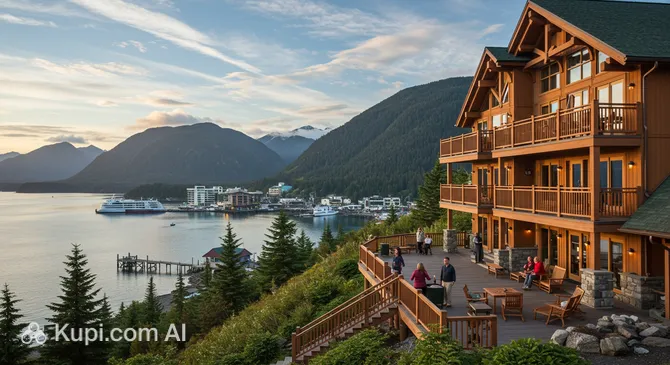
Ketchikan. Source: Kupi.Binoculars

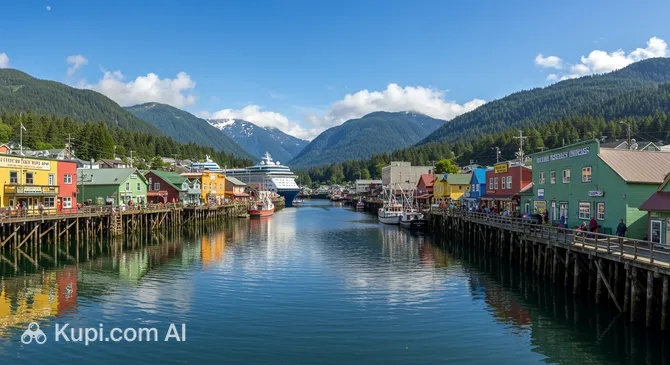
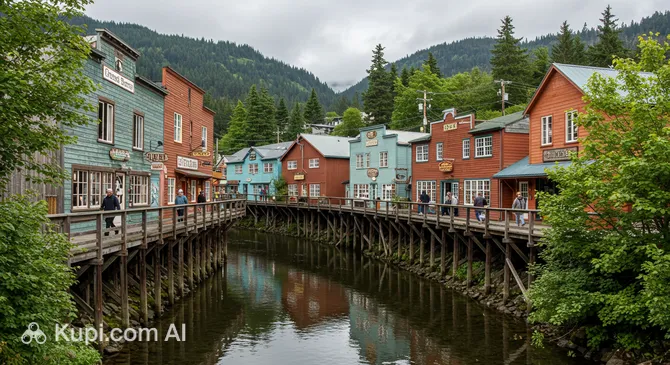
Cultural heritage is a significant part of the local identity. Visitors can delve into the fascinating history of Ketchikan by exploring its deep connections to the Tlingit, Haida, and Tsimshian peoples. The city is famous for hosting the world's largest collection of standing totem poles, which can be admired at Totem Bight State Historical Park and the Saxman Native Village. Another must-see attraction is Creek Street, a historic boardwalk built on pilings over Ketchikan Creek, formerly the city's red-light district and now a charming area filled with boutiques, galleries, and museums.

Whether you are eager to cast a line for king salmon, spot bald eagles soaring overhead, or kayak through the majestic Misty Fjords National Monument, Ketchikan offers an unforgettable escape into nature. We invite you to discover the unique charm and breathtaking scenery of this Alaskan gem.

Weather Overview

The local climate is heavily influenced by the ocean, resulting in mild temperatures and consistent moisture throughout the year. When planning your trip, it is helpful to check the current weather in Ketchikan, as conditions can change rapidly. Generally, the city experiences a maritime climate characterized by cool summers and winters that are surprisingly moderate for Alaska, though frequent cloud cover and precipitation are the norm.

Summer offers the most comfortable conditions for exploration, with August being the warmest month. During this season, average temperatures hover around 14.7°C, with daily highs reaching up to 17.3°C. Despite the warmer air, rain remains a constant companion, with precipitation recorded on approximately 18 days each month from June through August. It is advisable to pack waterproof layers even when visiting during the peak travel season.

Winters in Ketchikan are cool but rarely bitter, with average temperatures in January sitting around 0.6°C and lows dipping to just -1.0°C. This season sees the highest frequency of wet weather, with precipitation occurring on up to 23 days in months like November and January. While snow is possible, the moderating ocean influence often results in rain or a mix of precipitation types, keeping the area distinct from the freezing interior of the state.

Interesting Facts

Beyond the main attractions, Ketchikan holds many fascinating secrets and quirks that define its unique character. From its notorious weather to its colorful history, there is much more to this island city than meets the eye.
  • Ketchikan is famous for its "liquid sunshine," receiving more than 150 inches of rain annually, which is significantly more than Seattle. The city even has a whimsical rain gauge on the dock that measures precipitation in feet rather than inches to demonstrate the sheer volume of water that falls here.

  • The picturesque boardwalk of Creek Street has a scandalous past as the city's former red-light district during the Gold Rush era. It was famously known as the place "where both men and salmon came upstream to spawn," referencing the brothels that operated directly above the salmon-rich waters.

  • Due to the steep, mountainous terrain rising immediately from the ocean, many of the residential "streets" in Ketchikan are actually wooden staircases. These public stairways are maintained by the city and are an essential part of the pedestrian infrastructure, offering great views but requiring a bit of a workout.

  • While you will see many totem poles around town, the Totem Heritage Center is unique because it houses original, unrestored 19th-century poles. Unlike the brightly painted replicas found in parks, these artifacts were retrieved from abandoned villages to protect them from decay, preserving their authentic, weathered appearance.

Creek Street. Source: Kupi.Binoculars

How to Get There

Reaching Ketchikan is the first step of your Alaskan adventure, and due to its island location, the journey is unique. Since the city is not connected to the mainland road system, most visitors arrive by air or sea. You can find all ways to reach the city and detailed travel logistics on our dedicated page.

The primary gateway for air travelers is Ketchikan International Airport (KTN). Located on Gravina Island, just across the water from the city, it serves as the main hub for the region. The airport is approximately 4.5 km from the city center. Getting to downtown Ketchikan involves a short ferry ride across the Tongass Narrows followed by a brief drive; the total transfer usually takes around 25 to 30 minutes. This airport handles a significant volume of passengers annually, connecting the island to major hubs like Seattle and other Alaskan cities.

While Ketchikan is the main entry point, there are other regional airports in neighboring areas, though they are quite distant and often require complex travel arrangements to reach the island. For instance, Digby Island Airport (YPR) is located in Prince Rupert, Canada, about 140.7 km away. Similarly, Northwest Regional Airport (YXT) is situated in Terrace, Canada, approximately 219.6 km from Ketchikan. Travelers using these airports would typically need to connect via ferry services or additional flights to reach Ketchikan.

For clarity, here is a summary of the main airports:
Airport Name City Passenger Traffic Km from City
Ketchikan International AirportKetchikanMedium4.5
Northwest Regional AirportTerraceMedium219.6
Digby Island AirportPrince RupertSmall140.7
Sandspit AirportSandspitSmall232.7
Kake Seaplane BaseKakeSmall231.1

The city of Ketchikan does not have a railway station, but you can arrive at the Prince Rupert Railway Station (XDW) in the city of Prince Rupert, which is about 143.3 km from Ketchikan. Since Prince Rupert is in Canada and separated from Ketchikan by water, there is no direct road or taxi connection. Travelers arriving by train in Prince Rupert typically transfer to the Alaska Marine Highway System ferry to complete their journey to Ketchikan.

Below is the information regarding the nearest railway station:
Station City Passenger Traffic Km to Center
Prince Rupert Railway StationPrince RupertSmall143.3

Main Attractions

Attractions:

Exploring this Alaskan city offers a delightful mix of Native American heritage, pioneer history, and lively entertainment. Whether you are interested in the artistry of towering totem poles or the rugged skills of the logging industry, the local sights provide a deep dive into the region's unique culture.

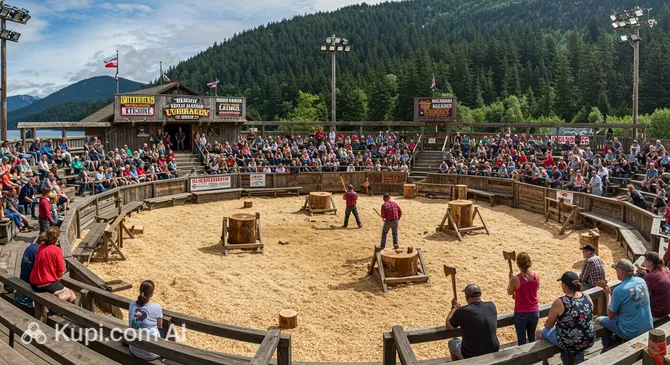
For a high-energy experience that celebrates the area's logging past, visit the Great Alaskan Lumberjack Show. Located within walking distance of the cruise ship docks, this attraction features professional athletes competing in thrilling timber sports. Tourists can cheer on their teams as lumberjacks demonstrate their strength and agility through chopping, sawing, log rolling, and a speed climb up a 50-foot pole. It is a fun, family-friendly event that brings history to life with humor and excitement.

Great Alaskan Lumberjack Show. Source: Kupi.Binoculars

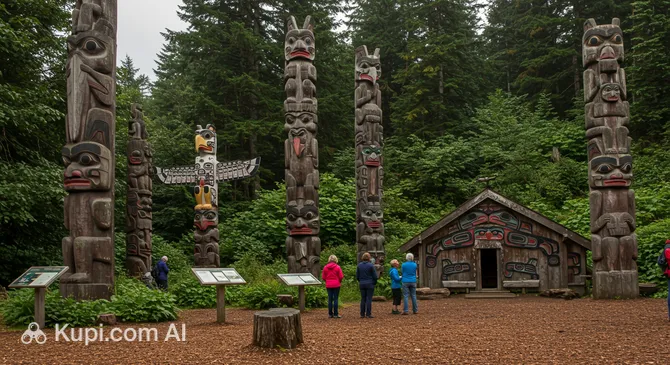
To immerse yourself in Indigenous culture, a trip to Saxman Totem Park is essential. Situated just a few miles south of the downtown area, this park hosts one of the world's largest collections of standing totem poles. Visitors are drawn here not only to admire the intricate carvings but also to visit the carving shed, where they can often watch master carvers and apprentices at work, turning massive cedar logs into storytelling works of art.

Saxman Totem Park. Source: Kupi.Binoculars

Another significant cultural site is the Totem Heritage Center. Unlike outdoor parks, this facility focuses on preservation and houses a priceless collection of original 19th-century totem poles retrieved from abandoned Tlingit and Haida villages. It is an excellent place for tourists to learn about the complex traditions of the Northwest Coast Native peoples through interpretive exhibits and displays of traditional arts, such as baskets, masks, and regalia.

No visit is complete without a stroll along the historic boardwalk of Creek Street. Once the center of the city's red-light district, this charming area is now lined with quaint boutiques, galleries, and local shops built on pilings over the water. It is a favorite spot for photography and souvenir hunting, and during the summer months, you can look over the railings to see thousands of salmon swimming upstream in Ketchikan Creek to spawn.

Local Cuisine

As the "Salmon Capital of the World," Ketchikan offers a culinary scene deeply rooted in the bounty of the ocean. The local cuisine is defined by its incredible freshness, with seafood often moving from the fishing boat to the plate in a matter of hours. Visitors simply must try the region's signature wild Alaskan salmon, which is prepared in every imaginable way—from alder-wood smoked fillets and hearty chowders to perfectly grilled steaks. Another local favorite is Pacific halibut, widely considered some of the best white fish in the world, typically served as golden, crispy fish and chips that are a staple at local eateries.

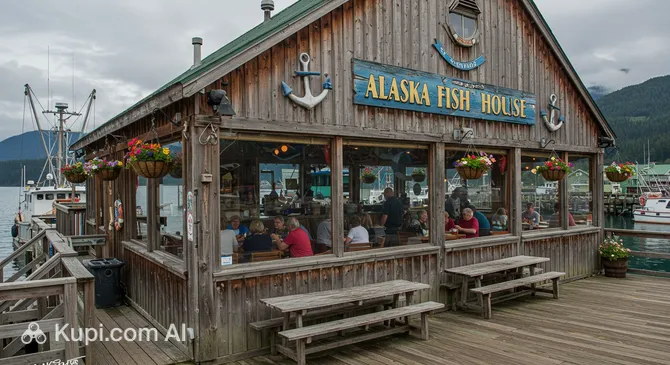
For an authentic taste of this seafood culture, travelers often head to the Alaska Fish House. Located right on the water near the historic Thomas Basin, this rustic dining spot is famous for its "sea-to-table" philosophy. Here, you can enjoy Dungeness crab and gourmet fish burgers while watching fishing boats unload their daily catch, providing a dining experience that connects you directly to the city's maritime heritage.

Alaska Fish House. Source: Kupi.Binoculars

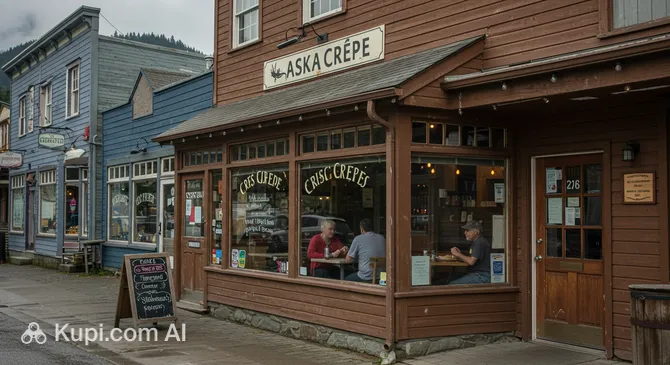
Beyond seafood, the city has a growing reputation for unique casual eats and comfort food, which is essential in the rainy climate. Reindeer sausage is a popular street food choice, often served hot and spicy from vendors downtown. For those with a sweet tooth or looking for a warm lunch, Alaska Crêpe offers a delightful variety of savory and sweet handmade crêpes. It is a cozy stop where tourists can grab a hot treat to enjoy while strolling through the town's shops.

Alaska Crêpe. Source: Kupi.Binoculars

The beverage culture in Ketchikan is heavily influenced by the weather and local resources. Coffee is a way of life here, with numerous drive-through stands and cafes serving high-quality roasts to keep locals warm and energized. On the spirited side, the craft beer scene is vibrant, featuring Alaskan-brewed ales and stouts that pair perfectly with hearty seafood dinners. For a dining experience that combines excellent food with breathtaking scenery, the restaurant at Cape Fox Lodge provides panoramic views of the harbor and Deer Mountain, making it a favorite for a memorable evening meal.

Travel Tips

To ensure your visit to Ketchikan is as smooth and enjoyable as possible, we have compiled a list of essential practical advice. Whether you are arriving by cruise ship or flying in for a longer stay, these tips will help you navigate the "Salmon Capital of the World" like a seasoned traveler.

  1. Clothing and Gear: The most important rule for Ketchikan is to dress for the rain, regardless of the season. Pack high-quality waterproof layers, including a rain jacket with a hood and water-resistant pants. Umbrellas can be cumbersome on crowded boardwalks, so a good hood is often preferred. Comfortable, waterproof walking shoes or boots are essential, as the wooden boardwalks can become slippery when wet. If you plan to hike, thermal layers are recommended even in summer.

  2. Transportation: Downtown Ketchikan is very walkable, and many attractions are within easy reach on foot. For longer distances, the city operates a public bus system known simply as "The Bus," which is an affordable way to travel between the downtown area, the ferry terminal, and totem parks. During the busy summer season, a free shuttle bus often loops around the main downtown sights. Taxis are available, but ride-sharing availability can be inconsistent. Car rental is generally not necessary unless you plan to drive "to the end of the road" to explore independently.

  3. Finances: The local currency is the United States Dollar (USD). Credit and debit cards are widely accepted at restaurants, shops, and tour operators. However, it is wise to carry some cash for small purchases at local markets or for tipping. ATMs are readily available throughout the town. Tipping is standard practice in the US; expect to leave 15-20% for waitstaff and taxi drivers.

  4. Health and Safety: Ketchikan is a safe city for tourists, but nature presents its own precautions. Black bears are common in the area, sometimes even near the town center; always maintain a safe distance and never feed them. Pharmacies and medical clinics are available downtown, and there is a general hospital for emergencies. Be cautious on wooden stairs and boardwalks, which can be slick with moss and rain.

  5. Communication: The primary language is English. Most major US mobile carriers work well within the city limits, though signal strength may drop significantly as you move away from the town center. Wi-Fi is commonly available in cafes, hotels, and the public library. If you are an international visitor, checking your roaming plan or purchasing a local prepaid SIM card is advisable before arrival.

  6. Local Etiquette: Ketchikan has a friendly, small-town vibe where greeting people with a smile is the norm. When visiting cultural sites like Saxman Native Village or Totem Bight, show deep respect for the Native heritage. Ask for permission before photographing local residents or performers, and listen attentively to guides sharing their oral history.

  7. What to Avoid: strictly avoid touching the totem poles. The oils from human skin can damage the wood and paint, accelerating decay. Additionally, try not to block the sidewalks or boardwalks in large groups; the town can get quite crowded when multiple cruise ships are in port, and keeping the flow of traffic moving is appreciated by locals and fellow travelers alike.

  8. Local Insight: Many of Ketchikan's "streets" are actually wooden staircases climbing the steep hillsides. Exploring these stairs offers fantastic exercise and unique views of the Tongass Narrows that most tourists miss. Also, keep in mind that many shops operate based on the cruise ship schedule, so business hours may vary depending on when ships are in port.

By keeping these practicalities in mind, you will be well-prepared to embrace the misty charm and rich culture of this unique island community. We hope your time in Ketchikan is filled with awe-inspiring nature, fascinating history, and warm local hospitality.

Entertainment & Nightlife

While Ketchikan is steeped in history, it also offers a vibrant array of activities and events that showcase the local lifestyle. Beyond the museums and totem parks, visitors can immerse themselves in the community's energetic spirit through festivals, outdoor adventures, and scenic leisure experiences that go beyond the typical sightseeing path.

Throughout the year, the city hosts several spirited events that draw crowds from all over. The King Salmon Derby, typically held in late spring, is a major highlight, celebrating the region's fishing heritage with a competitive edge. In August, the Blueberry Arts Festival transforms the town into a lively hub of creativity, featuring art booths, live music, and food stalls that celebrate the local harvest. These gatherings provide a perfect opportunity for travelers to mingle with locals and experience the town's festive side.

For those seeking a relaxing yet scenic activity, a ride on the funicular tram is a must. This inclined elevator connects the bustling Creek Street area with the hilltop Cape Fox Lodge. The short journey offers sweeping views of the Tongass Narrows and the colorful rooftops of the city. Once at the top, visitors can enjoy the lodge's lobby, which features remarkable Native American artifacts, or simply take in the panoramic vistas that make for unforgettable photo opportunities.

Cape Fox Lodge. Source: Kupi.Binoculars

As the "Salmon Capital of the World," fishing is more than just an industry here; it is a premier form of entertainment. Numerous charter operators offer half-day and full-day excursions, allowing visitors to try their hand at catching salmon, halibut, or rockfish. For a different perspective on the water, kayaking tours through the nearby protected inlets provide a peaceful way to observe wildlife, including seals, otters, and eagles, in their natural habitat.

The city's artistic soul is best explored through its numerous galleries and shops. The downtown area is filled with studios displaying the work of local artisans, from silver jewelry to traditional carvings. As evening falls, the town maintains a cozy vibe, with several historic bars and lounges offering a place to unwind, listen to local stories, and enjoy a pint of Alaskan-brewed beer.

Parks & Museums

To truly understand the cultural depth and natural beauty of Ketchikan, visitors should explore its exceptional parks and museums. These sites offer a fascinating look into the region's indigenous heritage, the lush ecosystem of the Tongass National Forest, and the city's resilient pioneer history.

A highlight for culture enthusiasts is the Totem Heritage Center. Located near the scenic City Park, this facility is dedicated to the preservation of original 19th-century totem poles retrieved from abandoned Tlingit and Haida villages. Unlike the replicas found in outdoor parks, these artifacts are kept indoors to protect them from the elements. The center also functions as a school for living arts, where visitors can learn about traditional crafts such as weaving, carving, and regalia making, ensuring these ancient skills are passed down to future generations.

For a comprehensive introduction to the local environment, the Southeast Alaska Discovery Center is an essential stop. Conveniently situated downtown, this world-class interpretive center allows guests to explore the wonders of the temperate rainforest without leaving the city. Exhibits detail the rich ecosystems of the Tongass National Forest, the life cycle of the salmon, and the traditions of the Native peoples. A re-created native village and a high-tech theater showing films about Alaska's wilderness provide an immersive educational experience for all ages.

Just a short drive north of the city lies Totem Bight State Historical Park, a serene coastal park set amidst a hemlock forest. Established in the 1930s to salvage and reconstruct fading totem poles, the park now features a stunning collection of colorful, restored poles and a magnificent replica of a traditional Clan House. Walking through the silent forest to the ocean's edge offers a peaceful retreat and a chance to admire the artistry of the poles against the backdrop of the Tongass Narrows.

Those interested in the city's development should visit the Tongass Historical Museum. Located near the rushing waters of Ketchikan Creek, this museum offers a curated journey through the town's past. Permanent and rotating exhibits showcase artifacts from the fishing and mining industries, as well as stories of the early settlers who shaped the community. It is a perfect place to gain context on the historic buildings and boardwalks seen throughout the town.

Nature lovers will also appreciate City Park, a charming green space created in the early 20th century. With its meandering paths, small ponds, and ornamental trees, it provides a quiet escape from the bustling downtown area. It is an ideal spot for a leisurely picnic or a relaxing stroll after a day of sightseeing.

Getting Around

Navigating Ketchikan is relatively simple and stress-free, thanks to its compact size and efficient local services. While the city does not have a metro or tram system, it operates a reliable public bus network known as the Ketchikan Gateway Borough Transit System, or simply "The Bus." This service connects the downtown area with major residential neighborhoods, the ferry terminal, and popular tourist sites like Totem Bight State Historical Park and Saxman Native Village. The buses are color-coded by route, making it easy for visitors to distinguish between the lines, such as the Silver Line which heads towards the airport ferry, and the Green Line which serves the southern part of the city.

During the peak travel season, typically from May through September, the city introduces a Free Downtown Shuttle. This service is specifically designed to help visitors move between the cruise ship berths, downtown attractions, and the museum district without any cost. It runs a continuous loop roughly every 20 minutes, offering a convenient and budget-friendly way to see the main sights without tiring your legs. Look for the clearly marked shuttle stops located near the cruise docks and major intersections.

When it comes to payment, the local bus system primarily operates on a cash-only basis for single rides. You must have exact change ready when you board, as drivers cannot make change. Fares are very affordable, with a one-way ticket costing approximately $2.00. For tourists planning to explore extensively over a single day, purchasing a Day Pass is highly recommended. These passes can be bought directly from the driver (cash only) or at the Transit Center, allowing for unlimited rides and transfers throughout the day.

Given the city's island location, water transport is an essential part of the local infrastructure. The Airport Ferry acts as a vital link between the city on Revillagigedo Island and the airport on Gravina Island. Ferries depart every 15 to 30 minutes, and the short crossing takes only about five minutes. Tickets for the ferry are typically purchased at the terminal on the airport side or paid upon arrival on the city side, often accepting credit cards, unlike the city buses.

For those preferring more direct transport, taxis are readily available, especially near the harbor and airport. They are a reliable option for reaching specific destinations that might be off the main bus routes. Ride-sharing apps do exist in the city, but the number of available drivers can be limited compared to larger metropolises, so it is wise not to rely on them exclusively for time-sensitive trips. Car rentals are available but are generally unnecessary unless you plan to drive the full length of the island's limited road system.

A unique feature of Ketchikan's transport landscape is the Cape Fox Funicular. This inclined tram provides a quick and scenic ride from the historic Creek Street area up to the Cape Fox Lodge on the hilltop. While it serves a practical purpose of saving pedestrians a steep climb, it also offers beautiful views of the harbor. The ride is often free for guests of the lodge or restaurant, but a nominal fee may apply for others, payable at the automated kiosk.

Ultimately, the best way to experience the heart of the city is on foot. The downtown core is highly walkable, with boardwalks and sidewalks connecting most shops, restaurants, and museums. However, be prepared for the local weather; having rain gear handy is the most practical advice for any pedestrian in this rainy coastal city.

Accommodation

Finding the perfect place to stay in Ketchikan is an essential part of planning your visit to this unique island community. The accommodation landscape here is diverse, though somewhat more limited in scale compared to large mainland cities. Options range from cozy bed and breakfasts and rustic waterfront lodges to standard mid-range hotels and vacation rentals. Due to the city's geography, you won't find sprawling mega-resorts, but rather properties that emphasize local charm, hospitality, and easy access to the stunning natural surroundings.

Most travelers choose to stay in the Downtown area or the nearby West End. Staying downtown places you within walking distance of the cruise ship docks, museums, and the historic Creek Street boardwalk, making it incredibly convenient for sightseeing and dining. For those seeking a quieter experience, there are several lodges and rentals located a bit further along the Tongass Highway, offering peaceful views of the water and forest while still being accessible by taxi or rental car.

One of the most well-known accommodations in the city is the Cape Fox Lodge. Perched high above the town on a hillside, this resort hotel is famous for its breathtaking views of the harbor and the Tongass Narrows. It offers a distinctively Alaskan experience, featuring heavy timber architecture and a lobby filled with museum-quality Native American artifacts. Guests here enjoy the unique convenience of a funicular tram that transports them directly down to the popular Creek Street area.

When planning your trip, it is crucial to keep the seasonal nature of tourism in mind. During the peak summer months, from May to September, the city welcomes thousands of visitors daily, and accommodations can fill up rapidly. A helpful booking tip is to secure your room several months in advance, especially if you are traveling independently rather than with a cruise line. Last-minute availability in July and August can be extremely scarce.

Regarding costs, prices in Ketchikan tend to be higher than the national average, reflecting the high demand and the remote island location. You can expect rates to peak during the summer season. While budget options like hostels are rare, some smaller guest houses and cabins offer more affordable alternatives to the main hotels. Booking is typically done through major online platforms, but for smaller B&Bs and fishing lodges, contacting the property directly can sometimes yield better availability or specific package deals.

Nearby Cities

Ketchikan serves as an excellent jumping-off point for exploring the wider Southeast Alaska region, often referred to as the Panhandle. This area is defined by its intricate island geography, meaning that neighboring communities are rarely connected by road. Instead, traveling between these cities typically involves scenic journeys by ferry along the Alaska Marine Highway or quick flights on seaplanes and regional jets. Each town offers its own distinct character, ranging from deep indigenous roots to rich gold rush history.

One of the closest neighbors is Wrangell, one of the oldest towns in Alaska, known for its Tlingit heritage and access to the Stikine River. Further north lies the state capital, Juneau, where visitors can explore the Mendenhall Glacier and enjoy world-class whale watching. Sitka, located on the outer coast, charms travelers with its unique blend of Russian history and stunning views of the dormant Mount Edgecumbe volcano. For those looking to explore Prince of Wales Island, the city of Craig serves as a vital hub for fishing and outdoor adventures.

City Population Distance (km)
Juneau 32,240 370
Sitka 8,518 298
Wrangell 2,369 134
Craig 9,026 96
Haines 2,500 490

Shopping & Souvenirs

Shopping

Shopping in Ketchikan is a delightful experience that reflects the city's rich heritage and artistic spirit. Unlike the generic retail offerings found in many large cities, the local shopping scene is defined by authentic Alaskan craftsmanship, maritime gear, and unique curiosities. Visitors will find a wide array of independent boutiques and galleries rather than sprawling chain stores, making it the perfect place to find a one-of-a-kind treasure that captures the essence of the "Salmon Capital of the World."

The most iconic shopping destination in the city is undoubtedly Creek Street. Suspended over the water on wooden pilings, this historic boardwalk was once the city's red-light district but has since been transformed into a vibrant collection of locally owned shops. Here, you can browse through charming boutiques selling everything from hand-knit woolens and fine art to whimsical souvenirs, all while enjoying the soothing sound of the creek rushing beneath your feet.

Another major hub for retail therapy is the downtown area along Front Street and Mission Street. Located just steps from the cruise ship berths, this district is bustling with activity and offers a dense concentration of jewelry stores, souvenir shops, and clothing outlets. It is the ideal spot to pick up branded apparel, outdoor gear, or fine jewelry featuring gold nuggets and jade, often sourced directly from the region.

While Ketchikan does not host massive shopping complexes, it does have key retail centers that serve both locals and tourists. The Tongass Trading Company acts as the city's historic department store, offering a mix of rugged outdoor clothing, fishing supplies, and a large selection of gifts. For a more traditional mall experience, The Plaza on the west end of town provides a variety of essential services, clothing stores, and a grocery outlet, offering a glimpse into the everyday life of residents.

Although there are no dedicated open-air flea markets in the traditional sense, the entire waterfront area often feels like a lively marketplace during the summer season. Pop-up vendors and artists frequently display their wares near the cruise docks, offering handmade items that range from photography prints to intricate beadwork. These smaller stalls are excellent places to chat with local creators and learn the stories behind their crafts.

When looking for the perfect keepsake, visitors should focus on goods that are distinctly Alaskan. Smoked salmon is a top choice, with many shops offering shelf-stable packs that are easy to travel with. Native American art is another prized purchase; look for the "Silver Hand" label to ensure the item was authentically created by an Alaska Native artist. Other popular souvenirs include ulu knives (traditional curved knives), totem pole replicas, and jewelry made from fossilized ivory or walrus tusk.

Store opening hours in Ketchikan are often tailored to the tourism season. During the summer months (May through September), many shops in the downtown and Creek Street areas open early, around 8:00 AM, and stay open as long as cruise ships are in port, sometimes until the evening. In the off-season, hours are reduced, and some tourist-specific shops may close entirely. The accepted currency is the United States Dollar (USD), and major credit and debit cards are widely accepted throughout the city.

Travelers often ask about tax-free shopping in Alaska. While the state of Alaska does not impose a statewide sales tax, the city of Ketchikan and the surrounding borough do collect a local sales tax on purchases. Therefore, while you save on state tax, you should expect a small percentage to be added to your bill at the register. There is no tax refund system for international tourists in the United States similar to the VAT refunds found in Europe.
Reached the end of the page?

That means the route is fully explored