Support

Sitka

About

Nestled on the west side of Baranof Island, Sitka is a captivating destination that offers a rare blend of breathtaking wilderness and rich cultural heritage. As one of the most scenic towns in the United States, it stands out for its unique location facing the Pacific Ocean, sheltered by majestic mountains and lush temperate rainforests. Unlike many other Alaskan cities, Sitka is accessible only by air or sea, preserving its pristine atmosphere and exclusive island charm.

With a population of approximately 8,500 residents, the city maintains a welcoming, small-town feel while providing access to vast natural landscapes. The climate here is mild by Alaskan standards, characterized by oceanic influences that keep temperatures moderate year-round. Visitors are often struck by the dramatic backdrop of the dormant volcano, Mount Edgecumbe, which looms impressively across the sound, often compared to Mount Fuji for its symmetrical cone.

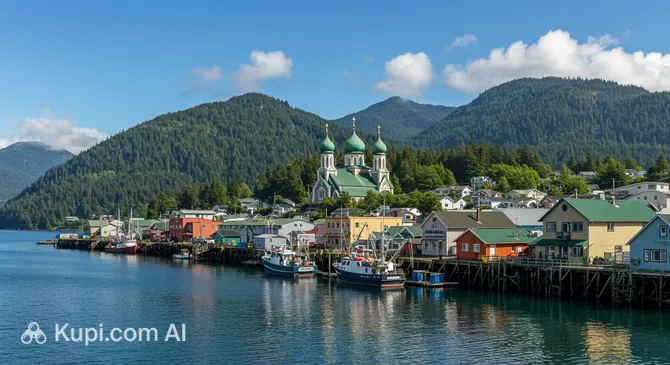
Sitka. Source: Kupi.Binoculars

The history of Sitka is deeply woven into the fabric of the city. Once the capital of Russian America, it showcases a fascinating intersection of Tlingit indigenous culture and Russian colonial influence. Travelers can explore this legacy at St. Michael's Cathedral, a striking example of Russian Orthodox architecture in the center of town, or wander through the Sitka National Historical Park, where towering totem poles stand amidst the spruce trees, telling ancient stories of the land.

Whether you are looking to spot humpback whales in the harbor, hike through verdant trails, or immerse yourself in a unique cultural narrative, Sitka promises an unforgettable experience. It is a perfect retreat for those seeking tranquility and adventure in the heart of the Alaskan wilderness.

Weather Overview

Sitka is defined by a cool, maritime climate that results in moderate temperatures year-round, distinct from the harsher extremes found in interior Alaska. For a detailed breakdown of conditions during your specific dates, you can consult the guide to the weather in Sitka. Generally, visitors should expect mild, comfortable summers and winters that are chilly but manageable.

During the winter months of December through February, average temperatures usually range from -1.2°C to 1.4°C. While the thermometer rarely drops drastically low, precipitation is frequent, with up to 23 wet days in December. Summers offer a pleasant respite, with July and August bringing average highs of around 15.7°C, making it the most popular time for exploration.

Regardless of when you arrive, rain is a common occurrence. October is notably damp with about 23 wet days, while July is statistically the driest month, though it still sees precipitation on roughly 16 days. Packing waterproof clothing and sturdy footwear is highly recommended to stay comfortable while enjoying the natural beauty.

Interesting Facts

Beyond the main attractions, Sitka holds many fascinating secrets and historical quirks that often surprise visitors. This island community is defined not just by its scenery, but by a unique legacy that sets it apart from any other place in Alaska.

  • Geographical Giant: With a total footprint of nearly 4,800 square miles, Sitka is officially the largest city-borough by land area in the United States. Its boundaries encompass a vast expanse of water and wilderness, making it larger geographically than some entire US states, despite its modest population.

  • The "Paris of the Pacific": In the early 19th century, the city was known as the "Paris of the Pacific" due to its cosmopolitan atmosphere. As the capital of Russian America, it boasted a theater, schools, and grand balls long before cities like San Francisco or Seattle rose to prominence.

  • The Volcano Prank: The dormant volcano Mount Edgecumbe was the setting for one of history's greatest April Fool's jokes. In 1974, a local resident flew hundreds of old tires into the crater and set them on fire; the rising black smoke convinced the town and the Coast Guard that the volcano was erupting.

  • A Historic Transfer: Sitka is the specific site where the formal transfer of Alaska from Russia to the US occurred. On October 18, 1867, the ceremony took place on Castle Hill, marking the end of the Russian era and the beginning of American administration.

How to Get There

Reaching this beautiful island community requires a bit of planning, as it is accessible only by air or sea. For a comprehensive guide on travel options and logistics, you can read more about how to get to Sitka. Most visitors choose to fly, enjoying the spectacular aerial views of the Alexander Archipelago upon approach.

The primary gateway is Sitka Airport (IATA: SIT), conveniently located on Japonski Island, just 1.8 km from the city center. The airport is connected to the main town by the John O'Connell Bridge, making the transfer quick and easy. A taxi or shuttle ride to downtown typically takes about 10 to 15 minutes. Despite its modest size, with an annual passenger traffic of around 115,000 people, it is a vital hub receiving daily commercial flights, primarily from Seattle and Anchorage.

Since direct flights may not always be available from every origin, many travelers connect through Juneau International Airport (IATA: JNU). Located in the city of Juneau, approximately 151.8 km from Sitka, this regional hub serves about 730,000 passengers annually. It is important to note that you cannot drive from Juneau to Sitka; you must catch a connecting flight, which is a short and scenic hop, or take the Alaska Marine Highway ferry if you prefer a leisurely sea voyage.

Another common connection point is Ketchikan International Airport (IATA: KTN), situated in Ketchikan, roughly 293.6 km away. With an annual traffic of over 300,000 passengers, it serves as a key transit point for flights moving up and down the coast. Like Juneau, travel from here to Sitka requires a connecting flight or a ferry ride.

For clarity, here is a summary of the main airports in the region:

Airport Name City Passenger Traffic Km from City
Juneau International Airport Juneau Medium 151.8
Ketchikan International Airport Ketchikan Medium 293.6
Sitka Airport Sitka Small 1.8
Kake Seaplane Base Kake Small 84.8

Main Attractions

Sitka is a treasure trove of history, culture, and wildlife, offering visitors a diverse range of experiences within a relatively small area. From the legacy of Russian America to the majesty of the Alaskan wilderness, the city's top sites provide a deep dive into what makes this island community so unique. Here are some of the most compelling places to explore during your visit.

Sitka National Historical Park is often the highlight for many travelers, serving as a beautiful intersection of nature and history. Known locally as "Totem Park," this site preserves the battleground of the 1804 conflict between the indigenous Tlingit people and Russian traders. Visitors are drawn here to walk the scenic coastal trails lined with towering Tlingit and Haida totem poles, all set against the backdrop of a lush temperate rainforest. It is a peaceful yet poignant place to learn about the region's complex past while enjoying the serenity of the spruce and hemlock trees.

For wildlife enthusiasts, the Alaska Raptor Center offers an inspiring look at local conservation efforts. This rehabilitation facility is dedicated to healing injured birds of prey, particularly bald eagles, with the goal of releasing them back into the wild. Tourists love this attraction for the rare opportunity to see these majestic birds up close in the flight training center. The center also provides educational programs that reveal the habits and challenges of Alaska's avian population, making it a hit with families and nature lovers alike.

Standing as a prominent symbol of the city's Russian heritage, St. Michael's Cathedral dominates the downtown skyline with its distinctive copper domes and golden crosses. Although the original 1848 structure was destroyed by fire in 1966, the cathedral was meticulously rebuilt using the original blueprints. It houses an impressive collection of Russian Orthodox art, vestments, and icons—some dating back to the 17th century—that were saved from the flames by local residents. Stepping inside offers a tangible connection to the time when Sitka was the capital of Russian America.

Another unique wildlife experience can be found at the Fortress of the Bear. This rescue center provides a safe home for orphaned brown and black bear cubs that would otherwise not survive in the wild. Located in repurposed clarification tanks, the facility allows visitors to observe the bears from a safe, elevated platform as they play, forage, and interact. It provides a fantastic photographic opportunity and an educational insight into the lives of Alaska's most famous land mammals without the risks associated with wilderness encounters.

Local Cuisine

The culinary scene in Sitka is defined by its proximity to the pristine waters of the North Pacific, making it a premier destination for seafood lovers. The undisputed star of local menus is wild Alaskan salmon, particularly the King (Chinook) and Coho (Silver) varieties, which are often served grilled, smoked, or baked on cedar planks. Another must-try staple is Pacific halibut, prized for its firm, white flakes. You will find it prepared in everything from upscale entrees with lemon-butter sauce to the classic, hearty "halibut and chips" served in a basket at casual eateries.

Beyond fish, the region is famous for its shellfish delicacies. Spot prawns are a seasonal treat that locals celebrate for their sweet, lobster-like flavor, often enjoyed simply steamed or sautéed with garlic. Dungeness crab is another crowd favorite, frequently appearing in salads, bisques, or served whole for a hands-on dining experience. For a warming meal on a rainy day, look for a bowl of rich seafood chowder, a comfort food that can be found in almost every restaurant in town.

The food culture in Sitka is deeply connected to the land as well as the sea. During the summer, street food becomes a vibrant part of the experience, with food trucks and stalls popping up near the harbor. Here, you can taste reindeer sausage, a popular Alaskan street snack often served in a bun with grilled onions. Visitors might also encounter dishes featuring locally foraged ingredients, such as jams, pies, and sauces made from wild huckleberries, salmonberries, and blueberries that grow abundantly in the surrounding rainforest.

Given the city's unique history as the former capital of Russian America, traces of Russian influence still linger in the local gastronomy. While less common than seafood, you may find traditional items like pelmeni (meat dumplings) or piroshki (stuffed pastries) at local bakeries or during cultural festivals. These dishes offer a savory nod to the past and provide a distinct alternative to the dominant maritime flavors.

When it comes to beverages, coffee is an essential part of daily life in Sitka, fueling locals through the misty mornings. The town boasts a strong coffee culture with several roasters and cozy cafes serving high-quality blends. For something stronger, the local craft beer scene is worth exploring. Alaska has a robust brewing tradition, and you will often find spruce tip ale on tap—a unique regional beer flavored with fresh spruce tips harvested in the spring, offering a citrusy and piney taste that perfectly captures the essence of the Tongass National Forest.

Dining in Sitka is generally casual and unpretentious, reflecting the laid-back island lifestyle. Most restaurants focus on "dock-to-dish" freshness rather than formal dress codes. Whether you are eating at a harbor-side pub, a downtown bistro, or a food truck, the emphasis is always on the quality of the local ingredients. Visitors are encouraged to ask servers about the "catch of the day," as menus often rotate based on what the local fishermen have brought in that morning.

Travel Tips

Visiting Sitka is a unique adventure that differs significantly from a typical city break, primarily due to its isolation on Baranof Island and its immersive wilderness setting. To ensure your trip is as smooth and enjoyable as possible, here are some practical tips to help you navigate the local lifestyle and prepare for the elements.

  1. Master the Art of Layering. The weather in Sitka can change rapidly, so packing waterproof outer layers is non-negotiable, regardless of the season. Locals often joke about the "Sitka Sneaker"—a sturdy rubber boot (like Xtratufs)—which is the most practical footwear for the rainy climate. Bring a good rain jacket, moisture-wicking base layers, and warm fleece, but leave the umbrella at home; it is often too windy to use one effectively.
  2. Getting Around Without a Car. Downtown Sitka is compact and very walkable, with most major attractions, shops, and restaurants located within a short distance of each other. For trips further afield, such as to the Fortress of the Bear, taxis and tour shuttles are available. Car rentals are limited and can be expensive, so if you plan to drive to the ends of the road system, book well in advance. Public transit is available via the "The RIDE" bus system, though schedules may vary.
  3. Managing Your Finances. The currency is the US Dollar (USD). Credit and debit cards are widely accepted at hotels, restaurants, and most shops. However, it is wise to carry some cash for smaller purchases at local markets or for tipping guides. ATMs are readily available at banks and grocery stores in the town center. Standard tipping etiquette applies: 15-20% for restaurant service and taxi drivers.
  4. Bear Awareness is Crucial. You are visiting a community nestled in the Tongass National Forest, which is prime bear country. Safety first: never leave food unattended and always dispose of trash in bear-proof bins. If you plan on hiking, carry bear spray and know how to use it. The local hospital, Mt. Edgecumbe Medical Center, provides urgent care, but for minor issues, pharmacies are available downtown during standard business hours.
  5. Connectivity and Communication. English is the primary language, though you may hear Tlingit phrases used culturally. Cell phone coverage is generally good within the city limits (AT&T and Verizon usually offer the best signal in Alaska), but service often drops off quickly once you leave the paved roads. Wi-Fi is standard in hotels and cafes, so you can easily stay in touch, but download offline maps before heading out on trails.
  6. Respect Local Culture and Norms. Sitka has a strong sense of community and a deep respect for its Tlingit heritage. When visiting cultural sites or viewing totem poles, treat them with the same reverence you would a religious monument. It is polite to ask permission before taking close-up photos of locals or their private property. A simple smile and a friendly greeting go a long way here.
  7. Do Not Crowds the Wildlife. One major mistake tourists make is trying to get too close to eagles, sea otters, or bears for a photo. Keep a safe distance (at least 100 yards for bears) to avoid stressing the animals and endangering yourself. Using a zoom lens or binoculars is the only responsible way to observe wildlife.
  8. Check the Cruise Schedule. Sitka is a popular port of call, and the town's energy fluctuates with the arrival of cruise ships. Some shops and seasonal tours operate specifically around the cruise schedule. If you prefer a quieter experience, check the port schedule and plan your visits to popular spots like the National Historical Park for early mornings or late afternoons when the ships have departed.

By packing the right gear and respecting the local environment, you will find Sitka to be an incredibly welcoming and awe-inspiring destination. Embrace the "liquid sunshine," enjoy the slower pace of island life, and you are sure to leave with unforgettable memories of the Alaskan coast.

Entertainment & Nightlife

Entertainment in Sitka reflects the town’s character: unpretentious, welcoming, and deeply connected to the local community. You will not find sprawling nightclubs or high-end cocktail lounges here. Instead, the nightlife scene revolves around authentic Alaskan bars, cozy pubs, and venues where fishermen, locals, and visitors mingle over a pint. The atmosphere is consistently casual, often described as "rugged comfort," where jeans and rubber boots—the famous "Sitka Sneakers"—are the standard dress code for a night out.

The hub of evening activity is concentrated in Downtown Sitka, particularly along Lincoln Street and the immediate harbor area. Because the town is compact, it is easy to "bar hop" on foot between the few main establishments. Nights here are less about dancing until dawn and more about storytelling, live local music, and enjoying the camaraderie of life on the edge of the wilderness. Most venues open in the late morning or afternoon and stay open until around 2:00 AM on weekends, though things can wind down earlier on weeknights.

For a true taste of local culture, the Pioneer Bar is an institution. Often referred to simply as "The P-Bar," this historic spot features a maritime theme with walls adorned with photos of fishing boats and local history. It is a no-frills place where you can play pool, grab a cold beer, and strike up a conversation with a commercial fisherman fresh off the boat. Another staple of the scene is Ernie's Old Time Saloon, which offers a classic dive bar vibe with a friendly crowd, variety of tap beers, and a lively atmosphere that captures the spirit of the Last Frontier.

If you are looking for food with your evening drinks, The Mean Queen at the harbor is a popular choice among younger locals and tourists alike. Known for its pizza and casual fare, it often hosts trivia nights or live bands, making it one of the more energetic spots in town after dark. For a quieter evening with a view, the Bayview Pub offers a relaxed setting to watch the sunset over the water while enjoying a hearty meal and a selection of Alaskan craft brews.

Practical advice for a night out involves being prepared for the elements and the limited services of a small island town. Prices for alcohol are typical for Alaska—slightly higher than the mainland US average due to shipping costs. While downtown is safe and walkable, late-night transportation options are limited. There are a few taxi services, such as Hank's Cab or Sitka Cab, but wait times can be long, especially when the bars close. It is wise to have a taxi number saved in your phone or to arrange a ride in advance if you are staying outside the immediate downtown area.

Safety in Sitka is generally high regarding crime, but the wilderness factor is real. If you are walking home at night, especially on the outskirts of town or near wooded areas, be aware of wildlife. Bears can be active in the evenings, even near residential streets. Stick to well-lit paths, travel in groups if possible, and stay alert. The town is peaceful, but the proximity to nature requires a bit of extra caution.

During the day, entertainment shifts towards cultural and outdoor pursuits. Before the sun goes down, visitors can explore the Sheldon Jackson Museum, which houses an exceptional collection of Alaska Native artifacts, or catch a performance by the New Archangel Dancers, who perform traditional Russian folk dances when cruise ships are in port. For families, the local community playground and the Sea Walk offer pleasant ways to spend the afternoon before the evening crowd settles into the pubs.
Parks & Museums

Sitka seamlessly blends its breathtaking natural surroundings with a deep and complex cultural legacy, offering visitors a rich array of green spaces and educational institutions. The city’s parks provide immediate access to the temperate rainforest and coastal wildlife, while its museums preserve the stories of the Tlingit people and the Russian colonial era.

Sitka National Historical Park is the crown jewel of the city’s green spaces, located within easy walking distance of downtown. Often referred to as "Totem Park," it features scenic coastal trails that wind through a lush forest of spruce and hemlock, lined with replica Tlingit and Haida totem poles. Beyond its natural beauty, the park preserves the site of the 1804 Battle of Sitka. Visitors can explore the visitor center to watch local artists carving traditional totems or walk along the Indian River to witness salmon runs during the spawning season.

For those hoping to observe marine life without leaving the shore, Whale Park is a must-visit destination. Located about 6 miles south of the city center, this park features a delightful boardwalk and viewing platforms overlooking the ocean. It is equipped with hydrophones that listen to the underwater world; when whales are vocalizing nearby, their songs are broadcast through speakers for visitors to hear. It is an excellent spot for a picnic with a high chance of spotting humpback whales, sea lions, and otters.

The Sheldon Jackson Museum is one of the most significant cultural institutions in the state. Housed in a historic octagonal concrete building—the first concrete structure in Alaska—it holds an internationally renowned collection of Alaska Native artifacts. The museum was founded in 1888 and showcases masks, carvings, kayaks, and tools from the Aleut, Alutiiq, Athabascan, Eskimo, Haida, and Tlingit cultures. It offers an intimate and respectful look at the artistry and ingenuity of the state's indigenous peoples.

Another vital stop for history buffs is the Sitka History Museum, located in the Harrigan Centennial Hall. This facility provides a comprehensive timeline of Sitka’s past, from its origins as a Tlingit settlement through the Russian American period and into the modern era. The exhibits are filled with photographs, maritime artifacts, and personal items that bring the stories of local residents to life, helping tourists understand the unique convergence of cultures that defines the town.

Among the architectural landmarks, the Russian Bishop's House stands out as a rare example of Russian colonial architecture in the Western Hemisphere. Built in 1842 using Finnish shipwright techniques, it served as the center of the Russian Orthodox Church in the Americas. Today, the restored building offers tours where visitors can see period furnishings and learn about the daily lives of the clergy who lived there during the 19th century. Just a short walk away is Baranof Castle Hill State Historic Site, a hilltop park that offers panoramic views and marks the spot where the transfer of Alaska to the United States took place in 1867.

For a quieter, off-the-beaten-path experience, head to the Starrigavan Recreation Area at the end of Halibut Point Road. It features an accessible boardwalk through the estuary, which is a prime location for birdwatching, and the "Mosquito Cove" trail for a more rugged hike. Locals also frequent the Old Sitka State Recreation Site, a historically significant area that offers peaceful boat launches and interpretive signs about the early interactions between Russian traders and the Tlingit people.

Getting Around

Sitka is a compact island community where getting around is relatively straightforward, though the public transport options are quite different from those in major metropolitan areas. There is no metro, tram, or train system here. Instead, the city relies on a simplified bus network, a handful of taxi services, and the walkability of its downtown core to keep residents and visitors moving.

The primary form of public transportation is a fixed-route bus service known locally as "The RIDE." Operated in partnership with the Sitka Tribe of Alaska, these buses connect the central downtown area with outlying neighborhoods, grocery stores, and key locations along the main road system. The buses are easily recognizable, typically blue and white, and offer a reliable way to travel from one end of the road system to the other, including stops near the ferry terminal and the university campus.

When it comes to payment, the system is traditional and cash-based. Fares are very affordable, typically costing a nominal amount for a one-way trip. If you plan to use the bus, you must have the exact change ready when boarding, as drivers do not carry cash to make change. For those staying longer, monthly passes or punch cards can be purchased at the tribal administrative offices or designated local retailers, offering a slight discount and more convenience.

For tourists, it is important to note that "The RIDE" generally operates on a schedule focused on the working week, running primarily from Monday through Friday with limited or no service on weekends and holidays. The operating hours usually span from early morning to early evening. Therefore, you should always check the latest timetable online or at the bus stops to avoid being stranded, especially if you are planning a trip late in the day.

If you need to travel outside of bus hours or off the main route, taxis are the standard alternative. Companies like Sitka Cab and Hank's Cab provide service throughout the area. However, the fleet is small, and wait times can be long, particularly when large cruise ships are in port or during bad weather. Unlike in many other cities, ride-sharing apps are generally not a reliable option here, so it is best to keep the phone numbers of local dispatchers handy and call in advance.

For visitors arriving by cruise ship, special free shuttles often operate between the Old Sitka Dock (where larger ships berth) and the downtown Harrigan Centennial Hall. This service is specifically designed to move large numbers of tourists efficiently. Additionally, given the scenic nature of the island, biking is a popular way to get around during the summer months, with rentals available downtown. However, the most common way to explore the historic center is simply on foot, as most major attractions are located within a short walk of the harbor.

Accommodation

Accommodation in Sitka is charming and cozy, reflecting the town's small-scale character and island setting. You will not find sprawling all-inclusive resorts or massive international luxury chains here. Instead, the options generally range from comfortable mid-range hotels and historic inns to rustic fishing lodges and waterfront vacation rentals. There is also a strong presence of bed and breakfasts, offering a more personal touch often hosted by locals who are eager to share their knowledge of the area.

For most visitors, the most convenient area to stay is Downtown Sitka. Securing a room near Lincoln Street or the harbor places you within easy walking distance of major attractions like St. Michael's Cathedral, the Centennial Hall, and numerous restaurants. This central location is ideal for those without a rental car, as the core of the town is very walkable. Alternatively, for travelers focused specifically on fishing or seeking solitude, there are lodges located further out along Halibut Point Road or on private islands nearby, which often require a boat transfer.

A crucial tip for planning your trip is to book well in advance. Sitka is a highly sought-after destination during the summer season (May through September), drawing independent travelers, fishing enthusiasts, and seasonal workers. Because the inventory of rooms is limited on the island, the best properties often sell out months before the season begins. Waiting until the last minute can result in very limited choices or significantly higher rates.

regarding costs, prices in Sitka tend to be higher than the national average, leaning towards the mid-range to high end. This reflects the logistics of operating in a remote Alaskan community. Budget options like hostels are quite scarce. While most hotels and vacation rentals can be booked via major online platforms, contacting smaller B&Bs or fishing lodges directly is often the best way to secure a spot and discuss specific needs, such as freezer space for your catch or airport shuttles.

Nearby Cities

For those looking to explore the surroundings, Sitka serves as an excellent base for day trips to several interesting nearby locations:

City Population Distance (km)
Juneau 32240 149
Ketchikan 13948 298
Craig 9026 222
Haines 2500 243
Wrangell 2369 192

While Sitka's island location limits road travel, the region is well-connected by air and the Alaska Marine Highway ferry system, making visits to neighboring communities a rewarding experience. Juneau, the state capital, is the most accessible major destination for a short visit. A quick flight transports travelers to a city famous for the massive Mendenhall Glacier and the Mount Roberts Tramway, offering a bustling contrast to Sitka's quieter, outer-coast atmosphere.

Further south lies Ketchikan, often celebrated as the "Salmon Capital of the World." It is renowned for the historic Creek Street, a boardwalk built on pilings over the water, and possesses the world's largest collection of standing totem poles. For a more off-the-beaten-path experience, Wrangell offers unique attractions such as the Petroglyph Beach, where visitors can see ancient rock carvings revealed by the tide, and access to the Anan Wildlife Observatory.

These nearby destinations offer a glimpse into the diverse culture and landscapes of the region.

Shopping & Souvenirs

Shopping in Sitka offers a delightful departure from the generic mall experience found in larger cities. Instead of sprawling complexes and international chains, the city presents a curated selection of independent boutiques, art galleries, and family-owned businesses. The retail scene here is deeply influenced by the town's unique history, blending indigenous Tlingit artistry, Russian colonial heritage, and the rugged spirit of the Alaskan frontier. Visitors will find that shopping is concentrated in a very walkable area, making it easy to browse for treasures while enjoying views of the harbor and the surrounding mountains.

The primary hub for retail therapy is Lincoln Street, the main artery running through the heart of downtown. This historic thoroughfare is lined with colorful storefronts and is where the majority of the action takes place. Strolling down this street, you can pop into bookstores, gift shops, and outfitters without ever needing a vehicle. The area near the Crescent Harbor is also a key spot, particularly for visitors arriving by boat, offering easy access to shops selling outdoor gear and maritime-themed gifts.

Travelers looking for large-scale shopping malls will not find them in Sitka. The city’s charm lies in its lack of commercialization. There are no mega-malls or department stores; instead, the retail landscape is characterized by small, standalone shops. This absence of big-box retail preserves the small-town atmosphere and ensures that the goods you find are often unique to the region rather than mass-produced.

For a taste of local life and fresh produce, the Sitka Farmers Market is a highlight during the summer months. Typically held on selected Saturdays at the Alaska Native Brotherhood (ANB) Hall, this market features stalls selling everything from locally grown vegetables and homemade jams to handcrafted soaps and herbal salves made from native plants like Devil's Club. It is an excellent place to meet local artisans and sample regional flavors in a lively, community-focused setting.

When it comes to souvenirs, Sitka offers some of the most distinctive items in Alaska. Due to its history as the capital of Russian America, the city is famous for Russian handicrafts, particularly nesting dolls (matryoshka), lacquer boxes, and amber jewelry. Equally important is the incredible Alaska Native art available in local galleries, including hand-carved silver bracelets, totemic carvings, and woven baskets. Foodies should look for shelf-stable smoked salmon or halibut, as well as jars of jelly made from wild Alaskan berries like huckleberries and salmonberries.

Opening hours in Sitka generally follow a standard schedule, with most shops opening around 9:00 AM or 10:00 AM and closing by 5:00 PM or 6:00 PM. However, during the peak summer season (May to September), many businesses extend their hours to accommodate cruise ship passengers. Payment methods are modern and convenient; credit and debit cards are widely accepted even in smaller boutiques. Carrying a small amount of cash is advisable for the farmers market or smaller transactions.

Regarding taxes, it is worth noting that while the state of Alaska does not have a statewide sales tax, the City and Borough of Sitka does collect a local sales tax. The rate can vary seasonally, often being slightly higher during the summer tourist season. Visitors should expect this percentage to be added to their purchases at the register. Unlike in some international destinations, there is generally no tax-refund scheme available for tourists.

Reached the end of the page?

That means the route is fully explored