Support

Gustavus

About

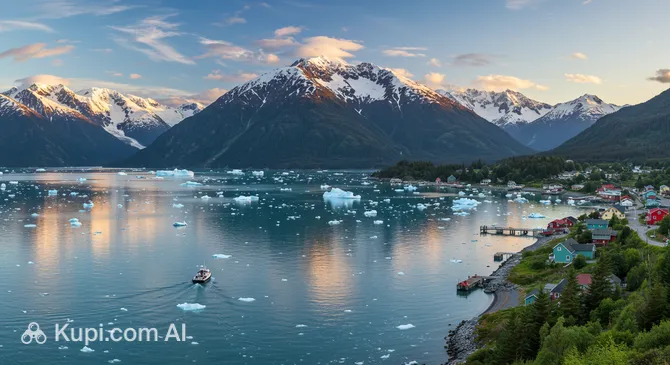
Gustavus. Source: Kupi.Binoculars

Nestled on the northern shore of Icy Strait in Southeast Alaska, Gustavus is a serene destination that serves as the primary gateway to one of the most spectacular wilderness areas in the United States. With a modest population of approximately 442 residents, this charming community offers a welcoming small-town atmosphere amidst breathtaking natural surroundings. Unlike many other coastal Alaskan towns built against steep slopes, Gustavus is situated on a broad, flat plain formed by receding glaciers, giving it a unique open feel with sweeping views of the Fairweather Mountain Range.

The town's origins are deeply rooted in homesteading, and visitors interested in the local heritage can explore the fascinating history of Gustavus, which was originally known as Strawberry Point due to the abundance of wild berries. Today, it retains a rustic charm where the pace of life is dictated by the tides and the seasons. The climate here is relatively drier than nearby areas, making it an excellent base for outdoor adventures during the summer months.

Gustavus is world-renowned as the headquarters and entry point for Glacier Bay National Park and Preserve. Tourists flock here to embark on boat tours that navigate through icy fjords to witness massive tidewater glaciers calving into the sea. Beyond the ice, the area is a haven for wildlife enthusiasts; it is common to spot humpback whales breaching in the strait, sea otters floating in kelp beds, and moose or bears wandering near the forest edge. Whether you are kayaking through calm waters or hiking through lush rainforests, the connection to nature here is immediate and profound.

For travelers seeking a disconnect from the hustle of modern life, Gustavus offers an unparalleled opportunity to recharge. Its combination of friendly hospitality, accessible wilderness, and stunning scenery makes it a must-visit destination for anyone planning an Alaskan adventure.

Weather Overview

Understanding the local climate is essential when packing for a trip to this part of Alaska. The weather in Gustavus is characterized by a maritime influence, resulting in relatively mild temperatures compared to the interior of the state, though visitors should always be prepared for precipitation. The summer months of June through August are generally the most comfortable for exploration, with average temperatures peaking around 12.5°C in August.

Winters are colder, with average temperatures dropping to approximately -2.3°C in February, the coldest month. While the volume of precipitation is moderate, ranging from 5mm in early summer to 14mm in October, the frequency of precipitation is high year-round. You can expect wet conditions on about 17 to 24 days per month, so waterproof gear is a must regardless of the season. Expect mild summers with frequent light rain and cold winters suitable for cozy indoor retreats.

Interesting Facts

Beyond the main attractions and the stunning scenery of Glacier Bay, Gustavus holds several fascinating secrets that add depth to its character. This quiet community is not just a gateway to nature but a place with a unique geological and historical narrative.

  • The land is rising rapidly. Gustavus is situated on ground that is experiencing one of the fastest rates of isostatic rebound in the world. As the massive, heavy glaciers have retreated over the last 250 years, the earth has created a "spring-back" effect, causing the land to rise roughly an inch or more per year; in fact, the very ground the town is built on was submerged underwater just two centuries ago.

  • It has a secret military past. Visitors are often surprised to find a full-sized jet airport serving such a small community. This is a legacy of World War II, when the Gustavus Army Airfield was constructed in secret as a strategic refueling stop and heavy bomber base, providing the town with infrastructure far beyond what its population size would typically warrant.

  • You can golf in the wilderness. The town is home to the Mt. Fairweather Golf Course, one of the few places in Southeast Alaska where you can play a round of golf. It is a distinctively rustic experience where the hazards include not just sand traps, but also the occasional moose or bear wandering across the fairways.

How to Get There

Reaching this secluded community in Southeast Alaska is part of the adventure, as the journey typically involves a scenic transfer through one of the region's larger hubs. Since the town is not connected to the mainland road system, visitors must arrive by air or sea. For a complete overview of travel options, including ferry schedules and flight details, you can read more about how to get to Gustavus.

The primary gateway for most travelers is Juneau International Airport (JNU), located in the city of Juneau. Although it is situated approximately 68 km from Gustavus, it serves as the essential regional hub for flights arriving from Seattle or Anchorage. Since there are no roads connecting the two cities, you cannot take a taxi or bus directly to your destination. Instead, travelers transfer at Juneau to a small commuter flight, which takes about 30 minutes, or board the Alaska Marine Highway ferry for a scenic 4 to 6-hour cruise through the Icy Strait.

Another regional option is Sitka Airport (SIT), located in Sitka, roughly 154 km away. While less convenient for a direct connection compared to Juneau, it is a significant airport in the archipelago. Travelers arriving here would typically need to arrange onward travel by air or ferry to reach Gustavus. The airport handles a moderate volume of passengers and serves as a key link for those exploring the broader Southeast Alaska area.

For clarity, here is a summary of the main airports in the vicinity:

Airport Name City Passenger Traffic Km from City
Juneau International Airport Juneau Large 68.3
Whitehorse Airport Whitehorse Medium 258.7
Sitka Airport Sitka Medium 153.7
Yakutat Airport Yakutat Small 256.2
Kake Seaplane Base Kake Small 192.7

Main Attractions

While the town of Gustavus itself is quaint and quiet, it serves as the threshold to some of the most magnificent natural wonders in North America. The primary draw for almost every visitor is the wilderness that surrounds the community, offering a mix of accessible hiking, marine exploration, and breathtaking glacial scenery. Here are the top attractions to explore during your stay.

Glacier Bay National Park and Preserve is undoubtedly the main reason travelers make the journey to this remote corner of Alaska. As a UNESCO World Heritage site, the park encompasses over 3 million acres of rugged mountains, dynamic glaciers, and temperate rainforest. Visitors can take day boat tours from the nearby dock to travel up-bay, where they can witness the thunderous calving of massive tidewater glaciers and spot wildlife such as mountain goats, puffins, and brown bears along the shorelines. It is an immersive experience that highlights the raw power of nature.

Just a short drive or shuttle ride from the town center lies Bartlett Cove, the only developed area within the national park that is accessible by road. This area serves as the park's headquarters and offers a variety of activities for those who prefer to keep their feet on the ground. You can explore the visitor center, view an impressive rearticulated humpback whale skeleton, or walk along the shore to watch sea otters playing in the kelp. It is also the starting point for several hiking paths, including the Forest Loop Trail which winds through lush, moss-draped spruce and hemlock trees.

The waters of Icy Strait, which border Gustavus, are world-famous for their rich marine life, making whale watching a premier attraction here. During the summer months, these nutrient-dense waters attract a large population of humpback whales that come to feed. Visitors can embark on charter boats to Point Adolphus, known as one of the best places in Alaska to see whales breaching and bubble-net feeding. The area is also frequented by orcas, stellar sea lions, and harbor porpoises, offering a spectacular show for wildlife enthusiasts.

For a peaceful hike that showcases the local terrain, the Nagoonberry Loop Trail is a favorite among locals and visitors alike. This relatively flat and easy trail meanders through open meadows and forests, offering excellent opportunities for birdwatching and spotting moose. In mid-summer, the fields are dotted with wildflowers and wild strawberries, reflecting the town’s original name, Strawberry Point. It is a perfect spot for a relaxing afternoon walk to appreciate the serene beauty of the Gustavus forelands.

Local Cuisine

The culinary scene in Gustavus is a direct reflection of its wild surroundings, offering a true "sea-to-table" experience that highlights the bounty of Southeast Alaska. While the town is small and dining options are limited compared to larger cities, the quality of the ingredients is exceptional. Seafood lovers will be in paradise here, as the local waters provide some of the freshest catch available anywhere in the world. Menus change with the seasons, heavily relying on what has been harvested that day from the icy waters of the Icy Strait and Glacier Bay.

The undisputed stars of the local table are Pacific halibut and wild Alaskan salmon. You will find halibut prepared in various ways, from lightly grilled fillets to hearty beer-battered chunks served with chips. Salmon, whether it is King (Chinook), Sockeye, or Coho, is often smoked, baked on cedar planks, or served in chowders. Another must-try delicacy is the Dungeness crab, which is sweet, tender, and often served simply with drawn butter to let the natural flavors shine. For those with a sweet tooth, look for desserts featuring local berries; the area was historically known as "Strawberry Point," and you can find treats made with wild strawberries, blueberries, and the tart, unique nagoonberry.

Dining in Gustavus is a casual and communal affair, often centered around the town's lodges and inns. Since there are few standalone restaurants, many visitors enjoy meals in the dining rooms of local lodges, which frequently welcome non-guests with advance notice. These venues offer a cozy, rustic atmosphere where you might share a table with boat captains, park rangers, or fellow travelers. The food culture here emphasizes home-cooked, hearty meals designed to fuel outdoor adventures, often incorporating vegetables and herbs grown in local gardens during the long daylight hours of summer.

When it comes to beverages, coffee culture is strong in Alaska, and Gustavus is no exception. You can find excellent locally roasted coffee to warm up on a misty morning. For something stronger, while the town does not have a large nightlife scene, local establishments typically serve a selection of Alaskan craft beers brewed in nearby Juneau or Sitka. Sipping an amber ale or a spruce-tip stout while looking out over the fields towards the mountains is the perfect way to end a day of exploration.

Travel Tips

Visiting Gustavus requires a bit more preparation than the average vacation, as this remote outpost on the edge of the wilderness operates at its own pace and rhythm. To help you navigate the logistics of life in the "gateway to Glacier Bay" and ensure a smooth adventure, here are some essential practical tips to keep in mind.

  1. Dress for the "rainforest" reality. Gustavus is located in a temperate rainforest, so staying dry is the priority. Regardless of the season, bring high-quality waterproof rain gear (jacket and pants), not just water-resistant clothing. The local "uniform" often consists of rubber boots (known as Xtratufs) and layers of fleece or wool. Avoid cotton, as it takes a long time to dry if it gets wet.

  2. Plan your local transport in advance. There is no public metro, bus system, or Uber service in Gustavus. The town is spread out over a flat plain, making bicycles the most popular and enjoyable way to get around; many lodges offer rentals. For airport transfers or longer distances, you must rely on your lodge's shuttle service or the local taxi service, which should be booked ahead of time as availability is limited.

  3. Carry cash for small transactions. The currency is the US Dollar (USD). While most lodges and the main general store accept credit cards, having cash is useful for tipping guides, buying local crafts, or paying for small items where card machines might be down due to internet issues. There is only one ATM in town (usually at the main store), so it is wise to withdraw cash before you arrive.

  4. Bring a complete medical kit. There is no 24/7 pharmacy in Gustavus. The town is served by a small community clinic that handles basic care, but serious emergencies may require a medical evacuation to Juneau. Pack all necessary prescription medications, extra contact lenses, and a basic first-aid kit. Travel insurance that covers medical evacuation is highly recommended.

  5. Manage your connectivity expectations. English is the primary language. Cell phone coverage can be spotty and is generally limited to carriers like AT&T or GCI; other providers may have no signal at all. Wi-Fi is available at most lodges and the public library, but speeds can be slow due to the remote satellite or microwave connections. Download maps and entertainment offline before you arrive.

  6. Respect the "Gustavus Wave." The local etiquette is incredibly friendly and informal. It is customary to wave at every driver you pass on the road, whether you are in a car, on a bike, or walking. Locals value their tight-knit community spirit, so a simple greeting goes a long way. Also, be mindful that while the landscape looks open, much of it is private homestead land; respect "No Trespassing" signs.

  7. Never leave food unattended outdoors. The most critical rule to avoid trouble is regarding wildlife safety. Gustavus is bear country (both black and brown bears). Never leave food, trash, or scented items outside your cabin or on a picnic table, even for a moment. This behavior is not only dangerous for you but can lead to the animal being destroyed. Always use bear-proof receptacles.

  8. Know the "Toshco" schedule. The town has one main general store, affectionately known as "Toshco" (The Trading Post). It sells groceries, hardware, and liquor, but it has limited hours and is not open late. If you need snacks or supplies for a hike, plan your shopping trip around their opening times, as there are no 24-hour convenience stores here.

By packing the right gear and embracing the slower, nature-focused lifestyle of this unique community, you will be perfectly positioned to enjoy the stunning beauty of Southeast Alaska. Gustavus is a place where the lack of big-city amenities is more than made up for by the warmth of the locals and the grandeur of the surroundings.

Entertainment & Nightlife

Nightlife in Gustavus is a world away from the neon lights and thumping bass of a typical city. Here, evening entertainment is defined by the rhythm of the wilderness and the warm, communal spirit of a small town. Visitors should not expect bustling nightlife districts, dance clubs, or late-night discos. Instead, the "nightlife" scene revolves around cozy lodge lounges, outdoor fire pits, and the spectacular natural light show of the long summer evenings.

The social heart of the evening is almost exclusively found within the local lodges and inns, which serve as the de facto bars and gathering spots for both locals and tourists. The Bear Track Inn is a popular venue where guests can relax in a massive log lobby with a drink in hand, swapping stories of the day's adventures near a roaring fireplace. Similarly, the lounge at the Glacier Bay Lodge offers a serene setting to enjoy an Alaskan amber ale while looking out over Bartlett Cove. These venues cultivate a relaxed, rustic atmosphere where hiking boots and flannel shirts are the standard dress code.

Because Gustavus is a spread-out community with no central "downtown" strip, getting around at night requires planning. There are no streetlights on the winding country roads, and the darkness can be absolute once the sun finally sets. Taxis are limited and often stop running early, so it is essential to arrange transportation back to your accommodation in advance if you plan to dine or drink away from your own lodge. Prices for drinks and food are typical for Alaska—slightly higher than the mainland due to shipping costs—but the portions are generous and the quality is high.

Safety during the evening is less about avoiding crime and more about respecting the local wildlife. The roads and trails are shared with moose and bears, which are most active at dusk and dawn. Walking alone at night without a flashlight and bear spray is strongly discouraged. If you are moving between venues, traveling by vehicle is the safest option to avoid a surprise encounter in the dark.

Regarding daytime entertainment, Gustavus offers a refreshing break from commercial distractions. There are no movie theaters, shopping malls, or amusement parks here. Cultural entertainment is intimate and local; visitors can explore small art studios and galleries featuring the work of local woodcarvers and painters. For a unique local experience, the Mt. Fairweather Golf Course provides a laid-back round of golf in a meadow setting, while the visitor center at Bartlett Cove acts as the area's primary museum, offering deep insights into the natural and cultural history of Glacier Bay.

Parks & Museums

While Gustavus is primarily known as a gateway to vast wilderness rather than a city of manicured gardens and grand museums, it offers exceptional opportunities to engage with nature and local heritage. The community's "parks" are wild, protected habitats, and its cultural venues are intimate spaces that deeply connect visitors to the land and the history of the Tlingit people.

Bartlett Cove is the centerpiece of the local park experience, serving as the only developed area within the massive Glacier Bay National Park accessible by road. It functions as a grand natural park where visitors can walk through moss-draped temperate rainforests on trails like the Forest Loop. It is an excellent spot for families and casual hikers to experience the silence of the woods and the expansive views of the bay without needing a backcountry permit. The area is also equipped with picnic sites and offers immediate access to the shoreline for beachcombing.

For birdwatchers and nature enthusiasts, the Dude Creek Critical Habitat Area is a significant natural landmark. This protected area is the largest expanse of wet meadow in the region and serves as a vital stopover for migrating Sandhill Cranes. In the fall, the air fills with the prehistoric calls of these majestic birds. The area remains largely undeveloped, offering a raw and authentic look at the flat, glacial outwash plain geography that makes Gustavus unique among Southeast Alaskan towns.

The cultural heart of the area is the Glacier Bay National Park Visitor Center, located on the second floor of the Glacier Bay Lodge. Acting as the region's primary museum, it features engaging exhibits that explain the rapid glacial retreat that formed the bay, the life cycles of local marine mammals, and the history of scientific research in the park. It is an essential first stop for tourists to gain context on what they are seeing out on the water, featuring hydrophones where you can listen to live whale songs from the bay.

Just a short walk from the Visitor Center stands the Xunaa Shuká Hít (Huna Tribal House), a stunning cultural landmark that honors the ancestral homeland of the Huna Tlingit people. Unlike a static museum, this is a living gathering place adorned with intricately carved totem poles and house screens. It offers visitors a profound insight into the enduring connection between the indigenous people and Glacier Bay. During the summer, cultural interpreters often share stories, songs, and history here, making it a moving experience for anyone interested in Alaska Native culture.

For a unique historical excursion, adventurous visitors can hike to the 1957 C-54 Skymaster Crash Site. Located within the park boundaries, this site preserves the wreckage of a military transport plane that went down decades ago (all passengers survived). The aluminum fuselage remains largely intact in the forest, serving as a solemn and fascinating historical monument reclaimed by nature. It provides a tangible connection to the area's mid-century military history.

Insider Tip: Do not miss a walk on the Gustavus Beach during low tide. The tide recedes dramatically, revealing immense mudflats and sandy stretches that seem to go on forever. It is a favorite local spot for sunset walks, where you can watch the light play off the Fairweather Mountains and often spot Dungeness crabs scuttling in the shallow pools.

Getting Around

Travelers arriving in Gustavus should immediately adjust their expectations regarding public transportation. Unlike larger urban centers, this small community does not possess a municipal bus network, metro system, tram, or trolleybus service. The transport infrastructure is minimal and rural, designed primarily to move visitors between the arrival points and the national park or local accommodations. Consequently, there is no centralized public transit authority, and getting around requires a bit more planning than simply waiting at a bus stop.

The closest equivalent to public transport is the seasonal shuttle service that operates during the summer months. These buses or vans typically run a route connecting the airport, the ferry terminal, the town center (often referred to as "The Four Corners"), and Bartlett Cove, which is the gateway to the national park. This service is often operated by the park concessionaire or local private companies. The schedules are generally coordinated with the arrival and departure times of flights and the state ferry, ensuring that visitors are not left stranded upon arrival.

Regarding payment, there is no complex system involving travel zones, smart cards, or mobile apps. Transport here operates on a much simpler basis. If a fare is charged for the shuttle or a taxi, it is typically a fixed flat rate. Payment is almost exclusively taken by the driver at the time of service. While some operators may accept credit cards, it is strongly advised to carry cash in the local currency, as internet connectivity issues can frequently render card machines unusable. There are no ticket machines or validation kiosks; the transaction is personal and direct.

For alternatives to the shuttle, local taxi services are available, but they function differently than in big cities. You cannot hail a taxi from the street, and global ride-sharing apps are not available in this region. Visitors must call the local taxi dispatch to book a ride in advance. Availability can be scarce, especially during peak tourist season or late at night, so it is prudent to schedule your pickups ahead of time, particularly if you have a dinner reservation or a flight to catch.

By far the most popular and practical alternative for getting around is renting a bicycle. The geography of Gustavus is exceptionally flat, making it an ideal destination for cycling. Most paved roads have wide shoulders, and the traffic is slow and respectful of cyclists. Many lodges provide bikes for their guests, and there are independent rental shops in town. This method offers the freedom to explore the forest roads and shoreline at your own pace, often turning the commute into a scenic wildlife-viewing opportunity.

Visitors should also be aware that car rentals are extremely limited, with often only a handful of vehicles available for the entire town. If you require a car, it must be booked months in advance. Ultimately, the "transport system" here is defined by its informality and friendliness; drivers often double as local guides, and the lack of strict timetables encourages a slower, more relaxed pace of travel in tune with the surrounding wilderness.

Accommodation

Finding a place to stay in Gustavus is an integral part of the Alaskan experience, differing significantly from the typical hotel search in major cities. There are no high-rise chains, elevators, or sprawling resorts here. Instead, accommodation options are defined by their rustic charm, personal hospitality, and immersion in the surrounding wilderness. Visitors can choose from full-service lodges, cozy bed and breakfasts, private cabins, or campgrounds, all of which offer a quiet retreat after a day of exploring the fjords and forests.

The most popular and convenient option for many travelers is staying at one of the area's wilderness lodges. These establishments are often family-run and provide a comprehensive vacation package. Because dining options in town are limited, many lodges operate on an all-inclusive basis, providing hearty home-cooked meals, packed lunches for day trips, and transportation to and from the airport or the dock. The architecture typically features log construction, large fireplaces, and communal dining areas that foster a sense of camaraderie among guests.

For those prioritizing location, there is a distinct choice to be made: staying "in town" or staying within the national park. The Glacier Bay Lodge is the only accommodation located directly within the park boundaries at Bartlett Cove. It offers immediate access to park ranger programs, boat tours, and hiking trails, making it a prime choice for those who want to wake up right next to the water. However, lodges located in the community of Gustavus often offer more spacious grounds, bikes for exploring the flat local roads, and a chance to experience the local lifestyle.

Travelers seeking a more independent or intimate experience might prefer the numerous Bed and Breakfasts (B&Bs) and guest cabins scattered across the Gustavus plains. These accommodations range from simple rooms in a family home to fully equipped private cottages tucked away in the spruce forest. Staying at a B&B is an excellent way to connect with local residents, who are often eager to share insider tips on where to spot moose or the best times to visit the beach.

For the adventurous and budget-conscious, camping is a fantastic option, though it requires preparation for the cool, damp climate. The Bartlett Cove Campground, managed by the National Park Service, is located in a stunning old-growth forest near the shore. It provides walk-in sites with bear-proof food caches and a warming shelter. It is a primitive but beautiful way to experience the sounds of the forest and the sea, often for free or a nominal fee.

When planning your stay, keep the following practical tips in mind:

  • Book Well in Advance: The tourist season is short, running primarily from late May to early September. With a limited number of beds available in this small community, prime accommodations often fill up months ahead of time.
  • Check for Transfers: Public transport does not exist in the traditional sense. Ensure your chosen accommodation offers complimentary shuttle service from the airport or ferry terminal, as this is the standard way to reach your lodging.
  • Understand the Amenities: While most places offer Wi-Fi, speeds can be slow and reliability intermittent due to the remote location. Do not expect room service, air conditioning (it is rarely needed), or televisions in every room. The focus here is on disconnecting and enjoying nature.

Nearby Cities

For those looking to explore the surroundings, Gustavus serves as an excellent base for day trips to several interesting nearby locations. While Gustavus offers tranquility, the surrounding communities in Southeast Alaska provide a vibrant mix of history, culture, and different landscapes. Due to the unique geography of the region, these "day trips" often involve a scenic flight or a ferry ride, adding to the adventure.

Juneau, the state capital, is the most accessible and popular destination for a short visit. Located just a quick flight away, it offers a stark contrast to the quiet of Gustavus with its bustling downtown, historic district, and the famous Mount Roberts Tramway. Visitors can spend the day exploring the impressive Mendenhall Glacier, visiting the Alaska State Museum to learn about the region's heritage, or enjoying the variety of shops and restaurants that are not available in the smaller villages.

Another fascinating option is Sitka, situated on the outer coast of the Inside Passage. Known for its stunning scenery and rich history, Sitka was once the capital of Russian America. A visit here allows travelers to walk through the Sitka National Historical Park, where Tlingit totem poles stand amidst towering spruce trees, and to explore the Russian Bishop's House. The blend of Tlingit culture and Russian history makes it a unique cultural excursion.

Haines is also worth considering for those interested in breathtaking natural beauty and wildlife. Located up the Lynn Canal, it is famous for the Alaska Chilkat Bald Eagle Preserve, which hosts one of the largest gatherings of bald eagles in the world. The town itself has an artistic vibe and offers access to incredible hiking trails and river rafting experiences, providing a different perspective of the Alaskan wilderness compared to the flatlands of Gustavus.

City Population Distance (km)
Juneau 32240 78
Craig 9026 363
Sitka 8518 153
Haines 2500 93
Wrangell 2369 296

These nearby destinations offer a glimpse into the diverse culture and landscapes of the region, making them perfect additions to your Alaskan itinerary.

Shopping & Souvenirs

Shopping

General Overview: Shopping in Gustavus is a unique experience that reflects the town's small size and remote location. Visitors should not expect sprawling retail districts, luxury boutiques, or extensive commercial centers. Instead, the shopping scene is intimate, functional, and deeply connected to the local community and the surrounding wilderness. The opportunities here are primarily focused on essential supplies for outdoor adventures, locally crafted art, and souvenirs that celebrate the region's natural beauty. It is a place where you buy directly from the neighbors and artists, often finding one-of-a-kind items rather than mass-produced goods.

Main Shopping Areas: Due to the dispersed nature of the settlement, there is no traditional "Main Street" or downtown shopping strip. The closest thing to a commercial hub is the area locally known as "The Four Corners," where the main paved roads intersect. Here, you will find the town's primary general store and a few other services. Apart from this central point, shopping is an adventure in itself, often involving a bike ride or drive down quiet forest roads to find small signs pointing toward home-based art studios, galleries, or lodge gift shops tucked away in the trees.

Shopping Malls: Travelers should be aware that there are no shopping malls or large department stores in Gustavus. The retail landscape is defined by small, independent businesses. If you are accustomed to browsing large complexes with food courts and cinemas, you will find the contrast here refreshing. The "malls" of Gustavus are the open meadows and forests, and the only crowds you are likely to encounter are fellow nature lovers at the trailheads.

Markets: The community does not host daily bustling street markets, but the central gathering place for food and supplies is Toshco (The Trading Post). While technically a general store, it functions as the town's market, selling everything from fresh produce and hardware to fishing gear and liquor. It is the heartbeat of local commerce. During the summer, you may occasionally encounter small pop-up craft fairs or "tailgate markets" where locals sell garden surplus or handmade crafts, typically announced on community bulletin boards.

Souvenirs: The best souvenirs from Gustavus are those that capture the spirit of Southeast Alaska. Local art is a highlight; look for intricate wood carvings, pottery, and paintings inspired by the glaciers and wildlife, often sold directly from artists' studios or at the Fireweed Gallery. Food items are also popular, particularly products made from local berries like nagoonberry or blueberry jams, and shelf-stable smoked salmon caught in the nearby Icy Strait. Additionally, the gift shop at the Glacier Bay Lodge offers high-quality books, apparel, and memorabilia dedicated to the national park.

Opening Hours and Payment: Store hours in Gustavus can be limited and vary significantly by season. The main general store and gas station typically operate daily but close earlier than city dwellers might expect, often by 6:00 PM or 7:00 PM, with reduced hours on Sundays. Smaller galleries and studios may operate on "Alaska time," opening when the artist is home or by appointment. Regarding payment, the US Dollar is the currency. While major cards are accepted at main businesses, internet outages can render card machines useless. It is highly recommended to carry sufficient cash for smaller purchases and as a backup.

Tax-Free Status: One of the financial perks of visiting Alaska is that there is no state sales tax. However, local municipalities often levy their own taxes. Gustavus typically has a local sales tax (often around 3% during the summer season) that applies to goods and services. While you won't deal with a high state tax, you should expect this small local percentage to be added to your bill at checkout.
Reached the end of the page?

That means the route is fully explored