Support

Tenakee Springs

About

Welcome to Tenakee Springs, a charming and secluded community located on the northern shore of Tenakee Inlet on Chichagof Island. This unique settlement in Alaska offers a tranquil escape from the hustle and bustle of modern life, inviting travelers to step back in time and embrace a slower pace. As a distinctive destination within the United States, it stands out for its rustic beauty and the warm hospitality of its small population, which hovers around 130 residents.
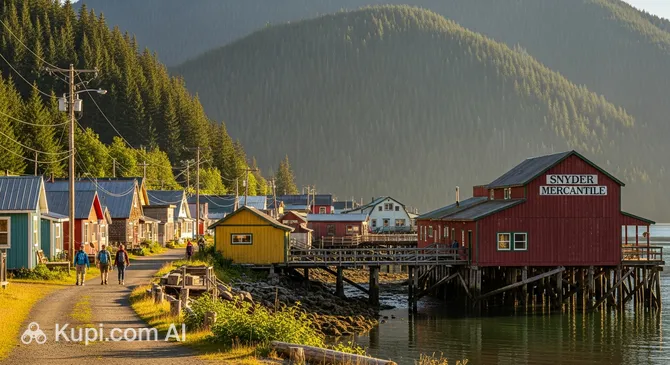
Tenakee Springs. Source: Kupi.Binoculars

One of the most defining features of the town is its refreshing lifestyle; Tenakee Springs is essentially car-free. The main thoroughfare, Tenakee Avenue, is a narrow dirt path suitable only for pedestrians and bicycles, lining the waterfront with colorful historic homes on stilts. The history of Tenakee Springs is deeply intertwined with these shores, evolving from a winter retreat for Tlingit people and early prospectors to a bustling cannery town in the early 20th century.

The heart of the community is undoubtedly the Tenakee Hot Springs. The historic bathhouse features a natural mineral spring that maintains a soothing temperature of about 105°F (41°C), serving as a daily gathering place for locals and a rejuvenating stop for visitors. Beyond the springs, the area is a paradise for outdoor enthusiasts, offering world-class opportunities for kayaking, salmon fishing, and spotting wildlife such as humpback whales, brown bears, and bald eagles in their natural habitat.

Whether you are looking to soak in therapeutic waters, explore the lush Tongass National Forest, or simply enjoy the quiet charm of a close-knit Alaskan village, Tenakee Springs is a destination that promises an unforgettable experience. We invite you to disconnect from the digital world and discover the serene beauty of this hidden gem.

Weather Overview

Tenakee Springs experiences a maritime climate characterized by cool summers and relatively mild winters compared to the Alaskan interior. The warmest months are typically July and August, where the average temperature reaches around 13.5°C, creating comfortable conditions for outdoor exploration. Conversely, the coldest period occurs in January and February, with average temperatures dipping slightly below freezing to approximately -1.4°C.

Travelers should be prepared for frequent precipitation throughout the year, as the region records a high number of wet days annually. October is often the dampest month with up to 23 wet days, while the summer months offer slightly more respite, though rain remains common. For a detailed forecast and monthly breakdown to help plan your trip, you can view the complete guide to the weather in Tenakee Springs.

Interesting Facts

Beyond the main attractions, Tenakee Springs holds many fascinating secrets that reveal the true character of this secluded Alaskan community. While it may seem like a quiet village, the town has a distinct personality shaped by its isolation and unique local customs.

  • The Bathhouse Schedule: The famous hot springs are not just for relaxation; they operate on a strict, traditional schedule that separates bathing times for men and women. There are no mixed bathing hours, and the facility functions as a communal "living room" where locals gather to socialize while soaking.

  • A Living Museum: The town is home to Snyder Mercantile, a general store that has been in continuous operation since 1899. Stepping inside feels like traveling back to the Gold Rush era, as it still serves as the primary supplier for the village, having outlasted over a century of changes.

  • Bear Country: Chichagof Island, where the city is located, is widely known for having one of the highest concentrations of brown bears per square mile in the world. Residents are so accustomed to sharing their environment with these giants that bear awareness is an ingrained part of the local culture.

  • Dry Cabins: Part of the bathhouse's popularity stems from necessity rather than just leisure. Many of the historic cabins lining the waterfront were built without indoor plumbing, meaning the hot springs serve as the primary place for bathing for a significant portion of the population.

How to Get There

Reaching the secluded community of Tenakee Springs is a unique part of the Alaskan experience, as the village is located on Chichagof Island and is not accessible by road from the mainland. Visitors must rely on air or marine transport to arrive at this tranquil destination. For a detailed guide on planning your trip, including ferry schedules and seaplane options, you can read more about how to get to Tenakee Springs.

The city of Tenakee Springs does not have its own major commercial airport. The primary gateway for most travelers is Juneau International Airport (JNU), located in the city of Juneau, approximately 74 km from Tenakee Springs. As a key regional hub with large passenger traffic, Juneau receives frequent flights from major cities like Seattle and Anchorage. From Juneau, visitors typically transfer to a scheduled seaplane flight or board the Alaska Marine Highway ferry to reach Tenakee Springs.

Another viable option is Sitka Airport (SIT), situated in Sitka, about 82 km away. While it handles less traffic than Juneau, it is a significant medium-sized airport serving the region. Similar to Juneau, travel from Sitka to Tenakee Springs requires a subsequent journey by boat or floatplane, offering scenic views of the Inside Passage along the way.

For clarity, here is a summary of the main airports nearby:
Airport Name City Passenger Traffic Km from City
Juneau International AirportJuneauLarge74.4
Sitka AirportSitkaMedium82.1
Kake Seaplane BaseKakeSmall118.1

Tenakee Springs does not have a railway station, and there is no rail infrastructure on Chichagof Island or connecting it to the mainland. The rugged, archipelagic geography of Southeast Alaska makes train travel impossible in this area. Visitors should focus on arranging air or water transport to reach the village.

Main Attractions

The centerpiece of the community and its most famous attraction is the Tenakee Hot Springs. Located in a historic bathhouse at the center of town, this natural mineral spring flows at a soothing temperature of approximately 105°F (41°C). The bathhouse serves as the village's social hub and a place of daily ritual for residents. Visitors should note that the facility follows a strict traditional schedule with separate bathing hours for men and women, maintaining a custom that has been observed for decades. It is an authentic and therapeutic experience that connects you directly to the town's history and geology.

Exploring Tenakee Avenue offers a travel experience unlike any other in the region. This "main street" is actually a narrow, unpaved trail that stretches along the waterfront, strictly prohibiting cars. It is the lifeline of the village, used exclusively by pedestrians and bicyclists. A stroll down this lane allows tourists to admire the eclectic architecture of cabins built on pilings over the water, enjoy unobstructed views of the inlet, and meet friendly locals, all without the noise and traffic of a typical town.

For a deep dive into local heritage, the Tenakee Historical Collection is a must-visit. This small but fascinating museum is housed in a renovated historic building and is uniquely heated by the town's geothermal spring water. Inside, visitors can examine artifacts from the area's Tlingit roots, the early mining days, and the cannery era. The exhibits provide valuable context to the rusty machinery and pilings one might see while exploring the surrounding coast.

Stepping into Snyder Mercantile is like walking into a living time capsule. Established in 1899, this general store has been in continuous operation for over a century and remains the commercial heart of Tenakee Springs. It is often cited as one of the most charming and well-stocked rural stores in Southeast Alaska. Visitors can browse its wooden shelves for everything from groceries to hardware, experiencing the atmosphere of the Gold Rush era that still lingers in the building's creaky floorboards.

Outdoor enthusiasts will appreciate the Tenakee Springs Trail system, particularly the route heading east from town. This scenic hike takes adventurers through lush rainforests and leads to a picturesque suspension bridge crossing a river. Further along the path, hikers can discover the moss-covered ruins of an old cannery at Cannery Point, offering a hauntingly beautiful glimpse into the industrial past of Chichagof Island amidst the reclaiming wilderness.

Local Cuisine

The culinary experience in Tenakee Springs is defined not by a long list of restaurants, but by the incredible freshness of its local resources and a strong culture of self-reliance. In this car-free village, "eating out" often means stepping onto a porch to grill the catch of the day. The cuisine is simple, rustic, and centered almost entirely around the ocean, offering a genuine taste of the Alaskan subsistence lifestyle where the distance between the source and the plate is non-existent.

The most iconic dish to try is undoubtedly fresh Dungeness crab. The waters of Tenakee Inlet are renowned for these crustaceans, and they are a dietary staple for residents. They are best enjoyed simply—boiled in seawater and dipped in melted butter—to highlight their naturally sweet flavor. Alongside crab, wild salmon and halibut are pillars of the local diet. You will often find salmon prepared in traditional ways, such as hot-smoked strips known as salmon candy or grilled fillets seasoned with herbs. Adventurous eaters might also try sea asparagus (beach greens), a crunchy, salty succulent foraged from the tidelands during low tide.

Since commercial dining options are extremely limited, the social heart of the town's food scene is the Party Time Bakery, housed in the historic Shamrock Building. This is the place to go for a hot cup of coffee and their famous cinnamon rolls, which are a morning ritual for many. The bakery also hosts a beloved "Pizza Night" on Fridays, which serves as a major community gathering. It is one of the few opportunities to enjoy a prepared meal in a social setting, bringing together locals and tourists for good food and conversation.

For most visitors, the food culture revolves around cooking in their own cabins using supplies from Snyder Mercantile. As the town's only general store, it provides the essential groceries and goods needed for a stay. This reliance on home cooking fosters a warm, communal spirit, where potluck dinners are common. If you are lucky enough to be invited to one, you will likely experience the true depth of Tenakee's hospitality, featuring dishes made from moose, deer, or berries gathered from the surrounding Tongass National Forest.

There are no formal bars or nightlife venues in Tenakee Springs. The local drinking culture is low-key and casual, usually consisting of a cold beer or a glass of wine enjoyed privately on a deck overlooking the water. Coffee, however, is an essential part of daily life here, helping to keep residents warm and energized through the misty Alaskan days.

Travel Tips

Visiting Tenakee Springs is a unique adventure that requires a bit more preparation than the average vacation, as this remote village operates on its own rhythm and rules. To help you settle into the "Tenakee time" and enjoy a hassle-free stay in this secluded Alaskan paradise, we have compiled a list of essential practical tips.

  1. Dress for the Rainforest. The climate here is cool and wet, so high-quality rain gear is non-negotiable. The "local uniform" typically consists of Xtratuf boots (often called Alaskan sneakers) and a durable raincoat. Dress in synthetic or wool layers that keep you warm even when damp. Leave the formal wear at home; the vibe here is entirely casual and rustic.

  2. Foot Power Only. Leave your driving worries behind because there are no cars here. The main "road," Tenakee Avenue, is a dirt trail for pedestrians and bicycles. Walking is the primary way to get around, though you can rent or borrow a bike to zip from the harbor to the trailheads. Comfortable walking shoes are essential.

  3. Bring Cash with You. While Snyder Mercantile and a few local businesses may accept credit cards, electronic systems can be unreliable due to internet outages. There are no banks or ATMs in the village. It is highly advisable to withdraw sufficient US Dollars (USD) in Juneau or Sitka before you board your ferry or seaplane.

  4. Be Bear Aware. Chichagof Island has one of the highest densities of brown bears in the world. Safety is paramount: always carry bear spray, hike in groups, and make noise while on the trails to avoid startling wildlife. Never leave food or trash outside your cabin, as this attracts bears into the community.

  5. Disconnect to Reconnect. Cell phone service in Tenakee Springs is extremely limited or non-existent depending on your carrier. Wi-Fi is available at the public library and sometimes at the bakery, but speeds can be slow. View this as a chance to unplug, but download any necessary maps, books, or documents before you arrive.

  6. Bathhouse Etiquette. The hot springs are the heart of the community and operate on a strict, traditional schedule alternating between men's and women's hours. Check the clock before entering. It is customary (and required) to wash thoroughly with soap and water before entering the soak tub to keep the mineral water clean for everyone.

  7. What to Avoid. Do not ignore the "private property" signs. While the main trail is public, the cabins and docks branching off it are private homes. Also, avoid rushing; walking too fast or acting impatient goes against the relaxed grain of local life. A friendly greeting to passersby is the norm here.

  8. Medical Self-Sufficiency. There is no pharmacy and only basic emergency medical services in town. Bring a full supply of any prescription medications you need, plus a basic first-aid kit. For serious medical emergencies, evacuation by air to a larger hospital is required, so travel insurance that covers medevac is strongly recommended.

By packing the right gear and embracing the self-reliant yet communal spirit of the village, you will find that Tenakee Springs offers a deeply restorative experience. Respect the locals, watch out for the bears, and enjoy the rare tranquility of a town where the loudest noise is often just a humpback whale breathing in the inlet.

Entertainment & Nightlife

If you are looking for bustling nightclubs, neon-lit bars, or thumping bass until dawn, Tenakee Springs might surprise you with its complete absence of these features. Nightlife here is defined by tranquility, community connection, and the rhythms of nature rather than commercial entertainment. The "nightlife district" is essentially Tenakee Avenue, the unpaved trail along the waterfront, where the evening activity consists of locals walking to the bathhouse or visiting neighbors with a flashlight in hand. The atmosphere is incredibly intimate, casual, and slow-paced, offering a rare chance to disconnect from urban noise.

The primary venue for evening relaxation and socializing is the Tenakee Hot Springs bathhouse. Unlike a typical spa or bar, this historic facility serves as the community's living room. Open late, it is where residents gather after a day of work or fishing to soak in the 105°F (41°C) mineral waters and exchange news. The bathhouse operates on a strict schedule separating men and women, so your "night out" here involves checking the clock and respecting the local customs. It is a quiet, meditative experience that replaces the typical pub scene.

For food and a semblance of a social scene, the Party Time Bakery is the closest the town comes to a restaurant or evening venue. While primarily a bakery, it is famous for its occasional "Pizza Nights" (typically on Fridays), which serve as the village's main social event. Tourists and locals alike crowd into the warm space or spill out onto the porch to enjoy fresh pizza and conversation. Since alcohol is not sold by the glass in town, the drinking culture is private and BYOB. Visitors typically purchase beer or wine at Snyder Mercantile during the day to enjoy later on the deck of their rental cabin.

When the sky is clear, the entertainment shifts upwards. Due to the lack of light pollution, Tenakee Springs is a phenomenal location for stargazing. In the darker months, you have a high chance of witnessing the Northern Lights (Aurora Borealis) dancing over the inlet. This natural light show provides a spectacular backdrop to an evening walk, far surpassing any laser display in a city club.

Safety and practicality are key when navigating the town at night. There are no streetlights, so a high-quality flashlight or headlamp is essential for walking along Tenakee Avenue to avoid tripping on the dirt path. "Calling a taxi" is impossible as there are no cars or taxi services; your feet are your only transport. While the town is safe from human crime, the surrounding wilderness is home to brown bears, which can be active at night. Always remain alert, make noise, and carry a light even for short walks between buildings.

During the daylight hours, entertainment is centered on outdoor adventure and history. Visitors spend their time kayaking in the calm waters of the inlet to spot humpback whales or hiking the trail systems through the Tongass National Forest. For a touch of culture, the local museum offers insights into the town's past, but by the time the sun sets, the focus returns to the simple pleasures of a hot soak and a quiet evening by the water.

Parks & Museums

In Tenakee Springs, the boundary between the town and the wilderness is almost non-existent. There are no manicured city parks or sprawling museum complexes here; instead, the entire village serves as a living heritage site surrounded by one of the most magnificent natural landscapes in North America. Visitors come here to immerse themselves in the pristine environment of the rainforest and to appreciate the community's dedication to preserving its unique history.

The most significant natural area accessible from the village is the Tongass National Forest. As the largest national forest in the United States, it essentially forms the backyard of every home in Tenakee Springs. Exploring this temperate rainforest offers a chance to walk among ancient Sitka spruce and western hemlock trees, with the forest floor carpeted in thick moss and ferns. It is a prime location for berry picking in the late summer and for spotting wildlife, including Sitka black-tailed deer and the island's famous brown bears, in their undisturbed habitat.

For a scenic outdoor experience that functions like a local park, the Tenakee Trail System is the community's pride. Since there are no roads, the main trail running through town extends east and west into the wild. A popular route for visitors is the hike heading east towards the suspension bridge. This path meanders along the coastline, offering stunning views of the inlet, access to secluded rocky beaches, and the soothing sound of the tide. It is an ideal spot for a peaceful walk, birdwatching, or simply sitting by the water to watch for passing humpback whales.

Cultural preservation is centered at the Tenakee Historical Collection. Housed in a modest building near the boat harbor, this museum is a labor of love run by local volunteers. It offers a fascinating glimpse into the diverse history of the area, from its origins as a Tlingit healing site to its boom years as a cannery town. The collection features historical photographs, old fishing gear, mining tools, and artifacts that tell the story of the hardy individuals who built this remote community. It is an essential stop for anyone wanting to understand the layers of history beneath the village's quiet exterior.

While not a traditional museum, Snyder Mercantile and the surrounding historic district function as a living gallery of Alaskan architecture. Built on pilings over the water, the colorful cabins and the 1899 general store have remained largely unchanged for over a century. Walking down Tenakee Avenue feels like strolling through an open-air museum, where the structures themselves recount the days of the Gold Rush. The Mercantile, with its original fixtures and old-fashioned atmosphere, allows tourists to step directly into the past while shopping for modern provisions.

For a truly authentic experience, look for the old cannery ruins located at Cannery Point, a few miles east of town. While nature is slowly reclaiming these structures, the moss-covered pilings and rusted machinery remaining from the Superior Packing Company offer a hauntingly beautiful connection to the industrial history of the inlet. It is a favorite destination for photographers and hikers looking to explore the intersection of history and nature off the beaten path.

Getting Around

The public transport system in Tenakee Springs is unique precisely because it does not exist in the traditional sense. There are no buses, trams, metros, or trains operating within the village. This community is famous for being strictly car-free, meaning you will not find taxis, ride-sharing services like Uber, or car rental agencies here. The entire transportation infrastructure is designed exclusively for pedestrians and non-motorized vehicles, creating a peaceful atmosphere that is rare in the modern world.

The primary mode of getting around is simply walking. The town is built along a single main thoroughfare, Tenakee Avenue, which is not a paved road but a narrow dirt trail stretching about 3 kilometers (2 miles) along the waterfront. Because the village is linear and compact, almost every destination—from the bathhouse to the general store and the cabins—is within easy walking distance. There are no tickets to buy, no schedules to check, and no zones to navigate; your feet are your main transit pass.

For those looking to travel faster than a walking pace, bicycles are the standard "rapid transit" of Tenakee Springs. Biking is the most popular alternative to walking and is widely used by locals to transport groceries or gear along the trail. While there is no formal municipal bike-share system, some local lodges or rental cabins provide bicycles for their guests. It is advisable to ask your accommodation host in advance if a bike is available for your use during your stay.

Since there is no public transit network, there is no payment system to worry about. You do not need to purchase travel passes, validate tickets, or download transport apps. The only costs associated with moving around might be a small rental fee if you hire a bicycle from a private vendor, though many hosts offer them as a complimentary amenity. Tourists should ensure they have appropriate footwear, such as sturdy walking shoes or rubber boots, as the trail can be muddy and uneven depending on the weather.

While the town is car-free, you may occasionally see a motorized ATV or a small fuel truck delivering heating oil. These are strictly utility vehicles and do not offer passenger services. Visitors should be aware that "hailing a cab" is impossible here. If you have heavy luggage upon arrival at the seaplane float or ferry dock, the local custom is to use one of the communal pushcarts or wagons available at the harbor to haul your gear to your cabin.

A crucial piece of practical advice for navigating the "transport system" here is to be prepared for the lack of street lighting. Since walking is the only way to get home after an evening soak at the hot springs, carrying a reliable flashlight or headlamp is essential for safe travel along the unlit dirt path at night. Additionally, always remain alert for wildlife, as the trails are shared with the local bear population.

Accommodation

Finding accommodation in Tenakee Springs is an exercise in simplicity and planning. Unlike larger tourist destinations, this village does not have chain hotels, high-rise resorts, or standard motels. Instead, the lodging landscape is defined by a small collection of rustic rental cabins, private guest houses, and a historic lodge. The options here are intimate and offer a genuine sense of living like a local, with many properties built directly on pilings over the water, providing immediate access to the sights and sounds of the inlet.

Because the town is linear, stretching along the singular Tenakee Avenue, location is rarely an issue. Almost every accommodation option is situated along this waterfront trail, meaning you are never far from the ferry dock, the general store, or the famous hot springs. Staying "downtown" (near the harbor) offers the most convenience for those who want quick access to the bathhouse, while cabins located further east or west along the trail provide greater seclusion and privacy for those seeking a quiet retreat.

Travelers should be aware that the standard of luxury here is different from the mainland. While you can find comfortable and cozy stays, amenities are often basic. "Luxury" in Tenakee usually means a cabin with a working indoor shower, a full kitchen, and a deck with a view of the whales. Many visitors opt for vacation rentals that include kitchen facilities, which is highly practical given the limited dining options in town. It is common for these rentals to come with bicycles, allowing guests to transport their luggage and groceries easily along the dirt path.

Booking in advance is absolutely critical. With a very limited number of beds available in the entire community, accommodations can fill up months ahead of time, particularly during the peak summer season (June to August) and hunting season. It is not possible to simply show up on the ferry and expect to find a room. Furthermore, you must coordinate your lodging dates strictly with the ferry or seaplane schedules, as getting in and out of the village is dependent on weather and transport availability.

Regarding costs and logistics, prices generally fall into the mid-range to higher bracket due to the remote location and the cost of maintaining properties in the Alaskan wilderness. Booking methods are often old-fashioned; while some properties are listed on major online platforms, many are family-run operations that require direct contact via phone or email. Be prepared for a more personal booking process, and always clarify payment methods, as some hosts may prefer checks or cash due to the unreliable internet service for credit card processing.

Nearby Cities

Nearby Cities:

Tenakee Springs is located in a remote part of Southeast Alaska on Chichagof Island, making its connections to neighboring communities vital for travel and logistics. While the village itself offers a quiet retreat, several larger towns and cities in the region serve as important gateways and hubs for visitors. The closest and most significant neighbor is Juneau, the state capital, situated approximately 75 km away. As the primary transportation node for the area, Juneau connects Tenakee Springs to the rest of the world via ferry and seaplane services.

Another key city in the vicinity is Sitka, located about 81 km to the southwest. Known for its rich history and stunning coastal scenery, Sitka is another common stopover for travelers exploring the Inside Passage. Further afield, visitors can find communities like Haines and Wrangell, which offer their own unique Alaskan charm and access to the wilderness, though they are situated at greater distances from Tenakee Springs.

For a better understanding of the surrounding region, here is a list of the nearest cities, including their population and distance from Tenakee Springs:

City Population Distance (km)
Juneau 32,240 75
Sitka 8,518 81
Haines 2,500 163
Wrangell 2,369 225
Craig 9,026 287

Shopping & Souvenirs

Shopping in Tenakee Springs is a world away from the commercialized retail experiences found in larger cities. In this secluded village, the shopping scene is intimate, essential, and deeply connected to the local way of life. Visitors should not expect sprawling boutiques or luxury brands; instead, they will find a refreshing simplicity where commerce serves the community's needs. The experience is less about consumption and more about stepping back in time to an era of general stores and personal service.

The entire retail landscape of the town is concentrated along Tenakee Avenue. As the village's only main thoroughfare, this car-free dirt trail connects the few businesses that exist. A stroll down this path offers a relaxing way to browse the limited offerings while enjoying views of the inlet. Because the community is so small, "going shopping" usually means a short walk to the center of town to pick up daily provisions or chat with neighbors.

Travelers looking for shopping malls or department stores will not find them here. Tenakee Springs is a village of approximately 130 residents, and its infrastructure reflects its size. The concept of a mall is non-existent in this remote wilderness. The retail environment is anchored entirely by a single historic general store, which provides everything from groceries to hardware, eliminating the need for large-scale commercial centers.

While there are no formal street markets or flea markets, the Snyder Mercantile acts as the village's marketplace and social hub. Established in 1899, it is a destination in itself. Occasionally, you may find notices for local community sales or fundraisers posted here or at the bakery. These informal events are the closest one gets to a market atmosphere, often featuring home-baked goods or second-hand treasures from local cabins.

For souvenirs, the options are authentic and charming. The most popular items to bring back are branded merchandise from Snyder Mercantile, such as hoodies, t-shirts, or mugs featuring the Tenakee Springs name. These are badges of honor for those who have made the trek. Additionally, look for locally produced goods like jars of wild berry jam, smoked salmon, or handmade crafts and art pieces created by residents, which are sometimes displayed in the store or the bakery.

Opening hours in Tenakee Springs operate on "island time." The Mercantile and other small businesses typically have limited hours, often closing for a lunch break or shutting their doors in the early evening. It is important to plan your purchases during the middle of the day. Regarding payment, cash is absolutely essential. While some places may accept credit cards, the internet connection in the village can be unreliable, making electronic transactions difficult. There are no ATMs in town, so visitors should arrive with enough US Dollars to cover their spending.

Regarding taxes, the state of Alaska does not impose a state-level sales tax, which is a benefit for travelers. However, Tenakee Springs does have a local sales tax that is added to purchases. Tourists should note that the United States does not have a Value Added Tax (VAT) refund system for international visitors similar to those found in Europe, so the price you pay at the register is final.

Reached the end of the page?

That means the route is fully explored