Support

Funter Bay

About

Funter Bay is a hidden gem nestled on the western coast of Admiralty Island in Southeast Alaska. Far removed from the hustle and bustle of major urban centers, this secluded inlet offers visitors a serene escape into the pristine wilderness of the United States. Known for its tranquil waters and lush evergreen forests, it serves as a perfect destination for adventurers seeking solitude and a deep connection with nature.

Geographically, the area is defined by the rugged terrain of the Alexander Archipelago. The climate here is typical of the region, characterized by cool temperatures and frequent rainfall that nourish the dense temperate rainforests. While it is not a large metropolis, the location holds a significant place in local lore. Visitors can delve into the history of Funter Bay to learn about its diverse past, which includes eras of gold mining and a bustling salmon cannery industry that once defined the local economy.

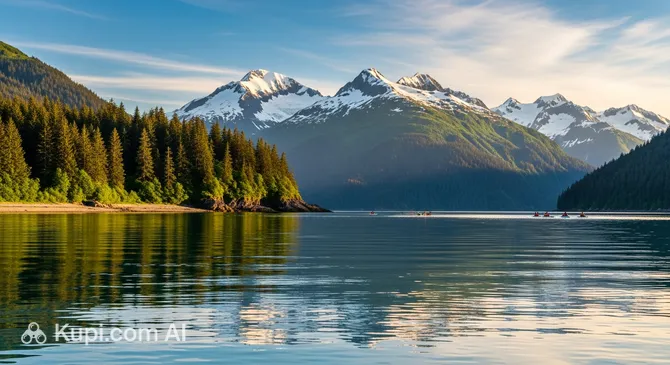
Funter Bay. Source: Kupi.Binoculars

Travelers are drawn to this spot primarily for its exceptional outdoor opportunities. As part of Admiralty Island, often referred to as the "Fortress of the Bears," it provides unparalleled chances to observe wildlife, including one of the highest densities of brown bears in the world. The bay itself is a haven for kayaking and fishing enthusiasts, offering rich marine life and breathtaking views of the surrounding mountains. Whether you are exploring the remnants of historical structures or simply enjoying the silence of the forest, Funter Bay promises an unforgettable Alaskan experience.

Weather Overview

The climate in this region is typical of Southeast Alaska's temperate rainforest, characterized by cool air and frequent moisture throughout the year. The weather is consistently damp, with a high number of wet days ranging from 18 to 24 per month. October is notably the wettest month in terms of frequency, while spring and early summer offer slightly more stability. Travelers should always be prepared for rain, regardless of when they visit.

Temperatures remain relatively moderate due to the maritime influence. Summers are mild and refreshing rather than hot, with average temperatures peaking around 13.0°C in July and daily maximums rarely exceeding 15°C. Winters are cold but generally avoid extreme deep freezes, with average lows dipping to approximately -3.2°C in February. Expect cool, mild summers with frequent cloud cover and cold, wet winters. For more detailed seasonal information, you can check the weather in Funter Bay to help plan your packing list.

Interesting Facts

Beyond its scenic tranquility, Funter Bay holds fascinating secrets that reveal a complex past and a unique biological heritage. From hidden wartime history to ancient genetic marvels roaming the woods, this quiet inlet is far more than just a picturesque anchorage.

  • A Secret WWII Internment Site: During World War II, Funter Bay became the setting for a tragic and little-known chapter of American history. Following the Japanese invasion of the Aleutians, the US government forcibly evacuated Aleut (Unangan) communities from the Pribilof Islands and interned them here. They were housed in abandoned cannery and mine buildings with inadequate supplies, a stark historical reality that contrasts with the area's peaceful appearance today.

  • Fortress of the Bears: The bay is located on Admiralty Island, known to the Tlingit people as Kootznoowoo, or "Fortress of the Bear." This island boasts the highest density of brown bears in North America, with a population estimated to be around 1,600—meaning there are more brown bears here than in the entire lower 48 states combined.

  • Ancient Polar Bear Connection: The brown bears wandering the forests of Funter Bay are genetically distinct from their mainland cousins. Scientific studies have revealed that they are closely related to ancient polar bears, the result of a population that became isolated during the last Ice Age. This unique lineage sometimes results in bears with strikingly dark, almost black fur.

  • Industrial "Ghosts" in the Forest: While nature has reclaimed much of the land, the forest floor still conceals remnants of a booming industrial era. Hikers may stumble upon rusting machinery, old rails, and the ruins of the Thlinket Packing Company cannery and the Admiralty Alaska Gold Mine, which was once enthusiastically hyped by prospectors as a potential rival to the famous mines of Juneau.

How to Get There

Reaching this secluded destination requires some planning, as it is located on Admiralty Island and is not connected to the mainland road system. While there are no direct commercial flights landing right at the bay, visitors can read more about how to get to Funter Bay via the region's transport hubs. The journey is part of the adventure, offering stunning views of the Alexander Archipelago along the way.

The city of Funter Bay does not have its own airport, but you can fly into Juneau International Airport (JNU) in the city of Juneau, which is about 22.5 km from Funter Bay. As the primary gateway to Southeast Alaska, this airport handles a significant amount of traffic and connects to major cities like Seattle and Anchorage. Since there are no roads connecting Juneau to Funter Bay, travelers typically complete the final leg of the journey by chartered boat or floatplane, a trip that offers a scenic introduction to the area's wilderness.

Another option for travelers exploring the wider region is Sitka Airport (SIT), located in Sitka approximately 136 km away. While it is further afield, it serves as an important hub for the archipelago. From Sitka, reaching Funter Bay would require a more extensive journey by sea or air charter.

For clarity, here is a summary of the main airports in the vicinity:

Airport Name City Passenger Traffic Km from City
Juneau International Airport Juneau High 22.5
Whitehorse Airport Whitehorse Medium 275.1
Sitka Airport Sitka Medium 135.9
Kake Seaplane Base Kake Small 152.2

Main Attractions

Attractions in Funter Bay are not your typical city sights; rather than bustling plazas or modern museums, visitors will find pristine wilderness and poignant historical landmarks. The area is a sanctuary for outdoor enthusiasts and history buffs alike, offering a unique blend of natural beauty and industrial heritage that is distinct to this part of Alaska.

Admiralty Island National Monument is the most significant draw for visitors to the region. As Funter Bay sits within this protected area, it serves as a gateway to the "Fortress of the Bears." The monument is famous for having one of the highest densities of brown bears in the world, making it a premier destination for wildlife observation. Hiking through the lush, old-growth rainforests offers a chance to experience the raw power of nature, where eagles soar overhead and Sitka black-tailed deer roam the underbrush.

For those who prefer the water, Funter Bay State Marine Park offers exceptional opportunities for recreation. The protected waters of the bay provide a calm environment perfect for kayaking and boating. Paddlers can explore the intricate shoreline, spotting marine life such as sea otters, harbor seals, and occasionally humpback whales. It is also a popular spot for fishing, with anglers casting lines for salmon and halibut in the nutrient-rich waters.

The area's industrial past is visible at the Historic Cannery and Mine Ruins. Hidden amongst the trees are the remnants of the Thlinket Packing Company cannery and the infrastructure from the nearby gold mines. These decaying structures serve as an open-air museum, allowing adventurous hikers to discover rusting machinery and overgrown foundations. It is a fascinating look at the early 20th-century boom that once drove the local economy before nature began to reclaim the land.

A more somber but deeply meaningful site is the Aleut Cemetery. This location is dedicated to the memory of the Unangan people from the Pribilof Islands who were interned at Funter Bay during World War II. The site includes white crosses and a memorial, offering a quiet place for reflection. Visiting the cemetery provides a crucial historical perspective, honoring the resilience of the people who lived through the evacuation and adding a layer of profound human history to the scenic landscape.

Local Cuisine

Gastronomy in Funter Bay is a unique experience defined not by Michelin-starred restaurants or bustling food markets, but by the pristine wilderness and the abundance of the sea. As a remote destination on Admiralty Island with no commercial dining establishments, the "local cuisine" here is strictly a catch-and-cook affair. Visitors arrive prepared to be their own chefs, with the surrounding waters serving as the ultimate grocery store. The culinary culture is centered around self-reliance, campfires, and the unparalleled freshness of ingredients harvested directly from nature.

The star of any meal in this region is undoubtedly the seafood. The bay and its adjacent waters are teeming with Pacific salmon, making fresh-caught King or Coho salmon a staple dinner for anglers anchoring in the cove. Halibut is another prize catch, often filleted on the back of a boat and grilled immediately. For those who drop pots, Dungeness crab and spot prawns provide a decadent feast that rivals any high-end seafood parlor. The taste of crab boiled in seawater just minutes after being pulled from the depths is a gastronomic highlight that defines the Alaskan outdoor lifestyle.

On land, the dense Tongass National Forest offers its own seasonal treats for those who know where to look. During the summer months, the underbrush is often dotted with wild berries. Blueberries, huckleberries, and salmonberries grow in abundance and make for a tart, fresh dessert or a colorful addition to morning pancakes cooked over a camp stove. Foraging here connects diners to the land, though it is always wise to be cautious and knowledgeable about what is safe to eat.

When it comes to drinks, the "local bar" is wherever you set up your camp chair. Since there are no pubs or cafes, visitors typically bring their own beverages. In the crisp, cool air of Southeast Alaska, a steaming mug of hot coffee or cocoa is an essential comfort. Many travelers also choose to stock up on craft beers from nearby Juneau before heading out, to enjoy a cold Alaskan amber ale while watching the sunset over the calm waters of the bay.

Travel Tips

Visiting Funter Bay is a true wilderness adventure that requires self-reliance and careful preparation rather than a typical city sightseeing itinerary. Unlike urban destinations, your experience here depends entirely on what you pack and how you plan for the remote and rugged nature of Admiralty Island.

  1. Clothing and Gear: Since you are entering a temperate rainforest, high-quality waterproof gear is non-negotiable. Pack a durable rain jacket, rain pants, and rubber boots (often affectionately called "Southeast sneakers" by Alaskans). Dress in layers using wool or synthetic materials to stay warm even when damp, and definitely bring a waterproof cover for your backpack or camera.
  2. Transportation: There are no roads, subways, or ride-sharing apps here. Funter Bay is accessible only by floatplane or private boat charter, typically from Juneau. Once you arrive, your primary modes of transport will be your own feet or a kayak; there is no local transit infrastructure whatsoever.
  3. Finances: The currency is the United States Dollar (USD), but your wallet will be of little use once you land. There are no ATMs, banks, or stores in Funter Bay. You must purchase all your food, fuel, and supplies in Juneau or another hub before departing, as there is nowhere to spend money in the bay itself.
  4. Health and Safety: You are visiting an area known as the "Fortress of the Bears," so bear safety is paramount. Always carry bear spray and know how to use it. Since there are no pharmacies or doctors nearby, bring a comprehensive first-aid kit and enough prescription medication to last your entire trip plus extra days for weather delays.
  5. Communication: Do not rely on your mobile phone; cellular service is virtually non-existent in this secluded inlet. While English is the language of the region, you likely won't find many people to speak with. For safety, it is highly recommended to carry a satellite communication device (like an inReach or satellite phone) to contact emergency services if needed.
  6. Local Etiquette: The golden rule here is Leave No Trace. Respect the pristine environment by packing out everything you pack in, including trash. If you come across historical artifacts or ruins from the old cannery or mine, observe them but do not remove or disturb them, as they are part of the local heritage.
  7. What to Avoid: Never leave food, cooking utensils, or scented items (like toothpaste) unattended or inside your tent. This is critical to avoid attracting brown bears to your campsite, which is dangerous for both you and the wildlife.
  8. Additional Tip: Pay close attention to the tides. The tidal range in Southeast Alaska can be extreme, sometimes exceeding 20 feet. If you are kayaking or beaching a skiff, ensure you pull your vessel high above the tide line and secure it so it doesn't float away while you are exploring the forest.

With the right gear and a respectful mindset, a trip to Funter Bay offers a rewarding escape into the wild. Enjoy the profound solitude and the breathtaking scenery, knowing you are well-prepared for whatever the Alaskan elements might bring.

Entertainment & Nightlife

Nightlife in Funter Bay is a world away from the thumping bass of nightclubs or the chatter of busy bars. In fact, travelers looking for a bustling district filled with cocktail lounges and dance floors will find absolute silence instead. As a remote wilderness destination with no permanent commercial infrastructure, the "nightlife" here is dictated by the rhythm of nature rather than opening hours. The entertainment shifts from exploring the forests by day to appreciating the profound solitude of the Alaskan wilderness by night.

The primary setting for evening relaxation is the deck of a boat or a secluded campsite along the shore. The atmosphere is one of complete tranquility, where the dress code requires warm fleece and waterproof layers rather than evening wear. Instead of navigating crowded streets, visitors spend their evenings sharing stories around a camp stove or simply listening to the sounds of the water lapping against the hull. It is a place to disconnect from the digital world and reconnect with companions or oneself.

While there are no concert venues, the sky often provides a spectacular show. On clear nights, the lack of light pollution makes Funter Bay a prime location for stargazing, offering a crystal-clear view of the Milky Way. Lucky visitors might also witness the Aurora Borealis, or Northern Lights, dancing across the sky in vibrant shades of green and purple. In the water, bioluminescence can sometimes be seen trailing behind kayaks or splashing fish, adding a magical glow to the dark waters of the inlet.

Practical advice for enjoying the evenings here centers on preparation. Since there are no stores, bars, or taxis, you must bring all your own entertainment and refreshments. If you wish to enjoy a drink, you must pack it in yourself from Juneau. Safety is crucial once the sun goes down; this is bear country, and the "locals"—the brown bears—are active. Night walks are generally discouraged unless you are well-prepared with flashlights and bear spray. There is no need to call a taxi; your tent or cabin cruiser is your only destination.

During the daylight hours, entertainment is much more active. The area serves as a living museum and an adventure park combined. Visitors can explore the rusting industrial remains of the old cannery and gold mine, which offer a glimpse into the past. For nature lovers, the days are filled with kayaking, fishing, and scanning the shoreline for wildlife. Whether day or night, entertainment in Funter Bay is an immersive experience in the wild.

Parks & Museums

In Funter Bay, the concept of parks and museums is redefined by the rugged Alaskan wilderness. There are no manicured city gardens or ticketed exhibition halls here; instead, the entire area functions as a vast, living reserve. The "parks" are untouched stretches of state-protected marine wilderness, and the "museums" are open-air historical sites where the forest slowly reclaims the remnants of the past. Visitors come here to walk through history and nature simultaneously, experiencing a cultural heritage that is inextricably linked to the land.

Funter Bay State Marine Park is the centerpiece of the area's natural offerings. Unlike an urban park with paved paths, this is a completely undeveloped marine sanctuary that encompasses both the water and the surrounding uplands. It is a paradise for boaters and kayakers, offering a safe harbor and pristine shorelines to explore. The park is interesting to tourists for its raw beauty and the opportunity to see Alaska as it has existed for millennia—wild, quiet, and teeming with life, from eagles nesting in the canopy to sea stars visible in the clear tidal waters.

Surrounding the bay is the immense Admiralty Island National Monument, often referred to as the "Fortress of the Bears." While not a park in the traditional sense, this federally protected area is a world-class destination for wildlife observation. It offers an authentic wilderness experience where visitors can hike through ancient old-growth rainforests of Sitka spruce and Western hemlock. It is particularly fascinating for nature lovers because it supports one of the densest populations of brown bears and nesting bald eagles in the world, providing a rare chance to observe these majestic creatures in their natural habitat.

In terms of culture and history, the Historic Cannery and Mine Ruins serve as the area's unofficial, open-air museum. Scattered throughout the forest near the shoreline, these structures date back to the early 20th century when the Thlinket Packing Company and the Admiralty Alaska Gold Mine were in full swing. Tourists are drawn to this site to see the "ghosts" of industry—rusting boilers, collapsing wooden frames, and old machinery left in situ. It offers a hauntingly beautiful look at the region's economic history and the resilience of nature as moss and trees slowly swallow the industrial footprint.

The Aleut Cemetery and evacuation site stands as a poignant cultural landmark, reflecting a somber chapter of World War II history. This site honors the Unangan (Aleut) people who were forcibly relocated here from the Pribilof Islands. While there is no museum building explaining the events, the cemetery itself acts as a powerful monument to their endurance and suffering. For visitors interested in history, paying respects here provides a deep, emotional connection to the human stories that are often overshadowed by the landscape's physical beauty.

For a truly authentic experience, spend time beachcombing at low tide. The extreme tidal shifts reveal a temporary world of intertidal life and geological treasures that serve as a natural gallery. It is a quiet, meditative activity that allows you to discover the small, intricate details of the ecosystem—from colorful anemones to sea glass—that are often missed when simply viewing the landscape from a boat.

Getting Around

Travelers planning a visit to Funter Bay should be aware that this is a remote wilderness destination completely devoid of a standard public transport system. There are no subways, buses, trams, or trolleybuses operating in this area. The infrastructure here is minimal, designed for nature preservation and seclusion rather than urban connectivity. As a result, the concept of "public transport" does not apply in the traditional sense; getting around requires private arrangements and self-reliance.

Since there are no municipal transit lines, there is no integrated payment system, travel cards, or mobile apps for ticketing. You will not find ticket vending machines or validators. Instead, the "fare" for reaching and navigating this region consists of the fees paid for private charters. Visitors typically book floatplanes or water taxis from nearby hubs like Juneau. These services must be arranged and paid for well in advance, usually via credit card through the charter company's booking office, rather than with cash or transit passes upon arrival.

Once you have arrived at the bay, your options for local movement are strictly non-motorized and personal. The primary "alternatives" to taxis and car-sharing—which do not exist here—are walking and kayaking. There are no paved roads for cars, let alone bike rental stations. Most visitors bring their own kayaks or inflatable skiffs to travel between the shoreline and their anchorage or to explore the coastline. On land, travel is limited to hiking along game trails or the shoreline itself.

Practical advice for navigating this system is centered on logistics and safety. Since transport is not scheduled like a city bus, you must coordinate your drop-off and pick-up times meticulously with your charter pilot or captain. Be aware that all transport is highly weather-dependent; fog or high winds can delay flights or boat crossings for days. Always have a backup plan and extra supplies. There are no operating hours to check—transport moves only when the weather allows and when you have a confirmed reservation.

While lacking a historic metro or cable car, the transport experience here offers a special feature that rivals any city attraction: the scenic journey itself. The arrival by floatplane provides a bird's-eye view of the stunning archipelago, while a boat approach offers chances to see marine wildlife. These modes of travel are not just a commute but an integral part of the adventure, replacing the convenience of urban transit with the breathtaking beauty of the Alaskan wilderness.

Accommodation

When planning a stay in Funter Bay, travelers must significantly adjust their expectations regarding accommodation. As a remote wilderness destination located on Admiralty Island, there are no commercial hotels, luxury resorts, or hostels within the bay itself. The area is completely off the grid and undeveloped, meaning the "accommodation" options are defined by nature and self-reliance rather than star ratings, concierge services, or room service. Visitors typically arrive with their own shelter, whether that be a tent pitched on the shore or a cabin cruiser anchored in the cove.

The most popular and practical form of lodging for visitors is anchoring out. Many tourists explore Southeast Alaska by private boat or charter vessel, using the calm, protected waters of the bay as a floating hotel for the night. This option offers the best of both worlds: the mobility to explore the shoreline during the day and a comfortable, dry, and secure place to sleep in the evening. Living aboard allows you to enjoy the scenery without the challenges of setting up camp in a rainforest environment.

For those without a boat, wilderness camping is the primary alternative. It is important to note that there are no developed campgrounds, designated sites, electrical hookups, or shower facilities here. Campers must find a suitable spot on state land, typically along the beaches or in the forest fringe, and practice strict "Leave No Trace" principles. Since the area is undeveloped, you must bring absolutely everything you need, including a high-quality tent, sleeping gear, and bear-resistant food containers.

While the infrastructure is almost entirely non-existent, there may be very rare instances of private vacation rentals or remote cabins owned by individuals that are occasionally listed on niche rental platforms. However, these are extremely limited, often seasonal, and should not be relied upon as a standard accommodation option. The vast majority of visitors will not find a roof over their heads unless they bring it with them.

In terms of costs and booking, Funter Bay operates outside the standard travel industry model. There are no reservations to make via travel aggregators and no check-in desks. Camping on state land is generally free, making the accommodation itself very budget-friendly, though the cost of chartering a boat or floatplane to reach the site can be significant. If you are not sleeping on a vessel, your "booking" consists simply of thorough preparation and ensuring you have the right gear to stay warm and safe in the Alaskan wild.

Nearby Cities

While Funter Bay offers the profound solitude of a remote wilderness retreat, it is situated within the broader context of Southeast Alaska's Alexander Archipelago. This region is dotted with unique island communities and bustling hubs that serve as gateways to the wild. Exploring these nearby cities allows visitors to experience the diverse culture, history, and geography that define this corner of the United States.

The most important neighbor is Juneau, located approximately 29 km away. As the state capital and the primary logistics hub for the northern panhandle, it is likely where your journey to Funter Bay will begin or end. Juneau offers a stark contrast to the quiet bay, featuring vibrant shopping districts, museums, and the famous Mendenhall Glacier. It is the lifeline for supplies and transport, connecting the seclusion of Admiralty Island with the rest of the world.

To the north lies Haines, about 115 km from the bay. Known as the "Adventure Capital of Alaska," it sits in the deep fjords of the Chilkat Valley and is world-renowned for hosting the largest gathering of bald eagles each autumn. Further west, facing the open Pacific Ocean, is Sitka (135 km). This historic city was once the capital of Russian America and offers a fascinating blend of Tlingit culture and Russian Orthodox history, set against a backdrop of dormant volcanoes and misty islands.

For those venturing further south, the communities of Wrangell and Craig provide a glimpse into the authentic Alaskan lifestyle. Wrangell is one of the oldest towns in the state, rich in indigenous history and petroglyphs, while Craig serves as a major fishing and logging center on Prince of Wales Island. These destinations require a longer journey but reward travelers with their rugged beauty and small-town hospitality.

Here is a summary of the nearby cities, their distances from Funter Bay, and their approximate populations:

City Name Distance (km) Population
Juneau 29 32,240
Haines 115 2,500
Sitka 135 8,518
Wrangell 249 2,369
Craig 326 9,026

Shopping & Souvenirs

General Overview: Travelers planning a trip to Funter Bay should be aware that this is a remote wilderness destination completely devoid of commercial infrastructure. There are absolutely no shopping opportunities within the bay itself—no grocery stores, boutiques, convenience shops, or gear outfitters. The experience here is defined by a total disconnection from the retail world, allowing visitors to immerse themselves fully in the natural environment without the distractions of consumerism. All necessary supplies, including food, fuel, and equipment, must be purchased in a major hub like Juneau before departing for the island.

Main Shopping Areas and Streets: Unlike typical tourist destinations, Funter Bay has no shopping districts, promenades, or high streets. The area consists of dense rainforest, rocky shorelines, and historic ruins, with no paved roads or commercial zones. Visitors looking for a shopping experience will not find it here; the nearest bustling streets with retail options are located across the water in downtown Juneau, which serves as the primary supply point for the region.

Shopping Malls: There are no shopping malls, department stores, or large retail centers in Funter Bay. The landscape is dominated by the Admiralty Island National Monument rather than concrete structures. Tourists accustomed to browsing brand-name stores will find that the only "big structures" here are the towering Sitka spruce trees and the remnants of the old cannery.

Markets: The bay does not host any markets, whether for food, fleas, or local crafts. There are no farmers' markets to buy fresh produce; instead, the "local market" is the wilderness itself, where skilled foragers might find berries in season or anglers might catch their own dinner. For those seeking local Alaskan crafts or souvenirs, these must be acquired in the galleries and markets of nearby cities before arriving.

Souvenirs: Since there are no souvenir shops to sell postcards, magnets, or T-shirts, the mementos from Funter Bay are intangible. The best souvenirs are the photographs you take of the stunning scenery and the wildlife. Visitors are strictly advised to follow "Leave No Trace" principles, meaning you should not take physical "souvenirs" like historical artifacts, rocks, or fossils from the beach or forest, preserving the area for future generations.

Opening Hours and Payment: As there are no businesses, the concept of opening hours does not apply; the wilderness is accessible 24 hours a day, dictated only by daylight and tides. Consequently, credit cards, cash, and mobile payment apps are entirely useless once you land in the bay. Travelers should ensure they have settled all financial requirements for their transport charters in advance and bring everything they need, as money holds no value in this isolated setting.

Tax-Free: While the state of Alaska is known for having no state-level sales tax, this benefit is irrelevant within Funter Bay due to the complete absence of retail transactions. However, tourists shopping for supplies in nearby hubs like Juneau should be aware that local city sales taxes may apply to their purchases there.
Reached the end of the page?

That means the route is fully explored