Support

Whitehorse

About

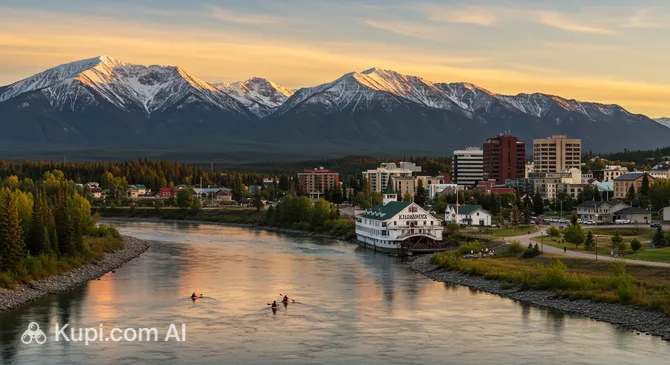
Whitehorse, the capital of the Yukon, is a vibrant mix of rugged wilderness and urban comfort. Located in northern Canada, this unique destination is affectionately known as the "Wilderness City" because of its seamless blend of spectacular natural surroundings and modern amenities. As the largest city in Northern Canada, it serves as the major hub for transportation and commerce in the territory, yet it retains a friendly, small-town atmosphere that instantly makes visitors feel welcome.

Whitehorse. Source: Kupi.Binoculars

Nestled on the banks of the famous Yukon River, the city is surrounded by pristine mountains and vast forests. Despite its relatively small population of approximately 25,000 residents, Whitehorse offers a dynamic cultural scene and access to some of the most breathtaking landscapes on the continent. The climate here is subarctic, meaning long, sunny days in the summer—often referred to as the "Midnight Sun"—and cold, snowy winters that provide the perfect stage for viewing the mesmerizing Northern Lights (Aurora Borealis).

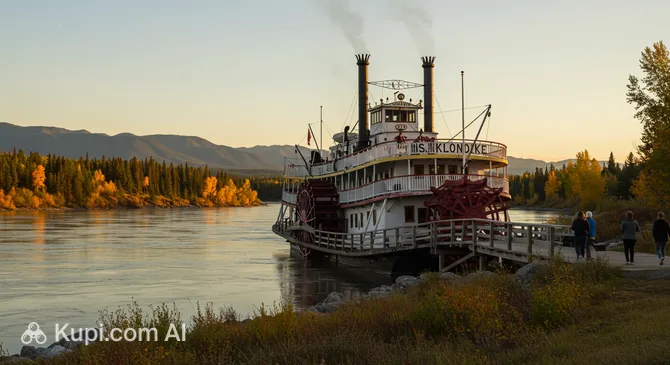
The history of Whitehorse is deeply intertwined with the frantic days of the Klondike Gold Rush. Originally established as a trans-shipment point for prospectors heading to Dawson City, the city has preserved much of its heritage. Visitors can explore the S.S. Klondike, a beautifully restored sternwheeler that once plied the river, or take a scenic hike around the stunning basalt walls of Miles Canyon. Whether you are seeking outdoor adventure or a glimpse into the past, Whitehorse is an unforgettable gateway to the true North.

We invite you to discover the magic of the Yukon in Whitehorse, where the air is fresh, the history is rich, and adventure awaits around every corner.

Weather Overview

Planning a trip to the Yukon requires a look at the local climate, as the weather in Whitehorse varies significantly between seasons. The city generally experiences a subarctic climate characterized by distinct shifts from winter chills to summer warmth. Expect mild, comfortable summers with occasional rain and cold winters that are perfect for snowy adventures.

Winter is the dominant season, with January typically being the coldest month. Average temperatures sit around -16.4°C, and it is not uncommon for lows to drop to -19.4°C. Despite the freezing temperatures, the season is relatively dry in terms of precipitation volume, though you can still expect about 9 to 11 days with some form of precipitation per month during this period.

In contrast, the summer months of June through August bring pleasant conditions and extended daylight. July is usually the warmest time of year, featuring an average temperature of 13.7°C and daily highs reaching 18.9°C. While the temperatures are ideal for outdoor activities, visitors should be prepared for variable weather, as the summer season typically sees between 12 and 14 wet days per month.

Interesting Facts

Beyond the scenic vistas and well-known gold rush history, Whitehorse holds several fascinating secrets that surprise many visitors. Dig a little deeper into the local lore to discover these unique aspects of the "Wilderness City" that define its quirky character.

  • World's Cleanest Air: Whitehorse has been famously recognized by the World Health Organization for having some of the cleanest air of any city on Earth. The lack of heavy industry and the vast expanse of surrounding wilderness contribute to an incredibly pristine environment that allows residents and visitors to breathe easier.

  • Log Skyscrapers: During the construction of the Alaska Highway in the 1940s, a housing shortage led to a unique architectural experiment. Builders constructed multi-story log cabins, often referred to as "log skyscrapers," which defied the convention that log structures should be single-story. Several of these distinctive buildings are still standing and occupied today.

  • A Name Tamed by a Dam: The city was named after the White Horse Rapids, whose foaming waters were said to resemble the flowing manes of charging white horses. While the rapids were submerged and tamed by the construction of a hydroelectric dam in 1958, the poetic name remains as a tribute to the river's wild past.

  • A Ship on the Streets: The S.S. Klondike National Historic Site features the largest sternwheeler to ever ply the upper Yukon River, but it now sits permanently on dry land. In a massive engineering feat during the 1960s, the ship was moved through the city streets to its current resting place to serve as a monument to the era of river travel.

S.S. Klondike National Historic Site. Source: Kupi.Binoculars

How to Get There

Reaching the Yukon's capital is an exciting part of the journey, with air travel being the most common and convenient method for visitors. The city is well-connected to major Canadian hubs, making it relatively easy to access despite its northern location. For those planning a more complex itinerary or a road trip, you can find more about how to get to Whitehorse in our detailed guide.

The primary gateway to the region is Whitehorse Airport (IATA: YXY), which is conveniently located within the city limits. It sits just 1.4 km from the downtown area, making the transfer to your accommodation incredibly quick and easy. A taxi or shuttle ride typically takes approximately 5-10 minutes, allowing you to start your adventure almost immediately after landing. This airport handles a significant volume of travelers, with an annual passenger traffic of approximately 400,000, serving as the main hub for the territory.

Alternatively, some travelers might consider flying into Juneau International Airport (IATA: JNU), although it is located in the neighboring city of Juneau, Alaska. It is situated approximately 265 km from Whitehorse. While it is a larger international hub with an annual traffic of around 730,000 passengers, getting to Whitehorse from there involves a longer journey, often requiring a combination of ferry and road travel. If you choose this route, be prepared for a significantly longer travel time compared to flying directly.

For clarity, here is a summary of the main airports:

Airport Name City Passenger Traffic Km from City
Juneau International Airport Juneau Large 264.8
Whitehorse Airport Whitehorse Medium 1.4
Yakutat Airport Yakutat Small 289.8

While there is no direct passenger railway service to Whitehorse, the city is a legendary stop on the historic Alaska Highway. Many visitors choose to arrive by car or RV, driving north from British Columbia or east from Alaska to experience one of the world's most scenic road trips.

Main Attractions

Whitehorse is a city where history and nature converge, offering visitors a compact yet fascinating array of sights. From the days of the Gold Rush to modern culinary delights, the local attractions provide a deep dive into the culture of the Yukon. Exploring the downtown area is easy on foot, allowing you to seamlessly move between historic landmarks and informative centers.

A visit to Whitehorse would be incomplete without seeing the S.S. Klondike National Historic Site. This impressive sternwheeler, permanently dry-docked near the river, stands as a tribute to the era of riverboat transportation. Tours of the vessel allow you to walk the decks and imagine the journey of goods and passengers along the mighty Yukon River in the early 20th century. It is an iconic symbol of the city and a favorite spot for photographers.

For those looking to orient themselves and learn more about the territory, the Yukon Visitor Information Centre is an essential stop. Located centrally, this facility offers more than just maps; it features engaging exhibits and films that explain the region's unique geography, wildlife, and cultural heritage. The knowledgeable staff can help you plan your itinerary, ensuring you don't miss out on any hidden gems during your stay.

Yukon Visitor Information Centre. Source: Kupi.Binoculars

After a day of exploring, you can immerse yourself in the local atmosphere at Klondike Rib & Salmon. Housed in one of the oldest operating buildings in the capital, this restaurant is a tourist attraction in its own right. Known for serving wild game like elk and bison, as well as fresh northern fish, it offers a rustic dining experience that captures the spirit of the North. Expect a lively vibe and hearty portions that perfectly complement the adventurous nature of the Yukon.

Klondike Rib & Salmon. Source: Kupi.Binoculars

Local Cuisine

To truly understand the culture of the Yukon, you must taste it. The local cuisine in Whitehorse is a direct reflection of the surrounding wilderness, heavily featuring wild game, freshwater fish, and hearty ingredients designed to fuel outdoor adventures. The food scene here is surprisingly diverse, blending traditional northern staples with modern culinary creativity, all served with a side of warm hospitality.

At the heart of the menu is the region's incredible bounty of wild meat and fish. Arctic Char is a must-try delicacy, often pan-seared or baked to highlight its delicate, rich flavor, which sits somewhere between salmon and trout. You will also frequently find bison and elk on the menu, served as everything from gourmet burgers to rich, slow-cooked stews. These meats are lean, flavorful, and sustainably sourced, offering a true taste of the North. Another historic staple is sourdough; a legacy of the Gold Rush prospectors who carried the starter culture in their packs. Today, you can enjoy it in the form of fluffy pancakes or savory bread pudding.

For a quintessential Yukon dining experience, many visitors head to Klondike Rib & Salmon. This beloved spot is famous for its "wild food" menu and rustic atmosphere, serving up generous portions of game meat and fresh fish in a historic building that sets the perfect mood for a northern meal.

Beverages are taken just as seriously as the food. Whitehorse has a thriving coffee culture, with local roasters like Midnight Sun and Bean North keeping locals fueled through the long summer days and dark winter mornings. On the stronger side, the city is home to the renowned Yukon Brewing. Be sure to try their famous Spruce Tip Pale Ale, which uses hand-picked spruce tips to create a unique, citrusy flavor profile that captures the essence of the boreal forest. The distillery side of the operation also produces award-winning single malt whiskies that are highly sought after.

Beyond the traditional rugged fare, Whitehorse boasts a vibrant food scene that surprises many first-time visitors. Locals flock to a variety of eateries that prove the city's palate is as adventurous as its spirit. A great example of this modern diversity is La Cara, a popular spot known for its fresh, vibrant dishes and welcoming atmosphere. It offers a delicious and modern contrast to the wild game options found elsewhere in town, making it a favorite for those seeking a flavorful, casual meal.

La Cara. Source: Kupi.Binoculars

Dining in Whitehorse is generally a casual affair. You won't need a suit and tie; jeans and flannel are the standard uniform even in the best restaurants. The atmosphere is consistently friendly and laid-back, with a focus on high-quality, fresh ingredients rather than pretension. Whether you are grabbing a quick bite at a food truck or sitting down for a multi-course dinner, you will find that the food here is prepared with passion and a deep respect for the land.

Travel Tips

Visiting Whitehorse is an adventure into the heart of the true North, and a little preparation goes a long way in ensuring your trip is as comfortable as it is memorable. To help you navigate the unique conditions of the Yukon, we have compiled a list of essential practical advice for your journey.

  1. Master the Art of Layering. The weather here can be unpredictable regardless of the season. In winter, thermal base layers, a heavy down parka, and insulated boots are non-negotiable necessities. In summer, while days can be warm, temperatures drop significantly in the evening, so always carry a fleece or windbreaker. Don't forget a sleeping mask if you are visiting in summer; the Midnight Sun can make sleeping difficult without one. Canada uses Type A and B power plugs, so bring an adapter if needed.

  2. Consider Renting a Vehicle. While Whitehorse has a public bus system that covers the city center and suburbs, it does not extend to many scenic outskirts or trailheads. To fully explore attractions like the Yukon Wildlife Preserve or Eclipse Nordic Hot Springs, renting a car is highly recommended. Taxis are available but can be costly for longer distances. If you drive in winter, ensure your rental is equipped with winter tires and an emergency kit.

  3. Manage Your Money Wisely. The currency is the Canadian Dollar (CAD). Credit and debit cards are widely accepted in hotels, restaurants, and supermarkets throughout the city. However, it is wise to carry some cash for smaller purchases at local artisan markets or if you plan to venture into smaller communities nearby. Tipping is customary in Canada; expect to leave 15-20% at restaurants and bars for good service.

  4. Prioritize Safety in the Wilderness. Whitehorse is bear country, even close to town. If you plan on hiking, carry bear spray and know how to use it. For medical needs, Whitehorse General Hospital provides emergency care, and there are several pharmacies in the downtown area, though they generally do not operate 24/7. In winter, cover exposed skin to prevent frostbite, as temperatures can drop rapidly.

  5. Stay Connected. English is the primary language spoken in Whitehorse. Cell phone coverage is reliable within the city limits but fades quickly once you drive a few kilometers out of town. It is a smart move to download offline maps or GPS apps before heading out on day trips. Wi-Fi is readily available in most cafes, hotels, and the Visitor Information Centre.

  6. Embrace the "Yukon Time" Etiquette. The pace of life here is relaxed and friendly. It is common to greet strangers on hiking trails or in the street. When exploring nature, strictly adhere to Leave No Trace principles; locals are very protective of their pristine environment. Respect private property signs, even if they appear in the middle of the woods.

  7. Avoid Wildlife Harassment. Never stop your car in the middle of the road to take photos of wildlife, as this creates traffic hazards. Pull over safely to the shoulder. More importantly, never approach or feed wild animals, no matter how calm they appear; this is dangerous for you and often fatal for the animal if they become habituated to humans.

  8. Check Opening Hours. Unlike major metropolises, many shops and cafes in Whitehorse may close earlier than you expect, especially on Sundays or during the off-season (winter). Plan your shopping and dining needs accordingly, and always check hours in advance if you are visiting on a holiday.

By keeping these tips in mind, you will be well-equipped to handle everything from the endless summer days to the crisp winter chills. Whitehorse is a welcoming community that loves to share its wilderness with prepared and respectful visitors, so pack your sense of adventure and enjoy the journey!

Entertainment & Nightlife

Entertainment and Nightlife:

Nightlife in Whitehorse offers a distinctively northern experience that prioritizes cozy atmospheres, live local music, and great conversation over thumping bass and neon lights. While you won't find sprawling mega-clubs here, the city boasts a spirited evening scene centered around authentic pubs, craft breweries, and lively restaurants. The action is largely concentrated in the downtown core, particularly along Main Street and Second Avenue, making it easy to hop from one venue to another on foot, provided you are dressed for the weather.

For many visitors, a night out begins with a hearty meal at one of the city's character-filled eateries. Klondike Rib & Salmon is a fantastic starting point during the summer season. Housed in historic tent-frame buildings, it buzzes with energy and offers a quintessential Yukon dining experience that sets the tone for the evening. If you prefer a more contemporary setting to enjoy a glass of wine and modern cuisine before heading out, La Cara provides a warm and inviting ambiance that is perfect for a relaxed dinner.

After dinner, the local bar scene comes alive. The Dirty Northern Public House is a favorite among locals and tourists alike, often hosting live bands that play everything from folk and bluegrass to rock. It is the go-to spot for a lively crowd and a pint of local beer. For a more historic and intimate vibe, Woodcutter's Blanket is a must-visit. Located in a designated heritage building from the 1930s, this cocktail bar and brewery offers a sophisticated yet unpretentious selection of craft drinks and small plates, perfect for those looking to unwind in style.

The atmosphere in Whitehorse is incredibly laid-back. The dress code is almost universally casual; flannel shirts, jeans, and sturdy boots are the standard uniform, even on a Friday night. The crowd is a friendly mix of government workers, artists, outdoor adventurers, and tourists, all mingling together. Bars typically stay open until around 1:00 AM or 2:00 AM on weekends, though things can wind down earlier on weeknights. Prices are moderate, with a pint of beer or a cocktail costing about the same as in other mid-sized Canadian cities.

In the winter months, the definition of "nightlife" expands to include the sky itself. When the sun goes down, many visitors head just outside the city limits to chase the Northern Lights (Aurora Borealis). Several tour operators offer evening excursions to heated cabins where you can watch the celestial show in comfort, often with hot chocolate and stories from local guides. This natural spectacle is arguably the most famous form of evening entertainment the Yukon has to offer.

Safety is rarely a major concern in downtown Whitehorse, as the streets are generally safe for walking at night. However, due to the cold temperatures and the occasional presence of wildlife on the outskirts, it is advisable to take a taxi if you are traveling alone or venturing away from the main strip. Taxis are reliable and can be easily called or found at designated stands; there are no ride-sharing apps like Uber currently operating in the city.

During the daylight hours, the entertainment scene shifts towards culture and history. The Yukon Arts Centre is the hub for performing arts, hosting theater productions, dance performances, and art exhibitions throughout the year. For a dose of heritage, the MacBride Museum offers a comprehensive look at the region's past. Whether you are catching a matinee or exploring a gallery, the city provides ample cultural diversions to fill your day before the evening fun begins.
Parks & Museums

Whitehorse is a city where the line between urban living and the wild outdoors is delightfully blurred. The capital is woven with an extensive network of trails and green spaces, while its museums serve as custodians of a rich history that spans from the Ice Age to the Gold Rush. Visitors can easily spend their days transitioning from hiking along ancient basalt cliffs to exploring world-class exhibits that celebrate the territory's heritage.

One of the most spectacular natural areas located just minutes from the downtown core is Miles Canyon. This geological marvel features a suspension bridge that spans the turquoise waters of the Yukon River, offering breathtaking views of the steep basalt walls created by pre-glacial lava flows. It is a fantastic spot for photography, hiking, and understanding the formidable challenges prospectors faced when navigating these treacherous waters during the Gold Rush. The network of trails here connects to the broader Yukon River Loop, making it a favorite for outdoor enthusiasts.

For a more relaxed outdoor experience within the city limits, Shipyards Park is the community's premier gathering place. Situated directly on the banks of the river, this versatile park hosts everything from summer music festivals and farmers' markets to winter festivals complete with snow sculptures. In the colder months, the park features a skating loop and tobogganing hills, while summer brings food trucks and picnickers enjoying the midnight sun. It is a perfect example of how Whitehorse integrates nature into daily life.

Delving into the region's past, the MacBride Museum of Yukon History stands as a cornerstone of local culture. Located on the waterfront, this comprehensive museum offers a journey through the territory's timeline. Visitors can explore a genuine gold rush-era log cabin, admire a stunning collection of Yukon wildlife taxidermy, and learn about the vibrant history of the First Nations people. The museum also houses the original telegraph office, providing a tangible connection to the communication struggles of the early 20th century.

Another unique cultural institution is the Yukon Beringia Interpretive Centre. Unlike typical history museums, this facility focuses on the prehistoric era when the Yukon was part of Beringia, a land bridge connecting Asia and North America. The exhibits feature life-sized casts of Ice Age giants like the woolly mammoth and the giant beaver, offering a fascinating glimpse into a world that existed thousands of years ago. It is an educational and immersive experience that highlights the scientific significance of the region.

Of course, no tour of the city's heritage is complete without mentioning the S.S. Klondike National Historic Site. While often admired from the outside, this restored sternwheeler serves as a floating museum (though permanently dry-docked) that meticulously preserves the details of riverboat life. Walking its decks provides a vivid sense of the crucial role these vessels played in connecting remote northern communities before the advent of modern highways.

For a truly authentic insider experience, seek out the Old Log Church Museum. Built in 1900, it is one of the oldest buildings in Whitehorse and offers a quiet, intimate look at the role of the church and early missionaries in the development of the town. It is a hidden gem often overlooked by those rushing to the larger sites, but its spirited history and charming architecture make it well worth a visit.

Getting Around

Navigating Whitehorse is relatively straightforward, reflecting the city's compact nature and friendly atmosphere. Unlike bustling metropolises with complex subway networks, the public transport system here is modest, efficient, and relies primarily on a bus network known as Whitehorse Transit. For most visitors staying within the downtown core or visiting the main residential subdivisions, the bus service is a reliable and affordable way to get around.

The bus fleet is modern and comfortable, connecting the city center with key neighborhoods such as Riverdale, Porter Creek, and Granger, as well as the Canada Games Centre. The routes are designed to serve the daily needs of residents, meaning they are most frequent during peak commuting hours. A convenient feature for summer visitors is that all buses are equipped with bicycle racks, allowing you to easily combine a ride with a cycling adventure along the local trails.

When it comes to paying for your ride, simplicity is key. Fares can be paid directly to the driver upon boarding using cash, but it is strictly "exact change only"—drivers do not carry coin dispensers. For those planning to use the bus multiple times, it is more economical to purchase sheets of tickets or a monthly pass. These can be bought at several authorized locations throughout the city, including City Hall, the Canada Games Centre, and select local pharmacies or convenience stores.

Practical planning is essential when relying on the bus, especially regarding operating hours. Service typically runs from early morning until the evening on weekdays and Saturdays, with reduced frequency and shorter hours on Sundays and statutory holidays. It is highly recommended to check the latest schedule online or pick up a printed rider's guide at the Visitor Information Centre, as buses generally do not run late into the night.

For those seeking alternatives, taxis are a popular and readily available option, particularly for airport transfers or late-night travel. Unlike in many global cities, ride-sharing apps like Uber or Lyft do not currently operate here. You will need to call a local taxi company to book a ride or find one at a designated stand downtown. Fares are metered and regulated, offering a safe and transparent way to travel.

Given the scenic beauty of the region, many visitors opt for car rentals to explore beyond the city limits. However, within the town itself, cycling is a fantastic alternative during the warmer months. Whitehorse is an incredibly bike-friendly city with a network of paved paths, such as the Millennium Trail, which connects many major attractions along the waterfront. Several local shops offer bike rentals, giving you the freedom to explore at your own pace.

While there is no subway or commuter train, the city does have a unique piece of transportation history: the Whitehorse Waterfront Trolley. Although its operation has been intermittent in recent years due to maintenance and funding, this restored heritage streetcar is a beloved feature. When running, it offers a charming, slow-paced ride along the Yukon River, serving more as a delightful tourist attraction than a mode of rapid transit.

Accommodation

Finding the right accommodation in Whitehorse is key to enjoying your Yukon adventure, whether you are here for the midnight sun or the dancing aurora. The city offers a surprising variety of lodging options that cater to different travel styles, ranging from full-service downtown hotels to rustic wilderness cabins tucked away in the forest.

For those who value convenience and accessibility, staying in the downtown core is the best choice. Here, you will find modern hotels and motels that place you within easy walking distance of shops, restaurants, and the Yukon Visitor Information Centre. These establishments typically offer standard amenities such as Wi-Fi, cable TV, and on-site dining. Being downtown also means you are close to the riverfront trail and cultural attractions, making it easy to explore the city on foot without needing a rental car for every outing.

If you are visiting Canada to witness the Northern Lights, consider booking a stay at one of the wilderness lodges or cabins located just outside the city limits. These properties are designed to offer darker skies and a more immersive nature experience. Many of them provide specialized amenities for aurora viewing, such as wake-up calls when the lights appear, heated viewing decks, or even glass-fronted chalets. While these locations offer tranquility, they often require a rental vehicle or a shuttle arrangement to reach the city center.

Given Whitehorse's location on the historic Alaska Highway, the city is also a major hub for RV travelers and campers. There are several well-equipped RV parks and campgrounds in and around the city, offering hookups, showers, and laundry facilities. These are particularly popular during the summer months and provide a social atmosphere where travelers swap stories of the road. For budget-conscious backpackers, a few hostels offer dormitory-style beds and communal kitchens, fostering a friendly and communal vibe.

A crucial tip for planning your stay is to book well in advance. Whitehorse has a limited number of rooms compared to the high volume of visitors it receives, especially during the peak summer season (June to August) and the prime aurora months (February and March). It is not uncommon for the entire city to be sold out during festivals or busy weekends. Securing your reservation early ensures you get the type of accommodation that best suits your needs and budget.

Nearby Cities

For those looking to explore the surroundings, Whitehorse serves as an excellent base for day trips to several interesting nearby locations:

One of the most popular short excursions is to Carcross, located just under an hour's drive south. This historic community is famous for the Carcross Desert, often cited as the "smallest desert in the world," where visitors can hike on ancient sand dunes surrounded by mountains. The village is also a key stop on the White Pass & Yukon Route railway and features vibrant Tlingit art and culture, making it a culturally rich destination for a quick getaway.

Heading west, Haines Junction offers a gateway to the spectacular Kluane National Park and Reserve. Approximately 90 minutes from the capital, this town sits at the foot of massive mountains and offers access to some of the most dramatic scenery in Canada. It is the perfect starting point for flightseeing tours over glaciers or hiking trails that offer breathtaking views of the St. Elias Mountains.

For those willing to venture a bit further for a weekend trip or a longer "short visit," the historic Dawson City awaits to the north. While it is a longer drive, it is the heart of the Klondike Gold Rush history, featuring preserved frontier architecture, the Diamond Tooth Gerties Gambling Hall, and a unique atmosphere that transports you back to 1898.

City Population Distance (km)
Fort Nelson 4000 725
Dawson City 1800 436
Fort Simpson 1200 744
Port Simpson 1046 740
Masset 1000 767

These nearby destinations offer a glimpse into the diverse culture and landscapes of the region.

Shopping & Souvenirs

Shopping in Whitehorse offers a unique blend of practical wilderness outfitting and artistic discovery. As the major commercial hub for the entire territory, the city provides everything from essential outdoor gear to distinctively northern souvenirs. While you won't find massive luxury fashion districts, you will discover a charming selection of locally-owned boutiques, galleries, and outfitters that reflect the character of the Yukon. The emphasis here is on quality, durability, and local craftsmanship.

The heart of the shopping scene is located in the downtown core, particularly along Main Street and Second Avenue. This walkable district is lined with colorful storefronts offering books, jewelry, and clothing. It is the perfect place to spend an afternoon browsing through independent shops that sell everything from hand-knit wool sweaters to specialized cold-weather equipment. Since the city is a gateway to the wild, the outdoor stores here are world-class, stocked with top-tier gear designed to withstand subarctic conditions.

For more general needs and larger retailers, visitors can head to the city's shopping centers. Qwanlin Mall is a central fixture, housing a grocery store, pharmacy, and various service shops, making it a convenient stop for travelers stocking up on supplies. A bit further from the center is the Chilkoot Centre, a larger retail power center where you can find big-box stores and supermarkets. This area is ideal for those renting an RV who need to purchase bulk food and camping essentials before hitting the Alaska Highway.

One of the highlights of the local shopping experience is the Fireweed Community Market. Held outdoors at Shipyards Park during the summer months, this vibrant market is where the community gathers to buy fresh local produce, baked goods, and handmade crafts. It is an excellent spot to meet local artisans and purchase one-of-a-kind items directly from the makers. In the winter, seasonal markets like the "12 Days of Christmas" market keep the spirit alive with festive gifts and warm treats.

When it comes to souvenirs, Whitehorse has plenty of treasures to take home. Gold nugget jewelry is a classic choice, paying homage to the region's gold rush history. First Nations art is also highly sought after; look for authentic moccasins, carvings, and prints that showcase the rich cultural heritage of the Yukon. For something edible, products made from fireweed (the territorial flower), such as jellies and syrups, are popular gifts. You can also find excellent maps and local guidebooks at the Yukon Visitor Information Centre, which often stocks a selection of regional mementos.

Most shops in Whitehorse operate on standard business hours, typically opening around 9:00 AM or 10:00 AM and closing by 6:00 PM. Many downtown stores stay open later on Fridays, but Sunday hours can be reduced or non-existent for smaller independent boutiques. Credit and debit cards are universally accepted, even at market stalls, though carrying a bit of cash is always handy for smaller purchases.

A significant perk for tourists shopping in Whitehorse is the tax situation. The Yukon is one of the few jurisdictions in Canada that does not have a Provincial Sales Tax (PST). You only pay the 5% federal Goods and Services Tax (GST) on purchases. This makes buying higher-priced items, such as artwork, jewelry, or premium outdoor gear, significantly more affordable compared to other parts of the country.

Reached the end of the page?

That means the route is fully explored