Support

Dawson City

About

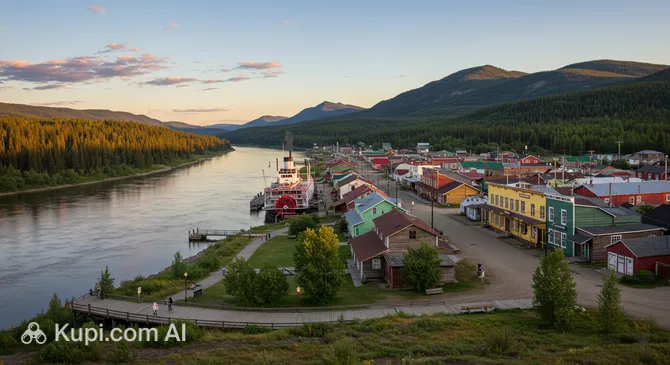
Welcome to Dawson City, an eclectic and vibrant community that perfectly captures the adventurous spirit of the North. Nestled in the Yukon territory of Canada, this town is far more than just a destination; it is a living museum that transports visitors back to the thrilling days of the Klondike Gold Rush. With its colorful frontier-style buildings and welcoming atmosphere, it offers a travel experience unlike any other.

Geographically, the city is situated at the confluence of the Yukon and Klondike Rivers, just south of the Arctic Circle. This unique location provides long summer days under the midnight sun and crisp, aurora-filled winter nights. Despite its modest population of approximately 1,800 residents, the town bursts with energy and character. Walking along the unpaved streets and wooden boardwalks allows you to truly immerse yourself in the fascinating history of Dawson City.

Dawson City. Source: Kupi.Binoculars

Travelers are drawn here for both its cultural heritage and breathtaking scenery. You can hike or drive up to the Midnight Dome for a spectacular panoramic view of the river valley and the Ogilvie Mountains. For a taste of lively local entertainment, visit Diamond Tooth Gerties Gambling Hall, the oldest casino in the country, featuring can-can shows inspired by the 1898 era. Literary enthusiasts will also appreciate the Jack London Museum, dedicated to the famous author who found inspiration in this rugged landscape.

Whether you are seeking outdoor adventures, historical exploration, or simply a unique getaway, Dawson City promises an unforgettable journey. We invite you to come and discover the magic of this northern gem for yourself.

Weather Overview

The climate in this northern region is subarctic, characterized by extreme seasonal contrasts that shape the local lifestyle. Winters are long, dark, and intensely cold, with January typically being the coldest month, averaging around -22.8°C. Despite the freezing temperatures, the winter months from November to March are quite dry, usually seeing only about 1mm of precipitation per month, creating crisp conditions often suitable for viewing the aurora borealis.

In contrast, the short summer season brings a welcome warmth and the phenomenon of the midnight sun. July is generally the warmest month, with average temperatures of 15.9°C and highs reaching a comfortable 20.9°C. However, travelers should note that the warmer months are also the wettest; June, July, and August typically experience between 14 and 15 wet days each. To help you pack appropriately for your trip, we recommend checking the detailed forecast and weather in Dawson City before you depart.

Overall, you can expect mild summers with occasional rain and very cold, dry winters. Spring and autumn serve as quick transition periods, with temperatures dropping rapidly in October and warming up significantly by May.

Interesting Facts

Beyond the main attractions, Dawson City holds many fascinating secrets and quirky traditions that locals cherish. Dig a little deeper into this Gold Rush town to uncover stories that are as unique as the landscape itself.
  • The Sourtoe Cocktail: Perhaps the most bizarre tradition in the North, this drink served at the Downtown Hotel features a real, dehydrated human toe. To become a member of the club, you must finish the drink and follow the strict rule: "You can drink it fast, you can drink it slow, but your lips must touch the toe."

  • Leaning Architecture: The town is built on unstable permafrost, which shifts when heat from buildings melts the ice below. This geological quirk has created the famous "Kissing Buildings," a pair of historical structures that have settled at such odd angles that their upper floors nearly touch each other.

  • The Paddlewheel Graveyard: Hidden in a narrow channel of the Yukon River just north of town lie the skeletal remains of several massive sternwheelers. These ships, which once served as the region's lifeline, were pulled onto the banks and abandoned in the mid-20th century when the highway system took over.

  • Paris of the North: At the height of the Gold Rush, Dawson City was the largest settlement west of Winnipeg and north of Seattle. Despite its remote location, it was a sophisticated hub that boasted running water, electricity, and telephone lines long before many established cities in southern Canada.

How to Get There

Reaching this iconic frontier town is an adventure that takes you deep into the heart of the Yukon wilderness. Whether you choose to fly over the rugged landscape or drive along scenic northern highways, the journey is an integral part of the experience. For a comprehensive guide on routes and travel tips, you can read more about how to get to Dawson City on our detailed transport page.

For air travelers, the primary point of entry is Dawson City Airport (YDA). Located approximately 15 km from the town center, this regional facility provides essential connections, primarily from Whitehorse. It is a small but vital hub for the community. Upon arrival, the transfer to downtown Dawson City by taxi or shuttle bus is quick, typically taking just 15 to 20 minutes.

For clarity, here is a summary of the main airport:

Airport Name City Passenger Traffic Km from City
Dawson City Airport Dawson City Small 15.1

There are no railway stations serving Dawson City, and passenger train service does not extend to this part of the Yukon. The historic rail routes are located much further south. Consequently, those who do not fly usually arrive by road. The North Klondike Highway connects the town to Whitehorse and offers a spectacular drive through the wilderness, open year-round, while the Top of the World Highway provides a seasonal route from Alaska.

Main Attractions

While the vibrant streets of the town are an attraction in themselves, the Dawson City Museum is an essential stop for anyone wanting to understand the region's depth. Housed in the stately Old Territorial Administration Building, a National Historic Site, the museum offers a comprehensive look at the Klondike Gold Rush, the history of the Tr'ondëk Hwëch'in First Nation, and the geology of the area. Visitors can explore extensive exhibits, including restored locomotives and mining artifacts, which paint a vivid picture of life during the boom years.

A short drive from the town center takes you to Dredge No. 4, a massive engineering marvel resting on the banks of Bonanza Creek. As the largest wooden-hulled bucket-line dredge in North America, this National Historic Site symbolizes the shift from hand-mining to corporate industrial dredging. Standing over eight stories high, it is a fascinating industrial beast that allows you to walk through its interior and grasp the sheer scale of the operations that once churned through these valleys in search of gold.

Back on the waterfront, you cannot miss the SS Keno, a beautifully preserved sternwheeler that sits in a dry dock beside the Yukon River. Built in 1922, this vessel was a lifeline for the territory, transporting silver, lead, and zinc ore from the mines in the Mayo district. Today, it serves as a striking monument to the riverboat era, offering visitors a chance to learn about the vital role these steamers played in connecting remote northern communities before the era of modern highways.

For a touch of literary history, a visit to the Robert Service Cabin is a must. This humble two-room log cabin was the home of the "Bard of the Yukon" from 1909 to 1912. It was here that Service found the solitude to write some of his most famous works. During the summer months, costumed interpreters often perform recitals of his poetry on the lawn, bringing the spirit of the gold rush era to life through his iconic verses.

Local Cuisine

The culinary scene in Dawson City is deeply rooted in its Gold Rush heritage, offering hearty, comforting meals designed to fuel adventures in the North. A must-try staple is the famous sourdough. During the Klondike Stampede, prospectors carried sourdough starter pouches to ensure they could bake bread in the harsh wilderness. Today, this tradition lives on, and visitors should not leave without trying a breakfast of fluffy sourdough pancakes, often served with savory bacon and maple syrup, providing a delicious link to the past.

Given its location in the pristine Yukon wilderness, the local menus heavily feature fresh, regionally sourced ingredients. Seafood lovers can savor Arctic char or wild salmon, often caught in the nearby river systems. For a true taste of the territory, look for dishes featuring game meats such as bison or elk. These are frequently served as rich, flavorful burgers in local pubs, offering a lean and tasty alternative to beef. Poutine, a classic Canadian comfort food, is also a popular side dish found throughout the town.

When it comes to drinks, while the town is known for its eccentric traditions like the Sourtoe Cocktail, the beverage scene offers much more for the discerning traveler. Visitors can enjoy a variety of exceptional Yukon craft beers and locally distilled spirits. The historic bars and lounges are well-stocked with brews produced right in the territory, providing a perfect way to unwind and soak in the authentic frontier atmosphere after a day of exploration.

The dining culture here is casual, friendly, and steeped in history. You won't find many fast-food chains; instead, the town is dotted with unique, locally-owned eateries housed in restored wooden buildings. From cozy cafés serving strong coffee and baked goods to lively saloons with swinging doors, the venues themselves are part of the experience. During the long days of the summer, the outdoor patios fill with locals and tourists alike, creating a vibrant social scene under the midnight sun.

Travel Tips

Preparing for a trip to the legendary Klondike requires a bit of foresight, as this unique frontier town operates differently from big cities. To help you make the most of your adventure in the Yukon wilderness, we have compiled a list of essential practical advice.

  1. Clothing and Gear: The weather here can be unpredictable, so the key is layering. Even in summer, evenings can be chilly, so bring a warm jacket and a rain shell. Since the streets are unpaved and the sidewalks are wooden boardwalks, leave the high heels at home; sturdy, comfortable walking shoes or boots are a must to navigate the dust or mud.
  2. Transportation: Within the town itself, you won't need a car; Dawson City is compact and best explored on foot. There is no public metro or bus system. However, if you plan to visit the goldfields, the Midnight Dome, or the Tombstone Territorial Park, renting a car is essential. Note that the George Black Ferry crosses the Yukon River 24 hours a day in summer and is free of charge.
  3. Finances: The local currency is the Canadian Dollar (CAD). While most hotels, restaurants, and larger shops accept credit and debit cards, it is wise to carry some cash for smaller purchases or remote spots. There are ATMs available in town, but they can occasionally run out of cash during busy festivals, so bringing some funds with you is a good backup.
  4. Health and Safety: The town is served by a community hospital that provides emergency services, and there is a pharmacy for basic needs. The biggest safety concern for visitors is usually wildlife; you are in bear country. Always be "bear aware" when hiking or exploring the outskirts, and carry bear spray if you plan to venture into the bush.
  5. Communication: English is the primary language spoken here. Cell phone coverage is generally good within the town limits but disappears quickly once you drive a few kilometers out on the highways. Wi-Fi is available in most hotels and cafes, though speeds may be slower than what you are used to in major urban centers.
  6. Local Etiquette: The vibe here is incredibly friendly and informal. It is customary to greet passersby on the boardwalks. Please show deep respect for the local heritage; the town lies within the traditional territory of the Tr'ondëk Hwëch'in, and many sites hold significant cultural value.
  7. What to Avoid: Try to avoid walking in the middle of the dirt streets. Not only is it safer to stay on the boardwalks to avoid traffic, but the streets can also be extremely dusty in dry weather or very muddy after rain, which can ruin your clothes and shoes.
  8. Seasonal Timing: Be aware that Dawson City is highly seasonal. Most tourist attractions, tours, and many restaurants operate fully only from late May to early September. If you visit in winter, expect a very quiet town with limited services, although you will be rewarded with northern lights and a true local experience.

By keeping these tips in mind, you will be well-equipped to enjoy the rustic charm and historic beauty of this northern gem. Pack your sense of adventure and get ready for a journey that feels like stepping back in time!

Entertainment & Nightlife

Nightlife in Dawson City is legendary, offering a raucous and authentic throwback to the Gold Rush era that you won't find anywhere else. Unlike modern metropolises with sleek nightclubs, the entertainment scene here revolves around historic saloons, live music, and a community spirit that welcomes everyone from miners to tourists. The action is concentrated in the compact downtown area, particularly along 2nd and 3rd Avenues, making it easy to hop from one venue to another on foot.

The atmosphere is incredibly informal and lively. There is no strict dress code; jeans, flannel, and hiking boots are the standard attire, even for a night out. During the summer months, the "night" life takes on a surreal quality due to the Midnight Sun. Stepping out of a bar at 2:00 AM into broad daylight is a quintessential Dawson experience. The crowd is a mix of locals, seasonal workers, and travelers, creating a friendly vibe where striking up a conversation with strangers is the norm.

For a quintessential Klondike experience, you must visit Diamond Tooth Gerties Gambling Hall. As Canada's oldest casino, it is the centerpiece of the town's evening entertainment. Housed in a renovated historic building, it features table games and slot machines, but the real draw is the entertainment. They host three distinct vaudeville-style can-can shows each night. The performances get progressively more spirited as the evening goes on, with the final show usually taking place around midnight.

If you are looking for something grittier and beloved by locals, head to the Westminster Hotel, affectionately known as "The Pit." This historic hotel boasts two bars: a lounge and a tavern. It is the go-to spot for live music, often featuring talented touring bands or local musicians playing everything from bluegrass to rock. The walls are covered in memorabilia and art, and the slanted floors remind you of the building's age. Another excellent option for a more refined evening is Bombay Peggy's, a restored Victorian brothel turned inn and pub, famous for its contemporary martini menu and elegant atmosphere.

Practical advice for enjoying the nightlife includes bringing cash, as some smaller venues or cover charges might require it, though cards are widely accepted. Prices are generally reasonable, comparable to other northern tourist destinations. Since the town is small, you likely won't need a taxi; most visitors simply walk back to their accommodations. However, be careful when walking on the wooden boardwalks and unpaved streets, especially if you have had a few drinks, as the surfaces can be uneven.

While the nights are for revelry, the daytime offers its own array of cultural entertainment. Visitors can enjoy guided walking tours that reveal the town's colorful past or catch a performance at the Palace Grand Theatre, a magnificent reconstruction of an 1899 opera house that hosts concerts and plays throughout the summer. For a hands-on experience, you can try your luck gold panning in the nearby creeks, keeping the spirit of the 1898 stampede alive around the clock.

Parks & Museums

Dawson City is often described as a "living museum," where the line between an open-air historical exhibit and a bustling community is delightfully blurred. Beyond its wooden boardwalks and saloon doors, the region offers exceptional opportunities to connect with both the pristine wilderness of the Yukon and the deep cultural roots of its people. From manicured heritage gardens to rugged mountain parks, the city serves as a gateway to diverse experiences.

For nature lovers, the crown jewel of the region is undoubtedly Tombstone Territorial Park. Located about 90 minutes north of the city on the Dempster Highway, this vast protected area is often called the "Patagonia of the North." It features jagged black granite peaks, sweeping tundra, and abundant wildlife. While it is a day trip from town, it is the premier destination for hiking and photography. Closer to the city center, the Waterfront Reserve offers a more relaxed natural escape. This grassy strip along the Yukon River is perfect for a scenic stroll or a picnic, allowing you to watch the river's powerful current and the occasional boat drifting by.

The cultural landscape is equally compelling, with the Dänojà Zho Cultural Centre standing as a must-visit institution. Unlike the gold-rush-centric attractions, this center focuses on the history and culture of the Tr'ondëk Hwëch'in First Nation. Through exquisite beadwork, artifacts, and guided tours, visitors gain a profound understanding of the people who have lived on this land for thousands of years. It provides a vital perspective that balances the narrative of the Klondike Stampede.

Literary history comes alive at the Jack London Museum. Dedicated to the famous American author of The Call of the Wild and White Fang, this site features a replica of the cabin where London lived during the gold rush (built from half of the original logs). The museum offers fascinating insights into his time in the North and how the harsh environment shaped his writing style. Another unique spot is the Dawson City Firefighters Museum, which pays tribute to the volunteer brigades that saved the wooden town from devastating fires in its early years, showcasing vintage fire engines and equipment.

In terms of historical architecture, the Commissioner's Residence is a standout landmark. Once the home of the territory's highest-ranking official, this grand building is known as the "White House of the North." Surrounded by beautifully restored formal gardens, it offers a glimpse into the social life of the elite during the post-gold rush era. The contrast between this elegant estate and the rugged cabins nearby highlights the diverse social strata of the time.

For an authentic local experience away from the main tourist crowds, take a hike up to Crocus Bluff. While many visitors flock to the Midnight Dome for views, this shorter trail offers a quieter vantage point. It provides a stunning perspective of the townsite and the confluence of the Klondike and Yukon rivers, making it a favorite spot for locals to watch the sunset or enjoy a peaceful moment in the boreal forest.

Getting Around

Due to the compact size and historic nature of Dawson City, visitors will not find a conventional public transport system such as a metro, tram, or municipal bus network. The town is laid out on a grid that is barely two kilometers long, making it entirely navigable on foot. Most travelers find that walking along the wooden boardwalks is not only the most practical way to get around but also an essential part of the experience, allowing you to soak in the frontier atmosphere at a leisurely pace.

The most significant piece of public transportation infrastructure is the George Black Ferry. This ferry provides a vital link across the Yukon River, connecting the townsite to the landing for the Top of the World Highway and the West Dawson area. It operates 24 hours a day during the summer season, typically from mid-May to mid-October. The service is state-run and, best of all, completely free of charge for both pedestrians and vehicles. There are no tickets to buy or validate; you simply wait in the designated lane until the crew waves you aboard.

Since there are no city buses, there is no need to worry about travel passes, smart cards, or complex zone pricing. For those who prefer not to walk, bicycles are a popular alternative. Several local businesses offer bike rentals during the summer months, providing a faster way to explore the streets or ride along the waterfront dyke. This is a fantastic option for visiting attractions that are slightly further out, such as the historic sternwheelers or the confluence of the rivers.

For trips to the airport or locations just outside the main town area, limited taxi services are available. It is important to note that these are not like big-city cabs that you can hail on the street; you will generally need to call ahead to book a ride. Payment is typically accepted in cash or by credit card, but it is always wise to confirm the payment method with the driver before starting your journey. Prices are fixed or metered depending on the provider, but given the short distances, fares are usually reasonable.

If you plan to explore the surrounding region, such as driving up to the Midnight Dome for the view or visiting the goldfields at Bonanza Creek, relying on public transport is not an option. In these cases, renting a car is highly recommended. However, for the daily activities within the town limits, your own two feet and the occasional free ferry ride are all you need to navigate this charming northern community.

Accommodation

Finding a place to stay in Dawson City is part of the adventure, as the accommodation options here are as unique and character-filled as the town itself. You will not find towering glass skyscrapers or standard international hotel chains. Instead, the lodging landscape is dominated by charming historic hotels, cozy bed and breakfasts, and rustic cabins that reflect the spirit of the Klondike Gold Rush. The general range caters to various travel styles, from budget-friendly hostels and campgrounds to mid-range hotels that offer a comfortable, nostalgic experience.

The most popular area to stay is undoubtedly the Downtown core. Because the town is compact and built on a grid, staying anywhere in the central district places you within easy walking distance of major attractions, restaurants, and the waterfront. This convenience is ideal for visitors who want to explore the wooden boardwalks and soak up the lively atmosphere without needing a vehicle. For those seeking a quieter experience or a connection with nature, there are campgrounds and RV parks located just across the Yukon River in West Dawson, accessible via the free ferry, or slightly outside the town limits near the goldfields.

Many of the local hotels are housed in restored or reconstructed buildings that date back to the turn of the 20th century. Staying in these establishments often means enjoying Victorian-style decor, albeit with modern amenities. It is common for these hotels to feature lively saloons or restaurants on the ground floor, making them the social hubs of the community. Travelers should be aware that due to the historic nature of some buildings, features like elevators may be absent, and the creak of floorboards is simply part of the charm.

Booking Tip: Accommodation in Dawson City is in extremely high demand during the peak summer season (late May to early September). With a limited number of rooms and a steady influx of tourists, festivals, and tour groups, it is crucial to book your stay well in advance. We recommend securing your reservation at least three to four months prior to your arrival to ensure you have a place to sleep.

In terms of pricing, costs can be higher than one might expect for a small town, primarily due to the short tourism season and remote location. Prices generally fall into the mid-range to upper-mid-range category during the summer. While some properties can be booked through major online platforms, many local B&Bs and smaller inns prefer direct bookings via their websites or over the phone. Checking directly with the property can sometimes yield better availability or specific room requests.

Nearby Cities

For those looking to explore the surroundings, Dawson City serves as an excellent base for day trips to several interesting nearby locations: however, visitors should be aware that in the vast wilderness of the Yukon, "nearby" is a relative term. The distances between communities are significant, turning a visit to the nearest towns into a scenic road trip or a quick flight rather than a standard commute. These destinations are perfect for overnight getaways or as the next stop on your northern itinerary.

Whitehorse, the territorial capital, is the primary hub of the region and offers a blend of modern amenities and rich history. Located approximately a 5 to 6-hour drive south along the Klondike Highway, it features attractions like the SS Klondike National Historic Site and the Miles Canyon. It is often the starting or ending point for travelers visiting Dawson, providing a contrast between the bustling administrative center and the rustic charm of the gold fields.

For those heading towards the mountains, Haines Junction is a breathtaking destination situated at the edge of Kluane National Park and Reserve. Although it requires a significant drive, the journey offers some of the most spectacular mountain scenery in Canada. It is an ideal spot for outdoor enthusiasts looking to experience massive glaciers, high peaks, and grizzly bear viewing before or after their time in the Klondike.

City Population Distance (km)
Whitehorse 25085 436
Inuvik 3243 543
Haines Junction 854 382
Tuktoyaktuk 850 662
Norman Wells 800 616

These nearby destinations offer a glimpse into the diverse culture and landscapes of the region, from the high Arctic tundra to the majestic peaks of the southwest Yukon.

Shopping & Souvenirs

Shopping in Dawson City is a delightful departure from the typical retail experience. You will not find sprawling outlet centers or international chain stores here; instead, the town offers a collection of charming, locally-owned boutiques and historic trading posts. The shopping scene is deeply connected to the region's heritage, with many shops housed in restored Gold Rush-era buildings along the wooden boardwalks. Visitors can expect a friendly, small-town atmosphere where shop owners are often the artists themselves, happy to share the stories behind their wares.

The main retail activity is concentrated in the walkable downtown core, particularly along Front Street (First Avenue) and Second Avenue. Front Street, running parallel to the Yukon River, is lined with colorful storefronts offering everything from high-end jewelry to outdoor gear. Second Avenue complements this with a mix of gift shops, galleries, and general stores. Strolling these unpaved streets is an experience in itself, allowing you to browse unique goods while soaking in the authentic frontier vibe of the Klondike.

Travelers looking for large, modern shopping malls will not find them in this community of 1,800 people. The town's commercial landscape is preserved to maintain its 1898 appearance, which precludes the construction of contemporary shopping complexes. Instead of malls, the "department stores" here are the historic general stores that sell a little bit of everything, from groceries and hardware to souvenirs and gold panning equipment, effectively serving as the one-stop shops for locals and visitors alike.

For a taste of local flavor, the Dawson City Farmers Market is a highlight during the summer months. typically held on Saturdays near the waterfront or in the park. It is a vibrant gathering place where local growers and artisans sell fresh produce, homemade baked goods, and handcrafted items. It is an excellent spot to mingle with residents and pick up unique, locally made crafts that are not available in standard stores.

When it comes to souvenirs, Dawson City offers treasures that truly reflect its identity. Gold nugget jewelry is the quintessential keepsake, with many local goldsmiths creating stunning pieces using raw gold mined from the nearby creeks. Another distinct item is mammoth ivory; fossilized tusks found in the permafrost are carved into intricate sculptures and jewelry. Additionally, visitors should look for authentic Indigenous beadwork and mukluks crafted by Tr'ondëk Hwëch'in artists, as well as books on northern history written by local authors.

Store hours in Dawson City are heavily influenced by the seasons. From late May to early September, most shops are open daily with extended hours to accommodate the midnight sun and the influx of tourists. However, during the winter months, many businesses either close completely or operate on a very limited schedule. regarding payment, major credit and debit cards are widely accepted at most establishments, though carrying some cash (Canadian Dollars) is recommended for smaller purchases at the market or remote roadside stands.

One of the financial advantages of shopping here is the tax structure. The Yukon territory is one of the few jurisdictions in Canada that does not have a territorial or provincial sales tax (PST). Consumers only pay the 5% federal Goods and Services Tax (GST) on their purchases. This makes buying higher-value items, such as local art or gold jewelry, significantly more affordable compared to provinces with higher combined tax rates.
Reached the end of the page?

That means the route is fully explored