Support

Norman Wells

About

Welcome to Norman Wells, a vibrant community nestled in the heart of the Sahtu Region. Often referred to as the "transportation hub" of the area, this town offers a unique blend of industrial heritage and breathtaking natural beauty. It serves as a gateway for adventurers looking to explore the rugged wilderness of the North, providing a warm and welcoming atmosphere despite its remote location.
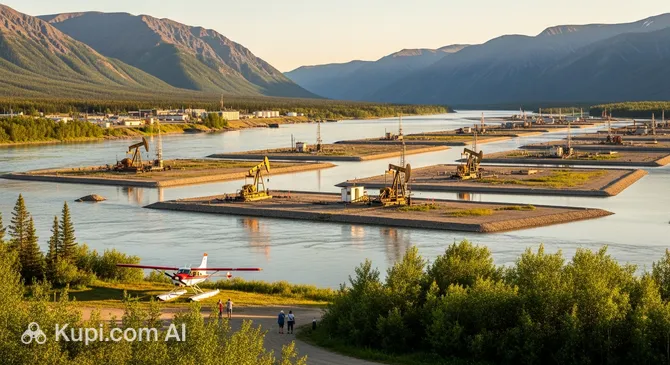
Norman Wells. Source: Kupi.Binoculars

Geographically, the town is situated on the northern bank of the majestic Mackenzie River, with the stunning Franklin Mountains providing a dramatic backdrop. Located in the Northwest Territories of Canada, Norman Wells sits approximately 145 kilometers south of the Arctic Circle. The climate here is subarctic, featuring long, cold winters perfect for viewing the Northern Lights, and short, mild summers where the Midnight Sun shines almost around the clock. With a population of around 800 residents, it maintains a close-knit, small-town feel.

The town was established following the discovery of oil in the area, which has played a significant role in its development. Travelers interested in the history of Norman Wells can learn about the World War II-era Canol Project and the deep roots of the local industry. Today, it is a prime destination for outdoor enthusiasts, offering access to the challenging Canol Heritage Trail and exceptional opportunities for fishing and boating on the Mackenzie River. Whether you are here to hike the fossil-rich canyons or simply soak in the pristine northern landscapes, Norman Wells promises an unforgettable journey.

Weather Overview

Travelers to Norman Wells should prepare for a climate of extremes, typical of the Northwest Territories. The winter season is long and frigid, with average temperatures in January dipping to -23.9°C, requiring heavy winter gear. In contrast, the summer offers a pleasant thaw; during July, the warmest month, temperatures average 17.9°C and can reach highs of 22.8°C, creating comfortable conditions for outdoor activities.

Precipitation is generally light, though the warmer months of June through August tend to be wetter, with approximately 10 to 13 wet days per month. Expect warm summers with occasional rain and cold, dry winters. To ensure you pack appropriately for your specific travel dates, we recommend checking the detailed guide to the weather in Norman Wells.

Interesting Facts

Beyond the main attractions, Norman Wells holds many fascinating secrets that highlight its unique position in the North. Here are a few intriguing details about this remote community that might surprise you.

  • Artificial Islands: The town is distinct for being home to six artificial islands located right in the Mackenzie River. These were constructed in the 1980s to tap into oil reserves beneath the riverbed and were specifically engineered to withstand the crushing force of massive ice floes during the spring thaw.

  • Ancient Observations: While industrial drilling began in the 20th century, the presence of oil was known long before. The explorer Alexander Mackenzie recorded seeing oil seeping from the riverbanks in his journal as early as 1789, noting the "bituminous substance" centuries before the town was established.

  • Fossils in the Mountains: The surrounding landscape offers a window into deep geological time. The Franklin Mountains and areas like Canyon Creek are actually ancient seabeds, where sharp-eyed visitors can easily spot fossils of corals and marine life from the Devonian period.

How to Get There

Reaching this remote community in the Northwest Territories is an adventure that primarily relies on air travel, as it is the most reliable year-round method. Due to its location along the Mackenzie River and the lack of permanent all-season roads connecting it to the south, flying is the standard choice for visitors. For detailed logistics and route planning, you can read more about how to get to Norman Wells to ensure a smooth journey.

The town is served by its own regional transport hub, Norman Wells (IATA: YVQ). This airport is centrally located within the community, just 1.5 km from the town center. Despite being a smaller regional facility, it plays a vital role in connecting the Sahtu Region with larger cities like Yellowknife. Upon arrival, the transfer to your accommodation is very quick; a taxi or shuttle ride typically takes less than 5 minutes, allowing for loading and transit time.

For clarity, here is a summary of the main airport:

Airport Name City Passenger Traffic Km from City
Norman Wells Norman Wells Small 1.5

While there is no railway service to Norman Wells, the town is accessible by other means depending on the season. During the winter months, the Mackenzie Valley Winter Road connects the community to the extensive Canadian highway system, allowing for travel by car or truck. In the summer, the Mackenzie River serves as a transportation route for barges and boats. However, for most tourists, scheduled flights remain the most practical and time-efficient option.

Main Attractions

For visitors arriving in this remote northern community, the best starting point is undoubtedly the Norman Wells Historical Centre. This facility serves as the cultural heart of the town, offering a fascinating look into the region's unique past. Inside, you can explore exhibits detailing the construction of the Canol Pipeline during World War II, the development of the local oil industry, and the rich heritage of the Sahtu Dene people. It is also an excellent place to see locally discovered fossils and purchase authentic northern crafts at the gift shop.

Adventure seekers often travel here specifically to tackle the legendary Canol Heritage Trail. Known as one of the most challenging hiking routes in Canada, this trail follows the abandoned World War II pipeline route across the Mackenzie Mountains to the Yukon border. While the full trek is a multi-week expedition requiring serious preparation, the history and rugged beauty of the trail—littered with vintage trucks and pump stations—make it a bucket-list destination for experienced wilderness enthusiasts.

If you prefer a more accessible outdoor experience, a trip to Canyon Creek is a must. Located just a short drive from town via an all-season road, this area offers spectacular scenery without the need for a multi-day hike. It is a popular spot for locals and tourists alike to enjoy a picnic, explore the canyon walls, and hunt for ancient fossils, which are easily visible in the rock formations of this former seabed.

Finally, no visit is complete without experiencing the majestic Mackenzie River. As the lifeblood of the community, the river offers endless opportunities for boating and fishing during the summer months. Whether you take a guided boat tour to spot wildlife or simply enjoy the midnight sun reflecting off the water from the riverbank, the Mackenzie provides a stunning natural backdrop to all your adventures in Norman Wells.

Local Cuisine

The culinary scene in Norman Wells is a reflection of its remote, subarctic location: hearty, unpretentious, and deeply connected to the land and water. While you will not find a vast array of fine dining establishments in this small community of 800 people, visitors can expect warm northern hospitality and meals designed to fuel outdoor adventures. The local food culture relies heavily on ingredients sourced from the surrounding wilderness, offering a unique opportunity to taste the flavours of the Northwest Territories.

One of the main highlights for any visitor is the abundance of fresh, locally caught fish. With the town situated right on the banks of the Mackenzie River and near Great Bear Lake, species such as Arctic Grayling, Northern Pike, and Pickerel (Walleye) are often featured on menus or enjoyed at community gatherings. A "shore lunch" of freshly pan-fried fish, cooked over an open fire, is a quintessential northern experience that many tour operators provide. For a taste of the region's game, look for dishes featuring bison or muskox, which are sometimes served as rich stews or hearty burgers in local dining rooms.

No trip to the North is complete without trying Bannock, a traditional quick bread that is a staple in Indigenous cuisine. This dense, filling bread can be baked or fried and is incredibly versatile, often served alongside soups, slathered with jam, or used as a base for sandwiches. It is a comfort food that perfectly complements the cold climate, providing the energy needed for hiking or snowmobiling.

Dining out in Norman Wells is a casual and social affair, primarily centered around the town's hotels and the local Royal Canadian Legion. These venues serve as the community's social hubs where locals and tourists mingle over meals. The atmosphere is relaxed, with menus typically offering a mix of standard Canadian pub fare—like pizza, steaks, and burgers—alongside northern specialties. For drinks, the culture revolves around warming up; hot coffee and tea are essentials, while in the evenings, you might enjoy a cold beer or a classic Caesar cocktail to unwind after a day of exploration.

Travel Tips

Visiting Norman Wells requires a bit more preparation than the average getaway due to its remote location in the Canadian North. To ensure your adventure in the Sahtu Region is as smooth and enjoyable as possible, we have compiled these essential practical tips.

  1. Clothing and Gear: The weather dictates your wardrobe here. In winter, you need heavy-duty parkas, insulated boots, and thermal layers to withstand subarctic cold. If visiting in summer, the temperatures are mild, but the mosquitoes and black flies can be intense; bringing high-quality insect repellent, long sleeves, and even a bug jacket or head net is highly recommended.

  2. Transportation: There is no public transit system like buses or trains in the town. Norman Wells is compact enough to navigate on foot, but for convenience, local taxi services are available. If you plan to explore the surrounding roads or haul gear, renting a truck locally is the best option, though availability can be limited, so book in advance.

  3. Finances: The local currency is the Canadian Dollar. While the major hotel, grocery store, and gas station accept credit and debit cards, it is wise to carry some cash. You may need it for purchasing arts and crafts from local creators or for small transactions where card machines might be down due to internet connectivity.

  4. Health and Safety: The town has a health centre for basic medical needs, but complex emergencies require a medical evacuation to a larger city. Safety here also means being wildlife aware; black bears and grizzlies inhabit the area, so carry bear spray and know how to use it if you are hiking trails like Canyon Creek.

  5. Communication: English is the primary language spoken in Norman Wells. Cell phone coverage is generally reliable within the town limits but drops off quickly once you head into the wilderness. Wi-Fi is available in hotels and some public spots, though speeds may be slower than what you are used to in southern Canada.

  6. Local Etiquette: The community is small and friendly, so it is polite to greet people you pass on the street with a nod or a "hello." Respect for the land and local Indigenous culture is paramount; always ask for permission before photographing people, especially Elders, or their private property.

  7. What to Avoid: Do not underestimate the wilderness. Wandering off marked trails without informing someone of your plans is dangerous due to the remote nature of the terrain. Also, avoid leaving any food or garbage outside, as this attracts wildlife into the town, creating safety risks for both animals and residents.

  8. Sleep Essentials: If you travel during the summer months, the Midnight Sun means it stays light 24 hours a day. This can disrupt your circadian rhythm, so packing a high-quality sleep mask is a simple but effective hack to ensure you get a good night's rest.

By keeping these practicalities in mind, you will be well-equipped to handle the unique challenges of the North. With the right gear and a respectful attitude, you are set to experience the incredible hospitality and rugged beauty that define this special community.

Entertainment & Nightlife

Entertainment and nightlife in Norman Wells reflect the community's small size and its identity as a hard-working northern hub. You will not find neon-lit nightclub districts or sprawling entertainment complexes here. Instead, the evening scene is intimate, casual, and centered around warm hospitality. The "nightlife" is driven by social connection, where locals, seasonal workers, and visitors gather to unwind, share stories, and enjoy a cold drink after a long day in the outdoors.

The town does not have a designated entertainment district; rather, the action is concentrated within a few key establishments located near the town center and the river. The atmosphere is universally relaxed and unpretentious. The dress code is strictly casual—jeans, flannel, and work boots are the norm. Most venues operate as restaurants or lounges that transition into social spots in the evening, typically closing earlier than bars in major cities, so it is wise to head out before 9:00 PM to make the most of the night.

For a true taste of local culture, the Royal Canadian Legion Branch 287 is the undisputed social heartbeat of the town. It serves as a community gathering place where you can enjoy a reasonably priced beer, play a game of pool, and chat with residents. It is welcoming to visitors and often hosts community events or wing nights. Another popular spot is the lounge at the Heritage Hotel, often referred to as the Yamouri Inn. It provides a comfortable setting to enjoy a meal and a drink, often buzzing with the energy of travelers and industry workers. The Mackenzie Valley Hotel also offers a dining room and lounge atmosphere suitable for a quiet evening out.

Practical advice for a night out in Norman Wells revolves around logistics and safety. Prices for alcohol and food are higher than in southern Canada due to transportation costs, so budget accordingly. Since the town is small, you can technically walk between venues, but during the dark winter months or late at night, this is not always recommended due to the extreme cold and potential wildlife. Local taxi services are available and are the safest way to get back to your accommodation. If you do walk, stick to well-lit main roads and stay alert.

Safety in Norman Wells is less about urban crime and more about the environment. The town is generally very safe for visitors, but the surrounding wilderness is home to black bears and grizzlies, which can occasionally venture near town limits, especially at night. Always be aware of your surroundings. Additionally, in winter, temperatures can drop dangerously low, so dress warmly even for short walks between a taxi and a building.

Before the evening sets in, daytime entertainment offers a different pace. Visitors can explore the Norman Wells Historical Centre to learn about the region's past or enjoy outdoor activities like golfing at the local course, which offers a unique experience under the Midnight Sun in summer. While the town lacks large amusement parks or theaters, the natural world provides the ultimate stage for daytime adventure.

Parks & Museums

While Norman Wells may be a small community, its connection to the vast wilderness of the Northwest Territories means that its "parks" are often spectacular natural areas rather than manicured city gardens. The town serves as a cultural repository for the region, offering visitors a deep dive into the industrial and Indigenous history of the Sahtu through its well-curated heritage sites.

For those seeking green space and natural beauty, Canyon Creek is the premier destination. Located just a short drive east of the town, this area functions as a natural park where locals and visitors flock to enjoy the outdoors. The creek has carved a dramatic path through limestone rock, creating high canyon walls that are both scenic and geologically significant. It is an excellent spot for a summer picnic, a refreshing swim in the cool waters, or a hike along the rocky creek bed to admire the rugged terrain.

Ideally situated within the community limits, McKinnon Territorial Park is the town’s main recreational park and campground. Perched on the banks of the majestic Mackenzie River, it offers campers and day-users sweeping views of the water and the distant mountains. This park is the perfect base for visitors, featuring well-maintained camping spots and picnic areas where you can relax while watching the river flow by. It provides a convenient and scenic way to experience the outdoors without venturing far from local amenities.

In terms of culture and history, the Norman Wells Historical Centre stands as the town's most important cultural institution. This museum is essential for understanding the unique identity of the area. Its exhibits comprehensively cover the history of the Canol Project, a massive World War II pipeline undertaking, as well as the evolution of the local oil industry. Equally important are the displays dedicated to the Sahtu Dene people, showcasing traditional clothing, tools, and stories that highlight the deep Indigenous roots of the region. The centre also features a collection of fossils found in the nearby mountains, linking the geological past to the present.

While not a traditional museum building, the town itself serves as an open-air museum of industrial history. Visitors walking through the community will encounter various monuments and preserved artifacts from the 1940s, including vintage trucks and machinery left over from the Canol era. These relics are scattered throughout the area and offer a tangible connection to the past, allowing tourists to visualize the immense logistical efforts that shaped the town during the war.

For a truly authentic experience, look closer at the ground when you visit Canyon Creek. An insider tip for visitors is to spend some time fossil hunting along the creek banks. The rocks here are ancient seabeds from the Devonian period, and it is quite common to find small fossils of corals and marine life right under your feet—a thrill for amateur geologists and children alike.

Getting Around

Travelers arriving in Norman Wells should be aware that the city does not operate a conventional public transport network. You will not find buses, trams, or a metro system navigating the streets of this small community. Instead, getting around relies primarily on private transportation, local taxi services, and walking, given the town's compact footprint and population of approximately 800 residents.

For those without a vehicle, taxis serve as the primary means of motorized transport. There are local operators available that can transport visitors between the airport, hotels, and the town center. Unlike in major metropolitan areas where you might hail a cab on the street, it is standard practice here to call the dispatch number in advance to arrange a pickup. Payment is typically accepted in local currency, with cash being the most reliable method, though some drivers may accept credit cards. Fares are generally set based on zones or flat rates for short in-town trips.

Renting a vehicle is the most flexible alternative for tourists who wish to explore beyond the immediate town limits, such as driving to Canyon Creek. Rental fleets are small and often consist of rugged pickup trucks suited for the northern terrain. It is crucial to book a vehicle well before your arrival, as availability is limited and demand can be high during the peak summer and winter work seasons. There are no global car-sharing apps or automated bike rental stations currently operating in the area.

Walking is a viable and popular option for navigating the core of the town, especially during the milder summer months. Most essential services, including the grocery store, hotel, and post office, are located within a reasonable distance of each other. However, during the winter, extreme cold makes walking less practical for anything other than very short distances. If you choose to walk, remain aware of wildlife and dress appropriately for the weather conditions.

Accommodation

Accommodation in Norman Wells is practical, comfortable, and designed to meet the needs of both industrial workers and adventurous travelers. Given the town's small population and remote location, visitors should not expect sprawling luxury resorts or international hotel chains. Instead, the options primarily consist of independently owned hotels, cozy bed and breakfasts, and executive-style suites. These establishments are known for their warm northern hospitality, often serving as social hubs where guests can mingle with locals and enjoy hearty meals after a day of exploration.

Because the community is compact, location is rarely an issue; almost every accommodation option is centrally located. Staying in town means you are never more than a few minutes away from the airport, the grocery store, or the banks of the Mackenzie River. Most hotels are situated along the main roads, providing easy access to the winter road connection or the boat launch in summer. This central convenience allows visitors to easily walk to local amenities, although a vehicle is recommended for reaching out-of-town sights like Canyon Creek.

Two of the most well-known establishments in town are the Heritage Hotel and the Mackenzie Valley Hotel. These venues are staples of the community, offering standard hotel rooms with essential amenities like Wi-Fi and satellite TV. They also feature on-site dining rooms and lounges, which are popular gathering spots for evening entertainment. For those planning a longer stay or seeking a quieter atmosphere, there are a few bed and breakfast operators and rental suites that offer a more home-like environment with kitchen facilities.

Booking Tip: It is highly recommended to book your accommodation as far in advance as possible. Norman Wells is a working town, and hotels can fill up quickly with seasonal crews, government staff, and corporate travelers, especially during the winter drilling season and the summer construction months. Availability for tourists can be scarce during these peak times.

Regarding costs, travelers should be prepared for "northern prices." Accommodation rates are generally higher than for comparable facilities in southern Canada, falling into the mid-to-high price range due to the high cost of operating in the Arctic. While some properties can be booked through major online platforms, many local operators prefer direct bookings via phone or email. Confirming your reservation directly with the hotel is a good practice to ensure your specific needs are met upon arrival.

Nearby Cities

For those looking to explore the surroundings, Norman Wells serves as an excellent base for day trips to several interesting nearby locations. While the vast distances of the North mean that "nearby" often requires a short flight, these communities offer unique cultural and natural experiences that are well worth the journey.

Located north of the Arctic Circle, Inuvik is the vibrant hub of the Western Arctic. It is renowned for the distinctive Igloo Church (Our Lady of Victory) and serves as a cultural melting pot for Inuvialuit and Gwich'in peoples. Visitors can experience the phenomenon of the Midnight Sun in summer or the Polar Night in winter, and it marks the end of the famous Dempster Highway.

To the south lies the historic village of Fort Simpson, situated on an island at the confluence of the Liard and Mackenzie Rivers. Known as the gateway to the Nahanni National Park Reserve, it is the starting point for flightseeing tours to the spectacular Virginia Falls. The village itself offers a charming look into the fur-trading history of the region and provides access to beautiful river vistas.

For those interested in the legendary Gold Rush era, Dawson City in the neighboring Yukon Territory is a fascinating destination. This town feels like a living museum, with its preserved frontier architecture, wooden boardwalks, and the historic Diamond Tooth Gertie’s Gambling Hall. It offers a lively atmosphere and a chance to step back in time to the days of the Klondike prospectors.

City Population Distance (km)
Inuvik 3243 458
Dawson City 1800 616
Kugluktuk 1500 592
Fort Simpson 1200 468
Tuktoyaktuk 850 535

These nearby destinations offer a glimpse into the diverse culture and landscapes of the region, providing memorable additions to any northern adventure.

Shopping & Souvenirs

General Overview: Shopping in Norman Wells is primarily functional, designed to cater to the practical needs of residents and the outdoor adventurers who visit the region. While you will not find designer boutiques or extensive retail districts here, the town provides all the essentials required for a comfortable stay. The shopping experience is characterized by friendly, personal service and the opportunity to discover unique northern products that are unavailable elsewhere.

Main Shopping Areas/Streets: The commercial activity in Norman Wells is concentrated within the town center, rather than along a specific bustling shopping street. Most key businesses are located near the central intersection and along the main access roads, often within walking distance of the major hotels. This compact layout allows visitors to easily access grocery stores, hardware suppliers, and gift shops without the need for long commutes.

Shopping Malls: There are no traditional shopping malls in the city. Instead, large general stores serve as the community's retail hubs. These "one-stop shops" are vital to northern living, stocking a wide variety of goods under one roof—from fresh produce and clothing to electronics and outdoor gear. They offer a fascinating glimpse into the logistics of life in a remote community, where a single store meets nearly every daily need.

Markets: While there is no permanent daily market, the community spirit often shines through in seasonal sales and pop-up events where locals sell homemade goods. For visitors, the gift shop at the Norman Wells Historical Centre functions as a curated marketplace. It is the most reliable spot to find locally sourced items, books about the North, and authentic handicrafts without waiting for a scheduled market day.

Souvenirs: The best keepsakes from Norman Wells are those that celebrate the artistic heritage of the Sahtu Region. Look for intricate beadwork, traditional moccasins, and the unique art of moose hair tufting, which is a specialty of Indigenous artisans in the Northwest Territories. Locally made birch bark baskets and jams made from northern berries also make for meaningful and authentic gifts to take home.

Opening Hours and Payment: Retail hours are generally standard, with most shops opening around 9:00 AM and closing by 6:00 PM, Monday through Saturday. Sunday hours may be reduced or non-existent for some businesses. Major credit and debit cards are widely accepted at established stores and hotels. However, if you plan to purchase art directly from local creators or visit smaller community events, carrying some Canadian cash is highly recommended.

Tax-Free: Tourists visiting Canada should note that the federal Goods and Services Tax (GST) is not refundable for general consumer goods. However, shopping in Norman Wells offers a financial advantage: the Northwest Territories does not charge a Provincial Sales Tax (PST). This means you only pay the 5% GST on most purchases, making it one of the more tax-friendly regions in the country for shopping.

Reached the end of the page?

That means the route is fully explored