Support

Fort Simpson

About

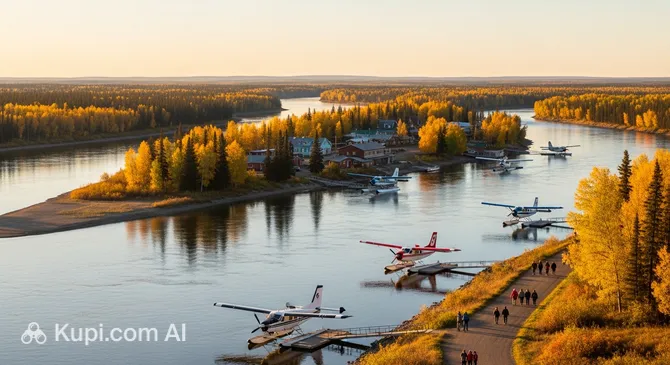
Fort Simpson is a captivating destination located in the Dehcho Region of the Northwest Territories. Known as the "Gateway to the Nahanni," this village sits uniquely on an island where the muddy waters of the Liard River meet the clear flow of the Mackenzie River. As a vital hub in Northern Canada, it offers a perfect blend of wilderness adventure and small-town hospitality.

Fort Simpson. Source: Kupi.Binoculars

With a population of approximately 1,200 residents, the community maintains a friendly and intimate atmosphere. It holds significant cultural importance as a former fur trading post established by the Hudson's Bay Company. Visitors interested in the past can explore the fascinating history of Fort Simpson, which reveals its evolution from a strategic trading center to a modern regional capital.

The village serves as the primary launching point for adventures into the world-famous Nahanni National Park Reserve, a UNESCO World Heritage Site known for its breathtaking canyons and waterfalls. Within the town itself, you can visit the Papal Flats, the site of a historic visit by Pope John Paul II, or simply enjoy the scenic views of the converging rivers from the waterfront.

Whether you are planning a flightseeing tour over the Mackenzie Mountains or looking to experience the authentic culture of the North, Fort Simpson welcomes you. It is an ideal stop for travelers seeking to connect with nature and experience the serene beauty of the subarctic.

Weather Overview

Fort Simpson experiences a subarctic climate characterized by distinct seasonal contrasts, ranging from long, cold winters to short, pleasantly warm summers. The region generally sees low precipitation levels throughout the year, though summer brings slightly more moisture compared to the dry winter months.

Summer is the most popular time for visitors, with July being the warmest month, boasting an average temperature of 19.2°C and highs reaching nearly 25°C. However, travelers should be prepared for occasional showers, as June typically records the highest frequency of wet days. To help plan your outdoor activities around these conditions, it is helpful to consult the detailed guide to the weather in Fort Simpson before your trip.

Winters in the village are rigorous and dry, offering a classic Northern atmosphere. January is usually the coldest month, with average temperatures dropping to around -22.0°C and minimums often falling below -24°C. Spring and autumn act as brief transition periods, where the landscape transforms rapidly between the frozen stillness of winter and the vibrant greenery of summer.

Interesting Facts

Beyond the scenic vistas and river confluences, Fort Simpson holds a collection of stories that define its unique character in the North. Here are some intriguing details that reveal the depth of history and daily life in this subarctic community.

  • The Pope's Delayed Arrival: One of the most famous events in the village's history involves a visit by Pope John Paul II. He originally attempted to land in 1984 but was turned back by heavy fog. True to his word, he returned three years later in 1987 to meet with Indigenous leaders and celebrate mass at the site now famously known as the Papal Flats.

  • Oldest Continuous Settlement: Established in 1803 as "Fort of the Forks," this community is the oldest continuously occupied trading post on the Mackenzie River. Its long history as a gathering place predates many major cities in Canada, serving as a vital meeting point for trade and culture for over two centuries.

  • Seasonal Isolation: Since the village is located on an island, residents experience unique periods of isolation known as "freeze-up" and "break-up." Twice a year, when the river ice is too thin for the winter ice bridge but too thick for the ferry, the community becomes accessible only by air.

  • Midnight Sun Golfing: The Seven Spruce Golf Course is a local treasure, noted for its lush fairways and relaxed atmosphere. During the summer solstice, the extended daylight allows golfers to play well past midnight, enjoying a game under the glow of the northern sky.

How to Get There

Reaching this remote northern community is an adventure in itself, offering a transition from the bustling cities to the serene wilderness of the Dehcho Region. While the journey requires some planning due to its subarctic location, the scenic arrival is well worth the effort. For a detailed breakdown of routes and transport options, you can read more about how to get to Fort Simpson.

The most convenient and common way to arrive is by air. Travelers typically fly into Fort Simpson (IATA: YFS), which serves as the primary aviation hub for the area. This regional airport connects the village with larger northern centers, such as Yellowknife, where passengers can transfer from flights originating in major Canadian cities like Edmonton or Calgary. The airport handles smaller aircraft designed for northern travel, ensuring a reliable link throughout the year.

The airport is located approximately 13 km from the village center. Once you land, the journey into town via taxi or shuttle generally takes about 40 minutes. While the facility is small compared to international hubs, it is vital for the community, facilitating both passenger travel and the transport of goods.

For clarity, here is a summary of the main airports:

Airport Name City Passenger Traffic Km from City
Fort Simpson Fort Simpson Small 13.0

Beyond air travel, Fort Simpson is accessible by road via the Mackenzie Highway (Highway 1). This route offers a spectacular drive through the boreal forest. It is important to note that access into the village itself involves crossing the Liard River. In the summer, a ferry service operates the crossing, while in the winter, an ice bridge is constructed. During the shoulder seasons of freeze-up and break-up, the community is accessible only by air.

Main Attractions

Known as the "Gateway to the Nahanni," Fort Simpson serves as the primary launching point for adventures into one of Canada's most spectacular wilderness areas. Located on an island where two great rivers meet, this village offers a fascinating mix of Indigenous culture, fur trade history, and breathtaking natural scenery.

The most famous draw for visitors is undoubtedly the Nahanni National Park Reserve. While the park itself is a vast wilderness accessible primarily by air, Fort Simpson is the headquarters for flightseeing tours. Visitors flock here to board floatplanes that whisk them away to see the thundering Virginia Falls, which are twice the height of Niagara Falls, and the dramatic canyons of the South Nahanni River.

Within the village itself, the Fort Simpson Heritage Park is a site of significant cultural importance. It commemorates the historic visit of Pope John Paul II in 1987. The grounds feature a giant teepee structure and a podium used during the papal address, serving as a peaceful spot for reflection and a venue for community gatherings like the annual Open Sky Festival.

Nature lovers will appreciate the stunning views at the Confluence of the Mackenzie and Liard Rivers. From the waterfront, you can clearly see the distinct line where the muddy, silt-laden waters of the Liard meet the clear, dark currents of the Mackenzie. It is a perfect spot for photography and quiet contemplation of the region's immense scale.

For a glimpse into the local history, the McPherson House offers a window into the past. This Métis heritage building dates back to the 1930s and provides insight into the lives of the families who helped shape the community during the fur trade era. Exploring the town's historic walking tour is a great way to see this and other heritage sites.

Local Cuisine

The culinary scene in Fort Simpson is a reflection of its remote location and deep connection to the land. In this part of Canada, food is hearty, comforting, and often sourced directly from the surrounding wilderness. While the village does not have a vast array of restaurants, the local cuisine offers a unique opportunity to taste authentic Northern flavors, where traditional Indigenous ingredients meet classic home-style cooking.

Visitors should not miss the chance to try locally caught fresh fish, which is a staple of the Dehcho region. The Mackenzie and Liard Rivers are teeming with species like pickerel (walleye) and whitefish. You will often find these pan-fried to perfection or served as part of a traditional "shore lunch." For those with an adventurous palate, wild game dishes such as bison burgers or moose stew occasionally appear on menus or at community gatherings, offering a rich and savory taste of the North.

No culinary experience in the Northwest Territories is complete without trying bannock. This traditional fried or baked bread is a universal comfort food here, dense and satisfying. It is typically served alongside hot soups and stews to soak up the broth, or enjoyed as a sweet treat slathered with butter and jams made from local berries. Keep an eye out for preserves made from wild cranberries, blueberries, or the prized cloudberries, which are harvested from the nearby bush during the short summer season.

Dining in Fort Simpson is a casual and friendly affair. The options are limited to a few key spots, such as the dining room at the local hotel or the village's popular Chinese-Canadian restaurant, which serves as a go-to for both locals and travelers. These establishments act as community hubs where you can warm up with a hot coffee, enjoy a filling meal, and chat with residents about life in the village. Whether you are grabbing a quick slice of pizza or sitting down for a full breakfast, the atmosphere is always unpretentious and welcoming.

Travel Tips

Visiting a remote northern community requires a bit more foresight than a typical city break, but the reward is an authentic experience in the heart of the Dehcho region. Here are some essential tips to help you navigate Fort Simpson comfortably and respectfully.

  1. Clothing and Gear: Weather in the Northwest Territories changes rapidly. Even in summer, bring layers, including a waterproof jacket and warm sweaters, as evenings can be cool. Comfortable, sturdy walking shoes are essential. Critically, if visiting in summer, pack high-quality insect repellent or a bug jacket; the mosquitoes and black flies can be intense near the water.
  2. Transportation: Fort Simpson is a small village, and most amenities are within walking distance. There is no public transit system like buses or trams. If you plan to explore the surrounding highway areas, arriving by personal vehicle or rental car is best, as local rental agencies are virtually non-existent. Do not rely on ride-hailing apps, as they do not operate here.
  3. Finances: The official currency is the Canadian Dollar (CAD). While the main general store, hotel, and tour operators generally accept credit and debit cards, it is highly recommended to carry cash for purchasing local arts and crafts. There is an ATM in the village, but it is wise to bring some cash with you in case of service interruptions. Be prepared for higher prices on goods compared to southern Canada due to remote shipping costs.
  4. Health and Safety: The village is served by the Fort Simpson Health Centre for basic medical needs, but serious emergencies may require air evacuation. Pharmacies have limited hours, so bring a full supply of any necessary prescription medications. regarding safety, always be "bear aware" if you venture to the outskirts; carrying bear spray is a common and recommended precaution.
  5. Communication: English is the primary language used in shops and tourism, though you may hear local Indigenous languages spoken by residents. Cell phone coverage is available within the village (typically on major networks like Bell or Telus) but disappears quickly once you leave the immediate area. Wi-Fi is available at the visitor center and accommodations, though speeds may be slower than in major cities.
  6. Local Etiquette: This is a friendly, tight-knit community where people often wave or say hello to strangers. It is polite to return the greeting. When interacting with locals, especially Elders, show respect by listening carefully and asking for permission before taking their photograph. Respect for the land and river is deeply ingrained in the culture here.
  7. What to Avoid: Do not underestimate the rivers. The currents in the Mackenzie and Liard Rivers are powerful and dangerous; avoid swimming or boating without a knowledgeable local guide. Additionally, never feed wildlife, as this harms the animals and endangers the community.
  8. Crossing the River: If you are driving, remember that access to the village depends on the Liard River Ferry in summer and an ice bridge in winter. During the spring thaw and autumn freeze-up, the road is cut off, and the village is accessible only by air. Always check the current ferry status and operating hours before setting out.

By packing the right gear and respecting the local pace of life, you will be well-prepared to enjoy the stunning beauty of the Mackenzie and Liard confluence. A trip to Fort Simpson is a true northern adventure, and a little preparation ensures it remains a memorable one for all the right reasons.

Entertainment & Nightlife

Entertainment and nightlife in Fort Simpson differ significantly from the bustling club scenes of major cities. In this intimate northern village of just over 1,200 residents, the "nightlife" is relaxed, community-focused, and deeply connected to the seasons. During the summer months, the sun barely sets, leading to social gatherings that stretch late into the bright evening, while winter nights are often spent enjoying warm meals or watching the mesmerizing Aurora Borealis dance overhead.

There are no designated nightlife districts or nightclubs here; instead, social life revolves around a few key establishments located primarily along 100th Street. The atmosphere is universally casual and welcoming, with a "come as you are" dress code that favors practical outdoor gear over formal attire. The crowd is a mix of local residents, seasonal workers, and adventurous travelers, making it easy to strike up a conversation and learn about life in the Dehcho region.

For a drink or a hearty evening meal, the Nahanni Inn is a central hub. It serves as a gathering place where visitors can unwind after a day of exploration. Another important social venue is the Seven Spruce Golf Course clubhouse. In the summer, this is a popular spot to enjoy the midnight sun, play a late round of golf, and relax with locals on the patio. The Royal Canadian Legion also frequently hosts community events, bingo nights, and social evenings that are often open to signed-in guests, offering a genuine slice of local culture.

Practicalities for a night out in Fort Simpson are simple. Most venues are within walking distance of each other in the village center. There is no public transport or Uber service, and taxi availability can be sporadic or non-existent late at night, so it is best to walk or drive if you have a rental vehicle. Prices are generally higher than in southern Canada due to the remote location, so budget accordingly. While many places accept cards, carrying cash is always a smart backup plan.

Safety at night is less about crime and more about the environment. The village is generally very safe for walking, but the primary concern is wildlife. Bears can wander into town, so it is essential to stay alert, travel in groups if possible, and carry bear spray even within village limits. In winter, extreme cold is a serious hazard; ensure you are dressed appropriately even for short walks between buildings.

Regarding daytime entertainment, the pace remains leisurely. Beyond the outdoor adventures, visitors can explore the Fort Simpson Visitor Information Centre, which features excellent displays on the history, flora, and fauna of the region. For a unique local experience, the nine-hole golf course offers a fun challenge amidst the boreal forest. Cultural events and traditional drumming demonstrations also take place occasionally, often advertised on local community boards.
Parks & Museums

Fort Simpson offers a compelling mix of wilderness and culture, where the natural beauty of the Dehcho region meets a rich tapestry of creativity. As the gateway to some of Canada's most pristine landscapes, the village features green spaces that celebrate its river heritage and cultural venues that showcase the artistic talents of its people.

One of the most scenic areas to explore is the Fort Simpson Territorial Park. Located right at the entrance to the community, this park is situated near the spectacular confluence of the Mackenzie and Liard Rivers. It serves as a prime spot for enjoying the outdoors, offering a well-maintained campground surrounded by boreal forest. Visitors can utilize the stairs leading down to the riverbank, which provide excellent vantage points for witnessing the distinct mixing of the two rivers' waters—a mesmerizing natural phenomenon.

Art enthusiasts should prioritize a visit to the Open Sky Creative Society, which operates a gallery and craft shop in the village. This venue is the beating heart of the local arts scene, showcasing the incredible talent of Dehcho artists. The gallery features rotating exhibits of traditional and contemporary works, including intricate beadwork, moose hair tufting, and birch bark basketry. It is an exceptional place to gain insight into the artistic traditions that are vital to the local Indigenous culture.

For those interested in history without spending time indoors, the village itself functions as an open-air museum. A designated historical walking tour guides visitors past significant heritage buildings and monuments scattered throughout the community. This self-guided experience allows travelers to appreciate the architecture and stories of the fur trade era and the region's development while enjoying a leisurely stroll through the town's picturesque streets.

Getting Around

Travelers planning a visit to Fort Simpson should be aware that the transportation infrastructure here is quite different from larger urban centers. There is no public transport system in the village, meaning you will not find buses, trams, metros, or trolleybuses. The community is small and intimate, designed primarily for pedestrian traffic and private vehicles, so there are no travel passes, transport cards, or mobile apps for ticketing.

For those without a vehicle, taxis are the primary alternative for getting around, though the service is much more informal than in big cities. There are typically only one or two local operators serving the entire area. It is highly advisable to carry cash (Canadian Dollars) for fare payments, as credit card machines may not always be available in these vehicles. Since fleets are small, you should book your ride in advance rather than expecting to hail one on the street, especially if you have a tight schedule for a flight or tour.

The most reliable and enjoyable way to navigate the village itself is simply by walking. Fort Simpson is compact, and most key amenities—including hotels, the visitor center, and general stores—are located within a short distance of one another along the main roads. Walking allows you to soak in the atmosphere of the community and enjoy views of the Mackenzie River at your own pace. In the summer months, the long daylight hours make evening strolls particularly pleasant.

A unique and essential part of the local transport network is the Liard River Ferry (M.V. Lafferty). While not a city bus, this ferry is a critical link for accessing the village from the rest of Canada during the summer season. It carries vehicles and passengers across the river free of charge. Be sure to check the operating hours at the visitor center or online, as the service stops for the night and is suspended during the seasonal freeze-up and breakup periods in spring and fall.

Regarding other alternatives, car-sharing apps and ride-hailing services like Uber are non-existent in this remote region. Car rental agencies within the village are extremely limited or often unavailable, so most visitors who require a vehicle rent one in Yellowknife or Hay River and drive to the community. Bike rentals are not a standard service, though some accommodations may occasionally offer them to guests; it is best to inquire directly with your host.

Accommodation

Accommodation in Fort Simpson is characterized by its cozy, functional nature rather than opulent luxury. As a small, remote community, the options are limited but welcoming, offering a warm respite after a day of wilderness exploration. Visitors can typically choose between standard hotels, intimate bed and breakfasts, and well-maintained campgrounds. The lodging scene here is designed to support outdoor enthusiasts and business travelers, providing essential amenities and a friendly atmosphere rather than high-end resort services.

Most accommodation options are conveniently located within the village center, primarily along or near 100th Street. Staying in this area places you within easy walking distance of the grocery store, the visitor information center, and the scenic waterfront. Given the compact size of the community, location is rarely an issue; almost anywhere you stay will offer quick access to the key sights and the beautiful views of the Mackenzie River.

For those seeking a traditional hotel experience, the Nahanni Inn is the most prominent establishment in town. Situated in the heart of the village, it serves as a central hub for travelers, offering standard rooms and an on-site restaurant. It is a reliable choice for visitors looking for straightforward comfort and convenience. Alternatively, smaller bed and breakfast establishments provide a more home-like environment, often giving guests the chance to chat with local hosts and gain personal insights into life in the Dehcho region.

A crucial tip for booking accommodation in Fort Simpson is to plan well in advance. During the peak summer season (June to August), rooms fill up quickly with tourists, flight crews, and seasonal workers. Since the inventory of rooms is small, arriving without a reservation is risky and not recommended. If you plan to visit during the annual Open Sky Festival or other community events, booking several months ahead is essential.

Regarding costs, travelers should expect prices to be in the mid-range to high category compared to southern destinations. The cost of operating in the North is higher, and room rates reflect this reality. While some establishments may be listed on major online booking platforms, it is often more effective to call or email the property directly to secure a reservation. This ensures you have the most up-to-date availability and allows you to confirm specific needs, such as airport transfers or late check-ins.

Nearby Cities

For those looking to explore the surroundings, Fort Simpson serves as an excellent base for day trips to several interesting nearby locations and acts as a pivotal stop for longer journeys through the North. While distances between communities in this vast region are significant, the following towns offer unique cultural and natural attractions worth visiting.

Hay River, known as "The Hub of the North," is located on the southern shore of Great Slave Lake. It is a center for commercial fishing and transportation, offering visitors access to beautiful sandy beaches and the spectacular Twin Falls Gorge Territorial Park nearby. It provides a different perspective on life in the Northwest Territories compared to the smaller, river-focused Fort Simpson.

Further afield lies Yellowknife, the capital of the Northwest Territories. Famous for its vibrant Old Town, floating houseboats, and world-class Aurora Borealis viewing, it is the cultural and economic heart of the territory. Visitors can explore the Prince of Wales Northern Heritage Centre or enjoy the lively local dining scene, making it a perfect destination for a short city break.

To the south, Fort Nelson in British Columbia serves as a historic gateway along the famous Alaska Highway. It is surrounded by the dense boreal forest and offers a glimpse into the history of the Mile 300 marker. For travelers driving up from the south, it is often the last major stop before reaching the Dehcho region, known for its friendly hospitality and heritage museum.

City Population Distance (km)
Fort St. John 20,155 626
Yellowknife 19,569 370
Fort Nelson 4,000 349
High Level 3,570 441
Hay River 3,500 320

These nearby destinations offer a glimpse into the diverse culture and landscapes of the region, ranging from bustling northern hubs to historic highway communities.

Shopping & Souvenirs

Shopping in Fort Simpson is a unique experience defined by the village's remote location and rich cultural heritage. Unlike large urban centers filled with sprawling retail complexes, the shopping scene here is intimate, functional, and deeply connected to the community. Visitors will not find high-street fashion brands or electronics superstores; instead, the focus is on essential goods for outdoor adventures and exquisite, locally made Indigenous arts and crafts.

The main commercial activity is concentrated along 100th Street, the village's primary thoroughfare. This is where you will find the few essential shops that serve the community, including the main general store which stocks everything from groceries and clothing to hardware and camping gear. A stroll down this street offers a glimpse into the daily life of the residents, and it is the best place to pick up supplies if you are planning a trip into the nearby national park.

Travelers should be aware that there are no shopping malls in Fort Simpson. The retail landscape is comprised entirely of small, standalone local businesses. Those expecting department stores or food courts will need to adjust their expectations, as the village prioritizes practical amenities over recreational shopping.

While there are no permanent daily markets, the village occasionally hosts community craft sales and seasonal gatherings where local artisans display their work. These events are often tied to festivals like the Open Sky Festival. For a consistent "market-style" experience, the local visitor center and specific craft shops act as hubs where you can view and purchase handmade goods directly from the source.

When it comes to souvenirs, Fort Simpson offers some of the finest authentic Indigenous crafts in Canada. The region is renowned for its traditional Dene artistry. Look for intricate beadwork, moose hair tufting, and items made from birch bark or moose hide, such as moccasins and baskets. The Open Sky Creative Society runs a gallery and gift shop that is the premier destination for purchasing these high-quality, locally sourced treasures.

Opening hours in the village are generally standard, with most shops operating from roughly 9:00 AM to 6:00 PM, Monday through Saturday. Some businesses may have reduced hours or be closed on Sundays, so it is wise to plan your shopping needs in advance. Regarding payment, major credit and debit cards are accepted at the main general store and hotel, but carrying cash (Canadian Dollars) is highly recommended for smaller purchases or when buying crafts directly from local artists.

A significant advantage for shoppers in the Northwest Territories is the tax structure. There is no Provincial Sales Tax (PST) here, meaning you only pay the 5% federal Goods and Services Tax (GST) on most purchases. This makes buying higher-value items, particularly local art, slightly more affordable compared to many other Canadian provinces.

Reached the end of the page?

That means the route is fully explored