Support

Fort St. John

About

Welcome to Fort St. John, affectionately known as "The Energetic City." Located in the northeastern region of British Columbia, this vibrant community serves as a bustling hub for the Peace River Regional District. With a population of approximately 20,000 residents, it offers a unique blend of urban amenities and the rugged beauty of the northern wilderness, making it a compelling stop for travelers exploring this part of the world.

Geographically, the city sits on a plateau north of the Peace River, surrounded by rolling fields and dense forests. As you travel through Canada, you will find that Fort St. John experiences a continental climate characterized by long, sunny summer days—perfect for outdoor adventures—and crisp, snowy winters that are ideal for cold-weather sports. Its location at Mile 47 of the famous Alaska Highway makes it a strategic and historic waypoint for those undertaking the legendary drive north.
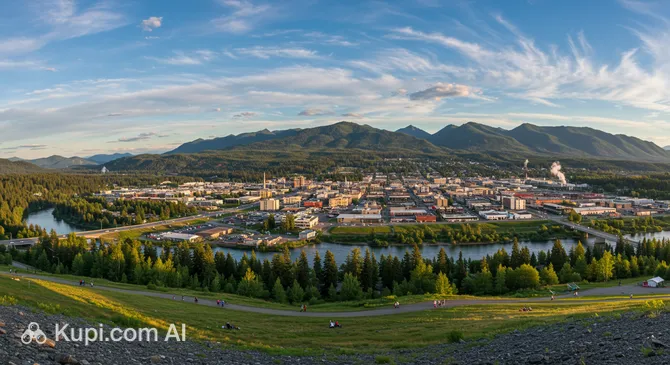
Fort St. John. Source: Kupi.Binoculars

The city holds the distinction of being the oldest non-native settlement on the British Columbia mainland, originally established as a trading post in 1794. Visitors interested in the past can delve into the history of Fort St. John to learn how the fur trade and resource development shaped the community into what it is today. Despite its deep historical roots, the city feels modern and dynamic, driven by a youthful population and a strong community spirit.

For tourists, there are several key attractions to explore. The Pomeroy Sport Centre is a world-class facility featuring one of only two indoor long-track speed skating ovals in the country. Nature lovers will appreciate the proximity to Charlie Lake and the majestic Peace River Valley, which offer excellent opportunities for fishing, boating, and hiking. Whether you are passing through on a grand northern road trip or planning a dedicated visit, Fort St. John invites you to experience its warm hospitality and energetic atmosphere.

Weather Overview

Travelers heading to this part of British Columbia will encounter distinct seasonal variations. Generally, you can expect warm summers with occasional rain and cold, dry winters. For the most accurate and up-to-date information during your trip, be sure to check the current weather in Fort St. John.

Summer is often considered the best time to visit, with July bringing the warmest temperatures. Averages settle around 17.3°C, while daytime highs frequently reach 23°C, creating perfect conditions for exploring the outdoors. Keep in mind that June and July are also the wettest months, with approximately 13 days of precipitation, so packing a light rain jacket is a smart move.

In contrast, winter demands heavy protective clothing. January and February are the coldest months, with average temperatures dropping to around -11.2°C and overnight lows plunging to nearly -16.2°C. Although the air is drier with fewer wet days compared to summer, the freezing conditions require adequate preparation for those venturing out into the city's colder season.

Interesting Facts

Beyond the main attractions, Fort St. John holds many fascinating secrets that reveal the unique character of this northern hub. Here are a few surprising facts that highlight the resilience and distinctiveness of the city:
  • Although it holds the title of the oldest non-native settlement on the British Columbia mainland, the city has not always stood on its current ground. Historically, the community was relocated approximately six times due to fires, trading post politics, and shifting economic needs, earning it a reputation as the settlement that simply refused to disappear.

  • The nickname "The Energetic City" refers to more than just its natural resources; it also aptly describes the demographics. Fort St. John consistently boasts one of the youngest average populations in Canada, creating a dynamic, family-oriented atmosphere that contrasts sharply with many other historic towns.

  • Despite its northern latitude, the region is an agricultural wonder known for producing award-winning clover honey. The exceptionally long summer days provide extended sunlight hours that allow bees and crops to thrive, making the area a surprising hotspot for farming in the north.

How to Get There

Reaching this northern destination is an adventure in itself, with air travel being the most convenient method for most visitors. Whether you are arriving for business or to explore the scenic Peace River region, you can find all ways to reach the city and plan your route effectively. While the road trip via the Alaska Highway is legendary, flying directly into the region saves time and offers spectacular aerial views of the landscape.

The most direct entry point is the local Fort St. John airport (IATA: YXJ). Conveniently located just outside the main town, it serves as the primary hub for travelers. The airport is situated approximately 6.8 km from the city center, and the journey by taxi or shuttle typically takes around 10 to 15 minutes. Although it is a smaller regional facility, it handles a significant number of passengers annually, connecting the city to major hubs like Vancouver and Calgary.

Alternatively, travelers can opt to fly into Grande Prairie Airport (IATA: YQU) in the neighboring province of Alberta. However, it is important to note that this airport is located in the city of Grande Prairie, which is about 172 km away from Fort St. John. Renting a car or arranging a long-distance transfer would be necessary from here, with the road trip taking several hours depending on weather and road conditions.

For clarity, here is a summary of the main airports serving the region:

Airport Name City Passenger Traffic Km from City
Prince George Airport Prince George 450,494 288.0
Grande Prairie Airport Grande Prairie 270,474 172.0
Fort St. John Fort St. John 49,213 6.8

Rail travel options are quite limited in this part of British Columbia. The city of Fort St. John does not have a railway station, but you can arrive at the Prince George Railway Station (IATA: XDV) in the city of Prince George. This station is located approximately 287 km from Fort St. John. From Prince George, travelers would need to continue their journey by bus or rental car, a trip that traverses a significant stretch of the province's interior.

Below is the information regarding the nearest railway connection:

Station City Passenger Traffic Km to Center
Prince George Railway Station Prince George - 286.6

Main Attractions

For those looking to delve into the region's rich heritage, the Fort St. John North Peace Museum is an essential stop. This facility offers a comprehensive look at the history of the North Peace region, ranging from Indigenous history to the fur trade and the construction of the famous Alaska Highway. Visitors are often captivated by the interactive exhibits, which include a trapper’s cabin, a 1921 schoolhouse, and vintage heavy machinery, providing a tangible connection to the pioneer spirit that shaped the city.

Art and culture enthusiasts will find a welcoming hub at the North Peace Cultural Centre. Located in the heart of the city, this vibrant venue houses the public library, an art gallery showcasing local and touring works, and a theatre for live performances. It is interesting to tourists as a focal point for community life, offering a chance to see local craftsmanship, attend workshops, or simply enjoy a quiet moment with a book in a lively atmosphere.

Just a short drive from the city center, Beatton Provincial Park offers a fantastic escape into nature throughout the year. Situated on the eastern shore of Charlie Lake, the park is a favorite for its extensive network of trails that cater to hikers in the summer and cross-country skiers in the winter. The park is particularly appealing for its scenic views and recreational facilities, including a playground and a beach area that fills up on warm sunny days.

For outdoor lovers seeking adventure closer to town, the Fish Creek Community Forest provides an excellent network of interpretive trails. This area is perfect for walking, running, or mountain biking, featuring diverse terrain that winds through lush forests and open meadows. It is a great spot for tourists to stretch their legs and experience the local flora and fauna without venturing too far into the wilderness.

Local Cuisine

The culinary scene in Fort St. John reflects its character as a hardworking northern community surrounded by rich agricultural land. Visitors will find a food culture that emphasizes hearty, satisfying meals designed to fuel outdoor adventures and long days. While you can find international flavors ranging from Asian to Mediterranean, the local spirit is best experienced through classic Canadian comfort food and farm-to-table ingredients sourced directly from the Peace River region.

One of the most distinct local products is clover honey. The long summer days in this part of British Columbia allow for an abundance of wildflowers and crops, resulting in world-renowned honey production. Tourists should look for dishes that incorporate this sweet "liquid gold," such as honey-garlic glazes on wings or ribs, and locally baked pastries. Additionally, given the area's ranching heritage, high-quality beef and bison are staples. A juicy bison burger or a locally sourced steak is a must-try for meat lovers visiting the city.

When it comes to beverages, the craft beer movement has taken firm root in the north. Local breweries take pride in using regional grain and even local honey to create unique, flavorful brews. Sampling a flight of local ales or lagers is a popular way to unwind after a day of exploring the Alaska Highway. For non-alcoholic options, the coffee culture is strong, with cozy cafes serving robust blends to keep locals and visitors warm during the cooler months.

Dining out in Fort St. John is generally a casual and welcoming affair. The city offers a mix of family-run diners, spirited pubs, and modern steakhouses where the atmosphere is unpretentious and friendly. If you are visiting during the warmer months, the local farmers' market is an excellent spot to mingle with residents. Here, you can sample homemade treats, pick up fresh produce, and taste the region's famous honey directly from the producers.

Travel Tips

Planning a trip to Fort St. John requires a bit of specific preparation, especially given its northern latitude and unique rugged environment. To help you make the most of your visit to "The Energetic City," here are some essential practical tips to ensure your journey is comfortable, safe, and memorable.

  1. Clothing and Gear: The golden rule here is layering. If you are visiting in winter, you need serious cold-weather gear: a heavy parka, thermal base layers, insulated boots, and windproof accessories are non-negotiable. Summer is pleasant but can be unpredictable; bring a waterproof jacket for sudden showers and sturdy hiking shoes for the trails. Also, do not forget insect repellent if you plan to explore the outdoors in June or July, as mosquitoes can be quite active.
  2. Transportation: While there is a local bus system (BC Transit), it is quite limited and primarily serves residents commuting to work or school. To truly explore the region, including the scenic Alaska Highway and nearby lakes, renting a car is highly recommended. Taxis are available for short trips within town, but having your own vehicle gives you the freedom to chase the northern lights or visit sites like Charlie Lake at your own pace.
  3. Finances: The local currency is the Canadian Dollar (CAD). Credit and debit cards (Visa and Mastercard) are widely accepted at hotels, restaurants, and supermarkets. However, it is wise to carry some cash if you plan to visit smaller roadside stands or farmers' markets. Tipping is standard practice in Canada; expect to leave 15-20% at restaurants and bars for good service.
  4. Health and Safety: Fort St. John is generally very safe, but the wilderness commands respect. If you are hiking, be "bear aware"—carry bear spray and make noise to avoid startling wildlife. In terms of medical care, the Fort St. John Hospital is a modern facility equipped to handle emergencies. Pharmacies like Shoppers Drug Mart are available, but check their hours as 24-hour services may not be standard.
  5. Communication: English is the primary language spoken. Major mobile carriers provide good 4G/5G/LTE coverage within the city limits. However, be aware that cell service can become spotty or non-existent once you drive a few kilometers out of town along the Alaska Highway. It is a good idea to download offline maps or carry a physical map for longer road trips.
  6. Local Etiquette: The vibe here is friendly, casual, and community-focused. It is polite to greet shopkeepers and servers; a simple "hello" goes a long way. If you are driving on rural backroads, it is customary to give a little wave to passing drivers. When enjoying the outdoors, strictly follow the Leave No Trace principles to respect the pristine nature locals cherish.
  7. What to Avoid: Do not underestimate winter driving conditions. If you visit between October and April, ensure your vehicle is equipped with winter tires; driving without them is dangerous and illegal on highway routes. Additionally, avoid leaving food or scented items in your car or campsite, as this attracts wildlife like bears.
  8. Additional Tip: Keep an eye on the sky! Fort St. John is far enough north that the Aurora Borealis (Northern Lights) can often be seen, especially during the darker months from late autumn to early spring. Download an aurora forecast app to increase your chances of witnessing this spectacular natural light show.

By keeping these practicalities in mind, you will be well-equipped to handle the northern elements and enjoy the warm hospitality of the locals. Whether you are here for the history, the outdoor adventures, or simply the drive, Fort St. John is ready to welcome you.

Entertainment & Nightlife

While Fort St. John is not a sprawling metropolis with a 24-hour club scene, its reputation as "The Energetic City" certainly extends to its nightlife. The local population is young and hardworking, fostering a "work hard, play hard" atmosphere that comes alive once the sun sets. The nightlife here is less about velvet ropes and exclusive guest lists and more about camaraderie, live music, and relaxing with a high-quality drink in hand. Most of the action is concentrated around the downtown core along 100th Street and the Alaska Highway, where you can find a variety of pubs, lounges, and taprooms.

For a taste of the local social scene, Mighty Peace Brewing Co. is a standout venue. It serves as a modern community hub where locals gather to enjoy craft beers brewed right on-site. The atmosphere is open and industrial-chic, making it a perfect spot for starting your evening. Another cornerstone of evening entertainment is The Lido. Housed in a historic cinema building, this venue has been transformed into a premier event space that hosts live bands, comedy nights, and themed parties. It retains a vintage charm while offering a lively floor for dancing and socializing during special events.

The vibe in Fort St. John is distinctly casual and welcoming. You generally do not need to worry about a strict dress code; jeans and casual wear are the norm, even on Friday and Saturday nights. The crowds are typically friendly, consisting of locals unwinding after a week of work. Prices for drinks and cover charges are reasonable compared to larger Canadian cities, with peak hours usually kicking off around 9:00 PM or 10:00 PM on weekends.

When it comes to getting around at night, safety and warmth are the main priorities. While the downtown area is generally safe for short walks, the bitter cold of winter and the sprawling nature of the city make walking impractical for longer distances. Public transportation options are limited late at night, so it is highly advisable to use local taxi services. Taxis are reliable, but demand can be high at closing time, so booking in advance or having a number handy is a smart move. Strict anti-drunk driving laws are enforced, so always plan a safe ride home.

For those seeking entertainment before the bars open, the city offers several daytime and early evening options. Movie lovers can catch the latest blockbusters at Landmark Cinemas Aurora, which provides a classic theatre experience. Culturally, the North Peace Cultural Centre remains active into the evening, often staging plays, concerts, and community performances that provide a more low-key but equally engaging night out.

Parks & Museums

While the vast wilderness surrounding the city often steals the spotlight, Fort St. John offers a surprising array of manicured green spaces and cultural institutions within its limits. The city's parks serve as community gathering hubs, hosting festivals and recreational activities year-round, while its cultural venues provide intimate glimpses into the artistic soul and ancient history of the Peace Region.

Centennial Park is the heartbeat of the city's outdoor life, located centrally and serving as the primary venue for major community events like the "High on Ice" Winter Festival. In the summer, it transforms into a family favorite with a large spray park, playgrounds, and the Centennial Bandstand, which hosts live music and performances. Its open green lawns are perfect for picnics, making it a relaxing urban oasis amidst the bustle of town.

For those seeking active recreation, Kin Park is another essential stop. This expansive area is designed for movement, featuring outdoor fitness equipment, baseball diamonds, and paved walking paths. During the winter months, the park becomes a hotspot for tobogganing, drawing families to its snowy hills. It also features a dedicated dog park, making it a popular social spot for locals and their pets.

On the cultural front, Peace Gallery North offers a sophisticated perspective on the region's artistic talent. Located within the North Peace Cultural Centre, this gallery exhibits a rotating selection of works by local and regional artists, ranging from paintings and pottery to sculptures. It is an excellent place to purchase unique, handcrafted souvenirs and to gain insight into how the northern landscape inspires local creativity.

A short distance from the city lies the Tse'K'wa National Historic Site (formerly known as the Charlie Lake Cave), a site of immense archaeological significance. This location has provided evidence of human habitation dating back over 10,500 years, making it one of the most important heritage sites in Canada. Visitors can explore the interpretive trails and learn about the deep ancestral connections of the Dane-zaa people to this land, offering a profound historical context that predates the fur trade era.

For a touch of local history within the city streets, keep an eye out for the various murals and monuments dedicated to the construction of the Alaska Highway. These artistic tributes are scattered throughout downtown, turning a simple walk into a lesson on the grit and determination required to build the famous route in 1942.

Insider Tip: If you are visiting in late summer, check out the community gardens near the older residential areas. They are often blooming with sunflowers and hardy vegetables, showcasing the surprising fertility of the northern soil and offering a quiet, fragrant spot for a reflective evening stroll.

Getting Around

Navigating Fort St. John is relatively straightforward, though the options are somewhat limited compared to larger metropolitan areas. The primary form of public transportation is the bus service operated by BC Transit. This system provides a reliable, albeit basic, network that connects residential neighborhoods with key destinations such as the downtown core, the hospital, North Peace Cultural Centre, and the Totem Mall. The buses are modern, wheelchair accessible, and equipped with bike racks, making them a convenient option for getting around the main parts of the city during the day.

For payment, the system is quite traditional. You can pay your fare in cash upon boarding, but it is strictly exact change only; drivers do not carry change. For travelers planning to use the bus frequently, it is more economical to purchase a sheet of ten tickets or a monthly pass. These can be bought at authorized vendors throughout the city, including City Hall, the Pomeroy Sport Centre, and the North Peace Cultural Centre. Fares are generally very affordable, making public transit a budget-friendly choice for visitors.

When planning your trips, it is crucial to be aware of the operating hours. The bus service typically runs from Monday to Saturday, with frequency varying between 30 to 60 minutes depending on the route and time of day. A significant point for tourists to note is that there is usually no bus service on Sundays or statutory holidays. Therefore, if you are visiting over a weekend, you will need to arrange alternative transportation for Sunday travel. Always check the latest schedule online or grab a rider’s guide at a ticket vendor to avoid being stranded.

Given the limited schedule of the buses, taxis are a vital part of the local transport mix. Several local companies operate 24/7, providing an essential service for late-night outings, trips to the airport, or Sunday travel. Taxis can be hailed by phone or found at designated stands near major hotels and shopping centers. While ride-sharing apps are popular in major global cities, they are not a primary mode of transport here, so relying on traditional cab companies is the standard practice.

For those who want the ultimate freedom to explore, renting a car is by far the most recommended option. Fort St. John is a sprawling community, and many of the region's best attractions—such as Charlie Lake or the viewpoints over the Peace River—are located outside the reach of public transit. Having your own vehicle allows you to travel on your own schedule and handle the distances with ease. Additionally, during the warmer months, the city is quite bike-friendly, with a network of trails and wide shoulders that make cycling a pleasant alternative for short distances.

Accommodation

Accommodation in Fort St. John is designed to meet the practical needs of travelers navigating the Alaska Highway and professionals visiting the region. The city offers a solid selection of lodging options, ranging from full-service hotels and reliable chain establishments to budget-friendly motels. For those who prefer a closer connection to nature or are traveling with their own gear, there are also well-equipped campgrounds and RV parks located just a short distance from the city center.

Geographically, most accommodation options are clustered along the Alaska Highway (Highway 97), which serves as the main artery through town. Staying in this area is particularly convenient for road-trippers, as it offers immediate access to the route north and is lined with restaurants, gas stations, and grocery stores. Alternatively, visitors can choose to stay closer to the downtown core near 100th Street. This area is ideal for those who prefer to be within walking distance of local shops, the North Peace Cultural Centre, and the city's recreational facilities.

The hotel scene is dominated by well-known brands that provide consistent quality and amenities such as fitness centers, indoor pools, and complimentary breakfasts. These establishments are accustomed to hosting tired travelers and often feature spacious rooms designed for comfort. In addition to the major chains, there are several locally owned motels that offer a more modest, cost-effective alternative, perfect for a quick overnight stop before continuing your adventure into the Northern Rockies.

Booking Tip: Because Fort St. John is a major hub for the energy and resource industries, hotels can be surprisingly busy on weekdays throughout the year, not just during the tourist season. It is highly recommended to book your room in advance to ensure availability, as large crews can sometimes occupy significant blocks of rooms on short notice.

Price-wise, the city generally falls into the mid-range category. While you will not find ultra-luxury five-star resorts, the standard of accommodation is high, offering modern facilities and good value. Booking is straightforward via major online travel platforms, though contacting hotels directly can sometimes yield better rates or flexible check-in options, which can be a lifesaver after a long drive.

Nearby Cities

For those looking to explore the surroundings, Fort St. John serves as an excellent base for day trips to several interesting nearby locations. Whether you are seeking history, shopping, or urban culture, the region offers diverse experiences just a drive away.

Located just a short drive south along the Alaska Highway, Dawson Creek is the most popular day-trip destination. Famously known as "Mile 0" of the legendary highway, it offers rich history and iconic photo opportunities at the Mile 0 Post. Visitors can explore the Dawson Creek Art Gallery, housed in a renovated grain elevator, or visit the Station Museum to learn about the railway heritage that connected this remote region to the rest of the country.

For a change of scenery and province, a trip to Grande Prairie in neighboring Alberta is well worth the drive. As a major regional hub, it provides extensive shopping and dining options that complement the smaller offerings of Fort St. John. Nature lovers can enjoy the sprawling Muskoseepi Park, which cuts through the city center, or visit the nearby Philip J. Currie Dinosaur Museum to discover the prehistoric giants that once roamed this land.

Although a bit further afield, Prince George serves as the "Northern Capital" of British Columbia and offers a more urban experience for a longer visit. It features the Two Rivers Gallery, the fascinating Exploration Place Museum and Science Centre, and beautiful botanical gardens. While it is a longer journey, it connects travelers to the broader history and culture of the province's interior.

City Population Distance (km)
Prince George 74,003 287
Grande Prairie 63,166 177
Dawson Creek 13,000 67
Hinton 9,882 381
Quesnel 9,879 379

These nearby destinations offer a glimpse into the diverse culture and landscapes of the region, allowing visitors to expand their adventure beyond the city limits.

Shopping & Souvenirs

Shopping in Fort St. John offers a blend of practical convenience and local charm, reflecting the city's role as a service hub for the North Peace region. While it is not a destination for high-end luxury fashion, visitors will find a robust selection of stores catering to outdoor enthusiasts, road-trippers, and those seeking unique regional goods. The retail scene is split between large brand-name retailers that provide all the essentials and smaller, independent boutiques that showcase the community's personality.

The heart of the local shopping experience can be found in the Downtown area, particularly along 100th Street and 100th Avenue. This walkable district is where you will discover family-owned businesses, specialty gift shops, and florists. It is the best place to browse for distinct clothing or home decor items that you won't find in the big-box stores. For those stocking up on supplies for a journey up the Alaska Highway, the commercial strip along the highway itself hosts larger sporting goods stores and supermarkets.

For a more concentrated retail experience, the Totem Mall serves as the city's primary indoor shopping center. It features a variety of familiar Canadian chain stores, fashion retailers, and a cinema complex, making it a convenient one-stop destination, especially during the colder winter months. It is a popular gathering spot for locals and offers a comfortable environment to pick up clothing, electronics, or travel necessities.

Visitors looking for authentic local flavors and crafts should not miss the Fort St. John Farmers' Market. Operating year-round (outdoors in summer and indoors in winter), this market is a treasure trove of regional produce. Here, you can purchase the area's famous clover honey, homemade jams, baked goods, and handcrafted jewelry. It provides a wonderful opportunity to meet local artisans and taste the agricultural bounty of the Peace River valley.

When searching for the perfect souvenir, consider items that reflect the region's heritage and climate. Local honey is a top choice, renowned for its quality. Additionally, Indigenous art and beadwork from local First Nations artists make for meaningful keepsakes. Practical items like high-quality winter gear or branded merchandise celebrating the Alaska Highway are also popular purchases that serve as lasting reminders of your northern adventure.

Store opening hours generally follow standard Canadian schedules. Most shops are open from 9:30 AM to 6:00 PM Monday through Saturday, with some larger retailers and the mall staying open later on Fridays. Sunday hours are typically reduced, often from 11:00 AM to 5:00 PM, and some smaller downtown boutiques may be closed entirely. Credit and debit cards are universally accepted, but carrying a small amount of cash is recommended for the farmers' market or smaller vendors.

Travelers should be aware that sales tax is added at the register and is not included in the shelf price. In British Columbia, this typically includes the Goods and Services Tax (GST) and the Provincial Sales Tax (PST). Unlike some international destinations, Canada does not currently offer a general sales tax refund program for international visitors, so the price you pay at the checkout is final.

Reached the end of the page?

That means the route is fully explored