Support

Grande Prairie

About

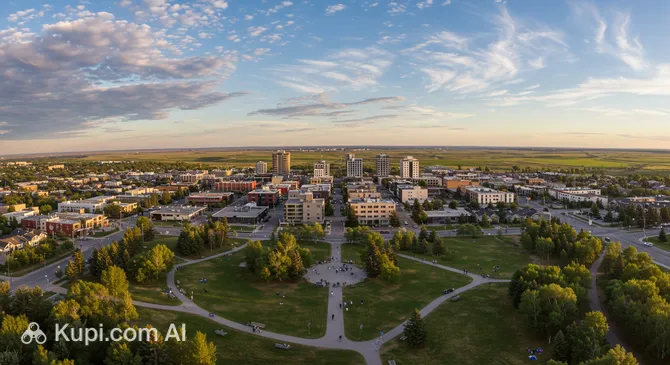
Welcome to **Grande Prairie**, a dynamic and rapidly growing city located in the northwestern part of **Alberta**. Often referred to as the "Swan City" because of the majestic trumpeter swans that migrate to the area each year, it serves as the vital economic and cultural hub of the Peace River Country. Whether you are passing through on your way to the Alaska Highway or planning a dedicated visit, this city offers a unique blend of urban convenience and the raw natural beauty of the north.

Situated in the northern reaches of Canada, the city acts as a gateway to pristine wilderness and outdoor adventure. Despite its northern latitude, the region enjoys a surprisingly mild climate compared to the rest of the province, characterized by long, sunny summer days that are perfect for exploration. With a population of over **63,000 residents**, it maintains a friendly, close-knit community atmosphere while providing all the modern amenities and services of a larger metropolis.
Grande Prairie. Source: Kupi.Binoculars

The city has transformed significantly from its humble beginnings as a rural settlement. Exploring the history of Grande Prairie reveals a fascinating journey from a small trading post to a bustling center of industry and commerce. Today, that pioneering spirit is still evident in the city's museums and heritage sites, which pay homage to the early settlers and the rich indigenous culture that shaped the region.

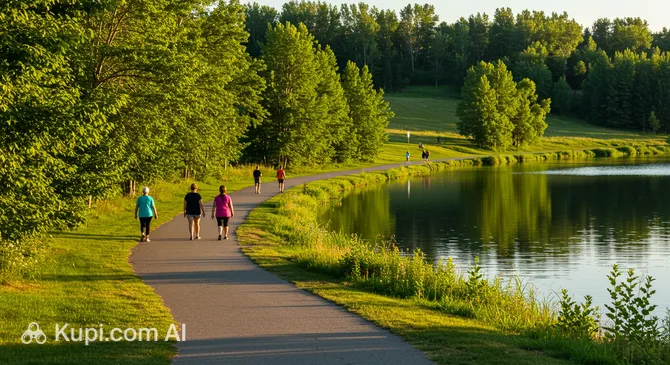
Visitors will find plenty of engaging activities, starting with the expansive **Muskoseepi Park**, a green jewel that runs through the center of the city offering miles of paved trails, ponds, and recreational facilities. For those interested in prehistoric times, the region is famous for its significant paleontological discoveries, which are celebrated at the world-class **Philip J. Currie Dinosaur Museum** located just a short drive away. Additionally, the **Art Gallery of Grande Prairie** provides a touch of cultural sophistication, showcasing impressive works from local and national artists.

From its vibrant festivals to its scenic outdoor spaces, Grande Prairie is a destination that often surprises and delights its guests. It is an ideal stop for travelers seeking to experience the authentic charm, hospitality, and adventurous spirit of northern Alberta.
Weather Overview

The climate in **Grande Prairie** varies significantly throughout the year, offering distinct seasonal experiences for visitors. Summers are generally comfortable and warm, with **July** being the hottest month, seeing average temperatures around 17.7°C and daily highs reaching up to 23.2°C. However, travelers should be prepared for rain during these warmer months, as June and July typically experience about 13 to 14 wet days.

In contrast, the winter season is cold and relatively dry. **February** is often the coldest month, with average lows dropping to around -15.6°C, though precipitation remains low at just 1mm. Spring and autumn serve as transitional periods, with May warming up to a pleasant 11.5°C average, while November sees temperatures dip back below freezing.

Overall, you can expect warm summers with occasional rain and cold, dry winters. For a more detailed breakdown of conditions to help plan your trip, you can check the current weather in Grande Prairie.

Interesting Facts

Beyond the main attractions, Grande Prairie holds many fascinating secrets and unique characteristics that define its spirit. Here are a few little-known insights that highlight the distinct personality of this northern city.

  • The name of the expansive Muskoseepi Park, which cuts through the heart of the city, is derived from the Cree word meaning "Bear Creek," a nod to the area's deep Indigenous roots and natural history.

  • The region is home to the Pipestone Creek Bonebed, widely considered one of the densest horned dinosaur bonebeds in the world. It was here that a local school teacher discovered a previously unknown species, the Pachyrhinosaurus lakustai.

  • Grande Prairie is frequently cited as one of the "youngest" cities in Canada. Driven by a booming energy and resource sector, the median age of its residents is significantly lower than the national average, contributing to a vibrant and energetic community atmosphere.

  • While often called the "Swan City," few realize the critical role the area played in conservation. The local lakes served as a vital sanctuary that helped save the Trumpeter Swan from the brink of extinction when their global numbers had dwindled dangerously low in the early 20th century.

Muskoseepi Park. Source: Kupi.Binoculars

How to Get There

Planning a trip to the Peace River Country requires some logistical preparation, but the journey is part of the adventure. For a comprehensive overview of routes and transport modes, you can read more about how to get to Grande Prairie. The city is well-connected by air, serving as a primary transportation hub for northwestern Alberta.

The most direct and convenient way to arrive is via the Grande Prairie Airport (IATA: YQU), situated just 5.9 km from the city center. It serves as a key regional facility, handling a significant volume of passengers annually. The commute into town is quick, typically taking approximately 30 minutes by taxi or shuttle. This airport connects the city to major hubs, making it the preferred entry point for most visitors.

If direct flights are unavailable, you might consider flying into neighboring cities, though this involves a ground transfer. The Fort St. John airport (IATA: YXJ) is located in the city of Fort St. John, roughly 170.8 km away. The travel time from there by taxi or bus is approximately 4.5 hours. Alternatively, the Prince George Airport (IATA: YXS) in Prince George is another option, located about 289.3 km from Grande Prairie, with a transfer time of around 7.5 hours.

For clarity, here is a summary of the main airports:

Airport Name City Passenger Traffic Km from City
Prince George Airport Prince George Medium 289.3
Grande Prairie Airport Grande Prairie Medium 5.9
Fort St. John Fort St. John Small 170.8

Regarding rail travel, options are quite limited for this specific destination. The city of Grande Prairie does not have a railway station for passenger service. The closest alternative is to arrive at the Prince George Railway Station (IATA: XDV) in the city of Prince George, which is about 291.7 km from Grande Prairie. From there, you would need to arrange a long-distance bus or taxi ride, which can take upwards of 7.5 hours. Due to the significant distance, arriving by train is generally not the most practical method for reaching the city directly.

Here is the information regarding the nearest railway station:

Station City Passenger Traffic Km to Center
Prince George Railway Station Prince George 291.7

Main Attractions

Grande Prairie offers a delightful mix of urban entertainment and natural beauty, serving as the primary hub for the Peace Region. Visitors can enjoy everything from expansive green spaces and outdoor recreational activities to vibrant shopping districts and a lively nightlife scene. Here are some of the top places to explore during your stay.

Undoubtedly the crown jewel of the city is Muskoseepi Park. Spanning over 1,100 acres through the heart of town, this extensive park system is the perfect escape for nature lovers and families. It features paved trails for walking and cycling that wind along Bear Creek, as well as a variety of amenities including a spray park, mini-golf, and lawn bowling. The park is also a cultural center, frequently hosting community festivals and outdoor concerts, making it a vibrant gathering place regardless of the season.

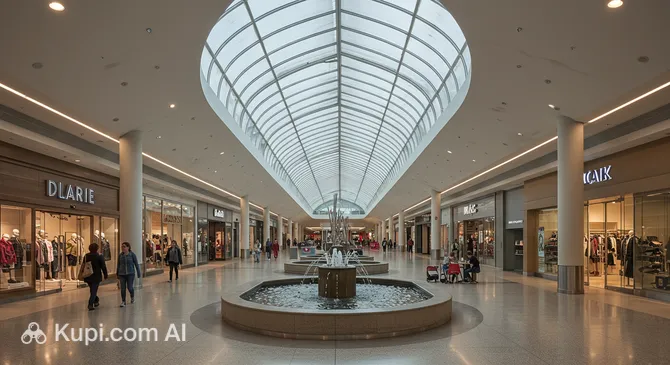
For those looking to indulge in some retail therapy, the Prairie Mall Shopping Centre is the premier destination in the region. As the largest indoor shopping complex in the Peace Country, it attracts visitors from miles around. The mall houses a wide selection of major fashion retailers, electronics stores, and specialty shops. It is an excellent spot to pick up travel essentials, enjoy a meal at the food court, or simply take a leisurely stroll in a climate-controlled environment.

Prairie Mall Shopping Centre. Source: Kupi.Binoculars

If you are seeking a taste of the local nightlife and culture, Better Than Fred's is a legendary institution in Grande Prairie. Far more than just a restaurant, this venue is renowned for its energetic atmosphere, billiards, and live music. It frequently hosts popular bands and artists, making it a go-to spot for entertainment. Whether you want to enjoy their famous wings or catch a live show, it offers an authentic slice of the city's social life.

Better Than Fred's. Source: Kupi.Binoculars

Local Cuisine

The culinary landscape of Grande Prairie reflects its location in the heart of the Peace River Country. As a major agricultural hub, the city prides itself on farm-to-table freshness, with a heavy emphasis on hearty, comforting meals that fuel the hardworking locals. Visitors can expect generous portions and a warm, unpretentious dining atmosphere that welcomes travelers with open arms.

You cannot visit this part of Alberta without indulging in its world-famous Alberta beef. Grande Prairie offers numerous steakhouses and burger joints where the meat is locally sourced and grilled to perfection. Bison is another regional specialty worth trying; often leaner than beef but rich in flavor, it is frequently served as a gourmet burger or in a savory stew, highlighting the area's prairie roots.

For those with a sweet tooth, keep an eye out for Saskatoon berries. These tart, purple berries grow abundantly in the wild throughout the region and are a staple in local desserts, particularly pies, jams, and syrups. The area is also known for producing high-quality clover honey, which is often used to sweeten local dishes and beverages.

Montana's BBQ & Bar. Source: Kupi.Binoculars

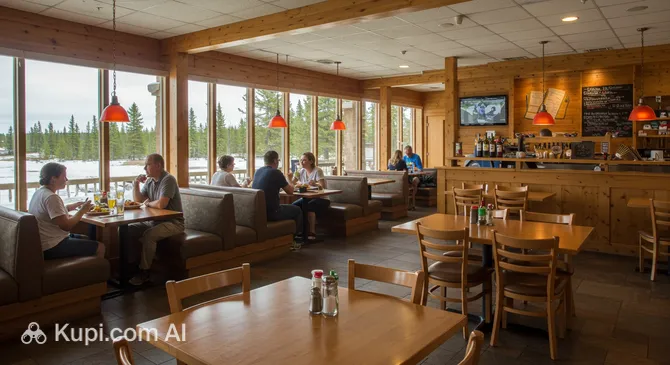
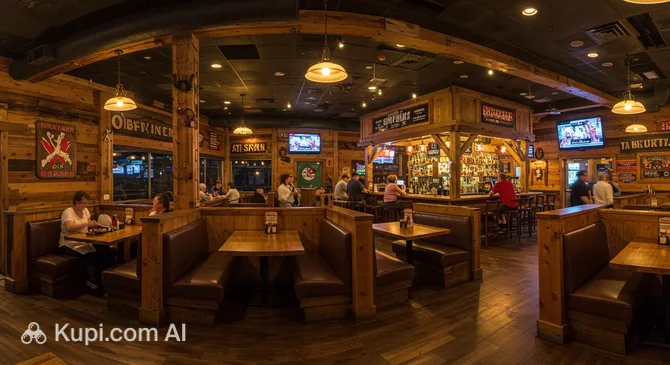
The city's dining scene is dominated by casual, family-friendly establishments that specialize in grilled meats and comfort food. A popular spot for locals to gather is Montana's BBQ & Bar, known for its smoked ribs and rustic, lodge-like ambiance. It captures the spirit of the Canadian wilderness while serving up satisfying barbecue classics that appeal to all ages.

When it comes to drinks, the Caesar is the quintessential Canadian cocktail to sip on a patio. Invented in Alberta, this spicy clamato-juice-based drink is a menu staple here. The city also has a growing appreciation for craft beer. For a relaxed evening with friends, St. Louis Bar & Grill offers a laid-back environment where you can enjoy a cold pint alongside their famous chicken wings and ribs.

St. Louis Bar & Grill. Source: Kupi.Binoculars

Finally, the region has a strong Ukrainian heritage, which has left a delicious mark on the local food culture. It is quite common to find homemade perogies (dumplings filled with potato and cheese) and cabbage rolls on menus or at community markets, offering a taste of traditional prairie comfort food that has been passed down through generations.

Travel Tips

Visiting Grande Prairie is a rewarding experience, but being prepared for its northern location and unique environment will make your trip much smoother. These practical tips cover the essentials to help you settle in quickly and enjoy the warm hospitality of the "Swan City."

  1. Clothing and Gear: The weather can change rapidly, so dressing in layers is the golden rule here. In winter, you will definitely need a heavy insulated coat, thermal layers, gloves, and waterproof boots to handle temperatures that can drop well below freezing. If visiting in summer, bring light clothing for the warm days, but pack a sweater for cooler evenings and, most importantly, insect repellent, as mosquitoes can be active near the lakes and parks.
  2. Transportation: While Grande Prairie Transit operates a network of buses throughout the city, renting a car is undoubtedly the most convenient way to get around. The city is spread out, and having your own vehicle allows you to easily visit outlying attractions like the dinosaur museum or explore the scenic countryside. Taxis and ride-sharing services are also available for shorter trips within town.
  3. Finances: The local currency is the Canadian Dollar (CAD). Credit and debit cards are widely accepted at almost all hotels, restaurants, and shops, so you rarely need to carry large amounts of cash. ATMs are plentiful, and the tipping culture is standard for Canada; leaving a gratuity of 15% to 20% at restaurants and bars is expected for good service.
  4. Health and Safety: Grande Prairie is generally a safe city for tourists, but standard precautions regarding personal belongings apply. Pharmacies are easy to find in major shopping areas like the Prairie Mall. If you plan to hike in the surrounding wilderness, be "bear aware" and carry bear spray, as you are in natural wildlife territory. For any medical emergencies, dial 911.
  5. Communication: English is the primary language spoken throughout the region. Visitors will find that locals are typically very chatty and helpful. Free Wi-Fi is commonly available in hotels, cafes, and public buildings like the library. If you need mobile data, you can easily purchase a prepaid SIM card at major electronics stores or kiosks in the shopping centers.
  6. Local Etiquette: The people of the Peace Region are known for their friendliness and community spirit. It is customary to greet shopkeepers and service staff with a smile and a "hello." Politeness is highly valued; holding the door open for the person behind you is a common courtesy that is always appreciated.
  7. What to Avoid: Do not underestimate the winter driving conditions if you visit between November and March. Black ice and snow can make roads treacherous, so avoid driving if you are inexperienced with severe winter weather, or ensure your rental vehicle is equipped with proper winter tires.
  8. Additional Tip: Keep an eye on the sky during the winter months. Because of its northern latitude and relatively low light pollution just outside the city limits, Grande Prairie is a fantastic spot for viewing the Northern Lights (Aurora Borealis). Download an aurora forecast app to increase your chances of catching a show.

By keeping these practicalities in mind, you can focus on the incredible adventures and cultural experiences Grande Prairie has to offer. Whether you are here for the urban amenities or the wild outdoors, a little preparation ensures a safe and memorable journey.

Entertainment & Nightlife

While Grande Prairie may not have the sprawling nightclub districts of a major metropolis, its youthful population and energetic spirit ensure a lively entertainment scene once the sun goes down. The nightlife here is characterized by a relaxed, unpretentious atmosphere where the focus is on good company and diverse activities. The vibe is distinctly "northern casual," meaning you are just as likely to see locals in jeans and work boots as you are in dressier attire.

For those looking for excitement beyond the typical pub crawl, the Great Northern Casino serves as a premier entertainment hub. It offers much more than just gaming tables and slot machines; the venue is well-known for hosting live music, comedy nights, and special events in its showroom. It also features a dining lounge, making it a comprehensive destination for a full evening out, whether you want to try your luck or simply enjoy a show with a meal.

If you prefer active entertainment or are traveling with a group, the city has excellent recreational facilities. The Bowling Stones is a popular spot for 10-pin bowling, offering a fun, retro-inspired environment complete with an arcade and a fully licensed lounge. Alternatively, movie buffs can catch the latest Hollywood blockbusters at the Cineplex Odeon, which serves as the standard go-to for a relaxed night at the cinema with popcorn and comfortable seating.

For a more culturally inclined evening, Grande Prairie offers impressive theatrical experiences. The Grande Prairie Live Theatre is one of Canada's largest non-profit community theatres, staging a diverse season of plays, concerts, and film festivals that showcase immense local talent. Additionally, the Douglas J. Cardinal Performing Arts Centre frequently hosts larger touring productions and musical performances, providing a touch of sophistication to the local arts scene.

Practicalities are important when planning a night out in the Peace Country. Most entertainment venues and bars stay open until around 2:00 AM on weekends. Prices are generally reasonable and comparable to the rest of Alberta. Public transportation is limited late at night, so it is highly recommended to budget for a taxi. Services like Yellow Cab or Dial-A-Cab are reliable, and there are also designated driver services available if you have your own vehicle.

Regarding safety, Grande Prairie is generally safe for nightlife, but standard precautions apply. The downtown area is well-lit, but it is advisable to avoid walking alone on side streets late at night. In the winter, the biggest danger is often the cold; ensure you have a warm coat for hopping between venues and waiting for your ride, as temperatures drop significantly after dark.

Parks & Museums

Grande Prairie seamlessly blends outdoor adventure with rich cultural storytelling, making it a fantastic destination for those who appreciate both nature and history. The city is renowned for its extensive green spaces that allow visitors to connect with the environment without leaving the urban limits, while its diverse museums offer a deep dive into everything from the region's prehistoric past to its pioneer spirit.

The city's primary outdoor corridor is Muskoseepi Park, a massive green belt that winds through the town along Bear Creek. Functioning as the community's backyard, it connects various neighborhoods with miles of paved trails suitable for walking and cycling. Beyond its recreational paths, the park serves as a central gathering place for local festivals and events, offering a peaceful natural retreat right in the heart of the city.

For a more rugged natural experience, Saskatoon Island Provincial Park is located just west of the city. This protected area is famously the summer nesting ground for the majestic Trumpeter Swan, the bird that gives Grande Prairie its "Swan City" nickname. The park features scenic hiking trails that wind through aspen forests and shrublands, offering exceptional bird-watching opportunities and a chance to see wildlife such as moose and deer in their natural habitat.

When it comes to culture and history, the region is a paleontological hotbed, best experienced at the Philip J. Currie Dinosaur Museum. Located a short drive away in Wembley, this world-class facility is an architectural marvel built near one of the world's densest dinosaur bonebeds. The museum uses cutting-edge technology and interactive exhibits to bring the Cretaceous period to life, making it a fascinating stop for anyone interested in the giants that once roamed these lands.

To understand the human history of the area, a visit to the Grande Prairie Museum & Heritage Village is essential. Situated within the Muskoseepi Park system, this museum showcases the challenges and triumphs of the early pioneers who settled the Peace Region. The adjoining Heritage Village is particularly engaging, featuring over a dozen historical buildings—including a schoolhouse, a church, and a blacksmith shop—that have been relocated and restored to recreate the atmosphere of the early 20th century.

For art enthusiasts, the Art Gallery of Grande Prairie offers a sophisticated cultural experience. Housed in a striking brick building, it is one of the largest free-admission art galleries in Western Canada. The gallery focuses on contemporary and modern art, frequently hosting traveling exhibitions as well as showcasing the work of talented local and regional artists, reflecting the creative soul of the north.

Insider Tip: If you are visiting during the summer months, try to catch a demonstration at the Heritage Village. Volunteers often dress in period costumes and demonstrate traditional skills like blacksmithing or butter churning, providing an authentic and immersive glimpse into the daily lives of the region's ancestors.

Getting Around

The public transport system in Grande Prairie relies primarily on a network of buses operated by Grande Prairie Transit (GP Transit). There is no metro, tram, or trolleybus service in the city. Instead, the system is a hybrid of traditional fixed routes, which connect major hubs like downtown and the Prairie Mall, and a modern On-Demand Transit service. The on-demand shuttles are particularly useful for reaching neighborhoods with lower ridership or for traveling during late-night hours when standard buses are off duty. This flexible service connects designated transit stops and can be a convenient way to bridge gaps in your itinerary.

For payment, the system is designed to be user-friendly, though it favors cashless methods. The most convenient option for tourists is the SUPERPASS, a reloadable electronic smart card that allows for simple "tap-and-go" boarding. You can purchase these cards and load them with ride bundles (such as packs of 10 rides) or monthly passes at major community locations, including City Hall, the Eastlink Centre, and various Shoppers Drug Mart locations. If you prefer to pay per trip, cash is accepted, but you must have the exact coin fare (approximately $3.25 CAD for an adult). Drivers do not carry change and cannot accept paper bills.

To make the most of your trip, it is helpful to know that transit services generally run from early morning, around 6:00 AM, until approximately 11:00 PM on weekdays, with shorter operating hours on weekends and holidays. If you pay with cash, remember to ask the driver for a transfer ticket immediately upon boarding; this slip is valid for 90 minutes and allows you to switch buses without paying again. For trip planning, standard apps like Google Maps work well, but downloading the official Grande Prairie My Ride app is highly recommended for booking on-demand shuttles and tracking bus arrivals in real-time.

While public transit covers the city well, many visitors find that renting a car is the most practical choice for exploring the region comfortably, given the spread-out nature of the attractions. Alternatively, taxis are widely available and reliable for direct transport. The city also hosts ridesharing services like Uride, which offer a convenient, app-based alternative to traditional cabs for getting around town quickly.

A notable feature for active travelers is that the entire bus fleet is equipped with bike racks on the front of the vehicles. This "bike-and-ride" capability allows you to easily combine cycling along the extensive trails of Muskoseepi Park with a bus ride to your next destination. While the city lacks historic rail transport, the integration of bike-friendly buses and on-demand technology makes navigating Grande Prairie efficient and accessible.

Accommodation

Finding a place to stay in Grande Prairie is generally a straightforward affair, with options catering primarily to road trippers, business travelers, and families visiting the region. The accommodation landscape is dominated by reliable, mid-range chain hotels and modern motels that offer consistent quality and comfort. While you will not find ultra-luxury five-star resorts here, there is a good selection of extended-stay suites and cozy bed and breakfasts that provide a "home away from home" atmosphere.

Location is key when choosing where to base yourself. Many of the most popular hotels are clustered along Highway 43 (Gateway Boulevard) and the bypass area. Staying here is incredibly convenient for those arriving by car, offering easy access to the main road network, shopping centers, and restaurants while being just a short drive from the city center. For visitors who prefer to be closer to local culture and green spaces, looking for accommodation near the downtown core places you within walking distance of Muskoseepi Park and local museums.

Because Grande Prairie is a major industrial and service hub for northwestern Alberta, hotels can fill up quickly during the week with business travelers. Conversely, weekends might offer more availability for tourists. It is highly recommended to book your room in advance, especially if you are visiting during the summer months or when major local events and tournaments are taking place.

In terms of pricing, the city is generally affordable compared to major tourist hotspots like Banff or Jasper. Most properties fall into the mid-range price category, offering amenities such as complimentary breakfasts, Wi-Fi, and parking. Booking can easily be done through major online travel platforms or directly with the hotels. For budget-conscious travelers, there are also several well-maintained motels and campgrounds on the outskirts of the city that offer a more economical way to stay.

Nearby Cities

For those looking to explore the surroundings, Grande Prairie serves as an excellent base for day trips to several interesting nearby locations:

One of the most popular excursions is to Dawson Creek, located just across the border in British Columbia. Known globally as "Mile 0" of the famous Alaska Highway, this historic city offers a fascinating glimpse into the engineering marvel of the 1940s. Visitors can snap a photo at the iconic Mile 0 Post, explore the Alaska Highway House, and enjoy the quaint charm of the downtown area. It is a manageable drive that transports you into a significant chapter of North American history.

Heading further north, Fort St. John is another vibrant destination worth visiting. Often called the "Energetic City," it is one of the oldest European settlements in British Columbia. The city serves as a gateway to the stunning Peace River valley, offering excellent opportunities for outdoor recreation such as fishing and boating. Its energetic atmosphere and community events make it a lively spot to experience the culture of the north.

For those willing to travel a bit further for a larger urban experience, Prince George acts as the major hub for Northern British Columbia. While it is a longer journey, it offers extensive shopping, dining, and cultural attractions like the Two Rivers Gallery and the Railway and Forestry Museum, showcasing the industrial heritage of the region.

City Population Distance (km)
Prince George 74003 292
Spruce Grove 34066 365
Fort St. John 20155 177
Stony Plain 17189 361
Dawson Creek 13000 113

These nearby destinations offer a glimpse into the diverse culture and landscapes of the region.

Shopping & Souvenirs

As the primary commercial hub for the Peace Region, Grande Prairie draws shoppers from across northern Alberta and British Columbia. The city offers a diverse retail landscape that ranges from convenient big-box stores to charming local enterprises. Whether you are stocking up on outdoor gear for an adventure in the wilderness or searching for unique regional crafts, the city provides a shopping experience that combines urban variety with small-town hospitality.

For a more personal and pedestrian-friendly atmosphere, the **Downtown Core** is the vibrant heart of the city's independent retail scene. Centered around **100 Avenue**, this revitalized district features a collection of trendy boutiques, specialty home décor shops, and local art galleries. It is the perfect area to stroll, grab a coffee, and discover one-of-a-kind items that you won't find in the larger chain stores. Conversely, the **Westgate** area serves as a major power center, hosting familiar large-scale retailers and grocery stores, making it the practical choice for travelers needing to resupply on essentials.

The premier destination for indoor retail therapy is the Prairie Mall Shopping Centre. As the largest enclosed shopping complex in the region, it is a bustling hub that houses over 80 stores and services. Here, visitors can find major fashion brands, electronics, and jewelry retailers all under one roof. It provides a comfortable, climate-controlled environment, which is particularly appreciated during the cold winter months or hot summer days.

To truly experience the local flavor, a visit to the **Grande Prairie Farmers' Market** is a must. Located downtown in a historic red brick fire hall, this year-round market operates on Fridays and Saturdays. It is a gathering place for the community where you can browse stalls filled with fresh, locally grown produce, homemade baking, and handcrafted goods. From artisan jewelry to hand-knitted winter wear, it is the best spot to find authentic, locally made treasures.

When selecting souvenirs, look for products that highlight the region's rich agricultural heritage. The Peace River Country is famous for producing some of the world's best **clover honey**, which makes for a delicious and portable gift. **Saskatoon berry** products, such as jams, syrups, and chocolates, are another regional specialty that offers a taste of the prairies. Additionally, indigenous art and handcrafted pottery found at local galleries reflect the cultural history of the area.

Standard shopping hours generally run from **10:00 AM to 9:00 PM** on weekdays for malls and major retailers, with reduced hours on weekends (typically closing around 6:00 PM on Saturdays and 5:00 PM on Sundays). Independent downtown shops often close earlier, usually by **6:00 PM**, and may be closed on Sundays. **Credit cards** (Visa and Mastercard) and debit cards are widely accepted everywhere, although carrying a small amount of cash is recommended for smaller vendors at the farmers' market.

One of the most significant benefits for tourists shopping in Grande Prairie is the tax advantage. Alberta is the only province in Canada with **no provincial sales tax (PST)**. Shoppers are only charged the 5% federal Goods and Services Tax (GST) on most purchases. This absence of an additional sales tax makes shopping here noticeably cheaper than in other parts of the country, effectively providing a built-in discount for visitors.

Reached the end of the page?

That means the route is fully explored