Support

Jasper

About

Nestled amidst the rugged peaks of the Canadian Rockies, Jasper is a charming alpine town that offers a perfect blend of adventure and tranquility. As the commercial centre for one of the most famous national parks in Canada, it serves as a gateway to pristine wilderness, glacial lakes, and abundant wildlife. The town retains a relaxed, unpretentious atmosphere, making it an ideal destination for those looking to escape the hustle and bustle of city life.

Geographically, Jasper is located in the province of Alberta, situated within the Athabasca River valley. Despite being a major tourist hub, the town maintains a small-town feel with a permanent population of approximately 4,590 residents. Its location makes it a year-round playground, offering snowy wonderlands in the winter and lush, vibrant landscapes during the summer months.
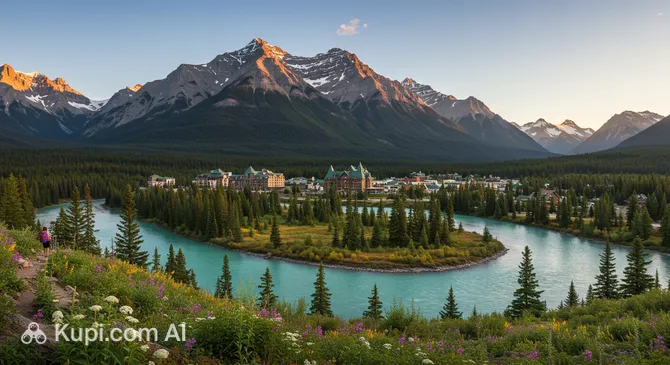
Jasper. Source: Kupi.Binoculars

The area has a rich heritage connected to the fur trade and the expansion of the railway. You can delve deeper into the fascinating history of Jasper to understand how this humble outpost evolved into a world-class mountain destination. Today, it stands as a testament to the enduring relationship between nature and community in the Rockies.

Visitors are drawn to Jasper for its incredible natural features, including the stunning Maligne Lake and the panoramic views from the Jasper Skytram. It is also designated as a Dark Sky Preserve, offering some of the best stargazing opportunities on the planet. Whether you are hiking through ancient forests or skiing at Marmot Basin, the scenery is consistently breathtaking.

If you are seeking an authentic mountain experience where wildlife roams freely and the air is crisp and clean, Jasper is the place to be. We invite you to pack your bags and discover the magic of this unique alpine community for yourself.
Weather Overview

The climate in Jasper is characterized by its alpine setting, resulting in long, cold winters and short, comfortable summers. Because conditions in the mountains can change rapidly, it is wise to consult the detailed forecast for the weather in Jasper when planning your activities. Visitors should generally expect mild days during the peak travel season and freezing temperatures throughout the winter.

Winter is the dominant season, with January and February seeing average temperatures around -12°C to -13°C. It can get quite chilly, with minimums dropping down to -17.4°C, so heavy winter gear is essential if you are visiting for skiing or sightseeing. Despite the cold, the snowy landscape offers a serene beauty that defines the region.

From late spring to early autumn, the weather warms up pleasantly. July is usually the warmest month, with daily highs averaging 18.2°C, making it perfect for hiking and outdoor exploration. However, precipitation is frequent, with June recording up to 21 wet days. Expect cool to mild summers with regular showers, and be prepared for cold winters with consistent snowfall.

Interesting Facts

Beyond the main attractions, Jasper holds many fascinating secrets and historical tidbits that add depth to its scenic beauty. Here are a few unique facts that make this mountain town truly special:
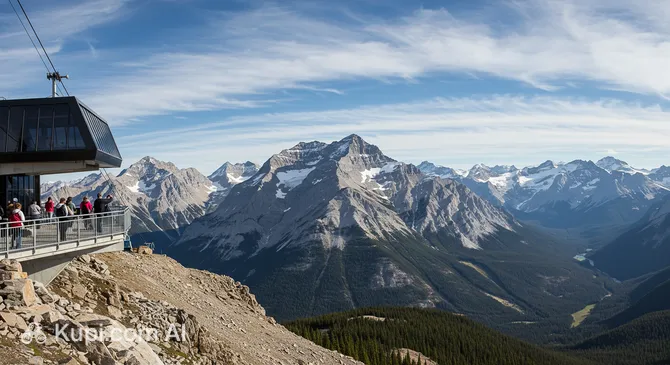
Jasper SkyTram. Source: Kupi.Binoculars
  • The town was not always called Jasper; it was originally established in 1911 as a railway siding named Fitzhugh. It was later renamed to honour Jasper Haws, a North West Company clerk who managed a trading post in the valley during the early 19th century.

  • The Jasper SkyTram holds the title of being the longest and highest guided aerial tramway in Canada. It whisks passengers up Whistlers Mountain to an elevation of 2,263 meters, offering views that extend to the tip of Mount Robson on a clear day.

  • This region has a touch of Hollywood glamour, having served as the filming location for the 1954 classic River of No Return. Screen icons Marilyn Monroe and Robert Mitchum spent time here capturing the dramatic backdrop of the local rivers and peaks.

  • While the park is a famous Dark Sky Preserve, the Jasper Planetarium enhances this experience with the largest telescope in the Canadian Rockies. This allows visitors to view distant galaxies and constellations with unmatched clarity right from the town.

How to Get There

Reaching this scenic mountain destination requires a bit of planning, as it is tucked away in the heart of the Rockies. To help you organize your journey, you can read more about how to get to Jasper and explore the various transport options available. The drive itself is often considered part of the adventure, offering spectacular views of the Canadian wilderness.

The town does not have its own commercial airport. Travelers often utilize regional hubs such as Grande Prairie Airport (YQU), located approximately 262 km away. The drive from Grande Prairie typically takes around 3 to 4 hours, depending on road conditions. Another option is Kamloops Airport (YKA), situated roughly 291 km from Jasper. The journey by road from Kamloops usually takes between 3 and 4 hours, guiding you through picturesque landscapes.

For your convenience, here is a summary of the nearby regional airports:

Airport Name City Passenger Traffic Km from City
Kamloops Airport Kamloops Medium 291.4
Grande Prairie Airport Grande Prairie Medium 261.8
Williams Lake Airport Williams Lake Small 280.2

If you prefer a more relaxing mode of transport, Jasper is well-connected by rail and serves as a significant hub in the Canadian Rockies. The historic Jasper Train Station is located right in the town center. Visitors can arrive in style aboard VIA Rail, which connects Jasper to major cities like Vancouver and Edmonton, or experience the luxury of the Rocky Mountaineer, which offers daylight sightseeing journeys through the mountains.

Main Attractions

Jasper offers a diverse array of experiences, ranging from breathtaking high-altitude vistas to immersive historical tours. A visit to this alpine town would not be complete without a ride on the Jasper SkyTram. As the longest and highest guided aerial tramway in Canada, it transports guests up Whistlers Mountain, providing unparalleled panoramic views of six mountain ranges, glacial lakes, and the town below. It is the perfect starting point for hiking the alpine tundra or simply soaking in the grandeur of the Rockies from the summit boardwalk.

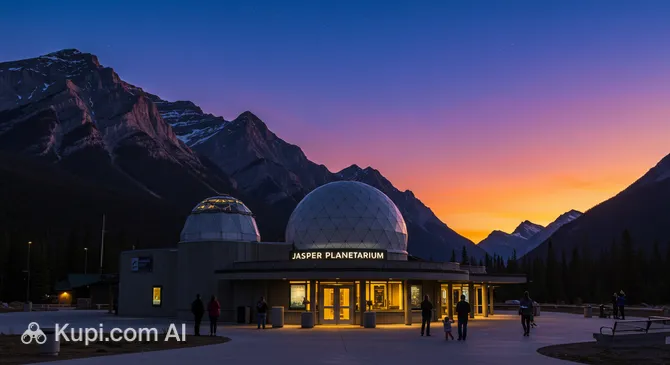
For those fascinated by the cosmos, the Jasper Planetarium is a must-visit destination. Located within one of the world's largest accessible Dark Sky Preserves, this attraction offers an interactive tour of the universe. Visitors can gaze through the most powerful telescopes in the Rockies to see distant galaxies, constellations, and auroras, making it an educational and magical experience for all ages.

Jasper Planetarium. Source: Kupi.Binoculars

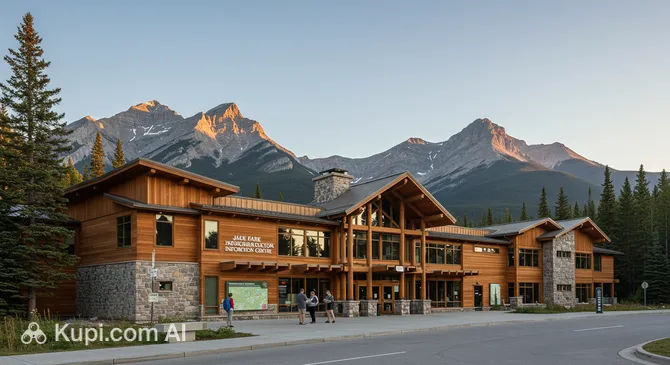
In the centre of town, the Jasper Park Information Centre stands as a landmark of local history and rustic architecture. Built in 1913, this National Historic Site is one of the finest examples of the "rustic style" of architecture in Canada's national parks. Beyond its beauty, it serves as a helpful hub where you can learn about the park's heritage, pick up trail maps, and get expert advice on how to spend your days in the wilderness.

Jasper Park Information Centre. Source: Kupi.Binoculars

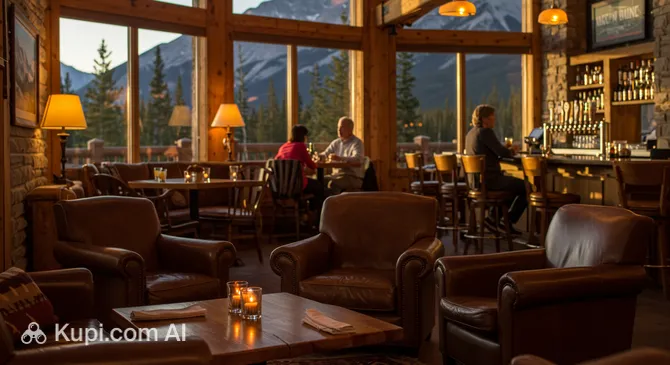
After a day of exploration, the town's culinary scene offers a delightful way to unwind. The Raven Bistro is a popular choice among locals and visitors alike, known for its fusion of Mediterranean and local flavours. Whether you are looking for a hearty meal or a light snack, the intimate atmosphere and creative menu provide a cozy retreat from the outdoor elements.

The Raven Bistro. Source: Kupi.Binoculars

Local Cuisine

The culinary landscape in Jasper is a delightful reflection of its rugged, alpine surroundings. The town offers a hearty and unpretentious dining scene that focuses on locally sourced ingredients and comfort food designed to fuel mountain adventures. Visitors should definitely try game meats, which are a staple here; dishes featuring bison, elk, and venison are commonly found on menus, served as burgers, steaks, or rich stews. For a truly Canadian experience, do not miss out on poutine—crispy fries topped with cheese curds and smothered in savory gravy.

When it comes to beverages, Jasper boasts a vibrant craft beer culture. Many local establishments take pride in serving beers brewed with pure glacial water, offering a refreshing taste of the Rockies. If you prefer cocktails, the Caesar is a must-try national drink, typically made with vodka, clamato juice, hot sauce, and Worcestershire sauce, often garnished with a celery stalk or even a pickled bean. It is the perfect savory accompaniment to a casual meal.

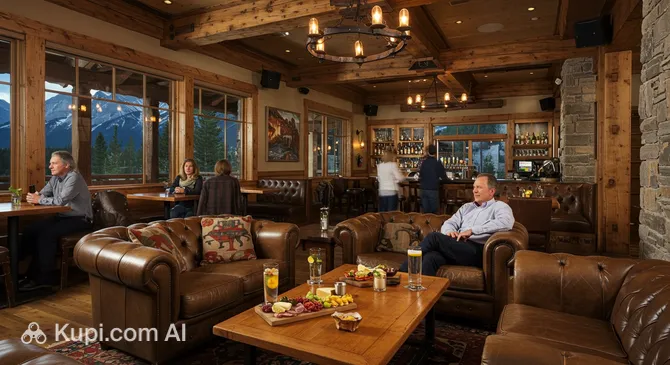
The dining atmosphere in town ranges from cozy, rustic pubs to scenic lodge restaurants. For a lively environment where you can enjoy live music and a spirited crowd, the Mad Grizzly Bistro Bar is a fantastic choice. It captures the essence of the town's social life, making it a great spot to relax after a day of hiking or skiing.

Mad Grizzly Bistro Bar. Source: Kupi.Binoculars

For those seeking a classic pub experience, the Whistle Stop Pub offers a welcoming vibe with a wide selection of drinks and pub grub. It is a favorite haunt for both locals and tourists looking to exchange stories over a pint. Alternatively, if you are looking for a dining experience that combines gourmet food with breathtaking views of the Athabasca River, Becker's Chalets provides a memorable setting just a short drive from the town site.

Whether you are grabbing a quick bite from a bakery before hitting the trails or settling in for a multi-course dinner, Jasper's food scene is defined by its warm hospitality and connection to nature. The emphasis here is on high-quality, filling meals that celebrate the flavours of Alberta.

Travel Tips

Preparing for a trip to Jasper means getting ready for an unforgettable adventure in the heart of the Canadian Rockies. To help you make the most of your visit and navigate this alpine town with ease, we have compiled a list of essential practical tips for a smooth and enjoyable experience.

  1. Clothing and Gear: The golden rule in the mountains is to dress in layers. Even in summer, temperatures can drop significantly at night or at higher elevations, so bring a waterproof jacket and a warm fleece. For winter visits, heavy parkas, thermal layers, and insulated boots are non-negotiable. Comfortable, sturdy hiking boots are a must for exploring the trails. There is no strict dress code in town; the vibe is distinctly casual and outdoor-focused, so functional gear fits right in everywhere.
  2. Transportation: While the town centre of Jasper is compact and easily walkable, exploring the vast surrounding national park is best done by car. Renting a vehicle gives you the freedom to visit distant attractions like Maligne Lake or Mount Edith Cavell at your own pace. There is no metro or tram system, but seasonal shuttles do run to major tourist sites. Taxis are available, though ride-hailing availability can be limited compared to major cities.
  3. Finances: The local currency is the Canadian Dollar (CAD). Credit and debit cards (Visa and Mastercard) are widely accepted at hotels, restaurants, and shops. ATMs are readily available within the townsite. Tipping is customary in Canada; expect to leave 15% to 20% of the bill at restaurants and bars, and a small tip for taxi drivers and hotel staff.
  4. Health and Safety: Jasper is generally very safe, but the wilderness poses its own risks. Always carry bear spray when hiking and know how to use it. For medical needs, the Seton-Jasper Healthcare Centre provides emergency services, and there are pharmacies in town for minor ailments. In an emergency, dial 911. Be aware that weather conditions can change rapidly, so always check forecasts before heading into the backcountry.
  5. Communication: English is the primary language spoken in Jasper. Free Wi-Fi is standard in most hotels, cafes, and the visitor information centre. However, be prepared for cellular service to be spotty or non-existent once you drive a few kilometres out of town or hike into the mountains. Downloading offline maps and trail guides beforehand is highly recommended.
  6. Local Etiquette: The local culture is friendly and laid-back; a smile and a greeting go a long way. The most important rule of etiquette here concerns nature: practice "Leave No Trace" principles by packing out all trash and staying on designated trails. Respect for wildlife is paramount—always maintain a safe distance (at least 100 metres for bears and wolves, 30 metres for elk and deer).
  7. What to Avoid: Never, under any circumstances, feed the wildlife. It is illegal and dangerous for both you and the animal. Also, avoid stopping your car in the middle of the road to take photos of wildlife ("bear jams"); always pull over safely into a designated turnout to prevent accidents and traffic congestion.
  8. Park Pass Requirement: Remember that Jasper is located inside a National Park. You are required to purchase a Parks Canada Pass for every day you spend in the park. Passes can be bought at the park gates upon entry or at the visitor centre in town. Display it on your vehicle's dashboard to avoid fines.

By keeping these tips in mind, you will be well-equipped to enjoy everything Jasper has to offer, from its culinary delights to its majestic peaks. We hope you have a safe journey and create lasting memories in this spectacular corner of Alberta.

Entertainment & Nightlife

Nightlife in Jasper is a reflection of its laid-back, alpine spirit. You will not find sprawling nightclubs or neon-lit boulevards here; instead, the town offers a cozy and vibrant "après-adventure" scene. The atmosphere is incredibly welcoming, dominated by rustic pubs, fireside lounges, and lively bars where locals and visitors mingle to share stories of their day in the mountains.

The heart of the evening entertainment is concentrated along Connaught Drive and Patricia Street. These two main thoroughfares are easily walkable and host the majority of the town's dining and drinking establishments. In the evenings, the streets come alive with a friendly buzz, making it easy to hop from one venue to another without the need for transportation.

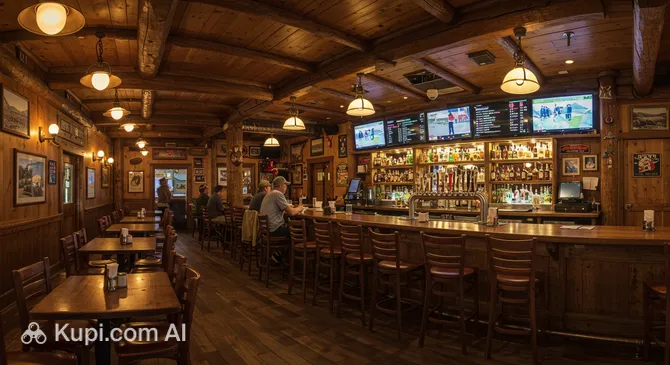
Whistle Stop Pub. Source: Kupi.Binoculars

For a quintessential local experience, the Whistle Stop Pub is a favorite gathering spot. Known for its extensive selection of beers on tap and casual vibe, it is the perfect place to unwind. The pub often hosts live music nights, creating a spirited atmosphere where you can enjoy local talent while sipping on a pint of Canadian craft ale.

If you are looking for something a bit more energetic later in the night, the Mad Grizzly Bistro Bar is one of the few spots in town that stays open late and offers a dance floor. It attracts a mix of younger travelers and seasonal workers, often featuring DJs or live bands that keep the energy high well past midnight. It is the go-to destination if you want to dance and socialize in a rustic yet lively setting.

For a completely different kind of evening entertainment, look to the skies. As a designated Dark Sky Preserve, Jasper offers world-class stargazing. The Jasper Planetarium provides fascinating evening tours where you can explore the cosmos through powerful telescopes. It is a quieter, awe-inspiring alternative to the bar scene and is suitable for all ages.

Practicality is key when enjoying a night out in Jasper. The dress code is almost universally casual; jeans, flannel shirts, and hiking boots are the norm, even in the evening. Prices for drinks and cover charges are generally moderate compared to big cities. While the town is very safe for walking at night, always stay alert for wildlife—elk and deer frequently roam the streets after dark. Taxis are available if you are staying outside the main townsite, but it is best to call for one in advance as they can be busy during peak hours.

During the daylight hours, entertainment shifts towards culture and history. While you won't find large amusement parks, the town offers charming alternatives like the local museum and art galleries showcasing regional works. The historic Jasper Park Information Centre itself serves as a cultural hub, offering insights into the park's history amidst its beautiful gardens, perfect for a relaxing afternoon stroll.

Parks & Museums

Parks and Museums

While the entire town is enveloped by the majestic Jasper National Park, the community itself offers curated green spaces and cultural venues that celebrate the region's rich heritage. Visitors can easily transition from exploring the wild backcountry to enjoying manicured gardens and educational exhibits that tell the story of the people who tamed this rugged landscape.

Within the townsite, Centennial Park serves as a central gathering place for families and locals. This expansive green area features a playground, sports fields, and picnic spots, making it an ideal location for a relaxing afternoon with a view of the mountains. For a more immersive natural experience just minutes from the streets, the Discovery Trail offers an accessible loop around the town. It provides a gentle introduction to the local flora and fauna, functioning as a "living park" where you can stretch your legs without venturing deep into the wilderness.

For those interested in the cultural fabric of the Rockies, the Jasper Yellowhead Museum & Archives is the premier destination. This facility chronicles the human history of the Athabasca Valley, from early Indigenous inhabitants and fur traders to the railway workers who built the town. It houses fascinating artifacts and rotating art exhibits that reflect the spirit of mountain life. Art enthusiasts should also seek out the Mountain Galleries, often located within the Fairmont Jasper Park Lodge, which showcases fine art by Canadian artists capturing the beauty of the north and west.

Science and nature converge at the Jasper Planetarium. Although often highlighted for its evening stargazing, it functions as an interactive science centre where visitors can learn about the celestial history of the region. The exhibits here explain why Jasper is one of the world's most significant Dark Sky Preserves, offering a unique educational perspective that complements the outdoor experience.

Architecturally, the town is anchored by the historic Jasper Park Information Centre. Built in 1913, this National Historic Site is a masterpiece of the rustic design style that defines Canada's national parks. Its stone and timber construction fits seamlessly into the landscape, and the surrounding gardens are meticulously maintained, offering a perfect example of how the built environment can harmonize with nature.

For a quieter, authentic experience, take a stroll to the Old Fire Hall, a charming heritage building that often goes unnoticed by the crowds. Another insider tip is to walk along the banks of the Athabasca River on the edge of town during the early morning; the mist rising off the water combined with the silence of the valley creates a gallery-worthy scene that no museum can replicate.

Getting Around

Due to its compact size and location within a national park, the public transport system in Jasper is quite different from what you might find in a large metropolis. There is no metro, tram, or trolleybus network here. Instead, the town relies on a simplified bus service and a network of shuttles designed primarily to move visitors between the town centre, popular campgrounds, and key scenic areas. The Jasper Transit system is the main public option, operating modern buses that are easy to spot and convenient for short trips within the immediate vicinity.

For payment, the system is designed to be user-friendly for tourists. Fares for the public bus are generally inexpensive and can often be paid directly to the driver using exact cash or, increasingly, contactless credit and debit cards. There are no complex zonal travel passes or smart cards like in big cities. If you plan to use private sightseeing shuttles to reach distant attractions like Maligne Lake, it is advisable to book tickets in advance online or at ticket counters in town, as prices vary by operator and tour length.

A key piece of advice for using transport here is to be aware of seasonality. The public bus service typically operates with higher frequency and more routes during the peak summer months (usually May to October) to accommodate the influx of visitors staying at campgrounds like Whistlers and Wapiti. Operating hours generally run from morning until late evening during this period. You can find the most up-to-date schedules and purchase tickets at the Jasper Park Information Centre in the heart of town, or look for schedule postings at designated bus stops.

Given the town's small footprint, alternatives to public transport are very popular. Walking is the best way to explore the downtown area, as most shops and restaurants are concentrated along two main streets. For reaching trailheads or lakes outside the bus routes, renting a car is the most common choice, offering the freedom to explore at your own pace. Taxis are available but can be in high demand during dinner hours; it is often better to call ahead than to try and hail one on the street. Cycling is another fantastic option, with several local shops offering bike rentals for navigating the town and surrounding trails.

While not a mode of urban commuting, the town boasts two special transport features worth noting. The historic Jasper Train Station serves as a grand arrival point for intercity rail travelers and is a landmark in its own right. Additionally, the Jasper SkyTram functions as a recreational cable car. Although it is an attraction rather than public transit, it provides the only mechanized way to ascend Whistlers Mountain rapidly, offering a unique "commute" to the alpine tundra high above the valley floor.

Accommodation

Finding a place to stay in Jasper is part of the adventure, as the options are distinctively different from typical city lodgings. Due to strict building regulations within the National Park, you will not find high-rise hotel towers here. Instead, the accommodation landscape is characterized by rustic charm, ranging from cozy heritage cabins and family-run motels to upscale wilderness lodges. For budget-conscious travelers, there are well-maintained hostels and numerous campgrounds, though these fill up remarkably fast.

Most visitors choose between two primary areas when selecting their base. The Town Centre is the most convenient choice, particularly for those arriving by train or traveling without a car. Staying here puts you within easy walking distance of dining, shopping, and local amenities. Conversely, the Outlying Areas offer a more secluded experience. Lodgings located along the Athabasca River or tucked into the forest provide a peaceful retreat and stunning views, though they are best suited for those with a vehicle.

For those seeking a classic Canadian Rockies experience, Becker's Chalets is a standout choice. Situated a short drive from the main town, this resort features individual cabins spread along the banks of the Athabasca River. It offers the perfect balance of comfort and wilderness, allowing guests to enjoy the sounds of the river and potential wildlife sightings right from their doorstep.

Becker's Chalets. Source: Kupi.Binoculars

Booking Tip: The demand for accommodation in Jasper far exceeds the supply, especially during the peak summer season from June to September. It is crucial to book your stay well in advance—often 4 to 6 months ahead of your trip. Relying on last-minute availability is risky and often results in finding no vacancies within the park.

Regarding costs, visitors should be prepared for higher price points typical of a premier mountain destination. While camping and hostels offer budget-friendly rates, mid-range hotels and private cabins can be pricey due to their prime location. Booking can be done through major online travel agencies, but for specific cabin rentals or campsites, it is often best to book directly through the provider or the Parks Canada reservation system.

Nearby Cities

For those looking to explore the surroundings, Jasper serves as an excellent base for day trips to several interesting nearby locations:

Traveling southwest through the scenic Yellowhead Highway and then south, Kamloops offers a dramatic change in landscape. Known for its unique semi-arid climate, rolling grasslands, and sandstone hoodoos, it provides a stark contrast to the alpine forests of Jasper. It is a vibrant hub for outdoor enthusiasts, particularly famous for its world-class mountain biking trails and the rich cultural heritage of the Secwépemc people.

To the north lies Grande Prairie, a city that acts as the gateway to the Peace Region. This area is renowned for its deep paleontological history. A visit here often includes a stop at the nearby dinosaur museums, where you can explore the ancient past of the province. The journey itself takes you through a transition of terrain from rugged peaks to the rolling foothills and vast boreal forests.

For a lakeside retreat, Salmon Arm offers a charming atmosphere on the shores of Shuswap Lake. It is a popular destination for those who enjoy water activities, from boating to swimming, or simply walking along the longest wooden wharf in North America. The lush surroundings and warmer climate make it a refreshing stop for a short visit.

City Population Distance (km)
Kamloops 100046 290
Grande Prairie 63166 260
Spruce Grove 34066 288
Salmon Arm 17706 256
Stony Plain 17189 282

These nearby destinations offer a glimpse into the diverse culture and landscapes of the region.

Shopping & Souvenirs

Shopping:

Shopping in Jasper is a delightful contrast to the frantic pace of large commercial centres. Instead of sprawling mega-malls and international chain stores, you will find a curated selection of locally owned boutiques, outdoor outfitters, and gift shops. The experience is relaxed and walkable, allowing you to browse for unique treasures while surrounded by stunning mountain views. Whether you are looking for high-performance hiking gear or a handcrafted memento, the town offers high-quality options that reflect its alpine heritage.

The retail heartbeat of the town is concentrated on two parallel streets: Connaught Drive and Patricia Street. Connaught Drive, facing the railway station and the green expanse of the park, is lined with souvenir shops and clothing stores. One block over, Patricia Street offers a slightly quieter atmosphere with specialty boutiques, art galleries, and cafes. These two streets are easily explored on foot, making it simple to visit multiple shops in a single afternoon stroll.

Travelers accustomed to massive shopping complexes should be aware that Jasper does not have large shopping malls. The town has maintained its small-town charm by avoiding large-scale commercial developments. Instead, you might find small arcades or plazas that house a cluster of independent businesses under one roof, but the primary shopping experience is distinctly street-side and boutique-focused.

For a taste of local life, the Jasper Farmers' Market is a highlight during the summer months. Typically held on Wednesdays from June to September near the McCready Centre, this market features vendors selling fresh local produce, baked goods, and handmade crafts. It is an excellent place to meet local artisans and purchase one-of-a-kind items, from handmade jewelry to locally produced honey, directly from the makers.

When it comes to souvenirs, Jasper offers items that are both beautiful and practical. Given the location, high-quality outdoor gear and technical clothing are popular purchases, with local outfitters stocking top-tier brands suitable for the rugged Rockies. For more traditional gifts, look for Canadian jade jewelry, Indigenous art and moccasins, or artwork depicting the local wildlife. "Jasper the Bear" merchandise is also a nostalgic favorite for many visitors.

Store opening hours generally run from 10:00 AM to 6:00 PM, though many shops extend their hours significantly during the peak summer tourist season to accommodate evening strollers. Major credit cards and debit cards are universally accepted, and contactless payment is standard. Cash is also welcome, but rarely strictly necessary.

One of the most significant advantages of shopping in Jasper is the tax benefit. Because the town is located in the province of Alberta, there is no Provincial Sales Tax (PST). Shoppers only pay the 5% federal Goods and Services Tax (GST) on most purchases. This makes luxury items, clothing, and souvenirs noticeably cheaper here than in other Canadian provinces like British Columbia or Ontario, offering a nice bonus for your travel budget.

Reached the end of the page?

That means the route is fully explored