Support

Yellowknife

About

Welcome to Yellowknife, the vibrant capital of the Northwest Territories and a gateway to the true wilderness of the North. This unique city offers an unforgettable blend of urban amenities and raw natural beauty, making it a bucket-list destination for adventurers from around the globe.

Situated on the northern shore of the massive Great Slave Lake, the deepest lake in North America, the city is located approximately 400 kilometers south of the Arctic Circle. Despite its relatively small population of around 20,000 residents, it serves as a crucial cultural and economic hub for this vast region of Canada. The climate here is subarctic, offering long, sunny summer days and crisp, snowy winters that transform the landscape into a wonderland.

Yellowknife. Source: Kupi.Binoculars

The city has a rich past, evolving from a modest mining outpost into a modern "Diamond Capital of North America." You can delve deeper into the history of Yellowknife to discover how the gold rush era and the legendary bush pilots shaped the character of this resilient community. Today, that pioneering spirit is still felt in the historic Old Town, where rustic heritage buildings stand alongside contemporary local businesses.

Yellowknife is perhaps most famous for being one of the best places on Earth to view the Aurora Borealis. During the winter months, the clear, dark skies provide a perfect canvas for the dancing Northern Lights, drawing visitors who wish to witness this spectacular natural phenomenon. Whether you are exploring the scenic trails around the lake or enjoying the midnight sun in summer, Yellowknife promises an authentic northern experience that is sure to captivate you.

Weather Overview

Understanding the local climate is essential for planning a successful trip to this northern destination. The winter months are characteristically long and intensely cold, with average temperatures in January and February hovering around -24°C and minimums dropping as low as -28°C. Despite the extreme chill, the air remains very dry during this season, with almost negligible precipitation.

In contrast, the summer season brings a pleasant transformation, offering mild conditions ideal for exploring the outdoors. July is typically the warmest month, featuring an average temperature of 17.7°C and daytime highs reaching 21.4°C. While rainfall is generally low throughout the year, August sees slightly more moisture with about 11 wet days.

To help you pack the right gear, it is helpful to review the specific weather in Yellowknife for your travel dates. Overall, you can expect warm, comfortable summers with occasional rain and very cold, dry winters that require heavy thermal clothing.

Interesting Facts

Beyond the main attractions, Yellowknife holds many fascinating secrets that showcase its quirky character and resilient spirit. Here are a few unique details about this northern capital that might surprise you.

Bush Pilots Monument. Source: Kupi.Binoculars
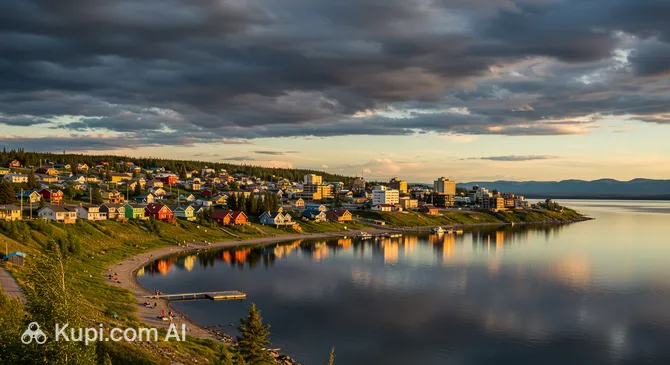
  • The city is famous for its colorful "Houseboat Bay" on Great Slave Lake, where residents live in floating homes year-round. These unique dwellings are entirely off-grid; they bob on the water during the summer and freeze solidly into the ice during the winter.

  • Yellowknife boasts a street with the unforgettable name of "Ragged Ass Road" in the historic Old Town. It was humorously named by local prospectors to describe their financial state during a tough mining season, and today the street sign is one of the most photographed spots in town.

  • Aviation plays a critical role in the history of the Northwest Territories, serving as a lifeline to remote communities. This legacy is immortalized at the Bush Pilots Monument, which sits atop a high rock and offers the best panoramic views of the city and the surrounding lakes.

  • Despite its reputation for extreme cold, Yellowknife is statistically one of the sunniest cities in Canada. The summer months bring almost constant daylight, known as the "Midnight Sun," allowing for outdoor adventures at virtually any hour of the day or night.

How to Get There

Reaching this northern capital is an adventure in itself, with air travel being the most practical and popular method for visitors. As the city is remote, flying offers the quickest access to the spectacular wilderness of the Northwest Territories. You can find detailed information on all ways to reach the city on our dedicated page.

The primary entry point for travelers is the Yellowknife Airport (YZF). It is the busiest transport hub in northern Canada and serves as the main gateway to the region. Located conveniently within the city limits, the airport is only about 3.7 km from the city center. A trip by taxi or shuttle bus is very quick, typically taking just 5 to 10 minutes to reach downtown hotels. With a passenger volume that reflects its status as a key regional hub, it offers essential amenities and regular connections to major southern cities.

Alternatively, some travelers might find themselves routing through Hay River airport (YHY). Please note that this airport is not located in Yellowknife but in the city of Hay River. While the airport is approximately 195 km away in a straight line, the actual driving route around the lake is significantly longer, totaling around 480 km. Due to this routing, ground transport from Hay River to Yellowknife is a long journey, estimated to take about 5 hours. This facility is much smaller and generally serves local traffic, making it a less common choice for direct tourist arrivals to the capital.

For clarity, here is a summary of the main airports:

Airport Name City Passenger Traffic Km from City
Yellowknife Airport Yellowknife Medium 3.7
Hay River Hay River Small 194.8

Main Attractions

Yellowknife offers a fascinating array of attractions that blend its rugged mining history with rich Indigenous culture and stunning natural landscapes. Whether you are interested in exploring local heritage or simply soaking in the panoramic views, the city provides several unique spots that are well worth a visit.

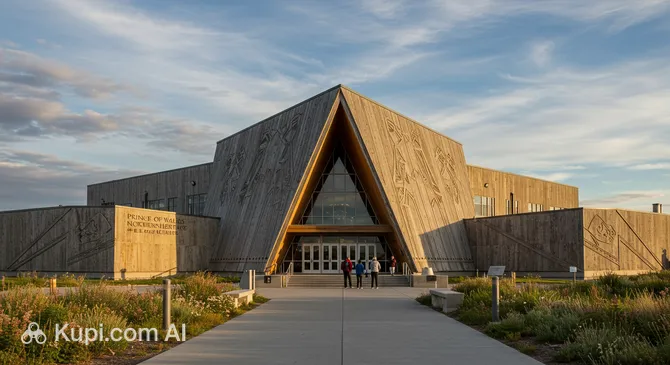
One of the premier cultural institutions in the region is the Prince of Wales Northern Heritage Centre. Located on the picturesque shores of Frame Lake, this facility serves as both the official museum and archives for the Northwest Territories. Visitors can wander through immersive exhibits that detail the area's ecology, the history of the gold rush, and the diverse traditions of the Dene and Inuit peoples. It is an excellent starting point for understanding the deep roots of the community.

Prince of Wales Northern Heritage Centre. Source: Kupi.Binoculars

For those seeking the best vantage point in the city, the Bush Pilots Monument is an essential stop. Perched high atop "The Rock" in the center of the Old Town, this pillar honors the courageous aviators who opened up the Canadian North to the rest of the world. After climbing the stairs to the top, you are rewarded with sweeping 360-degree views of the colorful houseboats on Great Slave Lake, the bustling floatplane base, and the city skyline.

A stroll through Old Town allows you to step back in time and experience the city's pioneer origins. This historic district is a maze of winding lanes, log cabins, and shacks built directly onto the bedrock. It is a vibrant neighborhood filled with character, featuring eclectic local shops, galleries, and some of the city's most famous restaurants. Walking here offers a stark and charming contrast to the modern high-rises found in the newer downtown core.

Another architectural gem is the Legislative Assembly of the Northwest Territories. This striking building is designed to reflect the landscape and people it serves, featuring a circular chamber inspired by the shape of an igloo and utilizing natural materials like zinc and maple. Visitors can take guided tours to learn about the consensus style of government unique to the territory and view the impressive collection of northern art housed within its walls.

Local Cuisine

The culinary scene in Yellowknife is a delightful surprise, offering a unique "Northern" gastronomy that relies heavily on fresh, locally sourced ingredients. Due to its location on the shores of the Great Slave Lake and proximity to the wilderness, the city's cuisine is defined by its access to some of the best freshwater fish and wild game in North America. Visitors can expect hearty, warming meals designed to fuel adventures in the subarctic climate.

The absolute star of the local menu is fresh fish caught directly from the deep, cold waters of the lake. Pan-fried Pickerel (Walleye) and Whitefish are staples found in almost every local restaurant. These are typically served lightly battered or grilled with simple seasonings to let the delicate flavor shine, often accompanied by a heap of fries or fresh vegetables. For a true taste of the North, look for dishes featuring Arctic Char or the massive Lake Trout, which are prized for their rich texture.

For those with an adventurous palate, Yellowknife offers the chance to try wild game meats that are rarely found elsewhere. Bison and Muskox are popular choices, often served as burgers, steaks, or in rich, savory stews. Bison meat is leaner than beef with a slightly sweeter taste, while muskox has a distinct, intense flavor. These meats are frequently paired with Bannock, a traditional Indigenous quick bread. Whether baked or fried, this dense and filling bread is a comfort food staple, served with jams, stews, or even used as a bun for game burgers.

When it comes to drinks, the city has a burgeoning craft beverage scene. The local brewing culture is strong, with the northernmost brewery in Canada producing excellent craft beers that incorporate local ingredients like spruce tips. In the colder months, the focus shifts to warming beverages; coffee culture is huge here, and you will find locals huddled in cozy cafes enjoying high-quality roasts. While not a drink, the "midnight sun" in summer creates a lively patio culture where people enjoy cocktails late into the bright evening.

The dining atmosphere in Yellowknife is casual and unpretentious, with a mix of modern bistros in the downtown core and rustic, historic eateries in Old Town. This historic district is particularly famous for its legendary fish shacks and log-cabin restaurants, some of which are located just a stone's throw from the Bush Pilots Monument. Here, you can enjoy a world-class meal in a building that might be decades old, surrounded by the memorabilia of bush pilots and prospectors, adding a layer of history to your dining experience.

Travel Tips

Planning a trip to Yellowknife requires some specific preparation due to its subarctic location and unique northern lifestyle. Here are some practical tips to ensure your visit to this remote capital is safe, comfortable, and truly memorable.

  1. Clothing and Gear: Your packing list depends entirely on the season. In winter, "arctic grade" gear is non-negotiable; you will need a heavy parka, windproof pants, and boots rated for at least -30°C (rental gear is available locally). In summer, bring layers as the weather can change rapidly, and definitely pack high-quality insect repellent and a head net, as mosquitoes and black flies can be intense in the wilderness.
  2. Transportation: While the downtown area is walkable, the city is spread out, especially between the modern center and the historic Old Town. Taxis are the most reliable way to get around if you do not have a vehicle. However, renting a car is highly recommended if you want the freedom to drive the Ingraham Trail for aurora viewing or hiking at your own pace.
  3. Finances: The local currency is the Canadian Dollar (CAD). Credit and debit cards are widely accepted almost everywhere, including most taxis. However, prices for food and groceries are generally higher than in southern Canada due to transportation costs, so budget accordingly. Tipping 15-20% at restaurants and for tour guides is standard practice.
  4. Health and Safety: The primary safety concern is the extreme environment. In winter, cover all exposed skin to prevent frostbite, which can occur in minutes. The Stanton Territorial Hospital is fully equipped for emergencies, and pharmacies are available downtown, though they typically close in the evening.
  5. Communication: English is the main language spoken throughout the city, although you may hear French and various Indigenous languages. Wi-Fi is standard in hotels and cafes, but be aware that cell phone signal drops off very quickly once you leave the city limits—download offline maps before heading out.
  6. Local Etiquette: Yellowknife has a friendly, small-town vibe where people often greet strangers on the street. It is customary to remove your shoes when entering a private home. Respect for the land is paramount; leave no trace when hiking or camping, and be mindful of local Indigenous traditions and private property.
  7. What to Avoid: Do not venture onto the frozen Great Slave Lake unless you are on a designated ice road or a marked trail. Ice thickness varies, and wandering off the beaten path can be dangerous. Additionally, avoid complaining about the cold or the prices to locals—it is part of the reality of life in the North, and they handle it with pride.
  8. Additional Tip: If you are here for the Northern Lights, download an aurora forecast app to track solar activity and cloud cover in real-time. Also, keep in mind that liquor stores have restricted hours and are closed on Sundays and statutory holidays, so plan ahead if you want to enjoy a drink.

With these tips in mind, you are well-equipped to embrace the adventure of the North without worry. Whether you are chasing the dancing lights in winter or enjoying the endless daylight of summer, being well-prepared will allow you to focus entirely on the magic of Yellowknife.

Entertainment & Nightlife

Entertainment and Nightlife:

Nightlife in Yellowknife is legendary, though perhaps not in the way you might expect from a typical capital city. Instead of glitzy nightclubs with strict dress codes, you will find a warm, rowdy, and incredibly welcoming pub culture. The scene here is concentrated mostly along Franklin Avenue in the downtown core and the historic Old Town. The atmosphere is distinctively "Northern"—unpretentious, lively, and filled with stories. It is a place where locals, diamond miners, and tourists mingle freely, often bonding over live music and local brews.

For a truly iconic experience, you cannot visit the city without stopping by The Gold Range. Often affectionately called "The Strange Range," this historic hotel bar is a cornerstone of local culture. It is famous for its live bands, dancing, and diverse crowd. If you are looking for a classic pub vibe, The Black Knight Pub on 49th Street is the go-to spot for locals. It offers a Scottish-style atmosphere with plenty of draft beers and is often the busiest place in town on a Friday night. For craft beer enthusiasts, The Woodyard Brewhouse (part of the NWT Brewing Company) in Old Town offers a more modern, rustic setting to enjoy locally made ales and good food.

The dress code almost everywhere is strictly casual. In the winter, it is perfectly normal to see patrons dancing in heavy boots and snow pants, while jeans and flannel are standard year-round. Most venues stay open until 2:00 AM. Prices are generally higher than in southern cities due to the remote location, with a pint of beer costing a bit more than you might be used to. However, the portions are usually generous, and the hospitality is top-notch.

Safety is generally not a major concern in the main entertainment districts, but common sense applies. The downtown area is compact and walkable, but during the winter, the extreme cold makes walking long distances dangerous. It is highly recommended to use a taxi to get between downtown and Old Town or back to your hotel. Cabs are plentiful and can be hailed on the street or called easily; they are the safest and warmest way to end your night.

Of course, for many visitors, the ultimate "nightlife" in Yellowknife involves looking up. During the aurora season, the city empties out as people head to darker spots to view the Northern Lights. However, if you are looking for daytime entertainment before the evening festivities begin, the city has plenty to offer. You can immerse yourself in local history at the Prince of Wales Northern Heritage Centre, which frequently hosts cultural events and art displays. For a breath of fresh air and a scenic start to your evening, a climb up the Bush Pilots Monument offers stunning sunset views over the lake before you head out for dinner and drinks.

Parks & Museums

Yellowknife seamlessly integrates urban life with the wild beauty of the subarctic, offering visitors a rich tapestry of green spaces and cultural institutions. The city is designed to embrace its natural surroundings, with trails and parks weaving through the downtown core, while its museums and landmarks proudly display the unique heritage of the North.

For nature lovers, Fred Henne Territorial Park is a standout destination located just on the edge of the city. In the summer, its sandy beach on Long Lake is a popular spot for swimming and picnicking under the midnight sun. The park also features a network of hiking trails that traverse ancient rock outcrops, offering a glimpse of the rugged terrain that defines the region. Another essential green space is the Somba K'e Civic Plaza, situated right in the heart of downtown along the shore of Frame Lake. This well-maintained park serves as the community's gathering place, hosting concerts and festivals, and provides a peaceful setting for a lakeside stroll.

When it comes to culture and history, the Prince of Wales Northern Heritage Centre is the crown jewel of the city. Far more than just a museum, it is a comprehensive archive and exhibition space that tells the story of the Northwest Territories. Visitors can explore galleries dedicated to the Dene and Inuvialuit cultures, the history of aviation, and the diverse wildlife of the arctic. Admission is free, making it an accessible and educational stop for everyone.

Art enthusiasts should also visit the Legislative Assembly of the Northwest Territories. While it is a functioning government building, it doubles as an impressive cultural venue. The building houses a significant collection of northern art, including intricate beadwork, carvings, and paintings by local artists. The architecture itself is a masterpiece, designed to reflect the open and inclusive style of the territory's consensus government.

History is etched into the landscape of Yellowknife, most notably at the Bush Pilots Monument. This site commemorates the brave aviators who connected remote northern communities to the rest of the world. Beyond its historical significance, the monument offers the best panoramic views of the city, Old Town, and the vast expanse of Great Slave Lake. Nearby, the historic Wildcat Cafe stands as a living relic of the mining boom era. This rustic log cabin, one of the oldest buildings in the city, continues to operate as a restaurant, allowing you to dine in a piece of living history.

For a quieter, more authentic nature experience, take a walk around the Niven Lake Trail. Often overlooked by tourists in favor of Frame Lake, this shorter loop is a haven for birdwatchers and offers a tranquil escape just minutes from the city center. It is an excellent spot to see muskrat, beavers, and a variety of waterfowl in their natural habitat.

Getting Around

Public transportation in Yellowknife is straightforward and functional, designed primarily to serve the needs of a compact city with a relatively small population. The system is operated by Yellowknife Transit and consists exclusively of a bus network. There are no subways, trams, or trains in the city. The buses operate on three main routes that connect key residential areas, the downtown core, and the historic Old Town. While the network is not extensive, it provides a reliable way to reach major destinations such as the hospital, the college, and shopping centers.

For payment, the system is quite traditional. You can pay your fare in cash upon boarding, but you must have the exact change in coins, as drivers do not carry cash. Alternatively, you can purchase sheets of tickets or monthly passes, which offer a discount compared to the single cash fare. These passes and tickets are not sold on the bus; you must buy them in advance at designated vendors, which include City Hall, the Fieldhouse, and major local grocery stores or pharmacies. There is currently no "tap-to-pay" card system or mobile app for direct payment on the vehicle.

Tourists should be aware of the operating hours, which can be more limited than in larger metropolitan areas. Buses typically run from early morning until the evening on weekdays, with reduced service on Saturdays. It is important to note that there is no bus service on Sundays or statutory holidays. Because frequencies can vary, especially during off-peak hours, it is highly recommended to check the schedule online or pick up a printed route map at City Hall before planning your day. During the winter, ensure you are dressed warmly while waiting at stops, as temperatures can drop significantly.

Given the limitations of the bus schedule, taxis are an extremely popular and practical alternative, particularly during the cold winter months or for late-night travel. Several local companies operate in the city, and cabs are generally easy to hail downtown or book via telephone. They are reliable, warm, and accept credit cards, making them the preferred choice for many visitors getting to and from the airport or moving between Old Town and the city center after dinner.

For those looking to explore beyond the city limits, such as driving the Ingraham Trail to view the aurora, renting a car is essential. While the city itself is walkable—especially in the summer when the Midnight Sun provides ample daylight—distances can be deceptive, and having your own vehicle offers the most freedom. In the warmer months, biking is also a fantastic option, with paved trails and bike lanes making it easy to navigate the city on two wheels.

Accommodation

Finding the right place to stay in Yellowknife is a key part of planning your northern adventure. The city offers a range of accommodation options that cater to different travel styles, though the selection is smaller than in major metropolitan areas. Visitors can choose from full-service hotels, reliable motels, and a surprising number of charming bed and breakfasts. For a truly unique experience, there are also remote wilderness lodges located just outside the city limits, designed specifically for aurora viewing and immersing yourself in nature.

When choosing a location, most travelers opt for one of two main areas: Downtown or Old Town. Staying in the downtown core places you in the center of the action, within easy walking distance of grocery stores, restaurants, and souvenir shops. This area is home to the larger, high-rise hotels that offer standard amenities like fitness centers and on-site dining. In contrast, the historic Old Town offers a more scenic and rustic atmosphere. Accommodation here tends to be smaller and more intimate, such as guest houses or B&Bs, often providing lovely views of Great Slave Lake and easy access to iconic local eateries.

Price points in Yellowknife are generally higher than in southern destinations due to the higher cost of operating in the North. You can expect mid-range to high prices for most standard hotel rooms, while budget options like hostels are quite limited. Booking can be done easily through major online platforms, but for smaller B&Bs or fishing lodges, contacting the property directly is often the best way to secure a room.

Booking Tip: Accommodation can fill up incredibly fast during peak seasons. If you plan to visit during the prime Aurora Borealis viewing months (late August to September and November to April), it is highly recommended to book your stay several months in advance. The same applies to the height of summer when the Midnight Sun draws visitors from around the world.

Nearby Cities

For those looking to explore the surroundings, Yellowknife serves as an excellent base for day trips to several interesting nearby locations:

Just a short distance from the city lies the community of Dettah, a Yellowknives Dene First Nation settlement. In the winter, it is accessible via a famous 6-kilometer ice road across Yellowknife Bay, offering a unique driving experience on the frozen lake. In the summer, a scenic 27-kilometer drive takes you there. Visitors can experience authentic Dene culture, purchase traditional arts and crafts, and enjoy the peaceful atmosphere of this lakeside community.

For a slightly longer excursion, head northwest to Behchokǫ̀, located approximately an hour's drive (100 km) away. As the largest Tłı̨chǫ community, it sits on the northern arm of Great Slave Lake. It is a fantastic place to learn about the region's Indigenous history and traditions. The drive itself offers opportunities to spot wildlife like wood bison along the highway, making the journey as memorable as the destination.

While true day trips are limited to the immediate vicinity due to the vast distances of the North, travelers planning a longer road trip south will encounter the following major communities. Note that these are significant distances away and serve better as overnight stops rather than single-day excursions:

City Population Distance (km)
Fort McMurray 71589 660
Peace River 6943 713
Fort MacKay 4000 606
Fort Nelson 4000 610
High Level 3570 465

These nearby destinations offer a glimpse into the diverse culture and landscapes of the region.

Shopping & Souvenirs

Shopping in Yellowknife is a unique experience that reflects the city's character as a northern outpost. While you will not find sprawling luxury avenues, you will discover a treasure trove of locally made goods that are impossible to find anywhere else. The city is known as the "Diamond Capital of North America," making it a premier destination for purchasing certified Canadian diamonds. Beyond gemstones, the retail scene focuses heavily on Indigenous art, high-quality cold-weather gear, and handcrafted northern souvenirs.

The main hub for shopping is Downtown Yellowknife, particularly along Franklin Avenue. This central strip is lined with a mix of practical stores, souvenir shops, and local boutiques. For a more artistic and rustic shopping experience, head to the historic Old Town. Here, amidst the log cabins and winding streets, you will find galleries and studios where local artisans sell their creations directly to visitors. It is the perfect place to browse for one-of-a-kind items while soaking in the heritage atmosphere.

If you are looking for indoor shopping, Centre Square Mall is the largest shopping center in the city. Located downtown, it connects to other buildings via skywalks, which is a convenient feature during the cold winter months. Inside, you will find a variety of services, clothing stores, and essential amenities. Another notable spot is the YK Centre, which houses a grocery store and several smaller retail outlets, serving as a practical stop for daily needs.

During the summer months, the Yellowknife Farmers Market is a highlight of the weekly calendar. Held on Tuesday evenings at the Somba K'e Civic Plaza, right next to the Prince of Wales Northern Heritage Centre, this market is a vibrant gathering place. Visitors can browse stalls selling fresh local produce, homemade jams, artisanal crafts, and delicious hot food from local vendors. It is an excellent spot to mingle with locals and pick up unique handmade gifts.

When it comes to souvenirs, Canadian diamonds are the top purchase for many visitors; look for stones that are mined, cut, and polished in the Northwest Territories, often laser-inscribed with a unique polar bear logo. Indigenous art is another must-buy category. You can find exquisite beadwork, traditional birch bark baskets, and carvings made from soapstone or caribou antler. For a taste of the north, pick up a bottle of birch syrup or some locally harvested herbal tea. Practical souvenirs like high-quality mukluks (soft boots) or beaver fur mitts are also popular and functional.

Store hours in Yellowknife are generally from 10:00 AM to 6:00 PM on weekdays and Saturdays. Some larger stores and grocery markets stay open later, often until 9:00 PM or 10:00 PM. On Sundays, many smaller boutiques and independent shops may be closed or operate with reduced hours (typically 12:00 PM to 5:00 PM). Credit and debit cards are widely accepted throughout the city, even at market stalls, though carrying some cash is always a good idea for smaller purchases.

One of the advantages of shopping in Yellowknife is the tax structure. The Northwest Territories does not have a Provincial Sales Tax (PST). You will only be charged the 5% federal Goods and Services Tax (GST) on most purchases. While Canada does not offer a general tax refund program for international tourists, the lower overall tax rate here makes high-value items, such as diamonds or art, comparatively cheaper than in other Canadian provinces.
Nearby cities

Reached the end of the page?

That means the route is fully explored