Support

Elfin Cove

About

Nestled on the northern tip of Chichagof Island in Southeast Alaska, Elfin Cove is a serene and secluded community that offers a truly unique escape from the modern world. This picturesque harbor, located in the United States, is renowned for its protected waters and breathtaking natural beauty. With a year-round population of approximately 20 residents, the village maintains an intimate and friendly atmosphere where everyone knows their neighbors, and visitors are welcomed with genuine hospitality.

One of the most defining characteristics of the area is its lack of paved roads and automobiles. Instead, the community is connected by a charming network of wooden boardwalks that wind through the forest and along the waterfront. Exploring the history of Elfin Cove reveals its long-standing importance as a safe haven for commercial fishermen and a strategic point near the rich fishing grounds of Cross Sound and the Pacific Ocean. The maritime heritage is palpable here, with fishing boats bobbing in the harbor and lodges catering to anglers seeking adventure.
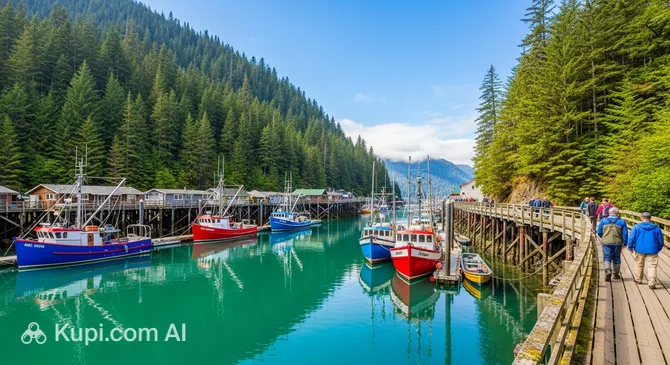
Elfin Cove. Source: Kupi.Binoculars

Travelers are primarily drawn to Elfin Cove for its world-class sport fishing, particularly for halibut and salmon. Beyond the thrill of the catch, the area is a paradise for nature lovers and photographers. The surrounding waters and forests are teeming with wildlife, offering opportunities to spot humpback whales, sea otters, bald eagles, and brown bears in their natural habitat. Its proximity to Glacier Bay National Park also makes it an excellent base for exploring the region's majestic glaciers and rugged coastlines.

If you are looking for a destination that combines tranquility, outdoor adventure, and a distinctively Alaskan charm, Elfin Cove is the perfect choice. Whether you arrive by floatplane or boat, the stunning scenery and peaceful ambiance of this hidden gem promise an unforgettable experience.

Weather Overview

The climate in this region is distinctly maritime, characterized by moderate temperatures that avoid the extremes found further inland. Visitors can generally expect cool, comfortable summers and mild winters, though moisture is a frequent companion throughout the year. Because conditions can vary, it is wise to consult the current weather in Elfin Cove before packing for your adventure.

During the warmest months, particularly in August, average temperatures reach approximately 12.4°C, with highs peaking around 13.6°C, making it an ideal time for fishing and exploring. Conversely, the winter season sees temperatures hovering near freezing, with February being the coldest month at an average of -0.2°C. Precipitation is frequent, with the number of wet days ranging from a low of 16 in July to a high of 24 in December, so reliable rain gear is a must for any trip.

Interesting Facts

Beyond the main attractions, Elfin Cove holds many fascinating secrets that illustrate the resilience and charm of this remote community.

  • A Name with History: Before acquiring its current whimsical moniker, the settlement was originally known as "The Gunk Hole." It was renamed in the 1930s, with local lore suggesting the new name was chosen because the snug, sheltered harbor looked like a fairytale place where elves might live.

  • The "Boardwalk Highway": In the absence of paved roads and cars, the community relies entirely on a network of wooden boardwalks. The local "traffic" consists of residents and visitors pushing wheelbarrows and handcarts, which are the primary method for transporting groceries, luggage, and supplies across the village.

  • Gateway to the Gulf: Elfin Cove holds a strategic position as the last protected anchorage for vessels heading out into the open waters of the Gulf of Alaska. This makes it a critical refueling and rest stop for commercial fishermen and recreational boaters preparing to navigate the challenging Cross Sound.

  • Extreme Seasonal Shifts: While the year-round population is incredibly small, hovering around 20 people, the village undergoes a massive transformation in summer. The arrival of fishing guides, lodge staff, and seasonal workers swells the population significantly, turning the quiet winter hamlet into a bustling maritime hub.

How to Get There

Reaching this secluded community is an adventure in itself, as there are no roads connecting it to the rest of the continent. Most visitors arrive via a combination of commercial flights to a regional hub followed by a scenic floatplane or boat ride. For a detailed breakdown of the logistics and options available, you can read more about how to get to Elfin Cove.

The city of Elfin Cove does not have its own airport suitable for standard commercial jets. The most common route is to fly into Juneau International Airport (IATA: JNU), located in the city of Juneau, which is approximately 105 km from Elfin Cove. As a major regional hub with significant passenger traffic, it offers frequent connections. Since there are no roads between Juneau and Elfin Cove, onward travel is typically arranged via scheduled seaplane services or charter boats.

Another viable option is Sitka Airport (IATA: SIT), situated in the city of Sitka, about 141 km away. It is a smaller but important gateway for Southeast Alaska. Similar to Juneau, arriving here requires a subsequent transfer by air or sea to reach the boardwalks of Elfin Cove. Travelers might also notice Whitehorse Airport (IATA: YXY) in the region, though it is located in Canada and is significantly further away.

For clarity, here is a summary of the main airports:

Airport Name City Passenger Traffic Km from City
Juneau International Airport Juneau High 105.3
Whitehorse Airport Whitehorse Medium 289.5
Sitka Airport Sitka Medium 140.6
Yakutat Airport Yakutat Low 240.6
Kake Seaplane Base Kake Low 197.7

Main Attractions

Because of its remote location and intimate size, Elfin Cove does not offer typical tourist sights like museums or shopping malls. Instead, the attractions here are entirely centered around the pristine wilderness, maritime culture, and the spectacular outdoor activities available right from the dock. The village itself is a sight to behold, with its unique infrastructure and breathtaking backdrop serving as the main points of interest.

The community's most charming feature is its boardwalk system. In the absence of streets and cars, visitors can spend hours simply walking along the wooden paths that hug the shoreline. These boardwalks offer stunning views of the harbor, where fishing boats come and go, and lead through lush, moss-draped rainforests. A stroll here is peaceful and scenic, often providing chances to see local wildlife such as river otters scurrying across the wood or bald eagles perched in the towering spruce trees above.

Sport fishing is the undisputed highlight for most travelers. The waters of Cross Sound and Icy Strait are legendary for their abundance of Pacific halibut, king salmon, and silver salmon. Whether you are an experienced angler or a novice, the opportunity to fish in these nutrient-rich waters is a world-class attraction in itself. Many lodges offer guided excursions that take you straight to the most productive spots, often within sight of the majestic Fairweather Range.

For nature enthusiasts, wildlife viewing is a daily event rather than a scheduled tour. The nutrient-rich waters surrounding the cove attract a dense population of marine life. It is common to spot humpback whales breaching and feeding in the nearby channels, along with orcas, Steller sea lions, and harbor seals. On land, the dense forests of Chichagof Island are home to a high concentration of coastal brown bears, which can sometimes be seen foraging along the shorelines during low tide.

Elfin Cove also serves as a strategic gateway to Glacier Bay National Park. While the park entrance is a boat ride away, many visitors use the cove as a base for day trips to explore the park’s massive tidewater glaciers and rugged fjords. Additionally, nearby George Island is a popular destination for boaters and kayakers. It features a historic World War II gun emplacement, scenic hiking trails, and a rugged coastline that faces the open Pacific Ocean, offering a dramatic contrast to the sheltered waters of the cove.

Local Cuisine

The culinary experience in Elfin Cove is defined almost exclusively by its location: isolated, maritime, and surrounded by some of the richest fishing grounds in the world. You will not find fine dining establishments, chain restaurants, or bustling food markets here. Instead, the local cuisine is a true "sea-to-table" affair, where the catch of the day is often prepared just hours after being pulled from the water. For visitors, dining is typically centered around the all-inclusive fishing lodges or the community's small general store and eatery.

The undisputed stars of the menu are Pacific halibut and wild salmon. Because Elfin Cove is a premier sport fishing destination, these fish are served with incredible frequency and freshness. You might enjoy halibut beer-battered for a hearty meal of fish and chips, or grilled lightly with lemon and herbs to highlight its delicate flavor. Salmon, whether King (Chinook) or Coho (Silver), is another staple, often smoked locally, baked on cedar planks, or served as a rich chowder to warm you up after a day on the water.

Beyond fish, the local waters yield other delicacies such as Dungeness crab and spot prawns. These are often treated as a celebratory feast, boiled simply in seawater and served with melted butter. Since many visitors come specifically to fish, it is a common tradition to eat what you catch. Many lodges will prepare your daily trophy for dinner, offering a deeply personal connection to the food that is rare to find elsewhere.

The drinking culture is relaxed and communal, revolving around warming up and winding down. Mornings usually start with strong, hot coffee or cocoa to combat the misty Alaskan chill. In the evenings, the social scene shifts to the local bar or lodge lounges, where anglers gather to swap stories over cold beers or cocktails. The atmosphere is incredibly casual; waterproof boots and fishing gear are the standard dress code, and the vibe is always friendly and welcoming.

Travel Tips

Visiting Elfin Cove is a unique adventure that requires a bit more preparation than the average vacation, given its remote island location and lack of standard infrastructure. To ensure your trip to this secluded Alaskan gem is comfortable and hassle-free, we have compiled a list of essential practical advice.

  1. Clothing and Gear: The most important item in your suitcase should be high-quality rain gear. A waterproof jacket and pants are essential, as the region is a temperate rainforest with frequent precipitation. Locals and visitors alike live in rubber boots (often called "Alaskan sneakers"), which are perfect for navigating wet boardwalks and docks. Dress in layers—thermal base layers, fleece, and wool—to adapt to the shifting maritime temperatures.
  2. Transportation: Forget about rental cars or taxis; Elfin Cove has no paved roads. The entire community is connected by wooden boardwalks, so your primary mode of transport will be walking. For hauling luggage or supplies to your lodge, you will likely use the community's fleet of wheelbarrows or handcarts. Travel on the water is done via skiffs and charter boats, which are the only way to explore the surrounding bays.
  3. Finances: The local currency is the United States Dollar (USD). While major fishing lodges accept credit cards, it is highly recommended to bring enough cash for incidental purchases at the general store, the local bar, or for tipping guides and staff. There are no banks or ATMs in the village, and relying on electronic transactions can be risky due to potential internet outages.
  4. Health and Safety: There is no pharmacy or hospital in Elfin Cove. You must bring an ample supply of any prescription medications you need, as well as a basic first-aid kit. In the event of a serious medical emergency, evacuation by floatplane or helicopter to Juneau or Sitka is required, so travel insurance that covers medical evacuation is strongly advised. Also, be "bear aware" even near the village; keep a safe distance from wildlife.
  5. Communication: English is the primary language spoken. Be prepared for a digital detox; cellular service is extremely limited and often non-existent depending on your carrier. Most fishing lodges offer Wi-Fi to their guests, but bandwidth can be limited and speeds may be slower than what you are used to. It is best to download offline maps and entertainment before you arrive.
  6. Local Etiquette: The boardwalks function as the village's highway and social hub. It is customary to greet passersby with a friendly nod or "hello." Crucially, always yield the right of way to people pushing heavy carts or wheelbarrows, as they are likely transporting essential supplies. Respect the privacy of the locals; since homes are built right along the boardwalks, avoid peering into windows or entering private property without invitation.
  7. What to Avoid: Never leave food, trash, or fish waste unattended outside. This can attract bears and other wildlife into the community, creating dangerous situations for both animals and humans. Additionally, avoid complaining about the rain; it is the lifeblood of the ecosystem that supports the incredible fishing and scenery you came to enjoy.
  8. Additional Tip: If you plan to mail postcards or small souvenirs, there is a tiny post office, but its hours can be limited. A great local "life hack" is to pack a small waterproof dry bag for your camera and phone to keep them safe while you are out on the boat or walking the rainy boardwalks.

By packing the right gear and embracing the slower, weather-dependent pace of life in Elfin Cove, you are sure to have an incredible experience. This preparedness allows you to focus less on logistics and more on the stunning wilderness and warm hospitality that define this special corner of Alaska.

Entertainment & Nightlife

Entertainment and nightlife in Elfin Cove are defined by the community's remote, maritime character. You will not find pulsating nightclubs, neon-lit districts, or 24-hour entertainment complexes here. Instead, the "nightlife" is warm, rustic, and centered entirely around camaraderie. As the sun sets over the harbor, the village settles into a cozy rhythm where the main activity is gathering with fellow travelers and locals to share stories of the day's catch over a cold drink. The atmosphere is incredibly laid-back, offering a rare chance to disconnect from the digital world and connect with people face-to-face.

The epicenter of social life in the village is undoubtedly Coho's Bar & Grill. Located right on the water, this establishment serves as the community living room, meeting hall, and primary watering hole all in one. It is the place where fishermen, guides, and visitors converge to unwind, play a game of pool, and enjoy a hearty burger or fresh seafood. Another key spot for evening relaxation is the lounge area at the Elfin Cove Resort. While often catering to its guests, the lodge environment contributes significantly to the local social scene, offering a comfortable space to sip a cocktail while overlooking the tranquil bay.

The "nightlife district" is simply the main wooden boardwalk that lines the harbor. The vibe is distinctively "Alaskan casual"—there is absolutely no need to dress up. In fact, the standard evening attire usually consists of jeans, fleece jackets, and the ubiquitous rubber boots, often worn straight from the boat to the bar. The crowd is a friendly mix of sport fishermen, seasonal workers, and year-round residents. Venues typically close relatively early compared to city standards, often winding down around 10:00 PM or 11:00 PM, as most patrons plan to wake up at dawn for another day of fishing.

When it comes to practical advice, cash is king. While some places may accept credit cards, internet connections can be spotty, making cash the most reliable way to pay for your drinks. Prices are generally higher than on the mainland due to the cost of shipping goods to the island, so budget accordingly. Since there are no taxis, buses, or Uber drivers, getting around at night means walking. Fortunately, everything is within a short stroll along the boardwalks, but bringing a small flashlight or headlamp is highly recommended as parts of the path can be dimly lit.

Safety during the evening focuses on the environment rather than crime. The wooden boardwalks can be slippery when wet, and falling into the cold harbor water is a genuine risk if you are not careful in the dark. Additionally, you are in the middle of the wilderness; bears are occasionally active near the village, even at night. It is wise to stay aware of your surroundings and make noise while walking to avoid startling any wildlife. The community is tight-knit and safe for walking, but common sense regarding the physical terrain is essential.

Regarding daytime entertainment, travelers should adjust their expectations. There are no movie theaters, shopping malls, amusement parks, or museums in Elfin Cove. The "entertainment" is the great outdoors itself. Days are spent hiking, kayaking, watching for whales, or exploring the nooks and crannies of the coastline. If you crave cultural institutions or indoor amusements, these are best sought in the larger transit hubs like Juneau or Sitka before you arrive in this secluded paradise.

Parks & Museums

In the secluded community of Elfin Cove, the concept of "parks" and "museums" takes on a different meaning. There are no manicured city gardens or ticketed exhibition halls here; instead, the entire village is immersed in the grandeur of the United States' largest national forest, and its history is written in the weathered wood of its buildings rather than displayed in glass cases. For visitors, the attraction lies in the seamless blend of raw wilderness and a preserved maritime way of life.

The most significant natural area is the Tongass National Forest, which surrounds the cove on all sides. Unlike a traditional park with fences and gates, this temperate rainforest is an omnipresent backdrop of towering Sitka spruce and western hemlock trees draped in moss. Stepping off the boardwalks often means stepping directly into this lush, primeval ecosystem. It offers a sensory experience of fresh, oxygen-rich air and the sounds of eagles and ravens, serving as a vast, open-air playground for hiking and nature observation.

Another key natural feature is the rugged Outer Coast. Accessible via rough trails that wind through the forest from the village, this area opens up to the wild Pacific Ocean. It stands in stark contrast to the sheltered waters of the cove, featuring rocky beaches, crashing waves, and tide pools teeming with marine life. It is a favorite spot for locals and visitors alike to watch the sunset, look for glass fishing floats washed ashore, or simply admire the raw power of nature on the edge of the continent.

As for cultural institutions, Elfin Cove does not have a formal museum or art gallery. However, the historic boardwalk system itself serves as a living museum. Walking these wooden paths offers an authentic glimpse into the past and present of an isolated Alaskan fishing community. The architecture of the older buildings, built on pilings over the water to accommodate extreme tides, reflects the ingenuity and resilience required to live in such a remote location. Every structure tells a story of survival and adaptation to the sea.

The Harbor and Docks function as the village's cultural center. This is where the local heritage is most visible, not through plaques, but through the daily activity of the commercial and sport fishing fleets. Watching the boats unload their catch or seeing the intricate repair work on fishing gear provides a direct connection to the maritime traditions that have sustained this community for decades. It is an interactive cultural experience where you can often chat with captains and learn about the local history firsthand.

For a truly authentic experience, ask a local about the best spots for berry picking in the late summer. The forest edges around the village are often abundant with salmonberries and blueberries. Gathering these wild treats is a beloved local pastime that allows you to connect with the land just as residents have done for generations.

Getting Around

The public transport system in Elfin Cove is virtually non-existent in the traditional sense, as the village lacks paved roads, buses, trains, and a metro. Instead, the community relies on a unique infrastructure of wooden boardwalks that serve as the main thoroughfares. For visitors, this means that the primary mode of transportation is simply walking. The village is compact enough that you can reach the general store, the post office, and the local docks on foot within minutes.

Since there are no cars or taxis, the "vehicles" of Elfin Cove are sturdy wheelbarrows and handcarts. These are essential for transporting luggage, groceries, and fishing gear from the seaplane float or fuel dock to your lodging. You will typically find these carts available for public use near the main dock ramps. There is no rental fee for using them, but it is local etiquette to return them to the dock area immediately after you are finished so they are available for the next person.

Regarding payment and tickets, the concept does not apply to navigating the village itself. There are no travel passes, transport cards, or mobile apps needed to get around, as the boardwalks are free for everyone to use. You do not need to worry about validating tickets or checking operating hours; the paths are open 24/7, though they are unlit in many sections, so carrying a flashlight at night is recommended.

For travel beyond the immediate boardwalk network, water transport is the only alternative. While there is no scheduled "water bus" service, private skiffs and charter boats function somewhat like taxis for reaching nearby lodges, fishing grounds, or secluded bays. These services are usually arranged privately through your fishing lodge or a local charter operator. Payment for these boat trips is typically settled in US Dollars or via credit card as part of a larger package, rather than a per-ride fare paid to a driver.

A crucial piece of practical advice for navigating Elfin Cove's "transport system" is to wear appropriate footwear. The wooden boardwalks are perpetually damp and can be extremely slippery, especially during low tide or rain. High-quality rubber boots (often called "Xtratufs" by locals) are the standard footwear and will provide the best traction. Additionally, always yield the right of way to anyone pushing a loaded cart, as maneuvering heavy supplies on the narrow wooden planks can be difficult.

Accommodation

Accommodation in Elfin Cove is distinct from the typical hotel experience found in larger cities. Given its remote nature and focus on maritime activities, the options are primarily centered around all-inclusive fishing lodges and rustic vacation rentals. You will not find international hotel chains, budget hostels, or standard motels here. Instead, visitors typically stay in cozy, family-run establishments that offer a home-like atmosphere, often providing packages that include meals, fishing charters, and gear.

The geography of the village dictates where you will stay. Since the community is built entirely along the waterfront and connected by wooden boardwalks, "location" is a matter of being situated along the harbor. Almost every accommodation option offers water views and immediate access to the docks. There are no separate districts or neighborhoods; staying anywhere in the village puts you within a short walk of the general store, the fuel dock, and the open water.

The most prominent accommodations are the full-service lodges designed specifically for anglers. Establishments such as the Elfin Cove Resort or other local lodges typically feature comfortable guest rooms or private cabins. These places often serve as the social hubs of the village, where guests gather in communal dining areas or lounges to relax after a day at sea. For independent travelers not on a fishing package, there are a few private cabins or guest houses available for rent, offering a more self-sufficient stay where you can cook your own meals.

Because the tourist season is short—concentrated mainly in the summer months from May to September—and the capacity of the village is very limited, booking in advance is crucial. Many lodges see their schedules fill up six months to a year ahead of time, often with repeat guests returning for the annual salmon or halibut runs. It is highly recommended to secure your reservation well before your trip to avoid disappointment.

The price range for accommodation generally leans towards the mid-to-high end, largely because most stays are sold as comprehensive packages. These rates typically cover not just the room, but also guided fishing excursions, boat use, all meals, and fish processing. For those renting a simple cabin without the fishing package, prices can be more moderate, but availability is significantly scarcer. Booking is almost exclusively done directly through the lodge's website or by phone, as these small businesses rarely appear on major global hotel booking platforms.

Nearby Cities

For those looking to explore the surroundings, Elfin Cove serves as an excellent base for day trips to several interesting nearby locations:

City Population Distance (km)
Juneau 32240 114
Craig 9026 360
Sitka 8518 141
Haines 2500 127
Wrangell 2369 306

While Elfin Cove offers seclusion, a short flight or boat ride can connect you to some of Southeast Alaska's most vibrant communities. Juneau, the state capital, is the primary hub for the region. It offers a stark contrast to the quiet boardwalks of the cove, featuring bustling streets, the magnificent Mendenhall Glacier, and the Mount Roberts Tramway, which provides panoramic views of the Gastineau Channel. Visitors can explore the Alaska State Museum or enjoy a variety of dining options before returning to the wilderness.

Another fascinating destination is Sitka, located on the outer coast of Baranof Island. Known for its rich history as the former capital of Russian America, Sitka blends Tlingit culture with Russian Orthodox heritage. Key attractions include the onion-domed St. Michael's Cathedral and the Sitka National Historical Park, where totem poles stand amidst towering spruce trees. Its scenic harbor and artistic community make it a delightful place for a cultural excursion.

Haines is also within reach for those willing to travel a bit further. Famous for the Alaska Chilkat Bald Eagle Preserve, it attracts nature lovers hoping to see the world's largest concentration of bald eagles. The town itself has a quirky, artistic vibe and offers access to stunning hiking trails and the historic Fort William H. Seward.

These nearby destinations offer a glimpse into the diverse culture and landscapes of the region.

Shopping & Souvenirs

General Overview: Shopping in Elfin Cove is a reflection of its remote, maritime lifestyle: practical, limited, and charmingly authentic. Visitors should not expect a retail therapy destination with high-end boutiques or extensive variety. Instead, shopping here is focused on essential supplies for fishing trips, basic groceries, and unique mementos of your Alaskan adventure. The experience is intimate and personal, often involving a chat with the shopkeeper who likely doubles as a neighbor or fishing guide.

Main Shopping Areas: In a village without roads, there is no "Main Street" in the traditional sense. The commercial activity is concentrated entirely along the central wooden boardwalk that hugs the harbor. The heart of this small commercial zone is the local General Store. This multi-purpose establishment serves as the grocery store, supply depot, and gift shop all rolled into one. It is the primary place to pick up snacks, beverages, fishing tackle, and rain gear if you forgot yours.

Shopping Malls: There are absolutely no shopping malls or large department stores in Elfin Cove. The infrastructure simply does not exist to support them, and the tiny population does not require them. Travelers looking for branded clothing, electronics, or luxury goods should make their purchases in larger transit hubs like Juneau or Sitka before boarding their flight or boat to the cove.

Markets: Unlike larger cities with bustling farmers' or flea markets, Elfin Cove does not have a formal market scene. The closest equivalent is the informal exchange of goods among locals or the occasional sale of local handicrafts at the community building or general store. The true "market" here is the ocean itself; while you cannot buy fresh produce at a stall, the abundance of fresh seafood caught daily by residents and visitors creates a unique culture of sharing and consuming locally sourced food.

Souvenirs: The best souvenirs from Elfin Cove are those that capture the spirit of the wilderness. Smoked salmon and shelf-stable seafood products are top choices, allowing you to bring a taste of Alaska home. Apparel is also popular; t-shirts, hoodies, and hats branded with the logos of local fishing lodges or Coho's Bar & Grill are coveted items that prove you made the trek to this secluded spot. Occasionally, you may find hand-carved wooden items or artwork created by local residents inspired by the surrounding nature.

Opening Hours and Payment: Store hours in Elfin Cove are highly seasonal and can be somewhat flexible. During the peak summer fishing season (May to September), the general store and lodge gift shops are typically open daily, often from morning until early evening to accommodate anglers. However, in the off-season, hours are drastically reduced. Regarding payment, cash is king. While the general store and major lodges may accept credit cards, internet connectivity can be unreliable, making electronic transactions difficult. It is highly advisable to carry enough US Dollars to cover your purchases.

Tax-Free Information: One of the financial benefits of shopping in Alaska is the absence of a state sales tax. While some local municipalities in the state impose their own sales tax, the overall cost of goods is generally not inflated by state-level taxation. However, visitors should be aware that prices for goods in Elfin Cove are naturally higher than on the mainland due to the significant logistical costs of shipping inventory to the island by barge or plane.

Reached the end of the page?

That means the route is fully explored