Support

Yakutat

About

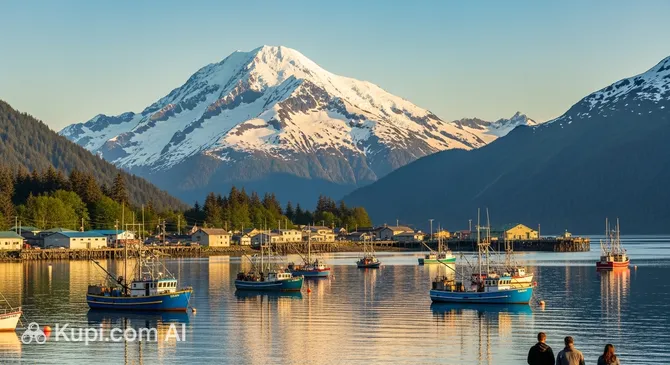
Welcome to Yakutat, a remote and breathtaking destination located along the rugged coast of the Gulf of Alaska. Unlike many typical tourist hubs, this unique borough offers a tranquil escape into the wild, where the grandeur of nature takes center stage. Situated in the United States, Yakutat is isolated from the continental road system, making it a pristine haven accessible primarily by air or ferry. With a population of approximately 600 residents, it retains a charming, small-town atmosphere where visitors are warmly welcomed into the community.

Yakutat. Source: Kupi.Binoculars

The geography of the region is defined by dramatic landscapes, ranging from wide sandy beaches to the towering peaks of the Saint Elias Mountains. While the climate is characteristic of a coastal rainforest—often cool and wet—it supports a lush ecosystem teeming with wildlife. Visitors can delve into the fascinating history of Yakutat, which is deeply rooted in the traditions of the local Tlingit people and marked by the eras of the fur trade and gold rushes.

Travelers flock here for world-class outdoor adventures that are hard to find elsewhere. Yakutat is famously known as a premier destination for sport fishing, with its rivers and ocean waters abundant with steelhead, salmon, and halibut. It also serves as the gateway to the magnificent Hubbard Glacier, one of the most active tidewater glaciers in North America. Surprisingly to many, the town is also a hotspot for surfing, offering some of the best waves in the far north at Cannon Beach. Whether you are an angler, a surfer, or a nature enthusiast, Yakutat invites you to experience the raw beauty of the Last Frontier.

Weather Overview

Yakutat features a cool, maritime climate defined by moderate temperatures and frequent precipitation throughout the year. Unlike the harsh extremes found in Alaska's interior, the coastal influence keeps conditions relatively stable, though visitors should always be prepared for damp weather regardless of the season.

During the winter months, average temperatures generally hover near freezing, ranging from approximately -1.2°C in February to 0.7°C in December. This season is characterized by consistent moisture, with December typically recording about 23 wet days. For a more detailed breakdown of conditions during your specific travel dates, you can consult the guide to weather in Yakutat to help you pack appropriately.

Summer brings the warmest weather, making it the most popular time for outdoor activities. August is typically the warmest month, with average temperatures around 13.5°C and highs reaching up to 15.0°C. However, the rain remains a constant companion, as August can still experience over 20 wet days. Overall, expect cool, refreshing summers with frequent showers and mild, wet winters.

Interesting Facts

Beyond its reputation as a fishing paradise, Yakutat holds several fascinating secrets that often surprise visitors. This remote borough is not just a gateway to nature, but a place rich in unique history and geographical extremes.

  • One of the Largest Cities by Area: Despite having a population of only a few hundred people, the City and Borough of Yakutat is one of the largest cities by surface area in the United States. Covering approximately 9,400 square miles, its territory is significantly larger than the entire state of New Jersey.

  • WWII Origins of Cannon Beach: The popular local surfing spot, Cannon Beach, didn't get its name by accident. During World War II, the U.S. military stationed large cannons on the dunes to defend the strategic airfield behind them, leaving a lasting legacy on the local geography.

  • "The Place Where Canoes Rest": The name Yakutat is derived from the Tlingit word Yaakwdáat, which beautifully translates to "the place where canoes rest." This reflects the area's historical importance as a safe harbor and trading hub for indigenous travelers navigating the rough waters of the Gulf of Alaska.

  • Alaska's Surfing Capital: While surfing is usually associated with tropical climates, Yakutat is famous for its cold-water breaks. It was home to the first surf shop in Alaska and continues to attract intrepid surfers from around the world who brave the chilly temperatures for world-class waves.

How to Get There

Reaching the remote and beautiful borough of Yakutat requires a bit of planning, as it is one of the few communities in the United States not connected to the continental road system. Most visitors arrive by air or sea, enjoying spectacular views of the Alaskan coastline along the way. For a detailed overview of all transport options and logistics, you can read more about how to get to Yakutat.

The most direct and common way to arrive is via Yakutat Airport (IATA: YAK). Located just 6 km from the heart of the city, this airport serves as the primary lifeline for residents and tourists alike. Alaska Airlines operates daily jet service here, making it a vital link to larger hubs. Upon arrival, the journey to the town center is a short drive, typically taking approximately 5 to 10 minutes by taxi or shuttle. While the facility is relatively small, handling around 24,000 passengers annually, it is well-equipped to welcome outdoor enthusiasts.

Another regional option, though significantly farther and located across the border, is Whitehorse Airport (IATA: YXY) in Whitehorse, Canada. It sits approximately 289.6 km away from Yakutat. While it is a larger hub with more passenger traffic, travelers should be aware that there is no direct road connecting Whitehorse to Yakutat. Using this airport would typically require arranging a charter flight or a complex itinerary involving other modes of transport to cross the rugged terrain between these two locations.

For clarity, here is a summary of the main airports nearby:

Airport Name City Passenger Traffic Km from City
Whitehorse Airport Whitehorse Medium 289.6
Yakutat Airport Yakutat Small 6.0

Main Attractions

Hubbard Glacier is undoubtedly one of the most awe-inspiring sights in the region and a primary reason many travelers visit Yakutat. As the largest tidewater glacier in North America, its massive face stretches over six miles wide and towers hundreds of feet above the water. Visitors are often captivated by the dramatic "calving" events, where colossal distinct chunks of ice break off and crash into Disenchantment Bay with a thunderous roar. Whether viewed by boat or from the air, the sheer scale and activity of this living river of ice offer an unforgettable experience of Alaska's raw power.

For those seeking world-class angling, the Situk River is a legendary destination. Despite its relatively short length, this river is famous for supporting some of the largest runs of wild steelhead and salmon in Alaska. It is easily accessible by road, a rarity for such prime fishing waters, allowing for both guided excursions and independent adventures. Beyond the thrill of the catch, a float down the Situk provides a serene way to immerse yourself in the Tongass National Forest, with frequent sightings of bald eagles, moose, and brown bears along the banks.

Cannon Beach offers a unique combination of recreational fun and historical intrigue. The beach gets its name from the World War II-era cannons that still rest in the dunes, serving as silent sentinels of the past. Today, it is celebrated as the surf capital of the Far North, attracting brave surfers who ride the cold waves of the Gulf of Alaska. For those who prefer to stay dry, the beach features wide stretches of sand perfect for beachcombing, picnics, and enjoying panoramic views of Mount Saint Elias on a clear day.

Located at the end of the road system, Harlequin Lake is a scenic gem fed by the retreating Yakutat Glacier. The lake is frequently dotted with floating icebergs in mesmerizing shades of blue and white, creating a photographer's paradise. It is a fantastic spot for a quiet afternoon picnic or a kayaking trip, allowing visitors to paddle among the ice in calm waters. The surrounding area is rich in vegetation and wildlife, offering a peaceful retreat into nature just a short drive from town.

The Ankau Saltchucks are a labyrinth of saltwater lagoons and channels that offer some of the best protected paddling in the area. This network of waterways is ideal for kayaking and canoeing, especially for those looking to avoid the open ocean swells. The calm, clear waters are teeming with marine life, and the lush shoreline is a haven for migratory birds. It is a perfect location for a relaxing paddle where you can connect with the tranquility of the coastal rainforest.

Local Cuisine

The local cuisine of Yakutat is defined almost entirely by its geography and the abundance of the surrounding waters. In this remote coastal community, "ocean-to-table" is not a marketing slogan but a way of life. The food scene here is unpretentious and deeply connected to the seasons, with a heavy emphasis on the incredibly fresh seafood harvested daily from the Gulf of Alaska and the Situk River. Visitors should not expect haute cuisine or a wide variety of international options; instead, the culinary experience focuses on hearty, home-style cooking where the quality of the main ingredient takes center stage.

Salmon is the undisputed king of the local table. Whether it is King (Chinook), Coho (Silver), or Sockeye, you will find it prepared in numerous ways, from grilled steaks to rich chowders. One absolute must-try is the locally smoked salmon. Many residents smoke their own catch using traditional methods and alder wood, resulting in a savory, melt-in-your-mouth delicacy that is perfect as a snack or a light meal. Another regional favorite is Pacific halibut, often served as classic fish and chips with a light, crispy batter, or as succulent halibut cheeks, which are considered a prized tender delicacy by those in the know.

When it comes to beverages, the choices reflect the need for warmth and comfort in the cool, damp climate. Coffee is practically a fuel source in Yakutat, with locals frequenting small stands or cafes for a hot cup to start the day. In the evenings, the social scene revolves around the local lodges and bars, where you can sample a selection of Alaskan craft beers. Amber ales and stouts from breweries in Juneau or Anchorage are popular staples, pairing perfectly with a basket of fried seafood or a burger after a long day on the water.

The food culture in Yakutat is casual and communal. Due to the small population, there are very few standalone restaurants. Instead, dining often takes place within lodges and hotels, which serve both guests and the general public. These venues act as community hubs where tourists and locals mingle, sharing stories of the day's catch over generous portions of comfort food. Occasionally, you may find a seasonal food truck or a small diner offering quick bites, but the atmosphere is always relaxed. In Yakutat, the luxury lies in the freshness of the fish on your plate rather than the formality of the service.

Travel Tips

Visiting Yakutat is a true adventure into the Alaskan wilderness, and because of its remote nature, a little extra preparation is essential for a smooth trip. These practical tips will help you navigate the unique logistics of this isolated borough and ensure you focus on the stunning scenery rather than logistical hiccups.

  1. Prioritize Waterproof Gear: Yakutat is located in a coastal temperate rainforest and receives significant rainfall year-round. High-quality rain gear (jacket and pants) is non-negotiable, not just "water-resistant." Locals often live in rubber boots (like Xtratufs); bring a comfortable pair for yourself. Dress in layers to adapt to shifting temperatures, and pack warm wool or synthetic socks to keep your feet dry and warm.

  2. Secure Transportation in Advance: There is no public transportation, metro, or ride-sharing service (like Uber or Lyft) in Yakutat. The town is spread out, and attractions like the Situk River are miles away from the airport. Unless you are staying at a lodge that provides shuttle service, renting a car is practically mandatory. Reserve your vehicle well before arrival, as the fleet size in town is very limited.

  3. Carry Cash and Cards: The local currency is the US Dollar (USD). While the main general store and lodges accept credit cards, internet outages can occasionally disrupt electronic payments. It is wise to carry enough cash for small purchases, tips for fishing guides, or emergencies. There is an ATM in town, but it shouldn't be relied upon as your sole source of funds.

  4. Be Bear Aware: You are visiting prime bear country. Black and brown bears are common, even near town. Safety is paramount: always carry bear spray and know how to use it, travel in groups when hiking, and make noise to avoid startling wildlife. The local clinic can handle minor injuries, but serious medical emergencies require an expensive evacuation flight, so travel insurance that covers medevac is highly recommended.

  5. Expect Limited Connectivity: English is the primary language spoken. However, do not expect the same level of digital connectivity as in the lower 48 states. Cell service is generally available near the town center (primarily AT&T and GCI networks) but fades quickly as you move towards the rivers or beaches. Wi-Fi is available at most lodges but can be slow; download offline maps and entertainment before you arrive.

  6. Respect Subsistence Lifestyles: For many locals, fishing and hunting are not just hobbies but a means of survival. When interacting with residents, be respectful of their equipment and territory. A friendly wave to passing drivers is standard local etiquette. The community is tight-knit and welcoming, so a polite and humble attitude goes a long way.

  7. Manage Fish Waste Properly: If you are fishing on your own (unguided), never leave fish carcasses on the riverbank or near trails. This is a major safety hazard as it attracts bears to areas frequented by people. Use designated fish cleaning stations or follow local regulations strictly regarding waste disposal into fast-moving currents.

  8. Shop Smart and Early: Yakutat has limited retail options. The main grocery store (Mallott's) is well-stocked but prices reflect the high cost of shipping freight to rural Alaska. If you have specific dietary requirements or favorite snacks, it is often better to bring them with you in your luggage. Also, be mindful of closing times; businesses here operate on small-town hours.

By packing the right gear and respecting the wild nature of the region, you will be perfectly set to enjoy everything Yakutat has to offer. Embrace the slower pace, breathe in the fresh rainforest air, and get ready for an unforgettable Alaskan experience!

Entertainment & Nightlife

Nightlife in Yakutat is a far cry from the bustling clubs, neon-lit districts, and all-night parties found in major cities. Instead of high-energy dance floors and strict dress codes, the evening scene here is defined by rustic charm, warm hospitality, and the camaraderie of shared adventures. The social atmosphere revolves almost entirely around the local lodges and a few key watering holes, where anglers, surfers, and locals gather to swap stories of the day's catch or the size of the waves. It is a place where a "wild night" usually means spotting a moose on the way home rather than staying out until dawn.

The center of activity is generally clustered around the airport area and the main roads leading into town, as this is where the primary lodges are located. There is no specific "nightlife district," but you will find that the community is small enough that you are never far from a friendly face. The vibe is incredibly casual; the standard "dress code" consists of flannel shirts, jeans, and waterproof boots (Xtratufs). You will feel right at home whether you have just stepped off a fishing boat or arrived from a hike.

For a taste of local character, the Glass Door Bar is a legendary institution in Yakutat. Located near the airport, it serves as a primary gathering spot for residents and visitors alike. It is the kind of place where you can enjoy a cold beer, play a game of pool, and listen to colorful tales from long-time Alaskans. Another key venue is the lounge at Glacier Bear Lodge. Here, the atmosphere is cozy and inviting, offering a full bar and a comfortable place to unwind after a long day in the cold. It is a great spot to enjoy a cocktail and a hearty meal while mingling with other travelers. Yakutat Lodge also provides a welcoming environment where the dining and bar areas serve as a communal living room for guests.

When planning your evening, keep in mind that operating hours can be limited compared to urban centers. Bars and lodge lounges typically close earlier, often around midnight or earlier on weekdays, so it is best to head out shortly after dinner. Prices for drinks are generally higher than in the lower 48 states due to the cost of shipping to this remote location, so budget accordingly. While credit cards are widely accepted at the lodges, bringing cash for tips and smaller tabs at local bars is always a good idea.

Safety at night in Yakutat requires a different mindset than in a big city. The area is very safe in terms of crime, and you can walk without fear of harassment. However, the lack of streetlights means it gets pitch black, and the local wildlife—particularly bears—are active at night. It is not recommended to walk long distances alone in the dark. Instead, rely on lodge shuttles or arrange a ride with a local taxi service if you are moving between venues. Taxis are limited, so it is wise to have a number saved or ask your bartender to call one for you in advance.

regarding daytime entertainment, visitors should be aware that Yakutat does not feature traditional tourist attractions like movie theaters, large museums, or amusement parks. The "entertainment" here is the great outdoors itself. However, those interested in culture can look for events or small exhibits hosted by the local Yakutat Tlingit Tribe, which occasionally showcases the rich indigenous heritage of the region. For the most part, days are spent on the water or the trails, making the relaxed evenings at the lodge the perfect conclusion to an active day.

Parks & Museums

Parks & Museums:

In Yakutat, the concept of a "museum" or "park" is redefined by the sheer scale of the wilderness that surrounds the borough. You will not find manicured city gardens or sprawling indoor exhibition halls here. Instead, the region itself serves as a magnificent open-air museum of natural history and geology, while the local parks are vast, federally protected lands that encompass some of the most dramatic landscapes in the United States.

The crown jewel of the area is Wrangell-St. Elias National Park and Preserve. Yakutat serves as a unique coastal gateway to this massive protected area, which is the largest national park in the country. This UNESCO World Heritage site is a land of superlatives, featuring nine of the sixteen highest peaks in the U.S. and an immense concentration of glaciers. Visitors can experience this frozen wonderland through flightseeing tours that offer breathtaking views of the Bagley Icefield and the towering Mount Saint Elias, witnessing firsthand the geological forces that have shaped the continent.

Yakutat is also immersed in the Tongass National Forest, the largest national forest in the nation. This temperate rainforest wraps around the community, offering a lush, green counterpoint to the icy peaks. It is a living sanctuary of ancient Sitka spruce and western hemlock trees, providing a critical habitat for brown bears, moose, and bald eagles. For those who prefer to explore on foot, the forest offers a network of primitive trails and beach walks where the dense woods meet the crashing waves of the Gulf of Alaska, creating a serene environment for hiking and nature photography.

While there is no dedicated history museum building in the town center, the area is rich in historical remnants that tell the story of its past. History enthusiasts can view the region as a "living museum" of World War II. The Yakutat Airport and surrounding areas still house historic hangars, bunkers, and the famous cannons at Cannon Beach, which were placed to defend the strategic airfield. Additionally, the cultural heritage of the Yakutat Tlingit Tribe is woven into the community's daily life, with totem poles and traditional arts occasionally visible, serving as a testament to the indigenous people who have called this land home for thousands of years.

Getting Around

When planning a trip to Yakutat, it is important to adjust your expectations regarding public transportation. Unlike larger cities, this remote borough does not have a public transport network. There are no buses, metros, trams, or trolleybuses operating in the area. The community is small and isolated, meaning the infrastructure is minimal and designed primarily for private vehicle use rather than mass transit.

The most common way for visitors to get around is by renting a car. This is practically essential if you plan to explore attractions outside the immediate town center, such as the Situk River, Cannon Beach, or Harlequin Lake, which are located several miles away. Rental fleets are small and often consist of rugged vehicles suited for the local unpaved roads. Because the supply of vehicles is very limited, it is highly recommended to reserve your car months in advance, especially during the peak summer fishing season.

For those who choose not to rent a car, lodge shuttles are the primary alternative. Most major fishing lodges and hotels provide courtesy van services for their guests, transporting them between the airport, the lodge, and sometimes the boat harbors. If you are staying at a lodge, check their policy before you arrive; some include this service in their package, while others may charge a fee. There are also a few independent taxi operators in town, though they do not operate on a fixed schedule. You will typically need to call them in advance to arrange a ride.

regarding payment, the system is straightforward but requires preparation. If you manage to catch a taxi, cash is the most reliable form of payment, as drivers may not have card terminals. For car rentals and lodge services, major credit cards are generally accepted. There are no travel passes, transport cards, or mobile ticketing apps used in Yakutat. Prices for car rentals can be higher than average due to the remote location, so factor this into your travel budget.

Walking is a viable option only if you intend to stay within the small town center, where you can easily reach the general store, the post office, and a few local administrative buildings on foot. However, distances to the scenic spots are too great for walking. Bicycles can sometimes be rented or borrowed from lodges, offering a pleasant way to see the immediate area on a sunny day, but be aware of the frequent rain and the presence of wildlife on the roads.

Accommodation

Finding a place to stay in Yakutat is a straightforward affair, though it differs significantly from the typical hotel experience found in larger cities. There are no international hotel chains, high-rise resorts, or sprawling luxury complexes here. Instead, the accommodation landscape is defined by rustic charm and functionality, tailored primarily to the needs of anglers and outdoor enthusiasts. Visitors can expect to find comfortable fishing lodges, cozy bed and breakfasts, and a selection of private cabins or vacation rentals that offer a home-away-from-home atmosphere in the heart of the wilderness.

The most popular form of accommodation is the full-service lodge. These establishments are the social and logistical hubs of the community, often providing not just a room, but a complete package that includes meals, fish processing, and shuttle services. Most of these lodges are conveniently located near the Yakutat Airport or along the roads leading to the boat harbor at Monti Bay. Staying in these areas ensures easy access to transportation and the water, which is essential since most visitors spend their days fishing or exploring the coast. For those seeking more privacy, independent cabins tucked into the forest offer a quieter retreat, allowing you to wake up to the sounds of nature.

Booking Tip: Because the tourist season is relatively short—peaking during the summer salmon runs from June to September—accommodation is in extremely high demand. It is highly recommended to book your stay several months in advance, or even a year ahead if you plan to visit during the prime fishing weeks in August. Waiting until the last minute often results in zero availability.

Regarding costs, prices in Yakutat generally range from mid-range to high. This is partly due to the remote location and the cost of operations in rural Alaska, but also because many lodges operate on an all-inclusive model. A nightly rate often covers hearty meals and essential services, which can make the upfront price seem higher than a standard hotel room. Booking is typically done directly through the lodge's website or by phone, as many local businesses do not list their inventory on major global booking platforms. Whether you choose a lively lodge or a secluded cabin, the focus is always on warmth, hospitality, and easy access to the great outdoors.

Nearby Cities

For those looking to explore the surroundings, Yakutat serves as an excellent base for day trips to several interesting nearby locations. While Yakutat is isolated by road, its position on the Alaska Airlines "Milk Run" route makes it surprisingly easy to hop over to some of Southeast Alaska's most iconic communities for a short visit or an extended adventure.

Juneau, the state capital, is a top choice for a quick excursion. Located just a short flight southeast, it offers a vibrant mix of history and nature. Visitors can explore the bustling downtown area, take the Mount Roberts Tramway for panoramic views, or visit the famous Mendenhall Glacier, which is easily accessible by road from the city center. It provides a stark contrast to the quiet solitude of Yakutat, offering museums, shopping, and a wider variety of dining options.

Another fantastic destination is Sitka, situated on the outer coast of Baranof Island. Known for its stunning scenery and rich history, Sitka was once the capital of Russian America. Today, you can walk through the Sitka National Historical Park to see towering totem poles nestled in the rainforest or visit St. Michael's Cathedral to admire Russian Orthodox architecture. The town's blend of Tlingit culture, Russian history, and maritime beauty makes it a compelling stop for cultural enthusiasts.

For those interested in the Gold Rush era, Skagway offers a step back in time. Although a bit further and typically requiring a connection or a ferry ride from Juneau, it is famous for its well-preserved wooden boardwalks and the White Pass & Yukon Route Railroad. It is a bustling port town during the summer, filled with historical charm and stories of the Klondike stampeders.

City Population Distance (km)
Juneau 32240 336
Sitka 8518 379
Valdez 4000 406
Haines 2500 246
Skagway 1200 250

These nearby destinations offer a glimpse into the diverse culture and landscapes of the region, allowing travelers to experience the unique tapestry of life in Southeast Alaska.

Shopping & Souvenirs

Shopping in Yakutat is a unique experience defined by the remote nature of the community. Visitors should adjust their expectations before arrival; there are no luxury boutiques, department stores, or sprawling retail districts here. Instead, the shopping scene is small, functional, and centered around the necessities of life in the Alaskan wilderness. You will primarily find businesses catering to outdoor activities, fishing expeditions, and daily survival, though there are a few delightful surprises where you can pick up memorable keepsakes.

There is no specific "shopping district" or high street in the traditional sense. Most commercial activity is scattered along the main roads connecting the airport, the boat harbor, and the town center. The primary retail hub is the local general store, which serves as the lifeline for the community. Here, you can find everything from groceries and produce to hardware and rain gear. It is the place to restock on snacks for a hike or grab essential toiletries you may have forgotten to pack.

Travelers looking for shopping malls will not find them in Yakutat. The population of approximately 600 residents does not support large-scale retail complexes. The retail environment is strictly small-business and locally owned. If you need specialized electronics, high fashion, or specific brands, it is highly recommended to purchase these items in a larger city like Anchorage or Seattle before flying in.

Similarly, formal markets such as flea markets or weekly farmers' markets are not a standard feature of the town's shopping landscape due to the climate and population size. However, during community events or festivals, you might occasionally find local artisans selling handmade crafts or baked goods. For the most part, though, commerce takes place within established storefronts and lodges rather than open-air stalls.

When it comes to souvenirs, Yakutat offers some distinctively local treasures. The most famous stop for visitors is the local surf shop. Given Yakutat's reputation as a cold-water surfing capital, picking up a branded hoodie, t-shirt, or beanie from this shop is a badge of honor for many travelers. Additionally, smoked salmon and other seafood products are excellent gifts to bring home, offering a taste of the region's bounty. Many of the fishing lodges also sell their own branded apparel, such as caps and shirts, which serve as great mementos of your stay.

Opening hours in Yakutat are generally more limited than in urban centers. Most shops open around 9:00 AM or 10:00 AM and close by 6:00 PM. It is important to note that some businesses may close earlier on weekends or have reduced hours on Sundays. Regarding payment, major credit cards are accepted at the main general store, the surf shop, and most lodges. However, carrying some cash (USD) is advisable for smaller transactions or in case of temporary internet outages that can affect card terminals.

Regarding taxes, the state of Alaska is known for having no state sales tax, which is a benefit for tourists. However, local municipalities are allowed to levy their own sales taxes. Yakutat does collect a local sales tax on goods and services. While there is no "tax-free" refund system for international tourists like those found in Europe, the overall tax burden is generally lower compared to many other US destinations.
Reached the end of the page?

That means the route is fully explored