Support

Valdez

About

Valdez is a picturesque city located at the head of a deep fjord in Prince William Sound. Known for its dramatic natural beauty, it serves as a vital seaport and a gateway to the wild landscapes of Alaska. Situated in the United States, this charming community is surrounded by the towering peaks of the Chugach Mountains, earning it the nickname "Little Switzerland" for its breathtaking alpine scenery.

Despite its modest population of approximately 4,000 residents, the city plays a significant role in the region's economy and tourism. The local climate is a defining feature; Valdez is famously known as one of the snowiest sea-level towns in the world, creating a winter wonderland that attracts extreme sports enthusiasts. In summer, the lush green slopes and cascading waterfalls offer a stark, beautiful contrast to the snowy peaks.

The city has a resilient spirit, having been entirely relocated and rebuilt after the devastating 1964 Good Friday Earthquake. You can learn more about how the community moved to a safer location and re-established itself by exploring the history of Valdez. Today, the town stands as a testament to the determination of its people, blending modern facilities with rugged wilderness.
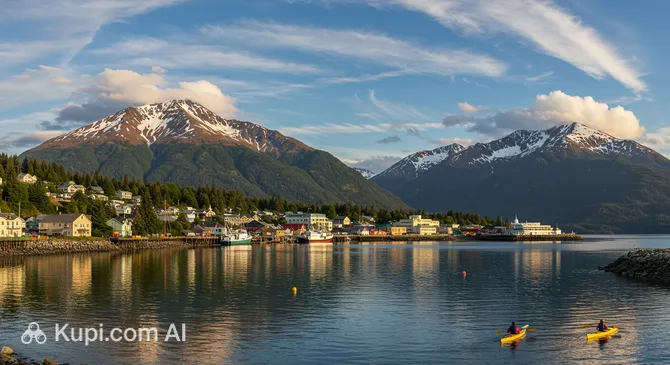
Valdez. Source: Kupi.Binoculars

Travelers flock here to witness the majestic Columbia Glacier, one of the largest tidewater glaciers in the region, and the easily accessible Worthington Glacier. Valdez is also the southern terminus of the famous Trans-Alaska Pipeline, an engineering marvel that draws many curious visitors. For those who love the water, the area offers world-class fishing for halibut and salmon, as well as opportunities to spot whales and sea otters in the sound.

Whether you are seeking adrenaline-pumping heli-skiing adventures or a peaceful cruise through icy waters, Valdez promises an unforgettable experience. It is a destination where nature's power and beauty are on full display, making it a must-visit stop on any Alaskan itinerary.

Weather Overview

The climate in this region is characterized by cool summers and cold winters, with a consistent likelihood of precipitation throughout the year. Visitors should be prepared for frequent cloudy or wet days, as the area experiences between 14 and 22 wet days per month depending on the season. To help you pack the right gear for your trip, it is recommended to check the current weather in Valdez.

Winter is the coldest time of year, particularly in January and February, when average temperatures drop to around -10°C and minimums can reach -12.7°C. These months are also quite active in terms of precipitation, contributing to the area's reputation for snowy landscapes. As the season transitions into spring, temperatures gradually rise, though they typically remain below freezing until late April.

Summer brings milder conditions, although it is rarely hot. July is generally the warmest month, with an average temperature of 9.2°C and daily highs peaking near 11.8°C. Even during this relatively warmer period, rain is frequent, so carrying waterproof clothing and warm layers is essential for staying comfortable while exploring the outdoors.

Interesting Facts

Beyond the dramatic landscapes and outdoor adventures, Valdez holds several fascinating secrets that reveal its unique character and history. Here are some intriguing facts that make this Alaskan coastal city even more captivating:
  • The Northernmost Ice-Free Port: Valdez was chosen as the southern terminus of the Trans-Alaska Pipeline for a specific geographical reason: it is the northernmost ice-free port in the Western Hemisphere. Unlike many other Alaskan harbors, the deep waters of the fjord remain unfrozen year-round, allowing oil tankers to navigate and load safely even during the coldest winter months.

  • The "All-American Route" Trap: During the Klondike Gold Rush of 1898, steamship companies advertised Valdez as the start of an "All-American Route" to the gold fields, claiming it was easier than the trails from Skagway. In reality, the path over the Valdez Glacier was incredibly dangerous and treacherous, forcing many prospectors to abandon their journey and settle in the town instead.

  • A Ghost Town Memorial: You can visit the site of Old Valdez, located about four miles from the modern city center. After the 1964 earthquake destabilized the ground, the entire town was condemned and relocated. Today, the original street grid, foundations, and commemorative signs remain as a quiet park where visitors can walk through the footprint of the former community.

  • Ice Climbing Mecca: Keystone Canyon, the primary land entrance to the city, is famous for its sheer walls and stunning waterfalls like Bridal Veil Falls. In winter, these cascades freeze into massive pillars of blue ice, creating a premier destination for ice climbers from around the world.

How to Get There

Reaching the scenic city of Valdez is an adventure in itself, whether you choose to drive the breathtaking Richardson Highway, arrive by sea, or fly into the region. For a comprehensive overview of all travel options, you can read the detailed guide on how to get to Valdez. While the city has a small local airport, many visitors connect through larger hubs nearby.

The most significant gateway for travelers is Ted Stevens Anchorage International Airport (ANC), located in the city of Anchorage. Although the airport is approximately 196 km away from Valdez in a straight line, the drive offers one of the most spectacular road trips in Alaska. By taxi or rental car, the journey takes approximately 5 hours and 15 minutes, winding through mountain passes and past glaciers. This is a large international hub with extensive connections, making it the primary entry point for most visitors.

Another regional option is Mudhole Smith Airport (CDV) in the city of Cordova, situated about 85 km from Valdez. It is important to note that Cordova is not connected to Valdez by road; travelers arriving here typically continue their journey by ferry across Prince William Sound or by a short connecting flight. Additionally, Kenai Municipal Airport (ENA) in Kenai serves the region, located roughly 273 km away, though it requires a longer transfer time to reach Valdez.

For clarity, here is a summary of the main airports:

Airport Name City Passenger Traffic Km from City
Ted Stevens Anchorage International Airport Anchorage Large 196.4
Kenai Municipal Airport Kenai Medium 273.1
Mudhole Smith Airport Cordova Small 85.6

Regarding rail travel, Valdez does not have its own railway station. The famous Alaska Railroad system connects cities like Anchorage, Fairbanks, and Seward, but it does not extend to Valdez. Visitors wishing to combine train travel with a visit to Valdez typically take the train to Anchorage or Whittier and then transfer to a bus or rental car to complete the journey along the scenic Richardson Highway.

Main Attractions

While the natural surroundings of the city are its most famous draw, the town itself offers several compelling sites that delve into its rich culture and history. A visit to the Valdez Museum and Historical Archive is essential for understanding the region's past. This facility chronicles everything from the Klondike Gold Rush to the construction of the Trans-Alaska Pipeline. It is particularly noted for its poignant exhibits on the 1964 Good Friday Earthquake, including a detailed scale model of the original townsite, which helps visitors visualize the community that existed before the disaster forced a complete relocation.

For a deeper appreciation of indigenous culture and local artistry, the Maxine & Jesse Whitney Museum is a must-visit. This museum houses one of the most impressive collections of Native Alaskan art in the state, featuring intricate ivory carvings, beadwork, and traditional baskets. In addition to the cultural artifacts, the museum displays a wide array of taxidermy and geological specimens, offering a comprehensive overview of the wildlife and natural resources that define this part of Alaska.

Nature lovers should not miss the Solomon Gulch Hatchery, located a short drive from the city center on Dayville Road. As the largest pink salmon hatchery in North America, it becomes a hub of activity during the summer spawning season. The massive return of salmon attracts a variety of predators, making it one of the best accessible spots to safely view sea lions, seals, and occasionally bears feeding in the wild. The facility offers self-guided tours that explain the lifecycle of the salmon and the hatchery's operations.

For a peaceful outdoor experience close to town, Duck Flats offers a serene escape. This expansive salt marsh estuary is a sanctuary for migratory birds, bald eagles, and waterfowl. It provides a stunning reflection of the Chugach Mountains on calm days and serves as an excellent location for kayaking or a leisurely walk. The area is particularly beautiful during high tide when the water fills the grassy channels, creating a picturesque landscape perfect for photography.

Local Cuisine

The culinary scene in Valdez is inextricably linked to the bountiful waters of Prince William Sound, making it a paradise for seafood lovers. The local cuisine focuses heavily on the "catch of the day," with freshness being the highest priority. Visitors can expect to find menus dominated by Pacific halibut and wild Alaskan salmon, prepared in a variety of ways ranging from simple grilling to elaborate smoking techniques. A signature dish that every tourist should try is fresh halibut and chips, often served with a light, crispy batter that perfectly complements the flaky white fish.

Given the chilly coastal climate, hearty comfort foods are also a staple of the local diet. Rich, creamy seafood chowders loaded with clams, shrimp, and chunks of fish are incredibly popular for warming up after a day of exploring glaciers. For a true taste of the region, look for dishes featuring locally harvested spot prawns or rockfish, which offer a sweet and delicate flavor unique to these cold northern waters.

When it comes to beverages, the culture in Valdez mirrors the rest of Alaska's enthusiasm for craft brewing. You will find a distinct appreciation for local craft beers, with many establishments serving ales and stouts brewed right in town or from nearby Alaskan microbreweries. Non-alcoholic options are equally important, with a vibrant coffee culture ensuring that high-quality roasts are available to keep locals and visitors energized during the long summer days or dark winter mornings.

The dining atmosphere in Valdez is characteristically casual and unpretentious, reflecting the town's hardworking maritime roots. You won't find many formal dress codes here; instead, the focus is on good food and great company. In the summer months, the food scene expands outdoors with a variety of food trucks congregating near the harbor, offering everything from reindeer sausages to gourmet tacos. Whether you are eating at a sit-down restaurant overlooking the boat harbor or grabbing a quick bite from a street vendor, the connection to the sea and the stunning mountain views are always part of the meal.

Travel Tips

Visiting Valdez is an adventure into the heart of Alaska's rugged wilderness, and a little preparation goes a long way in ensuring your trip is as comfortable as it is breathtaking. To help you navigate the unpredictable coastal weather and local lifestyle, here are some essential practical tips for a smooth journey.

  1. Master the Art of Layering and Waterproofing: Valdez is located in a temperate rainforest zone and is one of the wettest towns in Alaska. Regardless of the season, high-quality rain gear (jacket and pants) and waterproof boots are non-negotiable. Dress in layers—start with a moisture-wicking base, add an insulating fleece, and top it with a waterproof shell. If you plan to visit in winter, thermal underwear and heavy parkas are essential.

  2. Rent a Car for Freedom: While the downtown area is compact and walkable, most of the major attractions—such as the waterfalls in Keystone Canyon, the Solomon Gulch Hatchery, and Thompson Pass—are spread out along the highway. Public transport is virtually non-existent, and while there are limited taxi services, renting a car is the most practical way to explore at your own pace. Be sure to book vehicles well in advance during the summer season.

  3. Budgeting and Payments: The official currency is the US Dollar (USD). Credit and debit cards are widely accepted at hotels, restaurants, and tour operators. However, carrying some cash is wise for small purchases at local markets or food trucks. Be prepared for "Alaska prices," as goods and groceries can be significantly more expensive than in the lower 48 states due to shipping costs. Tipping 15–20% is standard in restaurants and for tour guides.

  4. Bear Awareness and Safety: You are in bear country. Both black and brown bears are frequently seen near town, especially around the hatchery and spawning streams. Purchase bear spray upon arrival (you cannot fly with it) and know how to use it. Never run from a bear. For medical emergencies, the Providence Valdez Medical Center is open 24/7, and there is a pharmacy in town, though checking its hours is recommended.

  5. Stay Connected and Download Maps: English is the primary language spoken. Mobile coverage is generally good within the city limits and harbor area (GCI and AT&T have the strongest presence), but you will likely lose signal quickly once you drive into the mountain passes. It is highly recommended to download offline maps and have a physical backup before heading out on hikes or long drives.

  6. Casual and Respectful Etiquette: The vibe in Valdez is incredibly laid-back and functional; there is no need for formal attire anywhere. Locals are friendly and used to tourists, but it is important to respect their space, especially commercial fishermen working at the harbor. When viewing wildlife or taking photos, keep a respectful distance to avoid disturbing animals or blocking traffic on the narrow roads.

  7. Avoid Trespassing on Pipeline Property: Valdez is the terminus of the Trans-Alaska Pipeline, a site of national strategic importance. Do not attempt to enter restricted areas around the Alyeska Marine Terminal across the bay or cross security barriers near pipeline infrastructure. Security is tight, and trespassing is taken very seriously.

  8. Prepare for the Midnight Sun: If you are visiting in mid-summer, the sun barely sets, providing nearly 20 hours of daylight. This allows for late-night hiking and sightseeing, but it can wreak havoc on your sleep schedule. Bring a sleep mask if your accommodation does not have blackout curtains to ensure you get enough rest for the next day's adventures.

With these practicalities sorted, you are fully equipped to embrace the wild spirit of this fjord town without worry. Whether you are watching the salmon run or gazing up at the Chugach Mountains, Valdez promises a safe and unforgettable experience.

Entertainment & Nightlife

Nightlife in Valdez is a reflection of its rugged, outdoorsy spirit. You will not find pulsating nightclubs with dress codes or velvet ropes here. Instead, the evening scene is defined by a warm, "après-adventure" atmosphere where locals and visitors gather to share stories of the day's fishing, skiing, or hiking. The entertainment culture is centered around socializing, enjoying locally crafted drinks, and relaxing in unpretentious, welcoming environments.

The heart of the action is undoubtedly the Small Boat Harbor area and North Harbor Drive. This walkable district is where the majority of the town's social life converges. On summer evenings, the area remains bright late into the night thanks to the Midnight Sun, creating a lively buzz as people move between the waterfront restaurants and bars. In winter, these venues become cozy refuges from the snow, filled with the camaraderie of the heli-skiing community.

For those looking to experience the local flavor, Valdez Brewing is a standout destination. Located just a short walk from the harbor, this taproom offers a spacious and inviting setting to sample beers brewed on-site using local glacial water. It is a hub for community events and a favorite spot for relaxing after a long day outdoors. Another popular venue is The Fat Mermaid, situated right on the waterfront. It serves as a social anchor for the town, offering a mix of hearty food, cocktails, and occasional live music performances that draw a cheerful crowd.

For a more historic and rustic bar experience, The Boardroom offers a classic Alaskan dive bar feel. It is the kind of place where the jukebox plays classic rock, and the conversation flows easily between commercial fishermen and tourists. The dress code everywhere is strictly "Alaskan casual"—jeans, flannel shirts, and hiking boots or Xtratuf rain boots are the standard attire. You will feel right at home in practical, comfortable clothing.

Practical advice for a night out includes keeping an eye on the clock. While some bars stay open until around 2:00 AM, kitchen service often ends much earlier, sometimes by 9:00 PM or 10:00 PM. Prices are generally moderate but expect to pay a premium for alcohol due to shipping costs to Alaska. A pint of craft beer might cost slightly more than in the lower 48 states, but the quality and setting justify the price.

Safety in Valdez is less about avoiding crime and more about being aware of your environment. The town is very safe for walking at night, especially in the harbor area. However, because the town is surrounded by wilderness, wildlife encounters are possible even within city limits. It is not uncommon for bears to wander through town after dark, so stay alert, walk in groups if possible, and avoid leaving food trash behind. If you need to travel further than walking distance, taxi services are available but can be limited late at night, so it is wise to have a local taxi number saved or arrange a ride in advance.

Regarding daytime entertainment, the pace is equally relaxed but culturally rich. While there are no large amusement parks, the Valdez Civic Center often hosts movies, performing arts events, and community gatherings. Visitors can also spend their days exploring the local museums mentioned earlier, such as the Valdez Museum, which provides a fascinating look into the region's history, or simply enjoying the bustling atmosphere of the harbor where fishing charters come and go.

Parks & Museums

The true essence of Valdez is found outdoors, where the rugged wilderness of Alaska meets accessible recreational spaces. While the city's indoor cultural institutions preserve its history and art, the local parks and trails offer an immersive way to experience the region's stunning geography. Visitors to this scenic corner of the United States will find a variety of green spaces that range from peaceful coastal trails to dramatic mountain canyons.

Dock Point Park is the premier destination for those seeking spectacular views without venturing far from civilization. Conveniently located near the small boat harbor, this park features a network of trails that loop through a lush spruce forest and over rocky promontories. The hikes here are relatively easy and family-friendly, leading to observation decks that offer panoramic vistas of the Port of Valdez and the Valdez Narrows. In late summer, the trails are lined with ripe blueberries and salmonberries, making it a favorite spot for locals to gather fresh fruit while watching tankers and fishing boats navigate the fjord.

For a more rugged, backcountry experience that is still easily accessible, Mineral Creek Canyon is a must-visit. A gravel road, suitable for hiking or mountain biking, winds deep into a dramatic valley flanked by towering vertical walls and hanging glaciers. The sound of the rushing creek accompanies you along the route, which passes by the picturesque Horsetail Falls. The trail culminates near the historic ruins of the W.L. Smith Stamp Mill, blending the area's gold mining heritage with its natural beauty. It is a serene escape where black bears are often spotted on the hillsides, and the alpine scenery feels largely untouched.

One of the most unique park experiences in the region is the Old Valdez Townsite. Following the devastating 1964 earthquake, the original city was condemned and relocated, leaving behind a "ghost town" that has since been converted into an open-air memorial park. Nature has reclaimed much of the land, but the original street grid remains visible. Visitors can walk or cycle along the abandoned avenues, reading commemorative plaques that mark the former sites of homes, businesses, and civic buildings. It is a poignant, quiet place that serves as both a recreational area and a tribute to the community's resilience.

Adventure seekers willing to travel a bit further should explore Shoup Bay State Marine Park. Accessible primarily by boat or via a challenging 11-mile hiking trail, this park offers some of the most breathtaking scenery in Prince William Sound. The highlight is the Shoup Glacier, which spills into the bay, often surrounded by floating ice. The park is also famous for hosting a massive colony of black-legged kittiwakes. During the summer nesting season, thousands of these birds occupy the cliffside rookery, creating a vibrant and noisy spectacle that delights wildlife enthusiasts and photographers.

Completing the outdoor offerings is the majestic Keystone Canyon, located at the entrance to the city. While technically a transportation corridor, it functions as a linear park where visitors can pull over to admire the spectacular Bridal Veil Falls and Horsetail Falls cascading down sheer cliff faces. Whether you are looking for a casual evening stroll along the harbor or an all-day trek into the mountains, Valdez provides an exceptional array of parks that showcase the raw power and beauty of the Alaskan landscape.

Getting Around

Valdez is a compact and remote community that does not rely on a conventional public transport system. Visitors should be aware that there are no public buses, metros, trams, or trolleybuses operating within the city. As a result, there is no need to navigate complex zones, purchase travel passes, or download transit apps for ticketing. The absence of mass transit means that getting around requires a bit more planning regarding personal mobility.

The most practical and popular way to explore the area is by renting a car. Since many of the major natural attractions, such as waterfalls and glacier viewpoints, are located several miles outside the city center, having a vehicle offers the necessary flexibility. Rental agencies are available, but fleets are limited. It is a crucial piece of advice for tourists to reserve a car well in advance—often months ahead—especially if visiting during the peak summer season when availability can disappear quickly.

For those without a vehicle, local taxi services serve as the primary alternative. Taxis here do not typically cruise the streets looking for passengers; instead, they operate on a dispatch system. You must call to schedule a ride. It is advisable to ask for the estimated fare when booking, as meters are generally used, but flat rates might apply for specific popular routes like the airport transfer. While credit cards are widely accepted, keeping some cash on hand for shorter trips or tips is recommended.

The downtown area, particularly around the Small Boat Harbor, is very walkable. Most hotels, restaurants, and museums in the central district are within easy walking distance of each other. In the summer, the city is bicycle-friendly, with paved multi-use paths connecting the harbor to the Old Valdez Townsite. Bike rentals are available from local outfitters, offering a scenic and active way to see the sights without needing a car for short distances.

While there is no public bus network, some hotels provide complimentary shuttles for their guests, specifically for transfers to the airport or the ferry terminal. It is worth confirming with your accommodation prior to arrival if this service is offered. Ride-sharing apps, which are ubiquitous in larger cities, are generally not reliable or available in this small community, so relying on established taxi companies or rental cars remains the safest bet.

Accommodation

Where to Stay:

Accommodation in Valdez is functional, cozy, and designed to support the adventurous spirit of its visitors. As a small, remote community with a population of around 4,000, the city does not feature sprawling luxury resorts or high-rise international hotel chains. Instead, the lodging landscape is dominated by locally owned motels, comfortable bed and breakfasts, and rustic cabins. For those traveling by road, the area is also a major hub for RV parks and campgrounds, which are incredibly popular during the summer months due to the stunning mountain views available right from your doorstep.

The most convenient area to stay is near the Small Boat Harbor and the downtown district. Choosing accommodation here places you within easy walking distance of the main restaurants, museums, and tour operators. This is the heart of the action, where you can wake up and stroll directly to the docks to catch a glacier cruise or a fishing charter. Alternatively, visitors looking for a quieter experience or more space often look along the Richardson Highway just outside the town center. This area offers easy access to hiking trails and waterfalls while remaining just a short drive from city amenities.

Travelers should be aware that prices in Valdez, like much of Alaska, can be higher than the national average. What might be considered a "budget" price in the lower 48 states often corresponds to mid-range rates here, particularly during the peak tourist season. Standard hotel rooms are the norm, offering clean and warm environments without opulent frills. Online booking platforms are widely used, but many smaller B&Bs and cabins may prefer direct inquiries via their websites or phone.

Booking Tip: The summer season, spanning from late May to early September, is extremely busy. With a limited number of rooms available in town, accommodation can sell out months in advance. It is highly recommended to secure your lodging as soon as you know your travel dates. Conversely, if you are visiting in winter for heli-skiing or ice climbing, you will find more availability, though some summer-focused businesses (especially campgrounds and seasonal B&Bs) may be closed.

Nearby Cities

Valdez is situated in a relatively remote part of Alaska, where the concept of a "neighboring city" spans vast distances of wilderness. While there are no large metropolitan areas immediately adjacent to the town, several significant communities are located within the broader region, accessible via the scenic Richardson and Glenn Highways or by air.

The most prominent city in the vicinity is Anchorage, Alaska's largest urban center. Located approximately 191 km away (in a straight line), it serves as the primary economic and transport hub for the state. While the direct distance is shorter, the drive is a longer, incredibly scenic journey that loops around the Chugach Mountains. Anchorage offers extensive shopping, cultural amenities, and international flight connections that complement the quieter, nature-focused lifestyle of Valdez.

To the northwest, the Matanuska-Susitna Valley is home to several growing communities. Wasilla, famous for its role in the Iditarod Trail Sled Dog Race, sits about 173 km away. Nearby, you will find Knik-Fairview and Tanaina, which are roughly 180 km and 174 km from Valdez, respectively. These areas are known for their agricultural roots and access to outdoor recreation in the Talkeetna Mountains.

Further to the southwest, across the waters of Prince William Sound and the Kenai Peninsula, lies the city of Kenai. Situated approximately 275 km away, it is another major destination for fishing enthusiasts, renowned for the salmon runs in the Kenai River. Like Valdez, it is a coastal community that thrives on its connection to the water and its rich natural resources.

For a quick comparison of these nearby destinations, here is an overview of their distance and size:

City Population Distance from Valdez (km)
Wasilla 9,098 173
Tanaina 10,314 174
Knik-Fairview 18,282 180
Anchorage 292,545 191
Kenai 8,000 275

Note: The distances listed are straight-line measurements. Actual travel distances by road are significantly longer due to the mountainous terrain and the route required to navigate around Prince William Sound.

Shopping & Souvenirs

Shopping in Valdez is an experience defined by practicality and local charm rather than high-end luxury. Visitors should not expect sprawling shopping malls, department stores, or international fashion chains. Instead, the city’s retail scene is small, intimate, and tailored primarily to the needs of outdoor adventurers and those looking for authentic Alaskan keepsakes. Most shops are concentrated in the downtown area and near the Small Boat Harbor, making it easy to browse on foot.

Given the region's unpredictable weather and focus on wilderness activities, outdoor outfitters are the cornerstone of local shopping. The most famous establishment is The Prospector, a legendary local store that serves as a one-stop shop for everything from heavy-duty rain gear and thermal layers to fishing tackle and camping supplies. Whether you need to replace a forgotten item or upgrade your equipment for a glacier tour, this is the place to go. It is also a great spot to pick up high-quality branded apparel that serves as a functional souvenir.

For those seeking unique gifts, Valdez offers several galleries and gift shops that showcase the work of regional artisans. You can find beautiful examples of Native Alaskan art, including intricate beadwork, ivory carvings, and hand-woven baskets. Local photographers and painters also display their works, capturing the stunning landscapes of Prince William Sound. The gift shop at the Valdez Museum is another excellent location to find books on local history, educational toys, and distinctive mementos that support the preservation of the town's heritage.

Food lovers should not miss the opportunity to bring a taste of Alaska home. Several local markets and specialty stores offer smoked salmon, halibut, and other seafood products that are shelf-stable and packaged specifically for travel. These edible souvenirs are incredibly popular and make for excellent gifts. Additionally, for daily necessities, there is a full-service supermarket in town where visitors can stock up on groceries and supplies, which is particularly useful for those staying in RVs or cabins.

Travelers should keep in mind that the cost of goods in Valdez can be higher than in the contiguous United States due to shipping logistics. It is also important to check opening hours, as many businesses operate on seasonal schedules, with extended hours during the busy summer months and reduced operations or closures during the winter.

Reached the end of the page?

That means the route is fully explored