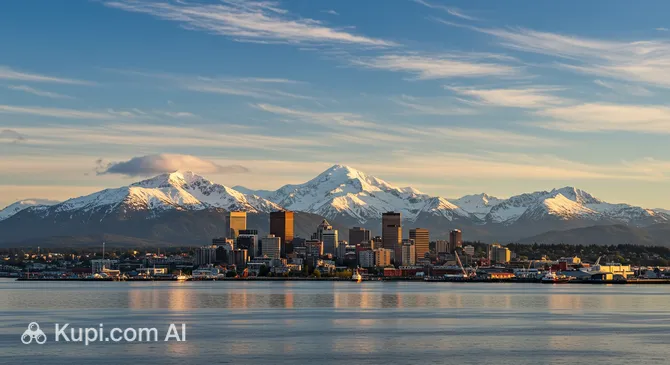
Anchorage is a city where the conveniences of modern life meet the untamed beauty of the wilderness. As the largest city in Alaska, it serves as the vital economic and cultural heart of the region. Located in the United States, this urban center offers a rare opportunity to experience metropolitan amenities while being just steps away from glaciers, mountains, and wildlife.
Anchorage. Illustration.
Source: Kupi.com AI
Geographically, the city is situated in the south-central part of the state, nestled between the sparkling waters of the Cook Inlet and the dramatic peaks of the Chugach Mountains. With a population of nearly 300,000 residents, it is a bustling hub that maintains a close connection to nature. While the climate is subarctic, the ocean helps moderate the temperatures, making it milder than many interior parts of Alaska.
To truly understand the local culture, one should explore the history of Anchorage, which began as a tent city for railroad construction in the early 20th century. Today, it is a gateway to adventure. Visitors can walk or bike along the scenic Tony Knowles Coastal Trail, visit the Alaska Native Heritage Center to learn about indigenous cultures, or spot moose wandering through city parks.
Whether you are hoping to catch a glimpse of the mesmerizing Northern Lights in winter or enjoy the endless daylight of the Midnight Sun in summer, Anchorage provides an unforgettable backdrop for your travels. It is an ideal destination for those seeking both relaxation and outdoor excitement.
Weather Overview
The climate in this Alaskan city is defined by its subarctic nature, yet it is significantly tempered by its proximity to the ocean. This results in weather that is generally milder than in the interior regions of the state, though visitors should still be prepared for distinct seasonal changes.
Winters are long and cold, with temperatures consistently remaining below freezing. January is typically the coldest month, featuring an average temperature of -8.7°C and lows dipping to -11.1°C. Despite the chill, this is a prime time for winter sports and viewing the aurora borealis.
Summer brings a welcome warmth, with July seeing average temperatures of around 14.6°C and highs reaching up to 17.7°C. These months are ideal for outdoor adventures, offering comfortable conditions that are rarely too hot.
Precipitation is a constant companion throughout the year. The number of wet days rises notably in late summer, with August and September seeing precipitation on up to 20 days per month. For a comprehensive forecast to help plan your packing, visit the weather in Anchorage page. Generally, you can expect mild summers with frequent showers and cold, snowy winters.
Average monthly temperature
Average monthly precipitation
Interesting Facts
Beyond the main attractions, Anchorage holds many fascinating secrets that defy typical urban expectations. This city is not just a gateway to the wild, but a place where unique geography and history create a truly distinct lifestyle.
Anchorage is home to a massive urban moose population, with over 1,500 of these giants living within the city limits. It is quite common to spot them wandering through neighborhoods or grazing in green spaces like Earthquake Park.
The city encompasses a staggering land area of nearly 2,000 square miles, making it larger than the entire state of Rhode Island. This vast municipality stretches from the downtown high-rises all the way to the remote glaciers of the Chugach Mountains.
Despite the chilly weather, residents are fueled by a serious passion for coffee. Anchorage boasts one of the highest concentrations of espresso stands per capita in the nation, ensuring a hot cup is never far away.
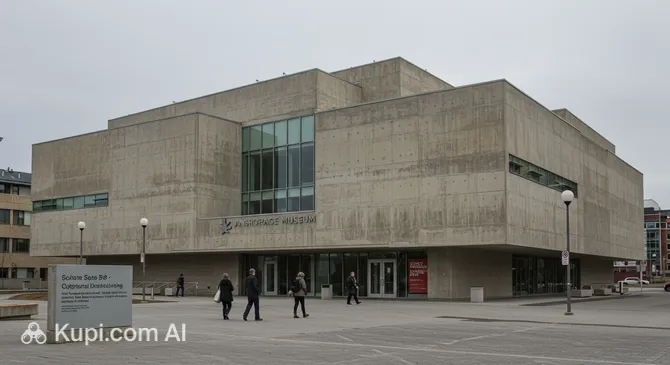
The landscape was permanently reshaped by the 1964 Good Friday Earthquake, the second-largest earthquake in recorded history. To understand how this event defined the modern city, visitors often explore the exhibits at the Anchorage Museum.
Aviation is a way of life here, and Lake Hood serves as the world's busiest seaplane base. On a peak summer day, the lake handles hundreds of takeoffs and landings as pilots transport people and supplies to the remote Alaskan bush.
Anchorage Museum. Illustration.
Source: Kupi.com AI
Traveler photos:
How to Get There
Reaching Alaska's largest city is the first step in an unforgettable adventure. While the location is remote, modern connections make the journey straightforward, particularly by air. Most visitors choose to fly, as it is the most efficient method to cross the vast distances. For a complete overview of travel options, you can read more about how to get to Anchorage and plan your arrival.
The primary gateway for travelers is the Ted Stevens Anchorage International Airport (IATA: ANC). This major international airport handles a large volume of passengers, serving approximately 5.4 million people annually. Conveniently situated just 7.1 km from the downtown area, the transfer to the city center is quick. A trip by taxi or bus typically takes about 30 minutes, depending on traffic conditions.
Another option for those traveling within the region is the Kenai Municipal Airport (IATA: ENA). It is important to note that this facility is not in Anchorage itself but in the city of Kenai, which is roughly 102.5 km away. While it serves a smaller, regional crowd, it is a key hub for the Kenai Peninsula. If you choose to land here, be prepared for a longer ground transfer; the drive to Anchorage takes approximately 3 hours.
For clarity, here is a summary of the main airports:
Beyond air travel, Anchorage is accessible via other scenic routes. During the summer months, the Alaska Railroad offers a picturesque train journey connecting the city to Seward in the south and Fairbanks in the north. Additionally, adventurous travelers often drive the Alaska Highway or arrive by cruise ship at the port, enjoying the stunning coastal views along the way.
Main Attractions
Anchorage offers a compelling mix of urban energy and accessible nature, with several key spots that define the local experience. While the wilderness is never far away, the city itself boasts landmarks that provide insight into the community's lifestyle, from its culinary fame to its historic green spaces.
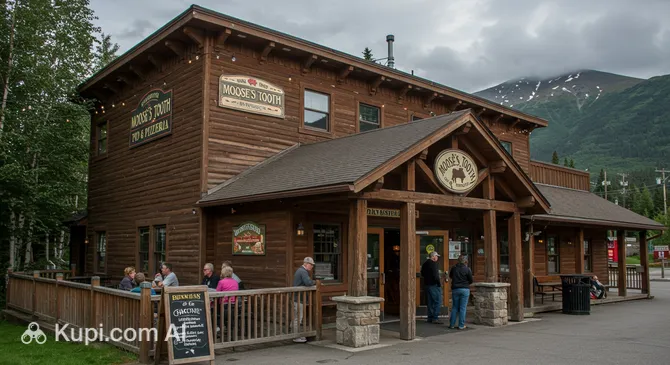
A true icon of the city's dining scene is Moose's Tooth Pub & Pizzeria. This establishment has earned a legendary reputation not just in Alaska, but across the nation, often cited for serving some of the best pizza in the United States. It is a favorite gathering spot for locals, offering a lively atmosphere, creative gourmet pies, and a robust selection of broken-tooth brewing drafts. For tourists, it is an unmissable opportunity to taste the local flavor in a high-energy setting.
Moose's Tooth Pub & Pizzeria. Illustration.
Source: Kupi.com AI
Traveler photos:
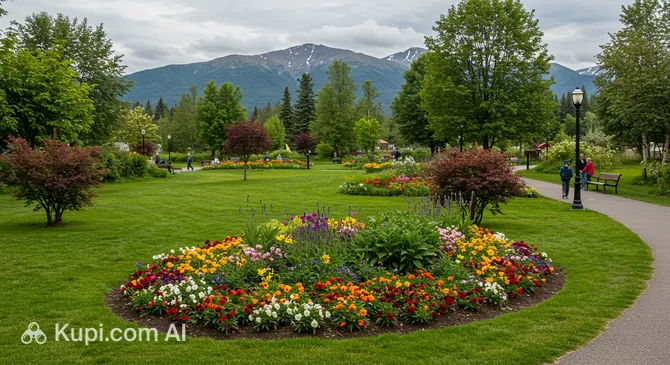
For a breath of fresh air right in the city center, visitors should head to Delaney Park. Known locally as the "Park Strip," this expansive block of green space stretches across downtown and holds a unique place in history as the city's original airfield and golf course. Today, it is the primary venue for community events, sports, and festivals. Its wide-open lawns offer unobstructed views of the Chugach Mountains, making it a perfect location for a scenic walk or a relaxing afternoon picnic.
Delaney Park. Illustration.
Source: Kupi.com AI
Traveler photos:
Those looking for retail therapy will find everything they need at the Anchorage 5th Avenue Mall. Situated in the heart of downtown, this is the premier shopping destination in the region, housing five levels of department stores, specialty shops, and local boutiques. It serves as a convenient hub for travelers to purchase quality outdoor gear, Alaskan souvenirs, or simply enjoy a warm, modern environment during the colder winter months.
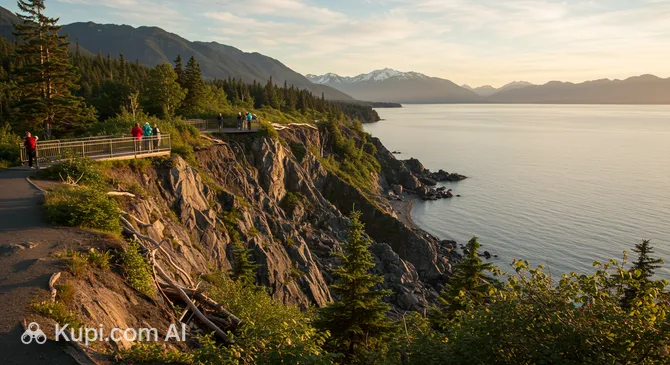
Another scenic gem is Coastal Trail – Elderberry Park. Located on a bluff overlooking the Cook Inlet, this park is a gateway to the city's famous coastal trail system. It is widely considered one of the best spots in Anchorage to watch the sunset, offering dramatic views of the water and the Sleeping Lady (Mount Susitna) in the distance. With its beautiful flower gardens and historic Oscar Anderson House nearby, it provides a peaceful escape with magnificent scenery.
Local Cuisine
Anchorage's culinary scene is deeply rooted in the bounty of the surrounding land and sea. The city is world-renowned for its incredibly fresh seafood, which is often caught just hours before arriving on your plate. Alaskan King Crab is the undisputed star here, typically served simply with drawn butter to highlight its sweet, tender meat. Another must-try is the wild-caught salmon, whether it is grilled, smoked, or prepared as jerky. Visitors will also find fresh halibut featuring prominently on menus, ranging from beer-battered fish and chips to elegant, pan-seared filets.
For a taste of something truly local and terrestrial, you cannot miss the famous reindeer sausage. This savory treat is a staple of the city's street food culture, often sold by vendors from steaming carts in the downtown area. Served in a bun with caramelized onions and spicy mustard, it provides a hearty, warming meal that fuels locals and tourists alike during their urban explorations.
The beverage culture in Anchorage is just as vibrant as its food scene. The city has a surprisingly high per capita consumption of coffee, with drive-through espresso huts scattered on nearly every corner to combat the chilly mornings. On the spirited side, the craft beer movement is thriving. Local microbreweries use glacial water to produce exceptional IPAs, stouts, and ambers that pair perfectly with hearty Alaskan meals.
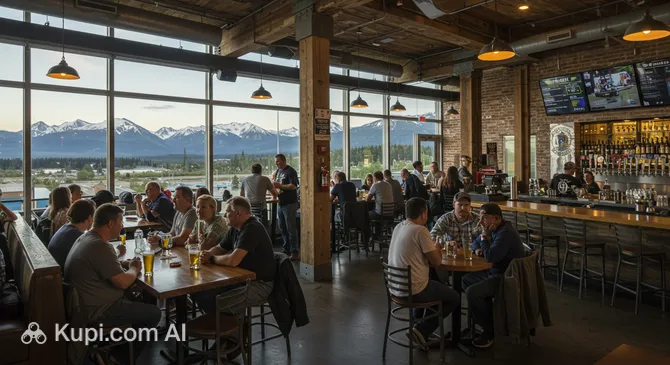
A prime example of this brewery culture can be found at 49th State Brewing. This popular establishment offers a quintessential Alaskan dining experience, serving not only their own handcrafted beers but also unique regional dishes like yak burgers and Bavarian pretzels. It is a fantastic spot to immerse yourself in the lively, communal atmosphere that defines dining in the Far North.
49th State Brewing. Illustration.
Source: Kupi.com AI
Traveler photos:
Dining in Anchorage is generally relaxed and unpretentious. While there are upscale options for a fine night out, the prevailing mood is casual, reflecting the city's adventurous spirit. Whether you are grabbing a quick bite at a market, enjoying a reindeer dog on the sidewalk, or sitting down at a bustling brewpub, the focus is always on high-quality, locally sourced ingredients.
Travel Tips
Visiting Anchorage is an adventure like no other, blending modern city comforts with the raw power of the Alaskan wilderness. To ensure your trip is as smooth and enjoyable as possible, we have compiled a list of essential practical tips to help you navigate the local lifestyle and environment.
Clothing and Gear: The golden rule in Alaska is layering. Regardless of the season, weather can change rapidly. Bring a moisture-wicking base layer, an insulating fleece, and a high-quality waterproof and windproof outer shell. Comfortable, waterproof walking shoes are a must for exploring. If you visit in winter, thermal underwear, a heavy parka, and ice cleats (grippers for your shoes) are essential for walking safely on icy sidewalks.
Transportation: While the city has a public bus system called the People Mover that covers the Anchorage bowl, it runs less frequently than in major metropolitan areas. Ride-hailing apps like Uber and Lyft are widely available and reliable. However, to truly experience the freedom of the surrounding area, renting a car is highly recommended. It gives you the flexibility to chase the Northern Lights or visit trailheads at your own pace.
Finances: The local currency is the US Dollar (USD). Credit and debit cards are accepted almost everywhere, from downtown restaurants to souvenir shops, so you rarely need to carry large amounts of cash. ATMs are plentiful throughout the city. Tipping is standard practice here; expect to leave 15–20% for good service in restaurants, taxis, and bars.
Health and Safety: Anchorage is generally a safe city, but the biggest unique hazard is wildlife. Moose roam the streets freely and can be aggressive if provoked, especially cows with calves. Always keep a safe distance and never get between a mother and her young. Additionally, stay off the mudflats along the coast; the glacial silt can act like quicksand, and the incoming tides move dangerously fast. Pharmacies are easy to find, with several major chains operating 24-hour locations.
Communication: English is the primary language spoken. Major US mobile carriers provide good coverage within the city limits, but signals can drop quickly once you head into the mountains or drive along the highways. Wi-Fi is standard in most hotels, cafes, and the airport. If you are an international traveler, purchasing a prepaid SIM card at a local electronics store or the airport is straightforward.
Local Etiquette: The vibe in Anchorage is incredibly friendly and casual. There is rarely a need to dress up; "Alaska casual" (jeans, flannel, and clean boots) is acceptable in almost all restaurants and theaters. Locals appreciate genuine curiosity about their state but value respect for nature above all. Always pack out your trash if you go hiking.
What to Avoid: Do not underestimate the summer daylight. With nearly 24 hours of light in June and July, it is easy to lose track of time and exhaust yourself. Conversely, do not attempt to feed any wildlife—it is illegal, dangerous to you, and harmful to the animals.
Additional Tip: If you are visiting in summer, bring a high-quality sleep mask. Even with blackout curtains in hotels, the "Midnight Sun" can make it difficult for your body to adjust to a sleep schedule. In winter, hand warmers and portable battery packs are lifesavers, as the cold drains phone batteries very quickly.
By keeping these practicalities in mind, you will be well-prepared to embrace everything Anchorage has to offer, from its urban trails to its culinary delights. Pack smart, stay safe, and get ready for an unforgettable Alaskan experience!
Entertainment & Nightlife
For travelers seeking evening excitement, Anchorage offers a nightlife scene that is distinctively laid-back and welcoming. Unlike the high-intensity clubs of major metropolises, the entertainment here centers around cozy pubs, lively breweries, and sophisticated yet casual lounges. The atmosphere is defined by the "Alaska Casual" lifestyle, where friendly conversation and live local music take precedence over strict dress codes or velvet ropes.
The heartbeat of the city's nightlife is undoubtedly Downtown Anchorage. This walkable district is packed with options ranging from dive bars to upscale dining spots that transition into evening hangouts. Visitors will find that the area around G Street and 4th and 5th Avenues is particularly vibrant, buzzing with locals and tourists alike. Whether you are looking for a quiet glass of wine or a place to sample locally crafted cocktails, this area serves as the perfect base for a night out.
For a taste of the city's modern and chic side, Ginger is a standout destination. Located in the heart of downtown, this venue is renowned for its sleek design and warm ambiance. While it serves Pacific Rim cuisine during the day, in the evening, it transforms into a stylish spot for enjoying specialized cocktails and socializing in a refined setting. It is an excellent choice for those who appreciate a more polished night out without losing the friendly Alaskan vibe.
Ginger. Illustration.
Source: Kupi.com AI
Traveler photos:
Just a short walk away, near the Performing Arts Center, you will find Orso. This establishment is a favorite for its impressive selection of wines and Alaskan beers. The atmosphere is reminiscent of a warm, rustic bistro, making it an ideal place to unwind after a day of hiking or sightseeing. It attracts a diverse crowd, from theater-goers to friends gathering for a relaxed evening of conversation and high-quality drinks.
Orso. Illustration.
Source: Kupi.com AI
Traveler photos:
Beyond downtown, the Spenard neighborhood offers an eclectic mix of entertainment options, known for its quirky character and historic roots. Here, the vibe is a bit grittier and more bohemian, hosting some of the city's most iconic dive bars and music venues. Across the city, live music is a staple, with many venues hosting local folk, rock, and jazz bands, especially on weekends.
Practical Tips for Nightlife:
Dress Code: The style is almost universally casual. Jeans, flannel shirts, and clean boots are the norm, even in nicer establishments. Comfort is key in Alaska.
Best Time to Go: In summer, the "Midnight Sun" means it stays light well past midnight, creating a surreal and energetic party atmosphere. In winter, the dark evenings make the warm, glowing interiors of bars feel incredibly inviting.
Safety and Transport: Downtown is generally safe for walking in the evening, but it is always wise to stay in well-lit areas and be aware of your surroundings. For getting back to your hotel, ride-sharing services like Uber and Lyft are reliable and recommended, especially during the cold winter months.
Prices: Expect to pay standard US city prices for drinks. Craft beers typically range from $7 to $9, while specialty cocktails can cost between $12 and $16.
While the nights are for socializing, the city also boasts a variety of daytime entertainment options. Culture enthusiasts should check the schedule at the local performing arts centers, which host Broadway shows, concerts, and dance performances. For families or those interested in history, the city's museums offer immersive exhibits on aviation and indigenous heritage, providing a perfect way to spend the daylight hours before the evening fun begins.
Parks & Museums
Anchorage is a city that seamlessly blends its rich cultural heritage with the stunning natural environment that surrounds it. Visitors can spend the morning exploring world-class museums that detail the history of the Far North and the afternoon walking through dense forests without ever leaving the city limits. The local parks and cultural centers serve as vital gathering places, offering deep insights into the Alaskan way of life.
For those interested in the artistic and historical narrative of the state, the Anchorage Museum is an essential stop. As the largest museum in Alaska, it houses an extensive collection that spans art, history, ethnography, and science. Its immersive exhibits provide a comprehensive look at the diverse indigenous cultures of the region, as well as the Russian colonial period and the modern American era. It is a perfect place to gain context on the land and people before venturing further into the wild.
Nature enthusiasts will find a unique combination of history and scenery at Earthquake Park. This wooded area commemorates the devastating 1964 Good Friday Earthquake, which dramatically altered the landscape. Today, nature has reclaimed the land, creating a beautiful forest with rippling terrain that tells the story of the ground's movement. It is a favorite spot for walkers and cyclists, offering panoramic views of the city skyline against the backdrop of the Chugach Mountains and the Cook Inlet.
Earthquake Park. Illustration.
Source: Kupi.com AI
Traveler photos:
Another serene escape within the urban area is Valley of the Moon Park. Located along the scenic Chester Creek Greenbelt, this park is a lush oasis featuring tall trees, open lawns, and the soothing sounds of the creek. It is a popular destination for families and joggers, providing a direct connection to the city's extensive trail system. Whether you are looking for a peaceful picnic spot or a starting point for a long bike ride, this park offers a quiet respite from the downtown bustle.
Valley of the Moon Park. Illustration.
Source: Kupi.com AI
Traveler photos:
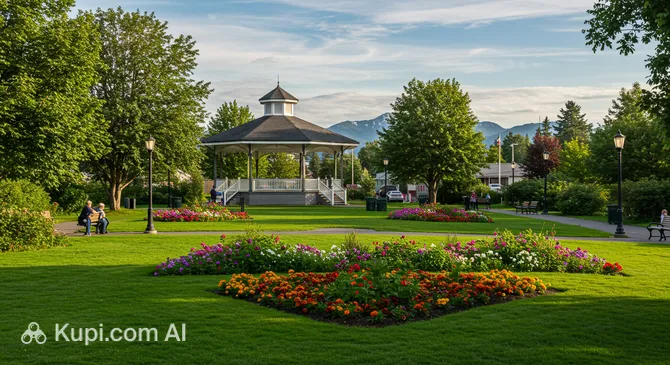
In the heart of the downtown district lies Town Square Park, a vibrant public space that serves as the city's living room. Surrounded by shops and restaurants, it is a hub for community events, from summer flower displays to winter light festivals. It is an excellent place to sit and people-watch, enjoying the beautifully landscaped gardens that bloom furiously during the long summer days.
For a truly authentic experience, consider visiting the Alaska Native Heritage Center (located just outside the main downtown area). While not a traditional museum, it offers a living history experience with reconstructed village sites and cultural demonstrations. An insider tip for wildlife lovers is to visit Potter Marsh at the southern end of the city; a walk along the boardwalk there often rewards visitors with sightings of nesting swans, eagles, and occasionally moose wading in the wetlands.
Getting Around
Public transportation in Anchorage is primarily served by a bus system known as the People Mover. Unlike many older major cities, Anchorage does not have a metro, tram, or trolleybus network. The city is spread out over a vast area, and while the bus service covers the main commercial and residential districts within the "Anchorage Bowl," the network is less dense than what you might find in more compact metropolitan areas. For most tourists staying downtown, the buses are a reliable way to reach popular shopping centers, the university, and major medical facilities.
The People Mover operates a variety of routes, with "Frequent Network" buses running every 15 minutes during peak times and "Standard Network" buses arriving every 30 to 60 minutes. The service generally runs from early morning until late evening, though schedules can vary significantly on weekends and holidays. It is highly recommended to check the current timetable in advance, as frequency drops in the evenings.
Paying for your ride is straightforward and modern. The most convenient option for visitors is the People Mover mTicket mobile app, which allows you to purchase passes instantly on your smartphone. You can buy a single ride, a day pass, or a weekly pass depending on your needs. If you prefer to pay with cash, you must have the exact change ready when you board, as drivers do not carry cash. A standard single ride costs approximately $2.00, while a day pass offers unlimited travel for around $5.00, making it an economical choice for a full day of exploring.
Given the city's expansive layout, many visitors find that alternatives to public transport offer more flexibility. Renting a car is often the most practical choice for those wishing to explore trailheads, state parks, or attractions on the outskirts of town where bus service is limited or non-existent. For shorter trips within the city, ride-sharing apps like Uber and Lyft are widely available and very popular. Traditional taxis are also easy to find downtown or can be booked by phone.
During the warmer months, biking becomes a fantastic mode of transport, thanks to the city's extensive network of paved multi-use trails. You can rent bikes downtown and use the coastal trails to commute between parks and scenic spots without dealing with traffic. Conversely, in winter, walking and waiting for buses requires appropriate thermal gear, and transport schedules may be affected by heavy snowfall.
A special feature of the local transport landscape is the historic Alaska Railroad. While it is primarily an intercity and sightseeing service rather than a daily commuter option for locals, its downtown depot is a major hub. Taking a train from here offers a unique, nostalgic travel experience, connecting passengers to the stunning southern coast or the northern interior in comfort and style.
Accommodation
Finding the perfect place to stay in Anchorage is an essential part of planning your Alaskan adventure. The city offers a diverse range of accommodation options to suit every travel style and budget. Visitors can choose from modern high-rise hotels with stunning views of the inlet, cozy bed and breakfasts tucked away in quiet neighborhoods, and budget-friendly hostels for backpackers. For those seeking a more independent experience, vacation rentals and cabins are also widely available, providing a home-like atmosphere amidst the rugged landscape.
When choosing where to base yourself, Downtown Anchorage is often the most convenient choice for first-time visitors. Staying here places you within walking distance of major cultural sites, souvenir shops, and the start of the coastal trail system. It is the vibrant heart of the city, bustling with activity during the long summer days. Alternatively, the Midtown area is excellent for those who have rented a car; it offers easy access to the main highways and is often surrounded by ample parking and shopping centers. For travelers with early morning flights or short layovers, the Spenard and Lake Hood areas near the airport provide numerous comfortable lodging options.
A crucial tip for booking accommodation in Anchorage is to plan well in advance. The summer tourist season, particularly from June to August, sees a massive influx of visitors, and the best hotels can sell out months beforehand. If you are traveling during this peak period, securing your room early is highly recommended to ensure you get your preferred location and rate.
Price ranges can vary significantly depending on the time of year. During the high summer season, rates for even mid-range hotels can be quite high due to demand. In contrast, winter travelers often find much lower prices and greater availability. Booking is typically done through major online travel platforms or directly through hotel websites. Whether you are looking for a luxury suite or a simple motel room, Anchorage has the facilities to ensure a comfortable rest after your days of exploration.
Nearby Cities
For those looking to explore the surroundings, Anchorage serves as an excellent base for day trips to several interesting nearby locations. The region surrounding the city is rich with opportunities to experience small-town Alaskan life, historic sites, and world-class fishing grounds.
One of the most popular destinations is Wasilla, located just a short drive north. It is famously known as the headquarters for the Iditarod Trail Sled Dog Race. Visitors can stop by the visitor center to meet sled dog puppies and learn about the "Last Great Race on Earth." The town also offers access to beautiful lakes and the Museum of Alaska Transportation and Industry.
Further south lies the city of Kenai, situated where the famous Kenai River meets the Cook Inlet. This area is legendary among anglers for its salmon runs, particularly in July. Even if you are not fishing, the historic old town, with its Russian Orthodox church and bluff views, makes for a scenic and culturally enriching visit. For those willing to travel a bit further for a short visit, Homer awaits at the end of the Sterling Highway. Known as the "Halibut Fishing Capital of the World," it boasts the famous Homer Spit, a long strip of land jutting into Kachemak Bay, lined with shops, galleries, and seafood restaurants.
City
Population
Distance
Fort Richardson
—
12 km
Knik-Fairview
18 282
37 km
Wasilla
9 098
47 km
Girdwood
2 500
50 km
Tanaina
10 314
55 km
These nearby destinations offer a glimpse into the diverse culture and landscapes of the region.
Shopping & Souvenirs
Anchorage serves as the primary retail hub for the entire state, offering a diversity of shopping experiences that ranges from modern department stores to quaint local boutiques. While it may not be a global fashion capital, the city excels in providing high-quality outdoor gear essential for Alaskan adventures, as well as unique regional handicrafts that you cannot find anywhere else. Whether you are looking for practical equipment for a hike or a one-of-a-kind piece of art, the city has plenty to offer.
The downtown district, particularly along 4th and 5th Avenues, is the vibrant center of tourist-focused shopping. This walkable area is lined with numerous galleries, furriers, and gift shops. It is the perfect place to stroll while looking for authentic Alaska Native art, jewelry, and winter clothing. For a more local commercial vibe, the Midtown area and the Dimond district host larger box stores and retailers that cater to the everyday needs of residents.
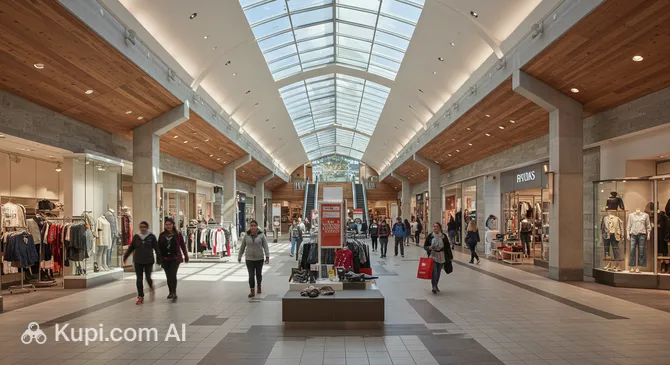
For a comprehensive indoor shopping experience, the Anchorage 5th Avenue Mall is the premier destination in the heart of downtown. This multi-level center features a wide array of well-known national brands, fashion retailers, and a food court, making it a convenient stop for travelers needing to resupply. Its central location makes it an easy refuge from the weather while exploring the city center.
Anchorage 5th Avenue Mall. Illustration.
Source: Kupi.com AI
Traveler photos:
Another notable retail destination is Glenn Square, located in the Mountain View area. This open-air shopping center offers a mix of retail stores, dining options, and services. It provides a more relaxed atmosphere compared to the bustling downtown malls and is a good spot to find apparel, home goods, and specialty items.
Glenn Square. Illustration.
Source: Kupi.com AI
Traveler photos:
During the summer months, the local market scene comes alive. The Anchorage Market is a weekend tradition that draws both locals and visitors. Typically held downtown or in designated large lots, this open-air market features hundreds of vendors selling everything from fresh local produce and catch-of-the-day seafood to handmade crafts and photography. It is an excellent place to meet local artisans and hear the stories behind their creations.
When it comes to souvenirs, Anchorage offers items that are truly distinct. Look for the "Silver Hand" emblem on artworks, which guarantees that the piece was created by an Alaska Native artist. Popular items to bring home include an ulu (a traditional curved knife used by Indigenous people), intricate carvings made from soapstone or walrus ivory, and garments made from qiviut (the incredibly soft and warm underwool of the musk ox). Jade, the state gem of Alaska, is also a popular choice for jewelry.
Most major stores and shopping centers operate from roughly 10:00 AM to 9:00 PM on weekdays and Saturdays, with slightly reduced hours on Sundays. Smaller boutiques and souvenir shops downtown may have seasonal hours, staying open later during the peak summer tourist season and closing earlier in winter. Credit and debit cards are universally accepted, and ATMs are widely available throughout the shopping districts.
One of the most significant advantages for tourists is that Anchorage has no general sales tax on goods. Unlike many other destinations in the United States where a tax is added at the register, the price you see on the tag is generally the price you pay. This makes the city an attractive place to purchase higher-value items such as electronics, cameras, or fine jewelry, effectively offering a tax-free shopping experience for everyone.