Support

Cordova

About

Nestled at the head of Orca Inlet on the east side of Prince William Sound, Cordova offers a truly authentic and secluded experience in the United States. Unlike many other destinations in Alaska, this charming town is not connected to the state's road system, making it accessible only by plane or boat. This isolation has helped preserve its pristine environment and friendly, small-town atmosphere, where the pace of life is dictated by the tides and the fishing seasons.

Surrounded by the Chugach National Forest, the town is a gateway to some of the most spectacular wilderness in the region. With a population of approximately 1,000 residents, Cordova feels intimate and welcoming. The climate here is typical of a temperate rainforest, characterized by mild temperatures and frequent precipitation that keeps the surrounding landscapes lush and vibrant green throughout the year.
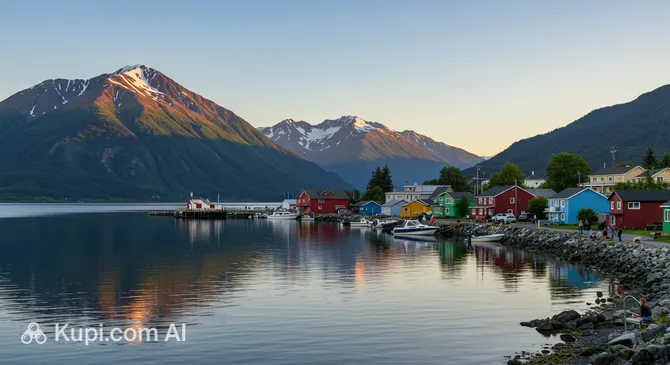
Cordova. Source: Kupi.Binoculars

The history of Cordova is deeply intertwined with the copper mining boom of the early 20th century. It famously served as the terminus for the Copper River and Northwestern Railway, which transported ore from the Kennecott Mines. Today, remnants of this industrial past, such as the iconic Million Dollar Bridge, stand as fascinating landmarks for visitors to explore alongside the area's natural beauty.

Modern Cordova is renowned worldwide for its commercial fishing industry, particularly the legendary Copper River salmon. For nature enthusiasts, the nearby Copper River Delta is a must-visit; it is one of the largest contiguous wetlands in the Western Hemisphere and a critical stopover for millions of migratory shorebirds. Whether you are hiking up Mount Eyak for panoramic views or kayaking through glacial waters, the opportunities for outdoor adventure are endless.

If you are looking for a destination that combines rich heritage, breathtaking scenery, and a genuine community spirit, Cordova is the perfect choice. It invites travelers to step off the beaten path and discover the rugged, unpolished beauty of the True North.

Weather Overview

The climate in Cordova is characterized by cool temperatures and consistent moisture, typical of the region's coastal geography. Summers offer the most comfortable conditions for exploration, particularly in July and August, when average temperatures hover around 11.6°C and daytime highs can reach nearly 14°C. Even during these warmer months, the air remains crisp, making it ideal for active outdoor pursuits.

Winters bring a distinct chill, with average temperatures in January and February dipping to around -5.5°C and minimums reaching -7.5°C. Precipitation is a defining feature of the local environment year-round. Visitors should be prepared for frequent wet weather, as the city experiences between 15 and 23 wet days per month depending on the season, with December typically seeing the highest frequency of precipitation.

Because conditions can vary, it is helpful to review the specific forecast before your trip. You can find more detailed information about the weather in Cordova to help you pack the right gear, which should always include waterproof layers and warm clothing.

Interesting Facts

Beyond the scenic landscapes and fishing heritage, Cordova holds fascinating stories that define its unique character and history. Here are a few intriguing details about this secluded Alaskan town:

  • The Cordova Coal Party: In 1911, the town staged its own version of the Boston Tea Party. Frustrated citizens, protesting the lack of access to local coal fields due to federal restrictions and monopolies, marched to the docks and dumped a shipment of imported foreign coal into the bay.

  • Home of the Ice Worm: While many places celebrate the arrival of spring, Cordova embraces the winter with the annual Ice Worm Festival in February. The event honors the tiny, real worms that live in the glacial ice of the surrounding mountains and features a parade, fireworks, and the crowning of an Ice Worm Queen.

  • A Linguistic Legacy: Cordova was the home of Marie Smith Jones, who was the last fluent speaker of the Eyak language. Before her passing in 2008, she worked tirelessly to document the language, leaving a vital cultural legacy that continues to be studied and honored today.

  • A Global Bird Hub: The nearby Copper River Delta is a site of international importance for ornithology. During the spring migration, it hosts nearly the entire world population of western sandpipers and Pacific dunlins, with millions of shorebirds stopping here to rest and feed.

How to Get There

Reaching this secluded Alaskan destination requires a bit of planning, as the town is not connected to the state's road system. Most visitors arrive by plane or ferry, enjoying the scenic journey as part of the adventure. You can read more about how to get to Cordova to find the best route for your trip.

The most direct entry point is Mudhole Smith Airport (CDV), which is located within the municipality, approximately 16 km from the city center. This regional hub handles around 34,000 passengers annually and serves as the primary lifeline for the community. Upon arrival, the drive into town by taxi or hotel shuttle typically takes about 25 minutes.

For those traveling from further afield, the journey usually involves a connection through Ted Stevens Anchorage International Airport (ANC) in the city of Anchorage. Located about 241 km from Cordova, this is a major international gateway welcoming over 5 million passengers each year. Since there is no road linking the two cities, travelers transfer here to a short regional flight that offers breathtaking views of the Prince William Sound.

For clarity, here is a summary of the main airports:

Airport Name City Passenger Traffic Km from City
Ted Stevens Anchorage International Airport Anchorage Large 241.1
Mudhole Smith Airport Cordova Small 16.1

Main Attractions

While Cordova is small and remote, it offers a wealth of experiences for travelers who appreciate nature, history, and culture. The town serves as a launching pad for exploring the untamed wilderness of the Chugach National Forest, but it also houses fascinating local landmarks that tell the story of its rich heritage. From interactive museums to breathtaking natural wonders, here are some of the top places to visit.

One of the most spectacular natural sights in the region is Childs Glacier. Known for its high level of activity, this glacier frequently calves massive chunks of ice into the Copper River with a thunderous roar. Visitors can safely witness this awe-inspiring display of nature’s power from a designated viewing area across the river. The combination of the lush surrounding forest and the brilliant blue ice makes it a photographer's dream and a highlight of any trip to the area.

To dive deep into the local heritage, a visit to the Cordova Historical Museum is essential. Located within the modern Cordova Center, the museum offers well-curated exhibits that cover the area's diverse history, from the Eyak, Alutiiq, Tlingit, and Athabascan roots to the copper mining boom and the commercial fishing industry. It provides excellent context for understanding how the town has evolved and thrived in such a rugged environment.

For a unique cultural experience, stop by the Ilanka Cultural Center. This facility is dedicated to preserving and sharing the heritage of the Eyak people. One of its most striking features is a fully articulated orca whale skeleton, which serves as a centerpiece for the center. Beyond the exhibits, the center often hosts local art and offers insights into the traditions that have shaped the community for generations.

Outdoor enthusiasts should not miss the Mount Eyak Ski Area. While it is a hub for winter sports, the mountain is a year-round attraction. It is famous for operating one of the oldest single-chair lifts in North America. A ride on this historic lift offers visitors a nostalgic journey and rewards them with sweeping panoramic views of the Prince William Sound and the town below, making it a perfect spot for sightseeing.

Local Cuisine

The culinary identity of Cordova is inextricably linked to the ocean, specifically the world-renowned Copper River salmon. As the primary port for this legendary fishery, the town offers visitors the chance to taste this fish at its absolute freshest. Whether it is the rich, buttery King salmon or the flavorful Sockeye, you will find it on nearly every menu, prepared in styles ranging from simple grilling to traditional smoking. Beyond salmon, the local waters provide a bounty of Pacific halibut, which is a local favorite often served as crispy, golden-fried fish and chips, as well as seasonal treats like Dungeness crab and sweet spot prawns.

On land, the temperate rainforest contributes its own flavors to the local table. During the summer months, the area abounds with wild berries, including blueberries, salmonberries, and huckleberries. These are frequently harvested by residents and transformed into delicious jams, jellies, and pies. For dessert, a slice of warm berry cobbler is the perfect way to conclude a meal, offering a tart and sweet taste of the Alaskan wilderness.

When it comes to drinks, the local culture mirrors the rugged environment. Alaska has a thriving craft beer scene, and Cordova embraces this with locally brewed ales and stouts that often utilize the region's pristine water. You might even find seasonal brews infused with spruce tips for a uniquely northern profile. For non-alcoholic options, coffee is an essential part of daily life here, with strong, high-quality roasts available to keep locals and visitors warm and energized against the coastal chill.

The dining atmosphere in Cordova is refreshingly unpretentious and community-focused. There are no white-tablecloth establishments here; instead, the food scene is characterized by cozy, family-run diners and quirky food trucks stationed near the harbor. This casual approach places the spotlight entirely on the ingredients, which are often sourced directly from the fishing boats docked just a few hundred meters away. It is a true "sea-to-table" experience where the connection between the fisherman and the chef is seamless and personal.

Travel Tips

Visiting Cordova is a step into the wild heart of Alaska, and a little preparation ensures you can enjoy its rugged beauty comfortably. Since this community is off the road system and deeply connected to the wilderness, knowing a few local logistics will help your trip run smoothly.

  1. Dress for the Rainforest: Cordova is located in a temperate rainforest, so high-quality waterproof gear is your best friend. Locals often wear rubber boots (affectionately known as "Alaskan sneakers") and rain jackets as daily attire. Dress in synthetic or wool layers to stay warm even when damp, and avoid cotton, which offers no insulation when wet.

  2. Getting Around: The downtown area is compact and easily walkable, but to explore the Copper River Delta or reach the trailheads, you will need a vehicle. Car rentals are available but the fleet is limited, so it is essential to book well in advance. Taxis and hotel shuttles are reliable for airport transfers, but there is no extensive public bus system.

  3. Money Matters: The currency is the US Dollar. While credit cards are widely accepted at hotels, restaurants, and most tour operators, it is wise to carry some cash for small purchases at local festivals, food trucks, or the harbor. Be aware that prices for goods may be slightly higher than on the mainland due to shipping costs.

  4. Bear Safety is Key: You are visiting bear country. Whether hiking on the trails or exploring near the river, always carry bear spray and know how to use it. Make noise while hiking to avoid startling wildlife, and always keep a safe distance from all animals, including moose and eagles. Medical assistance is available at the Cordova Community Medical Center if needed.

  5. Stay Connected: English is the primary language. While major carriers usually offer cell service in the town center, coverage can be spotty or non-existent once you head out "the road" toward the glaciers. It is a good idea to download offline maps and let someone know your itinerary before venturing into the wilderness.

  6. Respect the Working Harbor: Cordova is a genuine fishing town, not just a tourist backdrop. When walking the docks, give the fishermen space to work and do not touch nets, lines, or equipment without permission. Being respectful of their livelihood is a major part of local etiquette.

  7. What to Avoid: Do not expect "big city" conveniences or 24-hour services. Shops may close early, close for lunch, or have limited weekend hours. Avoid getting impatient with the slower pace; instead, embrace the relaxed, "island time" atmosphere that makes this town so special.

  8. Seasonal Awareness: Many businesses operate seasonally. If you are visiting in the shoulder seasons (May or September), double-check that your desired tours and restaurants are open. Also, summer days are incredibly long with nearly 20 hours of daylight, so pack an eye mask if you are sensitive to light while sleeping.

With these tips in hand, you are ready to embrace the authentic Alaskan spirit of Cordova. Pack your rain jacket, bring your sense of adventure, and get ready for an unforgettable journey in the Prince William Sound.

Entertainment & Nightlife

Nightlife in Cordova is a far cry from the bustling clubs of a big metropolis, but it offers something far more authentic: a warm, rowdy, and welcoming glimpse into the life of a true Alaskan fishing town. The evening scene revolves almost entirely around a few key establishments located along First Street and near the Small Boat Harbor. Here, the typical nightclub atmosphere is replaced by historic saloons and hotel lounges where locals, seasonal cannery workers, and fishermen gather to swap stories after a long day at sea.

For a quintessential local experience, you must visit the Alaskan Bar. Located on the ground floor of the historic Alaskan Hotel, this venue is often considered the heartbeat of the town's social life. With its vintage back bar, eclectic decor, and frequent live music nights, it captures the rugged spirit of the frontier. It is the perfect place to enjoy a pint of local brew and mingle with the community. Another excellent option is the lounge at The Reluctant Fisherman Inn. This spot offers a slightly more relaxed atmosphere with stunning views of the harbor, making it an ideal location for a quiet evening cocktail or a glass of wine while watching the boats return.

The atmosphere across town is incredibly casual and unpretentious. There is absolutely no dress code; jeans, flannel shirts, and rubber boots—locally known as "Xtratufs"—are the standard attire, even for a night out. Venues typically stay open until around 2:00 AM on weekends, though things can be quieter on weeknights depending on the fishing season. Prices are comparable to the rest of Alaska, which can be slightly higher than the mainland due to logistics, but beer and well drinks remain reasonably priced.

Safety in Cordova is generally not a concern regarding crime, making night walks between the harbor and downtown relatively stress-free. However, the town is surrounded by wilderness, so visitors should remain aware of their surroundings; even within city limits, wildlife encounters are possible. Since the town is compact, most nightlife spots are within walking distance of the main hotels. If you need a ride, local taxi services are available, though it is best to have a number saved or ask a bartender to call one for you, as they do not typically patrol for fares.

During the daylight hours, entertainment shifts toward culture and community events. The Cordova Center is the town's modern cultural hub, housing the North Star Theatre. This venue serves as the primary spot for movie screenings, performing arts, and community presentations. While you will not find amusement parks or large shopping districts here, the town occasionally hosts artisan markets and festivals that bring the community together, offering a wholesome and engaging counterpoint to the lively bar scene.

Parks & Museums

Cordova’s isolation has allowed its natural beauty and cultural heritage to flourish relatively undisturbed. The city offers a delightful mix of accessible green spaces that highlight the region's unique geography, alongside cultural institutions that deeply respect the traditions of the native peoples and the resilience of the local community.

Nirvana Park is a serene, historical gem located on the shores of Eyak Lake. As Cordova’s oldest park, it offers a peaceful retreat with densely wooded paths and a small creek winding through the landscape. It is particularly significant for its connection to the area's indigenous history, as it houses historical gravesites of the Eyak people. Visitors can stroll through the forest to the "spit" for beautiful views of the lake, making it a perfect spot for quiet reflection and photography.

For those who want to experience wildlife without leaving the city limits, Hollis Henrichs Park and the adjacent Odiak Pond Boardwalk are excellent choices. This area features an accessible wooden boardwalk that takes you over the wetlands of Odiak Pond. It is a favorite local spot for birdwatching, where you can often see waterfowl and shorebirds right in the heart of town. The park also includes a covered pavilion and picnic areas, making it a family-friendly destination for a relaxing afternoon.

Breakwater Park offers a different kind of scenery, focusing on the town's maritime soul. Located at the end of Nicholoff Way near the harbor, this small park features a trail that runs along the breakwater, providing unobstructed views of the boat fleet and the surrounding mountains. It is also home to the Fisherman’s Memorial, a touching tribute to those who have lost their lives at sea. Walking here gives visitors a sense of the deep connection between the community and the ocean.

The cultural heart of the town is the Cordova Historical Museum, situated within the modern Cordova Center. This facility goes beyond a typical small-town museum, offering professionally curated exhibits that cover the copper mining era, the commercial fishing industry, and the ecological impact of the Exxon Valdez oil spill. It is an essential stop for understanding the forces that have shaped the town's economy and character over the last century.

Within the same building, art enthusiasts should visit the Copper River Gallery. This space is dedicated to showcasing the works of local and regional artists, reflecting the stunning landscapes and unique lifestyle of Prince William Sound through various mediums. The gallery hosts rotating exhibits throughout the year, offering a glimpse into the creative spirit that thrives in this remote corner of Alaska.

Another must-visit cultural venue is the Ilanka Cultural Center, operated by the Native Village of Eyak. The center is renowned for its fully articulated orca whale skeleton, which is one of only a few in the world. Beyond this impressive centerpiece, the museum preserves and shares the heritage of the Eyak, Alutiiq, Ahtna, and Tlingit peoples through artifacts, traditional crafts, and oral histories, providing a profound look at the region's original inhabitants.

For a truly authentic experience, take a short drive or bike ride out to the Alaganik Slough Boardwalk. Although slightly outside the main town area, this elevated path offers world-class wildlife viewing, especially during the spring and fall bird migrations. It is a fantastic place to see moose and trumpeter swans in their natural habitat without the need for a guided tour.

Getting Around

Due to its small population and remote location, Cordova does not possess a public transport network in the traditional sense. Visitors will not find subways, trams, trolleybuses, or a scheduled city bus service here. The town is compact and community-focused, meaning that the infrastructure is designed for personal vehicles and pedestrian traffic rather than mass transit systems found in larger metropolitan areas.

For most travelers, the primary "public" means of getting around are local taxis and hotel shuttles. These do not operate on fixed routes or schedules; instead, they function entirely on an on-demand basis. Taxis are reliable for transfers between the airport, the harbor, and downtown accommodations. It is important to note that you cannot typically hail a cab from the street. You must call the dispatch number to arrange a pickup, so it is advisable to keep the number of a local taxi service saved on your phone.

Regarding payment, the system is straightforward since there are no travel zones, transport cards, or validation machines to worry about. Rides are paid for directly to the driver using cash or credit cards. Prices are generally fixed or metered based on distance, but because the town is small, fares remain relatively reasonable. There are no "day passes" or subscription apps for transport here; you simply pay per ride.

For those wishing to explore beyond the immediate downtown area—specifically to reach the Copper River Delta or the various hiking trailheads—renting a car is the most practical alternative. While not a form of public transport, it is often a necessity for tourists. Availability can be very limited, especially during the peak summer fishing season, so booking a vehicle months in advance is highly recommended. Ride-sharing apps like Uber or Lyft are generally not active or reliable in this secluded community.

Walking and cycling are excellent ways to navigate the city center. The downtown area is flat and easily walkable, allowing you to access museums, shops, and the harbor on foot within minutes. Some local accommodations may offer complimentary bicycles for guests, which is a popular way to enjoy the scenic views along the waterfront without needing a car.

A unique feature of Cordova's transport landscape is found at the Mt. Eyak Ski Area. While primarily a recreational facility, it operates one of the oldest working single-chair lifts in North America. This historic lift transports riders up the mountain, offering a nostalgic journey and some of the best panoramic views of the Prince William Sound, serving as a memorable "ride" distinct from any modern transit experience.

Accommodation

Accommodation in Cordova reflects the town's authentic and rugged character. You will not find sprawling international hotel chains or high-rise luxury resorts here. Instead, the options consist primarily of independently owned hotels, rustic lodges, motels, and cozy bed-and-breakfasts. These establishments are generally designed to be functional and welcoming, catering equally to seasonal fishermen, outdoor adventurers, and leisure travelers. The atmosphere is typically laid-back and unpretentious, focusing on providing a warm, comfortable base for exploring the Prince William Sound.

The most convenient area for visitors to stay is the downtown district, particularly along First Street and near the Small Boat Harbor. Choosing a hotel in this vicinity places you within easy walking distance of the main restaurants, the museum, and the harbor boardwalks. This is especially advantageous for those who may not have a rental car, as the core of the community is compact and pedestrian-friendly. For travelers seeking more solitude, there are wilderness lodges and cabins located further out "the road" near the Copper River Delta, offering immediate access to hiking and fishing spots.

Among the well-known local establishments is The Reluctant Fisherman Inn. Located directly on the waterfront, it is a favorite for travelers who want modern amenities combined with spectacular views of the fishing fleet and the Chugach Mountains. Another iconic spot is the Alaskan Hotel, which offers a more historic experience. As one of the oldest buildings in town, it provides budget-friendly rooms with plenty of old-world charm, appealing to those who enjoy staying in a place with a story to tell.

When planning a trip, it is crucial to book your accommodation well in advance. The summer months, particularly from May to September, are the peak season for both tourism and the commercial fishing industry. Consequently, availability can become extremely limited, and the best rooms are often secured months ahead of time.

Price ranges in Cordova tend to be in the mid-range to higher bracket, reflecting the higher costs of operating in a remote Alaskan community. While some properties can be found on major online booking platforms, many local lodges and B&Bs rely on direct bookings through their own websites or via phone. It is often worth calling directly to check for the most up-to-date availability and to ask about any package deals that might include fishing or tour excursions.

Nearby Cities

For those looking to explore the surroundings, Cordova serves as an excellent base for day trips to several interesting nearby locations. While Cordova itself is isolated by the Chugach Mountains and the sea, short regional flights make it possible to visit neighboring hubs that offer a different pace of life and unique Alaskan attractions.

Anchorage is the most accessible major destination from Cordova, reachable by a short flight. As Alaska's largest city, it provides a stark contrast to Cordova's quiet, small-town atmosphere. Visitors can spend a day exploring the Anchorage Museum, shopping for native art, or enjoying the diverse culinary scene before returning to the tranquility of Prince William Sound.

Another notable destination is Kenai, located on the Kenai Peninsula. Like Cordova, it is famous for its fishing culture, but it offers a different experience centered around the world-famous Kenai River. It is an excellent spot for those interested in seeing how different Alaskan communities utilize their natural resources, particularly during the salmon runs.

Wasilla offers a glimpse into the state's dog mushing history. It is home to the Iditarod Trail Sled Dog Race Headquarters, where visitors can learn about the "Last Great Race on Earth" and even take a dog sled ride in the summer. Although it requires a connection through Anchorage, it presents a fascinating look at the interior lifestyle of the region.

City Population Distance (km)
Anchorage 292545 237
Knik-Fairview 18282 236
Tanaina 10314 233
Wasilla 9098 230
Kenai 8000 302

These nearby destinations offer a glimpse into the diverse culture and landscapes of the region.

Shopping & Souvenirs

Shopping in Cordova is a reflection of its authentic, small-town character and its deep connection to the sea and the surrounding wilderness. You will not find sprawling shopping malls, high-end fashion chains, or luxury department stores here. Instead, the retail scene is comprised of independent, family-owned boutiques, outfitters, and gift shops that offer a personal touch. The experience is less about consumerism and more about discovering unique, locally crafted treasures and high-quality gear designed to withstand the rugged Alaskan environment.

The primary shopping district is concentrated along First Street and the immediate downtown area. This compact, walkable strip is the heart of the community's commerce. Here, visitors can browse through an eclectic mix of stores ranging from bookstores and art galleries to hardware stores that stock everything a fisherman or hiker might need. A stroll down this street offers a relaxed pace where shop owners are happy to chat about the local history or recommend their favorite hiking trails.

Given the town's size and isolation, there are no shopping malls in Cordova. The closest equivalent to a "one-stop-shop" is the local general store or the grocery center, which supplies residents with daily necessities. For tourists, this absence of large commercial centers is part of the charm, ensuring that every purchase directly supports the local economy and small business owners rather than large corporations.

During the summer months, the Cordova Saturday Market becomes a vibrant focal point for the community. Held typically from June through September, this open-air market features local artisans, farmers, and bakers showcasing their goods. It is an excellent place to find fresh produce, homemade jams, baked goods, and handcrafted items while mingling with locals. The atmosphere is festive and offers a genuine slice of life in Prince William Sound.

When it comes to souvenirs, Cordova offers high-quality items that are distinctively Alaskan. The most iconic purchase is, of course, Copper River salmon. You can buy it smoked, canned, or in shelf-stable pouches to take home, allowing you to share the flavor of the region with friends and family. Other popular keepsakes include hand-knitted goods made from high-quality wool, reflecting the town’s strong crafting culture. Local art is also a great buy, with galleries featuring photography, paintings, and carvings inspired by the dramatic landscapes and native heritage.

Store hours in Cordova can be somewhat limited compared to major cities. Most shops are open from roughly 10:00 AM to 6:00 PM, Monday through Saturday. Sunday hours are often reduced, and some smaller boutiques may be closed entirely. It is also important to note that many businesses operate seasonally, with extended hours in the summer and reduced operations in the winter. Credit and debit cards are widely accepted, but carrying some cash is recommended for small purchases at the Saturday Market or pop-up stands.

One of the financial benefits of shopping here is that the state of Alaska does not impose a state sales tax. While Cordova itself levies a local municipal sales tax on goods and services, the overall cost of shopping can often be lower than in other U.S. states with high tax rates. There is no tax refund system for tourists, but the absence of state tax is a welcome saving for visitors looking to purchase outdoor gear or local artwork.

Reached the end of the page?

That means the route is fully explored