Support

Kenai

About

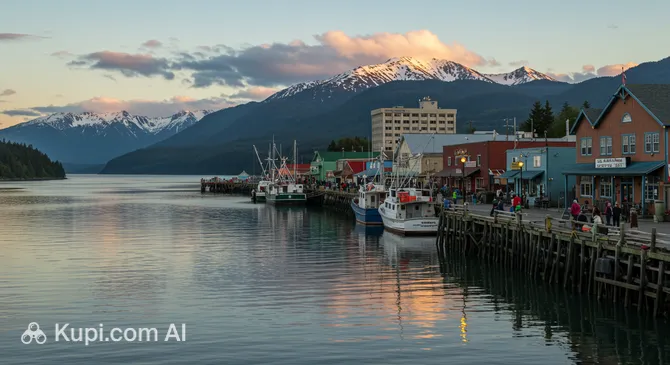
Kenai is a captivating destination located on the western side of the Kenai Peninsula in Alaska. Situated where the mighty Kenai River meets the Cook Inlet, this charming city offers a perfect blend of breathtaking natural beauty and small-town hospitality. As a significant cultural and economic hub in this part of the United States, it serves as a gateway to some of the most spectacular landscapes in the region. With a population of approximately 8,000 residents, the city maintains a cozy, community-focused atmosphere while providing essential amenities for travelers exploring the Last Frontier.

Kenai. Source: Kupi.Binoculars

The city is world-renowned for its incredible fishing opportunities, particularly during the summer salmon runs when the river teems with activity. Anglers from around the globe flock here to experience the thrill of catching massive King or Sockeye salmon. Beyond the riverbanks, visitors are treated to spectacular views across the Cook Inlet, where the active volcanoes of the Aleutian Range, such as Mount Redoubt and Mount Iliamna, dominate the horizon on clear days.

Culture enthusiasts will appreciate the rich history of Kenai, which is deeply rooted in Dena'ina Athabascan tradition and early Russian influence. A walk through the "Old Town" district reveals well-preserved historic buildings, including the iconic Holy Assumption of the Virgin Mary Russian Orthodox Church, a National Historic Landmark that stands as a testament to the area's diverse past.

Whether you are interested in wildlife viewing, beachcombing along the sandy shores, or simply soaking in the Midnight Sun, Kenai has something special to offer. It is an ideal base camp for outdoor adventures and a welcoming place to experience the authentic spirit of Alaska.

Weather Overview

Travelers to this region should prepare for distinct seasonal changes typical of the Alaskan coast. The weather in Kenai is generally cool and maritime, heavily influenced by its proximity to the Cook Inlet. Summers are mild and offer the most comfortable conditions for outdoor adventures, while winters bring freezing temperatures and snow, creating a starkly different landscape.

During the peak summer months of July and August, average temperatures hover around 14.0°C, with daily maximums reaching approximately 16.2°C. This period is ideal for fishing and exploring the local nature. In contrast, the winter season from December to February sees average temperatures drop to between -3.3°C and -4.5°C, with minimums frequently dipping to -6.0°C in January.

Precipitation is a constant factor throughout the year, so visitors should always be prepared for potential rain or snow. The frequency of wet weather varies, ranging from about 9 days in April to as many as 17 days in September and December. Overall, you can expect mild summers with occasional rain and cold winters with frequent precipitation, making layered clothing essential for any visit.

Interesting Facts

Beyond the main attractions, Kenai holds many fascinating secrets that reveal its deep historical roots and ecological significance. Here are a few unique details that make this Alaskan city truly special.
  • Although it is a modest-sized city today, Kenai is one of the oldest permanent European settlements in Alaska. It was originally founded by Russian fur traders as Fort St. Nicholas in 1791, predating the founding of major cities like Anchorage and Fairbanks by over a century.

  • The city holds a legendary status in the global angling community because the Kenai River produced the world record sport-caught King Salmon. In 1985, a fisherman caught a massive Chinook salmon here that weighed in at over 97 pounds, a record that still stands today.

  • Kenai played a critical, yet often overlooked, role in the political history of the region. The discovery of oil at the nearby Swanson River field in 1957 was the first major commercial oil find in the territory, providing the economic justification needed for Alaska to be granted statehood just two years later.

  • While salmon often steal the spotlight, the mouth of the Kenai River is also a prime viewing spot for the endangered Cook Inlet Beluga Whales. These white whales frequently swim upriver with the tide to feed, offering patient observers a chance to see them from the shore.

How to Get There

Reaching this Alaskan gem is an adventure that offers travelers a chance to witness the state's stunning geography firsthand. Whether you choose to fly directly into the local airstrip or land in a major nearby hub and drive through the scenic landscapes, the journey is straightforward. For a comprehensive overview of all transport options and routes, you can read more about how to get to Kenai to plan your trip effectively.

The most direct way to arrive is by flying into Kenai Municipal Airport (ENA), which is conveniently located within the city limits, just 2.0 km from the center. This regional hub handles approximately 175,000 passengers annually, making it a comfortable and uncrowded entry point. Due to its close proximity, a taxi or shuttle from here to the heart of the city is very quick, typically taking only about 5 minutes.

For international travelers or those coming from further afield, the best option is often Ted Stevens Anchorage International Airport (ANC). While it is located approximately 97.3 km from Kenai in a straight line across the water, the ground route requires driving around the Cook Inlet and Turnagain Arm. This scenic drive covers about 250 km and takes approximately 2 hours and 45 minutes, offering beautiful views along the way. Alternatively, visitors can take a short connecting flight from Anchorage to Kenai.

For clarity, here is a summary of the main airports:

Airport Name City Passenger Traffic Km from City
Ted Stevens Anchorage International Airport Anchorage Large 97.3
Kenai Municipal Airport Kenai Medium 2.0
Homer Airport Homer Small 101.9
Iliamna Airport Iliamna Small 221.7

Main Attractions

Holy Assumption of the Virgin Mary Russian Orthodox Church is perhaps the most iconic landmark in the city, standing as a testament to the area's deep Russian heritage. Located in the historic district, this National Historic Landmark was built in 1895 and is instantly recognizable by its three blue onion domes and white clapboard facade. Tourists are drawn here not only for the striking architecture but also to step inside and view the religious icons and artifacts that have been preserved for over a century, offering a tangible connection to the time when Alaska was part of the Russian Empire.

For a comprehensive introduction to the region, the Kenai Visitor and Cultural Center is an essential stop. Far more than a standard information point, this facility houses impressive exhibits on local wildlife, the oil and gas industry, and Indigenous Dena'ina culture. Visitors can explore displays featuring life-sized taxidermy of moose and bears, watch educational films, and view rotating art exhibits. It serves as a perfect starting point for travelers wanting to understand the ecological and historical context of the peninsula before heading out into the wild.

Kenai Beach offers some of the most spectacular scenic views in the area, situated right where the river meets the Cook Inlet. The beach is famous for its panoramic vistas of the active volcanoes Mount Redoubt and Mount Iliamna, which rise majestically across the water. While it becomes a hive of activity during the personal-use fishery season in July, it remains a favorite spot year-round for beachcombing, birdwatching, and spotting beluga whales near the river mouth. The expansive sandy dunes provide a beautiful backdrop for a relaxing walk.

A walk through the Old Town Kenai Historic District allows visitors to wander through the pages of history. This area preserves the footprint of the original settlement, featuring historic cabins and buildings that date back to the early 1900s. Walking tours guide you past markers that explain the significance of sites like the first schoolhouse and the original military outpost, Fort Kenay. It is a quiet, atmospheric part of the city that contrasts with the bustling commercial areas, offering a peaceful glimpse into the lives of the early pioneers and residents.

Local Cuisine

The culinary scene in Kenai is inextricably linked to the bounty of its waters, making it a paradise for seafood lovers. As you might expect from a city located at the mouth of a world-famous river, fresh fish is the star of nearly every menu. The local food culture is unpretentious and hearty, focusing on high-quality ingredients sourced directly from the Cook Inlet and the Kenai River. Dining here is less about white tablecloths and more about savoring the catch of the day in a relaxed, rustic atmosphere.

When visiting, trying the wild Alaskan salmon is an absolute must. Whether it is Sockeye (Red) or Chinook (King), you will find it prepared in countless ways, from simply grilled fillets to rich, creamy chowders. Another local favorite is halibut, often served as golden, beer-battered fish and chips that rival any coastal town in the world. For a true taste of the frontier, look for dishes featuring reindeer sausage, a savory and spicy staple often served at breakfast or as a quick lunch from street vendors.

The beverage culture in Kenai mirrors the rest of Alaska's enthusiasm for craft brewing. The region is home to several microbreweries where you can sample locally made ales and stouts, often brewed with glacial water and local spruce tips. Coffee is also a serious business here; you will notice an abundance of drive-through coffee huts scattered throughout the town, providing locals and travelers with a warm, high-quality caffeine fix to combat the cool coastal air.

Dining in Kenai offers a mix of experiences, from cozy diners and family-run restaurants to seasonal food trucks that appear during the busy summer months. Many eateries take advantage of the stunning geography, offering views of the river or the inlet while you eat. It is common to see anglers enjoying a meal straight off the boat, contributing to a friendly, community-oriented vibe where the connection between the land, the water, and the plate is celebrated daily.

Travel Tips

Visiting Kenai is an exciting opportunity to experience the rugged beauty of Alaska, but the unique environment requires a bit of specific preparation. To help you make the most of your adventure on the peninsula, here are some practical tips designed to keep you safe, comfortable, and ready for anything the Last Frontier throws your way.

  1. Master the Art of Layering. The weather in Kenai can change rapidly, regardless of the season. Even in summer, bring a moisture-wicking base layer, a warm fleece or wool mid-layer, and a high-quality waterproof and windproof outer shell. Sturdy, waterproof boots are essential for walking on the beach or riverbanks, as the terrain is often wet and muddy.

  2. Rent a Car for Freedom. Public transportation options like buses or metros do not exist in Kenai in the way they do in major cities. While there are local taxi services, renting a car is the most practical way to explore the area, access trailheads, and visit neighboring towns like Soldotna. If you are flying into Anchorage, driving down offers a scenic route, but ensure your vehicle is equipped for the season.

  3. Financial Preparedness. The currency is the US Dollar (USD). Major credit and debit cards are widely accepted at hotels, supermarkets, and restaurants. However, it is wise to carry some cash for small purchases at local craft fairs, food trucks, or for tipping fishing guides. ATMs are readily available throughout the city and at the airport.

  4. Wildlife Safety is Paramount. You are visiting bear and moose country. It is not uncommon to see moose walking through city streets or parks; always maintain a safe distance of at least 25 meters and never approach them. If you plan to hike or fish, carry bear spray and know how to use it. For medical emergencies, the Central Peninsula Hospital is located nearby in Soldotna.

  5. Stay Connected. English is the primary language spoken. Mobile coverage is generally good within the city limits and along major highways, but it can be spotty or non-existent in remote wilderness areas. It is highly recommended to download offline maps and essential travel apps before leaving the city center or your hotel Wi-Fi.

  6. Respect Private Property and Fishing Etiquette. The Kenai River is the heart of the community, but much of the land along its banks is privately owned. Always look for public access signs and avoid trespassing on private land to reach the river. If you are fishing, observe the local "combat fishing" etiquette: give others space where possible and follow all regulations strictly.

  7. Avoid Leaving Trace. Do not leave fish waste, food scraps, or trash on the beach or trails. This is not just about cleanliness; it is a critical safety measure to avoid attracting bears into populated areas. Use designated fish cleaning tables and bear-proof trash receptacles provided at public access points.

  8. Prepare for the Midnight Sun. If you are visiting in June or July, the sun barely sets, which can mess with your sleep cycle. A simple but effective life hack is to pack a high-quality sleep mask to ensure you get enough rest, as not all accommodations may have blackout curtains strong enough to block the intense daylight.

By keeping these practical tips in mind, you will be well-equipped to navigate the local customs and climate with ease. Whether you are here to land a trophy salmon or simply admire the volcanic views, a little preparation ensures your trip to Kenai will be as relaxing as it is memorable.

Entertainment & Nightlife

Nightlife in Kenai is a reflection of the city’s character: unpretentious, friendly, and deeply connected to the local community. You will not find sprawling nightclub districts, neon-lit dance floors, or high-end cocktail lounges with strict dress codes here. Instead, the evening scene revolves around cozy pubs, historic taphouses, and hotel bars where the atmosphere is warm and the conversation often centers on the day’s fishing success. It is the perfect place to unwind with a locally brewed beer, listen to live music, and mingle with residents who are always eager to share a story.

The entertainment scene is primarily concentrated in two areas: the historic Old Town district and along the Kenai Spur Highway, which serves as the city's main commercial artery. In Old Town, the vibe is rustic and steeped in history, offering a glimpse into Kenai’s past. Conversely, the venues along the highway are more modern and often attached to hotels or larger restaurants, providing a lively "sports bar" environment where you can catch a game or enjoy a hearty meal late into the evening.

For a taste of authentic local culture, Kenai Joe’s Taphouse is an absolute must-visit. Located in Old Town, this legendary establishment has been a fixture of the community since the 1930s. It strikes a balance between a historic dive bar and a renovated taphouse, frequently hosting live bands and offering a small dance floor for those looking to move. It is the kind of place where jeans and flannel are the standard uniform, and the crowd is a mix of fishermen, locals, and adventurous tourists.

Another popular spot is Main Street Tap & Grill, situated on the Kenai Spur Highway. This venue offers a more polished, sports-focused atmosphere with a wide selection of beers on tap, including many Alaskan craft brews. It is a great destination if you are looking for evening entertainment that includes food, as their kitchen stays open later than many other places. They often host comedy nights, trivia, and karaoke, making it a lively hub for groups of friends looking for variety.

When planning a night out, keep in mind that public transport options like buses do not run late, and ride-sharing services can be unreliable or non-existent. There are a few local taxi companies, but it is highly recommended to call and book a ride in advance if you plan on drinking. Average prices for drinks are reasonable, typically ranging from $6 to $10 for a pint of beer. Safety in Kenai is generally very high regarding crime, but visitors should be vigilant about wildlife; encountering a moose on a dark street is a genuine possibility, so stay aware of your surroundings.

While the nightlife is quiet, daytime and evening cultural entertainment is vibrant for a town of this size. The Kenai Performers and the nearby Triumvirate Theatre often stage high-quality community theater productions, ranging from musicals to dramas. For history buffs, the Kenai Visitor and Cultural Center offers evening lectures and film screenings during the peak summer season, providing a quieter but equally engaging way to spend your time.

Parks & Museums

Kenai offers a diverse array of recreational areas and cultural venues that celebrate its natural beauty and community spirit. Beyond the major tourist hubs, the city is dotted with quiet parks and historic sites where visitors can connect with the local lifestyle and artistic heritage. These spaces provide ample opportunities to explore the outdoors and appreciate the creative energy of the Kenai Peninsula.

For a quiet retreat into nature, Cunningham Park is a standout choice. Tucked away from the coastal breeze near the Beaver Creek wetlands, this park offers a peaceful environment characterized by dense forest and well-maintained boardwalks. It is a haven for birdwatchers and nature enthusiasts, providing excellent opportunities to spot local wildlife, including moose and eagles, in a serene setting that feels far removed from the town center.

Erik Hansen Scout Park provides a different perspective, perched on a bluff with commanding views of the river. It is highly valued for its network of trails that cater to hikers in the summer and cross-country skiers in the winter. The mix of spruce forest and scenic vantage points makes it a perfect location for a morning jog or a leisurely afternoon walk to admire the river landscape.

Families traveling with children should visit Daubenspeck Family Park, a conveniently located green space near the city's commercial district. The park centers around a charming pond frequented by ducks and waterfowl, encircled by a paved walking path. With its playground equipment and picnic shelters, it serves as a relaxing community hub where visitors can enjoy a picnic or a gentle stroll.

The artistic soul of the city is best experienced at the Kenai Fine Arts Center. Located in a historic building in Old Town that formerly served as the city's jail and fire station, this venue is now a vibrant gallery. It showcases a rotating selection of works by Peninsula artists, ranging from pottery and painting to photography. The center not only highlights local talent but also offers a unique gift shop filled with handmade items.

History enthusiasts will find the Kenai Historic Cabin Park to be a fascinating open-air museum. Situated just a short distance from the main visitor areas, this collection features authentic, restored cabins from the early 20th century. These structures were relocated here to ensure their preservation, and walking among them offers a tangible connection to the pioneer lifestyle, complete with interpretive signs detailing the histories of the families who originally inhabited them.

For an unpolished, authentic look at the local economy, a visit to the Kenai City Dock is highly recommended. This is a working facility rather than a typical tourist attraction, offering a front-row seat to the commercial fishing industry. Visitors can watch the fleet unload massive nets of salmon, observing the cranes and crews in action. It provides a raw and dynamic atmosphere that is perfect for photography and understanding the maritime culture that drives the region.

Getting Around

Public Transport Overview

Visitors to Kenai should be aware that the city does not possess a standard metropolitan public transport network. There are no subways, trams, trolleybuses, or fixed-route city buses that run on a frequent schedule like you might find in larger cities. The primary mode of getting around is by private vehicle or taxi. However, for those without a car, the Central Area Rural Transit System (CARTS) serves as the main public transit option. This is a "dial-a-ride" door-to-door service rather than a traditional bus system, meaning it requires advance planning and does not stop at designated bus shelters for spontaneous passengers.

Payment Systems

For the CARTS service, payment is not made with cash directly to the driver. Instead, the system operates on a cashless basis using a virtual wallet or pre-purchased punch cards. Travelers can manage payments through the CARTS Dial-A-Ride app or by setting up an account over the phone. Fares are calculated based on a zone system, with the price increasing depending on how many zones you cross during your journey. If you choose to use local taxis, most companies accept major credit cards and cash (USD), though it is always polite to ask the dispatcher about card machines when booking.

Practical Advice for Tourists

If you plan to rely on the CARTS system, the most critical rule is to book your ride at least 24 hours in advance. Reservations typically need to be made by 5:00 PM on the business day prior to your trip. Service hours are generally limited to daytime operation (Monday through Saturday), so this is not a viable option for late-night dining or early morning departures. For the smoothest experience, download the official app before you arrive to set up your profile and payment method. If you are staying in the historic "Old Town" area, many attractions are walkable, but reaching the commercial centers or supermarkets will likely require transport.

Transport Alternatives

Given the limitations of public transit, renting a car is overwhelmingly the most popular and practical choice for tourists. It offers the freedom to explore the Kenai Peninsula's scenic drives at your own pace. For those who cannot drive, local taxi services (such as Alaska Cab or Inlet Taxi) are reliable, operate 24/7, and are the best alternative for spontaneous trips. Ride-sharing apps like Uber and Lyft are technically available but can be extremely unreliable with very few active drivers; do not count on them for time-sensitive trips like catching a flight. For a more adventurous option during the summer, you can rent bicycles, including "fat bikes" designed for sand and snow, from local outfitters to explore the city's trails and beach areas.

Accommodation

Finding a place to stay in Kenai is an experience that reflects the city's rugged and welcoming spirit. The accommodation landscape is dominated by functional and comfortable options rather than opulent luxury resorts. Visitors can choose from reliable chain hotels, classic roadside motels, and a wide variety of rustic cabins and lodges. Many of these establishments are specifically tailored to the needs of anglers and outdoor enthusiasts, often providing amenities such as large chest freezers for storing your catch, boot dryers, and outdoor barbecue areas for grilling fresh salmon.

When choosing where to stay, the city can be roughly divided into two main zones. The area around Old Town and the river mouth is perfect for those seeking scenic views and a quieter atmosphere. Staying here puts you within walking distance of the beach and historic sites, offering a genuine sense of the local heritage. In contrast, accommodations located along the Kenai Spur Highway offer maximum convenience. This commercial strip is close to the airport, supermarkets, and the majority of restaurants, making it a practical choice for travelers who need easy access to supplies and transport.

Booking Tip: Planning ahead is not just a suggestion; it is a necessity if you are visiting during the summer. The months of June and July constitute the peak salmon fishing season, drawing thousands of visitors to the peninsula. During this time, hotels and lodges are often fully booked months—or even a year—in advance. To secure your preferred location, aim to finalize your reservations by early spring at the latest.

The cost of accommodation varies drastically depending on the time of year. Summer rates typically fall into the mid-to-high range due to the overwhelming demand, while winter prices are significantly lower, making the off-season attractive for budget travelers. While standard hotels can be booked through major online platforms, many of the smaller, family-run cabins and fishing lodges operate independently. It is often beneficial to book these directly through their own websites or by phone, as this can sometimes allow you to arrange custom packages that include fishing charters or guides.

Nearby Cities

For those looking to explore the surroundings, Kenai serves as an excellent base for day trips to several interesting nearby locations:

City Population Distance (km)
Anchorage 292,545 104
Knik-Fairview 18,282 139
Tanaina 10,314 157
Wasilla 9,098 151
Homer 6,000 102

Homer is arguably the most popular day-trip destination from Kenai, located at the southern tip of the peninsula. Known as the "Halibut Fishing Capital of the World" and the "Cosmic Hamlet by the Sea," it offers a unique mix of outdoor adventure and artistic culture. Visitors can explore the famous Homer Spit, a long strip of land jutting into Kachemak Bay lined with shops, galleries, and seafood restaurants, or take a water taxi to the pristine Kachemak Bay State Park.

Although the drive is longer than the straight-line distance suggests, Anchorage is the urban heart of Alaska and offers amenities found nowhere else in the state. As the largest city, it is home to world-class institutions like the Anchorage Museum and the Alaska Native Heritage Center. It provides a stark contrast to the small-town feel of Kenai, offering extensive shopping, diverse dining options, and a bustling downtown atmosphere.

Wasilla, situated in the Matanuska-Susitna Valley, serves as the headquarters for the world-famous Iditarod Trail Sled Dog Race. Visitors can stop by the Iditarod Headquarters to view trophies, watch historical footage of the race, and even take a dog sled ride in the summer. It offers a fascinating glimpse into the history of mushing and the rugged lifestyle of the Alaskan interior.

These nearby destinations offer a glimpse into the diverse culture and landscapes of the region.

Shopping & Souvenirs

Shopping in Kenai is a reflection of the city's practical and community-focused lifestyle. While you will not find high-end fashion boutiques or sprawling luxury department stores here, the city offers a distinct selection of shops that cater to outdoor enthusiasts, anglers, and those seeking authentic Alaskan keepsakes. The retail scene is a mix of essential service providers, large chain stores for stocking up on supplies, and charming local businesses that showcase the creativity and craftsmanship of the Kenai Peninsula.

Main Shopping Areas

The primary commercial artery of the city is the Kenai Spur Highway. This road stretches through the heart of town and is lined with the majority of the area's retail establishments. Here, travelers can find everything from large supermarkets and hardware stores to independent outfitters selling fishing gear and cold-weather clothing. It is the most convenient place to purchase groceries for a cabin stay or to replace any camping equipment you might have forgotten.

For a more atmospheric shopping experience, visitors should explore the Old Town district. Unlike the busy highway, this area offers a quieter pace where you can find small galleries and gift shops nestled among historic buildings. It is the ideal spot to browse for unique art pieces, photography, and handmade crafts while soaking in the heritage of the original settlement.

Shopping Centers

Kenai does not have large, multi-story indoor shopping malls typical of major metropolitan areas. Instead, the retail landscape is characterized by open-air shopping plazas and strip malls located along the main highway. These centers typically house a variety of stores side-by-side, ranging from pharmacies and clothing retailers to bookshops and cafes. For those requiring a more extensive indoor mall experience, the larger Peninsula Center Mall is located in the neighboring city of Soldotna, just a short drive away.

Markets

One of the highlights of the local shopping scene is the Kenai Saturday Market, which typically operates during the summer months near the Visitor Center. This vibrant gathering is a showcase for local artisans, farmers, and food vendors. It is an excellent place to mingle with residents and find one-of-a-kind items that you won't see in standard stores, such as hand-carved wood items, locally grown produce, and homemade baked goods.

Souvenirs

When looking for gifts to bring home, authentic Alaskan products are the best choice. Smoked salmon and shelf-stable seafood packs are incredibly popular and widely available. Visitors also frequently look for Fireweed products, such as jellies, honey, and syrups made from the vibrant purple flower that grows across the state. Indigenous art, including beadwork and carvings, makes for a meaningful memento, as do the traditional Ulu knives, which are curved blades used historically by Inuit people (be sure to pack these in checked luggage if flying).

Opening Hours and Payment

Standard store hours in Kenai are generally from 10:00 AM to 6:00 PM, Monday through Saturday. Larger chain stores and supermarkets along the highway often stay open significantly later, sometimes until 10:00 PM or midnight, to accommodate the long daylight hours of summer. Sunday hours are typically reduced, with some smaller local shops closing entirely. Credit and debit cards (Visa, MasterCard) are universally accepted, though carrying a small amount of cash is recommended for outdoor markets or small food stands.

Tax Information

Travelers often hear that Alaska has no state sales tax, which is true. However, local municipalities are authorized to levy their own taxes. The city of Kenai charges a local sales tax on goods and services, which is added at the register. Visitors should be aware that there is no tax refund system for tourists in the United States, so the price you pay at the checkout, including the local tax, is final.
Reached the end of the page?

That means the route is fully explored