Support

Iliamna

About

Welcome to Iliamna, a captivating destination nestled in the rugged wilderness of Alaska. This remote community offers a truly authentic experience for those seeking to disconnect from the hustle and bustle of modern life and immerse themselves in nature. Located in the United States, Iliamna is renowned not for its urban sprawl, but for its breathtaking landscapes and the immense freshwater lake that shares its name.
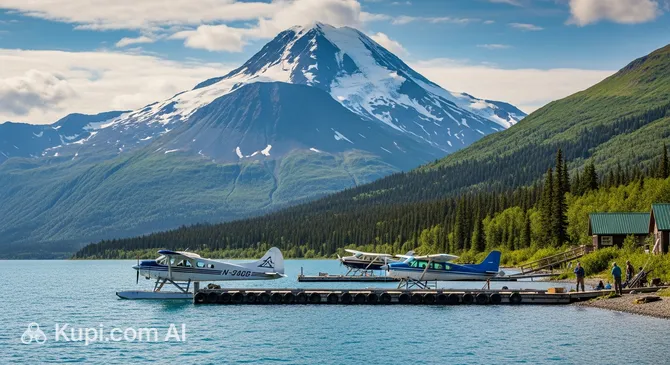
Iliamna. Source: Kupi.Binoculars

Geographically, the village is situated on the northwestern side of Lake Iliamna, which holds the title of the largest lake in Alaska and one of the largest in the entire country. The climate here is subarctic, characterized by cool summers and snowy winters that transform the region into a white wonderland. With a permanent population of approximately 70 residents, the community is small and tight-knit, ensuring a peaceful atmosphere where visitors can truly hear the call of the wild.

Despite its modest size, the area has played a significant role in the region's development. You can learn more about the local heritage and the Dena'ina Athabascan roots by exploring the history of Iliamna, which traces back to traditional subsistence lifestyles and early fur trading. Today, it serves as a vital hub for transportation and tourism in the Lake and Peninsula Borough.

For travelers, Iliamna is a world-class destination primarily known for its sport fishing. Anglers from around the globe flock here to challenge themselves against massive rainbow trout and the prolific runs of sockeye salmon that migrate through the local waters. Beyond fishing, the area is a prime spot for wildlife viewing; it is not uncommon to spot brown bears, moose, and caribou roaming the pristine tundra, or bald eagles soaring overhead.

Whether you are an avid fisherman looking for the catch of a lifetime or a nature enthusiast eager to photograph Alaska's untreated beauty, Iliamna offers an unforgettable adventure. We invite you to visit this extraordinary corner of the world and experience the serene majesty of the Alaskan bush firsthand.

Weather Overview

The climate in Iliamna is typical of the Alaskan subarctic region, featuring cool summers and cold winters. The warmest time of the year occurs in July, when average temperatures hover around 13.7°C, with daily highs reaching approximately 17.1°C. This season is generally the most comfortable for outdoor activities, though visitors should always be prepared for variable conditions.

Winters are significantly colder, transforming the landscape into a frozen expanse. January is usually the coldest month, with average temperatures dropping to -10.1°C and minimums falling as low as -13.2°C. For a more detailed breakdown of seasonal conditions to help plan your packing list, you can check the current weather in Iliamna before your trip.

Precipitation is a constant companion throughout the year, characterized by frequent wet days rather than heavy downpours. August is often the wettest month, with about 19 wet days and precipitation around 5mm. Regardless of when you visit, expect a mix of cool temperatures and regular precipitation, ranging from light rain in the summer to snow in the winter.

Interesting Facts

Beyond the stunning scenery and world-class fishing, Iliamna holds a few fascinating secrets that surprise many visitors. This remote Alaskan outpost is surrounded by unique phenomena and local legends that add a layer of mystery to the landscape.

  • The Legend of "Illie": Much like the famous Loch Ness Monster, Iliamna Lake is rumored to be the home of a massive, elusive creature known locally as "Illie." For decades, pilots and fishermen have reported sightings of a giant beast, often described as a prehistoric whale or an enormous white sturgeon, lurking in the lake's deep waters.

  • Freshwater Seals: The lake is home to a rare population of harbor seals that live exclusively in fresh water. Unlike their marine relatives, these seals reside in the lake year-round, making Iliamna one of the few places on the planet where you can observe these marine mammals thriving hundreds of miles from the open ocean.

  • The Boat-Hauling Road: A unique 15-mile gravel road connects Williamsport on the salt waters of Cook Inlet to Pile Bay on the lake. This road is famous for a singular purpose: it is used to truck large commercial fishing boats over the mountains, allowing them to bypass the dangerous open ocean route to reach the rich fishing grounds of Bristol Bay.

How to Get There

Reaching the remote wilderness of Iliamna is an adventure in itself, primarily relying on air travel due to the isolated nature of the region. For those planning their journey to this spectacular part of Alaska, you can find more about how to get to Iliamna and the specific logistics involved in navigating the area.

The most direct and convenient entry point is the local Iliamna Airport (IATA: ILI). Situated directly in the village, this airport serves as the primary lifeline for residents and visitors alike. Since the facility is located just 2.4 km from the center of Iliamna, the transfer to your lodge or accommodation is quick and easy. A ride by taxi or shuttle typically takes approximately 5 minutes.

Travelers may also pass through other regional hubs depending on their flight connections. King Salmon Airport (IATA: AKN) is the closest alternative, located in the city of King Salmon, roughly 157 km away. Another significant regional hub is Kenai Municipal Airport (IATA: ENA) in Kenai, which is approximately 221 km from Iliamna. It is important to note that these airports are in different cities and, due to the lack of connecting roads, usually serve as transfer points for smaller bush planes rather than destinations for ground transport.

For clarity, here is a summary of the main airports:

Airport Name City Passenger Traffic Km from City
Kenai Municipal Airport Kenai Medium 221.0
Dillingham Airport Dillingham Small 221.5
King Salmon Airport King Salmon Small 157.3
Homer Airport Homer Small 191.7
Iliamna Airport Iliamna Small 2.4

Main Attractions

Lake Iliamna is the undisputed centerpiece of the region and a destination in its own right. As the largest lake in Alaska and the eighth largest in the United States, its sheer scale creates an inland sea atmosphere that is awe-inspiring to behold. Tourists are drawn here not only for the legendary sport fishing—targeting massive rainbow trout and sockeye salmon—but also for the chance to spot the rare freshwater harbor seals that inhabit its waters. The lake offers endless opportunities for boating, kayaking, and photography against a backdrop of stunning mountain scenery.

Serving as a convenient gateway, the village offers easy access to the world-renowned Katmai National Park and Preserve. Just a short floatplane ride away, this park is famous for its high concentration of brown bears, particularly at Brooks Falls where they gather to feast on migrating salmon. Visitors use Iliamna as a base to embark on day trips to this wilderness sanctuary, witnessing the Valley of Ten Thousand Smokes and the dramatic volcanic landscapes that define the Alaskan Peninsula.

For those interested in local waterways, the Newhalen River is a vital artery connecting Six Mile Lake to Lake Iliamna. This turquoise-colored river is a hotspot for anglers and rafters alike, offering a mix of accessible fishing grounds and scenic beauty. The river's cascading waters are particularly vibrant during the salmon runs, attracting both fishermen and wildlife to its banks, making it an excellent location for an afternoon of adventure close to the community.

Another spectacular wilderness area accessible from Iliamna is Lake Clark National Park and Preserve. Located to the northeast, this park is a diverse tapestry of steaming volcanoes, craggy mountains, and turquoise lakes. Since there are no roads leading into the park, air taxis from Iliamna provide a vital link for hikers and nature enthusiasts wishing to explore its pristine trails and untouched ecosystems, offering a true backcountry experience that few other places can match.

Local Cuisine

The culinary experience in Iliamna is inextricably linked to the rugged wilderness that surrounds it. In this remote community, "farm-to-table" is replaced by "field-to-table" and "stream-to-plate," with menus heavily reliant on the fresh bounty of the local waters and tundra. Visitors should not expect a bustling street food scene or high-end dining districts; instead, the gastronomy here is centered around rustic fishing lodges and hearty home-style cooking designed to fuel outdoor adventures.

The undisputed star of the local table is the Sockeye Salmon. As the region is home to one of the world's largest salmon runs, this fish is served in every conceivable way—grilled over an open fire, baked with herbs, or smoked to perfection for a savory snack. Another dish that carries the local namesake is Halibut Iliamna, a rich and comforting meal often found in Alaskan recipe books. It typically features fresh white fish baked with a creamy topping of sour cream, mayonnaise, and cheese, creating a decadent treat that warms you up after a cold day on the lake.

For a true taste of the Alaskan morning, try reindeer sausage. Often served alongside eggs and sourdough pancakes, this flavorful, slightly spicy meat is a breakfast staple throughout the state. Those with a sweet tooth should look out for desserts made with wild berries. During the summer, the surrounding tundra is dotted with blueberries, cranberries, and salmonberries, which locals transform into delicious pies, cobblers, and jams.

The beverage culture is simple and practical, driven by the subarctic climate. Hot coffee is an absolute necessity here, acting as the primary fuel for early morning fishing trips. In the evenings, the lodges become social hubs where you can unwind with Alaskan craft beers. Amber ales and stouts brewed in nearby hubs like Anchorage or Kenai are popular choices, offering a malty richness that pairs perfectly with the savory local game and seafood.

Dining in Iliamna is almost exclusively a communal affair found within the area's fishing lodges. These establishments serve as the main "restaurants" for visitors, offering family-style meals where guides and guests share stories of the day's catch. For those staying in self-catering accommodations or camping, the Iliamna Trading Company serves as the local general store for basic provisions, but the true essence of eating here is sitting down at a long wooden table and enjoying a hot, hearty meal prepared with ingredients caught just miles from your door.

Travel Tips

Visiting a remote outpost like Iliamna requires a bit more preparation than your average vacation, as the wilderness dictates the pace of life here. To help you navigate the unique logistics of the Alaskan bush and ensure a smooth adventure, we have compiled these essential practical tips.

  1. Clothing and Gear: The weather can change rapidly, so dressing in layers is non-negotiable. Bring moisture-wicking base layers, a warm fleece, and a high-quality waterproof and windproof outer shell. Sturdy, waterproof hiking boots are essential for the rugged terrain. Since summer brings mosquitoes and gnats, definitely pack strong insect repellent and a head net. If you are visiting from abroad, remember that the United States uses Type A and B power plugs with a standard voltage of 120V.

  2. Transportation: Forget about subways, public buses, or ride-hailing apps like Uber; they do not exist here. The primary way to get around the immediate village area is by walking or using shuttles provided by your fishing lodge. For exploring the surrounding lakes and parks, "air taxis" (floatplanes or bush planes) are the standard mode of travel. If you are not staying at a full-service lodge, arrange your ground transport in advance with your host.

  3. Finances: The local currency is the US Dollar (USD). While the main lodges and the general store accept credit cards, systems can go offline due to weather or connection issues. There are no banks and reliable ATMs are scarce or frequently out of cash, so it is highly recommended to withdraw sufficient cash in Anchorage before you fly out. Tipping guides and lodge staff is customary and appreciated, usually ranging from 10% to 20% of the trip cost.

  4. Health and Safety: Medical facilities are very limited; there is a local community health clinic for basic needs, but serious emergencies require a medical evacuation flight to a larger city. Ensure your travel insurance covers medevac. Bear safety is paramount: always carry bear spray, travel in groups, and make noise while hiking. There are no 24-hour pharmacies, so bring a full supply of any prescription medications and a personal first-aid kit.

  5. Communication: English is the primary language. Mobile phone coverage can be spotty and is often limited to specific carriers like GCI; major national carriers may roam but signal strength varies. Wi-Fi is generally available at lodges, though speeds may be slower than what you are used to. It is smart to download offline maps and essential documents to your phone before leaving the city.

  6. Local Etiquette: The community is small and friendly, so a wave or a "hello" to passersby is the norm. Respect the subsistence lifestyle of the local residents; do not disturb fishing nets or equipment you find along the shore. Much of the land surrounding the village is private Native allotment land, so always ask for permission or check maps before hiking off established trails.

  7. What to Avoid: Never leave food or trash unattended outdoors, as this attracts bears and endangers both you and the wildlife. Additionally, avoid taking photographs of locals or their private homes without asking for permission first; privacy is highly valued in these remote communities.

  8. Stock Up Early: This is a "dry" or "damp" region depending on specific local regulations and lodge policies, meaning alcohol sales may be restricted or unavailable in the village stores. Furthermore, prices for basic goods at the local trading post are significantly higher due to shipping costs. It is a good "life hack" to buy specialized toiletries, snacks, and batteries in a major hub like Anchorage before boarding your flight to Iliamna.

By packing the right gear and respecting the local way of life, you will be well-equipped to embrace the solitude and beauty of Iliamna. We hope these tips help you have a safe and unforgettable journey into the heart of the Alaskan wild!

Entertainment & Nightlife

When it comes to entertainment and nightlife in Iliamna, it is essential to adjust your expectations before you arrive. This is not a destination for neon lights, thumping bass, or crowded dance floors. In a community of approximately 70 residents nestled in the Alaskan bush, "nightlife" is defined by the serenity of the wilderness rather than a bustling club scene. The evening entertainment here revolves around connecting with nature and fellow travelers in a warm, rustic setting.

The social hub of Iliamna is almost exclusively found within the local fishing lodges. Places like the renowned Rainbow King Lodge or the Iliamna River Lodge serve as the de facto centers for evening activity. After a long day on the water, guests and guides gather in the main halls or lounge areas. The atmosphere is incredibly casual and communal; the dress code is flannel shirts and wool socks, and the "entry fee" is simply a good story about the one that got away. These venues offer a cozy environment where you can relax by a crackling fireplace, play a game of cards, or enjoy a drink from the lodge's private bar.

Since there are no dedicated nightlife districts or commercial bars open to the general public in the traditional sense, the "streets" are quiet after dark. However, the night sky itself offers the most spectacular show in town. During the darker months, typically from late August through April, Iliamna is a prime location for viewing the Aurora Borealis (Northern Lights). Visitors often spend hours outside, wrapped in blankets, watching the green and purple lights dance across the unpolluted sky. In the peak of summer, the phenomenon of the Midnight Sun means it hardly gets dark at all, allowing for "evening" activities like late-night fishing or hiking under a twilight glow.

For practical advice, timing is everything. If you are looking for social interaction, the summer fishing season (June to September) is when the lodges are full and the energy is highest. Be aware that alcohol regulations in rural Alaska can be complex; Iliamna varies between "damp" and "dry" status depending on current local laws and specific lodge licenses. It is highly recommended to check with your host beforehand and, if necessary, purchase your preferred beverages in Anchorage before flying in. Prices for any available alcohol in the bush will be significantly higher than in the city.

Safety during the night is a serious consideration. The village is unlit, and the wilderness is right at your doorstep. If you venture out for a night walk to see the stars, always carry a high-lumen flashlight or headlamp. More importantly, remember that you are in bear country. Brown bears are active at night, so it is safer to stay within the immediate vicinity of your accommodation or travel in groups. There are no taxis or Uber services; getting around at night is limited to walking or pre-arranged lodge shuttles.

Regarding daytime entertainment, the options are equally focused on the outdoors rather than cultural institutions. You will not find movie theaters, shopping malls, or large museums here. The "amusement park" is the vast tundra and the lake itself. However, for a touch of local culture, visitors often stop by the Iliamna Trading Company. While primarily a general store, it acts as a community meeting point where you can catch up on local news, meet residents, and get a sense of daily life in this remote outpost.

Parks & Museums

In the remote village of Iliamna, the concept of parks and museums is redefined by the vast, untamed wilderness that surrounds it. Rather than manicured city gardens or brick-and-mortar galleries, the "parks" here are millions of acres of national preserves, and the "museums" are the living history of the Dena'ina Athabascan people and the storied traditions of Alaskan sport fishing.

While there are no urban parks in the traditional sense, the entire region functions as a massive natural playground. Lake Clark National Park and Preserve is the premier natural attraction accessible from Iliamna. Located just a short flight or boat ride away, this park is a stunning mosaic of steaming volcanoes, craggy mountains, and turquoise lakes. It offers visitors a chance to hike through tundra that has remained unchanged for millennia, view brown bears in their natural habitat, and experience the solitude of the true United States wilderness.

Another significant natural area is the Newhalen River corridor. Connecting Six Mile Lake to Lake Iliamna, this turquoise river is not only a world-class fishing destination but also a scenic gem. The river features dramatic cascades and rapids that are easily accessible by a short drive or hike from the village. It serves as a local "park" where visitors can watch salmon leap up the falls during the summer runs or spot eagles nesting in the spruce trees along the banks.

Regarding cultural institutions, Iliamna does not have formal museums or art galleries. Instead, the history of the area is best experienced through its historical sites and community hubs. The site of Old Iliamna, located near the mouth of the Iliamna River, offers a glimpse into the past. Although the original village was moved in the 1930s, the area remains a significant point of interest for those wishing to understand the traditional trade routes and the ancestral grounds of the local Native population.

The local fishing lodges also serve as informal custodians of the region's history. Establishments that have operated for decades often display collections of historical photographs, vintage fishing gear, and taxidermy that tell the story of Iliamna's evolution from a subsistence village to a world-renowned sporting destination. In these cozy settings, seasoned guides act as curators, sharing oral histories and legends—such as the mystery of the Iliamna Lake Monster—that you won't find in any guidebook.

For a truly authentic experience, take a drive along the road connecting Iliamna to the village of Newhalen. This short journey offers not only panoramic views of the lake and mountains but also a chance to see the contemporary life of the local community, bridging the gap between the ancient landscape and modern rural living in Alaska.

Getting Around

Travelers planning a visit to Iliamna should be aware that the city does not possess a public transport system in the traditional sense. Due to its small population and remote location in the Alaskan wilderness, there are no metros, buses, trams, or trolleybuses operating within the community. The infrastructure is minimal, and the paved road network is limited, meaning that the standard urban commuting options found in larger cities are entirely absent here.

For the vast majority of visitors, transportation is seamlessly integrated into their accommodation packages. Most tourists arrive to stay at all-inclusive fishing lodges, which provide their own private shuttle services. These shuttles typically collect guests from the airport upon arrival and transport them to the lodge, as well as to various fishing spots or boat launches throughout their stay. This "lodge shuttle" system essentially functions as the primary form of transit for visitors, removing the need to navigate the area independently.

If you are not staying at a full-service lodge, getting around requires advanced planning as there are no roving taxis or ride-sharing apps like Uber or Lyft. A very limited number of local private taxi services may exist, often operated by individuals with personal vehicles, but availability is sporadic. It is crucial to arrange any necessary ground transport before you land, either through your host or by contacting local businesses directly. Do not expect to hail a cab on the street.

The most common "public transport" for reaching areas outside the immediate village is the bush plane or "air taxi." These small floatplanes and wheeled aircraft act as the region's bus service, connecting Iliamna to nearby villages, national parks, and remote fishing grounds. Several local air carriers operate from the airport and nearby lakes. Booking these flights is similar to hiring a private charter; schedules can be flexible, but they are highly weather-dependent.

Regarding payment, since there is no municipal transport network, there are no travel passes, transport cards, or mobile ticketing apps. For independent travel arrangements, such as a private ride or an air taxi charter, payment is typically handled via credit card in advance or cash on the spot. It is highly advisable to carry sufficient US dollars in smaller denominations, as credit card machines may be unreliable due to internet connectivity issues in the bush.

For exploring the village center itself, walking is a feasible and popular option. The community is compact, and key locations like the general store, the post office, and the airport are within reasonable walking distance of each other. During the summer months, walking offers a pleasant way to take in the local scenery, though visitors should always remain aware of wildlife. Bike rentals are not standard, though some lodges may offer bicycles for guest use as a complimentary amenity.

The most important practical advice for navigating Iliamna is to treat transportation as a pre-booked service rather than an on-demand convenience. Confirm all transfers with your lodge or air carrier weeks before your trip. Always have the phone number of your accommodation handy upon arrival, as there is no information desk or transit authority at the airstrip to assist with last-minute travel logistics.

Accommodation

Finding a place to stay in Iliamna is quite different from booking a hotel in a typical city. Accommodation here is almost exclusively defined by the region's status as a world-class sport fishing destination. Instead of standard hotel chains or budget hostels, the area is dotted with fishing lodges ranging from rustic cabins to high-end, all-inclusive resorts. For independent travelers or those just passing through, there are a few bed-and-breakfast style options, but the inventory is limited and highly specialized.

The most popular area for visitors to stay is along the shores of Lake Iliamna or the banks of the Newhalen River. These locations offer immediate access to the water and stunning views of the surrounding wilderness. Lodges situated here often provide a complete package that includes not just a room, but also guided fishing trips, meals, and equipment. Another practical area is near the Iliamna Airport, where you can find simpler lodging suitable for transients, pilots, or those waiting for connecting bush flights to more remote outposts.

When planning your trip, it is crucial to understand the pricing and booking dynamics of the Alaskan bush. The price range is generally on the higher side, reflecting the remote logistics and the all-inclusive nature of most stays. Many lodges operate on a weekly package basis, often costing several thousand dollars per person, which covers charter flights, gourmet meals, and professional guiding. Budget options are scarce, so independent travelers should be prepared for higher costs than on the mainland.

Booking tip: Due to the short summer season (typically June through September) and the small capacity of local lodges, accommodation fills up incredibly fast. It is highly recommended to book your stay at least 6 to 12 months in advance, especially if you plan to visit during the peak salmon runs in July. Relying on last-minute availability is risky and often impossible in this isolated community.

Nearby Cities

For those looking to explore the surroundings, Iliamna serves as an excellent base for day trips to several interesting nearby locations:

City Population Distance (km)
Kenai 8000 219
Homer 6000 188
Dillingham 2300 219
New Stuyahok 1012 142
Ninilchik 800 182

Although Iliamna is disconnected from the main road system, the extensive network of air taxis makes it possible to visit unique Alaskan communities that offer a change of pace and scenery. One of the most popular destinations is Homer, famously known as the "Halibut Fishing Capital of the World." Located at the end of the Sterling Highway on the Kenai Peninsula, this town is renowned for the Homer Spit, a long strip of land jutting into Kachemak Bay lined with shops, galleries, and seafood restaurants. It offers a vibrant arts scene and stunning views of glaciers and volcanoes, providing a lively contrast to the quiet wilderness of Iliamna.

Another fascinating spot is Kenai, situated at the mouth of the world-famous Kenai River. This city blends rich cultural history with outdoor recreation. Visitors can explore the historic Old Town to see the Holy Assumption of the Virgin Mary Russian Orthodox Church, a National Historic Landmark that reflects the area's Russian colonial past. The city also offers excellent opportunities for wildlife viewing, particularly caribou and moose, and serves as a cultural hub with museums and visitor centers dedicated to local heritage.

For a glimpse into a smaller, historic community, Ninilchik is well worth a visit. Originally settled by Russian-American colonists, it retains a distinct charm with its iconic hilltop church and traditional architecture. It is a quieter destination known for its clam digging beaches and deep fishing heritage, offering a picturesque setting that feels like stepping back in time.

These nearby destinations offer a glimpse into the diverse culture and landscapes of the region.

Shopping & Souvenirs

Shopping in Iliamna is a practical and modest affair, reflecting the village's status as a remote outpost in the Alaskan wilderness. Visitors should not expect a retail therapy destination with high streets or luxury boutiques. Instead, the local shopping scene is purely utilitarian, designed to support the needs of residents and the influx of anglers during the fishing season. The available stores focus on providing essential provisions, outdoor gear, and a limited selection of local mementos.

The primary and virtually only commercial hub in the area is the Iliamna Trading Company. Located centrally within the village, this general store serves as the lifeline for the community. It functions as a grocery store, hardware supplier, and clothing outlet all rolled into one. Here, tourists can purchase everything from fresh produce and dry goods to heavy-duty rain gear and fishing tackle. It is the go-to spot for restocking supplies before heading out on a boat or plane for a day of adventure.

There are no shopping malls or large department stores in Iliamna. The sheer isolation and small population size make such developments unnecessary. Travelers accustomed to browsing sprawling complexes will find a stark contrast here, where "browsing" usually means looking through the small gift shops found within the various fishing lodges. These lodge shops often carry high-quality branded apparel, such as fleece jackets and caps, which serve as excellent keepsakes of your trip.

While there are no formal markets, visitors may occasionally find opportunities to purchase authentic local crafts. The region is home to Dena'ina Athabascan people who are skilled in traditional arts. Although there isn't a dedicated craft market, local artisans sometimes display their work at the general store or through the lodges. You might find intricate beadwork, hand-sewn skin items, or carvings that offer a genuine connection to the cultural heritage of the area.

When it comes to souvenirs, the best items to bring back are those that reflect the spirit of the Alaskan bush. Smoked salmon is a popular choice, often available in shelf-stable packs that are easy to transport. High-quality fishing lures or flies used in local waters make great gifts for angling enthusiasts. Additionally, clothing branded with the name of the lodge where you stayed or simply "Iliamna, Alaska" is a favorite way to commemorate the journey to this unique corner of the United States.

Opening hours in the village are generally standard but can be limited compared to urban centers. The general store typically operates from around 8:00 or 9:00 AM until 6:00 PM, Monday through Saturday, with reduced hours or closures on Sundays. Regarding payment, major credit cards are widely accepted at the trading post and lodges. However, telecommunication lines in rural Alaska can be temperamental. It is highly advisable to carry sufficient cash (USD) for small purchases or in case the electronic card systems go offline.

One financial benefit for shoppers in Alaska is the lack of a state sales tax. While local municipalities can impose their own taxes, the absence of a statewide tax generally keeps the added costs lower than in many other parts of the country. However, keep in mind that the base prices of goods in Iliamna are significantly higher than on the mainland due to the substantial costs of air freight shipping required to get products into the village.

Reached the end of the page?

That means the route is fully explored