Support

Dillingham

About

Dillingham is a captivating destination for travelers seeking an authentic experience in the remote wilderness of the far north. Situated at the confluence of the Wood and Nushagak Rivers, this vibrant community serves as a vital economic and transportation hub for the Bristol Bay region. It offers a unique blend of modern amenities and traditional lifestyles, making it an excellent base for exploring the pristine landscapes of Alaska.

Located in the southwestern region of Alaska within the United States, Dillingham is accessible only by air or sea, which adds to its secluded charm. The city is home to a close-knit population of approximately 2,300 residents who thrive in this subarctic climate. The surrounding area is renowned for its breathtaking tundra, crystal-clear waters, and abundant wildlife, creating a stunning backdrop for outdoor enthusiasts.

The history of Dillingham is deeply intertwined with the indigenous Yup'ik culture and the development of the commercial fishing industry. Today, the city is famously known as the "Sockeye Salmon Capital of the World," attracting anglers from across the globe who come to test their skills in some of the most productive waters on the planet. Beyond fishing, visitors are drawn to the nearby Wood-Tikchik State Park, the largest state park in the nation, which offers endless opportunities for kayaking, hiking, and camping.

Another major draw is the Togiak National Wildlife Refuge, a haven for birdwatchers and nature photographers hoping to spot brown bears, moose, and caribou in their natural habitat. Whether you are looking to immerse yourself in the local culture, embark on a river adventure, or simply enjoy the tranquility of nature, Dillingham welcomes you to discover the rugged beauty of the Last Frontier.

Weather Overview

Dillingham features a subarctic climate, meaning travelers should be prepared for distinct seasonal variations. The summer months of June, July, and August offer the most comfortable weather for exploration, with average temperatures ranging from 12.5°C to 14.5°C. July is typically the warmest month, seeing daily highs around 18°C, making it an excellent time for fishing and hiking in the surrounding wilderness.

Expect mild summers with regular precipitation and cold winters where temperatures consistently stay below freezing. January is usually the coldest month, with an average temperature of -9.4°C and lows dropping to -12.2°C. Regardless of the season, wet days are common, ranging from 13 to 19 days per month, so carrying waterproof gear is highly recommended. For more specific details to help plan your packing list, you can view the current weather in Dillingham.

Interesting Facts

Beyond the bustling fishing season and the scenic riverfronts, Dillingham holds unique traditions and geographical distinctions that often go unnoticed by the casual observer. This remote Alaskan hub offers a few surprising details that add depth to its adventurous spirit.

  • The Beaver Round-Up Tradition: Since 1959, the city has hosted the annual Beaver Round-Up festival every March. Far from a simple gathering, this event is a major cultural celebration marking the end of winter, featuring dog sled races, parades, and traditional arts and crafts that bring the entire community together.

  • A Drastic Population Shift: While the permanent resident count is modest, Dillingham undergoes a massive transformation each summer. During the peak of the commercial fishing season, the local population can double or even triple, filling the town with workers and anglers from around the globe and turning the quiet streets into a 24-hour hub of activity.

  • Gateway to a Giant: Dillingham is the primary access point for Wood-Tikchik State Park, which holds the record as the largest state park in the United States. Spanning 1.6 million acres, this vast wilderness is actually larger than the entire state of Delaware, offering a scale of nature that is hard to comprehend without seeing it firsthand.

  • Roads to Nowhere: Although the city has its own network of paved and gravel roads, it remains completely disconnected from the continental road system. You can drive from Dillingham to the neighboring community of Aleknagik, but the road simply ends there, reinforcing the area's reliance on air and sea travel for connection to the outside world.

How to Get There

Reaching this remote Alaskan community is an adventure in itself, as it is not connected to the statewide road system. The primary and most practical method of arrival is by air or sea. For a complete overview of travel options and logistics, you can read more about how to get to Dillingham on our detailed page.

The main gateway for visitors is Dillingham Airport (DLG), conveniently located within the city limits, just 2.8 km from the center. This regional airport is a vital lifeline for the community, handling a significant volume of passengers annually. Upon arrival, the journey to the downtown area is very brief, taking just about 5 minutes by taxi or hotel shuttle.

Travelers may also find themselves routing through King Salmon Airport (AKN), situated in the neighboring town of King Salmon, about 112 km away. While there is no road connecting King Salmon to Dillingham, this airport serves as a major hub for the Bristol Bay region, and many itineraries involve a connecting flight from here to the final destination.

For clarity, here is a summary of the main airports:

Airport Name City Passenger Traffic Km from City
Dillingham Airport Dillingham Medium 2.8
King Salmon Airport King Salmon Medium 112.2
Iliamna Airport Iliamna Small 216.7
Egegik Airport Egegik Small 114.2
Kongiganak Airport Kongiganak Small 270.4

Main Attractions

Dillingham serves as the gateway to some of Alaska's most pristine and untamed wilderness. While the city itself is small, it is the jumping-off point for grand adventures, offering visitors a chance to experience the rich culture of the region and the breathtaking scale of its natural landscapes. Here are some of the top places to explore during your visit.

Samuel K. Fox Museum

Located directly in Dillingham, this museum is an essential stop for anyone interested in the cultural fabric of Bristol Bay. It houses an impressive collection of contemporary and traditional Native Alaskan art, including exquisite grass basketry and carvings. Tourists will appreciate the deep dive into local history, with exhibits detailing the indigenous Yup'ik way of life and the evolution of the commercial fishing industry that sustains the community today.

Wood-Tikchik State Park

As the largest state park in the nation, this vast expanse of wilderness lies just north of the city and is a primary reason many travelers come to the region. The park is defined by its intricate system of interconnected lakes and rivers, creating a paradise for kayakers and boaters. It is incredibly interesting for outdoor enthusiasts seeking solitude, as it offers unmatched opportunities for camping, hiking, and photography amidst stunning scenery that feels completely untouched by the modern world.

Nushagak River

You cannot visit the "Sockeye Salmon Capital of the World" without acknowledging the river that makes it famous. The Nushagak River is legendary among anglers for hosting one of the largest King Salmon runs on the planet, as well as massive returns of Sockeye, Chum, and Silver salmon. For tourists, this isn't just a body of water; it is a world-class sportfishing destination where you can hire a local guide and experience the thrill of reeling in a trophy catch in the heart of the Alaskan wild.

Togiak National Wildlife Refuge

Spanning millions of acres to the west, this refuge offers a diverse landscape ranging from coastal cliffs to alpine tundra. It is a haven for wildlife viewing, giving patient observers the chance to spot brown bears, caribou, moose, and wolves in their natural habitat. Birdwatchers are particularly drawn here to see the seabird colonies along the rugged coast, making it a fantastic excursion for those who want to witness the raw biodiversity of southwest Alaska.

Walrus Islands State Game Sanctuary

Located in Bristol Bay and accessible via boat or small plane charters from the region, Round Island within this sanctuary is a truly unique destination. It is one of the few places where visitors can observe thousands of male walruses hauling out on rocky beaches during the summer. The sight and sound of these massive marine mammals, along with the presence of Steller sea lions and nesting seabirds, provide a wildlife spectacle that is rare and unforgettable.

Local Cuisine

In Dillingham, the local cuisine is inextricably linked to the land and, more importantly, the water. As the "Sockeye Salmon Capital of the World," it comes as no surprise that wild salmon is the undisputed star of the table. Visitors can expect to taste this fish in every conceivable form, from fresh grilled fillets caught that very morning to savory smoked strips and dried fish, often prepared using traditional methods passed down through generations. The quality of the seafood here is world-class, typically served simply to highlight its natural freshness.

Beyond the bountiful harvest of the rivers, the region offers other hearty Alaskan staples. Pacific Halibut is a frequent favorite, often battered and deep-fried for a classic, warming basket of fish and chips. For a taste of the land, look for dishes featuring reindeer sausage, a savory meat often served with eggs for a robust breakfast or in a bun for a quick, filling lunch. Adventurous eaters might also encounter Akutaq, often called "Eskimo Ice Cream," a traditional dish made by whipping fat with berries and sometimes fish or sugar, showcasing the local subsistence culture.

When it comes to beverages, coffee is an essential part of daily life in Dillingham, serving as a warm comfort against the subarctic chill. You will find that local coffee stops are popular community hubs where residents catch up on news. For something stronger, while the town is small, local establishments proudly serve Alaskan craft beers brewed in larger cities like Anchorage or Juneau. Enjoying a cold amber ale after a long day on the water is a quintessential part of the visitor experience.

The dining scene in Dillingham is casual and unpretentious, reflecting the hardworking spirit of this fishing community. You won't find white-tablecloth fine dining here; instead, the town offers cozy diners, pizza parlors, and small cafes where portions are generous and the atmosphere is welcoming. These spots often serve as gathering places for locals to swap stories about the day's catch, offering tourists a genuine and friendly glimpse into the daily life of Bristol Bay.

Travel Tips

Visiting Dillingham offers a genuine taste of life in the Alaskan bush, but the remote location and rugged environment require a bit more preparation than the average vacation. To help you navigate the unique logistics of the Bristol Bay region and make the most of your adventure, here are some essential practical tips.

  1. Clothing and Gear: The weather here can change rapidly, so the "onion strategy" of dressing in layers is essential. Regardless of the season, bring a high-quality waterproof jacket and rain pants, as wet weather is very common. Comfortable, water-resistant footwear is a must; locals often wear rubber boots (known as "Xtratufs") which are perfect for the muddy terrain. If you are visiting in summer, do not forget strong insect repellent and a head net, as mosquitoes and gnats can be intense in the wilderness.

  2. Transportation: Since Dillingham is not connected to the outside road system, you cannot drive here from Anchorage. Once in town, the area is relatively small, but distances to the harbor or airport can be too long to walk with luggage. Taxis are the primary mode of reliable transport and are readily available. Car rentals are very limited and often expensive, so if you need a vehicle, book it well in advance. Ride-sharing apps like Uber or Lyft generally do not operate in this remote community.

  3. Finances: The local currency is the US Dollar. While major lodges, the grocery store, and some restaurants accept credit cards, it is highly recommended to carry cash. You will need it for taxi fares, tipping fishing guides, or buying crafts from local artisans. Be prepared for "bush prices"—food and supplies are significantly more expensive here than in the lower 48 states due to high shipping costs.

  4. Health and Safety: You are in the heart of bear country. Bear safety is not just a suggestion; it is a necessity. If you plan to hike or fish, carry bear spray and know how to use it. For medical needs, the Kanakanak Hospital provides emergency services and routine care. Pharmacies may have limited hours compared to big cities, so bring an adequate supply of any prescription medications you require.

  5. Communication: English is the primary language spoken. In terms of connectivity, cell service can be spotty depending on your carrier; GCI is the dominant provider in rural Alaska, while others like AT&T may roam or have no signal. Wi-Fi is available in hotels and some public spots, but speeds may be slower than what you are used to. It is wise to download offline maps and important documents before you arrive.

  6. Local Etiquette: Dillingham is a tight-knit community with a strong subsistence lifestyle. Respect is key—always ask for permission before photographing locals or their property. If you see fish drying on racks or nets on the beach, look but do not touch. These are critical food sources and tools for local families, not merely tourist displays.

  7. What to Avoid: diverse land ownership rules apply here. Avoid wandering onto private property, Native allotments, or active fish camps without an invitation. Trespassing is taken seriously. Also, avoid underestimating the tides if you are beachcombing; the waters of Bristol Bay have extreme tidal shifts that can trap unwary walkers.

  8. Be Flexible: In rural Alaska, the weather dictates the schedule. Flights in and out of Dillingham are frequently delayed or cancelled due to fog or wind. Always pad your itinerary with an extra day or two on either end of your trip to account for potential travel disruptions, and maintain a patient, adaptable attitude.

By packing the right gear and respecting the local way of life, you will be well-equipped to enjoy the stunning wilderness and warm hospitality of Dillingham. Embrace the slower pace of the north, stay safe in the outdoors, and your journey to the edge of the Last Frontier is sure to be an unforgettable experience.

Entertainment & Nightlife

Nightlife in Dillingham is a far cry from the neon lights and thumping bass of a metropolis, but that is exactly part of its rugged charm. In this remote fishing community, evening entertainment revolves around authentic connection, storytelling, and unwinding after a long day in the wilderness. The "scene" here is intimate and casual, concentrated primarily in a few local watering holes where residents, seasonal fishermen, and adventurous travelers mingle to share tales of the day's catch over a cold drink.

The most iconic spot in town is undoubtedly the Sea Inn Bar, located on Main Street. Often described as a classic Alaskan dive bar, it offers a no-frills atmosphere that feels genuinely welcoming to newcomers who are respectful of the local culture. It is the perfect place to play a game of pool, listen to jukebox tunes, and experience the camaraderie of the Bristol Bay fishing fleet. The crowd here is diverse, ranging from cannery workers to bush pilots, and the dress code is strictly "come as you are"—heavy boots and flannel shirts are the norm.

For a slightly different vibe, visitors often head to The Willow Tree on Kanakanak Road. This venue operates as a bar and restaurant, making it a popular choice for those looking to combine dinner with their evening drinks. It is known for a cozier, more relaxed environment and occasionally hosts live music events featuring local talent. It serves as a community hub where you can enjoy a hearty meal and a pint while soaking in the slow-paced, friendly spirit of the town.

When planning a night out, practical logistics are important. Many establishments in rural Alaska prefer or exclusively accept cash, so it is wise to visit an ATM before heading out. Prices for alcohol can be higher than in the lower 48 states due to shipping costs, which is standard for the region. As for timing, venues typically stay open until around midnight or 1:00 AM on weekends, but hours can fluctuate depending on the season and the volume of customers.

Safety in Dillingham involves unique considerations that go beyond typical city precautions. The primary concern for night walkers is not urban crime, but wildlife. Brown bears are common in and around the town, even after dark, so it is safer to take a taxi than to walk, especially if you have been drinking or are carrying food. Local taxi services, such as Nushagak Cab, are reliable and the best way to get back to your lodging safely. Always have a taxi number saved in your phone before you go out, as cell service can be spotty.

Regarding daytime entertainment, travelers should adjust their expectations; you will not find multiplex cinemas, shopping malls, or amusement parks here. Cultural entertainment is centered on community events and the Samuel K. Fox Museum, which offers a fascinating look at the region's heritage. For those seeking a movie night, entertainment is generally a DIY affair at your lodge, though community centers sometimes host film screenings or bingo nights, which are popular local pastimes and a great way to meet residents.

Parks & Museums

Dillingham serves as the ultimate gateway to some of the most pristine and expansive natural areas in North America, seamlessly blending outdoor adventure with rich cultural heritage. While the urban footprint of the city is small, its position on the edge of the wilderness allows visitors to easily access millions of acres of untouched parkland, while its local institutions provide intimate insights into the history and traditions of Bristol Bay.

Wood-Tikchik State Park is the crown jewel of the region and a must-visit for any nature enthusiast. As the largest state park in the United States, it encompasses a staggering 1.6 million acres of diverse terrain, featuring a complex system of interconnected lakes and rivers. Tourists are drawn here for the unparalleled solitude and the opportunity to engage in world-class kayaking, boating, and sportfishing amidst scenery that ranges from rugged mountains to lush spruce forests.

To the west of the city lies the vast Togiak National Wildlife Refuge, a sanctuary that protects a unique coastal and alpine ecosystem. This area is particularly interesting for wildlife observers, offering the chance to spot brown bears, caribou, moose, and wolves in their natural habitat. The refuge also features dramatic sea cliffs that host large colonies of nesting seabirds, making it a spectacular destination for photographers and birdwatchers seeking the raw beauty of the Alaskan coast.

For a more accessible outdoor experience closer to town, Kanakanak Beach offers a peaceful retreat along the shores of Nushagak Bay. It is a favorite local spot for beachcombing, picnicking, and evening walks to watch the sunset over the water. During the summer months, visitors can witness the subsistence lifestyle in action as local families set nets for salmon, providing a genuine glimpse into the community's deep connection to the sea.

The cultural heart of the city is the Samuel K. Fox Museum (Sam Fox Museum), located in the downtown area. This facility is essential for understanding the region, housing a remarkable collection of Southwest Alaskan Native art and artifacts. Visitors can admire intricate grass baskets, traditional skin sewing, and carvings that reflect the Yup'ik heritage. The museum also features exhibits on the history of the commercial fishing industry and the Russian orthodox influence, offering a comprehensive narrative of life in Bristol Bay.

While Dillingham does not have a wide array of art galleries, the Dillingham Public Library often serves as a cultural venue, occasionally displaying works by local artists and hosting community events. It is a welcoming space where tourists can learn more about the area through its regional book collection and connect with residents. The library's architecture and community-focused atmosphere make it a pleasant stop for those looking to unwind indoors.

Among the historical landmarks, the Holy Rosary Catholic Church stands out with its simple yet poignant wooden architecture, reflecting the spiritual history of the mission era. Additionally, the grounds of the Kanakanak Hospital hold historical significance; originally established as an orphanage after the 1918 flu epidemic, the site has evolved into the region's primary health center. Walking through these areas provides a quiet reflection on the resilience and history of the community.

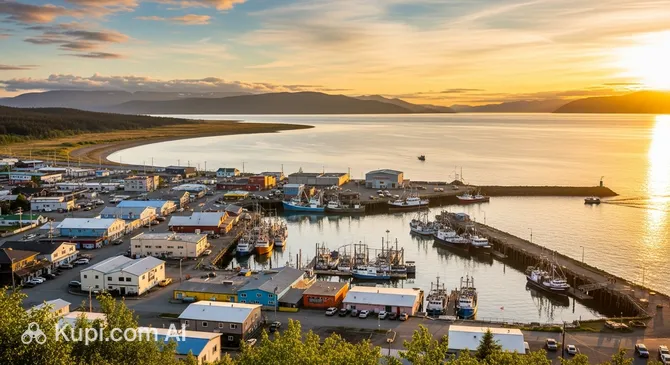
For a truly authentic experience, take a stroll through the Dillingham Boat Harbor during the peak of summer. It acts as a living museum of the fishing industry, bustling with hundreds of vessels and crew members from around the world. Another insider tip is to go berry picking on the tundra in late summer; locals cherish the harvest of salmonberries and blueberries, and joining in this activity offers a delicious and meditative way to connect with the land.
Getting Around

Travelers arriving in Dillingham should adjust their expectations regarding public transportation, as the city does not have a scheduled public bus system, metro, or train network. Due to its small population and remote location, the transport infrastructure is quite different from larger urban centers. The primary and most reliable way for visitors to navigate the area without a personal vehicle is by using local taxi services, which function as the de facto public transit for the community.

Taxis in Dillingham are readily available and are accustomed to transporting visitors between the airport, harbor, hotels, and local businesses. Unlike in major cities where you might hail a cab on the street, here it is standard practice to call the dispatch number to request a ride. It is highly recommended to save the numbers of a few local taxi companies in your phone upon arrival. Wait times can vary depending on the time of day and the season, especially during the busy summer fishing months, so planning your trips with a bit of buffer time is wise.

Regarding payment, the system is straightforward but old-fashioned. There are no travel passes, transit cards, or mobile ticketing apps. Cash is the preferred and most widely accepted method of payment for taxi fares. While some drivers may accept credit cards, it is not guaranteed, so carrying small denominations of cash is essential for hassle-free travel. Fares are generally calculated based on zones or flat rates rather than meters, so it is a good idea to ask the dispatcher or driver for the approximate cost when you book your ride.

For those preferring more independence, car rentals are an alternative, though options are extremely limited compared to mainland destinations. There are only a few local rental agencies, and vehicles are often in high demand during the summer season. If you plan to rent a car, booking weeks or even months in advance is critical. Additionally, be aware that the road network is isolated; you can drive to nearby Aleknagik, but the roads do not connect to the rest of the state.

Many lodges and hotels in the area offer complimentary or paid shuttle services for their guests, particularly for airport transfers. It is worth checking with your accommodation provider before you travel to see if this service is available. For short distances within the downtown area, walking is a feasible option, provided you are dressed appropriately for the weather. However, the town is spread out, and distances to the harbor or hospital can be longer than they appear, making a taxi or shuttle the most practical choice for most journeys.

Accommodation

Accommodation in Dillingham is reflective of its status as a remote Alaskan outpost: practical, cozy, and often geared specifically towards the needs of outdoor enthusiasts and seasonal workers. Travelers should not expect sprawling luxury resort chains or high-rise hotels. Instead, the city offers a selection of modest motels, family-run bed and breakfasts, and specialized fishing lodges. These establishments prioritize warmth and hospitality, providing a comfortable base for those preparing to head out into the wilderness.

For visitors prioritizing convenience, the most practical area to stay is within the city limits of Dillingham itself. Lodging here places you within a short taxi ride of the airport, the boat harbor, and the handful of local restaurants and grocery stores available. This is the best choice for independent travelers or those in transit. Alternatively, for a more scenic and secluded experience, many visitors choose lodges located just outside of town along the road to Lake Aleknagik. These spots often offer stunning views and a quieter atmosphere, serving as a direct jumping-off point for adventures in Wood-Tikchik State Park.

Booking Tip: Planning ahead is absolutely critical when visiting this region. During the peak summer months, particularly June and July, the town swells with commercial fishermen, processing workers, and sport anglers. Accommodation can sell out months in advance due to this influx. It is highly recommended to secure your room as soon as your travel dates are confirmed, rather than hoping to find vacancy upon arrival.

Regarding costs, visitors should be prepared for prices that are generally higher than in the contiguous United States. Due to the short tourism season and the high cost of operating in rural Alaska, even basic accommodations fall into the mid-range to high price bracket. While some properties can be booked through major online platforms, many smaller B&Bs and lodges still rely on direct bookings via phone or their own websites. It is often helpful to call directly to confirm availability and ask about shuttle services, which many hosts provide for their guests.

Nearby Cities

For those looking to explore the surroundings, Dillingham serves as an excellent base for day trips to several interesting nearby locations:

One of the closest neighbors is Manokotak, which offers visitors a chance to experience the authentic lifestyle of the region and serves as a gateway to the stunning Togiak National Wildlife Refuge. Across the bay lies Naknek, a community world-renowned for its exceptional salmon fishing and its proximity to prime bear-viewing areas, making it a favorite for nature enthusiasts. Further west, the village of Togiak provides a unique insight into traditional culture and is surrounded by rugged coastal landscapes perfect for adventurous travelers.

City Population Distance (km)
New Stuyahok 1012 80
Togiak 800 110
Quinhagak 700 211
Naknek 600 91
Manokotak 400 35

These nearby destinations offer a glimpse into the diverse culture and landscapes of the region.

Shopping & Souvenirs

Shopping in Dillingham is a functional and authentic experience rather than a recreational pastime. As a remote community, the city does not feature high-end fashion boutiques or sprawling retail complexes. Instead, the local shopping scene is driven by necessity and the unique culture of Bristol Bay. Visitors will find well-stocked general stores that carry everything from groceries to outdoor gear, alongside a few hidden gems offering exquisite local craftsmanship. The primary focus here is on practical supplies for the wilderness and unique, handmade treasures that reflect the region's indigenous heritage.

There is no designated shopping district or pedestrian high street in the traditional sense. Most commercial activity is concentrated in the downtown area and along the main roads leading to the boat harbor. Here, you will find the town's primary outfitters and supply stores, which are essential stops for anglers and hikers needing last-minute gear. These establishments are often "one-stop shops" where you can buy fishing tackle, rain gear, hardware, and snacks all under one roof, reflecting the resourceful nature of life in the bush.

Travelers looking for shopping malls will not find them in Dillingham. The closest equivalent to a department store is the AC Value Center or N&N Market. While these are primarily grocery and general merchandise stores, they serve as the community's retail hubs. They are the places to go if you need clothing, boots, camping supplies, or toiletries. They also typically carry a selection of local souvenir apparel, such as hoodies and t-shirts branded with "Dillingham" or "Bristol Bay," which make for practical keepsakes.

While Dillingham does not have a permanent daily market, the community has a strong tradition of seasonal bazaars. The most famous of these occurs during the Beaver Round-Up festival in March, where a large arts and crafts fair showcases the best of regional talent. In the summer, you may encounter pop-up sales or small tables set up by local artisans near the harbor or at community events. These informal markets are the best places to meet the artists directly and purchase goods that are truly one-of-a-kind.

The most prized items to bring back from Dillingham are undoubtedly pieces of Native Alaskan art. The region is world-renowned for its traditional Yup'ik grass basketry, which is celebrated for its intricate coils and durability. Other popular souvenirs include hand-sewn skin items, beaded jewelry, and carvings made from bone or antler. For a taste of the region, vacuum-packed smoked salmon or jars of salmon strips are excellent gifts that allow you to share the flavor of the "Sockeye Salmon Capital" with friends back home.

Store hours in Dillingham generally follow standard business times, typically opening around 9:00 AM and closing by 6:00 PM or 7:00 PM. However, hours can be extended during the peak summer fishing season to accommodate the influx of workers and visitors. Sunday hours may be reduced or limited. In terms of payment, major credit cards are accepted at the larger general stores and hotels. However, if you are purchasing art directly from a local carver or buying goods at a small craft fair, cash is often the only accepted method, so it is wise to carry sufficient bills.

Visitors should be aware that Dillingham levies a local city sales tax on purchases, usually around 6%. Unlike some international destinations, the United States does not have a Value Added Tax (VAT) refund system for tourists, and there is no mechanism to claim back this local tax at the airport. Therefore, the price you pay at the register is the final cost.

Reached the end of the page?

That means the route is fully explored