Support

King Salmon

About

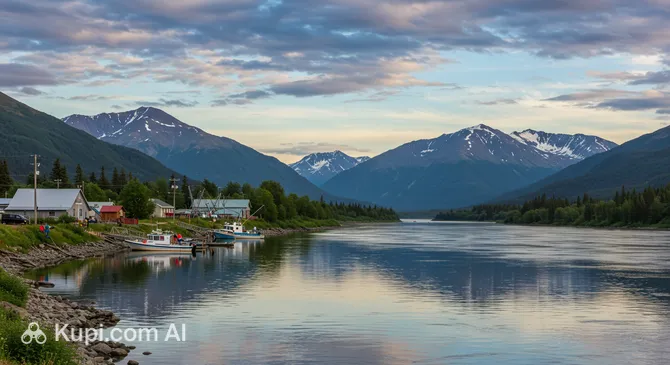
King Salmon is a unique destination in the United States, serving as the beating heart of the Alaska Peninsula. Despite its modest population of roughly 370 residents, this community plays a crucial role as the transportation and economic hub for the Bristol Bay region. Situated on the northern bank of the **Naknek River**, it offers visitors an authentic taste of life in the Last Frontier, surrounded by vast tundra and pristine waters.

While it may seem quiet at first glance, the area is rich in stories. Delving into the history of King Salmon uncovers its evolution from a strategic air base during World War II to a premier destination for outdoor enthusiasts. Today, it remains an essential stopover for travelers venturing deeper into the Alaskan wild.

King Salmon. Source: Kupi.Binoculars

The town is world-renowned as the primary gateway to Katmai National Park and Preserve. Here, adventurers can witness the iconic sight of massive brown bears catching salmon at Brooks Falls. Additionally, as the name suggests, King Salmon is a paradise for anglers. The local rivers teem with all five species of Pacific salmon, offering some of the best sport fishing opportunities on the planet.

Whether you are passing through on your way to witness wildlife spectacles or staying to cast a line in the river, King Salmon promises an unforgettable experience. It is the perfect starting point for anyone looking to embrace the rugged beauty and adventurous spirit of Alaska.

Weather Overview

King Salmon features a climate defined by distinct seasonal changes, offering cool summers and cold winters. To ensure a comfortable trip, it is wise to consult the detailed weather in King Salmon before packing. The region generally experiences temperatures that require warm layers throughout most of the year.

Winters are chilly, with January typically being the coldest month, where average temperatures hover around -5.7°C and can drop to lows of -8.5°C. In contrast, the summer season brings milder conditions perfect for outdoor activities. July is usually the warmest month, with average temperatures reaching 13.9°C and daily highs occasionally climbing to 16.9°C.

Precipitation is a constant companion in this part of Alaska. Regardless of the season, you can expect frequent moisture, with the number of wet days ranging from 12 to 18 days per month. Whether visiting for the winter snow or the summer fishing season, waterproof gear is highly recommended to handle the consistent precipitation patterns.

Interesting Facts

Beyond the famous fishing lodges and bear viewing tours, King Salmon holds several fascinating characteristics that make it truly one of a kind. This remote community is defined not just by its wilderness, but by unique geographical and administrative quirks that surprise many visitors.

  • A Unique Administrative Status: King Salmon holds a peculiar title in local government geography. It serves as the borough seat for the Lake and Peninsula Borough, yet it is geographically located within the neighboring Bristol Bay Borough. This makes it one of the few administrative centers in the United States that is situated outside the jurisdiction it actually governs.

  • An Island on the Mainland: Despite being located on the North American continent, King Salmon is effectively an island in terms of transportation. It is not connected to the contiguous highway system of Alaska; the local paved roads only connect the town to the nearby village of Naknek and the lake. Consequently, all vehicles, fuel, and heavy supplies must be barged in or flown in by air cargo.

  • Oversized Infrastructure: Visitors are often surprised by the sheer size of the King Salmon Airport relative to the town's small population. This is a legacy of the Cold War, when the site served as a permanent alert facility for the Air Force. The massive runways were built to handle heavy military aircraft and interceptors, leaving the community with world-class aviation facilities today.

  • The Thermometer's Extremes: While known for its cold winters, this region can experience surprising heat. King Salmon has recorded temperatures as high as 31°C (88°F), a stark contrast to its record lows that have plunged below -40°C, showcasing the intense variability of the subarctic climate.

How to Get There

Reaching the remote community of King Salmon requires a bit of planning, as it is not connected to the contiguous road system of Alaska. The primary and most practical way to arrive is by air, typically connecting through Anchorage. For travelers looking for more about how to get to King Salmon, flying is the standard mode of transport and an essential part of the Alaskan adventure.

The city is served directly by King Salmon Airport (IATA: AKN), which acts as the main gateway for visitors heading to Katmai National Park or the local fishing lodges. Located just 1.6 km from the town center, it is incredibly convenient. Given the short distance, the transfer to your accommodation takes only a very short drive by taxi or hotel shuttle. This airport handles a significant volume of passengers for the region, classifying it as a busy regional hub.

Another major aviation facility in the wider Bristol Bay area is Dillingham Airport (IATA: DLG), located in the city of Dillingham. It sits approximately 113.7 km away from King Salmon. While it is a key regional airport with comparable passenger traffic, it is important to note that there are no road connections between Dillingham and King Salmon. Travelers would typically only use this airport if they are planning a multi-stop itinerary in the region utilizing small bush planes.

For clarity, here is a summary of the main airports in the vicinity:

Airport Name City Passenger Traffic Km from City
Dillingham Airport Dillingham Medium 113.7
King Salmon Airport King Salmon Medium 1.6
Iliamna Airport Iliamna Small 154.9
Ouzinkie Ouzinkie Small 258.6
Egegik Airport Egegik Small 69.7

Main Attractions

Katmai National Park and Preserve is undoubtedly the primary draw for visitors to this region, with King Salmon serving as its administrative headquarters and main gateway. This vast wilderness is famous worldwide for its high concentration of brown bears, particularly at Brooks Camp, where tourists can watch these majestic creatures fish for salmon at Brooks Falls. It offers a rare and thrilling opportunity to observe wildlife in a completely untouched, natural habitat.

For those looking to orient themselves before heading into the wild, the King Salmon Visitor Center is an essential stop. Conveniently located right next to the airport terminal, this facility features engaging exhibits on the cultural history of the Bristol Bay area and the diverse local ecosystems. It is the perfect place to gather information, watch educational films, and speak with rangers about current conditions and trip planning.

The Naknek River flows directly past the community and is a legendary destination in its own right. Known for its world-class sport fishing, the river teems with all five species of Pacific salmon, as well as trophy-sized rainbow trout and Arctic grayling. Anglers from around the globe flock here to cast their lines into these productive waters, making it a bustling center of activity during the summer runs.

Although technically part of the national park, the Valley of Ten Thousand Smokes deserves specific mention as a unique geological attraction accessible via logistics from King Salmon. Formed by the massive 1912 eruption of Novarupta, this ash-filled valley presents a stark, lunar-like terrain that contrasts sharply with the surrounding green tundra. It fascinates geologists and hikers alike, offering a glimpse into the powerful volcanic forces that shaped the region.

Local Cuisine

The culinary experience in King Salmon is, quite literally, defined by its name. As a world-class fishing destination, the local food scene revolves heavily around the fresh catch of the day. Wild Alaskan salmon is the undisputed star of the menu here, served in every conceivable way—from grilled fillets and cedar-plank roasted steaks to smoked strips and rich, creamy chowders. Visitors can expect seafood that is fresher than almost anywhere else on earth, often caught just hours before arriving on the plate.

Beyond the iconic salmon, the region offers other maritime delicacies that are must-tries for seafood lovers. Pacific halibut is a local favorite, frequently served as golden, crispy fish and chips that provide a hearty meal after a long day on the water. For those seeking something different, dishes featuring reindeer sausage offer a distinctly Alaskan twist on classic American breakfast or lunch fare, providing a savory and unique flavor profile.

Given the cool climate and the physically demanding nature of local activities like fishing and hiking, the food culture also leans towards hearty, warming American comfort food. Local establishments excel at preparing thick, juicy burgers and sizzling steaks, designed to refuel hungry adventurers. Dining here is not about white tablecloths or pretension; it is about generous portions, high-quality ingredients, and a warm, welcoming atmosphere.

To wash down these robust meals, visitors often turn to the state's thriving craft beer scene. Alaskan amber ales and IPAs are staples in the local bars and lodges, offering a crisp, refreshing taste of the Last Frontier. The drinking culture is centered around camaraderie, with anglers and locals gathering in rustic pubs and hotel lounges to swap stories of the one that got away while enjoying a cold pint or a hot coffee to ward off the chill.

Dining options in King Salmon are concentrated within a few key lodges, hotels, and inns, acting as social hubs for the community. You won't find sprawling street food markets here; instead, you will find cozy, wood-paneled dining rooms where the service is friendly and personal. Many of these venues operate seasonally, aligning with the summer fishing runs, and offer an authentic slice of Alaskan hospitality where tourists and residents mingle freely.

Travel Tips

Visiting King Salmon is a true adventure into the Alaskan wilderness, but because of its remote location and unique environment, it requires a bit more preparation than your average destination. To help you make the most of your trip to this gateway of the Bristol Bay region, here are some practical tips to ensure a safe and comfortable experience.

  1. Clothing and Gear: The weather here can change rapidly, so the golden rule is to dress in layers. Bring a moisture-wicking base layer, an insulating middle layer (like fleece or wool), and a high-quality, waterproof outer shell. Since rain is frequent, waterproof hiking boots are essential. Do not forget insect repellent with a high DEET concentration and a head net, as mosquitoes and gnats can be intense during the summer months.
  2. Transportation: King Salmon is not connected to the outside world by road; you will likely arrive by plane. Within the local area, there is a road system connecting the airport, the town, and the nearby village of Naknek. Most visitors rely on hotel shuttles or local taxi services to get around. Car rentals are available but the fleet is very small, so booking months in advance is critical if you want your own vehicle.
  3. Finances: The currency is the US Dollar (USD). While major credit cards are accepted at lodges, hotels, and the main grocery store, it is wise to carry some cash for small purchases or tips. Be prepared for "bush prices"—due to the high cost of freight, everyday items, food, and fuel are significantly more expensive here than in the lower 48 states. ATMs are available but limited, usually found at the airport or the local trading post.
  4. Health and Safety: This is bear country, not just in the national park but in town as well. Always stay alert, carry bear spray (and know how to use it), and never leave food or trash unattended outdoors. Medical facilities are limited; the Camai Community Health Center offers basic care, but serious emergencies may require a medical evacuation flight to Anchorage. Ensure your travel insurance covers such transport.
  5. Communication: English is the primary language. Cell phone coverage is generally reliable in the town center, particularly for GCI and AT&T users, but signals fade quickly once you move away from the main road system. Wi-Fi is standard in most lodges and hotels, though speeds may be slower than what you are used to. It is a good idea to download offline maps before you arrive.
  6. Local Etiquette: The community is small and friendly; a wave or a nod to passersby is common courtesy. If you are fishing, strictly adhere to all local regulations and respect the "combat fishing" etiquette if the river is crowded—give your neighbors space and follow the flow. Respect private property, especially around lodges and processing facilities.
  7. What to Avoid: Do not under any circumstances approach wildlife for a photo, even if it looks calm. Moose and bears are wild animals and can be dangerous. Also, avoid trespassing on Native corporation land without a permit; much of the land outside the immediate road system and public parks is privately owned.
  8. Plan for "Naknek": If you have a rental car or access to a shuttle, take the short drive (about 15 miles) to the village of Naknek. It offers a different perspective on the local fishing industry, has a few additional dining options, and is home to a fascinating history museum that is worth a visit on a rainy day.

By packing the right gear and respecting the local wildlife and customs, you will be perfectly set to enjoy the rugged beauty of King Salmon. Whether you are here for the world-class fishing or the breathtaking scenery, a little preparation goes a long way in this remote corner of Alaska.

Entertainment & Nightlife

Nightlife in King Salmon is a far cry from the bustling clubs and neon lights of a big city. Instead, evening entertainment here is defined by a warm, rustic atmosphere where the day’s adventures are recounted over cold drinks. The "scene" is concentrated entirely within the local lodges, hotels, and a few standalone establishments scattered near the airport and along the main road connecting to Naknek. It is a place where camaraderie reigns supreme, and the crowd consists mostly of visiting anglers, park rangers, seasonal workers, and local residents unwinding after a long day.

The heart of social life after dark can often be found at Eddie's Fireplace Inn. Situated centrally in King Salmon, this establishment serves as a community hub. It functions as a hotel, restaurant, and bar all rolled into one. In the evenings, the dining area and bar fill up with a diverse mix of people enjoying hearty meals and beers. It is the go-to spot to meet locals and hear authentic stories about life in the bush. Another key venue is the lounge at the King Salmon Lodge. Located a bit further out, it offers a slightly more upscale yet still relaxed setting where you can enjoy a cocktail while overlooking the river, often with a fire crackling nearby.

For those willing to travel a short distance, the nearby village of Naknek offers a bit more variety. The legendary Red Dog Inn in Naknek is arguably the most famous watering hole in the Bristol Bay region. It has a reputation for being lively, especially during the peak fishing season when the canneries are in full swing. The atmosphere here is raucous, authentic, and unapologetically Alaskan. Getting there requires a vehicle, as it is about a 15-minute drive from King Salmon, but it is considered an essential stop for anyone wanting to experience the true local spirit.

The atmosphere across all these venues is incredibly casual. There is absolutely no dress code; jeans, flannel shirts, and hiking boots are the standard attire. Opening hours can vary depending on the season, with places staying open later during the summer months (June to August) to accommodate the midnight sun and the influx of visitors. In winter, hours may be significantly reduced. Prices for alcohol and food are higher than the national average due to shipping costs, so be prepared for "Alaskan prices" when ordering a round.

Safety and transportation are unique considerations here. While the town is generally safe from crime, the real danger at night comes from the local wildlife. Brown bears frequently roam through the town and near the river after dark, so walking between venues is strongly discouraged. Always use a vehicle or a hotel shuttle. Taxis are available but the fleet is tiny, so it is best to ask your bartender or hotel front desk to call one for you well in advance. Do not rely on ride-sharing apps, as they do not exist in this remote region.

During the daylight hours, entertainment shifts to the outdoors and cultural exploration. If you are not fishing, a visit to the King Salmon Visitor Center is a great way to spend an afternoon learning about the local ecosystem. Alternatively, you can take a scenic flightseeing tour to get a bird's-eye view of the stunning tundra and volcanoes. For history buffs, the Bristol Bay Historical Society Museum in Naknek offers a fascinating look into the region's rich cannery history and indigenous culture.

Parks & Museums

While King Salmon is primarily known as a transportation hub and a gateway to the wilderness, the area offers fascinating opportunities to explore the rich history and natural splendor of the Alaska Peninsula. Visitors will find that the local parks are not manicured gardens but rather vast, untamed landscapes, while the museums provide deep insights into the region's indigenous heritage and world-class fishing industry.

Katmai National Park and Preserve is the most significant natural area accessible from the city. Although the park's famous Brooks Camp is a short flight away, King Salmon serves as the park's administrative headquarters and the starting point for almost every adventure into this protected wilderness. The park is renowned for the Valley of Ten Thousand Smokes, a landscape of ash flow left by the 1912 Novarupta eruption, and for the high concentration of brown bears that gather to feed on sockeye salmon.

The Naknek River itself acts as the community's central "park" and recreational lifeline. Flowing directly past the town, this massive river is not only a highway for salmon but a scenic corridor where locals and visitors enjoy boating, birdwatching, and photography. The riverbanks offer spots to pause and take in the sweeping views of the tundra, with the potential to spot eagles, moose, and even bears wandering near the water's edge.

For a dose of culture and education immediately upon arrival, the King Salmon Visitor Center is an unmissable stop. Conveniently located right next to the airport terminal, this interagency facility features engaging exhibits on the life cycle of the Pacific salmon, the volcanic geology of the region, and the local flora and fauna. It is an excellent place to watch documentary films about the park and see displays dedicated to the diverse ecosystems of the Bristol Bay area.

Just a short drive down the road in the neighboring village of Naknek, the Bristol Bay Historical Society Museum offers a profound look into the human history of the region. Housed in the historic A.R. Davey General Merchandise building, which dates back to the 1930s, the museum preserves the heritage of the commercial fishing industry. Highlights include the "Libby 76," a beautifully restored wooden double-ender sailboat from the era when powerboats were banned in the bay, as well as artifacts from the early cannery days and indigenous cultural items.

History enthusiasts will also appreciate the architectural legacy of the Diamond O Cannery in South Naknek and the various historic structures scattered around the port of Naknek. These sites tell the story of the "Iron Chink" machines, the Chinese and Filipino laborers, and the Scandinavian fishermen who built the local economy. The rustic, false-front architecture of the museum building itself is a charming reminder of the area's frontier past.

Insider Tip: If you have a few hours, rent a car or take a taxi to Naknek to visit the Historical Society Museum. It is arguably the best cultural stop in the entire borough. Afterward, drive to the end of the road at the Naknek majestic bluff for a panoramic view of the fishing fleet and the expansive mudflats of Bristol Bay—a sight that truly captures the scale of this remote maritime community.

Getting Around

Travelers accustomed to the extensive public transit networks of major metropolitan areas will find the transport system in King Salmon to be starkly different. Due to its small population and remote location, the city does not have a public bus system, metro, tram, or trolleybus network. There are no scheduled routes or designated stops. Instead, getting around this community relies almost entirely on private transfers, local taxi services, and vehicle rentals.

The most common form of "public" transport for visitors is the complimentary hotel shuttle. Almost all major lodges and inns in King Salmon and nearby Naknek operate their own shuttle vans to pick up guests from the airport and transport them to their accommodation. These shuttles are often the primary way tourists move between the airport, their lodge, and the boat docks. It is highly recommended to confirm your arrival details with your host in advance to ensure a driver is waiting for you.

For independent travel within the local area, taxis are the main alternative. There are a few local operators who provide on-demand service between King Salmon, the airport, and the village of Naknek. Unlike in big cities, you cannot simply hail a cab on the street. You must call to arrange a ride, and wait times can vary depending on the time of day and the number of visitors in town. It is advisable to ask your hotel front desk or a bartender to call a trusted driver for you.

regarding payment, the system is straightforward but old-fashioned. There are no travel passes, transit cards, or mobile ticketing apps. Taxis and shuttle services typically operate on a direct payment basis. While some larger operators may accept credit cards, cash (USD) is the most reliable method of payment for taxi rides. Fares can be higher than average due to the cost of fuel in rural Alaska, so it is wise to carry small bills. Tipping drivers is customary and appreciated.

Car rentals are available but the fleet size is extremely limited. Renting a vehicle is the only way to have total freedom to explore the road connecting King Salmon to Naknek and Naknek Lake at your own pace. However, during the peak summer fishing season, these vehicles are often booked out months in advance. Alternatives like car-sharing apps (e.g., Uber or Lyft) or bike-sharing schemes do not exist here. Some lodges may offer bicycle rentals for guests to ride into town, which is a pleasant option during the mild summer days.

A unique aspect of local "transport" involves floatplanes and water taxis. While not used for navigating the town itself, these are the standard mode of transit for reaching remote fishing spots or the Katmai National Park. You will effectively use the local air taxi services at the airport or boat shuttles on the river as you would use a bus or train in a conventional city—to get from your base to your daily destination.

Accommodation

Accommodation in King Salmon is tailored primarily to the needs of outdoor enthusiasts and transit travelers, rather than those seeking traditional luxury city hotels. The options generally fall into two distinct categories: dedicated fishing lodges and standard motels or inns. The fishing lodges are often all-inclusive destinations in themselves, offering packages that include meals, guided excursions, and gear. For independent travelers or those on a layover, there are a few functional motels and bed-and-breakfast style establishments that provide comfortable, no-frills lodging.

In terms of location, most places to stay are clustered in two key areas. The first is the immediate vicinity of the King Salmon Airport, which offers unmatched convenience for travelers arriving late or departing early for Katmai National Park. The second popular area is along the banks of the Naknek River. Staying here offers scenic views of the water and immediate access to fishing boats, allowing guests to immerse themselves in the region's natural beauty right from their doorstep.

While there are no international hotel chains here, the local establishments are well-regarded for their hospitality. Places like the King Salmon Lodge or Antlers Inn are classic examples of the local style, featuring rustic wood construction, cozy common areas with fireplaces, and on-site dining options that serve as social hubs for guests. These venues prioritize warmth and camaraderie over modern minimalism, fitting perfectly with the rugged Alaskan setting.

Booking Tip: The summer season, particularly from late June to early August, is the peak time for salmon runs and bear viewing. During this window, accommodation is in extremely high demand and can be fully booked months in advance. It is strongly recommended to secure your reservation as early as January or February if you plan to visit during the prime summer months.

Travelers should be prepared for higher price points compared to the contiguous United States. Due to the remote location, short operating season, and high cost of logistics, even basic rooms can be considered expensive, often falling into the mid-to-high price range. While some motels can be booked via major online platforms, many of the specialized lodges require direct booking through their websites or via travel agents specializing in Alaskan adventures.

Nearby Cities

For those looking to explore the surroundings, King Salmon serves as an excellent base for day trips to several interesting nearby locations:

Naknek is the most accessible and popular day trip destination, located just a short drive of approximately 20 km along the connecting road. As a historic fishing village, it offers a gritty, authentic look into the commercial salmon industry that drives the region's economy. Visitors can explore the fascinating Bristol Bay Historical Society Museum, dine at local eateries, or simply watch the fishing fleet in action at the port.

Dillingham serves as another significant hub in the Bristol Bay area, situated to the west. While it requires a short flight to reach rather than a drive, it is the largest community in the region and acts as the gateway to the spectacular Wood-Tikchik State Park. A visit here offers a different perspective on rural Alaskan life, with its own unique mix of Native culture and commercial fishing heritage.

City Population Distance (km)
Dillingham 2300 111
New Stuyahok 1012 93
Naknek 600 20
Manokotak 400 142
Aleknagik 221 130

These nearby destinations offer a glimpse into the diverse culture and landscapes of the region.

Shopping & Souvenirs

Shopping in King Salmon is a strictly functional affair, designed to meet the needs of local residents and the influx of seasonal anglers. Visitors should not expect sprawling shopping malls, high-end fashion boutiques, or pedestrian shopping streets. Instead, the retail scene is small, concentrated, and focused on outdoor gear, basic necessities, and unique Alaskan souvenirs. Prices here are generally higher than in the contiguous United States due to the high cost of freight shipping to this remote location.

There is no designated shopping district in the city. Most commercial activity is clustered along the Alaska Peninsula Highway and near the airport terminal. This area serves as the commercial heart of the community, where you can find the few essential stores that keep the town running. Because the town is small, everything is relatively accessible, though having a vehicle is recommended for carrying groceries or gear.

In lieu of traditional shopping malls, the Alaska Commercial Company (AC Store) acts as the community's primary retail hub. This general store is a one-stop shop for almost everything, stocking groceries, clothing, hardware, fishing supplies, and outdoor equipment. For many visitors, a trip to the AC Store is an interesting cultural experience in itself, offering a glimpse into how remote Alaskan communities sustain themselves.

While traditional markets are absent, the search for souvenirs can yield some authentic treasures. The best items to bring home are those that reflect the region's character. Smoked salmon and shelf-stable seafood products are the most popular purchases, allowing you to take a taste of Bristol Bay home with you. You can also find Native Alaskan handicrafts, such as beadwork or carvings, often sold directly by local artisans or at small counters within lodges and the airport terminal.

For educational souvenirs, the King Salmon Visitor Center is an excellent stop. Their bookstore offers a curated selection of books about local wildlife, history, and the Katmai National Park, along with maps and postcards. It is the perfect place to find a meaningful keepsake that supports the local park services.

Store opening hours are generally standard, typically from 9:00 AM to 6:00 PM, though the main grocery store may stay open later. During the peak summer season, some businesses may extend their hours to accommodate the long daylight and tourist traffic. Credit cards are widely accepted at the main stores and lodges, but it is highly advisable to carry some cash (USD) for smaller transactions or when purchasing directly from local craftspeople.

One financial advantage for shoppers in Alaska is the absence of a state sales tax. However, visitors should be aware that local municipalities, including the Bristol Bay Borough, often levy their own local sales tax. While there is no tax-refund system for tourists similar to international VAT refunds, the overall tax burden on goods is often lower than in many other parts of the country.
Reached the end of the page?

That means the route is fully explored