Support

Larsen Bay

About

Larsen Bay is a hidden gem located on the scenic northwest coast of Kodiak Island in Alaska. This remote village offers visitors an authentic glimpse into the rugged beauty of the United States, far removed from the bustle of city life. With a small, tight-knit population of fewer than 100 residents, it provides a tranquil atmosphere surrounded by pristine wilderness and dramatic fjords.

The area has been inhabited for thousands of years, and the history of Larsen Bay is deeply rooted in the traditions of the Alutiiq people as well as the commercial fishing industry. The village is situated near the site of a historic cannery, reflecting its long-standing connection to the rich marine resources of the region. Today, it remains a place where traditional subsistence lifestyles blend with modern outdoor tourism.

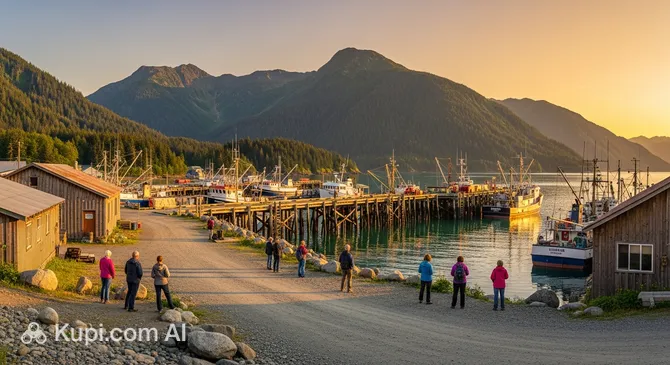
Larsen Bay. Source: Kupi.Binoculars

For travelers, Larsen Bay is primarily known as a premier destination for world-class sport fishing. Anglers flock here to catch abundant salmon and halibut in the protected waters of the bay. Beyond fishing, the area is a gateway to the spectacular Kodiak National Wildlife Refuge, offering unparalleled opportunities to view the famous Kodiak brown bears in their natural habitat, along with whales, sea otters, and eagles.

Whether you are seeking a thrilling fishing adventure or simply wish to immerse yourself in the quiet majesty of nature, Larsen Bay welcomes you. It is an ideal spot for those looking to disconnect and experience the raw, untouched landscapes of the Last Frontier.

Weather Overview

Larsen Bay experiences a maritime climate that is heavily influenced by its coastal location on Kodiak Island. This geography creates a temperature range that is relatively moderate compared to mainland Alaska, avoiding extreme highs and lows. Visitors can generally expect cool summers and mild winters, with a consistent pattern of damp conditions throughout the year.

The warmest period occurs in July and August, where average temperatures sit around 12°C and daily highs reach approximately 14°C. In contrast, the winter months of December through February are colder but not severe, with average temperatures ranging from -0.8°C to -2.2°C. Exploring the weather in Larsen Bay requires preparation for these cool conditions, making warm layers essential for any itinerary.

Precipitation is a constant companion in this region, with a high frequency of wet weather in every season. The area typically records between 15 and 20 wet days per month, regardless of the time of year. Whether you are visiting for the summer fishing or winter views, waterproof gear is highly recommended to stay comfortable in the frequent rain and snow.

Interesting Facts

Beyond the scenic fjords and fishing lodges, Larsen Bay holds unique characteristics that define its identity in the Alaskan wilderness. This small community is rich in history and geographical quirks that often surprise visitors.

  • Isolated by Design: Unlike many towns, Larsen Bay is completely disconnected from the road system of Kodiak Island. There are no highways leading in or out; the only way to arrive or depart is by boat or bush plane, making the daily arrival of the mail plane a central community event.

  • A Cannery Town: The modern village owes its existence largely to the commercial fishing industry. It was established around a cannery built by the Alaska Packers Association in 1911, and for decades, the rhythm of life here has been dictated by the salmon runs and the processing plant's whistle.

  • Ancient History: While the village seems young, the area has been inhabited for thousands of years. Nearby is the Uyak Site, one of the most significant archaeological excavations in the region, which has yielded thousands of artifacts revealing the deep ancestral history of the Alutiiq people.

How to Get There

Reaching the remote village of Larsen Bay is an adventure in itself, offering travelers a chance to experience the authentic Alaskan wilderness. Since the village is located on Kodiak Island and is not connected to the main road system, access is primarily by air or water. Visitors typically fly into a larger regional hub before taking a small bush plane or boat to their final destination. For a comprehensive guide on planning your journey, you can read more about how to get to Larsen Bay, including details on local charters and schedules.

The city of Larsen Bay does not have its own major commercial airport handling large jets, but the primary gateway for most visitors is Kodiak Benny Benson State Airport (ADQ) in the city of Kodiak. It is located approximately 92 km from Larsen Bay. As the main transportation hub for the island, it welcomes a significant number of travelers annually. Since there are no roads connecting Kodiak City to Larsen Bay, you cannot take a taxi or bus directly; instead, you will need to arrange a transfer via a floatplane or a marine vessel, which offers spectacular views of the coastline.

Another option for travelers exploring the wider region is King Salmon Airport (AKN), located in King Salmon. Although it is situated about 202 km away from Larsen Bay, it serves as an important regional hub. Similar to the connection from Kodiak, reaching Larsen Bay from here would require arranging a specialized air charter. While less common for direct access than Kodiak, it remains a key point in the Alaskan aviation network.

For clarity, here is a summary of the main airports in the vicinity:

Airport Name City Passenger Traffic Km from City
Kodiak Benny Benson State Airport Kodiak Medium 92.0
Ouzinkie Ouzinkie Small 98.5
King Salmon Airport King Salmon Small 202.1
Egegik Airport Egegik Small 214.0
Iliamna Airport Iliamna Small 252.6

Larsen Bay does not have a railway station, and there is no railway infrastructure on Kodiak Island. The rugged, mountainous terrain and the island's geography make train travel impossible in this part of Alaska. Visitors rely entirely on aircraft and boats to navigate between communities and explore the stunning natural landscape.

Main Attractions

Larsen Bay offers a unique selection of attractions that appeal primarily to nature lovers, adventure seekers, and those interested in the rugged history of Alaska. While it lacks the commercial theme parks or bustling museums of large cities, its "attractions" are the pristine landscapes and the wildlife that call this remote region home. Here are the key highlights for visitors to this secluded village.

Kodiak National Wildlife Refuge is undoubtedly the premier attraction for anyone visiting the area. Larsen Bay serves as a convenient gateway to this vast expanse of wilderness, which covers two-thirds of Kodiak Island. The refuge is world-famous for its population of Kodiak brown bears, the largest subspecies of brown bear. Tourists can arrange guided boat or floatplane tours to observe these majestic creatures in their natural habitat, particularly during salmon runs when the bears congregate near streams. Beyond bears, the refuge is a haven for birdwatchers, offering chances to spot bald eagles and puffins.

The waters of Uyak Bay itself are a stunning natural attraction. This deep fjord provides a calm and scenic environment perfect for kayaking and wildlife viewing. As you travel through the bay, you are likely to encounter a diverse array of marine life, including sea otters, harbor seals, and migrating whales. The steep, emerald-green mountains rising directly from the water create a dramatic backdrop that photographers find irresistible. Exploring the bay by boat offers a sense of solitude and connection with nature that is hard to find elsewhere.

For those interested in local history, the Historic Cannery buildings remain a defining landmark of the village. Established in the early 20th century, the cannery was the catalyst for the modern settlement of Larsen Bay. While it is an industrial site, its presence tells the story of the commercial fishing industry that has sustained the community for generations. Walking near the docks, visitors can observe the bustling activity during the fishing season and appreciate the enduring legacy of the maritime culture here.

Finally, World-Class Sport Fishing is the main draw for the majority of visitors. While not a single "location," the fishing grounds accessible from Larsen Bay are legendary. Anglers come from around the globe to cast their lines for massive halibut, rockfish, and all five species of Pacific salmon. Whether you are an experienced fisherman or a novice, the thrill of reeling in a catch in these nutrient-rich waters is an unforgettable experience and the heartbeat of local tourism.

Local Cuisine

The culinary experience in Larsen Bay is defined not by five-star restaurants or bustling street markets, but by the incredible freshness of its ingredients. In this remote village, the concept of "sea-to-table" is a daily reality rather than a marketing slogan. The local cuisine revolves almost entirely around the bounty of the surrounding waters, offering visitors a chance to taste seafood in its purest and most flavorful form, often caught just hours before reaching the plate.

Pacific Salmon is the undisputed king of the local table. Whether it is King (Chinook), Silver (Coho), or Sockeye, salmon is prepared in a variety of ways that highlight its quality. You might enjoy it grilled with simple herbs, baked with lemon and butter, or hot-smoked over alder wood, a traditional Alaskan preparation that imparts a rich, savory flavor. Another staple is Halibut, often served as hearty beer-battered fish and chips or pan-seared for a more delicate dish. The white, flaky meat of the halibut caught in Uyak Bay is prized for its sweet and mild taste.

Beyond seafood, the local diet is supplemented by the rich resources of the land. During the summer months, wild berries such as salmonberries, blueberries, and cranberries are abundant. These are often harvested by locals and lodge staff to create delicious desserts, jams, and sauces that accompany savory meat dishes. Venison from the Sitka black-tailed deer is another common protein found in home-cooked meals and lodge menus, offering a lean and organic alternative to beef.

When it comes to beverages, the culture is practical and warm. Given the often cool and damp weather, hot coffee and tea are essential staples consumed throughout the day to stay warm. In the evenings, the atmosphere relaxes, and it is common to enjoy a cold beer or a glass of whiskey at the fishing lodges. While there are no local breweries in the village itself, the lodges typically stock a selection of Alaskan craft beers, allowing guests to sample regional brews like the famous Alaskan Amber.

The dining scene in Larsen Bay is unique because it is centered almost exclusively around all-inclusive fishing lodges. There are no standalone restaurants, cafes, or fast-food chains for tourists. Instead, visitors usually eat family-style meals prepared by lodge chefs who specialize in hearty, comforting American and Alaskan fare. This communal dining fosters a friendly atmosphere where anglers swap stories of the day's catch over steaming platters of fresh food. For the locals, subsistence living remains a way of life, with families preserving fish and game to last through the winter, keeping the deep culinary traditions of the region alive.

Travel Tips

Visiting Larsen Bay is a step into the true Alaskan wilderness, offering an experience far removed from standard tourism. To ensure a smooth and enjoyable adventure in this remote community, a bit of extra planning and specific preparation is essential.

  1. Clothing and Gear: The weather here is unpredictable and often wet, so waterproof gear is non-negotiable. distinct from water-resistant, you need high-quality rain jackets, rain pants, and waterproof boots (often called "Alaskan sneakers"). Dress in layers using wool or synthetic materials that keep you warm even when damp; avoid cotton. Since electricity plugs are standard US Type A/B, international travelers will need adapters.

  2. Transportation: There is no public transportation, metro, or taxi service in Larsen Bay. The village is small enough to navigate on foot. Most visitors arrive via lodge-arranged transport, and movement around the area—whether to fishing spots or bear viewing locations—is typically done by boat or floatplane arranged by your host.

  3. Finances: The local currency is the US Dollar (USD). It is highly recommended to bring sufficient cash with you from Kodiak or the mainland, as there are no banks or ATMs in the village. While fishing lodges generally accept credit cards for the main bill, cash is essential for gratuities for guides and staff, or for small purchases at the local mercantile.

  4. Health and Safety: You are entering prime bear country. Always carry bear spray and know how to use it, and never hike alone in the dense brush. Medical facilities are limited to a small village clinic for basic needs; serious emergencies require a medical evacuation flight to Kodiak. Therefore, it is crucial to bring a full supply of any personal prescription medications and comprehensive travel insurance.

  5. Communication: English is the primary language spoken by everyone. Cellular service can be spotty and is often limited to specific major carriers, so do not rely on having a signal everywhere. Most lodges provide Wi-Fi for guests, which will likely be your main link to the outside world. Download offline maps and entertainment before you arrive.

  6. Local Etiquette: Larsen Bay is a tight-knit community where everyone knows everyone. It is polite to greet people you pass on the road with a wave or a nod. Respect the privacy of the residents; do not wander onto private property or take photographs of locals or their homes without asking for permission first.

  7. What to Avoid: Never leave food or trash unattended outdoors. This is not just a littering offense but a serious safety hazard that attracts bears into the community. Additionally, avoid assuming that shops will be open late or fully stocked; resources here are shipped in, so take what you need with you.

  8. Processing Your Catch: If you are here for fishing, plan ahead for how you will transport your catch home. Most lodges offer professional processing, vacuum sealing, and boxing of fish as part of their service or for a fee. Ensure you have these logistics sorted before your departure day to keep your salmon and halibut frozen during travel.

By packing the right gear and respecting the local way of life, you will be perfectly positioned to enjoy the stunning natural beauty of Larsen Bay. Embrace the solitude and the wild surroundings for a truly unforgettable Alaskan journey.

Entertainment & Nightlife

If you are looking for pulsing nightclubs, neon-lit boulevards, or 24-hour party districts, Larsen Bay is not the destination for you. The nightlife here is defined by the profound silence of the Alaskan wilderness rather than the beat of music. In this remote village of fewer than 100 people, entertainment after dark is a low-key, communal affair that revolves almost entirely around the local fishing lodges and the company of fellow travelers. The atmosphere is rustic, warm, and incredibly relaxed, offering a chance to unwind completely from the stresses of modern life.

Since there are no standalone bars, dance clubs, or commercial entertainment centers in the village, the social hub of the evening is invariably the lodge where you are staying. Venues like the Larsen Bay Lodge or the nearby Kodiak Island Resort serve as the de facto "nightspots." Here, the evening entertainment consists of gathering in the main lounge after a long day on the water, sharing stories of the day's catch, playing billiards or cards, and enjoying a drink by a crackling fire. The "crowd" is typically a mix of avid anglers, guides, and nature enthusiasts, and the dress code is strictly casual—flannel shirts, fleece jackets, and comfortable indoor shoes are the standard attire.

Nature itself provides the most spectacular evening shows in Larsen Bay. On clear nights, free from the light pollution of cities, the sky transforms into a dazzling canvas of stars. During the late autumn and winter months, lucky visitors might witness the Aurora Borealis (Northern Lights) dancing overhead in vibrant shades of green and purple. For many, simply sitting on a deck with a hot drink and listening to the sounds of the bay—the call of a loon or the splash of a seal—is far more memorable than any nightclub experience.

Practical advice for evenings here is simple: come prepared. Most lodges operate on an all-inclusive basis, so food and beverages are often part of your package, meaning you won't need to worry about carrying a wallet or checking menu prices. "Getting around" at night usually means walking from the dining hall to your cabin. However, safety is a critical consideration. Larsen Bay is bear country, and Kodiak brown bears are active at night. It is not safe to take casual night walks away from the well-lit lodge grounds. If you must move between buildings or visit the dock after dark, always carry a flashlight and bear spray, and stay alert.

While the nights are for relaxation, the daytime offers its own form of excitement. The primary entertainment during the day is immersive outdoor adventure. Visitors spend their hours battling massive halibut and salmon on the open water or taking guided wildlife tours to spot bears, eagles, and whales. For a quieter afternoon, you might explore the local history at the old cannery site or simply photograph the stunning fjord landscapes that surround this unique village.

Parks & Museums

In Larsen Bay, the concept of "parks and museums" is redefined by the sheer scale of the Alaskan wilderness and the depth of local history. You will not find manicured city gardens or ticketed art galleries here. Instead, the entire region functions as a vast, open-air sanctuary, and the cultural heritage is embedded in the land and the historic structures that line the waterfront.

Kodiak National Wildlife Refuge serves as the ultimate natural park for the area. Encompassing a significant portion of Kodiak Island, this federally protected expanse surrounds the village, offering a pristine environment that remains virtually untouched by modern development. It is a landscape of rugged mountains, alpine meadows, and dense spruce forests. For visitors, this "park" offers unparalleled opportunities for hiking and wildlife observation, where the trails are game paths and the main attractions are the massive Kodiak brown bears that roam freely along the salmon streams.

The waters and shorelines of Uyak Bay act as a dynamic natural area that rivals any aquatic park. The bay is a fjord-like inlet characterized by steep, green cliffs plunging into cold, nutrient-rich waters. It is a haven for kayakers and nature enthusiasts who can explore secluded coves and rocky beaches. Unlike a traditional park with benches and paths, Uyak Bay offers a raw connection to nature, where you can watch sea otters floating in kelp beds or spot eagles perching on driftwood, all within sight of the village.

While there is no formal museum building with curated exhibits, the Alaska Packers Association Cannery stands as a monumental piece of living history. Constructed in the early 1900s, this complex of industrial buildings is the reason the modern village exists. Walking among the historic structures, visitors can see the remnants of the machinery and architecture that drove the commercial fishing boom of the 20th century. It offers a tangible look at the grit and determination of the maritime industry that has sustained the community for generations.

The region is also home to the Uyak Archaeological Site, which provides a profound connection to the ancient past. Although it is an active excavation area rather than a walk-through museum, it is one of the most significant cultural heritage sites in the Gulf of Alaska. Artifacts uncovered here have revealed thousands of years of Alutiiq history, from intricate tools to ceremonial masks. For those interested in culture, the stories and knowledge shared by local residents about this site serve as a living gallery of their ancestors' resilience and ingenuity.

For a truly authentic experience, treat the village itself as an informal cultural venue. The local lifestyle, centered around subsistence fishing and hunting, is a form of living heritage. Engaging respectfully with locals or guides can reveal more about the traditions of the Alutiiq people and the realities of island life than any plaque or display case could ever convey.

Getting Around

Public Transport Overview: It is important for visitors to understand that Larsen Bay does not have a public transport system in the traditional sense. Due to its small size and remote location on Kodiak Island, there are no buses, trams, metros, or trolleybuses operating in the village. The infrastructure is minimal, designed for a community of fewer than 100 residents, meaning the standard urban transit options found in larger cities are entirely absent.

Getting Around: For the vast majority of tourists, the primary mode of transportation within the village is walking. The community is compact, and most key locations—such as the mercantile, the post office, and the harbor—are within a short walking distance of each other. The roads are unpaved gravel tracks, so comfortable, sturdy walking shoes or waterproof boots are the best "vehicle" for navigating the local terrain.

Lodge Transport: Since most visitors arrive as guests of all-inclusive fishing lodges, "public transport" is effectively replaced by private lodge services. Upon arrival at the airstrip or the dock, your lodge will typically provide a shuttle service using a van or a truck to transport you and your luggage to your accommodation. These transfers are private, scheduled specifically for your arrival, and are not available for general public use or for hopping between random points in the village.

Tickets and Payment: Because there is no public transit network, there is no need to worry about buying tickets, travel passes, or validating cards. There are no ticket machines or transport apps to download. Any transportation provided by your lodge—whether it is a ride from the airport or a boat trip to a fishing spot—is usually included in the overall price of your stay. It is advisable to confirm these details with your host prior to arrival to ensure all your logistical needs are covered.

Taxis and Rentals: Travelers should be aware that there are no taxi services, ride-sharing apps (like Uber or Lyft), or car rental agencies in Larsen Bay. You cannot simply hail a ride on the street. Similarly, formal bike rental shops do not exist, although some lodges might offer bicycles for guest use as a courtesy. If you need to travel a distance that is too far to walk, you will need to rely on the staff at your lodge to assist you.

Water and Air Travel: In this region, the water and the sky serve as the highways. While not "public transport" for intra-city travel, small skiffs, charter boats, and floatplanes are the engines of daily life. Locals often use ATVs (All-Terrain Vehicles) to move around, but these are personal vehicles. For a tourist, the experience of transport here is less about commuting and more about adventure, with every boat ride offering a chance to see the stunning wild coastline.

Accommodation

Where to Stay:

Finding accommodation in Larsen Bay is quite different from booking a hotel in a typical city. There are no standard chain hotels, motels, or budget hostels in this remote village. Instead, the accommodation landscape is almost exclusively defined by all-inclusive fishing lodges and wilderness resorts. These establishments are designed specifically for travelers seeking a complete package experience, combining lodging with guided outdoor adventures, meals, and transportation.

The available lodges are generally situated right along the waterfront of Uyak Bay, offering stunning views of the fjords and immediate access to the marina. Staying here means being immersed in nature; you can often spot eagles or marine life right from the deck of your cabin. The style of accommodation ranges from rustic, cozy cabins to more upscale lodges that offer modern amenities despite their secluded location. Guests typically enjoy a communal atmosphere, with shared dining areas and lounges that serve as the social heart of the property.

Because Larsen Bay is a seasonal destination, booking accommodation requires advance planning. Most visitors do not simply book a room for the night; rather, they book a multi-day package that includes their stay, all meals, fishing or wildlife guiding, and fish processing. It is highly recommended to reserve your spot several months in advance, particularly if you plan to visit during the peak salmon runs in July and August, as the best lodges fill up quickly.

Regarding costs, travelers should be prepared for a premium price range. The rates reflect the all-inclusive nature of the service and the logistical challenges of operating in the Alaskan bush. While the upfront cost may seem high compared to a standard hotel, it covers virtually all your daily expenses, including boat charters and equipment. For those seeking a more independent or budget-friendly option, choices are extremely limited, and you would likely need to inquire locally about private vacation rentals, though these are rare.

Nearby Cities

Nearby Cities:

Larsen Bay is situated on the western side of Kodiak Island, placing it in a remote and secluded corner of Alaska. Due to the island's geography and the absence of connecting roads, the concept of "nearby" cities is defined by air and water travel rather than highway driving. The closest and most important neighbor is Kodiak, which acts as the primary transportation and logistics hub for the region.

Beyond the island, the nearest settlements are located across the Shelikof Strait on the Alaskan mainland or the Kenai Peninsula. Communities like King Salmon and Homer are significant regional centers, though they are separated from Larsen Bay by miles of ocean and wilderness. Below is a table of the closest cities, ordered by their distance, to help you understand the village's location relative to other Alaskan destinations.

City Population Distance (km)
Kodiak 6,100 98
King Salmon 374 204
Naknek 600 222
Nanwalek 300 236
Homer 6,000 275

Shopping & Souvenirs

Shopping in Larsen Bay is a very modest and practical experience, reflecting the remote nature of this small Alutiiq village. Visitors should not expect a retail destination with boutiques or extensive variety. Instead, the shopping scene is primarily focused on essential supplies for residents and visiting anglers, along with a few opportunities to purchase unique mementos of the Alaskan wilderness. The options are limited, but they provide everything necessary for a comfortable stay in the bush.

There are no designated shopping districts or bustling commercial streets in the village. The "retail center," such as it is, revolves around the local mercantile store located near the harbor and the cannery complex. This general store serves as the lifeline for the community, stocking groceries, hardware, outdoor gear, and basic household items. For tourists, this is the go-to spot for snacks, personal care items, or any supplies forgotten at home.

Travelers looking for large retail complexes will not find them here. There are no shopping malls, department stores, or chain outlets in Larsen Bay. The infrastructure is built for subsistence and fishing, not for consumerism. Those in need of specialized clothing, electronics, or luxury goods should make their purchases in larger hubs like Kodiak or Anchorage before boarding the flight to the village.

Similarly, the village does not host formal markets like those found in larger cities. You will not find weekly flea markets or dedicated souvenir bazaars. However, the sense of community is strong, and occasionally, local artisans may sell handmade crafts directly or through the lodge gift shops. These items are often authentic and deeply connected to the local culture, making them far more special than mass-produced trinkets.

When it comes to souvenirs, the best items to bring back are edible ones. Given the village's reputation as a premier fishing destination, professionally processed smoked salmon or frozen halibut fillets are the ultimate keepsakes. Most fishing lodges also sell branded apparel, such as hats, t-shirts, and fleece jackets, which serve as great reminders of your adventure. Additionally, you might find Native Alaskan crafts, such as intricate beadwork or carvings, which support the local heritage.

Opening hours in Larsen Bay can be limited and somewhat flexible compared to urban standards. The local store typically operates during standard daytime hours but may close early in the evening or have reduced hours on weekends. Regarding payment, cash is king in this remote area. While the store and lodges may accept credit cards, electronic systems can be unreliable due to internet connectivity issues. It is highly advisable to carry enough US dollars to cover small purchases and gratuities.

One of the financial benefits of shopping in this region is the tax situation. The United States allows states to set their own sales tax policies, and Alaska is famous for having no state sales tax. While local boroughs or municipalities may levy their own small taxes, the overall cost of goods is generally free from the state-level additions found elsewhere, making your purchase of local salmon or gear slightly more economical.
Reached the end of the page?

That means the route is fully explored