Support

Port Lions

About

Nestled on the northern coast of Kodiak Island, Port Lions is a serene village that offers a genuine taste of the Alaskan wilderness. This small, tight-knit community is surrounded by stunning mountains and the pristine waters of Kizhuyak Bay, making it an ideal destination for travelers seeking solitude and a deep connection with nature. As a remote outpost in the United States, it provides a quiet escape far removed from the hustle and bustle of major cities.

With a population of approximately 200 residents, Port Lions maintains an intimate and friendly atmosphere where visitors are often treated like neighbors. The village is accessible primarily by boat or small aircraft, which adds to its secluded charm. The climate here is maritime, characterized by cool summers and relatively mild winters compared to mainland Alaska, creating a lush, green environment often referred to as the "Emerald Isle."
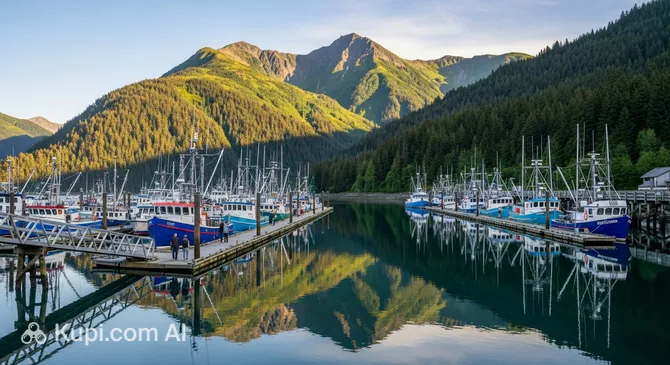
Port Lions. Source: Kupi.Binoculars

The origins of the settlement are deeply rooted in resilience. The history of Port Lions began in 1964, when the inhabitants of the nearby village of Afognak were forced to relocate following the devastation of the Good Friday Earthquake and subsequent tsunami. The new community was named in honor of the Lions Club, which played a crucial role in helping the residents rebuild their lives in this beautiful new location.

Today, Port Lions is a premier destination for outdoor enthusiasts. It is world-renowned for its fishing opportunities, where anglers can catch trophy-sized halibut, salmon, and rockfish in the abundant local waters. Wildlife viewing is another major draw; visitors often spot majestic Kodiak brown bears, bald eagles, and whales navigating the nearby bays. For those who prefer land-based adventures, the surrounding trails offer spectacular hiking with breathtaking panoramic views.

Whether you are looking to reel in the catch of a lifetime or simply wish to unwind in a lodge surrounded by untouched beauty, Port Lions welcomes you. It is a place to slow down, breathe the fresh air, and experience the rugged majesty of the Alaskan coast firsthand.

Weather Overview

The climate in Port Lions is defined by its coastal location, resulting in cool summers and cold, but not freezing, winters. During the warmest period in July and August, the average temperature hovers around 13°C, with daily highs rarely exceeding 16.3°C. Winters are chilly, with January being the coldest month, averaging -2.3°C and dipping to lows of -4.5°C.

Precipitation is a consistent feature of the local weather, with frequent wet days occurring throughout the year. May is particularly noted for its frequency of precipitation, recording up to 21 wet days, while even the relatively drier months like March still see rain or snow on about 13 days. For a more detailed breakdown to help with your packing list, you can view the full report on the weather in Port Lions. Expect cool, mild summers and cold winters with frequent precipitation throughout the year.

Interesting Facts

Beyond its scenic beauty and quiet atmosphere, Port Lions holds a collection of fascinating stories that speak to the resilience and uniqueness of its community. From buildings that traveled across the sea to its role in scientific research, this remote village has a history far richer than its small size suggests.

  • The Village of Floating Houses: When the nearby settlement of Port Wakefield became unviable following the 1964 earthquake, the residents didn't just pack their suitcases—they packed their homes. Several large cedar log cabins were lifted onto barges and floated across the water to be replanted in Port Lions, where these historic "traveling" structures are still standing and inhabited today.

  • Named After a Service Club: Port Lions is one of the few communities in the world named specifically to honor a service organization. The village was christened in gratitude to the Lions Club International, whose members played a critical role in constructing new homes and infrastructure for the displaced residents of Afognak after their original village was destroyed by a tsunami.

  • Birthplace of a Crab Legacy: The village was once the heart of the Wakefield Fisheries empire, founded by Lowell Wakefield, the man credited with pioneering the modern Alaskan King Crab industry. For years, the local cannery was a bustling hub that helped introduce King Crab to dinner tables across the globe before the facility was lost to a fire in 1975.

  • A Scientific Listening Post: Hidden away in this remote corner of Alaska is a specialized Very Low Frequency (VLF) radio receiver operated by Stanford University. This high-tech equipment takes advantage of the village's electromagnetic quietness to monitor global atmospheric signals and space weather, connecting this small community to cutting-edge global research.

How to Get There

Reaching the remote and scenic village of Port Lions requires a bit of adventurous planning, as it is located on Kodiak Island and is accessible only by air or water. To help you organize your trip logistics, you can read more about how to get to Port Lions on our detailed page.

The most significant transport hub for reaching the village is Kodiak Benny Benson State Airport (ADQ), located in the city of Kodiak. The airport is situated approximately 26.6 km from Port Lions. Since the village is not connected to Kodiak City by road, travelers must transfer to a ferry or an air taxi to complete the final leg of the journey. The transfer typically takes around 60 minutes depending on the vessel or aircraft used. This airport handles a considerable volume of regional traffic and connects the island to major cities like Anchorage.

Another option in the immediate vicinity is Ouzinkie Airport (KOZ), found in the neighboring community of Ouzinkie, roughly 23.8 km away. This small facility primarily serves local inter-island traffic. From here, a boat transfer would be necessary to cross the water to Port Lions, taking approximately 55 minutes. For those exploring the broader region, Homer Airport (HOM) in Homer is another key entry point to the area, though it is located about 214.4 km away across the water, requiring a connecting flight or a long ferry ride.

For clarity, here is a summary of the main airports:

Airport Name City Passenger Traffic Km from City
Kodiak Benny Benson State Airport Kodiak Medium 26.6
Ouzinkie Ouzinkie Small 23.8
King Salmon Airport King Salmon Medium 238.6
Homer Airport Homer Medium 214.4
Iliamna Airport Iliamna Small 240.4

Port Lions does not have a railway station, and there are no train services available on Kodiak Island. The terrain and island geography make rail travel impossible here. Instead of trains, the community relies heavily on the Alaska Marine Highway System ferries and small bush planes for transportation between settlements.

Main Attractions

While Port Lions is a small and secluded village, its true appeal lies in the magnificent wilderness that surrounds it. The attractions here are not bustling museums or crowded theme parks, but rather the breathtaking landscapes, abundant wildlife, and rich waters of the Kodiak Archipelago. Visitors come here to disconnect from the modern world and immerse themselves in an authentic Alaskan experience.

One of the most distinct features of the village is the Settlers Cove Causeway. This scenic man-made land bridge connects the two sides of the community, spanning across the calm waters of the cove. It serves as a perfect spot for a leisurely walk or a bike ride, offering panoramic views of the village, the surrounding mountains, and the boat harbor. From the causeway, observant visitors can often spot sea otters floating in the kelp beds or bald eagles perched on the nearby spruce trees.

The waters of Kizhuyak Bay are arguably the area's greatest attraction. Known as a world-class destination for anglers, the bay and its neighboring straits are teeming with life. Fishing enthusiasts flock here to battle massive halibut, king salmon, and rockfish. Beyond fishing, the bay is a paradise for kayakers and boaters who wish to explore the rugged coastline, hidden coves, and waterfalls that tumble directly into the sea.

For those hoping to see the legendary giants of the island, the village serves as a gateway to the Kodiak National Wildlife Refuge. Accessible by boat or floatplane, this vast protected area is home to the famous Kodiak brown bear. Viewing these majestic creatures in their natural habitat, often foraging along the shorelines or fishing in the streams during salmon runs, is a bucket-list experience for many travelers.

Finally, the Port Lions Boat Harbor acts as the bustling hub of local life and the starting point for most adventures. It is here that you can watch the fishing fleet return with their daily catch, chat with local captains, or arrange a charter for wildlife viewing. The harbor offers a glimpse into the maritime culture that defines this resilient community, making it a fascinating stop for anyone visiting the village.

Local Cuisine

The culinary experience in Port Lions is defined almost entirely by the bounty of the surrounding ocean and wilderness. In this remote village, the concept of "farm-to-table" is replaced by "ocean-to-plate," with a heavy emphasis on subsistence and freshly harvested ingredients. Visitors here can expect hearty, unpretentious meals that highlight the incredible quality of local seafood, often caught just hours before being served.

Seafood is the undisputed star of the local diet. Pacific Halibut is a staple found on nearly every menu, often prepared as golden-fried fish and chips or simply grilled to let its mild, sweet flavor shine. Wild Alaskan Salmon—whether King, Sockeye, or Coho—is another highlight, served baked, grilled, or smoked. Smoked salmon, in particular, is a local specialty, often cured using traditional methods and wood smoke to create a rich, savory snack that is perfect for outdoor adventures.

Beyond the catch of the day, the local landscape offers a sweet abundance of wild berries. During the summer months, the hillsides around Port Lions are dotted with salmonberries, blueberries, and cranberries. These are frequently gathered by locals and used to create homemade jams, jellies, and desserts. A warm slice of berry pie or a cobbler made from freshly picked fruit is the traditional way to end a meal in this coastal community.

Due to the village's small population of around 200 residents, you will not find a bustling restaurant district or commercial street food markets. Instead, the dining scene is centered primarily around the local wilderness lodges. These establishments typically provide all-inclusive dining for their guests, serving robust American and Alaskan comfort food in a communal setting. For independent travelers, options may be limited to a small community cafe or general store snacks, so it is common to rely on lodge accommodations for meals.

To accompany these feasts, hot beverages are a daily essential. Coffee is deeply ingrained in the culture, serving as a warm comfort against the misty coastal weather. In the evenings, it is common to enjoy craft beers from arguably the most famous producers in the state, such as the Alaskan Brewing Company. Sipping an amber ale or a stout by a lodge fireplace while recounting the day's fishing stories is the quintessential Port Lions evening experience.

Travel Tips

Welcome to Port Lions! Visiting this secluded village on Kodiak Island is a true adventure into the Alaskan wilderness, but it requires a bit more preparation than a standard city break. To help you navigate the unique logistics of remote island life and ensure your journey is as smooth as it is memorable, here are some essential practical tips.

  1. Clothing and Gear: The weather in Port Lions is maritime and unpredictable, so waterproof gear is non-negotiable. Even in summer, bring a high-quality rain jacket, rain pants, and warm layers made of wool or fleece to handle the cool, damp climate. Sturdy, waterproof hiking boots or rubber boots (often called "Alaskan sneakers") are the best footwear choice for navigating muddy trails and boat decks. Dress is entirely casual everywhere, so prioritize comfort and utility over style.

  2. Transportation: Once you arrive in the village, options are limited. There are no taxis, ride-sharing apps, or car rental agencies within Port Lions itself. The village is small enough to be walkable, but if you are staying at a wilderness lodge, they typically provide transportation for guests. For travel between Port Lions and Kodiak City, you will rely on the Alaska Marine Highway ferry or small air taxis, so always book these connections in advance.

  3. Finances: The local currency is the US Dollar (USD). While lodges usually accept credit cards, smaller local vendors or the general store may prefer cash, and card machines can sometimes go down due to internet connectivity issues. There is very limited access to ATMs, so it is highly recommended to withdraw sufficient cash in Kodiak City or Anchorage before you depart for the village.

  4. Health and Safety: You are in bear country. Kodiak brown bears are common in the area, so always carry bear spray, know how to use it, and make noise while hiking to avoid startling wildlife. Medical facilities are limited to a small local clinic for basic needs; serious emergencies require a medical evacuation to Kodiak or Anchorage. Ensure you bring an adequate supply of any prescription medications you need, as there is no full-service pharmacy in the village.

  5. Communication: English is the primary language spoken by everyone. Cell phone coverage can be spotty depending on your carrier; GCI has the best coverage in rural Alaska, while AT&T works in some areas, but others may have no signal at all. Wi-Fi is generally available at lodges and the community library, but speeds may be slower than what you are used to. It is wise to download offline maps and important documents before arrival.

  6. Local Etiquette: Port Lions is a small, tight-knit community where everyone knows everyone. It is polite to greet people you pass on the road with a wave or a "hello." Respect the local lifestyle and privacy; do not walk onto private property or take photos of residents and their homes without asking for permission first. The pace of life here is slower—embrace it and be patient.

  7. What to Avoid: Never leave food or trash unattended outdoors. This is not only disrespectful to the pristine environment but dangerous, as it attracts bears into the community. Additionally, avoid wandering onto lands owned by Native corporations without checking if a land-use permit is required for hiking or hunting, as land ownership rules in Alaska can be complex.

  8. Stock Up Before You Go: Since shopping options in the village are limited to a small general store with a modest selection, it is a great "life hack" to buy any specialty snacks, alcohol, or specific toiletries you might want in Kodiak City before hopping on the ferry or plane. Prices in the village will be higher due to shipping costs, and variety is not guaranteed.

By packing the right gear and respecting the local customs and wildlife, you will be perfectly set to enjoy the tranquility of Port Lions. This is a place to disconnect from the busy world and reconnect with nature, so breathe in the fresh air and enjoy the warm hospitality of this resilient island community.

Entertainment & Nightlife

Entertainment and nightlife in Port Lions differ significantly from the bustling scenes found in larger cities. In this remote village of approximately 200 residents, the "nightlife" is defined not by neon lights and dance floors, but by the tranquility of the wilderness, the warmth of community gatherings, and the spectacular display of the Aurora Borealis overhead. Visitors here should adjust their expectations to embrace a slower, more intimate evening pace where the main activity is unwinding after a day of adventure.

There are no dedicated nightclubs, commercial bars, or late-night entertainment districts within the village itself. Instead, the social heart of the evening is often found at the local wilderness lodges, such as the Port Lions Lodge. Here, the atmosphere is one of rustic camaraderie. Guests and locals gather in common areas to share stories of the day's catch, enjoy home-cooked meals, and relax by a warm fire. The "dress code" is universally casual—flannel shirts, jeans, and comfortable lodge shoes are the standard attire.

For those seeking a glimpse into local culture, the Tribal Community Hall occasionally hosts community events, such as bingo nights or potlucks, which are welcoming to respectful visitors. These gatherings offer a rare chance to interact with the residents and experience the genuine hospitality of the Alutiiq people. If you are craving a traditional pub experience with music and a wider selection of drinks, your only option is to travel to the city of Kodiak, home to popular spots like Tony’s Bar. However, be aware that this requires a boat or plane trip, making it impractical for a casual night out.

The most breathtaking evening entertainment in Port Lions is provided by nature itself. On clear nights, especially from late autumn to early spring, the lack of light pollution makes the village a prime location for stargazing and viewing the Northern Lights. A walk along the Settlers Cove causeway at twilight offers stunning views of the bay, though it is essential to remain vigilant. Safety is paramount at night; Kodiak brown bears are active in the area, so it is crucial to carry a flashlight, travel in groups, and make noise to avoid startling wildlife.

Practical advice for evenings in Port Lions revolves around preparation. Since there are no 24-hour convenience stores or late-night taxis, ensure you have everything you need before the sun sets. If you plan to consume alcohol, it is wise to check with your lodge regarding their policy or bring your own supplies from Kodiak, as local availability can be limited. The best time to enjoy the cozy lodge atmosphere is during the fishing season (May to September), while aurora hunters should aim for the darker winter months.

While the nights are quiet, the days are filled with activity. Daytime entertainment focuses on the great outdoors, with world-class fishing charters and wildlife photography being the main draws. For a change of pace, visitors can explore the local history and culture, which provides context to the resilient spirit of this unique community before settling in for another peaceful evening by the bay.

Parks & Museums

In the remote village of Port Lions, the concept of a "park" is redefined by the vast, untamed wilderness that surrounds the community. You will not find manicured lawns, fenced playgrounds, or ticketed botanical gardens here. Instead, the entire region serves as a boundless natural sanctuary, offering visitors an immersive experience in one of the most pristine environments in North America. The village’s green spaces are the mossy forests, the rugged shorelines, and the rolling mountains that frame the settlement.

The most significant natural area is the expansive Kodiak National Wildlife Refuge, which effectively serves as the village's backyard. Stretching across two-thirds of Kodiak Island, this refuge is a rugged landscape of misty fjords, glacial valleys, and Sitka spruce forests. It is globally famous for its population of Kodiak brown bears, which can often be seen fishing in the local streams or patrolling the beaches. For nature lovers, this is the ultimate "park," offering unparalleled opportunities for hiking, birdwatching, and photography in a truly wild setting.

Closer to the heart of the community lies the Settlers Cove Causeway. While not a park in the traditional sense, this man-made land bridge functions as the village’s premier promenade. It connects the two sides of Port Lions and offers a flat, accessible route for walking and cycling. Strolling here provides peaceful views of the boat harbor and the surrounding peaks, making it a favorite spot for locals and visitors to enjoy the fresh sea air and watch for otters playing in the water below.

Regarding cultural institutions, Port Lions does not possess formal museums or art galleries. The history of the village is too recent and the population too small to support large exhibitions. However, the culture is deeply woven into the daily life of the community. The village itself stands as a living monument to resilience, founded by the displaced residents of Afognak after the 1964 earthquake. The stories of this relocation and the Alutiiq heritage are preserved not in glass cases, but in the memories of the elders and the traditions of the people.

A key architectural and cultural landmark is the local Russian Orthodox Church. With its distinctive blue dome and three-bar cross, it reflects the enduring legacy of the Russian influence in the region and the deep spiritual roots of the Alutiiq community. While it is an active place of worship rather than a museum, the building is a photogenic symbol of the village’s history and offers insight into the unique blend of indigenous and settler cultures that defines the Kodiak Archipelago.

For an authentic local experience, visitors should look to the land itself as a gallery of resources. During late summer, the hillsides transform into a vibrant mosaic of colors, inviting you to participate in the local tradition of berry picking. Wandering the trails to gather salmonberries and blueberries offers a quiet, meditative connection to the land that no museum tour can replicate.

Getting Around

Travelers planning a visit to Port Lions should be aware that the village does not possess a public transport system in the traditional sense. Due to its small population and remote location on Kodiak Island, there are no buses, trams, metros, or trains operating within the community. The infrastructure is minimal, designed for a quiet village lifestyle rather than high-volume tourism, so you will not find ticket machines, bus stops, or route maps here.

The primary mode of getting around the village itself is simply walking. Port Lions is compact, and most key locations—such as the boat harbor, the general store, the clinic, and the post office—are located within a relatively short distance of one another. The roads are paved but quiet, making them safe and easy to navigate on foot. The scenic Settlers Cove Causeway, which connects the two sides of the village, serves as a central pedestrian artery offering beautiful views while you move from one part of the settlement to the other.

For most tourists, the functional equivalent of "public transport" is provided by private wilderness lodges. If you have booked a stay at one of the local lodges, they typically include transportation services as part of your package. This usually involves a van or SUV pick-up from the airstrip or the ferry terminal upon your arrival, as well as shuttles to and from the boat harbor for fishing excursions. It is essential to confirm these arrangements with your host before you arrive, as this is often the only motorized transport available to visitors.

Regarding payment and tickets, the absence of a public network means there are no travel passes, transit cards, or mobile apps to worry about. If you are relying on lodge transport, the cost is generally bundled into your accommodation fees. On the rare occasion that you might negotiate a ride with a local resident or need to pay for a specific private transfer, cash is the only accepted method. Prices for informal rides are not fixed and should be agreed upon in advance, but do not expect a metered service.

Alternatives such as taxis, rideshare apps (like Uber or Lyft), and car rental agencies are completely non-existent in Port Lions. You cannot hail a cab on the street. While some locals use All-Terrain Vehicles (ATVs) and pickup trucks to get around, these are private vehicles and not available for rent. Bicycles can be a great way to explore the area, and some lodges may offer bike rentals or loaners to their guests, so it is worth asking your accommodation provider about availability.

Since the village is coastal, boats often serve as a form of transit for reaching nearby bays or secluded shorelines that are inaccessible by road. While not a scheduled "water taxi" service, local charter captains can sometimes be hired for drop-offs and pick-ups for hiking or beachcombing. These arrangements are strictly private charters, requiring advance booking and payment in cash or check.

Practical advice for navigating Port Lions is simple: plan your mobility before you land. Ensure your lodge knows your arrival time to send a driver, and pack comfortable, waterproof walking shoes, as you will likely be spending a lot of time on your feet. Understanding that you are visiting a place where the pace is set by the tides rather than a timetable is key to enjoying the unique, rugged charm of this community.

Accommodation

Finding a place to stay in Port Lions is quite different from booking a hotel in a typical city. In this remote village of around 200 people, you will not find international hotel chains, sprawling resorts, or budget hostels. Instead, accommodation options are limited, intimate, and deeply integrated with the local lifestyle and the surrounding wilderness.

The most prominent type of accommodation available here is the wilderness lodge. These establishments are the cornerstone of tourism in the area, catering primarily to anglers and wildlife enthusiasts. Staying at a lodge is often an all-inclusive experience; packages typically bundle the room with home-cooked meals, guided fishing charters or wildlife tours, and airport/ferry transfers. The atmosphere is rustic yet comfortable, often featuring communal dining areas where guests share stories of their daily adventures.

Apart from the full-service lodges, there are a few vacation rentals and bed-and-breakfast style accommodations scattered throughout the village. These options range from converted cabins to rooms within local homes. They offer a more independent experience, suitable for travelers who prefer to cook their own meals or explore the island at their own pace. However, visitors choosing this route should be mindful that grocery options in the village are limited, so planning meals in advance is crucial.

In terms of areas, the village is compact enough that location is rarely a major deciding factor. Most accommodations are situated near the water, offering easy access to the boat harbor and stunning views of Kizhuyak Bay. Whether you are staying near the airstrip or closer to the Settlers Cove Causeway, you are never far from the heart of the community or the edge of the wild.

Booking Tips and Prices:

  • Book Well in Advance: Due to the very small number of beds available in the village, accommodation can fill up months ahead of time, especially during the peak fishing season (May to September). It is not advisable to arrive without a reservation.

  • Price Range: Expect prices to be in the mid-to-high range. Wilderness lodges are generally expensive because they provide a comprehensive service package including food and activities. Vacation rentals may be more moderate but are still priced to reflect the high cost of operating in a remote location.

  • How to Book: Major online travel agencies often have limited or no listings for Port Lions. The most effective way to secure a room is to contact the lodges or owners directly through their specific websites or by phone.

Nearby Cities

For those looking to explore the surroundings, Port Lions serves as an excellent base for day trips to several interesting nearby locations:

City Population Distance (km)
Kodiak 6100 30
Homer 6000 213
Ninilchik 800 252
Naknek 600 260
King Salmon 374 240

While the remote nature of Port Lions means that travel often requires a boat or a bush plane, the effort is well rewarded by the unique character of the neighboring communities. Here are a few destinations worth considering for a visit:

Kodiak is the most accessible and popular destination for a day trip. Located just 30 km away, it is the main hub of the island and offers a stark contrast to the quiet village life of Port Lions. Visitors can explore the rich history of Russian America at the Baranov Museum, dive into indigenous culture at the Alutiiq Museum, or enjoy modern conveniences like restaurants and shops. It serves as the primary gateway for the archipelago and is easily reached by ferry or air taxi.

For those willing to take a longer flight across the water, Homer offers a vibrant mix of art and outdoor adventure on the Kenai Peninsula. Known as the "Halibut Fishing Capital of the World," it is famous for the Homer Spit, a long strip of land bustling with shops, galleries, and seafood shacks. It is a fantastic spot to experience a lively coastal town atmosphere and enjoy some of the best dining in the region.

King Salmon is another notable destination, particularly for nature enthusiasts. Situated about 240 km away, it serves as the gateway to Katmai National Park and Preserve. During the summer, travelers often fly here to witness the iconic sight of brown bears catching salmon at Brooks Falls. It provides a quintessential Alaskan wildlife experience that complements the solitude of Port Lions.

These nearby destinations offer a glimpse into the diverse culture and landscapes of the region.

Shopping & Souvenirs

Shopping in Port Lions is a strictly functional experience rather than a recreational activity. As a small, remote village with a population of approximately 200 people, the community does not cater to retail tourism. Visitors will not find boutiques, fashion outlets, or souvenir shops lining the streets. Instead, the local commerce is centered entirely on providing essential supplies to residents and the occasional visitor. Travelers should arrive with all necessary gear, specialized clothing, and personal items already packed, viewing the local options as a backup for basic necessities rather than a shopping destination.

There are no designated shopping districts or commercial streets in the village. The retail scene is essentially comprised of a single main establishment: the local General Store. This store serves as the lifeline for the community, stocking a modest selection of groceries, household goods, and limited outdoor supplies. It is the place to go if you need to replenish snacks, buy a toothbrush, or pick up ingredients for a simple meal, but selection is limited to what can be shipped in by barge or plane.

Travelers looking for shopping malls or department stores will find none in Port Lions. The village infrastructure is too small to support large-scale retail. The nearest location with anything resembling a standard shopping experience is the city of Kodiak, which is accessible only by boat or air. If you require substantial shopping facilities, it is highly recommended to complete these errands in Kodiak or Anchorage before departing for the village.

Formal markets, such as flea markets or organized farmers' markets, are not a regular feature of village life. However, the community spirit is strong, and you may occasionally encounter informal fundraising sales or craft fairs held at the Community Hall or during local festivals. These events are sporadic and dependent on the season, offering a rare chance to buy homemade baked goods or second-hand treasures directly from locals.

Despite the lack of souvenir shops, you can still find unique, authentic mementos to take home. The best souvenirs from Port Lions are handcrafted items made by local residents, particularly those reflecting Alutiiq heritage. Look for intricate beadwork, hand-carved wooden items, or knitted goods. Another excellent option is local food products; jars of jam made from wild salmonberries or blueberries, and vacuum-packed smoked salmon are prized gifts that capture the flavor of the island.

Opening hours in the village are limited and can be unpredictable compared to urban standards. The general store typically operates from morning until early evening, but may close for lunch or have reduced hours on weekends. Regarding payment, cash is the most reliable method. While the store may accept credit cards, internet connectivity on the island can be spotty, leading to system outages. It is wise to carry enough US Dollars to cover your intended purchases.

One financial benefit for visitors to Alaska is the absence of a state sales tax. However, local municipalities and boroughs often levy their own taxes. While you won't pay a state-wide tax on your purchases, be aware that local sales taxes may still apply to goods and services within the Kodiak Island Borough region. Always check your receipt or ask locally if you are unsure about the specific tax rates applied in the village.

Reached the end of the page?

That means the route is fully explored