Support

Old Harbor

About

Old Harbor is a captivating destination tucked away on the southeast coast of Kodiak Island. Known for its breathtaking natural beauty and deep cultural roots, this small community offers a serene escape for travelers seeking an authentic Alaskan experience. It is a place where the mountains meet the sea, creating a dramatic backdrop for a truly unique getaway.
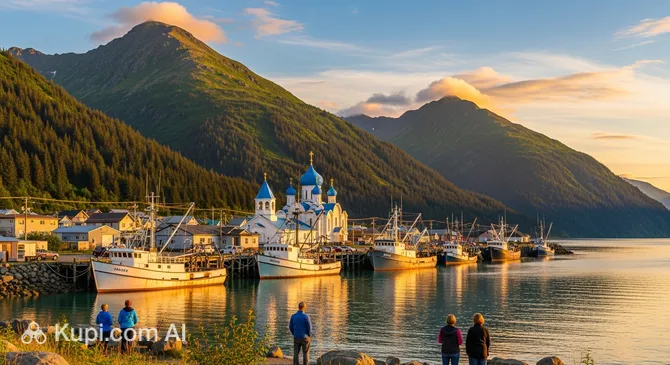
Old Harbor. Source: Kupi.Binoculars

Geographically, the village is situated along the sheltered waters of the Sitkalidak Strait. As part of the United States, it represents one of the most picturesque settlements in Alaska. With a population of approximately 218 residents, Old Harbor maintains a tight-knit, welcoming atmosphere where visitors are often treated like family. The climate here is maritime, characterized by cool summers and relatively mild winters compared to the mainland, making it accessible for outdoor activities throughout much of the year.

The area is steeped in tradition, serving as a vibrant hub for the Alutiiq people who have called this land home for millennia. To fully appreciate the village's significance, one should delve into the history of Old Harbor, which reveals a fascinating narrative involving indigenous heritage and the site of the first permanent Russian settlement in Alaska at nearby Three Saints Bay.

For outdoor enthusiasts, Old Harbor is nothing short of paradise. It is renowned for world-class fishing, with abundant halibut, salmon, and cod in the surrounding pristine waters. Wildlife viewing is another major draw; the region is home to the majestic Kodiak brown bear, as well as migrating whales, sea lions, and bald eagles. Whether you are hiking the rugged terrain or kayaking through the calm strait, the connection to nature here is undeniable.

If you are looking for a destination that combines rich culture with untamed wilderness, Old Harbor awaits your arrival. It is the perfect place to disconnect from the modern world and immerse yourself in the rugged splendor of the North.

Weather Overview

Travelers planning a visit should prepare for a cool, maritime climate heavily influenced by the surrounding ocean. To ensure you pack appropriately for your trip, it is helpful to review the current weather in Old Harbor. Generally, the area experiences moderate temperatures year-round, avoiding the extreme cold found in mainland Alaska, though the air remains consistently crisp and fresh.

The summer months of July and August are typically the warmest, with average temperatures reaching around 11.9°C and highs peaking near 14.6°C. This is the prime season for exploring, though visitors should expect cool summers with frequent cloud cover and rain. May tends to be the wettest month, recording up to 22 wet days, so waterproof clothing is a must regardless of when you choose to visit.

Winters are cold but manageable, with January usually being the coldest month, averaging -3.8°C. Precipitation is a constant feature of the local climate, with most months seeing between 15 and 20 wet days. Overall, expect a pattern of cool temperatures and regular rainfall throughout the year, adding to the lush, green appearance of the island's landscape.

Interesting Facts

Beyond the main attractions, Old Harbor holds many fascinating secrets that reveal its deep resilience and unique position in history. This small community is not just a fishing village; it is a living testament to survival and cultural continuity on Kodiak Island.

  • Gateway to History: The village is located just a short boat ride from Three Saints Bay, which is historically significant as the site of the first permanent Russian settlement in Alaska, established by Grigory Shelikhov in 1784.

  • A Name with Meaning: The name "Old Harbor" is a direct translation of the Russian word "Starigavan." Early Russian colonizers gave it this title because they recognized the area had already been used as a safe haven and settlement by the Indigenous Alutiiq people for centuries before their arrival.

  • Resilience from Ruins: During the Great Alaskan Earthquake of 1964, the community was devastated by the resulting tsunami, which wiped out nearly the entire village. The resilient residents chose not to abandon their home, rebuilding the town on higher ground to ensure its survival for future generations.

  • Living Tradition: Old Harbor is often cited as the most traditional community on Kodiak Island. Unlike more modernized towns, a significant portion of the population here still actively practices a subsistence lifestyle, relying on hunting, gathering, and fishing just as their ancestors did.

How to Get There

Reaching the remote community of Old Harbor on Kodiak Island is an adventure that brings you close to the rugged beauty of Alaska. Since the village is isolated by the sea and mountains, planning your journey involves connecting through regional hubs. You can find more about how to get to Old Harbor and the specific transport options available to complete your trip.

The city of Old Harbor does not have its own major airport, but you can fly into Kodiak Benny Benson State Airport (IATA: ADQ) in the city of Kodiak, which is about 77.8 km from Old Harbor. This is the primary gateway for visitors to the island. It is crucial to understand that there are no roads connecting the city of Kodiak to Old Harbor. Consequently, the final leg of the journey cannot be made by car or bus; it must be completed by a small air taxi or a boat charter, offering a scenic introduction to the island's coastline.

Another facility in the wider Alaskan region is King Salmon Airport (IATA: AKN), located approximately 257 km away. However, travelers should be aware that this airport is separated from Old Harbor by the Shelikof Strait and rugged terrain. There is absolutely no ground transportation available between these locations. Accessing Old Harbor from King Salmon or other distant regional airports would require arranging additional connecting flights or air charters, rather than a direct transfer.

For clarity, here is a summary of the main airports in the vicinity:

Airport Name City Passenger Traffic Km from City
Kodiak Benny Benson State Airport Kodiak Medium 77.8
Ouzinkie Ouzinkie Small 93.7
King Salmon Airport King Salmon Small 257.1
Egegik Airport Egegik Small 266.2
Homer Airport Homer Small 292.4

Main Attractions

Old Harbor is a destination defined by its stunning natural surroundings and deep historical significance. While it is a small community, the area offers several compelling sites that attract history buffs, outdoor adventurers, and those seeking a glimpse into authentic Alaskan village life. Here are the main highlights to explore during your visit.

Three Saints Bay is perhaps the most historically significant site in the region, located just a short boat ride from the village. This beautiful inlet is the location of the first permanent Russian settlement in Alaska, established in 1784 by Grigory Shelikhov. For tourists, it offers a fascinating connection to the past, where you can imagine the early days of contact between Russian fur traders and the indigenous Alutiiq people, all set against a backdrop of dramatic fjords and pristine wilderness.

In the heart of the village stands the Three Saints Church, a picturesque Russian Orthodox church that serves as a spiritual and cultural anchor for the community. With its distinctive blue domes and traditional architecture, it is a striking landmark that reflects the lasting influence of the Russian era on local culture. Visitors are often drawn to its peaceful presence and the opportunity to photograph one of the most iconic structures in Old Harbor.

Sitkalidak Island lies directly across the strait from Old Harbor and is a paradise for nature lovers. The island acts as a natural barrier, creating the calm, sheltered waters of the Sitkalidak Strait that are perfect for kayaking and boating. The island is uninhabited by humans but is teeming with wildlife, including herds of wild cattle, roaming brown bears, and nesting bald eagles, making it an exceptional spot for wildlife photography and rugged exploration.

Finally, the Sitkalidak Strait itself is a major attraction for anglers and water enthusiasts. Known for its calm waters protected from the open ocean, it offers world-class fishing opportunities for halibut, salmon, and rockfish. Whether you are on a chartered fishing boat or simply enjoying the view from the shore, the strait provides a breathtaking setting where the mountains seem to rise straight out of the sea.

Local Cuisine

The culinary experience in Old Harbor is inextricably linked to the ocean and the wild landscape of Kodiak Island. You will not find fine dining chains or extensive menus here; instead, the local cuisine is defined by a "catch of the day" philosophy where freshness is paramount. The food culture revolves around the subsistence lifestyle of the Alutiiq people, blending indigenous traditions with Russian influences and the bounty of the North Pacific.

The star of the table is undoubtedly seafood. Pacific Halibut is a local staple, often served fresh within hours of being caught. It is typically prepared simply—grilled, baked, or beer-battered—to let the delicate flavor shine. Salmon is equally important, with King, Sockeye, and Coho varieties featuring heavily in local diets. Visitors should definitely try smoked salmon, a traditional preparation method that preserves the fish and imparts a rich, savory flavor perfect for a quick snack or a hearty meal.

Due to the village's unique history, you may also encounter dishes that reflect its Russian heritage. A popular comfort food in the region is Perok (or Piruk), a savory fish pie made with salmon or halibut, rice, onions, and vegetables encased in a flaky pastry crust. On land, the wilderness provides wild berries such as salmonberries and blueberries, which are often gathered to make jams, desserts, or Akutaq, a traditional whipped mixture of berries and fats often referred to as "Eskimo ice cream."

When it comes to beverages, the focus is on warmth and comfort to counter the cool maritime climate. Hot coffee and tea are ubiquitous, serving as the fuel for early morning fishing trips. While there are no bustling bars, the social atmosphere in the evenings is warm and inviting. Alcohol is generally enjoyed in the privacy of fishing lodges, where guests gather to share stories of the day's adventures over a beer or a glass of wine.

Travelers should be aware that Old Harbor does not have a standard restaurant scene. There are no street food stalls or commercial markets for tourists. Instead, dining is centered almost exclusively around the fishing lodges where visitors stay. These lodges provide hearty, home-cooked meals, often utilizing the fish caught by guests that very day. It is a communal and intimate style of dining that makes you feel more like a welcomed family member than a customer.

Travel Tips

Visiting Old Harbor offers a rare chance to experience the authentic lifestyle of a remote Alutiiq community, but traveling to such an isolated destination requires careful preparation. These practical tips will help you navigate the unique logistics of village life and ensure your stay is comfortable and respectful.

  1. Clothing and Gear: The weather on Kodiak Island changes rapidly, so dressing in layers is essential. Your outer layer must be high-quality waterproof rain gear, including a jacket and pants, as rain is frequent year-round. Waterproof boots (often called "Alaskan sneakers") are the standard footwear here for navigating muddy paths and docks. If you plan to visit the Russian Orthodox church, dress modestly; it is respectful for women to have a scarf to cover their heads and for men to remove hats.

  2. Transportation: Old Harbor is a small, walkable village with no public transportation, taxis, or ride-sharing apps like Uber. There are no car rental agencies. You will get around the settlement primarily on foot. For excursions on the water or transfers to the airstrip, your fishing lodge or tour operator will typically arrange transport via van or boat.

  3. Finances: The local currency is the US Dollar (USD). While fishing lodges accept credit cards, the local general store may have minimum purchase requirements or prefer cash. There are no banks and ATMs can be unreliable or nonexistent within the village itself. It is highly advisable to withdraw sufficient cash in the city of Kodiak before flying out to Old Harbor to cover small purchases and tips for guides.

  4. Health and Safety: There is no pharmacy in the village, so you must bring a full supply of any prescription medications and basic first-aid supplies (painkillers, motion sickness pills) with you. Medical care is limited to a local clinic staffed by health aides; serious emergencies require a medical evacuation flight to Kodiak or Anchorage. Regarding safety, bear awareness is critical—brown bears frequently roam near and within the village. Always carry bear spray and never leave food or trash outdoors.

  5. Communication: English is the primary language spoken by all residents. Cell phone coverage can be spotty and is often limited to specific carriers (GCI has the best coverage in rural Alaska), so check with your provider beforehand. Wi-Fi is generally available at fishing lodges, but speeds may be slower than what you are used to, so plan for a "digital detox."

  6. Local Etiquette: The community is tight-knit and friendly; a wave or a "hello" to passersby is the norm. The lifestyle here is subsistence-based, meaning locals rely on the land and sea for food. Be respectful of this way of life—do not touch fishing nets, drying fish, or smokehouses without permission. Always ask for consent before taking photographs of residents, their children, or their private property.

  7. What to Avoid: Do not trespass on private land owned by Native corporations without the proper land-use permits. Much of the wilderness surrounding the village is privately owned, and recreational access rules are strictly enforced. Additionally, never approach wildlife, particularly bears or sea lions, as this is dangerous and can stress the animals.

  8. Alcohol Regulations: Be aware that Old Harbor does not have bars or liquor stores like a typical town. If you wish to enjoy an alcoholic beverage in the evening, you should check with your lodge regarding their policy; often, you will need to purchase your supply in the city of Kodiak and bring it with you on the plane.

By packing the right gear and embracing the slow, nature-dictated pace of life, you will be well-equipped to enjoy the magic of Old Harbor. Respect the land and the locals, and you will find this remote village to be one of the most welcoming places in Alaska.

Entertainment & Nightlife

Travelers seeking a bustling nightlife with neon lights, thumping bass, and crowded dance floors will find Old Harbor to be a refreshing departure from the norm. In this remote village of 218 residents, "nightlife" is redefined by the rhythms of nature and the warmth of community. There are no nightclubs, discos, or commercial bars here. Instead, evening entertainment is centered around the camaraderie found in local fishing lodges, the quiet contemplation of the wilderness, and, if the conditions are right, the spectacular display of the Northern Lights (Aurora Borealis) dancing overhead.

The social hub of the village in the evenings is almost exclusively the dining rooms and lounges of the local lodges. Places like the Kodiak Sportsman's Lodge and Old Harbor Lodge serve as the de facto "nightspots." Here, the atmosphere is incredibly relaxed and intimate. The "crowd" consists of fellow anglers, guides, and locals sharing stories of the day's catch or local legends. The dress code is strictly casual—flannel shirts, jeans, and comfortable socks are the standard attire. These venues are private businesses, so access is typically for guests, but the welcoming spirit often extends to anyone respectful of the local ways.

Since there are no traditional pubs or liquor stores, the "bar scene" is often a bring-your-own affair or managed by the lodges for their guests. If you are relaxing at your local guest house or lodge, your evening might consist of a quiet drink on the porch watching the sunset over the Sitkalidak Strait. The best time to socialize is immediately after dinner, as mornings start very early for fishing charters. Don't expect parties to go late into the night; the village usually settles into a peaceful silence by 10:00 PM.

For daytime entertainment, Old Harbor offers a stark contrast to cities with amusement parks and multiplex cinemas. There are no theaters or large museums in the traditional sense. The village itself is a living museum of Alutiiq culture. Visitors can spend their days observing the workings of a traditional fishing community or visiting the Three Saints Church, which stands as a cultural landmark. The "amusement" here is found in hiking the lush trails, beachcombing, and photographing the abundant wildlife that surrounds the settlement.

When moving around at night, safety is paramount, but not because of human crime. Old Harbor is incredibly safe for visitors, and you can walk from one end of the village to the other in about 15 minutes. However, the lack of streetlights means you should always carry a flashlight. More importantly, you are in bear country. Kodiak brown bears are active at night and frequently roam through the village. It is advisable not to walk alone after dark and to make noise to avoid startling any wildlife. There are no taxis or ride-shares; your feet are your only transport, so stay alert and enjoy the profound quiet of the Alaskan night.

Parks & Museums

In Old Harbor, the concept of a "park" or "museum" is redefined by the vast, untamed wilderness and the living history that permeates the village. You will not find manicured city gardens or ticketed galleries here; instead, the entire region serves as an open-air sanctuary of lush greenery, and the culture is etched into the landscape and the daily lives of the Alutiiq people.

Kodiak National Wildlife Refuge effectively acts as the backyard for Old Harbor. Since the village is nestled within the boundaries of this massive protected area, visitors have immediate access to one of the world's most pristine ecosystems. Unlike a traditional urban park with paved paths, this refuge offers rugged terrain filled with Sitka spruce, wildflowers, and salmon-rich streams. It is a haven for nature photographers and wildlife enthusiasts hoping to spot the famous Kodiak brown bear in its natural habitat, undisturbed by crowds.

Just across the water lies Sitkalidak Island, which functions as a spectacular natural preserve. While not a park in the administrative sense, it is a favorite destination for locals and visitors seeking solitude and scenery. The island is uninhabited by humans but is home to free-roaming herds of wild cattle, a unique feature that adds to the surreal beauty of the landscape. Its rolling green hills and jagged cliffs offer hiking opportunities that reward you with panoramic views of the Gulf of Alaska.

While there are no formal indoor museums in Old Harbor, the Three Saints Holy Fathers Church stands as the community's most significant cultural and architectural landmark. This Russian Orthodox church, with its white walls and blue domes, is more than just a place of worship; it is a custodian of history. Inside, it houses religious icons and artifacts that reflect the village's dual heritage of Alutiiq traditions and Russian influence. For tourists, simply viewing the exterior against the backdrop of the mountains provides a powerful visual connection to the area's colonial past.

For those interested in history, the site of Three Saints Bay serves as an archaeological destination of immense importance. As the location of the first permanent Russian settlement in Alaska, established in 1784, the area is a quiet testament to a pivotal moment in history. Although the original structures are long gone, the site itself allows visitors to walk the same ground where pivotal cultural exchanges occurred. It is a place for reflection, where the history of the region is felt in the atmosphere rather than read on placards.

An authentic way to experience the local "green space" is to go berry picking on the hillsides surrounding the village during late summer. This is not just a recreational activity but a cultural tradition practiced by families for generations. Wandering the slopes for salmonberries or blueberries offers a chance to see the land through the eyes of the locals, providing a connection to nature that is both intimate and delicious.

Getting Around

Travelers arriving in Old Harbor will quickly realize that the concept of a public transport system here is virtually non-existent. As a small, remote village with a population of just over 200 residents, there are no subways, trams, public buses, or trolleybuses. The infrastructure is designed for a tight-knit community living in the wilderness, rather than for mass transit, meaning you will not find the scheduled routes or transport hubs typical of larger cities.

Because there is no public transportation network, there is no need to worry about purchasing travel passes, validating tickets, or downloading transit apps. You will not find ticket machines or fare zones here. The local economy and daily movement do not rely on a paid transport system, so tourists can set aside their concerns about navigating complex payment schemes or currency exchange for bus fares.

The primary mode of getting around the village is simply walking. The settlement is compact, stretching along the waterfront, and almost every point of interest—from the church to the general store and the harbor—is accessible on foot within 15 to 20 minutes. For visitors, this means your "transport" relies heavily on your own two feet, allowing you to take in the fresh air and scenic views at your own pace.

For those staying at one of the local fishing lodges, transportation is typically provided as part of your accommodation package. Lodges usually operate their own private vans or trucks to shuttle guests between the airstrip, the boat harbor, and the lodge itself. These transfers are generally arranged in advance and do not require separate payment on the spot. If you have heavy luggage or mobility concerns, you should coordinate directly with your host, as there are no commercial taxi services, car rental agencies, or ride-sharing platforms like Uber or Lyft available in the area.

Practical advice for navigating Old Harbor revolves more around gear than schedules. Since walking is the main alternative, it is essential to bring high-quality, waterproof footwear. The roads are unpaved, often gravel or dirt, and can become muddy due to frequent rain. While you might see locals zipping around on ATVs (All-Terrain Vehicles) or in pickup trucks, these are private vehicles. Unless you are offered a ride by a friendly resident, plan to enjoy the village as a pedestrian, keeping in mind that the lack of traffic makes for a peaceful and safe walking environment.

Accommodation

Accommodation in Old Harbor is distinct from what you might find in a typical tourist city. Due to its remote location and small population of around 218 residents, there are no standard hotel chains, budget hostels, or large luxury resorts. Instead, the lodging landscape is dominated by all-inclusive fishing lodges and a few family-run guest houses. These establishments are designed to provide a comfortable, home-like atmosphere that caters primarily to anglers and adventure seekers looking to explore Kodiak Island.

The most popular option for visitors is staying at one of the local sporting lodges. These venues offer a premium experience where the price of the stay typically includes not just the room, but also hearty home-cooked meals, guided fishing or wildlife viewing excursions, and transportation to and from the airstrip. These lodges are famous for their rustic charm combined with modern comforts, serving as a social hub where guests gather after a day on the water to share stories and enjoy the local seafood.

For independent travelers who are not purchasing a full fishing package, options are more limited. There may be a small selection of vacation rentals or bed-and-breakfast style accommodations available. These offer a more independent experience, allowing you to buy groceries at the local store and mix with the community, but they lack the full-service amenities of the lodges. It is important to note that you cannot simply show up and expect to find a "Vacancy" sign; the infrastructure is minimal.

In terms of location, the village is compact and walkable, so almost every accommodation option is conveniently located. Most lodges and rentals are situated along the waterfront or within a few minutes' walk of the harbor. This proximity ensures that you are never far from the boats, the church, or the stunning views of the Sitkalidak Strait, which are the main reasons for visiting.

Booking Tips and Prices:
Because the summer season is short (typically May through September) and capacity is very limited, it is essential to book months in advance. High-end fishing lodges operate at a premium price point, often costing several thousand dollars per person for a multi-day, all-inclusive package. Independent rentals, if available, fall into a mid-range price category but can be scarce. Booking is almost exclusively done directly through the lodge's website or by phone, as these small businesses rarely appear on major global hotel booking platforms.

Nearby Cities

While Old Harbor offers a secluded retreat, travelers often combine their visit with stops at other key locations in the wider region. Due to the unique geography of Alaska, reaching these neighboring communities typically requires air travel or boat charters, turning the journey itself into a scenic adventure rather than a simple commute.

The city of Kodiak is the closest major hub and the most frequent connection point for visitors. Situated on the northeastern tip of the same island, it serves as the commercial center where you can explore Russian American history at the Baranov Museum or stock up on supplies. It offers a lively atmosphere with shops and restaurants, providing a convenient counterpoint to the quiet wilderness of the village.

Further afield, situated on the Kenai Peninsula, Homer is another significant destination often included in broader Alaskan itineraries. Known as the "Halibut Fishing Capital of the World," it is famous for the Homer Spit and a vibrant arts scene. Although it requires a flight to reach from the island, its stunning views of Kachemak Bay make it a popular stop for those exploring the southern coast of the state.

City Population Distance (km)
Kodiak 6100 85
Homer 6000 291
Naknek 600 277
King Salmon 374 259
Nanwalek 300 253

These destinations highlight the diversity of the region, ranging from essential island hubs to distant fishing communities that share a connection to the rugged North Pacific coastline.

Shopping & Souvenirs

Shopping in Old Harbor is a modest affair, reflecting the subsistence lifestyle and remote nature of this small community. Visitors should not expect a traditional retail experience or extensive browsing opportunities; instead, the village offers a glimpse into a life where commerce is secondary to nature and community. Opportunities to purchase goods are largely limited to basic necessities, outdoor supplies, and unique local handicrafts found through informal channels.

There are no bustling shopping districts or high streets in Old Harbor. The commercial activity is concentrated almost entirely around the village's central area near the waterfront. Here, you will find the local general store, which serves as the lifeline for residents, stocking a variety of essential items ranging from groceries and dry goods to basic hardware and fishing gear. This single establishment essentially constitutes the entire "shopping district" of the village.

Travelers should be aware that there are absolutely no shopping malls, department stores, or fashion boutiques in Old Harbor. The village's infrastructure is designed for a population of around 200 people, making large-scale retail non-existent. For any significant shopping needs, clothing, or electronics, residents and visitors alike must travel by plane or boat to the larger city of Kodiak.

Old Harbor does not host formal flea markets or weekly farmers' markets. However, the spirit of trade exists in a more personal and community-focused way. You may occasionally encounter informal sales, fundraisers at the tribal center, or holiday bazaars where homemade baked goods and local items are sold. These are not scheduled tourist attractions but rather authentic community events that offer a chance to mingle with locals.

While there are no dedicated souvenir shops, the best keepsakes are those that connect you to the local culture. Keep an eye out for authentic Alutiiq arts and crafts, such as intricate beadwork, wood carvings, or hand-knit items, which may be sold directly by local artists or displayed in the fishing lodges. Another prized item to bring back is the local smoked salmon or jarred jams made from wild berries picked on the island, often prepared by families in the village.

The local general store typically operates with limited hours, often closing in the early evening and potentially having reduced hours on Sundays. It is crucial to carry cash (USD), as electronic payment systems can be unreliable due to intermittent internet connectivity. While the fishing lodges usually accept credit cards for their services and gift shop items, small purchases within the village itself are best made with physical currency.

The United States does not have a national Value Added Tax (VAT) refund system for international tourists similar to those found in many European countries. While sales tax rates can vary across different boroughs in Alaska, visitors should not expect to claim any tax refunds on purchases made in Old Harbor upon their departure from the country.

Reached the end of the page?

That means the route is fully explored