Support

Kitoi Bay

About

Kitoi Bay is a remarkable destination tucked away on the southeastern side of Afognak Island, part of the Kodiak Archipelago. While not a bustling metropolis, this unique location offers an authentic glimpse into the wild and rugged character of the United States. It is primarily known for its significant contribution to aquaculture and its stunning natural surroundings, making it a fascinating stop for those exploring the remote corners of Alaska.

Geographically, the area is defined by its dramatic coastline, deep waters, and the dense Sitka spruce forests that characterize Afognak Island. The climate here is maritime, often cool and misty, which contributes to the lush, green landscape that visitors find so enchanting. Although the permanent population is small, consisting mainly of staff associated with local operations, the sense of community and dedication to the environment is palpable.
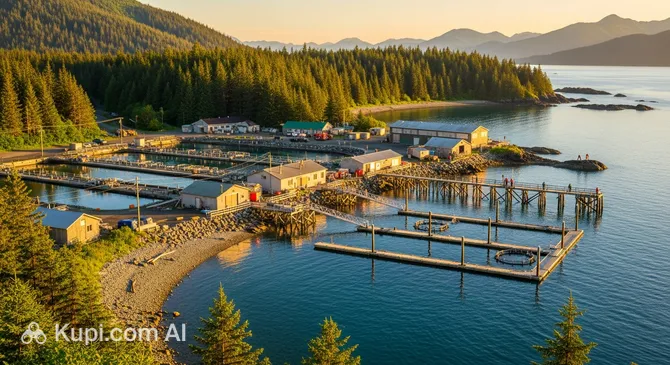
Kitoi Bay. Source: Kupi.Binoculars

The area is most famous for the Kitoi Bay Hatchery, one of the oldest and most productive salmon hatcheries in the region. Delving into the history of Kitoi Bay reveals how this facility was established in the mid-20th century to rehabilitate salmon runs after natural disruptions, eventually becoming a cornerstone of the local fishing economy. Today, visitors can witness the impressive return of pink, coho, and sockeye salmon, which is a spectacle of nature in itself.

For nature enthusiasts, Kitoi Bay offers unparalleled opportunities for wildlife viewing. The abundance of returning salmon attracts the majestic Kodiak brown bears, providing a rare chance to observe these powerful creatures in their natural habitat from a safe distance. Additionally, the surrounding waters are a paradise for sport fishing, drawing anglers eager to catch halibut and salmon in the pristine Alaskan waters.

Whether you are an avid angler, a wildlife photographer, or simply a traveler seeking the solitude of the North, Kitoi Bay invites you to experience the serene and untamed beauty of the Alaskan wilderness.

Weather Overview

The climate in this region is distinctly maritime, defined by cool temperatures and consistent moisture year-round. For a detailed forecast before your trip, be sure to consult the current weather in Kitoi Bay. The ocean's influence prevents extreme temperature fluctuations, resulting in a relatively stable but damp environment typical of coastal Alaska.

Winters are chilly but not severely freezing, with average temperatures in January sitting around -0.3°C. Precipitation is a constant feature, with months like December and January experiencing up to 19 wet days, often in the form of snow or cold rain. As the season transitions into spring, temperatures gradually climb, reaching an average of 6.7°C in May.

Summer offers the most comfortable conditions for exploration, with July and August seeing average temperatures of roughly 13°C. Generally, you can expect cool summers with frequent light precipitation and cold, damp winters. It is advisable to bring layered clothing and reliable rain gear, as wet days are common even during the warmest parts of the year.

Interesting Facts

Beyond its reputation as a fishing hub, Kitoi Bay holds several fascinating secrets that reveal the resilience of nature and the local community. These lesser-known details offer a deeper appreciation for this remote corner of the Alaskan wilderness.

  • A Phoenix from the Waves: The original hatchery facilities were completely devastated by the tsunamis triggered by the Great Alaskan Earthquake of 1964. The current structures are a testament to the determination of the locals, who rebuilt the site to be even more productive than before, turning a disaster into a fresh start for local aquaculture.

  • A Bear Buffet: Due to the incredible density of returning salmon, the area around the hatchery has one of the highest concentrations of Kodiak brown bears on Afognak Island. Workers and visitors must adhere to strict safety protocols, as these giants frequently patrol the weir and shoreline looking for an easy meal.

  • Experimental Beginnings: Before becoming a commercial powerhouse, Kitoi Bay started in 1954 as an experimental research station constructed by the U.S. Fish and Wildlife Service (USFWS). It was later rebuilt and operated by the Alaska Department of Fish and Game (ADF&G), initially designed to test whether hatchery-raised salmon could successfully supplement wild stocks.

  • True Isolation: The settlement is entirely off the grid and unconnected to any major road system. All supplies, staff, and visitors must arrive by floatplane or boat, making the logistics of maintaining the facility a daily feat of planning and endurance in the harsh northern environment.

How to Get There

Reaching this remote destination is an adventure in itself, often requiring a mix of commercial flights and local charters. For a detailed breakdown of your travel options, you can read more about how to get to Kitoi Bay. Since the area is isolated on Afognak Island, there are no direct roads connecting it to the mainland or major cities, making air and sea travel essential.

The city of Kitoi Bay does not have its own airport, but the most common entry point for visitors is the Kodiak Benny Benson State Airport (ADQ) in the city of Kodiak, located approximately 50 km away. This airport serves as a vital regional hub with medium passenger traffic, connecting the archipelago to Anchorage and beyond. Because Kitoi Bay is separated from Kodiak by water, you cannot simply take a taxi; instead, the final leg of the journey typically involves a scheduled floatplane flight or a boat charter, which must be arranged in advance.

Another potential access point is the Ouzinkie airport (KOZ), situated in the city of Ouzinkie, roughly 31 km from Kitoi Bay. This is a small local airfield handling significantly less traffic than Kodiak. Like other locations in the region, it is situated on a neighboring island, so further travel by water or air taxi is necessary to reach Kitoi Bay's hatchery and surrounding areas.

For clarity, here is a summary of the main airports in the vicinity:

Airport Name City Passenger Traffic Km from City
Kodiak Benny Benson State Airport Kodiak Medium 50.2
King Salmon Airport King Salmon Small 256.5
Homer Airport Homer Small 169.6
Iliamna Airport Iliamna Small 227.5
Ouzinkie Ouzinkie Small 31.1

There are no railway stations in Kitoi Bay or on the surrounding islands. The rugged and fragmented geography of the Kodiak Archipelago means that rail infrastructure is non-existent here. Visitors should rely entirely on aviation and marine transport to navigate the region.

Main Attractions

While Kitoi Bay is a remote and specialized destination primarily focused on aquaculture, it offers a handful of unique experiences for intrepid travelers who make the journey to Afognak Island. The attractions here are deeply rooted in the natural environment, offering a blend of educational opportunities and raw, untouched wilderness.

Kitoi Bay Hatchery is undoubtedly the centerpiece of the area and the main reason for its human activity. As one of the most productive facilities in the region, it provides visitors with a fascinating look into the lifecycle of Pacific salmon. Tourists can observe the complex operations of the hatchery, including the fish weir and the raceways teeming with fry or returning adults depending on the season. It is an educational experience that highlights the importance of sustainable fishing practices in Alaska.

Just a short distance from the bay lies Kitoi Lake, the freshwater source that makes the hatchery's operations possible. This scenic lake is surrounded by dense Sitka spruce forests and offers a serene setting for relaxation and photography. It is also a fantastic spot for freshwater anglers looking to catch Dolly Varden and rainbow trout in a tranquil environment, away from the busier saltwater fishing grounds.

The broader area falls within the magnificent Afognak Island State Park, a rugged paradise that appeals to hikers and nature lovers. Unlike the more open terrain of nearby Kodiak Island, Afognak is known for its majestic old-growth forests and steep topography. Exploring the trails and coastlines here offers a chance to immerse yourself in true solitude, with the scent of spruce needles and the sound of eagles overhead creating an unforgettable atmosphere.

Finally, the area is a world-class destination for Wildlife Viewing, specifically for observing the famous Kodiak brown bears. Drawn by the high concentration of returning salmon at the hatchery and in the bay, these massive creatures are frequently seen patrolling the shorelines. For wildlife photographers and enthusiasts, witnessing these bears in their natural habitat—while maintaining a respectful and safe distance—is a thrilling highlight of any trip to Kitoi Bay.

Local Cuisine

Due to its remote location and status as a working hatchery facility rather than a commercial town, Kitoi Bay does not have a standard restaurant scene, street food markets, or cafes. The culinary experience here is strictly defined by the wilderness lifestyle. Dining is typically an intimate affair found within private wilderness lodges or enjoyed as self-catered meals prepared by visitors using supplies brought from the city of Kodiak.

The undisputed star of the local table is, naturally, Pacific Salmon. With the hatchery ensuring a bountiful return of sockeye, coho, and pink salmon, fresh fish is a staple. It is often prepared simply to highlight its freshness—grilled over an open fire, baked with herbs, or smoked to preserve it for later. For anglers visiting the area, the "catch of the day" concept is literal; there is nothing quite like eating a fillet of salmon that was swimming in the bay just hours before.

Beyond salmon, the surrounding waters of the Kodiak Archipelago are famous for Pacific Halibut. This mild, white fish is a favorite among locals and visitors alike. It is frequently served as "halibut bits"—chunks of fresh fish battered and deep-fried to golden perfection, often accompanied by tartar sauce. On land, the abundance of wildlife on Afognak Island means that game meat, particularly Elk and Venison, occasionally features on the menus of nearby lodges, offering a lean and flavorful alternative to seafood.

For dessert or a sweet snack, the local landscape provides its own treats. In late summer, the area is dotted with wild berries, including salmonberries and blueberries. These are often gathered by hand and used to make fresh jams, pies, or cobblers, adding a tart and sweet finish to a hearty meal. The connection between the land and the plate is immediate and tangible here.

Regarding beverages, the cool, damp maritime climate makes hot drinks essential. Freshly brewed coffee and hot cocoa are the standard companions for chilly mornings by the water. While there are no bars in Kitoi Bay, many visitors enjoy regional Alaskan craft beers, often brought in from the nearby Kodiak Island Brewing Company, to toast a successful day of fishing or wildlife viewing.

Travel Tips

Visiting Kitoi Bay is a true wilderness adventure that requires significantly more preparation than a typical city break. To help you navigate this remote corner of Afognak Island comfortably and safely, here are some essential practical tips to ensure your journey is smooth and enjoyable.

  1. Clothing and Gear: The weather here is unpredictable and often wet, so high-quality rain gear is non-negotiable. Pack a waterproof jacket and pants, and consider bringing rubber boots (often called "Alaskan sneakers" by locals) for navigating muddy trails and shorelines. Dress in layers using wool or synthetic materials that keep you warm even when damp; avoid cotton entirely.
  2. Transportation: Since there are no roads connecting Kitoi Bay to the mainland or even to the city of Kodiak, your primary mode of transport will be floatplanes or chartered boats. Once you arrive at the bay, travel is exclusively on foot. Ensure all your air or sea charters are booked well in advance, as weather conditions can frequently delay schedules.
  3. Finances: The local currency is the United States Dollar (USD). However, Kitoi Bay is a remote outpost with no banks, ATMs, or commercial shops. You must bring all necessary supplies with you. If you are staying at a wilderness lodge nearby, credit cards may be accepted for the stay, but carrying some cash for tips or emergency incidental purchases in Kodiak before you depart is wise.
  4. Health and Safety: There are no pharmacies or hospitals in Kitoi Bay; the nearest medical facilities are in Kodiak, which is a flight or boat ride away. Always carry a comprehensive first-aid kit and any personal prescription medications you need. Additionally, bear safety is paramount here—carrying bear spray and knowing how to use it is essential for anyone walking outside designated safe zones.
  5. Communication: The primary language is English. Be prepared for a digital detox, as cellular service is often non-existent or extremely spotty in this remote location. Wi-Fi might be available if you are staying at a private lodge, but do not rely on it. For safety, some travelers bring a satellite phone or a satellite messenger device (like an inReach) to stay connected.
  6. Local Etiquette: Kitoi Bay is a working hatchery and a pristine natural environment, so the "Leave No Trace" principle is strictly followed. Pack out everything you pack in, including trash. When observing the hatchery operations, be respectful of the staff and do not interfere with their work or the equipment unless you are on a guided tour.
  7. What to Avoid: Never leave food or scented items (like toothpaste or deodorant) unattended or outside, even for a moment. This attracts bears and creates dangerous situations for both you and the wildlife. Also, avoid approaching the fish weirs or getting too close to the water's edge during peak salmon runs without checking for bear activity first.
  8. Additional Tip: Invest in a good quality dry bag for your camera and electronics. The boat rides can be spray-heavy, and the misty climate penetrates standard backpacks. Keeping your gear dry ensures you can capture the stunning scenery without risking water damage to your equipment.

By packing the right gear and respecting the wild nature of the environment, your visit to Kitoi Bay will be a safe and awe-inspiring experience. Embrace the solitude and the raw beauty of Alaska, and you are sure to leave with memories that last a lifetime.

Entertainment & Nightlife

Travelers hoping to find a vibrant scene of nightclubs, cocktail bars, or late-night discos in Kitoi Bay will need to adjust their expectations significantly. As a remote aquaculture facility located on the wild coast of Afognak Island, there is absolutely no commercial nightlife in the traditional sense. There are no entertainment districts, bustling streets, or dance floors here; instead, the "nightlife" is defined by the profound silence of the wilderness and the company of fellow travelers or staff in private quarters.

The atmosphere after dark is one of rustic tranquility. For those staying at nearby wilderness lodges or cabins, the evening entertainment typically revolves around a crackling bonfire or a warm wood stove. The dress code is strictly functional—warm layers, wool socks, and comfortable camp shoes. Socializing is intimate and relaxed, often involving sharing stories of the day's fishing adventures or simply enjoying a hot drink while listening to the wind in the spruce trees.

One of the most spectacular forms of evening entertainment in this region is provided by nature itself. In the darker months, away from any light pollution, the sky can transform into a stunning canvas for the Aurora Borealis (Northern Lights). Watching these dancing green and purple lights reflects off the calm waters of the bay is an experience that rivals any city concert. Conversely, during the summer months, the phenomenon of the "Midnight Sun" means it barely gets dark, allowing visitors to continue fishing or hiking well into the late hours.

Practical advice for the evening centers on preparation and safety. Since there are no stores to buy alcohol or snacks late at night, you must bring all your own supplies from Kodiak or your point of origin. If you plan to step outside after dusk, carrying a flashlight and bear spray is mandatory. The local Kodiak brown bears are active at night, and the lack of streetlights makes it essential to stay vigilant and stick to designated safe areas around your accommodation.

Regarding daytime entertainment, Kitoi Bay remains devoid of theaters, amusement parks, or shopping malls. The primary "attraction" is the Kitoi Bay Hatchery itself, which offers an educational look at salmon production. For a more scenic experience, Kitoi Lake serves as a natural venue for peaceful walks and freshwater fishing. The surrounding Afognak Island State Park acts as a living museum of natural history, offering endless trails and wildlife viewing opportunities that far surpass any indoor exhibit.

Parks & Museums

In Kitoi Bay, the concept of public parks and cultural institutions is defined not by manicured lawns or marble halls, but by the raw, untamed majesty of the Alaskan wilderness. As a remote outpost on Afognak Island, the area does not feature urban city parks or traditional art galleries. Instead, the entire region functions as a massive, living natural reserve, where the "galleries" are ancient forests and the "museums" are working facilities that tell the story of the local ecosystem and aquaculture.

Afognak Island State Park serves as the primary green space for the region, encompassing the area around Kitoi Bay. Unlike a typical city park with playgrounds and benches, this is a rugged expanse of old-growth Sitka spruce forests, steep terrain, and rocky coastlines. It is a paradise for hikers and nature lovers who prefer animal trails to paved paths. The park is renowned for its dense vegetation and moss-covered floors, offering a prime example of the unique coastal temperate rainforest ecosystem found in this part of Alaska.

Another significant natural area is Kitoi Lake, located just a short walk from the hatchery. This freshwater lake acts as a serene counterpoint to the saltwater bay. It is a vital component of the local aquaculture system but also serves as a peaceful retreat for visitors. The lake is surrounded by forest and offers excellent opportunities for freshwater fishing and quiet contemplation. It is effectively the local "central park," providing a calm setting where one can observe eagles nesting in the trees or watch trout ripple the water's surface.

Regarding cultural institutions, there are no dedicated museums or art galleries within Kitoi Bay itself. The settlement is functional and industrial, centered entirely around the hatchery operations. However, the Kitoi Bay Hatchery itself offers an educational experience that rivals many natural history museums. Visitors can view the complex engineering of the fish weir and raceways, gaining a deep understanding of the salmon lifecycle and the history of fishing in the Kodiak Archipelago. It acts as an open-air interpretive center where the biology and economy of the region intersect.

For those interested in historical sites, the bay itself holds a poignant story. The current facilities stand near the site of the original hatchery, which was destroyed by the tsunamis generated by the 1964 Great Alaskan Earthquake. While there are no formal plaques or monuments, the modern infrastructure stands as a testament to the resilience of the community that rebuilt from the devastation. The contrast between the industrial structures and the wild landscape serves as a living exhibit of human adaptation in a harsh environment.

Authentic Experience: Since there are no ticketed attractions, the best way to experience the local "culture" is to hike the informal trails connecting the bay to the upper lakes. Here, you are likely to find patches of wild salmonberries and blueberries in late summer. Gathering these berries is a quintessential local tradition, offering a sweet, tangible connection to the land that no gift shop souvenir can match.

Getting Around

Travelers planning a visit to Kitoi Bay should be aware that this destination functions primarily as a remote aquaculture facility and wilderness site, rather than a conventional city. Consequently, there is no public transport system available. Visitors will not find buses, metros, trams, or trolleybuses here. The infrastructure is minimal and industrial, designed solely to support the hatchery operations and the small staff community living on-site.

Due to the absence of a transit network, the concept of a payment system for transport does not apply. There are no travel passes, ticket machines, or transport apps to download, and no zones or fares to calculate. Movement within the settlement and its immediate surroundings is entirely free of charge. The only significant transport costs you will incur are for the private charters or floatplanes required to arrive at and depart from this isolated location.

The primary and most practical mode of getting around Kitoi Bay is walking. The settlement is compact, with the hatchery, living quarters, boat dock, and nearby nature trails all situated within a short distance of one another. Tourists should expect to navigate the area exclusively on foot, utilizing the gravel paths, boardwalks, and trails that connect the various facilities and viewing points.

It is important to note that alternatives such as taxis, ride-sharing services, or car rentals are non-existent. There are no public roads connecting Kitoi Bay to other towns on Afognak Island, and the few vehicles seen on-site are heavy-duty trucks used strictly for operational purposes by the staff. You cannot hail a cab or rent a bike, so physical mobility is a key consideration for anyone visiting.

For the best experience, practical advice centers on footwear rather than transit maps. Since your "commute" will involve walking over uneven ground, gravel, and potentially wet trails, wearing sturdy waterproof boots is essential. Additionally, because there are no scheduled transport services, you have the freedom to explore at your own pace, but you must be self-reliant and mindful of weather conditions when moving between the hatchery and the lake or shore.

Accommodation

Finding accommodation in Kitoi Bay requires a shift in perspective from the typical city hotel search. As a remote aquaculture facility located within the wild expanse of Afognak Island, there are no conventional hotels, motels, hostels, or apartment rentals in the immediate vicinity. The area is devoid of commercial infrastructure, meaning you will not find chain hotels or booking desks. Instead, lodging options are defined by the surrounding wilderness, ranging from rustic public cabins to exclusive, high-end wilderness lodges located elsewhere on the island.

For most visitors, the most comfortable way to stay in the region is to book a package with one of the wilderness lodges scattered across Afognak Island or the nearby Kodiak Archipelago. These lodges are typically all-inclusive, providing not just a room, but also meals, guided fishing or wildlife viewing excursions, and transport from Kodiak. They offer a unique blend of rustic charm and luxury, often featuring cozy log cabins with wood stoves, saunas, and gourmet meals prepared with local ingredients. Because they are isolated, they serve as self-contained bases for exploring Kitoi Bay and the surrounding state park.

For the more adventurous and self-sufficient traveler, the Alaska State Parks system maintains a network of public-use cabins on Afognak Island. These cabins are strictly "bring your own everything"—including sleeping bags, food, and cooking gear. They offer a roof over your head and a heating stove but lack electricity and running water. Staying here is an immersive experience in nature, often requiring a floatplane or boat charter to access. Camping is also an option for those with appropriate wilderness gear, though the high concentration of bears makes it a choice suitable only for experienced outdoorsmen.

Given the logistical challenges of staying on Afognak Island, many tourists choose to base themselves in the city of Kodiak and visit Kitoi Bay as a day trip. Kodiak offers a full range of standard accommodations, including hotels, bed and breakfasts, and vacation rentals. This allows travelers to enjoy modern amenities like Wi-Fi and restaurants in the evenings while spending their days flying out to remote locations like Kitoi Bay for fishing or bear viewing.

Booking Tip: If you plan to stay at a wilderness lodge or a public-use cabin, booking well in advance is critical. The lodges have very limited capacity and are often fully booked months ahead of the summer season. Similarly, the most popular public cabins are reserved quickly once the booking window opens.

Regarding prices, the range is polarized. Public-use cabins are a budget-friendly option, typically costing a modest fee per night, though the charter transport to reach them can be expensive. On the other end of the spectrum, wilderness lodges are generally in the luxury price bracket due to their all-inclusive nature and remote logistics. Booking is almost exclusively done online or directly through the lodge operators, as walk-in availability is non-existent in this remote wilderness.

Nearby Cities

While Kitoi Bay is a remote outpost, it is situated within a broader region dotted with distinct Alaskan communities. These nearby regional hubs and notable destinations offer travelers a chance to experience the diverse culture and geography of the area, ranging from bustling fishing ports to gateways for national parks:

City Population Distance (km)
Kodiak 6100 45
Homer 6000 169
Soldotna 4500 266
Ninilchik 800 209
King Salmon 374 258

Among these, Kodiak is the most accessible and culturally rich destination for a visit. As the main hub of the archipelago, it offers a fascinating mix of history and modern Alaskan life. Visitors can explore the island's Russian heritage at the Baranov Museum or learn about the indigenous culture at the Alutiiq Museum. It also provides a wider range of dining and shopping options compared to the remote wilderness of Afognak Island.

For those willing to travel a bit further by air, Homer is a stunning town located on the Kenai Peninsula. Known as the "Halibut Fishing Capital of the World," it is famous for the Homer Spit, a long strip of land jutting into the bay, lined with shops, galleries, and seafood restaurants. It attracts artists and anglers alike, offering a vibrant and creative atmosphere set against a backdrop of glaciers and volcanoes.

Another unique option is King Salmon, which serves as the gateway to Katmai National Park. While it is a small community, it is world-renowned among wildlife enthusiasts. A trip here offers the chance to witness the famous Brooks Falls, where brown bears catch salmon in mid-air, providing a wildlife viewing experience that complements the sights at Kitoi Bay.

These nearby destinations offer a glimpse into the diverse culture and landscapes of the region.

Shopping & Souvenirs

General Overview: Visitors planning a trip to Kitoi Bay should be aware that this is a remote wilderness destination and a working industrial facility, not a commercial tourist hub. Consequently, there are absolutely no shopping opportunities within the settlement itself. Kitoi Bay is devoid of retail stores, boutiques, convenience shops, and grocery outlets. Travelers must arrive fully self-sufficient, bringing all necessary supplies, food, and gear with them from the mainland or the city of Kodiak.

Main Shopping Areas/Streets: The concept of a "shopping street" does not apply to Kitoi Bay. The infrastructure consists solely of operational buildings, staff housing, and the hatchery facilities connected by gravel paths and boardwalks. You will not find a downtown area or a promenade lined with shop windows. The "aisles" here are the forest trails and the "storefronts" are the spruce trees and hatchery raceways.

Shopping Malls: There are no shopping malls, department stores, or large retail complexes in Kitoi Bay or anywhere on Afognak Island. The nearest shopping centers are located in the city of Kodiak, which requires a flight or boat charter to reach. Visitors accustomed to urban conveniences should adjust their expectations to the realities of a remote Alaskan outpost.

Markets: The area does not host any public markets, flea markets, or food bazaars. The only "local produce" available is what can be harvested from nature, such as berries in the summer or fish caught from the waters (subject to regulations). For fresh produce, artisanal goods, or local crafts, travelers should explore the markets in Kodiak before departing for Kitoi Bay.

Souvenirs: Since there are no gift shops in Kitoi Bay, you cannot buy traditional souvenirs like postcards, keychains, or branded T-shirts on-site. The best mementos to bring back are photographs of the stunning scenery and wildlife, or perhaps a jar of wild berry jam made from fruit gathered during your stay. For physical keepsakes, it is best to shop in Kodiak, where you can find authentic Alutiiq art, Russian-American crafts, and items made from local materials like antler or ivory.

Opening Hours and Payment: As there are no commercial establishments, there are no store opening hours to consider. The "hours" that matter here are the daylight hours for outdoor activities. Similarly, payment methods are irrelevant within Kitoi Bay as there is nowhere to spend money. However, the United States Dollar (USD) is the currency used in the region, and it is advisable to carry cash and credit cards for expenses in transit hubs like Kodiak.

Tax-Free: The United States does not have a national value-added tax (VAT) refund system for tourists similar to those in Europe. However, one of the benefits of shopping in this region is that the state of Alaska does not impose a state-level sales tax. While local municipalities like the Kodiak Island Borough may levy their own local sales taxes, the lack of shops in Kitoi Bay makes this a moot point during your stay at the hatchery itself.

Reached the end of the page?

That means the route is fully explored