Support

Port Bailey

About

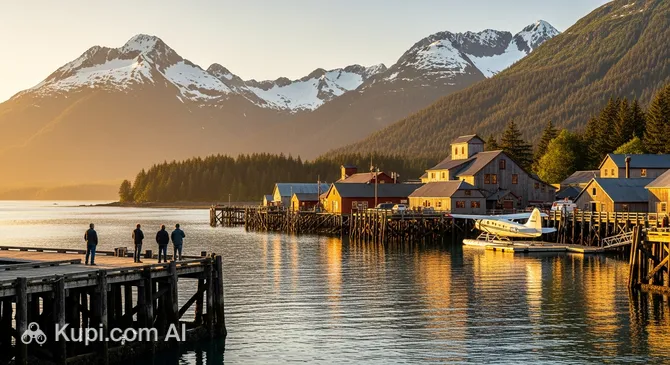
Welcome to Port Bailey, a secluded destination that offers a genuine glimpse into the rugged spirit of the Last Frontier. Located on the northwestern coast of Kodiak Island in the United States, this settlement is defined by its pristine natural surroundings and quiet atmosphere. Far from the bustle of major metropolitan areas, Port Bailey provides a serene escape for those looking to immerse themselves in the wild beauty of Alaska.

Port Bailey. Source: Kupi.Binoculars

The geography of the area is characterized by dramatic coastlines, lush green hills, and the deep waters of Dry Spruce Bay. Like much of the region, it experiences a maritime climate with cool summers and wet winters, shaping a landscape that is both harsh and breathtaking. While it is a small community, its significance lies in its heritage as a former cannery site. You can learn more about its industrial past and local development by exploring the history of Port Bailey, which reflects the boom of the Alaskan fishing industry in the 20th century.

For visitors, the primary allure of Port Bailey is the unparalleled access to the outdoors. The area is a haven for fishing enthusiasts, offering opportunities to catch halibut and various species of salmon in the rich waters surrounding the island. Additionally, the region is famous for wildlife viewing; lucky travelers might spot the legendary Kodiak brown bear, bald eagles soaring overhead, or marine life such as otters and whales frolicking in the bay.

Whether you are arriving by seaplane to witness the stunning aerial views or seeking a quiet spot to connect with nature, Port Bailey is a unique waypoint on any Alaskan adventure. We invite you to experience the tranquility and raw beauty of this remote corner of the world.

Weather Overview

The climate in this region is defined by its maritime setting, ensuring cool summers and relatively mild winters compared to inland Alaska. For travelers planning a visit, understanding the weather in Port Bailey is essential for packing the right gear. Generally, you can expect mild, breezy summers and cold winters with frequent precipitation throughout the year.

The warmest time of year occurs in July and August, where the average temperature reaches 13.0°C, with daily highs peaking around 15.7°C. This is the most popular season for exploring the outdoors, offering comfortable conditions for fishing and sightseeing. Conversely, the winter months of December through February see average temperatures dip to approximately -1.8°C, with minimums reaching down to -3.8°C in January.

Rainfall and snow are consistent features of the local environment. While the total volume of precipitation is recorded as low, the frequency of damp weather is high, with the number of wet days ranging from 13 to 21 days per month. May tends to be the wettest month in terms of frequency, seeing precipitation on about 21 days, so a sturdy raincoat is a must regardless of when you visit.

Interesting Facts

Beyond the main attractions and scenic views, Port Bailey holds a history deeply intertwined with the industrial resilience of Kodiak Island. Here are a few intriguing details that reveal the unique character of this remote settlement.

  • Built for Efficiency, Forged in Fire: Port Bailey was established in 1938 by the Kadiak Fisheries Company to consolidate operations from plants in Shearwater Bay, Carmel, and Kodiak. The settlement's resilience was truly tested in 1948 when a major fire destroyed the cannery; however, it was subsequently rebuilt, allowing the site to continue its vital role in the region's fishing industry.

  • A Lifeline from the Sky: Due to the rugged terrain and lack of connecting roads to the main city of Kodiak, the settlement relies heavily on the Port Bailey Seaplane Base. This designated landing area is not just a convenience but a vital lifeline, serving as the primary route for mail, food supplies, and medical transport for the community.

  • Earthquake Survivor: During the devastating 1964 Good Friday Earthquake, which wiped out many coastal villages and canneries across Alaska with massive tsunamis, the facility at Port Bailey managed to escape total destruction. Its survival allowed it to remain a key processing hub in the years that followed, while other nearby sites were abandoned.

How to Get There

Reaching this secluded destination on Kodiak Island is an adventure that brings you close to the wild heart of Alaska. Since the settlement is remote and off the main road system, planning your journey involves arranging specific transport. You can find detailed information and all ways to reach the city on our dedicated page.

The city of Port Bailey does not have its own airport, so the primary gateway for travelers is Kodiak Benny Benson State Airport (IATA: ADQ) in the city of Kodiak. Located approximately 38.3 km from Port Bailey, this regional hub welcomes a significant number of passengers annually. While a standard taxi ride would take about 80 minutes based on distance, please note that there are no direct roads connecting the airport to Port Bailey. Visitors typically complete the final leg of the journey via a scheduled seaplane flight or a boat charter.

Another nearby option is the small airfield at Ouzinkie (IATA: KOZ), located roughly 32.2 km away. However, with limited passenger traffic, it serves primarily local connections. For those exploring the wider region, Homer Airport (IATA: HOM) is another significant transport node, though it is situated about 211.5 km away on the mainland, requiring a connecting flight or marine transport to reach Kodiak Island.

For clarity, here is a summary of the main airports in the vicinity:

Airport Name City Passenger Traffic Km from City
Kodiak Benny Benson State Airport Kodiak Medium 38.3
King Salmon Airport King Salmon Medium 227.2
Homer Airport Homer Medium 211.5
Iliamna Airport Iliamna Small 229.8
Ouzinkie Ouzinkie Small 32.2

Main Attractions

Port Bailey is less of a traditional city with paved streets and museums, and more of a gateway to the raw, unfiltered wilderness of Alaska. The primary attraction here is the stunning natural environment itself. Visitors often use this location as a basecamp to explore the vast Kodiak National Wildlife Refuge. Spanning nearly two million acres across Kodiak Island, this protected area offers an unparalleled opportunity to hike through lush Sitka spruce forests and observe a diverse ecosystem that has remained largely untouched by modern development.

For those drawn to the water, Dry Spruce Bay offers exceptional opportunities for recreation right on Port Bailey's doorstep. The deep, cold waters are a paradise for anglers seeking world-class fishing experiences. Whether you are casting a line for Pacific halibut or tracking the seasonal runs of salmon, the bay provides a quiet and productive setting. Kayaking is another popular way to explore the coastline, allowing you to paddle through calm inlets while admiring the dramatic backdrop of green hills meeting the sea.

No trip to this part of the world is complete without looking for the island's most famous residents. Wildlife Viewing is a major draw, with the legendary Kodiak brown bear being the star of the show. These majestic creatures are often spotted along the shorelines or near streams during salmon season. Beyond bears, the area is teeming with life; look towards the sky to see bald eagles nesting in the trees, or scan the horizon of the bay for signs of whales, sea otters, and sea lions thriving in their natural habitat.

Local Cuisine

The culinary experience in Port Bailey is defined not by a bustling restaurant scene, but by the incredible freshness and quality of its local ingredients. Located on Kodiak Island, this remote destination offers a true "ocean-to-table" lifestyle where seafood is the undisputed star. For visitors, the highlight of any meal is often the catch of the day, harvested directly from the cold, nutrient-rich waters of Dry Spruce Bay and the surrounding gulf.

Salmon is the cornerstone of the local diet, prepared in a variety of ways that highlight its rich flavor. Whether it is Sockeye, Coho, or King salmon, you will find it grilled on cedar planks, baked with herbs, or hot-smoked to preserve it for the winter. Another "must-try" delicacy is Pacific Halibut. Known for its firm, white flakes and mild taste, it is frequently served as hearty beer-battered fish and chips or as succulent steaks seared with lemon and butter. In the appropriate seasons, you might also enjoy fresh Dungeness crab or sweet scallops, which are considered some of the best in the world.

Given the cool maritime climate, warm beverages play a significant role in daily life. High-quality coffee is a local staple, providing a comforting start to misty mornings or a way to warm up after a day on the water. For something stronger, the region shares in Alaska's thriving craft beer culture. While there are no breweries directly in the settlement, it is common to enjoy an Alaskan amber ale or a stout brewed on Kodiak Island, perfectly pairing with the hearty seafood dishes.

The food culture in Port Bailey is intimate and communal, largely centered around lodges and self-catering rather than commercial eateries or street markets. Because of its isolation, there are no standard restaurants or fast-food chains here. Instead, dining is often a shared experience where stories of the day's adventures are exchanged over home-cooked meals. For many tourists, the ultimate gastronomic feature is the "catch and cook" experience, where your own fishing success becomes the centerpiece of dinner, offering a connection to the land and sea that is impossible to replicate in a city.

Finally, do not overlook the natural bounty found on land. In late summer, the hillsides are often dotted with wild berries, such as salmonberries and blueberries. These tart and sweet treats are frequently used in homemade jams, pies, or simply eaten fresh by hikers, adding a vibrant burst of flavor to the rugged Alaskan diet.

Travel Tips

Visiting a remote destination like Port Bailey requires a bit more preparation than your average city break, but the reward is an undisturbed connection with the Alaskan wilderness. To help you navigate the logistics of this secluded spot on Kodiak Island, we have compiled a set of essential tips ensuring your adventure is safe, comfortable, and unforgettable.

  1. Master the Art of Layering: The weather on Kodiak Island can change rapidly, often shifting from sunshine to rain in a matter of hours. Pack moisture-wicking base layers, insulating fleece or wool mid-layers, and a high-quality waterproof and windproof outer shell. Since the terrain can be wet and uneven, sturdy waterproof hiking boots or rubber "Xtratuf" boots (an Alaskan staple) are essential for keeping your feet dry.

  2. Transport is by Sea or Air: Forget about public buses, metros, or ride-hailing apps like Uber; they simply do not exist here. Port Bailey is not connected to the main road system of Kodiak City. Your primary modes of transport will be seaplanes (floatplanes) or boat charters. All travel must be booked in advance, and you should always build flexibility into your schedule, as flights are heavily dependent on weather conditions.

  3. Cash and Financial Preparedness: The official currency is the US Dollar (USD). While lodges may accept credit cards for major bookings, you will not find ATMs or banks in Port Bailey. It is highly recommended to bring sufficient cash in smaller denominations for tipping guides, pilots, or lodge staff, and for any incidental purchases. Do not rely on finding a currency exchange nearby; handle this in a major hub before you arrive.

  4. Bear Safety and Health: You are entering prime bear country. Always carry bear spray and know how to use it; making noise while hiking to avoid startling wildlife is standard practice. There are no pharmacies or hospitals in the immediate settlement. Bring a fully stocked personal first-aid kit and an ample supply of any prescription medications you need. We also strongly suggest purchasing travel insurance that covers medical evacuation, given the remote location.

  5. Communication Expectations: The main language is English. However, do not expect reliable cell phone coverage. While some lodges offer Wi-Fi, it can be slow or intermittent via satellite. If staying connected is critical, check with your accommodation beforehand or consider renting a satellite phone. Download any maps, books, or entertainment to your devices before you leave the mainland.

  6. Respect the Wilderness and Locals: "Leave No Trace" is the golden rule here. Pack out everything you pack in to preserve the pristine nature. Interaction with locals (often lodge staff or seasonal workers) is typically informal and friendly. A simple greeting goes a long way. Respect private property, especially around the old cannery buildings or operational docks, and always ask for permission before photographing people.

  7. What to Avoid: Never leave food or scented items (like toiletries) outdoors or unattended. This attracts bears and creates dangerous situations for both you and the animals. Additionally, avoid underestimating the tides if you are exploring the coastline; the water levels in Dry Spruce Bay can fluctuate significantly, potentially cutting off your return path if you are not careful.

  8. Dry Bags are Your Best Friend: Whether you are on a boat, a plane, or hiking near the shore, things will likely get wet. Bring waterproof dry bags to protect your camera, phone, and extra layers. This simple piece of gear can save your electronics from the pervasive saltwater spray and rain that characterizes the region.

By packing the right gear and embracing the remote nature of Port Bailey, you set the stage for a truly authentic Alaskan experience. With these practical tips in hand, you are ready to explore the rugged coastlines and enjoy the profound tranquility of the Last Frontier with confidence.

Entertainment & Nightlife

In the remote wilderness of Port Bailey, the concept of nightlife is vastly different from the bustling clubs and neon-lit streets found in major cities. There are no commercial nightclubs, dance halls, or dedicated bar districts here. Instead, evening entertainment is defined by the profound tranquility of the Alaskan coast and the camaraderie found within the local lodges. The "nightlife" here is an intimate affair, centered on connection with nature and fellow travelers rather than loud music and parties.

Social life revolves almost exclusively around the accommodations where visitors stay. Evenings are typically spent in communal dining areas or lounges, where the atmosphere is warm, casual, and welcoming. The crowd consists mostly of anglers, outdoor enthusiasts, and nature photographers. There is absolutely no dress code; comfortable outdoor gear, flannel shirts, and warm socks are the standard attire. It is a place to unwind by a fire, exchange stories about the day's fishing catch or wildlife sightings, and enjoy a quiet drink in good company.

Since there are no public pubs or liquor stores in the settlement, practical planning is essential for those who enjoy a customized drink. While some lodges may offer a limited selection of beverages, it is highly recommended to bring your own favorite spirits or wine from the city of Kodiak before departing for Port Bailey. Prices for any available amenities can be higher than on the mainland due to the cost of freight. There are no specific "opening hours" for entertainment; the rhythm of the night is dictated by the guests and the setting sun.

The most spectacular evening show in Port Bailey takes place in the sky. Far from the light pollution of urban centers, the area offers prime conditions for stargazing. On clear nights, the Milky Way is visible in stunning detail. If you are visiting during the darker months, particularly from late August to April, you may be lucky enough to witness the Aurora Borealis. Watching the Northern Lights dance in green and purple waves over Dry Spruce Bay is an unforgettable experience that far surpasses any theatrical performance.

Regarding safety and transport, visitors must be aware that urban conveniences do not exist here. There are no taxis, ride-sharing services, or public buses to take you home at night. Walking is the only mode of transport within the immediate area. However, venturing out in the dark requires caution, not because of crime, but due to wildlife. This is bear country, and animals can be active at night. It is advisable to stay within the well-lit grounds of your lodge after dark and always carry a flashlight if you must move between buildings.

Daytime entertainment in Port Bailey is equally detached from the typical tourist trail of museums and amusement parks. There are no cinemas or shopping malls. The "theaters" here are the dramatic cliffs and open waters, where the drama of nature plays out daily. Exploring the historic remnants of the old cannery provides a glimpse into the past, serving as an open-air museum of sorts. For visitors, the lack of commercial distractions is the main appeal, offering a rare chance to disconnect from the noise of the modern world and fully immerse oneself in the wild.

Parks & Museums

As a remote outpost on Kodiak Island, Port Bailey does not follow the traditional layout of a city with manicured municipal parks or grand museum districts. Instead, its "parks" are the boundless wilderness that surrounds the settlement, and its "museums" are the living remnants of its industrial past and the cultural heritage preserved in the nearby hub of Kodiak. For visitors, the experience here is about stepping directly into a vast, unmanaged natural gallery where the exhibits are ancient forests, rugged coastlines, and the history of the Alaskan fishing trade.

The most significant natural area defining the region is the Kodiak National Wildlife Refuge. While it is not a park in the urban sense, this massive protected area encompasses much of the island and serves as the backyard for Port Bailey. It is a world-class destination for nature lovers, offering a landscape of misty fjords, alpine meadows, and dense Sitka spruce forests. Visitors come here not for playgrounds or paved paths, but for the chance to observe the famous Kodiak brown bears in their natural habitat and to hike through terrain that has remained unchanged for millennia.

Another key natural feature is the Dry Spruce Bay Coastline. In the absence of formal gardens, the shores of the bay provide a serene escape where the rhythm of the tides dictates the scenery. The rocky beaches and tidal zones are perfect for beachcombing and contemplative walks. Here, the "green space" meets the "blue space," offering spectacular views of the water against the backdrop of emerald hills. It is an ideal spot for launching a kayak or simply sitting in silence to watch for otters and eagles, providing a connection to nature that is far more intimate than any city park.

Regarding culture and history, the settlement itself serves as an open-air historical site centered on the Port Bailey Cannery. Although not a formal museum with ticket counters and audio guides, the remaining structures of the 1930s cannery offer a tangible look into the commercial fishing boom that shaped modern Alaska. Walking near the old docks and buildings allows visitors to appreciate the resilience of the workers who rebuilt the site after the 1948 fire and the 1964 earthquake. It is a poignant reminder of the area's grit and determination.

For a more curated cultural experience, travelers typically look to the main city of Kodiak, accessible by a short seaplane flight. The Alutiiq Museum is a vital cultural institution that preserves the heritage of the Alutiiq people, the original inhabitants of the archipelago. It houses thousands of years of archaeological artifacts, art, and language resources, providing essential context for understanding the deep human history of the island, including the areas around Port Bailey.

Similarly, the Kodiak History Museum (formerly the Baranov Museum) offers a comprehensive look at the region's Russian-American era and the development of the fishing industry. Located in one of the oldest wooden buildings in Alaska, it connects the dots between the remote canneries like Port Bailey and the broader geopolitical history of the North Pacific. While these institutions are not located within the settlement of Port Bailey, they are the cultural custodians of its story.

For a truly authentic experience, take the time to explore the intertidal zones at low tide around the settlement. This "hidden world" reveals colorful sea stars, anemones, and crabs in the rock pools—a natural aquarium that offers a fascinating glimpse into the rich marine biodiversity of the Gulf of Alaska without the need for a ticket.

Getting Around

Travelers planning a visit to Port Bailey must adjust their expectations regarding public transportation, as the system here is defined by the absence of conventional urban infrastructure. There are no subways, trams, trolleybuses, or public bus networks serving this remote settlement. The rugged terrain and isolation of the area mean that the standard modes of transit found in mainland cities simply do not exist. Instead, the "public transport" network consists entirely of small aircraft and marine vessels that connect this outpost to the wider world.

The primary method of reaching and moving between locations in this region is the seaplane (floatplane) or chartered boat. In many ways, these bush planes function as the local "taxis" or "buses," transporting people and supplies from the main hub of Kodiak City. Visitors should not expect a scheduled timetable with frequent stops; flights are typically arranged on demand or as part of a lodge package. Similarly, movement along the coast is conducted via skiffs or water taxis operated by local lodges, rather than a public ferry system.

Regarding payment, there are no travel passes, smart cards, or mobile ticketing apps to navigate. You cannot buy a ticket at a kiosk or validate a pass upon boarding. Transport costs are almost exclusively handled in advance, usually bundled into the overall price of your accommodation or fishing expedition. If you are booking a standalone charter flight, payment is typically required upfront via credit card through the charter company's office in Kodiak. It is advisable to carry some cash for tips for pilots and boat captains, but it is not used for fares.

For practical advice, the most critical factor to consider is the weather. Unlike a subway that runs rain or shine, transport in Port Bailey is heavily weather-dependent. Fog, high winds, or rough seas can ground flights and dock boats at a moment's notice. Tourists are strongly advised to build a buffer into their travel itinerary to account for potential delays. Always confirm your pickup times and locations with your lodge or charter operator the day before travel, as schedules can shift rapidly.

Once you are on the ground in Port Bailey, options for getting around are extremely limited. There are no taxi services, car-sharing platforms, or bike rental stations. The settlement is small enough that walking is the only viable alternative for moving between buildings, the dock, and nearby trails. The roads that do exist are unpaved gravel tracks primarily used by industrial vehicles or lodge staff, not for public transit. Visitors should bring sturdy, waterproof footwear suitable for walking on uneven and often muddy ground.

Accommodation

Finding accommodation in Port Bailey requires a shift in expectations from the standard hotel search. As a remote outpost on Kodiak Island, this destination does not offer the typical array of city hotels, hostels, or rental apartments. Instead, the accommodation landscape is defined almost exclusively by wilderness lodges and fishing camps. These facilities are designed to provide a comfortable, often all-inclusive base for visitors looking to explore the rugged Alaskan outdoors without sacrificing basic amenities.

There are no specific neighborhoods or tourist districts to choose from. Accommodation is generally located right on the water's edge, capitalizing on the stunning views of Dry Spruce Bay and providing immediate access to boats and seaplanes. Staying here means immersing yourself in the quiet isolation of the area, where your "neighbors" are more likely to be eagles and otters than other tourists. The location of your lodge essentially dictates your experience, serving as the sole hub for dining, sleeping, and socializing.

Because options are extremely limited and often specialized, the booking process differs significantly from reserving a standard city hotel. It is highly recommended to book your stay months in advance, particularly if you plan to visit during the peak fishing season in July and August. Many visitors arrange their accommodation as part of a comprehensive package that includes transport from Kodiak City, guided fishing or wildlife tours, and all meals.

Regarding cost, travelers should anticipate a mid-to-high price range. The logistical challenges of operating in such a remote location, combined with the all-inclusive nature of most lodges (covering food, gear, and guides), are reflected in the price. Bookings are typically made directly through the lodge's website or via specialized travel agents focusing on Alaskan adventures, rather than through general online booking aggregators.

Nearby Cities

For those looking to explore the surroundings, Port Bailey serves as an excellent base for day trips to several interesting nearby locations:

The most accessible and significant destination is Kodiak, the main hub of the island. A short flight or boat ride away, it offers a fascinating mix of history and culture. Visitors can spend the day exploring the Alutiiq Museum to learn about the island's indigenous heritage, visiting the Holy Resurrection Cathedral to see the legacy of Russian colonization, or hiking the scenic trails at Fort Abercrombie State Historical Park. It is the perfect spot to enjoy a meal in a restaurant or pick up souvenirs before returning to the quiet of the wilderness.

Although further away and typically requiring a planned flight, Homer is another regional highlight worth considering for a longer excursion. Located on the southern tip of the Kenai Peninsula, it is famously known as the "Halibut Fishing Capital of the World." The town is renowned for the Homer Spit, a long strip of land extending into Kachemak Bay, lined with eclectic shops, art galleries, and seafood shacks. Its artistic vibe and stunning mountain views make it a unique counterpoint to the rugged isolation of Kodiak Island.

City Population Distance (km)
Kodiak 6100 41
Homer 6000 210
Ninilchik 800 248
Naknek 600 249
King Salmon 374 228

These nearby destinations offer a glimpse into the diverse culture and landscapes of the region, ranging from historical island hubs to vibrant coastal communities.

Shopping & Souvenirs

Shopping in Port Bailey is a reflection of its identity as a remote wilderness outpost rather than a commercial center. Visitors should be aware that there are no dedicated retail districts, department stores, or boutiques within the settlement. The area functions primarily as a base for fishing and outdoor activities, meaning that "shopping" is generally limited to basic necessities or souvenirs found within the lodges. For any substantial retail therapy, travelers typically rely on the nearby hub of Kodiak before flying or boating into the bay.

Because of the settlement's size and nature, there are no main shopping streets or pedestrian promenades lined with storefronts. The infrastructure here is industrial and residential, focused on the operations of the seaplane base and the lodges. You will not find a "downtown" area for window shopping; instead, the focus is entirely on the natural surroundings. Visitors are strongly advised to purchase all essential gear, specialized clothing, and personal toiletries in a major city before arriving.

Similarly, there are no shopping malls or large commercial complexes in Port Bailey. The concept of a mall does not exist in this rugged corner of Alaska. The nearest facilities that resemble a standard shopping experience are located in the city of Kodiak, where you can find supermarkets, outfitters, and general stores. If you require specific electronics, camera equipment, or heavy winter gear, it is best to acquire these on the mainland or in Kodiak prior to your departure for the lodge.

Markets are also absent from the local landscape. You will not find weekly farmers' markets or flea markets here. However, the "market" experience in this region is often replaced by the direct acquisition of nature's bounty. While you cannot buy produce from a stall, many visitors engage in gathering wild berries or fishing for their own dinner, providing a subsistence-style alternative to the commercial grocery run.

Despite the lack of traditional stores, there are still unique souvenirs to be found, often connected to the fishing culture. Many lodges offer small gift shops selling branded apparel, such as hats, t-shirts, or fleece jackets, which serve as great mementos of your trip. The most prized "purchase" for many is their own catch; arranging to have your salmon or halibut professionally processed, smoked, and shipped home is the ultimate keepsake from Port Bailey. Additionally, authentic Alutiiq crafts or artwork are best sourced in Kodiak shops before or after your stay in the bay.

Regarding opening hours and payment, the few transactions that take place here—usually within a lodge setting—do not follow standard commercial hours. Gift shops or counters in accommodations are typically open when staff is available, often in the evenings. While major credit cards are generally accepted by lodges for incidental purchases, cash in US Dollars is useful for tips or smaller payments. Since there are no banks or ATMs, carrying sufficient cash is essential.

One financial benefit for visitors to this region is the tax structure. The state of Alaska does not levy a state sales tax, which can make purchasing high-value items (like outdoor gear or jewelry) in the larger hubs like Kodiak or Anchorage more attractive compared to other parts of the United States. However, local municipalities may impose their own sales taxes, so it is worth checking the specific rules if you plan to shop in the city of Kodiak before heading out to the wilderness of Port Bailey.
Reached the end of the page?

That means the route is fully explored