Support

Kokhanok

About

Nestled on the southern shore of the majestic Lake Iliamna, Kokhanok offers a truly authentic glimpse into the rugged beauty of Alaska. As a remote village within the United States, it stands as a testament to the resilience and quiet charm of life in the far north. This small community provides a peaceful retreat far removed from the bustle of major cities, making it an ideal destination for travelers seeking solitude and a deep connection with nature.
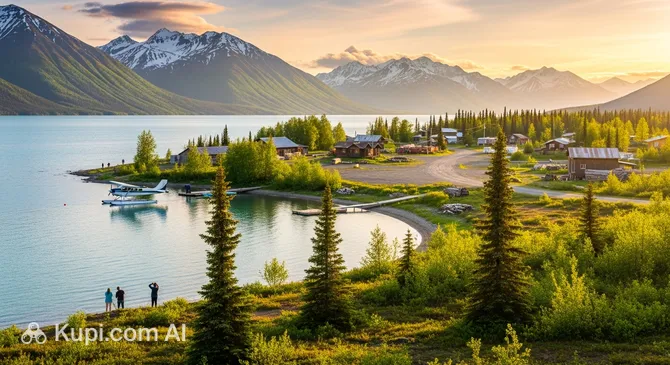
Kokhanok. Source: Kupi.Binoculars

Geographically, the village is situated in a landscape dominated by pristine waters and rolling hills. With a population of approximately 100 residents, Kokhanok maintains an intimate atmosphere where the wilderness is always at your doorstep. The climate is characteristic of the region, featuring cool summers that are perfect for outdoor activities and snowy winters that transform the area into a quiet wonderland.

The community is deeply connected to the land and its traditions. Visitors curious about the local heritage can explore the history of Kokhanok, which reflects a rich blend of indigenous culture and the enduring spirit of subsistence living. This respect for the past is evident in the daily life of the residents, who often rely on the abundant natural resources surrounding them.

For tourists, the primary allure of Kokhanok lies in its world-class outdoor opportunities. Lake Iliamna, the largest lake in Alaska, is a paradise for anglers, offering exceptional chances to catch sockeye salmon and rainbow trout. Beyond fishing, the surrounding wilderness is excellent for wildlife viewing, where patient observers might spot brown bears, moose, and various bird species in their natural habitat.

Whether you are an avid fisherman looking for your next big catch or a traveler yearning for the silence of untouched landscapes, Kokhanok welcomes you. It is a place to disconnect from the modern world and experience the raw, captivating beauty of the Alaskan frontier.

Weather Overview

The climate in this region is defined by its northern latitude, offering a distinct seasonal rhythm that shapes local life and travel plans. Visitors should be prepared for generally cool conditions, as even the warmest months remain mild rather than hot. To help you pack appropriately, it is helpful to review the detailed weather in Kokhanok before your trip.

Summer, spanning from June to August, is the most popular time for outdoor activities. July is typically the warmest month, with average temperatures around 13.5°C and highs reaching up to 16.3°C. However, travelers should anticipate frequent overcast or damp conditions, as these months can see between 12 and 18 "wet days," even if the total precipitation volume is low.

As the year progresses towards winter, the temperatures drop significantly. By January, the average temperature falls to -6.3°C, with lows dipping to -8.5°C. The colder months, particularly December, are characterized by a high frequency of precipitation days, often resulting in snow that blankets the village.

Overall, you can expect cool, mild summers with frequent light precipitation and cold, snowy winters. Regardless of when you visit, bringing waterproof layers and warm clothing is highly recommended to stay comfortable.

Interesting Facts

Beyond the scenic views of the lake, Kokhanok holds many fascinating secrets that are often overlooked by casual visitors. This quiet village is not just a fishing destination; it is a place where ancient legends appear to come to life and nature behaves in truly unexpected ways.

  • The Legend of "Illie": Kokhanok is at the center of one of the most enduring mysteries in the United States: the Iliamna Lake Monster. While many consider it a myth, local residents have reported credible sightings of a massive, dark creature swimming in the deep waters. In 2017, a group of villagers even reported seeing a "family" of these creatures, fueling speculation that the lake may hide a population of elusive, prehistoric-like animals.

  • Rare Freshwater Seals: The lake shores near the village are home to a biological rarity—a permanent population of freshwater harbor seals. Unlike their saltwater cousins, these seals spend their entire lives in the lake. Local hunters note that their fur is significantly thicker and softer than that of marine seals, an adaptation evolved to survive the freezing winter temperatures of the freshwater environment.

  • Accessible Only by Air and Water: Kokhanok is a true remote community, completely disconnected from the continental road system. There are no highways leading to the village; it can only be reached by small bush planes or by boat across the vast waters of Lake Iliamna. This isolation helps preserve the pristine environment and fosters a strong sense of self-reliance among the residents.

  • A Cultural Melting Pot: While many Alaskan villages are predominantly settled by a single indigenous group, Kokhanok is a unique "melting pot" of cultures. It is home to a diverse mix of Dena'ina Athabascan, Yup'ik, and Alutiiq peoples. This fusion is reflected in the community's traditions, languages, and subsistence practices, creating a rich cultural heritage that is distinct from neighboring settlements.

How to Get There

Reaching this remote Alaskan village is an adventure in itself, often requiring a combination of air travel and local transport. Since the community is isolated from the continental road network, planning your journey involves arranging flights to nearby hubs. You can find more specific details and logistics in our guide on how to get to Kokhanok.

The city of Kokhanok does not have its own major airport listed in our database, but you can fly into Iliamna Airport (IATA: ILI) in the city of Iliamna, which is the closest significant hub located about 35.9 km away. This airport serves as a primary gateway for the region. From there, visitors typically rely on air taxis or boat transfers across the lake to reach the village. It handles a modest volume of travelers, ensuring a relatively quick and straightforward arrival process.

Another option for travelers is to route their trip through King Salmon Airport (IATA: AKN), located in King Salmon, approximately 136.8 km from Kokhanok. This is a larger regional hub with higher passenger traffic, offering more frequent connections. The journey from King Salmon to the vicinity of Kokhanok involves a longer transfer, usually requiring a connecting flight on a smaller bush plane. This airport is often used as a transfer point for those exploring the wider Bristol Bay area.

For clarity, here is a summary of the main airports in the region:

Airport Name City Passenger Traffic Km from City
King Salmon Airport King Salmon Medium 136.8
Homer Airport Homer Medium 188.4
Iliamna Airport Iliamna Small 35.9
Ouzinkie Ouzinkie Small 214.1
Egegik Airport Egegik Small 204.8

There are no railway stations in Kokhanok or the immediate surrounding area. The rugged terrain and remote location of the village mean that rail transport is not a viable option for reaching this destination. Visitors typically rely on small aircraft or boats to navigate the final leg of their journey across Lake Iliamna.

Main Attractions

As a remote village deeply intertwined with the surrounding wilderness, the attractions in Kokhanok are primarily natural and cultural. Visitors here do not look for bustling museums or theme parks; instead, they find adventure in the pristine landscapes and a quiet appreciation for a unique way of life. The following sites represent the essence of what makes this destination so special.

Lake Iliamna is the undeniable centerpiece of the region and the primary draw for almost every visitor. As the largest lake in Alaska, it offers an inland freshwater sea experience that is both humbling and exhilarating. While fishing is the most popular activity, the lake is also a destination for wildlife enthusiasts hoping to catch a glimpse of the rare freshwater harbor seals that inhabit these waters. Kayaking or boating along the shoreline allows tourists to explore hidden coves and enjoy the dramatic backdrop of volcanic peaks reflecting off the water's surface.

Just a short distance from the village lies the Gibraltar River, a legendary stream among the angling community. This river is renowned for its crystal-clear waters and world-class fly fishing, particularly for trophy-sized rainbow trout and sockeye salmon. The river flows into Lake Iliamna and offers a quintessential Alaskan fishing experience, often accompanied by sightings of brown bears patrolling the banks for their own catch. It is a perfect spot for those seeking solitude and the thrill of the sport in an untouched environment.

For a touch of local history and culture, the Sts. Peter and Paul Church stands as a significant landmark in the community. Like many villages in the region, Kokhanok has a strong Russian Orthodox heritage, and this church serves as the spiritual heart of the residents. Its traditional architecture, often featuring the distinctive onion dome, provides a striking contrast to the rugged wild backdrop. Visitors are often welcomed to view the exterior and learn about the enduring traditions that have shaped village life for generations.

Although not within the village limits, the proximity of Katmai National Park and Preserve makes Kokhanok an excellent staging ground for wider exploration. Many travelers use the village as a base to organize fly-out trips to this world-famous park, known for the Valley of Ten Thousand Smokes and its high concentration of brown bears. Being so close to such a major natural wonder adds a layer of excitement to any stay, offering the potential for unforgettable day trips into one of America's most spectacular wilderness areas.

Local Cuisine

The culinary landscape of Kokhanok is defined not by five-star restaurants, but by a deep, ancestral connection to the land and water. In this remote village, "farm-to-table" is replaced by a "river-to-plate" philosophy, where the subsistence lifestyle dictates the menu. For visitors, the gastronomic experience is centered around the incredible freshness of wild-harvested ingredients, offering a taste of authentic Alaskan Native culture that is rare to find elsewhere.

The undisputed star of the local diet is salmon, particularly the sockeye that run through Lake Iliamna and the Gibraltar River in massive numbers. You will find it prepared in various traditional ways: grilled fresh over an open fire, cured, or smoked in smokehouses that dot the village. Smoked salmon, often known as "salmon candy" or simply strips, is a savory, chewy delicacy that serves as both a staple food and a favorite snack. Another dish worth seeking out is Akutaq, often called "Eskimo Ice Cream." This unique dessert is traditionally made by whipping animal fat (or shortening in modern times) with snow or water and mixing in an abundance of locally picked wild berries, such as cloudberries, blueberries, or salmonberries.

When it comes to beverages, the options are simple and practical, designed to warm the soul against the chilly Alaskan air. Hot coffee and tea are ubiquitous, served steaming hot at any gathering or after a long day on the water. It is also worth noting that the drinking water here is exceptionally pure, often sourced from pristine local springs or the lake itself. As for alcohol, travelers should be aware that Kokhanok, like many rural Alaskan communities, may have specific regulations regarding the sale and possession of alcoholic beverages; it is best to check with your lodge or host regarding local rules, as there are no public bars in the village.

Dining out in Kokhanok is not about visiting commercial eateries, as there are no standard restaurants, street food stalls, or markets in the village. Instead, the food culture is experienced primarily through the hospitality of fishing lodges and local homes. Tourists staying at the lodges can expect hearty, home-cooked American meals featuring fresh local catch and game, such as moose or caribou, when available. For those lucky enough to be invited to a community gathering or potlatch, sharing a meal becomes a communal event, reflecting the generous spirit of the residents who have thrived on these resources for generations.

Travel Tips

Visiting Kokhanok is a unique adventure into the heart of the Alaskan wilderness, but its remote location requires careful preparation to ensure a smooth trip. These practical tips will help you navigate the logistics of village life and make the most of your time on the shores of Lake Iliamna.

  1. Clothing and Gear: The weather can be unpredictable, so the key to comfort is layering. Even in summer, bring a waterproof jacket, rain pants, and warm thermal underlayers. Sturdy, waterproof hiking boots or rubber boots (often called "Xtratufs" by Alaskans) are essential for navigating muddy paths and boat landings.

  2. Transportation: There is no public transport, taxi service, or car rental agency in Kokhanok. The village is small enough to navigate on foot, but for longer distances or moving gear, you will likely rely on transport arranged by your lodge, such as ATVs or boats. Always confirm transfers from the airstrip with your host in advance.

  3. Finances: The local currency is the US Dollar (USD). While fishing lodges may accept credit cards, small local transactions often require cash. There are no banks or ATMs in the village, so it is critical to withdraw sufficient cash before you depart from a major hub like Anchorage or King Salmon.

  4. Health and Safety: Medical facilities are limited to a small local clinic for basic care; serious emergencies require medical evacuation by air, which depends on weather conditions. Always carry a personal supply of essential medications. Additionally, you are in bear country; carry bear spray and know how to use it when exploring outside the village proper.

  5. Communication: English is the primary language spoken by all residents. Mobile phone coverage can be spotty and is often limited to specific carriers (like GCI); do not rely on having a signal everywhere. Wi-Fi is typically available only at lodges, so download any necessary maps or documents for offline use before arrival.

  6. Local Etiquette: The community values respect and privacy. Always greet locals with a friendly "hello" or wave. Since many residents rely on subsistence fishing and hunting, ask for permission before photographing people, their homes, or their equipment, such as fish drying racks or smokehouses.

  7. What to Avoid: Do not wander onto private property or Native allotments without permission, and never touch or disturb fishing nets and boats found along the shore. These are not abandoned items but vital tools for the locals' livelihood.

  8. Additional Tip: Supplies in the village are very limited. The local store may have erratic hours and a small selection of goods at high prices due to freight costs. It is best to bring all your own toiletries, snacks, and specialty items (such as batteries or camera memory cards) with you.

By packing the right gear and respecting the local way of life, you will find Kokhanok to be a welcoming and peaceful destination. Enjoy the incredible silence of the landscape and the warm hospitality of this resilient Alaskan community.

Entertainment & Nightlife

Travelers expecting a bustling nightlife scene with thumping bass and neon lights will find Kokhanok to be a world apart. In this remote village, the concept of evening entertainment is entirely redefined by the wilderness. There are no nightclubs, cocktail bars, or 24-hour diners here. Instead, the "nightlife" is dictated by the rhythms of nature, offering a peaceful and introspective experience that stands in stark contrast to urban centers.

The main "district" for evening activity is simply the shores of Lake Iliamna. On clear nights, especially during the shoulder seasons of autumn and early spring, the lack of light pollution turns the sky into a spectacular canvas. Visitors often gather by the water to witness the Aurora Borealis, or Northern Lights, dancing overhead. This natural light show provides a mesmerizing display that rivals any laser show in a city club, with the silence of the lake adding to the grandeur of the experience.

Socializing in the evenings typically takes place within the warmth of local fishing lodges or private guest accommodations. The atmosphere is intimate and rustic, characterized by crackling woodstoves and shared stories of the day's adventures. Dress codes are non-existent; flannel shirts and wool socks are the standard attire. It is a time for unwinding with a hot drink, playing cards, or simply enjoying the camaraderie of fellow travelers and hosts. Since there are no commercial pubs, any consumption of alcohol is usually done in private, and visitors should verify local regulations with their hosts regarding bringing their own beverages.

Practical advice for nights in Kokhanok centers on preparation and safety. Since there are no taxis or public transport, getting around involves walking, but one must be vigilant. The village is unlit in many areas, and the surrounding wilderness is home to nocturnal wildlife, including bears. It is essential to carry a flashlight or headlamp and bear spray if you venture outside after dark. The best time to enjoy the evening atmosphere is immediately after dinner, as the village tends to quiet down very early to prepare for the next day's fishing or outdoor activities.

While the nights are reserved for quiet relaxation and stargazing, daytime entertainment in Kokhanok is strictly an outdoor affair. There are no movie theaters or amusement parks; instead, the days are filled with immersive experiences in nature. Visitors spend their daylight hours navigating the waters for trophy fish, hiking the rolling hills for panoramic views, or simply observing the rich wildlife that calls this remote corner of Alaska home.

Parks & Museums

In the remote village of Kokhanok, the concept of "parks and museums" is redefined by the vast Alaskan wilderness and the living heritage of its people. There are no manicured city gardens or ticketed exhibition halls here. Instead, the entire region serves as an immense natural park, and the history of the community is preserved not in glass cases, but in the traditions, stories, and architectural landmarks that define daily life on the shores of Lake Iliamna.

Lake Iliamna itself acts as the village's primary recreational space, offering a natural playground that far exceeds the scale of any urban park. The shoreline features rugged beaches and rocky outcrops where visitors can walk for miles without seeing another soul. It is a place of raw beauty, where the "green space" is a sprawling tapestry of tundra, wildflowers, and spruce forests. In the summer, the lake's edge is perfect for picnicking, skipping stones, and observing the unique freshwater harbor seals that bask on the rocks.

While not located within the village limits, the proximity of Katmai National Park and Preserve makes it a de facto natural attraction for anyone visiting Kokhanok. Often accessible via a short flight, this world-renowned park offers an unparalleled wilderness experience. It is famous for its active volcanoes and the density of brown bears, particularly at Brooks Falls. For visitors based in Kokhanok, the park serves as the ultimate day-trip destination, providing a front-row seat to some of the most dramatic ecosystems in the United States.

Regarding cultural institutions, travelers should be aware that Kokhanok does not have formal museums or art galleries. The culture here is experiential rather than curatorial. The artistic spirit of the village is found in the handcrafted items made by residents, such as intricate beadwork, skin sewing, and traditional tools used for subsistence. These items are occasionally visible in community gatherings or homes, representing a functional art form that has been passed down through generations of Dena'ina, Yup'ik, and Alutiiq families.

The most significant historical and architectural landmark in the village is the Sts. Peter and Paul Church. As a Russian Orthodox church, it stands as a visual testament to the lasting influence of the Russian mission in Alaska. With its distinctive design and white exterior standing out against the green and brown hues of the landscape, it serves as the cultural and spiritual anchor of the community. While it is an active place of worship rather than a museum, the building itself holds the history of the village's faith and community resilience.

For a truly authentic experience, visitors should look for the old smokehouses that dot the properties near the water. While these are private structures and not public exhibits, they are architectural symbols of the village's subsistence lifestyle. Observing the traditional method of smoking salmon in these wooden structures offers a glimpse into a practice that has sustained the local population for centuries, effectively acting as a living history lesson.

Insider Tip: If you visit during late summer, take a walk along the tundra ridges surrounding the village to experience the "edible landscape." The hills come alive with an abundance of wild berries, including blueberries and cloudberries (salmonberries). Picking and eating these fresh berries right off the bush is a favorite local pastime and offers a delicious connection to the land that no formal park could provide.

Getting Around

Travelers accustomed to urban infrastructure will find the transport situation in Kokhanok to be vastly different from a typical city. There is no public transportation system here; you will not find buses, trams, subways, or even scheduled shuttle services operating within the village. The community is small and compact, meaning that most movement is done independently or through private arrangements rather than via a municipal network.

The primary mode of getting around the village itself is simply walking. The distances between the airstrip, the church, the school, and the lakefront are short and easily manageable on foot. For locals, the most common forms of motorized transport are All-Terrain Vehicles (ATVs) or "four-wheelers" during the summer months, and snowmachines (snowmobiles) during the winter. These vehicles are essential for navigating the unpaved, often muddy or snowy trails that serve as streets.

Since there is no formal transit system, there are no tickets, travel cards, or mobile apps to worry about. The concept of a "fare" does not apply to daily movement within the village. If you are staying at a fishing lodge or a guest house, the cost of transportation—usually a pickup from the airstrip or a boat ride to a fishing spot—is typically included in your accommodation package or negotiated as part of the service.

For tourists, the most practical advice is to coordinate all your logistical needs with your host before you arrive. There are no commercial taxi companies, ride-sharing services like Uber, or car rental agencies available. Do not expect to hail a ride on the street. If you have heavy gear or need to travel a distance that is too far to walk, you must rely on the vehicle provided by your lodge or the hospitality of local residents.

While there are no historic cable cars or metros, the experience of traveling here offers its own unique charm. In the winter, traveling by snowmachine across the frozen landscape is a thrilling way to see the area, while summer boat rides on the lake provide both transportation and spectacular scenic views. Always ensure you have appropriate outdoor clothing, as you will likely be exposed to the elements regardless of how you choose to move around.

Accommodation

Accommodation in Kokhanok is defined by the village's remote wilderness setting and its status as a premier fishing destination. Travelers should not expect standard city amenities like chain hotels, motels, or budget hostels. Instead, the lodging landscape is almost exclusively dominated by wilderness lodges and rustic guest cabins. These establishments are designed to provide a comfortable, often all-inclusive experience that caters specifically to anglers and outdoor enthusiasts seeking access to the region's pristine waters.

The most popular and convenient area to stay is along the shores of Lake Iliamna or near the mouth of the Gibraltar River. These locations offer immediate access to the water, allowing guests to step out of their rooms and onto a boat or floatplane. Staying near the lake not only minimizes travel time to prime fishing spots but also provides stunning panoramic views of the water and the surrounding mountains, creating a serene atmosphere for relaxation after a day of adventure.

Because the tourism infrastructure is specialized, most accommodations operate as all-inclusive packages. These typically cover not just the room, but also meals, guided excursions, and sometimes transfers from the nearest airstrip. The level of comfort can range from basic, rustic cabins with shared facilities to high-end lodges offering gourmet dining, private baths, and personalized service. It is rare to find "room-only" options, as there are no restaurants or supermarkets in the village to support independent self-catering travelers.

Regarding costs, visitors should be prepared for a high price range. The logistics of operating in such an isolated location, combined with the specialized nature of the services (such as professional guides and boat fuel), drive up the prices. Budget options are virtually non-existent. Booking is almost always done directly through the lodge's website or via specialized travel agencies that handle Alaskan fishing expeditions.

Booking Tip: Due to the short summer season—typically lasting from June to September—and the limited number of beds available, it is essential to book your accommodation months in advance. Many lodges are reserved a year ahead by returning guests, so planning early is critical to securing a spot.

Nearby Cities

For those looking to explore the surroundings, Kokhanok serves as an excellent base for day trips to several interesting nearby locations:

King Salmon is the most significant regional hub near the village and acts as the primary gateway to Katmai National Park. It is an ideal spot for a short excursion, offering visitor centers and access to the Naknek River, which is world-renowned for its sport fishing. The town provides a slightly more developed atmosphere while still maintaining a rugged, frontier charm.

Located on the famous Kenai Peninsula, Homer offers a vibrant change of pace with its stunning coastal scenery and artistic community. Known as the "Halibut Fishing Capital of the World," it features the iconic Homer Spit, a long strip of land jutting into Kachemak Bay, lined with shops, galleries, and seafood restaurants. It is a picturesque destination that combines maritime culture with breathtaking views of glaciers and volcanoes.

Naknek sits adjacent to King Salmon and offers a deep dive into the history of the Bristol Bay commercial fishing industry. As the seat of the borough, it bustles with activity during the salmon season. Visitors can explore the local history museum to learn about the cannery era and witness the impressive scale of the sockeye salmon run that defines the region's economy.

City Population Distance (km)
Homer 6000 185
New Stuyahok 1012 144
Ninilchik 800 187
Naknek 600 150
King Salmon 374 137

These nearby destinations offer a glimpse into the diverse culture and landscapes of the region.

Shopping & Souvenirs

Shopping in Kokhanok is a modest and strictly practical affair, reflecting the village's remote location and subsistence lifestyle. Visitors should not expect a commercial shopping experience; there are no boutiques, fashion outlets, or souvenir shops lining the streets. Instead, commerce here is centered around basic necessities and the occasional sale of locally handcrafted items, offering a genuine connection to the community rather than a typical retail therapy session.

There are no designated shopping districts or high streets in the village. The retail landscape is typically limited to a single general store or trading post that serves the entire population of approximately 100 residents. This store stocks essential groceries, household supplies, and outdoor gear required for life in the Alaskan bush. For tourists, it is the only place to purchase snacks, toiletries, or forgotten items, though the selection is limited and prices reflect the high cost of freight transport to the region.

Travelers looking for shopping malls or department stores will not find them in Kokhanok or the surrounding area. The village infrastructure is simply too small to support large-scale retail. The nearest shopping centers are hundreds of miles away in Anchorage or other major hubs, accessible only by air. Visitors are strongly advised to bring all specialized clothing, electronics, and equipment with them, as replacements are likely unavailable locally.

While there are no formal markets, the village is a hidden gem for authentic cultural souvenirs. The best "shopping" involves purchasing directly from local artisans. Residents of Kokhanok, who are primarily of Dena'ina, Yup'ik, and Alutiiq descent, are known for their exquisite craftsmanship. You may find opportunities to buy intricate beadwork, hand-sewn skin mittens, or traditional fur items. These transactions often take place informally or through introductions at your lodge, providing a personal story behind every purchase.

When it comes to souvenirs, the most prized items are those that reflect the land and culture. Apart from native crafts, smoked salmon is a popular take-home gift. Local families often smoke sockeye salmon using traditional methods passed down for generations, resulting in a product with a flavor profile you cannot find in commercial supermarkets. If you are staying at a lodge, they may also sell branded apparel or local art in a small gift corner.

Store hours in the village can be irregular and may change based on the season or the owner's schedule. Generally, the local store operates during standard daytime hours but may close for lunch or close early on weekends. Regarding payment, cash is essential. While the store or a lodge might accept credit cards, purchasing crafts from locals usually requires physical currency. There are no ATMs in Kokhanok, so visitors must withdraw sufficient cash before arriving in the village.

One financial advantage for visitors is the tax situation. The United States does not have a federal value-added tax (VAT), and the state of Alaska is one of the few states with no state sales tax. While some local municipalities may levy their own small sales tax, shopping here is generally free from the significant tax add-ons found in other parts of the country or the world. However, due to the lack of a VAT refund system, there are no tax-free forms for tourists to fill out upon departure.

Reached the end of the page?

That means the route is fully explored