Support

Zachar Bay

About

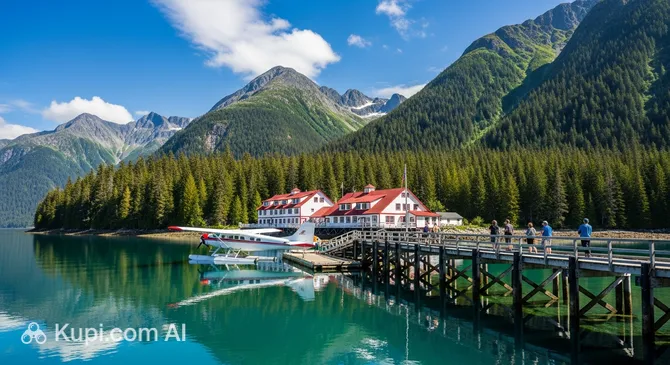
Hidden away on the rugged coast of Kodiak Island, Zachar Bay offers a serene escape into the wild heart of Alaska. Far from the noise of bustling metropolises, this secluded destination is a haven for outdoor enthusiasts and those seeking solitude amidst nature. As part of the United States, it represents the raw, untouched beauty that the "Last Frontier" is famous for, characterized by deep fjords, emerald-green mountains, and pristine waters.

Zachar Bay. Source: Kupi.Binoculars

Geographically, Zachar Bay is situated within the Kodiak Island Borough, an area known for its dramatic landscapes and maritime climate. The weather here is typically cool and moist, fostering the lush vegetation that covers the surrounding hills. Unlike a traditional city, the population here fluctuates with the seasons, primarily consisting of visitors and staff at local wilderness lodges. While it is a quiet retreat today, the history of Zachar Bay includes chapters of the cannery industry that once thrived along these shores, adding a layer of historical depth to its natural splendor.

Travelers are drawn to this remote location for its world-class wildlife viewing and adventure opportunities. It is a prime spot for observing the majestic Kodiak brown bears in their natural habitat, as well as for spotting whales and eagles. Fishing enthusiasts will find themselves in paradise, with abundant opportunities to catch salmon and halibut in the bay's nutrient-rich waters.

Whether you are looking to kayak through calm inlets or simply disconnect from the digital world, Zachar Bay promises an unforgettable experience. We invite you to immerse yourself in the tranquility of this Alaskan gem and discover the profound peace of the northern wilderness.

Weather Overview

The climate in Zachar Bay is defined by its maritime setting, characterized by cool temperatures and consistent moisture throughout the year. Summers are generally mild, offering the most comfortable conditions for exploring the wilderness, while winters bring colder temperatures without the extreme deep freezes found further inland. To help plan your outdoor activities, you can view the detailed forecast and weather in Zachar Bay on our dedicated page.

During the warmest months of July and August, average temperatures hover around 12.0°C to 12.1°C, with daytime highs reaching up to 14.3°C. In contrast, the winter season sees average temperatures drop to between -1.0°C and -2.4°C, with January typically being the coldest month. Visitors should expect a pattern of cool, mild summers and cold winters, accompanied by frequent precipitation; wet days occur often, ranging from 15 to 21 days per month throughout the year.

Interesting Facts

Beyond the stunning scenery, Zachar Bay holds a collection of fascinating secrets that reveal its deep connection to Alaska's industrial past and wild present. This remote outpost is far more than just a scenic harbor; it is a place where history and nature have seamlessly merged.

  • A Cannery Reborn: What is now a peaceful wilderness destination was once a bustling industrial hub. The main facilities at Zachar Bay are actually part of a historic salmon cannery that operated in the early 20th century. Instead of being demolished, the original structures—including the old machine shop and the workers' dining hall—were preserved and repurposed, allowing visitors to dine and sleep within walls that date back to the 1900s.

  • Vintage Green Energy: The settlement is powered by a remarkable piece of engineering history. It utilizes a hydroelectric dam and reservoir that were originally constructed in the 1920s to power the cannery's machinery. This century-old infrastructure has been modernized and continues to provide renewable, off-grid electricity to the bay today.

  • Surrounded by Sanctuary: Zachar Bay is a private enclave completely encompassed by the massive Kodiak National Wildlife Refuge. There are absolutely no roads connecting it to the rest of Kodiak Island; the only way to arrive or depart is by seaplane or boat, preserving an atmosphere of true isolation and tranquility.

  • Bear Country: The area is located in the heart of the territory of the Kodiak brown bear, a distinct subspecies and one of the largest bears in the world. Because the bay sits along a major salmon migration route, these giants are frequently seen patrolling the shoreline, sometimes venturing close to the historic buildings during the peak of the fish run.

How to Get There

Reaching this secluded wilderness destination is part of the adventure, typically involving a journey by air and sea. Since the area is remote and roadless, visitors usually fly into a larger regional hub on Kodiak Island before taking a floatplane or boat to the bay itself. For a detailed breakdown of routes and logistics, you can read more about how to get to Zachar Bay.

The primary gateway for travelers is Kodiak Benny Benson State Airport (ADQ), located in the city of Kodiak. It is the closest major transport hub, situated approximately 79 km from Zachar Bay. This regional airport handles the bulk of traffic to the island, serving as the connection point for flights from Anchorage. From here, the final leg of the journey is typically arranged via air taxi or marine transport; the duration of this transfer varies considerably depending on whether you travel by floatplane or boat.

Another regional option, though significantly further away, is King Salmon Airport (AKN) in King Salmon. Located about 210 km from the bay, it serves as a hub for the Bristol Bay area but is less commonly used for accessing Kodiak Island destinations directly. Travelers might also encounter smaller airstrips like Ouzinkie (KOZ), which is roughly 86 km away, primarily serving local communities.

For clarity, here is a summary of the main airports in the wider region:

Airport Name City Passenger Traffic Km from City
Kodiak Benny Benson State Airport Kodiak Medium 79.3
King Salmon Airport King Salmon Medium 210.6
Iliamna Airport Iliamna Small 253.4
Ouzinkie Ouzinkie Small 86.3
Egegik Airport Egegik Small 225.1

Main Attractions

Unlike bustling cities filled with museums and shopping malls, the attractions of Zachar Bay are defined by the raw, untamed beauty of the Alaskan wilderness. The "sights" here are the towering mountains, the pristine waters, and the historic structures that have stood the test of time. Visitors come here to step directly into a living postcard, where the primary activities revolve around observing nature and experiencing life off the grid.

The centerpiece of the area is the Zachar Bay Lodge, which is much more than just a place to sleep. Housed in a repurposed salmon cannery from the early 20th century, this site is a fascinating attraction in its own right. Walking through the lodge feels like stepping back in time; the main buildings have retained their original industrial charm while being updated for modern comfort. It serves as the historic heart of the bay, offering guests a unique glimpse into the maritime history of Kodiak Island while providing a cozy refuge from the elements.

Surrounding the bay is the magnificent Kodiak National Wildlife Refuge. While this is a vast protected area covering much of the island, Zachar Bay serves as an intimate gateway to its wonders. Without any roads or fences, the refuge is a sprawling sanctuary of Sitka spruce forests and alpine meadows. It is world-renowned for its population of Kodiak brown bears, and exploring the edges of the refuge offers unparalleled opportunities for photography and wildlife spotting in a habitat that has remained virtually unchanged for millennia.

For those seeking action on the water, the Zachar River is a key highlight. Flowing into the head of the bay, this river is a legendary spot for anglers and nature lovers alike. During the summer months, it comes alive with the annual salmon runs, attracting not only fishermen looking for Sockeye, Pink, and Coho salmon but also the bears that feed on them. A trip up the river provides a dynamic and thrilling experience, showcasing the vibrant circle of life that defines this remote ecosystem.

Local Cuisine

The culinary experience in Zachar Bay is inextricably linked to the surrounding waters and wilderness. In this remote corner of Alaska, you won't find street food stalls or commercial restaurant chains. Instead, the local gastronomy is defined by a strict "sea-to-table" philosophy, where the distance between the source and your plate is measured in mere meters. Dining here is an intimate affair, typically centered around the lodge, offering hearty, home-cooked meals designed to fuel outdoor adventures.

Unsurprisingly, seafood is the undisputed star of the menu. Pacific salmon is a staple, often prepared fresh just hours after being caught in the bay or the nearby river. Whether grilled with lemon and herbs, smoked for a savory snack, or baked into a rich fillet, the flavor is unmatched in its freshness. Another local favorite is Pacific halibut, prized for its firm, white flaky meat. It is frequently served as crispy beer-battered fish and chips or as hearty steaks, providing a satisfying end to a long day on the water.

Beyond the main courses, the region offers natural treats for those with a sweet tooth. During the summer months, the surrounding hills are dotted with wild berries. Salmonberries and blueberries are often harvested by hand and transformed into fresh pies, jams, or cobblers served for dessert. To accompany these meals, the drink of choice is often a steaming cup of strong coffee or hot cocoa, essential for warming up in the cool maritime climate. Visitors might also enjoy a cold Alaskan craft beer, savoring the region's brewing culture amidst the silence of the fjord.

The food culture in Zachar Bay is communal and rooted in hospitality. Meals are traditionally served family-style in the historic dining hall, fostering a sense of camaraderie among guests. It is not uncommon for the catch of the day—perhaps a fish you reeled in yourself—to become the evening's centerpiece. This direct connection to the food source, combined with the rustic charm of the setting, makes dining here a deeply authentic Alaskan experience.

Travel Tips

Visiting Zachar Bay is a true step into the Alaskan wild, requiring a bit more preparation than your average vacation. Here are some practical tips to help you pack smart and enjoy this remote paradise to the fullest.

  1. Dress for the Elements. The weather here is unpredictable and often wet. Essential items include high-quality rain gear (jacket and pants), waterproof boots (such as Xtratufs), and warm, moisture-wicking layers like wool or fleece. The dress code is strictly casual and rugged; prioritize comfort and warmth over style.
  2. Transportation Reality. Forget about taxis, buses, or rental cars; Zachar Bay is completely off the road system. Once you arrive by floatplane or boat, your feet and the lodge's skiffs are the only way to get around. Ensure all your transfers from Kodiak City are booked well in advance.
  3. Financial Preparedness. There are no ATMs, banks, or currency exchanges in Zachar Bay. While the lodge may accept credit cards for incidentals, it is highly recommended to bring enough cash (USD) for staff gratuities and any small purchases. Plan your budget before leaving the main town of Kodiak.
  4. Health and Safety. You will be miles away from the nearest pharmacy or hospital. Pack a sufficient supply of all personal prescription medications and a small first-aid kit. Be aware that this is bear country; always follow safety briefings strictly and never hike alone without informing the lodge staff.
  5. Communication Expectations. Prepare to disconnect. There is typically no cellular service in the bay. While the lodge may offer limited Wi-Fi or a satellite phone for emergencies, connection speeds are often slow. Download any books, maps, or entertainment you need onto your devices before you arrive.
  6. Lodge Etiquette. Life in Zachar Bay revolves around communal living. Meals are often served family-style at set times, offering a great chance to socialize. It is polite to respect quiet hours in the evening, as sound carries easily over the water and through the historic wooden buildings.
  7. What to Avoid. Never carry food in your pockets or leave snacks unattended outside your room. This can attract bears and creates dangerous situations for both you and the wildlife. Also, avoid approaching wildlife for photos; use a telephoto lens and maintain a respectful distance at all times.
  8. BYOB Policy. Since there are no liquor stores or supermarkets, check the alcohol policy of your accommodation beforehand. Many remote Alaskan lodges allow you to bring your own beverages, but you must purchase them in Kodiak City before your final flight or boat ride to the bay.

With these preparations in mind, you are ready to embrace the solitude and majesty of Zachar Bay safely. Enjoy the rare opportunity to disconnect from the modern world and immerse yourself fully in the breathtaking Alaskan wilderness.

Entertainment & Nightlife

Entertainment and nightlife in Zachar Bay differ vastly from the neon lights and bass-thumping clubs found in urban centers. In this remote wilderness outpost, the concept of "nightlife" is redefined by the tranquility of nature and the warmth of communal living. There are no nightclubs, bustling bar districts, or midnight street markets here. Instead, the evening entertainment revolves around connection—connecting with fellow travelers, connecting with history, and connecting with the pristine environment that surrounds you.

The social hub of the area is undoubtedly the Zachar Bay Lodge Lounge. After a long day of fishing or wildlife viewing, this is where guests gather to unwind. The atmosphere is incredibly cozy and informal, characterized by the crackling of a wood stove and the sharing of "fish stories" from the day's adventures. Without the distraction of televisions or cell phones, the entertainment is authentic and interactive, often involving board games, reading books from the lodge library, or simply enjoying a glass of wine while looking out over the calm waters of the bay.

Another key venue for evening activity is the Historic Dining Hall. While primarily a place for meals, it transitions into a social gathering space as the evening progresses. Housed within the preserved walls of the old cannery, it offers a unique ambiance where the rustic industrial history sets the stage for lively conversations. On clear nights, the action moves to the Outdoor Fire Pit. Here, the "light show" is provided by the cosmos; far from light pollution, the stargazing is spectacular, and lucky visitors might even witness the dancing green ribbons of the Aurora Borealis reflecting off the fjord.

For those planning to enjoy the evenings here, practical preparation is key. There are no commercial bars selling drinks by the glass, so the "best time to go" is simply whenever you return from your daily excursion. The dress code is strictly "Alaskan casual"—think fleece jackets, wool socks, and comfortable slippers. Since the lodge typically operates on a BYOB (Bring Your Own Beverage) basis, visitors looking to enjoy a cocktail or beer must purchase their supplies in Kodiak City before flying out to the bay.

Safety at night is a serious consideration in this wild environment. Walking alone outside the immediate lodge complex after dark is discouraged due to the presence of Kodiak brown bears, which are often more active in the twilight and evening hours. There is no taxi service to call; your feet are your only transport. Always carry a flashlight if moving between buildings, stay in well-lit areas, and remain alert to your surroundings. The "nightlife districts" here belong to the wildlife, and respecting their territory is essential.

During the daylight hours, entertainment remains focused on the great outdoors, serving as a natural substitute for city amenities. You won't find traditional theaters or amusement parks, but the Zachar River offers a thrill ride of its own for anglers battling King Salmon. For culture seekers, the entire settlement acts as a living museum. Exploring the repurposed cannery machinery and walking the historic boardwalks provides a fascinating glimpse into the industrial heritage of the region, offering an immersive experience that rivals any city exhibit.

Parks & Museums

In the remote wilderness of Zachar Bay, the concept of "parks" and "museums" takes on a different meaning. You will not find manicured city gardens, ticketed art galleries, or velvet ropes here. Instead, the entire region serves as a vast, open-air park, and the historic settlement itself acts as a living museum. The cultural and natural heritage of this area is experienced not through glass display cases, but by walking through history and immersing yourself in the untouched landscape.

Parks and Natural Areas

Kodiak National Wildlife Refuge

Zachar Bay is entirely encompassed by the Kodiak National Wildlife Refuge, a sprawling sanctuary that effectively functions as the area's "central park." Covering nearly two-thirds of Kodiak Island, this refuge is a dramatic landscape of rugged mountains, alpine meadows, and Sitka spruce forests. For visitors, it offers an unscripted wildlife experience where you can hike through terrain that has remained unchanged for millennia. It is a haven for biodiversity, hosting the famous Kodiak brown bears, red foxes, and hundreds of bird species, making it a dream destination for photographers and nature lovers.

The Zachar River Valley

Acting as a natural corridor into the interior, the area surrounding the Zachar River is a prime location for exploration. Unlike a landscaped city park with paved paths, this area offers game trails and riverbanks lined with wildflowers and tall grasses. It is a dynamic ecosystem where the freshwater meets the sea, providing a front-row seat to the annual salmon runs. Walking here allows you to observe the intricate connection between the land and the marine environment, offering a peaceful yet wild setting for hiking and observation.

Museums and Cultural Heritage

The Historic Cannery Complex

While there are no formal museums with curators in Zachar Bay, the settlement itself is a preserved piece of industrial history. The site operates as a "living museum" of the early 20th-century cannery era. Visitors can explore original structures such as the Old Machine Shop, which still houses vintage tools and machinery from the 1900s. Walking through these buildings offers a tangible connection to the laborers and mechanics who once powered Alaska's seafood industry. The architecture remains largely authentic, allowing you to sleep and dine within the same walls that stood during the height of the salmon boom.

The Natural Gallery of Kodiak

In the absence of traditional art galleries, the landscape provides the visual culture of the region. The changing light on the fjord, the mist rolling over the emerald mountains, and the vibrant colors of the summer tundra create a living canvas that inspires artists and photographers. For those seeking formal cultural institutions, the nearest museums—such as the Baranov Museum (Kodiak History Museum) and the Alutiiq Museum—are located in the city of Kodiak, the transit hub for the bay. These institutions provide the broader historical and indigenous context for the artifacts and structures you might see in the bay.

Authentic Experiences

For a deeper look into the local history, ask the lodge staff or guides about the "boneyard" of old machinery often found on the outskirts of historic cannery sites. These rusting relics, reclaimed by moss and ferns, tell a silent story of the relentless battle between industry and nature in Alaska. Exploring these remnants offers a poignant and photographic glimpse into the past that you won't find in any guidebook.

Getting Around

Travelers planning a visit to Zachar Bay should be aware that this is a remote wilderness destination, not a standard municipality. Consequently, there is no public transport system in the traditional sense. You will not find subways, municipal buses, trams, or trolleybuses here. The infrastructure is minimal, designed to support a historic lodge and wildlife viewing rather than urban commuting. Moving around the immediate area is done almost exclusively on foot, using boardwalks and trails that connect the lodge buildings and the surrounding wilderness.

Because there is no scheduled public transit network, there is no need to worry about purchasing travel passes, validating tickets, or downloading transport apps. The concept of a "fare" here does not apply to daily movement. Instead, transportation costs are typically logistical expenses associated with arriving and departing. Transfers from the main hub of Kodiak City are usually arranged via private charters—either by floatplane or boat—and these are often booked as part of an all-inclusive lodge package or paid for as a single service transaction in advance.

For tourists, the most practical advice regarding local mobility is to be physically prepared for walking. The terrain can be uneven, and moving between the accommodation, the dining hall, and the marina requires walking outdoors. There are no "operating hours" for transport; you move according to your own schedule or the itinerary set by your guides. If you require transport by water to reach fishing spots or wildlife viewing areas, this is provided by the lodge's private skiffs and is piloted by experienced guides, rather than operating on a public timetable.

It is crucial to understand that urban alternatives such as taxis, car-sharing services (like Uber or Lyft), and bike rentals are non-existent in Zachar Bay. There are no roads connecting the bay to other settlements, so hailing a ride is impossible. The "special feature" of transport in this region is the reliance on bush planes and marine vessels. These modes of travel are not just a necessity but an attraction in themselves, offering spectacular aerial and aquatic views of the fjord, which serve as a memorable substitute for a typical city commute.

Accommodation

Accommodation in Zachar Bay is a unique proposition that differs significantly from the standard array of hotels and hostels found in typical tourist destinations. As a remote wilderness outpost located off the road system on Kodiak Island, the area does not feature a downtown district lined with competing chains or budget motels. Instead, lodging here is an integral part of the adventure, centered exclusively around the concept of the wilderness lodge. Visitors come here specifically for an all-inclusive experience where the accommodation serves as a comfortable base camp for outdoor exploration.

The primary option for staying in this secluded region is the historic Zachar Bay Lodge. Housed in the preserved buildings of a former salmon cannery, the guest quarters offer a rare blend of rustic charm and historical significance. Rather than modern glass-and-steel structures, you will find comfortable rooms nestled within century-old walls, offering a cozy retreat from the maritime climate. The setting is intimate and communal, with shared dining areas and lounges that encourage guests to connect with one another after a day on the water.

Because the bay is isolated within the Kodiak National Wildlife Refuge, "location" is a singular concept here; you are staying right in the heart of the wilderness. There are no "bad neighborhoods" or "city center" districts to choose between. The accommodation is situated directly on the water's edge, offering immediate access to the marina, the river, and hiking trails. This proximity means that wildlife viewing often begins the moment you step out of your door, with the pristine fjord serving as your front yard.

Booking Tips and Price Range

Planning a stay in Zachar Bay requires more foresight than a typical city break. Due to the limited capacity of the lodge and the short summer season (typically June through September), it is highly recommended to book several months in advance. This is particularly important if you plan to visit during the peak salmon runs, as these dates fill up quickly with anglers and wildlife enthusiasts from around the world.

regarding costs, travelers should anticipate a mid-to-high price range. Accommodation here is almost exclusively sold as part of all-inclusive packages. These rates typically cover not just the room, but also round-trip transport from Kodiak City (via floatplane or boat), all meals, and guided daily activities such as fishing or bear viewing. While the upfront cost may seem higher than a standard hotel room, it reflects the logistical challenges of operating in a remote environment and the comprehensive nature of the service provided. Booking is generally done directly through the lodge's website or via specialized adventure travel agents.

Nearby Cities

In the remote wilderness of Zachar Bay, the concept of a "neighboring city" is defined by flight paths and waterways rather than highways. The area is isolated from the road system, meaning that the nearest settlements are distinct communities separated by rugged terrain and the waters of the Shelikof Strait. For travelers, these cities serve not just as geographic markers, but as essential logistical hubs and gateways to the broader Alaskan experience.

The most important connection for the bay is the city of Kodiak. Located approximately 85 km to the east, it is the primary commercial center and transportation hub for the entire island. Almost all visitors to Zachar Bay will pass through Kodiak, utilizing its airport and harbor to reach the wilderness lodges. It offers the last opportunity to purchase supplies, visit museums, or access banking services before heading into the wild.

Beyond the island, the region connects to communities on the mainland and the Kenai Peninsula. Homer, known as the "Halibut Fishing Capital of the World," lies across the water to the northeast. To the west, across the strait, lies the Bristol Bay region, home to King Salmon and Naknek. These towns are vital centers for the fishing industry and serve as gateways to the Katmai National Park, sharing the same wild spirit and maritime climate as Zachar Bay.

Below is a list of the closest cities and towns, along with their distances and population estimates, to help you understand the geography of the region:

City Distance (km) Population
Kodiak 85 6,100
King Salmon 212 374
Nanwalek 228 300
Naknek 231 600
Homer 267 6,000

Shopping & Souvenirs

General Overview

Shopping opportunities in Zachar Bay are extremely limited, reflecting its status as a secluded wilderness destination rather than a commercial center. Visitors will not find a variety of boutiques, department stores, or convenience shops here. The retail experience is essentially confined to the lodge, which typically maintains a small supply of essentials and branded merchandise. Because of this isolation, tourists are strongly advised to purchase all necessary specialized gear, personal toiletries, and specific snacks in larger hubs like Kodiak City before boarding their transport to the bay.

Main Shopping Areas/Streets

There are no shopping districts, high streets, or pedestrian retail zones in Zachar Bay. The settlement is connected by boardwalks and trails rather than paved roads lined with storefronts. The "main street" is effectively the path leading from the dock to the dining hall. For those seeking a traditional shopping spree, the nearest options are located approximately 80 kilometers away in the city of Kodiak, where you can find outdoor outfitters, art galleries, and grocery stores.

Shopping Malls

Travelers should not expect to find any shopping malls or large commercial complexes in this remote area. The infrastructure is dedicated to historical preservation and wilderness hospitality, not retail therapy. The vast, open landscapes of the United States wilderness serve as the main attraction here, replacing the typical urban experience of wandering through enclosed shopping centers.

Markets

Zachar Bay does not host any public markets, flea markets, or food bazaars. The dining experience is all-inclusive and provided by the lodge, negating the need for grocery markets. While you won't find stalls selling local produce or crafts on site, the abundance of natural resources—such as berries and fish—provides a different kind of "market" experience for those who enjoy foraging and fishing under the guidance of local experts.

Souvenirs

The best souvenirs to bring back from Zachar Bay are those that commemorate your stay at the historic cannery. The lodge gift shop typically offers items such as branded baseball caps, t-shirts, and fleece jackets, which are practical for the climate and serve as great mementos. Additionally, locally produced items like jams made from wild Alaskan berries (salmonberries or blueberries) are popular gifts. For authentic Native Alutiiq art or intricate ivory carvings, it is best to browse the galleries in Kodiak City before or after your stay at the bay.

Opening Hours and Payment

Since retail is limited to the lodge's small shop, opening hours are informal and generally align with the availability of the staff, often accessible throughout the day and evening. Regarding payment, cash is rarely used due to the lack of banking infrastructure, but it is useful for gratuities. The lodge generally accepts major credit cards for gift shop purchases and incidental expenses. However, it is always wise to carry a small amount of US dollars just in case electronic systems are down due to the remote location.

Tax-Free

One of the financial benefits of shopping in this region is the tax structure. The state of Alaska does not impose a state-level sales tax, which can make purchasing high-value items like outdoor gear or jewelry more affordable compared to other parts of the country. However, local boroughs may have their own sales taxes, so it is worth checking the specific rates if you plan to make significant purchases during your transit through Kodiak.
Reached the end of the page?

That means the route is fully explored