Support

Igiugig

About

Nestled in the heart of the Alaskan wilderness, Igiugig is a captivating destination for travelers seeking an authentic and remote experience. This small, tight-knit village offers a unique window into the subsistence lifestyle and the rugged beauty of the north. With a population of approximately 70 residents, it provides a peaceful escape where the community's connection to the land and water is palpable in every aspect of daily life.

Geographically, Igiugig boasts a stunning location on the south bank of the Kvichak River, exactly where it flows out of the majestic Iliamna Lake. This strategic position in the United States defines the village's character and name; the word "Igiugig" is derived from the Yup'ik language and means "like a throat that swallows water." The climate here is typical of southwestern Alaska, with cool summers that are perfect for outdoor adventures and exploring the pristine surroundings.
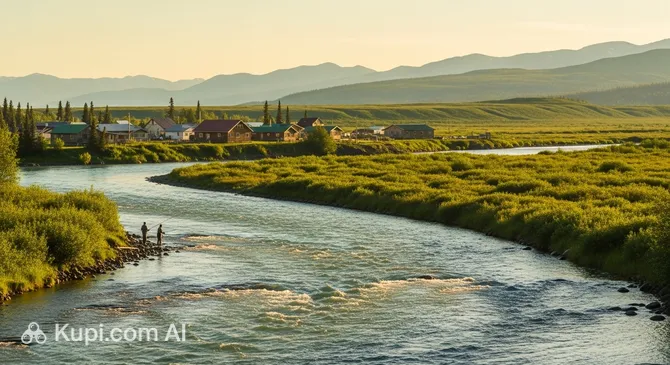
Igiugig. Source: Kupi.Binoculars

The village is deeply rooted in Native culture, with a heritage that blends Yup'ik, Alutiiq, and Athabascan influences. Visitors interested in how this community has thrived for generations in such a remote environment can learn more about the history of Igiugig, which is celebrated through local storytelling and traditional practices. The preservation of these customs makes a visit here not just a sightseeing trip, but a cultural immersion.

For outdoor enthusiasts, Igiugig is nothing short of a paradise. It is world-renowned for its sport fishing, particularly on the Kvichak River, which hosts one of the largest sockeye salmon runs in the world. Besides salmon, anglers flock here for trophy rainbow trout. The area is also a prime spot for wildlife viewing, where visitors might spot brown bears, caribou, and eagles against the backdrop of volcanoes and tundra.

Whether you are an avid angler, a nature lover, or simply someone looking to disconnect from the bustle of modern cities, Igiugig welcomes you with warm hospitality and breathtaking scenery. It is a place to breathe fresh air, witness the grandeur of nature, and experience the true spirit of Alaska.

Weather Overview

Understanding the local climate is essential for packing the right gear for your Alaskan adventure. The weather in Igiugig is generally characterized by cool, mild summers and freezing winters, with a consistent presence of precipitation throughout the year. Visitors should be prepared for frequent damp conditions, as the region experiences between 12 and 19 wet days per month, regardless of the season.

Winter brings the coldest temperatures, particularly in January, when the average drops to -7.1°C and lows can reach -9.6°C. The months of December and February remain similarly cold, with averages hovering around -4.5°C to -4.6°C. During this time, the landscape is typically frozen, and daylight hours are short, creating a true Arctic atmosphere.

Summer offers a pleasant contrast, making it the most popular time for outdoor activities. July is typically the warmest month, with an average temperature of 14.0°C and daily highs reaching up to 16.9°C. While it rarely gets hot, the weather is comfortable for fishing and hiking. For travelers planning their specific dates, checking the detailed weather in Igiugig can help ensure you are ready for the elements.

Spring and autumn serve as quick transition periods. May sees temperatures rising to an average of 6.3°C, while October cools down to around 4.3°C. Throughout the year, while the total precipitation volume might appear low, the frequency of wet days suggests that carrying rain gear and warm layers is always a wise decision.

Interesting Facts

Beyond its reputation as a premier fishing destination, Igiugig holds several fascinating distinctions that highlight its unique place in both modern innovation and ancient folklore.

  • A Pioneer in Green Energy: Igiugig is making global headlines for its commitment to renewable energy. The village was the first in the United States to successfully deploy the commercial-scale RivGen Power System, a hydrokinetic device that sits at the bottom of the Kvichak River and harnesses the current to generate electricity, significantly reducing the community's reliance on diesel fuel.

  • Home of a Legendary Cryptid: As the community sits at the outlet of Lake Iliamna, Alaska's largest lake, it is the gateway to the legend of "Illie." For generations, locals and visitors have shared stories of a massive, elusive aquatic creature roaming the deep waters, often compared to the Loch Ness Monster.

  • Thousands of Years of History: While the modern village is small, the area has been a strategic location for millennia. Archaeological excavations in the vicinity have uncovered evidence of human habitation and subsistence activities dating back thousands of years, proving that this specific river mouth has always been a vital hub for survival in the region.

How to Get There

Reaching the remote village of Igiugig is part of the Alaskan adventure, often involving a combination of commercial flights and smaller bush planes. Since the village is not connected to the state's main road system, air travel is the primary means of access. For a complete overview of travel options and logistics, you can consult the detailed guide on how to get to Igiugig.

The city of Igiugig does not have its own major commercial airport, but you can fly into King Salmon Airport (IATA: AKN) in the city of King Salmon. This regional hub is located approximately 84.5 km from Igiugig. Visitors typically transfer here to smaller air taxis for the final leg of the trip. The airport handles a significant volume of travelers heading to the Bristol Bay area, serving as a key gateway for fishing and wildlife expeditions.

Another accessible option is Iliamna Airport (IATA: ILI), situated in the nearby town of Iliamna, roughly 72.8 km from Igiugig. This airport is smaller but strategically important for accessing the communities around Lake Iliamna. Travel from here to the village is conducted almost exclusively by air or boat.

For clarity, here is a summary of the main airports in the region:

Airport Name City Passenger Traffic Km from City
Dillingham Airport Dillingham Medium 153.1
King Salmon Airport King Salmon Medium 84.5
Iliamna Airport Iliamna Small 72.8
Ouzinkie Ouzinkie Small 251.5
Egegik Airport Egegik Small 153.4

There are no railway stations in Igiugig or the surrounding wilderness. The rugged terrain and remote location mean that trains are not a viable mode of transport in this part of Alaska. Visitors should plan to rely entirely on air travel or river navigation to reach their destination.

Main Attractions

Kvichak River is widely considered the crown jewel of the region and the primary reason many visitors travel to this remote part of Alaska. As the waterway connecting Lake Iliamna to Bristol Bay, it hosts the largest sockeye salmon run in the world, making it a bucket-list destination for anglers. Beyond the salmon, the river is famous for its trophy-sized rainbow trout, which thrive in the crystal-clear, swift-moving waters. For non-anglers, a boat trip on the river offers incredible opportunities to spot bald eagles, moose, and brown bears patrolling the banks.

Just upstream from the village lies the massive Lake Iliamna, the largest lake in Alaska and the eighth largest in the United States. Its vast, ocean-like expanse is surrounded by stunning mountain scenery and offers a sense of solitude found in few other places. The lake is unique for being home to a rare population of freshwater harbor seals, which can often be seen resting on rocky islands. It is also the setting for the enduring legend of the "Iliamna Lake Monster," a mysterious aquatic creature that adds an element of intrigue to any visit.

For a touch of local history and culture, the St. Nicholas Russian Orthodox Church stands as a testament to the area's heritage. Listed on the National Register of Historic Places, this modest but significant structure reflects the deep-rooted influence of the Russian Orthodox faith in Native Alaskan communities. The white church with its distinctive blue onion dome is a cherished landmark for the residents and offers a quiet, reflective stop for visitors interested in the cultural tapestry of the village.

Igiugig serves as a convenient gateway for day trips to Katmai National Park and Preserve, specifically the famous Brooks Falls. Since the village is just a short floatplane ride away, many tourists use it as a base to access this world-renowned bear-viewing site. During the peak summer season, visitors can watch dozens of massive brown bears fishing for salmon at the falls, a spectacular natural event that attracts photographers and nature lovers from around the globe.

A more modern point of interest is the RivGen Power System, which has put Igiugig on the global map for sustainable innovation. This hydrokinetic turbine sits beneath the surface of the Kvichak River, harnessing the water's current to generate clean electricity for the community. While it is an underwater infrastructure project, it represents the village's forward-thinking commitment to renewable energy and preserving their pristine environment, making it a fascinating topic for visitors interested in green technology.

Local Cuisine

The culinary experience in Igiugig is defined not by five-star restaurants or bustling food markets, but by the pristine wilderness that surrounds the village. In this remote community, the concept of "farm-to-table" is replaced by "river-to-plate." The local cuisine is deeply rooted in the subsistence lifestyle of the Native Alaskan residents, relying heavily on the bounty of the land and the Kvichak River. For visitors, this offers a rare opportunity to taste ingredients that are as fresh and organic as they come, often harvested just hours before being served.

Unsurprisingly, Pacific salmon is the undisputed king of the local diet. With the massive salmon runs that pass the village, Sockeye salmon is a staple served in numerous ways: fresh grilled fillets, hearty chowders, or cured and smoked into "strips" or "candy," a savory-sweet treat that serves as perfect fuel for outdoor adventures. Beyond fish, wild game such as moose and caribou often features in stews and roasts, providing a rich, lean meat that is traditional to the region. Another cultural specialty worth looking for is Akutaq, often called "Eskimo ice cream," a unique blend of whipped fat (traditionally animal fat, now often vegetable shortening), sugar, and an abundance of locally picked wild berries like blueberries, salmonberries, or cranberries.

When it comes to beverages, the focus is often on warmth and comfort to counter the Alaskan chill. Hot coffee and tea are ubiquitous staples, always brewing in homes and lodges alike. While there are no commercial bars in the village, the water itself is a highlight—Igiugig prides itself on having some of the cleanest, purest drinking water in the world, drawn directly from the source. Alcoholic drinks are generally not sold in public venues within the village; however, guests staying at all-inclusive sport fishing lodges will typically find a selection of beer and wine served with their meals.

Travelers should be aware that Igiugig does not have standard commercial restaurants, fast-food chains, or street food stalls. The dining scene for tourists is almost exclusively centered around the fishing lodges and guest houses. Here, meals are typically served family-style, fostering a communal atmosphere where guides, hosts, and guests share stories of the day. These lodges are known for their hearty, home-cooked American fare that incorporates local ingredients, ensuring that no one leaves the table hungry after a long day on the water.

Travel Tips

Visiting Igiugig requires a different level of preparation than a standard vacation, as you are entering a remote community of approximately 70 people with no road connection to the outside world. To help you navigate the unique logistics of the Alaskan bush and ensure a respectful visit, here are some essential practical tips.

  1. Dress for the Elements: The weather in Igiugig can change rapidly, so packing layers is non-negotiable. Bring high-quality waterproof rain gear (jacket and pants) and waterproof boots, even in summer. Avoid cotton; opt for wool or synthetic fabrics that keep you warm even when damp. Additionally, a high-quality insect repellent and a head net are essential during June and July to protect against Alaska’s notorious mosquitoes and gnats.

  2. Transportation Reality: Forget about ride-hailing apps, taxis, or car rentals; they do not exist here. The village is small enough to navigate on foot, and most visitors rely on their fishing lodge or host for transport, which is typically done by boat, ATV, or pickup truck. Since there are no paved roads connecting Igiugig to other cities, your arrival and departure will be exclusively by small aircraft.

  3. Cash is Essential: While fishing lodges usually accept credit cards, you should bring enough cash (USD) for incidental expenses, tips for guides, or purchasing local crafts. There are no ATMs or banks in the village, and relying on electronic payments for small transactions is risky due to potential internet outages.

  4. Health and Safety: There is no pharmacy or hospital in Igiugig, only a local clinic with limited resources. You must bring a full supply of any prescription medications you need, along with a basic first-aid kit. Furthermore, you are in bear country; always carry bear spray, know how to use it, and stay alert when hiking or fishing along the riverbanks.

  5. Communication Expectations: English is the primary language spoken by all residents. However, do not expect reliable cell phone service unless you have GCI, the primary carrier in rural Alaska; other major carriers often have no signal. Wi-Fi is generally available at lodges, but speeds may be slower than what you are used to, so it is wise to download necessary maps or documents beforehand.

  6. Respect Local Etiquette: Igiugig is a tight-knit Native village, not a theme park. A friendly wave and a smile go a long way when passing locals. It is polite to ask for permission before taking close-up photographs of residents, their children, or their private homes. The community values privacy and a slower, respectful pace of life.

  7. What to Avoid: Never interfere with subsistence equipment, such as fishing nets, drying racks, or smokehouses, as these are vital for the locals' winter food supply. Additionally, avoid leaving food or trash unattended outdoors for even a moment; this is strictly prohibited as it attracts bears and endangers the entire community.

  8. Alcohol Regulations: Be aware that you cannot simply walk into a store and buy beer or liquor. Like many Alaskan villages, the sale of alcohol is restricted. While sport fishing lodges typically serve drinks to their guests, independent travelers should check local regulations and lodge policies before planning to bring their own beverages.

By packing the right gear and approaching the village with a mindset of respect and adaptability, you will be well-equipped to enjoy the stunning solitude of Igiugig. This preparation allows you to focus less on logistics and more on the incredible fishing, wildlife, and warm hospitality that define this unique corner of Alaska.

Entertainment & Nightlife

Nightlife in Igiugig is a world away from the bustling clubs, neon lights, and crowded dance floors found in major cities. In this remote village of approximately 70 residents, the evening entertainment is defined by the tranquility of the Alaskan wilderness and the camaraderie of a tight-knit community. Visitors should not expect commercial bars, discos, or nightlife districts; instead, the "night out" here is about connecting with nature and fellow travelers in a rustic, cozy setting.

The social hub for visitors is almost exclusively centered around the local sport fishing lodges, such as the well-known Igiugig Lodge. After a long day on the water, the atmosphere shifts to relaxation and storytelling. Guests typically gather in the main lodge areas, which serve as the de facto "bars" and lounges. The vibe is casual and warm, with anglers and guides sharing tales of the day's catch over hearty meals or drinks. Since the village is essentially "dry" in terms of public sales, these lodges are the only places where alcohol is served, and usually only to their registered guests.

There are no specific streets or districts dedicated to entertainment. The entire village is clustered along the south bank of the Kvichak River, and this waterfront area serves as the primary stage for evening activities. During the summer months, the "midnight sun" provides ample light for late-night walks along the riverbanks, where the only music is the sound of rushing water and local wildlife. In the darker months, the entertainment shifts to the sky, as the lack of light pollution makes Igiugig a prime "venue" for viewing the spectacular Northern Lights (Aurora Borealis).

Practical advice for evenings in Igiugig revolves around preparation and safety. Dress codes are non-existent; comfortable fleece, wool socks, and slippers are the standard attire at the lodges. If you venture outside after dinner, safety is paramount. This is bear country, and brown bears are active at night. It is essential to carry a bright flashlight and bear spray, and it is safer to walk in groups rather than alone. There are no taxis or public transport, so getting around means walking or relying on your lodge's shuttle service.

While the nights are quiet, daytime entertainment in Igiugig is driven by outdoor adventure and cultural immersion rather than theaters or amusement parks. Visitors spend their days fly-fishing for world-class salmon, exploring the tundra, or learning about the local Yup'ik culture. The village lifestyle itself is the main attraction, offering a rare chance to disconnect from modern distractions and experience the authentic rhythm of life in the Alaskan bush.

Parks & Museums

In the remote village of Igiugig, the concept of parks and museums is redefined by the vast Alaskan wilderness and a vibrant, living culture. There are no manicured city gardens or large exhibition halls here; instead, the entire region serves as an open-air sanctuary of pristine nature, while the history of the area is preserved through active archaeological digs and the daily traditions of the local Yup'ik community.

Parks and Natural Areas

While not a park in the urban sense, the shoreline of Lake Iliamna functions as the village's primary recreational space. As the largest lake in Alaska, its pebbled beaches and rocky outcrops offer endless opportunities for hiking, beachcombing, and picnicking. Tourists can walk along the water's edge to find solitude and spectacular views of the volcanic mountains in the distance. It is a natural playground where one might spot freshwater seals or watch eagles soaring overhead, offering an immersive nature experience that rivals any designated park.

Igiugig serves as a strategic gateway to the immense Katmai National Park and Preserve. Although the park's boundaries are a short flight away, the village is a launchpad for accessing this world-famous wilderness. Known for the Valley of Ten Thousand Smokes and its high concentration of brown bears, Katmai acts as the region's ultimate "green space." Visitors staying in Igiugig often take floatplane day trips to hike the park's rugged terrain, making it an integral part of the local outdoor experience.

Museums and Cultural Heritage

Travelers should be aware that there are no traditional indoor museums or art galleries within the small village of Igiugig. Instead, the culture is experienced as a "living museum." The Igiugig Village Council and community center often serve as the heart of cultural preservation. Here, the focus is on revitalizing the Yup'ik language and passing down traditional knowledge. Visitors interested in the local heritage can often witness or learn about subsistence practices, traditional crafts, and storytelling directly from the residents, providing a connection to history that is far more personal than viewing artifacts in a glass case.

The area surrounding the village is an active hub for archaeological discovery, effectively serving as an outdoor gallery of human history. Excavations near the Kvichak River have uncovered settlements and artifacts dating back thousands of years, revealing the long-standing relationship between the Native people and this land. While these are working scientific sites rather than public museums, the presence of such deep history adds a profound layer of significance to the landscape, and local guides can often share insights about what has been found beneath the tundra.

Historical Landmarks

The most prominent historical structure in the village is the St. Nicholas Russian Orthodox Church. This modest white building with its blue onion dome is a visual anchor of the community and a symbol of the Russian influence that swept through Alaska in the 18th and 19th centuries. It remains an active place of worship and is a key architectural landmark for tourists. The church stands as a testament to the resilience of the local faith and offers a quiet, respectful place to observe the village's spiritual history.

Authentic Experiences

For a truly local "park" experience, head out onto the open tundra surrounding the village during late summer or early autumn. This vast, treeless landscape transforms into a rich carpet of colors and becomes a prime spot for berry picking. Gathering wild blueberries, cranberries, and salmonberries is a beloved local pastime. Joining in this activity offers a peaceful way to connect with the land and taste the sweet, organic bounty of the Alaskan bush.

Getting Around

Navigating Igiugig offers a refreshing departure from the complex transit systems of modern cities. In this remote village of approximately 70 residents, there is no public transportation such as buses, trains, or taxis. Instead, getting around is a simple, often scenic affair that relies on the rugged durability of off-road vehicles and the proximity of the community's landmarks.

Because the village is small and compact, walking is the primary mode of transport for everyday activities. Most of the essential buildings, including the post office, clinic, and airstrip, are clustered relatively close together. Visitors can easily explore the heart of the village on foot, though it is important to wear sturdy, waterproof boots to handle the gravel roads and dirt trails that replace paved streets in this part of the United States.

For traveling further afield or hauling equipment, the local lifestyle centers around specific types of rugged transport:

  • ATVs and UTVs: All-Terrain Vehicles are the workhorses of the village. Locals use "four-wheelers" and side-by-sides to navigate the unpaved terrain. While visitors cannot rent these, lodge guests are often transported in them.
  • Boats: With the Kvichak River and Lake Iliamna at the doorstep, water travel is essential. Skiffs and jet boats are used daily for fishing, hunting, and accessing remote areas that are unreachable by land.
  • Lodge Shuttles: Tourists staying at fishing lodges typically rely on private transfers provided by their hosts. These shuttles, often vans or converted trucks, ferry guests between the airstrip, the lodge, and the river.

It is important to note that there are no car rental agencies or commercial taxi services in Igiugig. You cannot hail a ride or book a vehicle upon arrival. Mobility is almost entirely dependent on your accommodation provider, so it is crucial to confirm all transfer arrangements with your lodge or host before you arrive. This reliance on local guidance ensures a safe and smooth experience in the Alaskan bush.

Accommodation

Accommodation in Igiugig is quite different from the standard array of hotels and hostels found in typical tourist destinations. Due to the village's remote location and small size, there are no chain hotels, budget motels, or commercial campgrounds within the community itself. Instead, the lodging landscape is dominated by all-inclusive sport fishing lodges. These establishments are designed specifically for anglers and adventure travelers, providing a full-service experience that often includes guided excursions, meals, and equipment along with the room.

The available accommodations are almost exclusively situated along the banks of the Kvichak River or near the outlet of Lake Iliamna. This placement is strategic, offering guests immediate access to the water for fishing and wildlife viewing. Staying in these lodges means you are immersed in the wilderness from the moment you wake up, with stunning views of the river and the surrounding tundra right outside your window.

Travelers should be aware that staying in Igiugig is generally a premium experience. The price range for these lodges is typically high-end, reflecting the all-inclusive nature of the stay and the logistical costs of operating in the Alaskan bush. Packages usually cover the flight transfers from regional hubs, daily guided fishing trips, boat fuel, and gourmet meals. Budget options are virtually non-existent, and casual "walk-in" bookings are not possible.

Booking Tip: Planning ahead is absolutely essential. Because the fishing season is short—primarily lasting from June to September—and the lodges have a limited capacity, spots can fill up six months to a year in advance. It is highly recommended to secure your reservation during the winter months preceding your trip to guarantee availability during the peak salmon runs.

Nearby Cities

For those looking to explore the surroundings, Igiugig serves as an excellent base for day trips to several interesting nearby locations:

One of the most notable nearby destinations is King Salmon. Located approximately 84 kilometers away, it serves as the transportation and economic hub for the area. Most importantly for travelers, it is the primary gateway to Katmai National Park and Preserve. A short trip here allows visitors to access the famous Brooks Falls, where brown bears can be seen catching salmon in mid-air, offering a world-class wildlife viewing experience.

Another significant location is Dillingham, the largest community in the Bristol Bay region. Situated about 150 kilometers from Igiugig, it offers a deeper look into the commercial fishing industry that drives the local economy. Visitors can explore the Samuel K. Fox Museum to learn about the area's indigenous heritage and maritime history, or simply enjoy the amenities of a larger town, which provides a contrast to the quiet solitude of Igiugig.

For those interested in the history of the salmon industry, Naknek is a fascinating stop. Located roughly 92 kilometers away, it sits on the north bank of the Naknek River. The town is steeped in cannery history and offers a rugged, authentic atmosphere where the legacy of Alaska's "red gold" (sockeye salmon) is visible in everyday life.

City Population Distance (km)
Dillingham 2300 150
New Stuyahok 1012 82
Naknek 600 92
Manokotak 400 185
King Salmon 374 84

These nearby destinations offer a glimpse into the diverse culture and landscapes of the region, allowing travelers to experience different facets of life in southwestern Alaska.

Shopping & Souvenirs

Shopping in Igiugig offers a stark contrast to the commercial experiences found in larger cities. Visitors should adjust their expectations immediately: this is a remote village with a subsistence lifestyle, meaning there are no shopping malls, boutiques, or souvenir shops lining the streets. Instead, shopping here is an intimate and rare opportunity to purchase goods directly from the source, whether it is a piece of handcrafted art from a local resident or essential gear from a fishing lodge.

There are no designated shopping districts or commercial streets in the village. The community is small and residential, with buildings clustered near the airstrip and the river. The closest thing to a "store" might be a small selection of basic supplies or merchandise available within the main lodge facilities, but these are intended primarily for guests. Travelers should not plan on "going for a walk" to browse window displays, as the infrastructure simply does not exist.

Unsurprisingly, there are no shopping malls or department stores in Igiugig. The village's isolation means that most goods are flown in by air cargo, making them precious resources rather than commodities for casual browsing. For any substantial shopping needs—such as outdoor gear, electronics, or extensive groceries—visitors must rely on the larger hubs of King Salmon or Anchorage before arriving in the village.

While there are no formal markets, the community spirit often fills the gap. Occasionally, during community gatherings or specific cultural events, local artisans may display their work. However, there is no permanent marketplace. The best way to find local goods is often through word of mouth; asking your lodge host or a local guide can sometimes lead to an introduction to a resident who sells their crafts from home.

The best souvenirs to bring back from Igiugig are those that reflect the rich Native heritage and the natural bounty of the region. Look for authentic Yup'ik handicrafts, such as intricate beadwork, hand-sewn skin sewing, or traditional carvings. Another prized item is the local smoked salmon (often called "salmon candy" or salmon strips), which is cured to perfection and makes for a delicious, edible memento of the Kvichak River. Additionally, branded apparel from the local fishing lodges, such as hats or hoodies, serves as a popular badge of honor for anglers.

Regarding opening hours and payment, the standard rules of commerce do not apply. Transactions for local crafts are often informal and arranged at the convenience of the artisan. Because internet connectivity can be spotty and credit card machines are rare outside of the lodges, carrying cash (USD) is absolutely essential for these small purchases. Lodges may accept cards for their merchandise, but for anything bought directly from the community, cash is the only reliable method.

One financial benefit for visitors is that the state of Alaska has no state sales tax. While some local municipalities may impose their own taxes, the lack of a statewide tax generally makes purchasing high-value items or local crafts slightly more affordable compared to other parts of the United States. However, given the limited availability of goods, this is a minor perk compared to the unique value of the authentic items you might find.

Reached the end of the page?

That means the route is fully explored