Support

Homer

About

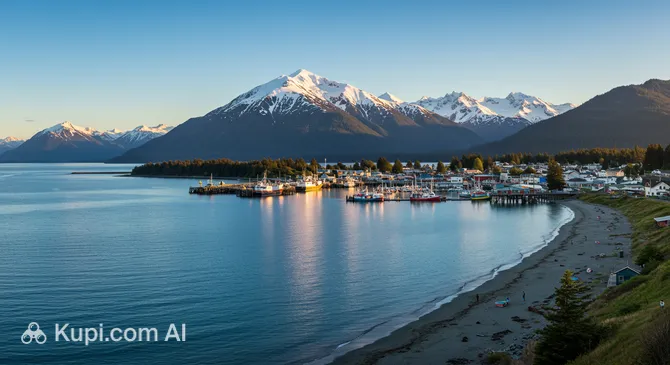
Welcome to Homer, a picturesque town located on the southwestern tip of the Kenai Peninsula in Alaska. Often referred to as the "Halibut Fishing Capital of the World," this destination offers a unique blend of outdoor adventure and artistic culture. Situated at the "End of the Road" in the United States, Homer is famous for its stunning scenery where the land meets the sea, creating an atmosphere of tranquility and wonder.

Homer. Source: Kupi.Binoculars

The city is home to a close-knit community of approximately 6,000 residents. Nestled on the northern shore of Kachemak Bay, it provides panoramic views of the Kenai Mountains and several active volcanoes across the water, such as Mount Augustine and Mount Iliamna. The maritime climate here is generally milder than in many interior parts of the state, making it a pleasant destination for exploration, especially during the summer months.

While it began as a center for coal mining and commercial fishing, the history of Homer has evolved to embrace a vibrant arts scene and eco-tourism. Today, visitors can explore numerous galleries, local museums, and cultural sites that reflect the rich heritage and creative spirit of this coastal settlement.

One of the most iconic features is the Homer Spit, a long, narrow strip of land stretching 4.5 miles into the bay. It is lined with charming shops, seafood restaurants, and a busy harbor that serves as a launchpad for world-class fishing charters and bear-viewing expeditions. Whether you are looking to catch a record-breaking fish or simply admire the breathtaking Alaskan sunsets, Homer promises an unforgettable experience for every traveler.

Weather Overview

The climate in Homer is defined by its coastal location, creating a maritime environment that is generally milder than the Alaskan interior. While the weather can be changeable, it adds to the dramatic beauty of the landscape. For a more detailed breakdown to help you prepare for your trip, you can consult the guide to the weather in Homer.

Summers are cool and pleasant, making them the ideal time for exploration. July is typically the warmest month, with average temperatures around 12.6°C and daily highs reaching 15.0°C. June and August are also comfortable, though visitors should always dress in layers as evenings can cool down to around 10°C. This season sees a moderate amount of rainfall, so carrying a waterproof jacket is recommended.

Winters bring freezing temperatures and frequent precipitation. January is usually the coldest month, with an average temperature of -4.7°C and lows dipping to -6.4°C. The region experiences a high number of wet days throughout the year, peaking in December with approximately 21 days of precipitation. Overall, you can expect cool, refreshing summers with regular showers and cold, damp winters.

Interesting Facts

Beyond the main attractions and fishing fame, Homer holds many fascinating secrets and unique cultural quirks that define its character. Here are a few intriguing details about this Alaskan town that add depth to its scenic beauty.

  • The Dollar Bill Tradition: One of the most iconic landmarks on the Spit is the Salty Dawg Saloon, instantly recognizable by its lighthouse-like tower. Inside, the walls and ceiling are completely plastered with thousands of signed dollar bills, a tradition started decades ago when a visitor tacked up a bill so a friend could buy a drink later.

  • Shaped by the Great Quake: The geography of the famous Homer Spit was dramatically altered during the Good Friday Earthquake of 1964. The land mass actually subsided approximately six feet during the tremor, significantly narrowing the spit and reshaping the coastline into what visitors see today.

  • Reality TV Stardom: The town gained international recognition as the setting for the popular series Alaska: The Last Frontier. The show documents the lives of the Kilcher family, whose homestead is located just outside Homer, showcasing the rugged subsistence lifestyle of the region.

  • Alaska's First State Park: Directly across the bay lies Kachemak Bay State Park, which holds the distinction of being the very first state park established in Alaska. It remains a true wilderness area with glaciers and mountains, accessible only by boat or bush plane, with no roads leading in or out.

How to Get There

Reaching the "Halibut Fishing Capital of the World" is an adventure in itself, offering travelers a chance to witness the stunning landscapes of the Kenai Peninsula. Whether you are driving down the scenic Sterling Highway or flying in for a quick visit, the journey is memorable. You can read more about how to get to Homer and explore the various transportation options available for your trip.

For those preferring air travel, the most convenient option is the local Homer Airport (HOM). Located directly in the city, it is just 3.2 km from the center, making the transfer very quick—typically taking approximately 5-10 minutes by taxi or shuttle to reach most accommodations. This regional hub handles a moderate number of passengers annually and connects the town with other Alaskan communities.

International travelers or those arriving from major US cities will likely land at Ted Stevens Anchorage International Airport (ANC) first. The city of Homer does not have its own major international airport, so you can fly into this large hub in Anchorage, which is approximately 189.9 km away in a straight line. The drive from Anchorage to Homer is quite scenic but long, taking approximately 5 hours by car or bus. Alternatively, you might consider the Kenai Municipal Airport (ENA) in the city of Kenai, about 104 km from Homer. A transfer from Kenai takes approximately 1.5 to 2 hours by road.

For clarity, here is a summary of the main airports serving the region:

Airport Name City Passenger Traffic Km from City
Ted Stevens Anchorage International AirportAnchorageLarge189.9
Kenai Municipal AirportKenaiMedium104.0
Homer AirportHomerMedium3.2
Iliamna AirportIliamnaSmall190.8
OuzinkieOuzinkieSmall199.9

Main Attractions

While the famous Homer Spit often steals the spotlight, the city offers a diverse array of other fascinating destinations that showcase the region's rich history, ecology, and artistic spirit. From world-class museums to accessible coastal retreats, these attractions provide a deeper understanding of life on the Kenai Peninsula.

For a comprehensive look at the local culture and natural history, the Pratt Museum is an essential stop. This award-winning facility features indoor and outdoor exhibits that cover everything from the marine ecosystem of Kachemak Bay to the stories of the region's indigenous people and early homesteaders. Visitors particularly enjoy the botanical garden and the " homestead" cabin, which offer a tangible connection to the area's past. It is an excellent place to spend an afternoon, especially if the weather turns rainy.

Nature enthusiasts should not miss the Alaska Islands and Ocean Visitor Center. Serving as the headquarters for the Alaska Maritime National Wildlife Refuge, this center offers free admission and highly interactive educational displays. It is a fantastic spot to learn about the millions of seabirds and marine mammals that inhabit the Aleutian Islands and the surrounding waters. A short, paved trail from the center leads down to Bishop's Beach, making it easy to combine learning with outdoor exploration.

Bishop's Beach offers a different coastal experience compared to the bustling Spit. Located closer to the main town center, this long stretch of sand and pebbles is a favorite among locals for walking, beachcombing, and exploring tide pools during low tide. It provides stunning views of the volcanoes across the inlet and is a peaceful place to watch the sunset or spot bald eagles perching on the nearby cliffs.

Although mentioned as a geographic marvel, Kachemak Bay State Park deserves recognition as a premier destination for active travelers. As Alaska's first state park, it is a wilderness paradise accessible by a short water taxi ride across the bay. The park is famous for the Grewingk Glacier, where hikers can traverse well-marked trails to view the massive ice field and the glacial lake dotted with icebergs. It offers a true backcountry experience just minutes from civilization.

Local Cuisine

As the "Halibut Fishing Capital of the World," it comes as no surprise that the culinary scene in Homer revolves heavily around the ocean. The seafood here is as fresh as it gets, often caught just hours before arriving on your plate. A trip to Homer is incomplete without trying the local halibut, which is served in every imaginable style. While gourmet preparations are available, the most popular way to enjoy this white, flaky fish is undoubtedly classic halibut fish and chips, featuring a crispy golden batter that perfectly complements the tender meat.

Beyond the famous flatfish, the cold, nutrient-rich waters of Kachemak Bay produce some of the finest shellfish in Alaska. Kachemak Bay oysters are a true delicacy known for their deep cups and remarkably clean, sweet flavor. Because the water is too cold for the oysters to reproduce, they spend their energy growing meat, resulting in a plump and high-quality product. Visitors can enjoy them raw on the half-shell or grilled at various seafood shacks along the coastline.

The beverage culture in Homer is equally vibrant, reflecting the town's artisanal spirit. Coffee is a local obsession, with numerous drive-through huts and cozy cafes serving strong brews to help combat the chilly maritime air. For something stronger, the local craft beer scene is thriving, with breweries offering ales inspired by local ingredients like spruce tips. Additionally, the region is known for producing unique fruit wines, utilizing Alaskan berries and rhubarb to create distinct, sweet varietals that pair well with dessert or a cheese board.

Dining in Homer is a casual and scenic affair, with the Homer Spit serving as the epicenter of food tourism. Here, you can walk along the boardwalks and choose from a variety of restaurants that offer stunning views of the bay and the mountains beyond. For a more grounded local experience, the seasonal farmers market is a hub of activity where you can taste baked goods, purchase locally grown produce, and sample prepared foods while mingling with the community.

Travel Tips

Planning a trip to the "End of the Road" requires a bit of foresight to fully enjoy the rugged beauty of the Kenai Peninsula. These practical tips will help you navigate the unique environment and local customs of this charming Alaskan town, ensuring your visit is as smooth as it is memorable.

  1. Prepare for variable weather. The climate in Homer is maritime and notoriously unpredictable. Regardless of the season, you should dress in layers: start with a moisture-wicking base, add a warm fleece, and top it off with a high-quality waterproof and windproof shell. Comfortable, water-resistant footwear is essential; you will often see locals wearing rubber boots known as "Homer Sneakers" (Xtratufs), which are perfect for the often wet and muddy conditions.

  2. Transportation options. While the town's population is small, the area is spread out, particularly the 4.5-mile stretch between the downtown area and the end of the Spit. Renting a car is highly recommended to give you the freedom to explore the Skyline Drive and nearby nature spots. Ride-sharing apps and taxis are available but can be limited. In the summer, a trolley service typically runs between the town and the Spit, offering a scenic and affordable way to commute.

  3. Managing your finances. The official currency is the US Dollar. Major credit and debit cards are widely accepted at restaurants, hotels, and tour operators. However, it is wise to carry some cash for small purchases at the farmers market, tipping deckhands on fishing charters, or buying from local artisans. Be aware that the cost of living is higher in Alaska than in the lower 48 states, so budget accordingly for food and fuel.

  4. Health and safety. Homer is generally a very safe destination, but wildlife poses a real hazard. Moose frequently wander through the city streets and neighborhoods; never approach them and always give them plenty of space, especially if they have calves. For medical emergencies, the South Peninsula Hospital provides 24-hour care. Pharmacies are available in the town center, but check their hours as they are not open overnight.

  5. Staying connected. English is the primary language spoken. Mobile network coverage is generally good within the city limits and on the Spit, with major carriers like AT&T and Verizon providing the best service. However, be prepared for signals to drop as you venture further out East End Road or across the bay. Most cafes and accommodations offer reliable Wi-Fi.

  6. Local etiquette. The community is known for being friendly, artistic, and independent. It is polite to greet people with a smile or a wave. Remember that the Homer Spit is a working harbor; while it is a major tourist attraction, it is also the workplace for commercial fishermen. Be respectful of their equipment, do not block boat ramps, and ask for permission before taking close-up photos of people working on the docks.

  7. Mind the tides. One specific thing to avoid is ignoring the tide tables. Kachemak Bay has some of the largest tidal fluctuations in the world, sometimes exceeding 25 feet. When beachcombing or walking along the base of the cliffs, always keep an eye on the water level to ensure you do not get cut off from your return path by a rapidly rising tide.

  8. Summer daylight hacks. If you visit during the peak of summer, you will experience nearly 19 hours of daylight, with a "midnight sun" twilight that never truly gets dark. While this allows for extended sightseeing, it can disrupt your sleep cycle. A practical tip is to bring a high-quality sleep mask to ensure you get a good night's rest despite the brightness.

By keeping these practical suggestions in mind, you will be well-equipped to embrace the wild spirit of this coastal gem. Whether you are navigating the bustling docks or hiking the serene trails, a little preparation ensures your Alaskan adventure is safe, comfortable, and truly unforgettable.

Entertainment & Nightlife

Nightlife in Homer is far removed from the neon lights and thumping bass of a big metropolis. Instead, the evening scene here reflects the town’s rugged, maritime soul: warm, welcoming, and centered around good conversation and live music. While you won't find sprawling nightclubs, you will discover a collection of authentic saloons, taprooms, and gathering spots where commercial fishermen rub shoulders with local artists and visiting travelers. The atmosphere is decidedly casual; leave your high heels and dress shoes at home, as jeans and "Homer Sneakers" (rubber boots) are the standard attire even for a night out.

The heartbeat of the evening entertainment is split between two main areas: the famous Homer Spit and the downtown district, particularly along Pioneer Avenue. On the Spit, the salty air and harbor views set the stage for a unique night. This area is liveliest during the summer months when the midnight sun keeps the energy high well into the early morning. In contrast, the downtown venues tend to stay active year-round, serving as the community's living room during the long, dark winter nights.

For a truly iconic experience, no visit is complete without a stop at the Salty Dawg Saloon on the Spit. Housed in a distinctive lighthouse-like structure and several historic cabins, this venue is legendary for its low ceilings and walls plastered with thousands of signed dollar bills. It is the quintessential spot to swap stories with locals and enjoy a drink in a place steeped in history. Be prepared for a crowded, boisterous atmosphere, especially when the fishing fleet is in port.

If you are looking for live entertainment, Alice's Champagne Palace in the downtown area is a historic landmark that has been serving the community since the gold rush days. Today, it operates as a vibrant restaurant and music venue, frequently hosting local bands, touring acts, and community events. It offers a spacious dance floor and a more robust food menu compared to the dive bars, making it a great option for dinner that transitions into a night of dancing.

For craft beer enthusiasts, the evening often begins at the Homer Brewing Company. While it closes earlier than the bars, it is a popular pre-game spot to sample local ales like the Red Knot Scottish or the Odyssey Oatmeal Stout. The taproom has a cozy, rustic vibe, often featuring an outdoor fire pit where visitors can mingle with locals before heading to late-night venues.

Practicality is key when planning a night out here. The distance between the end of the Spit and downtown is about 4.5 miles, which is too far to walk safely at night, especially given the lack of sidewalks in some areas and the potential for cold winds. Taxis are the primary mode of late-night transport. It is highly advisable to save the numbers of local taxi dispatch services in your phone beforehand, as ride-sharing availability can be sporadic. Prices for drinks and cover charges are generally reasonable but expect slightly higher "Alaskan" prices compared to the lower 48 states.

Safety in Homer is largely about environmental awareness. The town is generally very safe for visitors, but walking alone at night requires vigilance regarding wildlife. Moose are common in town and can be dangerous if startled in the dark. If you are partying on the Spit, be mindful of the docks and the water; the ocean is frigid, and currents are strong. Stick to well-lit areas and the boardwalks.

While the town is famous for its outdoor pursuits, daytime entertainment also offers cultural depth. Before the bars open, you can explore the art galleries along Pioneer Avenue, catch a movie at the historic Homer Theatre, or visit the Pratt Museum for a dose of local history. These venues provide a relaxed counterpoint to the lively, rough-and-tumble charm of Homer's nightlife.
Parks & Museums

Homer is widely recognized not only for its stunning coastal geography but also for its vibrant artistic community and dedication to preserving the natural environment. Beyond the bustling Spit, the city offers tranquil green spaces and a rich array of cultural venues that celebrate the creativity and resilience of its residents.

Wynn Nature Center is a premier destination for those looking to explore the region's terrestrial ecosystem. Located on the bluffs overlooking the bay, this 140-acre preserve offers a network of accessible trails that wind through a lush boreal forest. In the summer, the meadows come alive with blooming wildflowers, including monkshood and fireweed. It is an excellent spot for birdwatching and learning about local flora, with boardwalks that make the hike comfortable for visitors of all ages.

For a more recreational outdoor experience, Karen Hornaday Park serves as a beloved community hub nestled on the hillside. This expansive park features a campground, baseball fields, and a large playground, making it a favorite for families. The park also provides access to trails leading into the backcountry and offers sweeping views of Kachemak Bay, perfect for a picnic with a scenic backdrop.

The city's reputation as an arts enclave is well-supported by the Bunnell Street Arts Center. Housed in a historic building that once served as a hardware store, this dynamic venue focuses on contemporary art and community engagement. Unlike a traditional static museum, Bunnell hosts rotating exhibitions, artist residencies, and workshops, offering a space where visitors can often interact with artists and witness the creative process firsthand.

Another cultural staple is Ptarmigan Arts, located on Pioneer Avenue. As the oldest art cooperative in the area, it showcases the work of dozens of local artists. Here, you can view and purchase everything from intricate wood carvings and pottery to photography that captures the dramatic Alaskan landscape. It functions as both a gallery and a testament to the collaborative spirit of Homer's creative population.

For a truly awe-inspiring cultural experience, it is worth making the short drive out East End Road to the Norman Lowell Gallery. Situated on the grounds of the artist's homestead, this gallery houses a massive collection of large-scale paintings depicting the grandeur of Alaska. The site also includes the original log cabin home of the Lowell family, offering a glimpse into the historic homesteading lifestyle that defined the region's early years.

Insider Tip: If you enjoy quiet nature walks, seek out the Calvin & Coyle Nature Trail near the center of town. This lesser-known gem features a platform trail through wetlands and forest, providing a peaceful escape and excellent opportunities to spot moose and local birds away from the main tourist crowds.

Getting Around

Navigating Homer is relatively straightforward, but it differs significantly from the experience in large metropolitan areas. The city does not have a comprehensive public transport network like a metro, tram, or extensive city bus system. Instead, getting around relies heavily on road vehicles, seasonal shuttles, and a unique fleet of water-based transport that reflects the town's maritime character.

For many visitors, the most convenient "public" option during the summer months is the Homer Trolley. This seasonal service typically runs from late May to September, connecting the main downtown area with the bustling Homer Spit. It is a favorite among tourists as it allows you to travel between the shops on Pioneer Avenue and the harbor without needing a rental car. The trolley usually operates on a scheduled loop, making it easy to hop on and off at major hotels, campgrounds, and attractions.

When the trolley is not running, or for travel to specific addresses, taxis are the most reliable motorized option. Several local companies operate in the city, such as Kostas Taxi and Ryder Transport. Taxis are generally available year-round and can be hailed by phone. Fares are typically metered or based on zones; for example, a trip from downtown to the end of the Spit often has a set approximate price (around $15–$20). It is highly recommended to carry cash for taxi fares, as not all drivers may be equipped with card readers, though this is changing.

A crucial and distinctive part of the local transport system is the water taxi network. Since many popular hiking trails, secluded lodges, and the community of Halibut Cove are located across Kachemak Bay and are inaccessible by road, water taxis act as an essential ferry service. Operators like Mako’s Water Taxi and Coldwater Alaska run from the harbor on the Spit. You can book a scheduled drop-off and pick-up for a day hike or a one-way transfer. Reservations are recommended, especially in July and August.

Regarding modern ride-sharing apps like Uber and Lyft, travelers should be cautious. While the apps may technically function in the region, the availability of drivers is often extremely limited or non-existent. You should not rely on them as your primary mode of transport, especially for time-sensitive trips like catching a flight. Sticking to local taxi companies is a much safer bet.

For those who prefer independence, renting a car is the most practical solution for exploring the wider area, such as the Skyline Drive or East End Road. However, during the peak summer season, rental cars can sell out months in advance, so early booking is essential. Alternatively, bicycle rentals are a popular and eco-friendly way to get around, particularly on the Spit, which features a paved multi-use trail running its entire length. Fat-tire bikes are also available for riding on the beach.

If you choose to walk, be aware of the distances. While the Spit and the downtown area are both walkable individually, they are separated by about 4.5 miles (7 km). Walking between them is possible via a scenic trail, but it takes considerable time. Most visitors prefer to take a taxi or trolley between these two hubs and then explore each area on foot.

Accommodation

Finding the perfect place to stay in Homer is less about choosing between international luxury chains and more about selecting the kind of Alaskan experience you desire. The accommodation landscape here is defined by character and charm, ranging from rustic log cabins and cozy bed-and-breakfasts to standard motels and oceanfront resorts. Whether you want to wake up to the sound of waves crashing on the shore or enjoy a panoramic view of the glaciers from a quiet hillside, the city offers a variety of options to suit different tastes, though true 5-star luxury is rare.

The most popular and iconic area to stay is undoubtedly the Homer Spit. Accommodations here place you right in the heart of the action, surrounded by the harbor, fishing charters, and seafood restaurants. Staying on the Spit means you are steps away from the beach and can enjoy uninterrupted views of Kachemak Bay and the mountains. However, this area can be bustling and breezy. For a more tranquil experience, many visitors prefer the downtown area or the hillside along Skyline Drive. These locations often offer spacious B&Bs with stunning, elevated views of the volcanoes and are convenient for accessing museums, galleries, and grocery stores.

Booking Tip: Homer is a highly seasonal destination, and the best accommodations often sell out months in advance. If you plan to visit during the peak summer months of June through August, it is essential to book your room as early as possible. Late spring is the ideal time to secure your reservation to ensure you have a wide selection of choices.

Regarding costs, visitors should be prepared for "Alaskan prices." During the high season, rates typically fall into the mid-range to high category, even for relatively modest lodgings. Budget options like hostels are available but limited, while campgrounds are plentiful for those willing to brave the elements. Booking is easily done through major online platforms, but many of the smaller, family-run B&Bs and cabins may offer better rates or more personalized service if you book directly through their websites.

Nearby Cities

For those looking to explore the surroundings, Homer serves as an excellent base for day trips to several interesting nearby locations:

Located along the banks of the world-famous Kenai River, Soldotna is a paradise for outdoor enthusiasts and anglers. It is widely known for its exceptional salmon fishing and serves as a convenient gateway to the Kenai National Wildlife Refuge. Visitors can enjoy walking along the river boardwalks, exploring the local visitor center, or simply soaking in the vibrant atmosphere of this central peninsula hub.

Just a short distance away is the historic city of Kenai, situated where the river meets the Cook Inlet. This town offers a fascinating blend of Alaskan and Russian history, visible in its well-preserved Russian Orthodox churches and the charming Old Town district. The high bluffs provide spectacular views of the water, making it a perfect spot for beachcombing, birdwatching, and witnessing the famous dipnet fishing season.

Although it requires a longer drive, Anchorage is the state's cultural and urban center. As the largest city in Alaska, it offers a distinct contrast to the small-town vibe of the peninsula, featuring extensive museums, diverse dining options, and large shopping centers. It is an ideal stop for those interested in diving deeper into the state's history at the Anchorage Museum or the Alaska Native Heritage Center.

City Population Distance (km)
Anchorage 292545 197
Knik-Fairview 18282 233
Kenai 8000 102
Kodiak 6100 213
Soldotna 4500 97

These nearby destinations offer a glimpse into the diverse culture and landscapes of the region.

Shopping & Souvenirs

Shopping:

Shopping in Homer is a delightful departure from the generic mall experience found in larger cities. Instead of sprawling commercial centers and international chains, this coastal town offers a vibrant collection of locally owned boutiques, art galleries, and rustic boardwalk shops. The retail scene here mirrors the community's personality: artistic, independent, and deeply connected to the surrounding natural environment.

The most iconic shopping destination is undoubtedly the Homer Spit. During the summer season, the wooden boardwalks buzz with activity as visitors explore the small, colorful shops built on pilings along the harbor. This is the primary spot for finding classic Alaskan souvenirs, from warm hoodies and wool caps to hand-carved trinkets. It is also the ideal place to purchase the region's famous bounty; several seafood markets on the Spit specialize in packing and shipping frozen halibut, salmon, and king crab, allowing you to send a taste of the Pacific directly to your home.

For those seeking high-quality craftsmanship, the downtown area along Pioneer Avenue serves as the heart of the local arts scene. Homer is often cited as one of the best art towns in the United States, and a stroll down this street confirms why. Numerous galleries display exquisite works by local artisans, including pottery, glass art, watercolor paintings, and jewelry made from natural materials like ivory or jade. This area is also home to the well-regarded independent Homer Bookstore, which features an impressive selection of "Alaskana"—books about the history, nature, and culture of the state.

A true highlight for any visitor is the Homer Farmers Market, located on Ocean Drive. Operating on Wednesdays and Saturdays during the warmer months, it offers far more than just fresh produce. It is a showcase of local ingenuity where you can find jars of jam made from wild Alaskan berries, handmade soaps, birch syrup, and woven crafts. The market provides a lively, authentic atmosphere where you can meet the growers and makers personally, making it a perfect stop for unique, edible souvenirs.

Travelers should be aware of the seasonal nature of commerce in this region. While the galleries and stores in the downtown area generally remain open year-round, the majority of the shops on the Homer Spit are seasonal, closing their doors from late September until May. Regardless of when you visit, you will find that shopping here is less about consumption and more about discovering one-of-a-kind treasures that tell the story of this rugged, creative community.

Reached the end of the page?

That means the route is fully explored