Support

Kodiak

About

Welcome to Kodiak, a stunning destination often referred to as the "Emerald Isle" of Alaska due to its remarkably lush green landscapes. Nestled on the second-largest island in the United States, this vibrant community offers a breathtaking mix of rugged coastlines, rolling hills, and a deep connection to the sea. It serves as a major commercial fishing hub while maintaining the charm of a close-knit town.
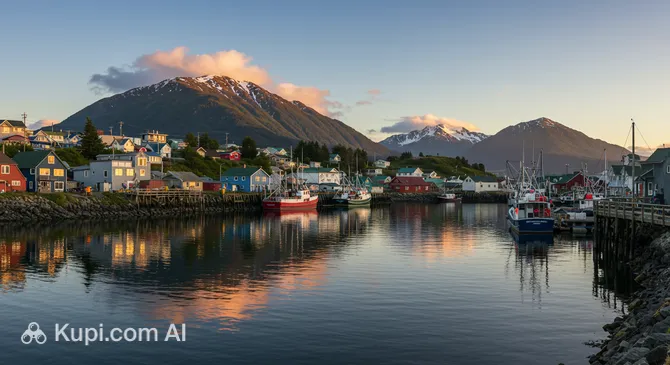
Kodiak. Source: Kupi.Binoculars

Despite its remote location in the Gulf of Alaska, the city is a bustling center with a population of approximately 6,100 residents. The maritime climate here is generally milder than in the interior of the state, contributing to the verdant vegetation that defines the island's scenery. Life in Kodiak revolves around the ocean, and the harbor is always alive with the activity of fishing vessels and ferries.

The cultural heritage of the region is as rich as its natural beauty. Visitors interested in the past can explore the fascinating history of Kodiak, which includes its significance as the former capital of Russian America. Traces of this era are still visible today, most notably in the architecture of the Holy Resurrection Cathedral, the oldest Orthodox parish in North America.

For nature enthusiasts, the city is the gateway to the Kodiak National Wildlife Refuge, home to the legendary Kodiak brown bear. Wildlife viewing is a top attraction, along with world-class fishing opportunities for salmon and halibut that draw anglers from around the globe. Whether you are hiking the scenic trails at Fort Abercrombie State Historical Park or exploring local museums, the city offers a unique blend of adventure and education.

Kodiak invites travelers to experience the untamed spirit of the North in a setting that is both wild and welcoming. It is an ideal destination for those seeking to escape the ordinary and immerse themselves in the pristine wilderness of the Last Frontier.

Weather Overview

Kodiak experiences a maritime climate that is significantly milder than much of mainland Alaska, thanks to the tempering influence of the Pacific Ocean. Temperatures remain relatively moderate throughout the year, avoiding the extreme fluctuations often associated with the region.

The summer season offers the most comfortable conditions for exploration. July and August are typically the warmest months, with average temperatures around 12.8°C and daily highs reaching approximately 15.3°C. In contrast, winters are cool but not severely harsh, with January averages sitting at -1.6°C and minimum temperatures generally staying above -3.5°C.

Precipitation is a constant feature of the local climate, so packing waterproof gear is essential. The number of wet days is consistent year-round, ranging from 13 to 20 days per month, with May often seeing the highest frequency. For a more detailed breakdown to help you pack, you can check the weather in Kodiak before your trip. Generally, expect cool, moderate temperatures and a high likelihood of rain or snow depending on the season.

Interesting Facts

Beyond the main attractions, Kodiak holds many fascinating secrets that often surprise even the most seasoned travelers. From its role in space exploration to its dramatic geological history, this island community offers much more than just fishing and scenic views.

  • Gateway to the Stars: It might come as a surprise, but the island is home to the Pacific Spaceport Complex – Alaska. This commercial launch facility sends satellites into polar orbit, making Kodiak one of the few places in the world where you can witness high-tech rocket launches against a backdrop of rugged, pristine wilderness.

  • Buried in Ash: The city has a resilient history tied to the 1912 eruption of Novarupta, the largest volcanic eruption of the 20th century. The explosion was so massive that it buried Kodiak under nearly two feet of ash, turning day into pitch-black night for almost three days and permanently altering the local landscape.

  • A Green Energy Leader: Kodiak is a global pioneer in renewable energy. The community generates nearly 99% of its electricity through a combination of wind turbines on Pillar Mountain and hydroelectric power, setting an impressive example of sustainability for remote locations worldwide.

  • Genetic Isolation: The famous Kodiak brown bears are not just large; they are a genetically distinct subspecies. Having been isolated on the archipelago for approximately 12,000 years since the last Ice Age, they have evolved independently from mainland grizzlies, contributing to their status as some of the largest bears on Earth.

How to Get There

Reaching this island destination is an adventure in itself, as the "Emerald Isle" is accessible primarily by air and sea. Since there are no bridges or roads connecting it to the mainland, travelers typically fly in from Anchorage or take the state ferry. You can find more details about all ways to reach the city to plan your journey effectively.

The most convenient and common way to arrive is via the Kodiak Benny Benson State Airport (IATA: ADQ). Located just 6.8 km from the city center, this is the main gateway for visitors and a vital lifeline for the local community. It handles a significant volume of annual passengers, linking the island to major hubs. The trip from the airport to downtown Kodiak typically takes about 30 minutes by taxi or shuttle.

Another option in the immediate vicinity is the Ouzinkie airport (IATA: KOZ), situated in the city of Ouzinkie roughly 16 km from Kodiak. While geographically close, it serves a smaller community on a neighboring island and is generally used for local travel. For those exploring the wider region, the Homer Airport (IATA: HOM) in Homer is another key transport hub. However, it is located approximately 213.8 km away across the water, so reaching Kodiak from there requires a connecting flight or a ferry ride.

For clarity, here is a summary of the main airports:

Airport Name City Passenger Traffic Km from City
Kodiak Benny Benson State AirportKodiakMedium6.8
King Salmon AirportKing SalmonSmall268.0
Homer AirportHomerSmall213.8
Iliamna AirportIliamnaSmall262.2
OuzinkieOuzinkieSmall16.0

The city of Kodiak does not have a railway station, as the rugged island terrain and separation from the mainland make rail transport impractical. There are no trains connecting to the island. Visitors preferring scenic surface travel often utilize the Alaska Marine Highway System ferries, which transport passengers and vehicles from mainland ports like Homer or Whittier, offering a beautiful voyage across the Gulf of Alaska.

Main Attractions

Kodiak offers a unique blend of rugged wilderness and deep-rooted history, with attractions that reflect its status as a maritime hub and a former colonial capital. From World War II fortifications to ancient cultural artifacts, the city provides visitors with a variety of fascinating sites to explore.

One of the most popular destinations is Fort Abercrombie State Historical Park. Located on the rocky cliffs of Miller Point, this park preserves the moss-covered concrete bunkers and gun emplacements built during World War II to defend the coast. Beyond its military significance, the park is a nature lover's paradise, offering winding hiking trails through spruce forests and dramatic viewpoints over Monashka Bay, where whales can often be spotted in the summer.

For a look into the island's storied past, the Kodiak History Museum is an essential stop. It is housed in the Erskine House, which holds the distinction of being the oldest standing building in Alaska, originally constructed by the Russians in 1808 as a warehouse for sea otter pelts. Inside, visitors can browse exhibits that chronicle the convergence of Alutiiq, Russian, and American cultures, along with the development of the local fishing industry.

Since the vast wilderness of the island can be difficult to access, the Kodiak National Wildlife Refuge Visitor Center brings the outdoors into the heart of the city. This facility is perfect for families and nature enthusiasts, featuring interactive exhibits, a complete whale skeleton, and detailed information about the famous Kodiak brown bears. It serves as an excellent educational introduction to the diverse ecosystem that thrives on the archipelago.

A striking landmark in the city center is the Holy Resurrection Cathedral. With its distinctive blue onion domes, it stands as a testament to the island's Russian Orthodox heritage. Founded in 1794, it is the oldest Orthodox parish in North America. The current structure houses the relics of Saint Herman, the patron saint of Alaska, making it a significant spiritual and architectural site for visitors.

Local Cuisine

The culinary landscape of Kodiak is defined almost entirely by the surrounding ocean. As one of the busiest fishing ports in the United States, the city offers a "boat-to-table" dining experience that is hard to rival. Seafood here is not just a menu item; it is a way of life. Visitors can expect portions to be generous and the ingredients to be incredibly fresh, often caught just hours before arriving on the plate.

When it comes to must-try dishes, locally caught halibut reigns supreme. It is frequently served as the centerpiece of golden, beer-battered fish and chips, a staple comfort food in the city that sets a high bar for this classic dish. Another highlight is the wild Alaska salmon, which is prepared in countless ways—from alder-smoked fillets to rich, creamy chowders perfect for warming up on a rainy day. For a true delicacy, travelers should look for Kodiak weathervane scallops or, when in season, the famous King Crab, known for its massive size and sweet, tender meat.

To wash down a hearty meal, locals often turn to the island's craft beer scene. The local brewery serves as a popular community hub, pouring pints named after local lore and landscapes, such as "Liquid Sunshine," a playful nod to the island's rainy reputation. For non-alcoholic options, coffee is an essential part of daily life here. Numerous drive-through huts and cozy cafes dot the town, keeping residents and visitors fueled and warm against the misty maritime weather.

The dining atmosphere in Kodiak is refreshingly unpretentious and casual. You won't find many formal, white-tablecloth establishments; instead, the best food is often found in harbor-side diners where fishermen gather after a long haul, or at seasonal food trucks that pop up during the summer months. The community also boasts a significant multicultural influence, particularly from its large Filipino population, which adds a unique and delicious layer of flavor to the local food scene alongside traditional Alaskan fare.

Travel Tips

Visiting Kodiak is an unforgettable adventure, but the island's remote location and rugged environment require a bit of extra planning to ensure a smooth trip. Here are some practical tips to help you navigate the "Emerald Isle" comfortably and safely, allowing you to focus on the stunning scenery rather than logistical hiccups.

  1. Clothing and Gear: The weather in Kodiak can change rapidly, often shifting from sunshine to rain within the hour. The key to comfort is layering. Bring a moisture-wicking base layer, a warm insulating layer (fleece or wool), and a high-quality, waterproof outer shell. Sturdy, waterproof hiking boots are essential if you plan to hit the trails. Since the island is casual, practical outdoor gear is acceptable almost everywhere, including restaurants.
  2. Transportation: While the downtown area is walkable, exploring the island's scenic road system requires a vehicle. Renting a car is highly recommended and should be booked well in advance, especially during the summer season. There is a limited local bus service and taxi companies operate in the city, but ride-hailing apps like Uber or Lyft are generally not available or reliable here.
  3. Finances: The local currency is the US Dollar (USD). Credit and debit cards are widely accepted at hotels, restaurants, and larger stores in the city. However, it is wise to carry some cash for small purchases, local craft markets, or tips. ATMs are available in town, but they become scarce once you leave the city limits. Tipping follows standard American customs, with 15-20% being the norm for service staff.
  4. Health and Safety: Kodiak is bear country. When hiking or exploring remote areas, carrying bear spray is not just a suggestion; it is a necessity. Make noise while walking to avoid startling wildlife. In terms of medical care, the Providence Kodiak Island Medical Center provides emergency services, and there are pharmacies in town, though they do not operate 24/7.
  5. Communication: English is the primary language spoken. Cell phone coverage is generally good within the city of Kodiak but can be spotty or non-existent as you drive further out on the road system or hike into valleys. It is a good idea to download offline maps or carry a physical map before heading out on long drives. Wi-Fi is standard in most hotels and cafes.
  6. Local Etiquette: The community is tight-knit and friendly. It is common to wave at passing drivers on back roads. When exploring, strictly respect private property and Native corporation lands; always check if a permit is required for hiking or fishing on non-public land. "Leave No Trace" principles are taken very seriously here to protect the pristine environment.
  7. What to Avoid: Never attempt to get close to wildlife for a photo, especially the famous Kodiak brown bears or bison. Use a telephoto lens instead. Also, avoid underestimating the tides; if you are beachcombing, keep an eye on the water level so you don't get cut off from the trail.
  8. Additional Tip: Be prepared for "island time" dictated by the weather. Flights and ferries can be delayed or cancelled due to fog or high winds. Always build a little buffer time into your travel itinerary and maintain a flexible attitude—it’s part of the authentic Alaskan experience.

By packing the right gear and respecting the power of nature, you will be perfectly equipped to enjoy everything this magnificent island has to offer. Embrace the wild beauty, stay safe, and enjoy the warm hospitality of the Kodiak community!

Entertainment & Nightlife

Nightlife in Kodiak is warm, welcoming, and surprisingly spirited for a remote island community. While you won't find high-end nightclubs or sprawling entertainment complexes here, the city offers a genuine and lively "fisherman's culture" scene. The evening entertainment revolves almost exclusively around casual pubs, dive bars, and the local brewery, where the atmosphere is defined by camaraderie, storytelling, and live music rather than dress codes and VIP tables.

The heartbeat of the nightlife is concentrated in the downtown area, particularly along the streets near the boat harbor like Marine Way and the Mall. This proximity to the water means that many venues cater to the fishing fleet, creating a rustic and authentic vibe. It is easy to "bar hop" on foot in this district, as the most popular spots are located within a few blocks of each other. The crowd is a mix of commercial fishermen, Coast Guard personnel, and locals, making it easy for visitors to strike up a conversation and hear fascinating tales of life at sea.

For a true taste of local history, you must visit the B&B Bar. Often cited as the oldest licensed bar in Alaska, this establishment is a classic dive bar in the best sense of the term. It is famous for its "cash only" policy and its ceiling covered in signed dollar bills. Just down the street, Tony's Bar offers a slightly more energetic setting. As the oldest continuously operating beer bar in town, it is a go-to spot for locals to play pool, throw darts, and enjoy live music on weekends. If you prefer craft beer over cocktails, the Kodiak Island Brewing Company is an essential stop. While it closes earlier than the bars, its taproom is the perfect place to start your evening with a pint of locally brewed "Liquid Sunshine" or a dark porter.

Practicality is key when enjoying a night out here. The dress code is universally casual; jeans, flannel shirts, and boots are the standard uniform, even on a Friday night. Most bars stay open until around 2:00 AM on weekends. In terms of payment, while many places accept cards, carrying cash is highly recommended, especially for smaller venues like the B&B Bar or for tipping. Getting around is straightforward but requires planning: ride-sharing apps like Uber or Lyft are generally not available. Instead, rely on local taxi services, which are reliable and familiar with all the hotspots. It is wise to save a taxi number in your phone before heading out.

Safety in Kodiak is generally not a major concern, as the town is small and the community is tight-knit. However, the harbor area is an industrial zone. If you are walking near the docks at night, stay alert for moving equipment and be mindful of the cold water and slippery surfaces. Stick to the well-lit streets of downtown when walking between venues.

During the daylight hours, the entertainment focus shifts to culture and nature. The Alutiiq Museum is a cultural gem, preserving the heritage of the Alutiiq people with impressive archaeological collections (check current opening status as it sometimes undergoes renovations). For a mix of history and fresh air, a trip to Fort Abercrombie State Historical Park offers not just World War II bunkers but also some of the most scenic coastal cliffs on the island, perfect for a daytime picnic before the evening festivities begin.

Parks & Museums

Kodiak is a destination where rugged wilderness and deep-rooted history are inextricably linked. The city offers an impressive array of green spaces that showcase the island's famous "Emerald Isle" scenery, alongside cultural institutions that preserve thousands of years of indigenous heritage and colonial history. Whether you are looking to hike through mossy spruce forests or explore ancient artifacts, the city provides ample opportunities to connect with both the land and its people.

Fort Abercrombie State Historical Park is undoubtedly the crown jewel of Kodiak's park system. While often visited for its World War II bunkers, the park is equally celebrated for its intricate network of hiking trails that wind through lush Sitka spruce rain forests and along dramatic cliff edges. It is a fantastic spot for birdwatching, picnicking, and exploring tide pools. In the summer, the coastal overlooks provide some of the best land-based whale watching opportunities on the island, making it a favorite retreat for both locals and visitors seeking tranquility close to town.

For those looking to explore beyond the main roads, North End Park on Near Island offers a pristine natural escape just a short drive or walk across the bridge from downtown. This area features well-maintained trails that meander through dense forests and open up to stunning views of the channel and the city skyline. It is an excellent location for a quiet morning hike, offering access to rocky beaches where you can observe marine life in the intertidal zones during low tide.

To truly understand the region's origins, a visit to the Alutiiq Museum is essential. This facility is dedicated to preserving the heritage of the Alutiiq people, who have inhabited the archipelago for over 7,500 years. The galleries display a remarkable collection of archaeological finds, including intricate grass weavings, kayak models, and ceremonial masks. It serves as a vital cultural center, offering workshops and educational programs that keep the indigenous language and traditions alive.

The Kodiak History Museum offers a different perspective, housed within the historic Erskine House, a National Historic Landmark. As one of the few remaining structures from the Russian colonial era, the building itself is a primary exhibit. Inside, visitors can trace the island's transformation from a Russian fur-trading capital to a modern American fishing hub. The exhibits highlight the convergence of cultures and the resilience of the community through events like the 1964 earthquake and tsunami.

Among the city's most significant architectural landmarks is the Holy Resurrection Cathedral. With its iconic blue onion domes, it dominates the downtown skyline and serves as a spiritual anchor for the local Orthodox community. The cathedral houses the relics of Saint Herman of Alaska, drawing pilgrims from around the world. Its interior is adorned with beautiful iconography and oil lamps, offering a serene glimpse into the Russian Orthodox faith that remains influential in the region.

For a unique cultural experience, look for the Kodiak Maritime Museum, which operates as a "museum without walls." Instead of a single building, it features interpretive panels and exhibits located along the downtown harbor walk. This open-air approach allows you to learn about the commercial fishing industry while watching the actual fleet at work, bridging the gap between history and modern daily life.

An authentic insider tip for nature lovers is to venture out to Pasagshak Point if you have a vehicle. While a bit of a drive from the city center, the area is famous for "Fossil Beach," where patient beachcombers can sometimes find ancient fossils washed up by the tide. It is a rugged, windswept stretch of coastline that offers a profound sense of solitude and raw beauty, far removed from the more frequented tourist paths.

Getting Around

Navigating Kodiak is a straightforward experience, though it differs significantly from the complex transit networks found in major metropolitan areas. The city does not have a subway, tram, or train system. Instead, public transportation relies entirely on road-based vehicles, primarily buses and taxis, which are well-suited to the island's rugged and scenic environment. For most visitors, getting around involves a mix of walking in the compact downtown area and using motorized transport to reach further attractions.

The primary public transport provider is the Kodiak Area Transit System (KATS). This service operates as a combination of fixed-route buses and a "dial-a-ride" demand-response service. The buses are typically small shuttles or minibuses rather than large city coaches. The fixed route generally connects key locations such as Monashka Bay, the downtown ferry terminal area, and the Coast Guard Base. While the system is open to the general public, it is often utilized by seniors and locals for daily errands, so the schedule is designed around business hours rather than late-night tourism.

The payment system for the bus is simple and traditional. The fare is approximately $2.00 per ride. You must pay with cash directly to the driver upon boarding. It is crucial to have the exact change ready, as drivers typically do not carry change. There are no complex travel cards or mobile ticketing apps for the bus system; it operates on a "pay-as-you-go" basis. For long-term stays, passes may be purchased at specific local offices like the Senior Citizens of Kodiak, but for a short tourist visit, cash is the most practical option.

For tourists relying on the bus, planning ahead is essential. The KATS service operates primarily Monday through Friday, from early morning until roughly 6:30 PM, with significantly reduced hours on weekends (typically 10:00 AM to 3:00 PM). If you wish to use the "dial-a-ride" door-to-door service to reach a specific trailhead or attraction off the main route, you generally need to call and book your ride 24 hours in advance. Do not expect to find buses running late into the evening; if you are out for dinner, you will need an alternative way back to your accommodation.

Taxis are the most reliable alternative for on-demand transport. Several local companies, such as A&B Taxi and Kodiak City Cab, operate within the city. Unlike in big cities where you can flag a cab on the street, in Kodiak, you should call the dispatcher to request a pickup. While some drivers may accept credit cards, it is highly advisable to carry cash, as card machines can be unreliable due to connectivity issues. Ride-sharing apps like Uber and Lyft are technically present in the region, but availability is often very low or non-existent. It is safer not to rely on them as your primary mode of travel.

For those who prefer more freedom, renting a car is widely considered the best way to explore the island. Agencies like Avis and Budget have counters at the airport. Having your own vehicle allows you to access remote hiking trails and scenic viewpoints along the Chiniak Highway that are not served by public transit. Alternatively, for a more active approach, you can rent bicycles from local shops like "58 Degrees North" on Mill Bay Road. The downtown area is very walkable and bike-friendly, offering a pleasant way to see the harbor and nearby museums at your own pace.

Finally, while not utilized for inner-city transit, the Alaska Marine Highway ferry terminal is located right in the heart of downtown. It serves as a major transportation hub for those arriving or departing by sea. If you are arriving by ferry, you will find yourself immediately within walking distance of many hotels and shops, making the initial arrival very convenient without the immediate need for a taxi.

Accommodation

Finding the perfect place to stay in Kodiak is less about sifting through endless luxury resorts and more about choosing the right basecamp for your adventures. The accommodation landscape here is practical and cozy, reflecting the island's working maritime character. Visitors can expect a range of options including reliable mid-range hotels, rustic motels, charming bed and breakfasts, and remote wilderness lodges designed for immersive nature experiences.

For most travelers, staying in the Downtown area is the most convenient option. Being close to the boat harbor places you within walking distance of key attractions like the museums, the crab festival grounds, and various restaurants. This is particularly advantageous for those who prefer not to rent a car, as many of the town's amenities are concentrated in this compact district. Hotels here often offer views of the busy waterfront, allowing you to watch fishing vessels come and go right from your window.

A unique feature of lodging in this region is the abundance of Wilderness Lodges. These are often located far from the city center, accessible only by floatplane or boat. They cater specifically to anglers and wildlife enthusiasts, offering all-inclusive packages that combine comfortable, often upscale, cabin accommodation with guided fishing or bear-viewing excursions. While significantly more expensive, they provide an unparalleled opportunity to experience the solitude of the Alaskan wild in comfort.

Bed and breakfasts (B&Bs) are also a popular choice throughout the island. These establishments offer a more personal touch, often hosted by locals who are eager to share insider tips about the best hiking trails or hidden beaches. They range from simple rooms in family homes to separate guest cottages, providing a "home away from home" atmosphere that hotels sometimes lack.

Booking Tip: Kodiak is a seasonal destination, and availability tightens drastically during the summer months, especially in July and August when the salmon runs are at their peak. It is highly recommended to book your accommodation at least three to six months in advance. During the off-season, options are more plentiful, but some remote lodges may close for the winter.

regarding costs, travelers should be prepared for Alaskan prices. Budget options are relatively scarce, and standard hotel rates are generally higher than the national average, often falling into the mid-to-high price range. Most properties can be booked via major online platforms, but many smaller B&Bs and lodges prefer or require direct booking through their websites or by phone. Always check if your chosen accommodation offers shuttle service from the airport or ferry terminal, as this can save you a taxi fare upon arrival.

Nearby Cities

For those looking to explore the surroundings, Kodiak serves as an excellent base for day trips to several interesting nearby locations. While the island geography often requires travel by air or ferry, the connections to neighboring communities offer unique opportunities to experience different facets of Alaskan life.

One of the most popular destinations in the wider region is Homer, located across the water on the Kenai Peninsula. Known as the "Halibut Fishing Capital of the World," it is famous for the Homer Spit, a long strip of land jutting into Kachemak Bay lined with shops, galleries, and seafood restaurants. Visitors are drawn to its vibrant arts community and the stunning views of glaciers and volcanoes across the bay.

For wildlife enthusiasts, King Salmon is a significant hub. Although small in population, it serves as the primary gateway to Katmai National Park and Preserve. This area is world-renowned for Brooks Falls, where travelers can witness brown bears catching salmon mid-air during the summer runs. It offers an unforgettable wilderness experience that complements the nature viewing available on Kodiak.

City Population Distance (km)
Homer6000213
Ninilchik800254
Naknek600289
King Salmon374269
Nanwalek300177

These nearby destinations offer a glimpse into the diverse culture and landscapes of the region, ranging from artistic seaside towns to premier wildlife sanctuaries.

Shopping & Souvenirs

Shopping in Kodiak offers a distinctively authentic Alaskan experience, far removed from the hustle of massive commercial centers. Instead of high-end fashion boulevards, visitors will find a charming selection of locally owned boutiques, art galleries, and outfitters that reflect the island's maritime heritage and rugged lifestyle. The retail scene here is practical yet inviting, focusing on high-quality outdoor gear, handcrafted goods, and delicious local food products that make for perfect gifts.

The primary shopping destination is the Downtown area, particularly clustered around the boat harbor. A stroll along Marine Way and the adjacent streets reveals a variety of unique shops nestled between cafes and historical buildings. This walkable district allows you to browse for books, jewelry, and clothing while enjoying views of the fishing fleet. It is the heartbeat of the community, where locals and visitors mingle, and you can find everything from heavy-duty rain gear essential for the climate to delicate works of art.

Travelers expecting sprawling shopping complexes will find that Kodiak does not feature large, multi-story malls. The retail landscape is dominated by standalone stores and small strip centers. While there are a few larger chain stores for general necessities on the outskirts, the charm of shopping here lies in the smaller, independent establishments. These shops often carry curated collections of goods that you won't find on the mainland, offering a more personalized service.

For a taste of local life, the seasonal markets are a highlight. During the summer months, the Kodiak Island Farmers Market is a popular gathering spot, typically held on Saturdays at the local fairgrounds. Here, you can find fresh local produce, homemade jams made from native berries like salmonberry and blueberry, and baked goods. It is also a great place to meet local artisans selling handmade crafts, photography, and knitted items, providing a direct connection to the island's creative community.

When searching for the perfect souvenir, Kodiak offers several signature items. Due to the city's rich history as a former Russian capital, Russian nesting dolls (matryoshka) and other Slavic handicrafts are popular and unique keepsakes. Authentic Native Alutiiq art, such as intricate jewelry or carvings, is highly prized and supports indigenous artists. Additionally, no trip is complete without bringing back a taste of the ocean; vacuum-packed smoked salmon or halibut is a traveler favorite that can be easily transported home.

Store opening hours in Kodiak generally follow standard business schedules, with most shops opening around 10:00 AM and closing by 6:00 PM. However, hours can vary by season, with extended operations during the busy summer tourist months and reduced hours in winter. Some smaller boutiques may be closed on Sundays. As for payment, major credit and debit cards are widely accepted throughout the city, though carrying some cash is advisable for small purchases at farmers markets or pop-up stalls.

Regarding taxes, visitors should be aware that while the state of Alaska does not have a statewide sales tax, the City of Kodiak imposes a local sales tax (typically around 7%) on goods and services. There is generally no tax-free refund system for international tourists in the United States similar to the VAT refunds found in Europe, so the price you pay at the register is final.

Reached the end of the page?

That means the route is fully explored