Support

Ouzinkie

About

Nestled on the southwestern shores of Spruce Island, Ouzinkie is a captivating destination that offers a unique window into the soul of Alaska. This small, tightly-knit community is defined by its stunning natural surroundings, where dense forests meet the pristine waters of the North Pacific. As a part of the United States, it stands out for its serene atmosphere and deep cultural heritage, far removed from the bustle of modern city life.

Geographically, the village is characterized by its lush landscape of Sitka spruce trees, from which the island takes its name. With a population of approximately 160 residents, Ouzinkie maintains a quiet, intimate charm. The local climate is maritime, bringing cool summers and relatively mild winters compared to the interior, often creating a misty, ethereal environment that is perfect for nature lovers and photographers.
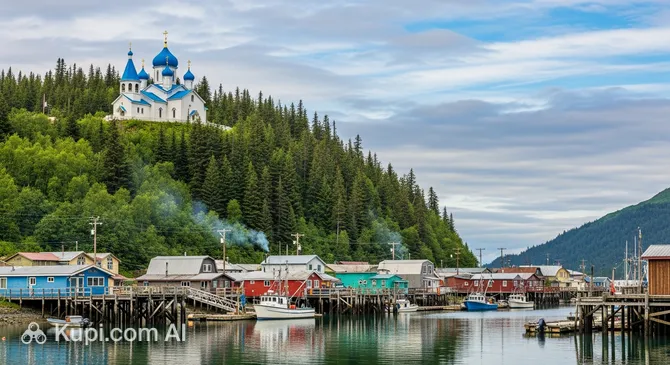
Ouzinkie. Source: Kupi.Binoculars

The cultural fabric of the town is a fascinating blend of Native Alutiiq traditions and Russian influence. Visitors interested in the region's past can explore the history of Ouzinkie, which is closely linked to the legacy of Saint Herman of Alaska, a Russian Orthodox monk who lived nearby. The Nativity of Our Lord Church, with its iconic onion domes, stands as a visual testament to this spiritual heritage and remains a central landmark for the community.

For travelers seeking adventure and tranquility, Ouzinkie offers remarkable opportunities. Monk's Lagoon is a significant site for pilgrims and hikers alike, offering a peaceful retreat amidst nature. The surrounding waters are teeming with wildlife; it is not uncommon to spot sea otters, whales, and eagles while exploring the coastline. Whether you are looking to fish in rich waters or simply soak in the silence of the ancient forest, Ouzinkie invites you to experience a truly authentic Alaskan journey.

Weather Overview

The climate in Ouzinkie is distinctly maritime, characterized by cool summers and relatively mild winters for its latitude. Due to its coastal location, the weather is often moderated by the ocean, preventing the extreme temperature drops found in the Alaskan interior. Expect cool, breezy summers with frequent cloud cover and cold winters where temperatures hover just below freezing.

During the warmest months of July and August, the average temperature reaches approximately 13.1°C, offering comfortable conditions for exploring the outdoors. In contrast, the coldest month is typically January, with average temperatures dropping to around -1.6°C and lows reaching -3.6°C. Regardless of when you visit, layering is key to staying comfortable in the changing conditions.

Precipitation is a common occurrence throughout the year, so packing waterproof gear is highly recommended. May tends to be the most frequent month for precipitation with up to 20 wet days, while even drier months like March still experience about 13 days of rain or snow. For more detailed information to help plan your packing list, you can view the specific forecast for the weather in Ouzinkie.

Interesting Facts

Beyond its tranquil harbor and lush spruce forests, Ouzinkie holds a history deeply rooted in spiritual legacy and resilience. This small community on Spruce Island offers more than meets the eye, with stories ranging from Russian saints to dramatic geological events.
  • A Name Defined by Geography: The name "Ouzinkie" is derived from the Russian word uzinkii, which translates to "narrow." This aptly describes the slender Ouzinkie Narrows, the strait that separates Spruce Island from neighboring Kodiak Island, which has served as a vital waterway for the local Alutiiq people for generations.

  • Home of a Saint: The village is intimately connected to Saint Herman of Alaska, the first canonized Orthodox saint in North America. He lived as a hermit nearby at Monk's Lagoon in the early 19th century, running an orphanage and caring for the local population. Today, an annual pilgrimage in August draws visitors to his sacred sites, which are considered the spiritual heart of the region.

  • The Day the Land Sank: The Great Alaskan Earthquake of 1964 devastated the community, not just by shaking the ground, but by permanently altering the landscape. The massive tsunami swept away the Ouzinkie Packing Company cannery, the town's economic hub, and caused the land to subside by approximately six feet, forcing residents to rebuild their lives on higher ground.

  • A Unique Origin Story: Unlike many Alaskan settlements founded strictly for fur trading or fishing, Ouzinkie was established in the early 1800s by the Russian-American Company as a retirement community. It was created specifically for employees, often of mixed Russian and Native heritage, who wished to stay in the region after their service concluded.

How to Get There

Reaching the remote village of Ouzinkie is part of the Alaskan adventure, often involving a combination of air and water travel. Since the community is located on Spruce Island, there are no roads connecting it to the mainland, making logistics an important part of your trip planning. You can read more about how to get to Ouzinkie to prepare for your journey.

The most significant transport hub for the region is Kodiak Benny Benson State Airport (IATA: ADQ), located in the city of Kodiak. It is situated approximately 19.3 km from Ouzinkie, but since the two are separated by water, the distance represents a short flight or boat ride rather than a drive. This airport serves as the primary gateway, handling a moderate volume of passenger traffic and connecting travelers to larger cities like Anchorage. From Kodiak, visitors must arrange a transfer via air taxi or ferry to reach Spruce Island.

For those flying directly into the village, Ouzinkie Airport (IATA: KOZ) is the local landing point. Located just 0.4 km from the center of the settlement, this small facility is vital for the community, accommodating smaller aircraft and air taxis that provide the final leg of the journey from Kodiak. While it handles a smaller number of passengers annually, it offers the most direct access to the heart of the village.

For clarity, here is a summary of the main airports in the vicinity:

Airport Name City Passenger Traffic Km from City
Kodiak Benny Benson State Airport Kodiak Medium 19.3
King Salmon Airport King Salmon Small 257.2
Homer Airport Homer Small 201.0
Iliamna Airport Iliamna Small 246.7
Ouzinkie Ouzinkie Small 0.4

Ouzinkie does not have a railway station, and there is no rail service on Spruce Island or the neighboring Kodiak Island. Travelers should rely on regional flights and the Alaska Marine Highway System ferries to navigate the area.

Main Attractions

While Ouzinkie is a small and quiet village, its attractions are deeply rooted in its spectacular natural setting and profound historical legacy. Visitors here will not find commercial tourist traps; instead, the highlights are the serene landscapes, spiritual sites, and the authentic rhythm of a traditional Alaskan community. Below are the key places that define the visitor experience on Spruce Island.

The most iconic landmark in the village is the Nativity of Our Lord Church. Perched on a hill overlooking the water, this Russian Orthodox church is a stunning example of the architecture that characterizes much of the region's history. Its white structure and distinctive blue onion domes stand out against the backdrop of green spruce trees and gray skies. For tourists, it is not just a photo opportunity but a place to understand the enduring cultural and spiritual heritage that has bound the community together for generations.

A short boat ride or hike from the main settlement leads to Monk's Lagoon, a site of international spiritual significance. This was the hermitage of Saint Herman of Alaska, who lived here in the early 19th century. Today, it is a peaceful pilgrimage destination where visitors can walk through an ancient, moss-covered forest to find a small chapel and a holy spring. Even for those who are not religious, the lagoon offers a sense of tranquility and a unique connection to the history of Russian America that is difficult to find elsewhere.

The Ouzinkie Harbor serves as the bustling heart of the village and a prime spot for observing local life. Walking along the docks offers an intimate look at the fishing culture that sustains the economy. It is also one of the best accessible locations for wildlife viewing; curious sea otters, harbor seals, and bald eagles are frequently spotted right from the pier. The views across the Ouzinkie Narrows toward Kodiak Island provide a breathtaking panorama, especially during sunrise or sunset.

For those looking to immerse themselves in the wilderness, the Spruce Island Trails offer a chance to explore the dense rainforest that gives the island its name. The trails wind through towering Sitka spruce trees and lush ferns, leading hikers to secluded beaches and scenic overlooks. Exploring these paths allows tourists to experience the raw, untouched beauty of the Kodiak Archipelago, offering solitude and the chance to forage for berries during the summer months.

Local Cuisine

The culinary experience in Ouzinkie is defined not by commercial restaurants, but by the rhythms of nature and a deep-rooted subsistence lifestyle. In this small Alutiiq community, the ocean and the forest serve as the primary grocery stores. The local diet is rich in wild-caught seafood and game, offering visitors a taste of authentic Alaskan ingredients that are fresher than anything found in a city. Food here is prepared with care, often using traditional methods passed down through generations of Alutiiq and Russian ancestry.

The undisputed star of the local table is seafood, harvested directly from the surrounding waters of the Kodiak Archipelago. Salmon is a staple, prepared in numerous ways: smoked, dried, baked, or jarred for the winter. Halibut is another favorite, often served fried in golden batter or baked with lemon and herbs. A signature dish you might encounter is Perok (or Pirok), a savory fish pie that reflects the village's Russian heritage. It typically consists of layers of salmon or halibut, rice, and vegetables like onions and rutabagas, all encased in a flaky pastry crust. It is a hearty, comforting meal perfect for the cool maritime climate.

Beyond seafood, the land provides an abundance of seasonal treats. During the summer, the island is dotted with berries, including salmonberries, blueberries, and elderberries. These are gathered by families to make jams, jellies, and desserts. A traditional treat worth asking about is Agutak (often called "Eskimo ice cream"), which in this region is a mixture of berries, sugar, and fats (traditionally seal oil or animal fat, though modern versions often use shortening or vegetable oil). Additionally, the community has made strides in local agriculture with Spruce Island Farms, a local initiative growing fresh vegetables like kale and lettuce in high tunnels, adding a crisp, green element to the traditional diet.

Travelers should be aware that Ouzinkie does not have standard commercial restaurants or cafes. The dining scene is centered around lodges and guest accommodations where meals are often included and prepared home-style. If you are fortunate enough to visit during a community celebration or a church holiday, you might experience a "potlatch" style gathering at the community hall. Here, the spirit of sharing is paramount, and tables are laden with smoked fish, crab, venison stews, and fried bread (alagan), offering a true immersion into the village's warm hospitality.

Regarding beverages, the culture is simple and warming. Tea holds a special place in the daily routine, a lingering custom from the Russian era, often served strong and hot to ward off the chill. Coffee is also a staple in every home and lodge. Alcohol is not sold in stores within the village, as Ouzinkie is a "damp" community where possession is allowed but the sale is restricted; visitors typically enjoy a hot cup of coffee or tea while gazing out at the Narrows.

Travel Tips

Visiting Ouzinkie offers a rare glimpse into a quieter, more authentic side of Alaska, but its remote location on Spruce Island requires careful preparation to ensure a smooth trip. To help you make the most of your stay in this tight-knit community, here are some practical tips covering everything from packing essentials to local customs.

  1. Clothing and Gear: The maritime climate means weather can change rapidly, so packing waterproof layers is non-negotiable. Bring a high-quality rain jacket, rain pants, and sturdy, water-resistant hiking boots or rubber boots (often called "Alaska sneakers" by locals). Since evenings can be chilly even in summer, pack warm fleece or wool layers. If you plan to visit the Russian Orthodox church, dress modestly; it is respectful for women to wear a headscarf and for all visitors to avoid shorts.

  2. Transportation: Once you arrive in Ouzinkie, the village itself is small and easily navigable on foot. There is no public transport like buses or metros, and ride-hailing apps like Uber do not exist here. You will not need to rent a car; most locals get around by ATV, skiff, or walking. Your arrival and departure will be via the ferry or small bush planes from Kodiak, so coordinate these transfers well in advance.

  3. Finances: The local currency is the US Dollar (USD). It is highly recommended to bring sufficient cash with you from Kodiak or Anchorage, as banking infrastructure in the village is extremely limited or non-existent (there are no banks and ATMs may be unreliable). While the local store or lodge may accept credit cards, cash is essential for small purchases or tipping guides.

  4. Health and Safety: Ouzinkie is located in bear country. When hiking the Spruce Island trails, always carry bear spray and make noise to avoid startling wildlife. Medical facilities are limited to a local health clinic for basic needs; serious emergencies require a medevac to Kodiak. Ensure you have travel insurance that covers emergency transport and bring a sufficient supply of any personal prescription medications.

  5. Communication: The primary language is English, though you may hear Alutiiq terms used by elders. Cell phone coverage can be spotty and is often limited to specific carriers (GCI often has the best coverage in rural Alaska). Wi-Fi is generally available at lodges or the community school/library, but speeds may be slower than what you are used to, so download maps and entertainment beforehand.

  6. Local Etiquette: The community is friendly but values privacy. It is polite to greet passersby with a wave or a "hello" while walking the boardwalks. Always ask for explicit permission before taking photographs of residents, their children, or their private property, including drying fish or fishing gear. Respect for the land and subsistence lifestyle is paramount.

  7. What to Avoid: Do not expect to buy alcohol in the village. Ouzinkie is a "damp" community, meaning that while the possession and consumption of alcohol are generally permitted, the sale of alcohol is prohibited. You must purchase any beverages in Kodiak and bring them with you. Also, avoid walking on the airport runway, which is an active area even if it looks quiet.

  8. Supply Planning: Since the local store has a limited selection and prices can be high due to shipping costs, consider bringing specific snacks, dietary requirements, or fresh produce with you from a larger supermarket in Kodiak. This "life hack" is common among locals returning from the city and ensures you have your favorite comforts on hand.

By keeping these tips in mind, you will be well-equipped to navigate the unique logistics of island life and connect meaningfully with the local environment. Ouzinkie is a place to slow down and appreciate the wilderness, and a little preparation goes a long way in ensuring a memorable and respectful visit.

Entertainment & Nightlife

Travelers hoping for a vibrant nightlife scene with pulsing nightclubs, cocktail bars, or late-night discos will find Ouzinkie to be a world apart from such expectations. As a small, traditional village with a "damp" status—meaning the sale of alcohol is prohibited within the community—there are no commercial bars or pubs here. Instead, the evening entertainment is defined by the serene rhythm of island life, where the focus shifts from social partying to connecting with nature and the local community.

The "nightlife district" of Ouzinkie is effectively the great outdoors. On clear evenings, the best show in town is the sky itself. Far removed from the light pollution of major cities, the village offers prime conditions for stargazing. During the darker months, particularly from late autumn to early spring, lucky visitors might witness the spectacular Aurora Borealis (Northern Lights) dancing over the spruce trees. The Ouzinkie Harbor serves as a peaceful spot for an evening stroll, where you can watch the sun dip below the horizon and listen to the gentle lapping of the water against the docks.

Social life in the evenings largely revolves around community gatherings rather than commercial venues. The Ouzinkie Community Hall is often the hub of activity, occasionally hosting bingo nights, potlucks, or cultural celebrations that welcome respectful visitors. These events offer a warm, authentic atmosphere where you can meet locals and experience the genuine hospitality of the Alutiiq people. For those staying at local accommodations, evenings are often spent in the common areas of the lodges, sharing stories with fellow travelers over a hot cup of coffee or tea.

From a practical standpoint, "going out" at night in Ouzinkie requires preparation. There are no taxis or public transport services running late; the village is walkable, but the boardwalks can be slippery and unlit in places. It is essential to carry a flashlight or headlamp. Safety is paramount, not because of crime, but due to wildlife; Kodiak brown bears are active on the island, and encounters can happen even near the village boundaries. Always stay alert, make noise, and carry bear spray if you venture away from well-lit structures.

Before the sun sets, daytime entertainment in Ouzinkie is equally low-key and nature-focused. Visitors spend their days hiking the lush forest trails, kayaking in the calm waters of the narrows, or observing sea otters and eagles. While there are no amusement parks or large museums, the cultural immersion provided by the village's history and the stunning natural landscape offers a fulfilling experience that renders the need for traditional nightlife unnecessary.

Parks & Museums

In the quiet village of Ouzinkie, the concept of a "park" or "museum" takes on a different meaning than in a bustling metropolis. Here, the entire island serves as a living green space, with ancient forests and pristine shorelines replacing manicured gardens, while the deep cultural history is preserved not in glass cases, but in sacred sites and the daily lives of the residents. The village offers an immersive experience where nature and heritage are seamlessly intertwined.

Monk’s Lagoon stands out as the most significant natural and cultural area near Ouzinkie. Located on the eastern side of Spruce Island, this site is far more than a scenic spot; it is a place of profound spiritual importance as the former home of Saint Herman of Alaska. Visitors can walk through a moss-draped forest of towering Sitka spruce trees to reach the serene lagoon. The area offers a unique blend of natural beauty and tranquility, making it an ideal destination for hiking, reflection, and observing the interplay between the forest and the sea.

The Ouzinkie Narrows and the surrounding shorelines act as the village’s primary public open space. While not a formal park with benches and playgrounds, the waterfront is where the community connects with the ocean. The beaches here are rugged and wild, perfect for beachcombing and watching the tide change. It is an excellent spot for nature enthusiasts to observe marine life, including sea otters and seals, right from the shore. The backdrop of dense, emerald-green forest against the gray-blue water creates a stunning natural gallery that changes with the weather.

Regarding museums, Ouzinkie does not have a dedicated commercial museum facility, but the Nativity of Our Lord Church serves as the primary custodian of the village's history and art. This Russian Orthodox church is a cultural jewel, housing beautiful religious icons and artifacts that reflect the community's spiritual heritage. For tourists, it offers a rare glimpse into the Russian-Alutiiq traditions that have defined the region for centuries. The architecture itself, with its distinctive domes, is a testament to the village's resilience and identity.

Another site of historical interest is the location of the former Ouzinkie Packing Company cannery. Although the original structures were largely destroyed or submerged during the 1964 earthquake and tsunami, the site remains a poignant reminder of the village's industrial past. Walking near the old waterfront areas allows visitors to understand the geological forces that reshaped the land and the determination of the locals who rebuilt their community on higher ground.

For a truly authentic experience, explore the network of local trails used by residents for subsistence gathering. These paths are not always marked with signage like a city park, so asking a local for directions is a good idea. In late summer, these green spaces become abundant grounds for picking salmonberries and blueberries. Engaging in this simple, timeless activity offers a deeper connection to the land and a better understanding of the subsistence lifestyle that is central to the culture of Ouzinkie.

Getting Around

Travelers arriving in Ouzinkie should immediately adjust their expectations regarding public transportation, as the system here differs entirely from that of a standard city. As a small, remote village with a population of fewer than 200 people, there is no formal public transport network. You will not find subways, city buses, trams, or trolleybuses operating in this community. The infrastructure is designed for a tight-knit population living in a rugged coastal environment, rather than for mass transit.

The primary and most reliable method for navigating the settlement is simply walking. The village is compact, and most key locations—such as the harbor, the general store, the post office, and the church—are situated relatively close to one another. Connecting these points is a network of wooden boardwalks and gravel paths. These boardwalks are a distinctive feature of the local infrastructure, designed to keep pedestrians above the wet, often marshy ground, adding a charming and rustic element to your daily commute.

Because there is no scheduled transport service, there is no complex payment system to master. Tourists do not need to worry about purchasing travel passes, validating tickets, or downloading transit apps. There are no zones or fares for moving around the village. However, since the economy is cash-based for small transactions, it is wise to carry physical currency. If a local resident offers you a ride or helps transport your luggage, offering a cash tip is a polite and appreciated gesture, even though there are no fixed prices.

For motorized alternatives, the "traffic" in Ouzinkie consists almost exclusively of All-Terrain Vehicles (ATVs), also known as four-wheelers, and pickup trucks owned by residents. These vehicles are essential for hauling supplies and fishing gear across the island's terrain. It is important to note that there are no commercial car rental agencies, official taxi services, or bike rental shops within the village. Furthermore, popular ride-sharing apps like Uber or Lyft do not operate in this region, so you cannot rely on your phone to summon a ride.

Practical advice for visitors centers on preparation for the elements rather than checking timetables. Since walking is the main mode of transport, bringing high-quality, waterproof hiking boots is crucial for comfort on the boardwalks and trails. If you have heavy luggage upon arrival at the airstrip or ferry dock, it is highly recommended to arrange a transfer with your lodge or host in advance, as they will likely pick you up in a private vehicle. Without this arrangement, you may find yourself carrying your bags on foot.

Accommodation

Accommodation in Ouzinkie is quite different from what travelers might expect in a typical tourist destination. As a small, remote village on Spruce Island with a population of fewer than 200 residents, there are no large commercial hotels, chain resorts, or sprawling motel complexes. Instead, the lodging landscape is defined by a limited selection of private vacation rentals, family-run guest houses, and wilderness cabins. This scarcity preserves the village's authentic, quiet atmosphere, but it also means that finding a place to stay requires planning and flexibility.

The available accommodation is generally concentrated within the main village settlement, which is compact and easily walkable. Staying near the Ouzinkie Harbor is particularly convenient, as this area serves as the community's hub and offers immediate access to the docks for boat transfers. Properties in this vicinity often boast spectacular views of the Ouzinkie Narrows and the neighboring Kodiak Island. Because the village is so small, almost any location will be within walking distance of the local grocery store, the Russian Orthodox church, and the airstrip.

For many visitors, the best option is to look for vacation rentals or cabins listed on online platforms. These properties range from simple, rustic rooms in a local home to fully furnished apartments that offer a "home away from home" experience. These rentals provide a unique opportunity to live like a local, often including kitchen facilities that are invaluable given the lack of restaurants in the area. Some travelers also choose to stay in the larger city of Kodiak, which has a wider range of hotels and B&Bs, and visit Ouzinkie on a day trip via air taxi or boat.

Booking Tip: Due to the extremely low inventory of rooms, it is essential to book your accommodation well in advance, especially if you plan to visit during the peak summer months of July and August. It is not uncommon for the few available spots to fill up months ahead of time, particularly around the annual pilgrimage to Monk's Lagoon.

In terms of pricing, accommodation in Ouzinkie typically falls into the mid-range to high category. The cost reflects the remote location and the logistics involved in maintaining properties on an island without road access to the mainland. While you won't find ultra-luxury resorts, the prices for private rentals can be comparable to boutique lodgings in larger cities. Booking is most commonly done through major online vacation rental platforms or by contacting local hosts directly through regional tourism directories.

Nearby Cities

For those looking to explore the surroundings, Ouzinkie serves as an excellent base for day trips to several interesting nearby locations:

City Population Distance (km)
Kodiak 6100 16
Homer 6000 200
Ninilchik 800 241
Naknek 600 279
King Salmon 374 258

Kodiak is the most practical and popular destination for a day trip, located just across the narrow strait. As the main hub of the archipelago, it offers a distinct change of pace with its museums, such as the Alutiiq Museum and the Baranov Museum, which delve into the area's Russian and Native history. Visitors can also enjoy modern conveniences, visit local breweries, or explore the extensive road system that offers access to various hiking trails and beaches on the main island.

Although further afield, Homer is a celebrated Alaskan town known as the "Halibut Fishing Capital of the World." Situated on the Kenai Peninsula, it is famous for the Homer Spit, a long strip of land jutting into Kachemak Bay lined with shops, galleries, and seafood restaurants. Its vibrant arts community and stunning views of glaciers and volcanoes make it a compelling stop for those traveling through the wider region.

King Salmon serves as a vital gateway for nature lovers, primarily providing access to Katmai National Park and Preserve. It is the starting point for adventures to Brooks Falls, where visitors can witness the iconic sight of brown bears catching salmon. While it requires a flight to reach, it remains a key location for those dedicated to experiencing Alaska's premier wildlife spectacles.

These nearby destinations offer a glimpse into the diverse culture and landscapes of the region.

Shopping & Souvenirs

Travelers visiting Ouzinkie should adjust their expectations regarding shopping, as this small village is not a commercial retail destination. There are no boutiques, souvenir shops, or fashion outlets here. Instead, the shopping experience is purely functional, designed to meet the basic needs of the local community. For visitors, this means that "shopping" is limited to purchasing essential groceries, snacks, or perhaps a few household items needed during a stay at a local lodge or rental.

The retail scene is concentrated entirely in the center of the village, easily accessible via the main boardwalks. There is typically only one main general store, often referred to simply as "the store" by locals. This establishment serves as the lifeline for the island, stocking a variety of goods ranging from canned foods and fresh produce to hardware and fishing supplies. It is the only place to resupply, so it is the primary "shopping district" by default.

There are absolutely no shopping malls or large department stores in Ouzinkie. The infrastructure simply does not support them, and the population size does not warrant them. Visitors looking for a more traditional shopping experience, including outdoor gear shops, pharmacies, or clothing stores, should plan to do their purchasing in the city of Kodiak before taking the ferry or flight over to Spruce Island. Kodiak offers the nearest supermarkets and specialized retailers.

Traditional markets, such as farmers' markets or flea markets, do not exist in the village in a formal capacity. However, the spirit of a market can sometimes be found at the Community Hall during special events or fundraisers. On these occasions, you might find locals selling homemade baked goods, fried bread (alagan), or surplus garden vegetables. These pop-up sales are irregular and dependent on the community calendar, offering a lucky surprise rather than a guaranteed shopping opportunity.

When it comes to souvenirs, you will not find a dedicated gift shop. The best keepsakes from Ouzinkie are authentic works of art and craft purchased directly from local artisans. The village is home to talented individuals who practice traditional Alutiiq arts, such as beading, wood carving, and weaving. Visitors interested in purchasing such items should ask their lodge host or a local resident for introductions to artists who might have items for sale. Additionally, jars of homemade jam made from locally harvested salmonberries or blueberries make for delicious and unique edible souvenirs.

Store opening hours in Ouzinkie can be limited and subject to change without much notice. The general store typically operates during standard business hours but may close for lunch or have shorter hours on weekends. It is advisable to go shopping earlier in the day rather than waiting until the evening.

Regarding payment, cash is the most reliable method. While the main store may accept credit cards, electronic systems can be down due to internet connectivity issues. There are no banks and ATM availability is not guaranteed, so bringing sufficient US Dollars from Kodiak is highly recommended. As for taxes, the state of Alaska does not impose a state-level sales tax, which is a benefit for tourists. However, local municipalities may have their own sales tax rates, so expect a small percentage to be added to your grocery bill at the register.

Reached the end of the page?

That means the route is fully explored